Coffee shipping boxes cost more than a plain mailer for a simple reason: the carton is doing several jobs at once. It has to protect the product, carry the brand, and survive ecommerce handling without arriving bent, damp, or split at the seams. Compare a basic corrugated rectangle to a printed, reinforced coffee box and expect the same price? That is how budgets get knocked sideways.
For a packaging buyer, coffee shipping boxes cost should be judged against what the box is actually being asked to do, not against the empty carton sitting on a warehouse shelf. A roaster shipping delicate pouches, tins, sampler kits, or mixed bundles needs a different build than a local pickup box that only makes a short trip from counter to customer. Cheap is only cheap until the repacks, refunds, and replacement shipments start stacking up.
Why Coffee Shipping Boxes Cost More Than You Think
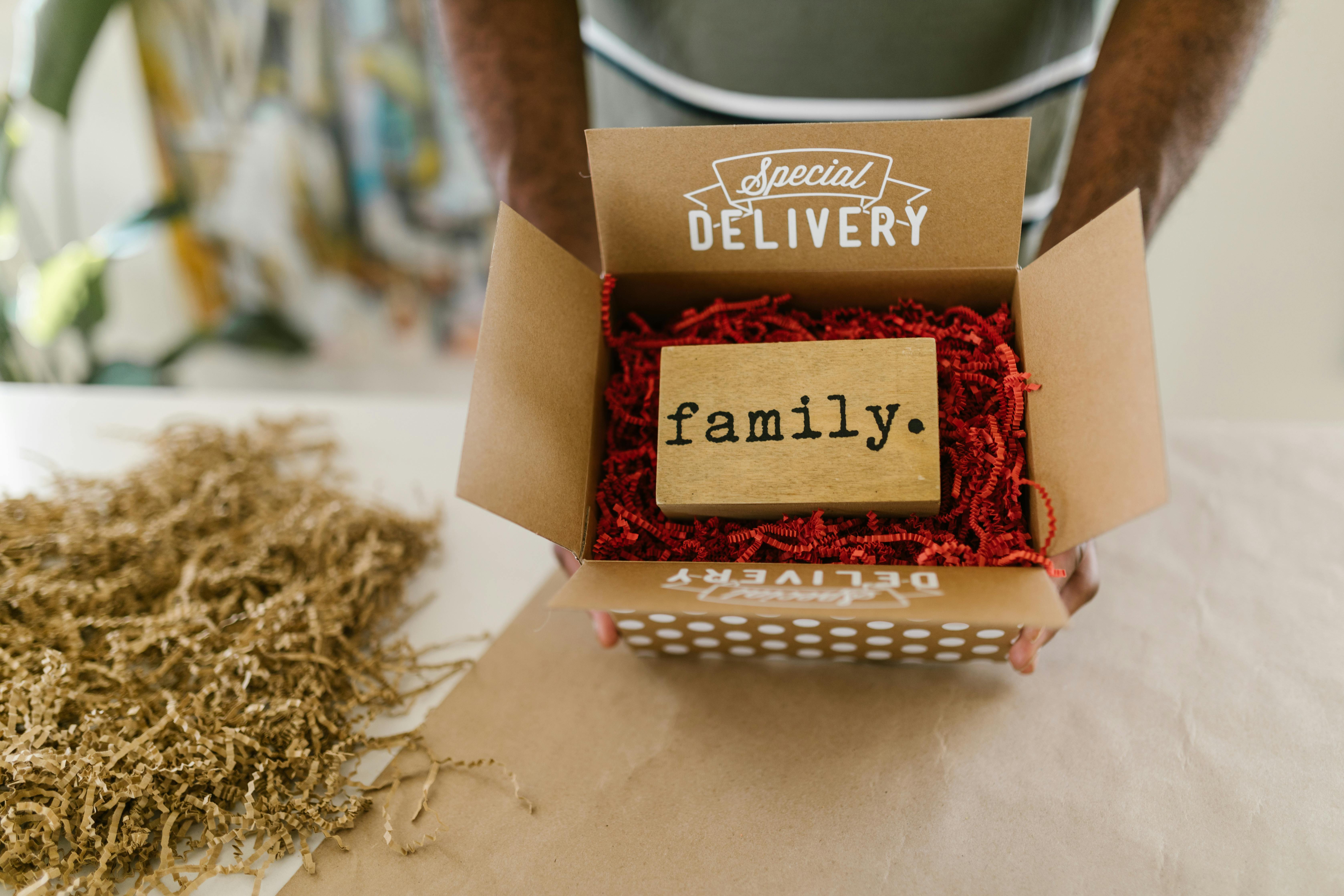
Coffee shipping boxes cost more than many buyers expect because the box is part transit packaging, part sales presentation, and part brand signal. That is a heavy assignment for one piece of board. A coffee box has to hold weight, resist scuffs, protect aroma-rich product, and still look like something a customer would not mind seeing on the kitchen table. Plain brown corrugated can do some of that. A printed custom structure can do more, and the price follows the work.
One of the easiest mistakes is comparing products that are not actually equivalent. A plain mailer with no print and a custom coffee box with reinforced walls, a branded insert, and a cleaner folding structure do not use the same board grade, the same setup, or the same amount of labor. Coffee shipping boxes cost also shifts depending on whether the box is built for parcel shipping, shelf presentation, or a hybrid format. Those are different requirements, not minor tweaks.
The useful question is straightforward: what is the box expected to protect, which shipping lane will it travel through, and what would failure actually cost? Once those answers are on the table, coffee shipping boxes cost stops feeling fuzzy and starts reading like a spec sheet with a price attached. That shift matters. It is the difference between buying packaging and buying trouble.
Blunt truth: the lowest quote is rarely the lowest cost. A box that crushes in transit, slows packing, or looks generic next to premium coffee ends up costing more in complaints, reprints, and lost repeat orders.
The real cost drivers show up early. Board grade, wall structure, print coverage, insert complexity, and dimensional weight all matter. A box that grows by even half an inch in the wrong direction can trigger a shipping price jump because parcel carriers price by size as much as by weight. Coffee shipping boxes cost is not just a print quote. It is a logistics choice with a manufacturing invoice attached.
Brands that buy packaging well usually ask a sharper set of questions. What is the product weight? How fragile is the load? Which carriers are handling it? How much damage would actually be expensive? Those answers turn coffee shipping boxes cost into something measurable instead of mysterious. That is where better buying starts.
I still remember a roaster who insisted the cheapest carton was “fine” until the first winter shipment. Humidity softened the board, a few corners caved in, and the savings disappeared in one ugly week. That kind of thing happens a lot more often than people admit, kinda embarrassingly so.
What Coffee Shipping Boxes Need to Protect
Coffee packaging is not one-size-fits-all. The box may need to protect stand-up pouches, flat-bottom bags, tin cans, sampler packs, or mixed SKU bundles with inserts and dividers. Each product behaves differently in transit. A flexible pouch can slump and shift. A tin can dents. A gift set can shake itself apart if the interior fit is sloppy. Coffee shipping boxes cost changes because the physical problem changes.
Fit is the first line of defense. Too much empty space means movement, corner wear, and surface abrasion. Too little space means bent flaps, crushed edges, and pack-out delays because the team has to wrestle the carton at every station. In order fulfillment, even a small fit problem becomes a daily tax. Add twenty seconds to pack-out and the labor hit starts multiplying across hundreds or thousands of orders.
Protection is not only about thickness. It is about the whole system: board strength, insert design, edge crush resistance, closure style, and how the box behaves under stacking, vibration, and humidity. For parcel shipping, I would take a smart E-flute or B-flute structure with a tight interior fit over a decorative box that fails the first drop test. The lane matters. So does the weather. Humidity weakens marginal board faster than a lot of buyers expect.
Coffee is premium by nature. Customers pay for flavor, freshness, and brand story. The box has to support that price point instead of undercutting it. A weak-looking carton can make an expensive roast feel ordinary. That is a packaging problem, not a marketing problem. Coffee shipping boxes cost should reflect the damage a poor presentation can do to perceived value and repeat purchases.
Parcel shipping and shelf display are not the same job. A box designed as a counter display shipper may look excellent in a retail setting, yet it may not survive direct-to-consumer shipping unless the walls, closures, and inserts are upgraded. Coffee shipping boxes cost rises when buyers ask one structure to behave like two separate structures. Sometimes that compromise works. More often it means paying twice: once for the box and again for the fix.
Lightweight samples and secondary materials deserve a different format. A simpler outer carton or even Custom Poly Mailers may fit the use case better than forcing every shipment into corrugated. For larger launch kits or bundled product sets, start with Custom Shipping Boxes and build around the product instead of around guesswork. If the brand needs a wider mix of packaging components, Custom Packaging Products is the cleaner place to compare options.
Direct parcel shipping should be judged in terms of stress, not just looks. Can the box survive vibration, a drop, and stacking load without splitting? Does the closure hold under carrier handling? If the supplier understands the logic behind ISTA test methods, the project is already ahead of most buyers who are only comparing artwork mockups.
Coffee Shipping Boxes Cost: Pricing, MOQ, and Unit Rates
Now to the question everyone asks first: coffee shipping boxes cost. Pricing moves with structure, print method, and quantity. Higher MOQ usually lowers the unit cost because setup is spread across more pieces, but only if the spec stays fixed. Change the size, print coverage, or insert layout and the math moves again. Packaging buyers who expect one number to fit every version usually end up frustrated for no good reason.
These ranges are typical for coffee shipping boxes cost, assuming standard custom work rather than boutique ornamentation:
| Build Type | Typical MOQ | Typical Unit Cost | Best For | Tradeoff |
|---|---|---|---|---|
| Unprinted corrugated mailer | 250-1,000 | $0.55-$1.35 | Basic protection and lower-budget ecommerce shipping | Limited branding and less shelf appeal |
| One-color printed coffee box | 500-2,000 | $0.85-$2.10 | Simple logo branding with solid package protection | Less visual impact than full coverage print |
| Full-color custom coffee box with insert | 1,000-5,000 | $1.75-$4.20 | Subscription kits, premium retail packs, mixed SKUs | Higher setup and finishing costs |
| Premium rigid or specialty structure | 500-2,000 | $3.50-$8.00 | Gift sets and high-end presentation | Heavier shipping materials and more labor |
Those ranges are not made up for effect. They reflect the reality that coffee shipping boxes cost is driven by material choice, print complexity, and the amount of manual handling the structure requires. A kraft mailer is inexpensive because it is simple. A printed, insert-ready box costs more because more operations are involved. There is no mystery in that math.
Break the quote into buckets if you want control. Material, printing, die cutting, inserts, finishing, packaging, and freight should all be visible. Hidden costs are where projects go sideways. Sample charges may be modest or annoying depending on the supplier. Die or plate fees can sit around $75-$400 for simpler jobs and climb from there for more complex tooling. Rush production can add a meaningful premium, especially if the line has to be reshuffled. Split shipments also add freight pain, and nobody enjoys discovering that after approval.
Coffee shipping boxes cost also depends on whether the quote is ex-works or landed. A low unit price can look attractive until freight, duties, and local delivery are added. Then the number is not so attractive. Ask for delivered pricing if you want a realistic comparison. That is especially true for smaller runs, where freight can eat a surprising share of the total.
If you are comparing options, request unit pricing at 250, 500, 1,000, and 5,000 pieces. That makes the volume break visible. It also shows whether a larger MOQ is actually worth the cash tied up in inventory. Sometimes it is. Sometimes the savings per unit are too small to justify the warehouse space. Coffee shipping boxes cost should be mapped, not guessed.
One more cost buyers often miss: dimensional weight. A larger box can cost more to ship even if the product inside is light. That means coffee shipping boxes cost is tied to manufacturing and freight at the same time. Add an inch in each direction and the box may cost more on every shipment for the life of the program. That is a costly way to buy a little extra air.
There is also the hidden expense of inconsistency. A carton that varies by a few millimeters from batch to batch can slow packing and create random fit issues. It sounds small on paper. In a busy fulfillment room, it can be a real nuisance.
Coffee Shipping Boxes Specs That Change Cost
Box style is the first spec lever. A mailer box, tuck-end box, corrugated shipper, sleeve-and-tray, and custom insert system all behave differently in production and in transit. A mailer box is usually efficient to assemble and offers decent presentation. A sleeve-and-tray can look elegant, but it adds parts and labor. A custom insert system increases coffee shipping boxes cost because the interior has to be engineered, not just folded.
Material choice comes next. Buyers should lock the flute type, caliper, kraft versus white stock, recycled content target, and moisture resistance before asking for a quote. E-flute is common for cleaner print and lighter builds. B-flute gives more crush resistance. For some shipping lanes, 32 ECT is enough. For heavier loads or rough handling, 44 ECT or a stronger corrugated grade may be the better call. These decisions change coffee shipping boxes cost in ways that show up on both the factory floor and the shipping invoice.
Print decisions can swing the price more than people expect. No print is cheapest. A single-color logo is a controlled step up. Full-coverage print, inside print, and Pantone matching add setup time and production complexity. The real question is not whether color looks good. Of course it does. The question is whether the added coffee shipping boxes cost is buying something the customer can feel, handle, or remember. If yes, spend it. If the only answer is that it would be nice, save the money.
Finishing options deserve the same scrutiny. Matte varnish, gloss varnish, soft-touch coating, foil, embossing, and spot UV all have a place. They also all have a cost. Some belong on a premium gift set. Some are just polished ways to spend money. I favor finishes that improve handling or perceived quality without blowing up budget. Soft-touch can work beautifully on a high-end coffee box, but if the box is moving through rough ecommerce shipping, the finish still has to survive scuffs and abrasion.
Dimensions and tolerances matter more than most buyers realize. A half-inch change can alter board usage, nesting, carton counts, and freight class. It can also change the quotation entirely. Coffee shipping boxes cost often rises because the buyer changed the size after the quote, not because the supplier quietly raised prices. That is not price creep. That is a spec change.
For buyers who care about sourcing as much as structure, FSC-certified paperboard is worth asking for. It will not magically lower coffee shipping boxes cost, but it does support a cleaner story around responsible fiber sourcing. If the project ships in parcel networks, ask the supplier to think in the language of drop tests, compression, and vibration. The FSC site and the ISTA organization are both useful references for that kind of conversation.
One practical note from the production side: a beautiful print spec does not help much if the die line is off by even a little. I have seen a spotless design file turn into a messy correction cycle because the insert pockets were drawn too tight for the filled product. The box looked great in renderings. It was less great in a real packing line.
Coffee Shipping Boxes Process, Timeline, and Lead Time
Good packaging projects move in a predictable order. Bad ones jump around, then everyone acts surprised when the schedule slips. The usual sequence is inquiry, spec review, artwork check, quote, sample or prototype, approval, mass production, inspection, and shipment. That sounds simple because it is simple. The trouble starts when a buyer skips the boring parts and expects the box to behave anyway. Coffee shipping boxes cost is not the only thing that changes when the process gets sloppy; lead time does too.
The fastest projects are the ones where the buyer sends complete information the first time. Exact dimensions. Product weight. Box style. Print requirements. Insert layout. Ship-to destination. If one of those pieces is missing, the quote will be rough and the sample may miss the mark. Missing dielines and low-resolution artwork are classic delays. So is a last-minute switch from plain kraft to full-color print after the quote has already been approved. That kind of change is why people think packaging takes forever.
Typical timing varies by structure. A simple unprinted run may move in about 5-10 business days after approval. A printed coffee box with inserts often takes 12-20 business days. If the project includes special finishes, tight color matching, or a more complex layout, expect more time. Freight can add another layer. Ocean freight is not fast. Air freight is fast but expensive. Pick your pain.
Sample time is not production time. I have seen buyers approve a prototype in a week and then assume the full run will follow the same clock. It will not. A sample may be hand-built or produced in a small test setup. Mass production has to run on the real line, with real setup, real inspection, and real packing. Coffee shipping boxes cost may look settled on paper, but the schedule is only real once the sample is approved and the files are clean.
The smartest move is to order before the launch date starts breathing down your neck. Seasonal promotions, subscription onboarding windows, and retail resets all need buffer time. If your coffee line launches in a month, you are already close to the edge. If you are reordering, keep the approved spec on file so the next round is a repeat, not a fresh puzzle.
Lead time also affects unit cost indirectly. Rush jobs, split deliveries, and repeated artwork revisions all add friction. Coffee shipping boxes cost stays lower when the project is calm and the spec does not shift every few days. That is not a slogan. It is just production reality.
Lead time is where a lot of projects lose credibility. A buyer promises a launch date, the box arrives late, and suddenly the packaging gets blamed for a scheduling problem it did not cause. The cleaner fix is boring: lock the spec, approve the sample fast, and give the factory enough runway. Not glamorous, but it works.
Why Choose Us for Coffee Shipping Boxes
A good packaging supplier should do more than repeat the quote. The real value is in helping you get the spec right before the run starts. That means cleaner pricing, fewer revision loops, and coffee shipping boxes that actually ship without drama. Buyers do not need pep talks. They need boxes that fit, protect, and present the product well enough to support the sale.
At Custom Logo Things, the value should be practical. Clear dieline guidance. Straight answers on board grade. Honest feedback on whether a structure is worth the spend. If a simple build will do the job, it should be offered. If a stronger spec is needed for transit packaging, that should be stated plainly. Coffee shipping boxes cost gets messy when suppliers hide behind vague language. Good suppliers make the decision easier, not harder.
Repeat order stability matters too. A coffee brand that reorders three months later should not get a box that looks like it came from a different plant in a different universe. Consistent board, controlled color, and reliable dimensions are not luxuries. They are the basics. A premium coffee box that changes shape or shade on every run is not premium for long.
There is also the boring but valuable part: packing speed. A well-built box speeds up order fulfillment because the team is not forcing flaps, trimming inserts, or hunting for the right orientation. Save ten seconds per pack and the labor math starts looking better very quickly. In ecommerce shipping, small process gains are not small once volume climbs. Coffee shipping boxes cost should be judged with that reality in mind.
If you need a straightforward build, start with Custom Shipping Boxes. If you are comparing multiple packaging pieces for one program, move through Custom Packaging Products. If the coffee line includes lighter bundles, sample kits, or mail-based inserts, Custom Poly Mailers may be the better lane for part of the order. The point is to match the package to the product, not to force every item into the same format.
The best packaging partner should also protect your budget from the nonsense costs nobody talks about. A careful spec review can prevent oversized cartons, unnecessary inserts, and finish choices that look expensive but do not improve the customer experience. That is how coffee shipping boxes cost stays under control without making the product look cheap. There is nothing glamorous about that. It simply works.
From an operations standpoint, the ideal supplier conversation is almost unexciting. That is a compliment. The fewer surprises in artwork, pack-out, and freight, the easier it is to keep margin where it belongs.
How to Request an Accurate Quote for Coffee Shipping Boxes
If you want a quote that means something, send the right inputs. Start with exact product dimensions, target quantity, box style, print requirements, and whether inserts or dividers are needed. Add product weight, shipping method, and any known damage concerns. Those details matter because coffee shipping boxes cost is tied to the actual use case, not to a guess pulled from the air.
Here is the checklist I would send with a request:
- Exact product dimensions and weight
- Target quantity at multiple levels, such as 250, 500, 1,000, and 5,000
- Preferred box style and closure type
- Print coverage, logo placement, and color needs
- Insert or divider requirements
- Shipping destination and freight preference
- Launch date or replenishment deadline
- Artwork files and dieline if you already have them
Ask for two or three spec options instead of one. I usually prefer budget, balanced, and premium. That gives you a real way to compare coffee shipping boxes cost against protection and presentation. A budget box may be fine for sample runs. A balanced spec is often the sweet spot for normal ecommerce shipping. A premium spec makes sense for gift sets, subscription launches, or retail-facing kits where the opening experience matters.
Do not forget freight. A quote that ignores shipping materials and delivery cost is only half a quote. Ask whether the pricing includes cartons packed flat, whether shipping is split, and whether the supplier can consolidate to one destination. Those details can move the real landed cost more than a small print change does. Coffee shipping boxes cost looks different once the boxes are actually moving.
If you want a faster approval loop, send the sample decision contact up front. Nothing slows production like waiting three days to learn who is allowed to approve the color or the insert fit. Also, tell the supplier whether the box is for a single SKU or a mixed bundle. Mixed kits almost always need more internal planning, which affects both coffee shipping boxes cost and lead time.
The cleanest buying rule is simple: choose the option that matches product fit, budget, and lead time, then lock the spec. If the box protects the coffee, keeps packing efficient, and stays within your unit cost target, you have the right build. If not, revise Before You Order. Coffee shipping boxes cost should be a decision, not a surprise.
Common Questions About Coffee Shipping Boxes Cost
How much do coffee shipping boxes cost per unit?
Unit price depends on size, board grade, print coverage, inserts, and MOQ. Plain unprinted boxes are the cheapest route, while custom printed and insert-ready boxes cost more. In practice, coffee shipping boxes cost usually drops as order volume rises because setup fees are spread across more pieces.
What affects coffee shipping boxes cost the most?
Material thickness and box style usually move the price more than small artwork changes. Full-color printing, specialty finishes, and custom inserts can add meaningful cost. Shipping method matters too, because a stronger box may cost more upfront but reduce damage losses and support better package protection.
What is a normal MOQ for coffee shipping boxes?
MOQ varies by structure and print method, but custom orders often start in the low hundreds or higher. More complex boxes, rigid styles, or specialty finishes usually need a larger MOQ. If you need a smaller run, expect a higher unit cost and fewer options on finishing.
How long does it take to make coffee shipping boxes?
Simple orders move faster than fully Custom Printed Boxes with inserts. Sampling, artwork approval, and freight planning all affect the timeline. If you have a launch date, build in lead time early so production is not rushed and coffee shipping boxes cost does not climb because of urgent changes.
Can I reduce coffee shipping boxes cost without making them look cheap?
Yes. Simplify print coverage, avoid unnecessary finishes, and choose the right structure for the product. Keep dimensions tight to reduce material waste and shipping inefficiency. Ask for alternative specs so you can compare coffee shipping boxes cost against appearance and transit protection before you place the order.
Before you approve any run, compare the box against three things: fit, freight, and finish. If the carton protects the coffee, travels within your shipping limits, and still feels right for the brand, you have a defensible spec. If any one of those breaks, fix the spec first, because that is where coffee shipping boxes cost usually gets out of hand.

