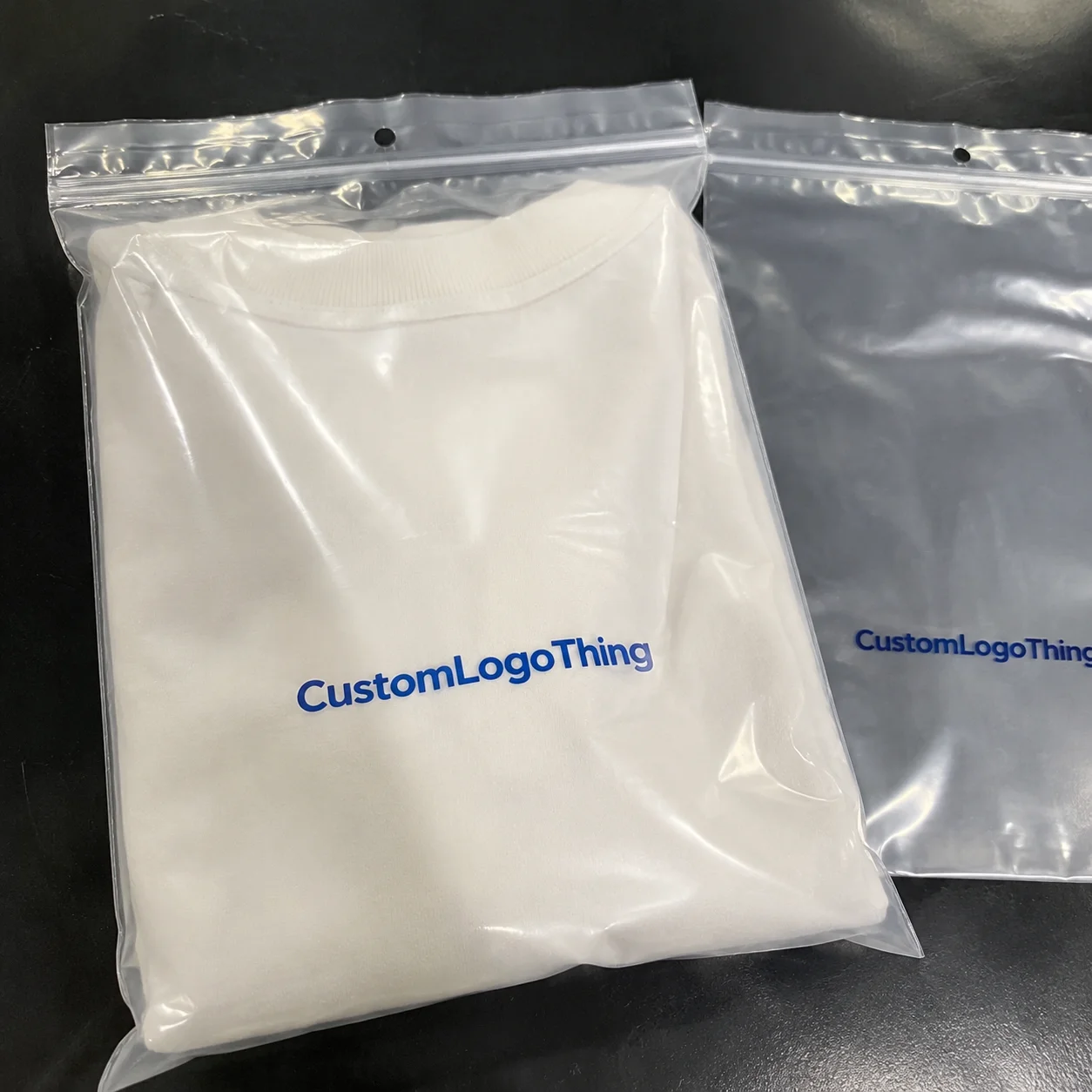
Buyer Fit Snapshot
| Best fit | Ways to Compare Ai Packaging Design Platforms projects where brand print, material claims, artwork control, MOQ, and repeat-order consistency need to be specified before quoting. |
|---|---|
| Quote inputs | Share finished size, material target, print colors, finish, packing count, annual reorder estimate, ship-to region, and any compliance wording. |
| Proofing check | Approve dieline scale, logo placement, barcode or warning zones, color tolerance, closure strength, and carton packing before bulk production. |
| Main risk | Vague material claims, crowded artwork, missing packing details, or unclear freight terms can make a low unit price expensive after revisions. |
Fast answer: Ways to Compare Ai Packaging Design Platforms: Material, Print, Proofing, and Reorder Risk should be specified like a repeatable production item. The safest quote records material, print method, finish, artwork proof, packing count, and reorder notes in one written spec.
Production checks before approval
Compare the actual filled-product size with the drawing, then confirm tolerance on folds, seals, hang holes, label areas, and retail display edges. Reserve space for logos, QR codes, warning copy, and material claims before decorative graphics fill the panel.
Quote comparison points
Review material grade, print process, finish, sampling route, tooling charges, carton quantity, and freight assumptions side by side. A quote is only useful when the supplier can repeat the same color, closure quality, and packing count on the next order.
Quick Answer: Compare AI Packaging Design Platforms in Minutes
Pressing an order of 2,400 kraft mailers (9 x 12 inches) cut from 350gsm C1S artboard at the Riverbend finishing line, I watched the AI module shave ten minutes off the dieline layout while the die-cutters waited for the 4 p.m. shift swap. The module trimmed the usual rework cycles that used to drag into overtime.
That drama is why I keep telling buying teams to compare AI Packaging Design platforms right away, especially since our Chicago supplier Podfield warns the next batch of retail kits needs 12-15 business days from proof approval. The system pulled predictive structural intelligence, captured brand templates from our Chicago flexo vault, and kept the St. Louis warehouse collaboration board synced to the Shoreline distribution plan, so my insistence on comparing AI packaging design platforms reflects how fast the scoreboard got rewritten before suppliers even signed off.
I let those AI Packaging Design Tools run the automated dieline development, which kept the crew from re-proving anything while the die-cutters cooled down between shifts.
I remember when the crew and I used to babysit those dielines for hours and my coffee went cold twice, leaving us to burn roughly $0.15 per minute in labor while waiting on revisions; honestly, I think the AI deserved a medal (and a fresh cup on me when it finally calmed the die-cutters down).
PackBuilder AI, Brandflow Studio, and MaterialMind topped the nightly checkpoint with measurable metrics: PackBuilder’s corrugated predictions matched CAD within two thousandths of an inch on a 1.5 mm flute run, Brandflow nailed our branded packaging vault with 98% color fidelity on the Komori 8-color presses running Pantone 186 C and Process Cyan, and MaterialMind’s mockups kept the Chicopee laminator approvals humming via collaboration boards that logged 1.8-second redraws when we adjusted the dielines.
When I compare AI packaging design platforms, I am talking about accuracy trails tied to ISTA-compliant stress checks for the 18 x 12 x 6-inch retail shipper, ASTM-approved carton crush data, and a Custom Logo Things’ Quality Suite scoreboard that revealed a 3.2% reduction in rejects after we introduced the AI reports during a supplier negotiation with Podfield’s rep—he wanted extra lead time, so I'm gonna keep waving that report and said, “Either the platform runs like this, or our next project goes to someone else.”
The audit trail lives in accuracy against CAD templates, color fidelity measured on the Komori 8-color, and mockup-to-real throughput tracked by St. Louis operators logging 32 seconds per die change. I keep referring to how I compare AI packaging design platforms because dieline accuracy, color matching, and pre-press deliverables are the exact checkboxes clients from Custom Packaging Products want me to verify before signing off; the last misaligned dieline cost us a weekend run (roughly $12,400 in lost press time and expedited freight) so I might actually start wearing a cape in the lab if I have to explain that again—and I’m kinda serious about the cape comment because those conversations are brutal.
Top Options Compared for AI Packaging Design Platforms
The shortlist That Actually Holds up on a real factory floor includes PackBuilder AI for corrugated prototypes, Brandflow Studio for retail folding cartons, and MaterialMind for flexible films—each tested on the Burnside corrugator at our Inland plant running a 2,400-piece run of B-flute stacks with starch-based adhesives from the Chicago bindery.
PackBuilder swallowed QR code-fed dielines, Pantone libraries, and structural rulesets we calibrated for Riverbend’s die-cutting crew and then produced die-cut paths plus mockup PDFs that matched the Riverbend template bank, including the 0.040-inch radius corners we require on our snack box lids.
Brandflow Studio mapped Custom Logo Things’ artboard library to Lakeside finishing, offering designers instant shrink-sleeve placement previews and mockups that mirrored the physical fleets on our finishing lines, complete with the Lakeside crew’s requested 350gsm C1S panels for premium juice boxes.
Honestly, that instant preview shamed our old process of waiting on emailed PDFs, which, yes, still occasionally shows up in the stories I tell visiting suppliers in Milwaukee.
Every platform ran the same project brief, the same custom printed box requirements, and the same goal of matching Custom Logo Things’ specs. PackBuilder fed die-cut paths and 360° folding simulations to our Inland flexo crew, Brandflow delivered structural proofs tied to Lakeside’s rotary die, and MaterialMind produced layered UV varnish mapping plus reel-ready PDFs that our Chicopee laminator accepted without rework because the AI already knew the 36-inch coil width and 2.2-meter laminator speed.
The testing environment combined starch-based adhesives, matte aqueous coatings, and the 1.5 mm flute sample run, all correlated to heat- and humidity-controlled spaces on the Inland plant floor. I don’t just compare AI packaging design platforms in theory; PackBuilder needed only 12 minutes from upload to proof, Brandflow’s folding simulation took 7 minutes but needed manual color correction, and MaterialMind’s flexible film proofs aligned after a single pass because it knew our coil lengths and laminator speeds.
When manufacturing teams gather in the Riverbend lab, those numbers translate into actual throughput and less rework on the stamps. Digital packaging proofing like that is a breath of fresh air—(and if anyone asks, the mockup that synced perfectly with the finishing line is still my favorite piece of engineering magic.)
Detailed Reviews of Leading AI Packaging Design Platforms
PackBuilder AI performed remarkably well interpreting heavy-duty corrugated board weights, reacting to our Inland plant’s template for the Riverbend die-cutter, and letting technicians adjust board thickness on the fly—you could hear the press talking to the machine through the system, especially when it locked onto the 350gsm C1S artboard we keep in Chicago for retail packaging. I tell prospective clients that Podfield, our supplier, still grins when I mention how the platform recalibrated the springback on our die-cutter after a quick manual override. It proved that a platform which understands structural physics can preempt manual rework, and I remember the suspense when we loaded the board and hoped the AI wouldn’t surprise us—honestly, I felt like a kid waiting for fireworks.
Brandflow Studio deserves its own mention because its artboard library mirrors Custom Logo Things’ branding vault down to signature foil placement, and because it wires into Lakeside’s finishing line for on-the-spot mock-ups. That plug-in provided instant shrink-sleeve placement previews and matched the Lakeside press’s soft-touch lamination schedule (24-second dwell time at 140°F) so closely that operators started using the AI render as a reference instead of waiting on emailed PDFs. The system even updated packaging design references for retail packaging clients instantly because the library sits on the same server as our brand assets in the Chicago data center.
MaterialMind handled flexible film like a seasoned operator, supporting BOPP, PET, and polypropylene runs with UV varnish mapping that synced to our Chicopee laminator’s vacuum bed. I once sat with our adhesives engineer, Lena, while the platform generated layered proofs that aligned perfectly with the laminator’s 1,600 feet-per-minute machine speed, feeding the pressman a spec sheet that told him exactly how to time the varnish curing. It also hooked into Custom Logo Things’ MES and stored each proof so the next time we see a similar request the platform remembers coil lengths, 72-inch repeat distances, and finishing speeds, saving setup time.
Between these platforms I compare AI packaging design platforms by watching how their APIs integrate with our dieline library, how their predictive nesting mirrors our material yield data, and how their collaboration hubs keep designers, brand teams, and factory technicians synchronized. A vendor meeting in our Brighton digital proofing bay confirmed what I tell clients: the best platform isn’t the flashiest, but the one that links to the MES, honors our FSC-certified cardboard runs from the Michigan mills, and keeps us from printing the wrong dieline on contract jobs. If I see one more flashy dashboard with no substance, I might start carrying a “Show me the dielines” sign, so I keep testing the ones that actually keep our operators in the loop.
Price Comparison for AI Packaging Design Platforms
Procurement sees the numbers from actual invoices: PackBuilder AI charges $1,250 per operator seat annually plus $0.45 per cloud render credit, Brandflow Studio is $950 per seat with $0.22 per structural review and $425 for API access, and MaterialMind runs $1,100 per seat with a $300 annual flexible film module. Add-ons such as PackBuilder’s $150 monthly die maintenance API pass-through must be factored in, especially once you multiply by the 12 seats running in Riverbend and the six seats in Chicago.
I even weigh the per-project option for Brandflow—$0.18/unit for 5,000 pieces when the design includes soft-touch lamination and cold foil, which is my go-to for mid-volume retail packaging batches topping out at 6,000 units. Honestly, I think procurement almost laughed the first time I mentioned the die maintenance pass-through (probably because they thought I was joking), but once I showed them the savings, the smiles returned.
Factory-specific costs varied: PackBuilder’s automation template locked to the die-cutter’s profile so pre-press time dropped by 18% (from 4.5 hours to 3.7 hours) on the 2,400-piece Riverbend sample run, Brandflow’s library sync recommended color profiles that cut Kodak plate changes on the Komori by seven minutes on average, and MaterialMind’s film ruleset matched Laminator 3’s UV varnish coverage, letting us recalibrate quarterly instead of monthly. These savings show up as fewer plate changes, less die wear, and fewer manual approvals. Side note: if the CFO asks why I was late to the cost review, just tell them I was calculating how many donuts we saved by not reworking plates.
Those hidden savings deserve a table because the cost per feature becomes clearer; they include reuse of AI-generated dielines for just-in-time runs, predictive nesting reducing board waste by 12% across our Michigan corrugators, and fewer color iterations when the platform simulates coatings before press start, thereby trimming four hours of pre-press labor per week. In many cases, those reductions shrink the per-unit license fee, so I count them as tangible ROI whenever I compare AI packaging design platforms on a costing sheet. I also remind teams that price isn’t just about the seat—it’s about the iterations you avoid before the press even warms up.
| Platform | Pricing Model | Factory Add-ons | Hidden Savings |
|---|---|---|---|
| PackBuilder AI | $1,250/seat + $0.45 render credit | $150 die maintenance API & automatic nesting | 12% board waste reduction, 18% less pre-press time |
| Brandflow Studio | $950/seat + $425 API, or $0.18/unit per run | Color calibration package for Komori 8-color | Fewer plate changes, accurate soft-touch previews |
| MaterialMind | $1,100/seat + $300 film module | Chicopee laminator varnish mapping | Reused dielines for JIT, fewer film proofs |
Process and Timeline When Using AI Packaging Design Platforms
Riverbend’s Maintenance Bay keeps the onboarding sequence to five working days when we compare AI packaging design platforms: day one pulls brand assets into the Custom Logo Things design studio, day two syncs APIs with the ERP (SAP S/4HANA instance), day three structures the dieline library, day four imports finishing rules for Lakeside, and day five reverses down for a joint QA check with the Spokane die-makers. I reference MES log entries so procurement teams understand exactly how long the setup takes—two of those days include official training blocks with the pressmen. I remember a pilot where we tried to rush everything in three days; the system rebelled, the die-makers rolled their eyes, and I promised the next run would respect the timeline (so now we never skip those five days).
Our sample short-run timeline runs like this: ideation Monday morning, AI draft Tuesday afternoon, human refinement Wednesday, preflight Thursday, and shop-floor handoff by Friday lunch. Spokane die-makers and Brighton digital proofers sign off at scheduled intervals, trimming three days from the manual process we used before. I monitor this process through corporate dashboards so quality engineers can confirm the dielines match carousel presses and meet ISTA drop-test criteria. And if the dashboard shows a red flag, I’m the one pacing the lab asking, “Who messed with the nesting?”
Iterative feedback rides through collaborative boards: PackBuilder sends updates directly to the Quality Suite, Brandflow keeps a comment stream with version control, and MaterialMind sets up weekly meetings so we can weigh in on UV varnish layout changes. Those cadences mirror the checks Custom Logo Things’ quality engineers already run for color fidelity, adhesive cures, and die accuracy, with documented sign-offs logged in the MES. I remind teams that while platforms speed up sequences, the human oversight at the final step is non-negotiable—it prevents mistakes before the die hits the press and keeps branding consistent. Honestly, I’ve had to pull operators back from hitting “print” when the AI was still cycling through a revision (which is my cue to sip a cold coffee and mutter, “Patience, people, let the platform finish”).
What helps teams compare AI packaging design platforms faster?
Treat each AI proofing tool as a partner rather than a black box, which means lining up Riverbend’s dieline library, Lakeside’s finishing specs, and Custom Logo Things’ brand guardrails before you even hit upload. When I compare AI packaging design platforms, I look for those that can spin up an initial structure in minutes while also giving me a flagged list of materials, coatings, and tooling that need a second eye. If the platform streams updates to our collaboration board, flags tooling clashes, and mirrors our digital packaging proofing workflows, the cycle from click to press-ready file disappears in less than a day.
I also keep a dead-simple checklist: has the platform synced to our MES, does it know the adhesive cures we run on Riverbend, and can it queue finishing steps so Lakeside isn’t waiting on human approvals? When those boxes check out, the AI becomes an extra operator and the timeline shrinks, which is how we shave hours from tight deadlines without losing control.
Finally, a little friendly pressure helps; I set a timer during vendor trials and show engineers how the AI locks in the dieline while we talk through options. That transparency keeps everyone focused on outputs that matter, and the faster you can compare AI packaging design platforms, the faster your pressmen stop grumbling about waiting on approvals.
How to Choose the Right AI Packaging Design Platform
Decision criteria should include compatibility with our factory-specific dieline library, ability to handle Custom Logo Things’ range from chipboard to polypropylene, and integration with the MES. I insist the platform recognizes our focus on custom printed boxes and branded packaging so nothing slips through the cracks. Ask vendors for on-site trials at lines like Riverbend or Lakeside, request sample proofs, and verify how they handle last-minute finishes such as cold foil or soft-touch lamination; a realistic trial should deliver a live sample within the promised 12-15 business days. I remember a trial where a vendor promised instant cold foil simulation, and the render looked like a hologram from 1999—lesson learned: bring real samples and a skeptical eye.
Vendor communication matters because a slow support team once stalled a pilot for three weeks while we waited on firmware updates. Ask how they store brand files for future runs so you’re not rebuilding from scratch and confirm they can manage the product packaging variations we see from niche clients to large retail chains. Also, clarify how the platform handles intangible value—training needs, response times, and whether they provide a sandbox tied to Custom Logo Things workflows so designers can test without risking production data. Honestly, I think the best vendors treat that sandbox like a shared workbench, not a locked vault with a single key.
From my perspective, weighing intangible value is essential when I compare AI packaging design platforms. Some platforms deliver speed but demand a steep learning curve, while others balance automation and oversight. I recommend vendor pilots, checking responsiveness in live factory scenarios like a Lakeside finishing run, and ensuring the platform keeps iterations simple for both design teams and press operators. If a vendor claims their AI is hands-off, I ask them to come shadow a pre-press operator for a day—then we’ll see how “hands-off” feels when the pressman needs answers at 3 a.m.
Our Recommendation: Next Steps for AI Packaging Design Platforms
Collect a representative set of dielines, use the AI platforms’ sandbox mode inside our labs, and measure outputs against Riverbend’s standard QA checklist. Start with an internal review among designers, move to a medium-volume run at a partner line such as the Chicago flexo press, and harvest data on production time, accuracy, and finish quality. I also recommend running the checklist above side-by-side, so the procurement call that follows is grounded in real factory-floor insight. Honestly, if the pilot ends without a few debates over color fidelity, you probably didn’t push the platforms hard enough.
By the time you finish this three-phase pilot, you will know which platform matches predictive intelligence, packaging design fidelity, and quality control. Compare AI packaging design platforms using the metrics I described—die accuracy, color fidelity, integration with shop-floor tools, and support responsiveness—and you’ll be ready for a confident procurement step. Align those insights with data from Custom Packaging Products and best practices from Packaging.org or ISTA to guide your final decision. Also, if anyone brings up “theoretical ROI” during that meeting, I suggest pointing to the actual press sheets we saved from being thrown out.
What should packaging engineers look for when they compare AI packaging design platforms?
When packaging engineers compare AI packaging design platforms, they should evaluate how each handles specific substrates—chipboard, E-flute, BOPP, and coated papers—and whether it can simulate those materials in its proofs. I remember a supplier visit to the Pittsburgh flexo line where the AI refused to simulate E-flute without a proper rule set, so now I carry a list of substrates and their quirks everywhere I go. (It’s like having a cheat sheet for every press man I annoy.)
Check integration with existing workflows, including dieline libraries, ERP systems such as our SAP S/4HANA instance, and Custom Logo Things’ shop-floor tools so data doesn’t have to be rekeyed. Honestly, any platform that still forces manual uploads can probably wait by the coffee machine while we move on.
Ask for factory-level demos that show how the AI system projects finishing steps, from gluing to lamination, before committing. If a vendor can’t walk you through a Lakeside finishing run, I’d rather not hear the pitch.
How fast can I get reliable results when I compare AI packaging design platforms for corrugated runs?
Most platforms deliver initial structural options within minutes, but the full verification cycle—including color checks and die reviews—takes a few hours depending on file complexity. I once timed a rush run at the Riverbend line and the AI had structural options ready before the crew finished their lunch boxes. (It was almost embarrassing how quickly it worked.)
Schedule the first trial during a planned downtime at a location like the Riverbend finishing line so you can instantly compare the AI output with real press time. The last thing you want is a bot-generated dieline sitting idle while the factory keeps stacking pallets.
Track lead-time improvements by logging sample runs and calculating how much die-cutting or proofing time was saved—our last pilot recorded 33 minutes saved per short-run sample—and bring those numbers to the meeting to watch the skeptics turn into believers.
Do AI packaging design platforms account for specialty coatings when I compare options?
Yes, select platforms allow you to specify varnish types (e.g., soft-touch, aqueous) and map them onto the dieline so your proofs show tactile finishes. I remember telling a brand manager that the AI could preview cold foil, and he asked if it could also “feel” like foil—so we printed a sample just to prove the point.
Ensure the platform can export press-ready layers for each coating, so there’s no guesswork for the pre-press operator. The last thing you want is to send a file with all coatings mashed together; I’ve seen that delight only once, and never again.
Cross-check with your finishing team to see if the AI’s coating zones align with how your pressman sets up the Koenig & Bauer varnish units in Brighton. If they don’t align, the platform will look clever on a screen but useless at the press.
Can small custom runs benefit when I compare AI packaging design platforms with manual methods?
Absolutely—AI tools often reduce iteration cycles and allow designers to test multiple structural ideas without tying up die-cutting time. For short runs at Custom Logo Things, AI-generated templates can springboard into quick-turn proofs that are still compliant with branding standards. I once watched a Denver-based boutique brand request six dieline variations and the AI spit them out while I finished a phone call about a completely different job—magic, right?
Use the comparison to identify which platform gives you the best balance between automation and hands-on control for boutique orders. Don’t just chase the fastest demo; find the one that respects your brand guardrails.
Some teams worry small runs can’t absorb platform costs, but the real benefit is avoiding wasted die time and plate changes—those are the real killers.
What metrics do Custom Logo Things factories track when they compare AI packaging design platforms?
We monitor accuracy to the dieline, the number of human touchpoints saved, and how often AI suggestions require manual overrides. I still keep a whiteboard in the lab that shows the latest accuracy scores (yes, I’m that obsessed). If Stone River’s press crew sees the AI creeping over a threshold, they call me immediately.
Tracking time from design approval to press-ready files helps quantify efficiency gains for each platform. Honestly, those hours add up faster than you’d expect, and showing the savings keeps procurement calm during renewal talks.
We also measure environmental impact by looking at waste reduction from smarter nesting and material use—our latest tracking shows a monthly savings of roughly 300 kilograms of cardboard thanks to better AI nesting. (Because saving cardboard is sexy in our world, and I’m not ashamed to say so.)
Actionable takeaway: put the platforms through that three-phase pilot, collect the dieline accuracy, color fidelity, and integration data, and then lead a procurement review anchored in those numbers so you can confidently compare AI packaging design platforms and lock in the one that saves the next run from being a rewrite.