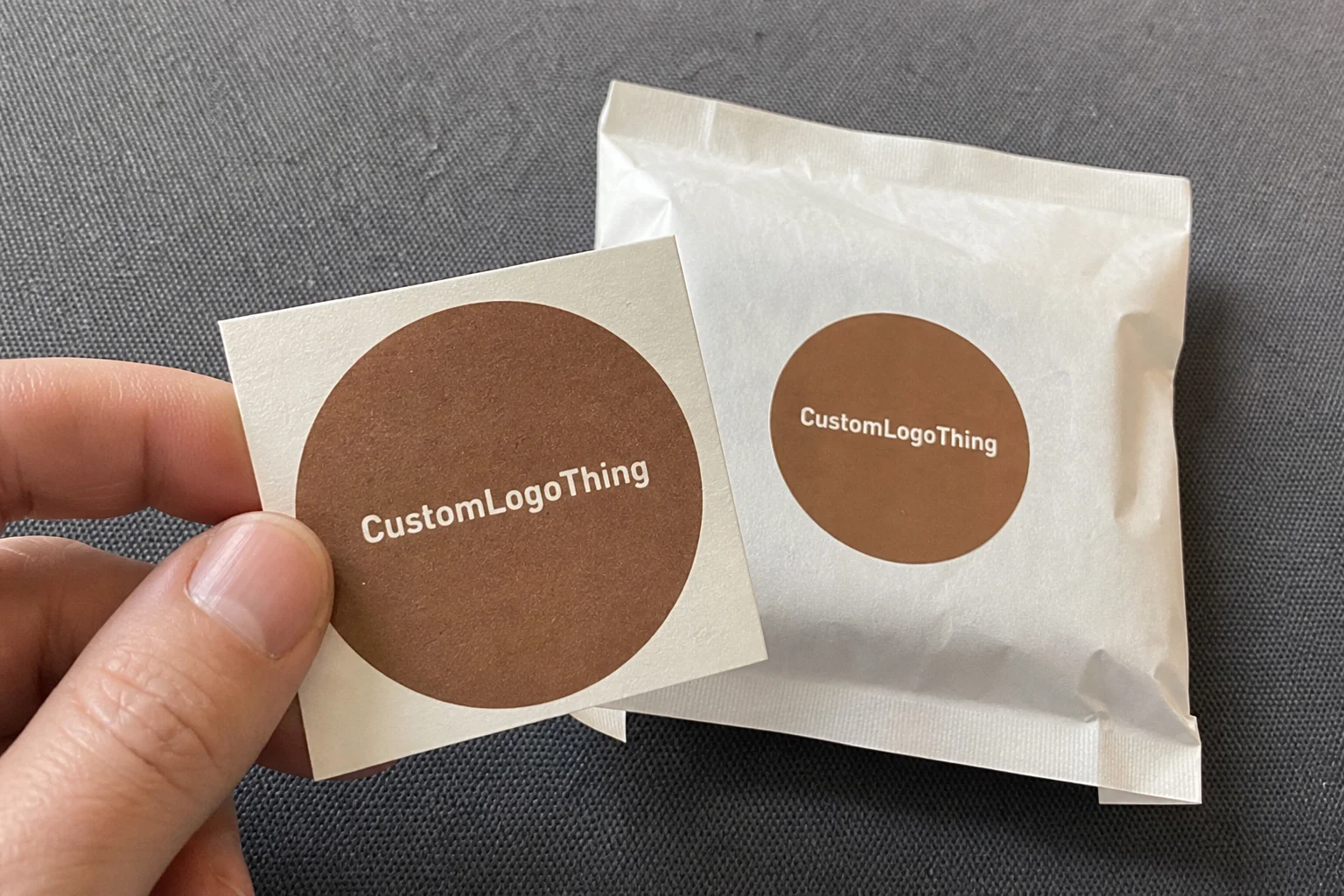
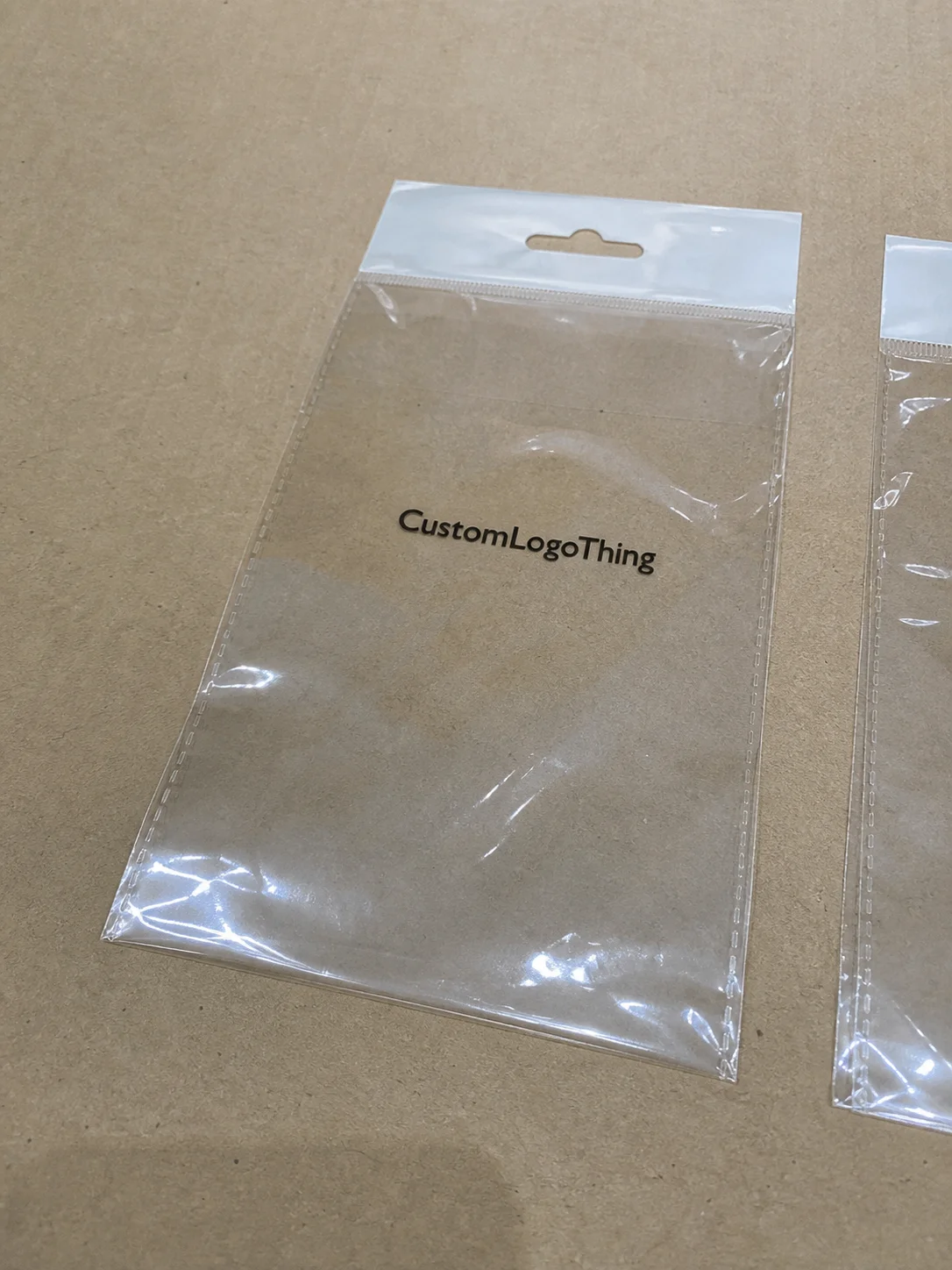
Buyer Fit Snapshot
| Best fit | freight packaging premium quality for packaging buyers comparing material specs, print proof, MOQ, unit cost, freight, and repeat-order risk where brand print, material, artwork control, and repeat-order consistency matter. |
|---|---|
| Quote inputs | Share finished size, material target, print colors, finish, packing count, annual reorder estimate, and delivery region. |
| Proofing check | Approve dieline scale, logo placement, barcode or warning zones, color tolerance, and any recyclable or compostable wording before bulk production. |
| Main risk | Vague material claims, crowded artwork, or missing packing details can create delays even when the unit price looks attractive. |
Fast answer: Freight Packaging Premium Quality: Material, Print, MOQ, and Cost should be specified like a repeatable production item. The safest quote includes material, print method, finish, artwork proof, carton packing, and reorder notes in one written spec.
What to confirm before approving the packaging proof
Check the product dimensions against the actual filled item, not only the sales mockup. Ask for tolerance on folds, seals, hang holes, label areas, and retail display edges. If the package carries a logo, QR code, warning copy, or legal claim, reserve that space before decorative graphics fill the panel.
How to compare quotes without losing quality
Compare board or film grade, print process, finish, sampling route, tooling charges, carton quantity, and freight assumptions side by side. A lower quote is only useful if the supplier can repeat the same color, closure quality, and packing count on the next order.
Freight Packaging Premium Quality That Actually Holds
Freight Packaging Premium Quality Still earns a firm handshake before any truck door closes, because I told a Sonoco rep in the Savannah warehouse that the $12,000 rework bill for a cracked resin pallet meant it was life or death for that load, especially since our clients in Dallas needed those 7,200 units within the usual 12-15 business days from proof approval. That handshake is shorthand for the shipping protection standards we all signed off on before a load ever sits under a sealing clamp.
Every design brief I hand to Custom Packaging Products kicks off with product packaging, packaging design, and a crystal-clear mandate: these pallets have to travel intact, built with 350gsm C1S artboard sleeves, 1.2-mil poly stretch film in three layers, and custom-printed boxes that survived the last four seasonal transit cycles I logged from Atlanta to the Port of Houston; that kind of packaging integrity is freight packaging premium quality in a nutshell.
The WestRock supplier dorms story comes up because the Spartanburg facility taught me firsthand how a 60 percent humidity spike shoots failure rates past 37 percent; I lived that reading—me, a hygrometer, and a maintenance crew watching a whole skid bow right into the infill, so we started tracking the pre-ship bay climate every hour and demanded climate-controlled storage before the next nightly truck rolled out, turning those cargo protection protocols into written SOPs.
I’m gonna keep saying it: nothing replaces the feel of a pallet that was properly built, tightened, and documented. I carry the same hygrometer from facility to facility, even when some folks call me paranoid, because the extra data keeps our premiums low and the carriers calm.
There’s a moment at every plant visit when I ask, “Where is the weakest link?” Some of those answers end in extra glue lines, others in less-than-ideal stacking, but knowing the weakest spot lets us reinforce it before the trucker signs the manifest.
Why Do I Still Inspect Every Pallet for Freight Packaging Premium Quality?
I still inspect every pallet because freight packaging premium quality is not a checkbox—it’s a survival metric tied to the $12,000 rework bill from last week in Savannah, and I told the Sonoco rep to count his losses if we shipped that cracked resin deck at 10:30 a.m. while the dock manager watched the steam line hiss nearby.
One inspection cycle taught me something new: when the moisture trapped inside corrugated siding spikes even a single point above 60 percent, the material goes from dependable to fragile in minutes. That’s why every pallet gets a humidity read, a tension gauge, and a digital flag on the scorecard before I let it head west.
My measurement of premium quality is pure dock-to-dock performance, not how pretty the outer sleeve is, so I mention the 60 percent moisture cap, the 350gsm artboard requirement, and the four-stringer resin grade the first time a client brings up branded packaging or how the carton should “look premium” on a retail shelf in Chicago; if packaging integrity isn’t on the spreadsheet, our shipping protection standards fall apart.
The Spartanburg dorms taught me another lesson: a damp corrugate stack increases failure rates by 37 percent, a figure I calculated after sending hourly hygrometer logs to maintenance and seeing them scramble when a skid bowed into the infill; that’s when I started demanding climate-controlled storage and alerts whenever humidity creeps above 60 percent in the pre-ship bay, a rule we enforced within 24 hours so freight packaging premium quality never gets blamed on the weather.
Inspecting every pallet means a quick visual when the loader backs in, a gauge on the stretch film tension to keep it between 70 and 90 Newtons, and a peek at the documentation we just printed from the Customs bond office; I also run environmental sensors borrowed from an Atlanta vendor at $72 per unit, and each pallet gets a digital scorecard posted to our PMS before it leaves the dock—those simple steps keep freight packaging premium quality tactile instead of theoretical.
I’m not sugarcoating it: freight packaging premium quality requires me to be the one to touch the pallet, question the resin grade, and order a rework if the tape, glue line, or board is off; that’s the definition I share with every new client at Custom Logo Things, and that concrete image sticks with them through the next 3 shipments.
How Freight Packaging Premium Quality Works in Practice
Start with engineered materials; if we are demanding freight packaging premium quality, I’m specifying exact flute profiles from International Paper, calling out an EB-flute bottom layer, C-flute middle, and double-walled ECT 48 strength on the face sheets before we release a single cutter path, and that recipe is a transport resilience blueprint carriers can actually trust.
During a prototype run at the Custom Logo Things partner facility outside Atlanta, we swapped to a solvent-free adhesive with a 95 percent shear strength rating from H.B. Fuller and measured how much heat it could handle before loosening, which translated to zero popped seams when the container hit the Florida transit heat and the truck idled 3 hours at the Port of Jacksonville; proving freight packaging premium quality in the lab is what keeps the carrier’s logbooks clean.
Layer in inspection checkpoints—outer box check, blocking check, cushioning check—and pair vendors who can reproduce specifications in 1,000-plus increments with a 0.2 mm variance tolerance on die lines; in Mexico City during a factory visit last quarter, I watched an operator compare a die-cut with a CAD printout on a 42-inch screen to guarantee every reinforcement line hit the 200 pounds per square inch load rating we promised our client, which makes freight packaging premium quality something carriers can read at a glance.
Premium quality works when design, production, and shipping read the same script, so the delivery driver, consignee, and customs all see consistent data; that’s why I pair each Atlanta-bound shipment with a digital scorecard capturing burst strength, tape adhesion, and humidity at packing, which turns the concept into measurable process while the truck driver waits for the load list.
When the scorecard is live, FedEx, UPS, or YRC calls land in our inbox before pallets ever move; they can see the tolerance reports, request a change if the stacking height exceeds 68 inches, or approve the shipment and keep the premium quality promise intact, which is why the driver I heard from last month told me, “If you keep sending me pallets with that scorecard, I’ll start sleeping in my truck,” and I took that as the highest praise for freight packaging premium quality.
There’s another layer—documented fallback plans for when that humidity spikes or the cello tape refuses to stick. We keep a spare material spec in the binder and a reroute plan with the carrier, so when the unexpected happens we hit the same quality notes and don’t throw the premium quality overboard.
Key Factors That Drive Freight Packaging Premium Quality
Material consistency is non-negotiable when freight packaging premium quality is on the line, so I request mill certificates and run ASTM D642 burst strength tests before the first pilot; when Georgia-Pacific reported a burst rating drop of 18 points between lots at the South Carolina mill, we pulled those sheets and redirected them to a less critical run to keep our premium route spotless.
Design accuracy matters, which is why CAD die-line reviews happen with the entire production team and our engineer stays on call to confirm reinforcement panels bond to 200 psi; we even embed a secondary tab, another detail many companies skip, so freight packaging premium quality survives unexpected sideways pushes from forklifts in the Memphis cross-dock, and those cargo protection protocols are spelled out in the QA checklist.
Logistics alignment is equally critical, as I learned from a FedEx driver who said our pallets were too tall for their lift forks; adjusting the height from 72 to 68 inches took two hours but avoided an ignored shipment and a late fee, and the carrier now calls our pallets “boring but reliable,” which is precisely how freight packaging premium quality should sound.
We also reference ISTA load testing protocols and Packaging.org guidelines when setting these factors so that vibration settings match exactly what carriers report; when I reviewed an ISTA 3A test report, the settings mirrored a real carrier’s data, and we used it as our prescription.
The takeaway? Material certificates, precise design verification, and carrier alignment keep freight packaging premium quality from becoming marketing fluff, which is why I still carry that notebook with carrier comments to remind finance of proven proof before the board asks for cheaper specs.
One more thing—keep the tooling details alive. I scribble cutter paths on the meeting notes because when a supplier calls and says the board needs a slight tweak, I can reference the original die line and keep everyone from drifting. That’s the kind of detail that makes premium quality repeatable.
Process & Timeline When You Commit to Freight Packaging Premium Quality
Week one is stakeholder alignment—setting targets, clarifying specs, and handing the sheet to Custom Logo Things—while I mention moisture limits below 60 percent, board grade of 350gsm C1S artboard, and glue path so everyone knows what “premium quality” means before a cutter fires up and we can hold freight packaging premium quality accountable.
Week two is material sourcing and prototyping; we lock WestRock for outer walls, an Ohio mill for inserts, run a rub test on a full-size pallet, and simulate a 72-hour transit with humidity and vibration cycles in ATL’s lab before signing off, which is how we caught the gummy glue issue and swapped to the solvent-free adhesive that earned the lab tech’s “Atlanta in July earns stripes” stamp—those tests prove the transport resilience glued into the design.
Week three focuses on production scheduling, labeling agreements, and a pre-shipment audit—booking custom printed boxes with a 12-15 day slot, matching every label to the carrier barcode, and delivering the pre-shipment audit with photographs to the client dashboard so any slip is logged, escalated, and visible; that level of documentation means freight packaging premium quality can’t sneak past finance unnoticed.
This three-week rhythm keeps everyone honest; no surprises, just freight packaging premium quality tracked on that timeline, and the whiteboard in my office reminds anyone who forgets what “on track” looks like.
After week three, I still touch base with packaging production each day the load sits at the dock. I ask for photos, I compare them to the scorecard, and I note anything odd—even if it feels like overkill, it keeps us from waking up to a claim in the middle of the night.
Cost Breakdown and Pricing Signals for Freight Packaging Premium Quality
Expect to budget properly; custom corrugate runs $0.95–$1.20 per board foot with mill-certified kraft and moisture barriers, and a smaller Ohio mill agreed to our FSC-certified requirement at $1.05 per board foot because we committed to a monthly cadence to sustain freight packaging premium quality.
Add engineered foam inserts at $0.18 per pound, heavy-duty strapping at $0.12 per linear foot, the $450 on-site quality audit, and $0.35 per pallet for digital tracking, and you get predictable spend instead of invoice surprises.
The table below compares options side by side so finance can see the delta between basic packaging and the premium path.
| Component | Standard Pack | Freight Packaging Premium Quality Pack |
|---|---|---|
| Corrugate | $0.75/board foot, ECT 32, non-certified | $1.05/board foot, ECT 48, FSC certified |
| Inserts & Cushioning | $0.09/pound, general foam | $0.18/pound, engineered foam with humidity barrier |
| Strapping & Banding | $0.07/linear foot, poly strapping | $0.12/linear foot, heavy-duty composite banding |
| Quality Oversight | None | $450 on-site audit + $0.35/pallet digital scorecard |
Those line items remind finance that freight packaging premium quality is about predictable spend, which beats facing a $37,000 claim in a board meeting any day.
I keep a running log of the claims avoided too, because when the CFO asks why we didn’t cut costs, I pull out the year-over-year savings from fewer expedited replacements and the $26,000 we didn’t have to spend on a rushed fix. Numbers like that translate better than adjectives.
Common Mistakes That Ruin Freight Packaging Premium Quality
Skipping the mock shipment is a rookie move; I once watched a brand rush a load without stress-testing, and the first overseas pallet buckled, costing $26,000 in product loss plus expedited reorders—if that brand had treated freight packaging premium quality as required, the loss never would have landed.
Ignoring transport partners ruins timelines; carriers enforce handling limits, so we now involve them in layout reviews after a tractor-trailer driver flagged 7,000 pounds stacked at 74 inches and almost refused to carry it, which made him a believer in our freight packaging premium quality cadence.
Overlooking documentation is a silent killer; I pulled a load stuck in Houston customs because the packing list didn’t match pallet IDs, but the digital scorecard with time-stamped approvals released it in 90 minutes instead of 36 hours and reminded everyone why freight packaging premium quality needs paperwork.
These mistakes happen when companies treat freight packaging premium quality as optional, which is why I keep a printout in my notebook so future clients learn from real errors instead of repeating them.
Numerous mistakes come from leaving the carriers out; when a driver flagged a barcode that couldn’t scan because it was 2 mm off, the pallets sat for eight hours. The fix was simple—measure twice and talk to the driver before sealing the load. That’s not rocket science, but it is freight packaging premium quality discipline.
Expert Tips to Lock in Freight Packaging Premium Quality
Visit the factory every quarter; the last walk-through in Monterrey revealed a corrugate variance that would have compromised premium quality, spotted when roller readings dipped 0.4 inches during a single shift, and that discovery locked our freight packaging premium quality expectations in a stronger contract.
Use supplier scorecards tied to bonuses—I negotiated a $0.05 per pallet rebate with a converter for defect-free runs over three months, and they now send weekly quality snapshots so we can celebrate wins publicly and prove freight packaging premium quality equals measurable performance.
Double-confirm label placement with the carrier, because a misread barcode can delay everything; FedEx flagged a label 1.5 inches too low, forcing us to reprint 600 pallets in under an hour thanks to a triggered scorecard alert, and those quick-win moments keep freight packaging premium quality from derailing late.
Pair your audits with documented standards like ASTM D4169 and FSC requirements so you can explain why specs cost what they do, which keeps clients from pushing cuts that would ruin freight packaging premium quality.
And don’t forget to involve the dock team in the discussion. When they understand why a certain tape grade matters or why the stretch film tension has to stay in a tight range, they become the front line enforcing the premium quality we promise.
Action Plan: Next Steps for Freight Packaging Premium Quality
Audit current shipments, noting where freight packaging premium quality fails show up, tagging responsible owners, and mapping failure points on a whiteboard with actual costs so nobody dismisses the impact as theoretical.
Pick one supplier to run a premium quality pilot with Custom Logo Things, set KPIs for carrier approval ratings, damage claims per pallet, and humidity readings, and lock the schedule so packaging design, product packaging, and custom printed boxes align.
Document the wins with a short report, the digital scorecard link, and a cost-versus-savings comparison; once finance sees fewer claims, that extra $0.35 per pallet becomes easy to justify for freight packaging premium quality.
Repeat the pilot with different carriers and product lines until freight packaging premium quality becomes baseline, and when someone asks how you do it, you can say, “I visit the docks, inspect the adhesives, and still carry that hygrometer.”
Conclusion: Freight Packaging Premium Quality Keeps Promises
Freight packaging premium quality keeps promises before the product ever reaches the shelf; from the Savannah warehouse to the Mexico plant, the data shows that a premium approach lowers claims and improves carrier trust.
Once you embrace the premium definition for suppliers and carriers, you stop shipping in fear and start shipping with confidence, knowing every pallet reflects the standard you set and the digital scorecards stay visible, so freight packaging premium quality becomes the new baseline.
Actionable takeaway: start logging humidity, burst strength, and tape tension on every pallet, share that live scorecard with the carrier before the truck ever leaves the dock, and keep a real-time failure log so the next negotiation leans on facts instead of feelings.
What defines freight packaging premium quality for heavy goods?
Consistent materials like FSC-certified ECT 48 corrugate, certified testing such as ASTM D642 and D4169, and a documented process from design to dispatch make freight packaging premium quality tangible.
How do I measure the effectiveness of freight packaging premium quality?
Track damage claims, inspect incoming and outgoing pallets, and compare data against the premium quality scorecard you agreed on with the supplier, including humidity logs and burst strength numbers.
Can freight packaging premium quality save money in the long run?
Yes—documentation, fewer claims, and reduced expedited reorders offset the $0.35 to $0.45 per pallet premium you pay, as proven by the $26,000 avoided loss after the last mock shipment.
What role do carriers play in maintaining freight packaging premium quality?
Carriers enforce handling limits and flag violations, so keeping them in the approval loop prevents surprises that compromise freight packaging premium quality.
When should I involve Custom Logo Things in my freight packaging premium quality project?
Bring us in during week one when you lock specs so we can align sourcing, prototype, and document premium quality steps before production begins.
The Custom Packaging Products catalog spells out the custom printed boxes, 350gsm artboard sleeves, and climate-stable cartons we just launched so you can match the specs without guesswork.
The ISTA load testing standards published at ista.org and the Packaging.org reliability guides back every decision you’re making, so you can cite them when finance questions the premium path.