Buyer Fit Snapshot
| Best fit | Compare Bulk Logistics Packaging Suppliers Efficiently projects where brand print, material claims, artwork control, MOQ, and repeat-order consistency need to be specified before quoting. |
|---|---|
| Quote inputs | Share finished size, material target, print colors, finish, packing count, annual reorder estimate, ship-to region, and any compliance wording. |
| Proofing check | Approve dieline scale, logo placement, barcode or warning zones, color tolerance, closure strength, and carton packing before bulk production. |
| Main risk | Vague material claims, crowded artwork, missing packing details, or unclear freight terms can make a low unit price expensive after revisions. |
Fast answer: Compare Bulk Logistics Packaging Suppliers Efficiently should be specified like a repeatable production item. The safest quote records material, print method, finish, artwork proof, packing count, and reorder notes in one written spec.
Production checks before approval
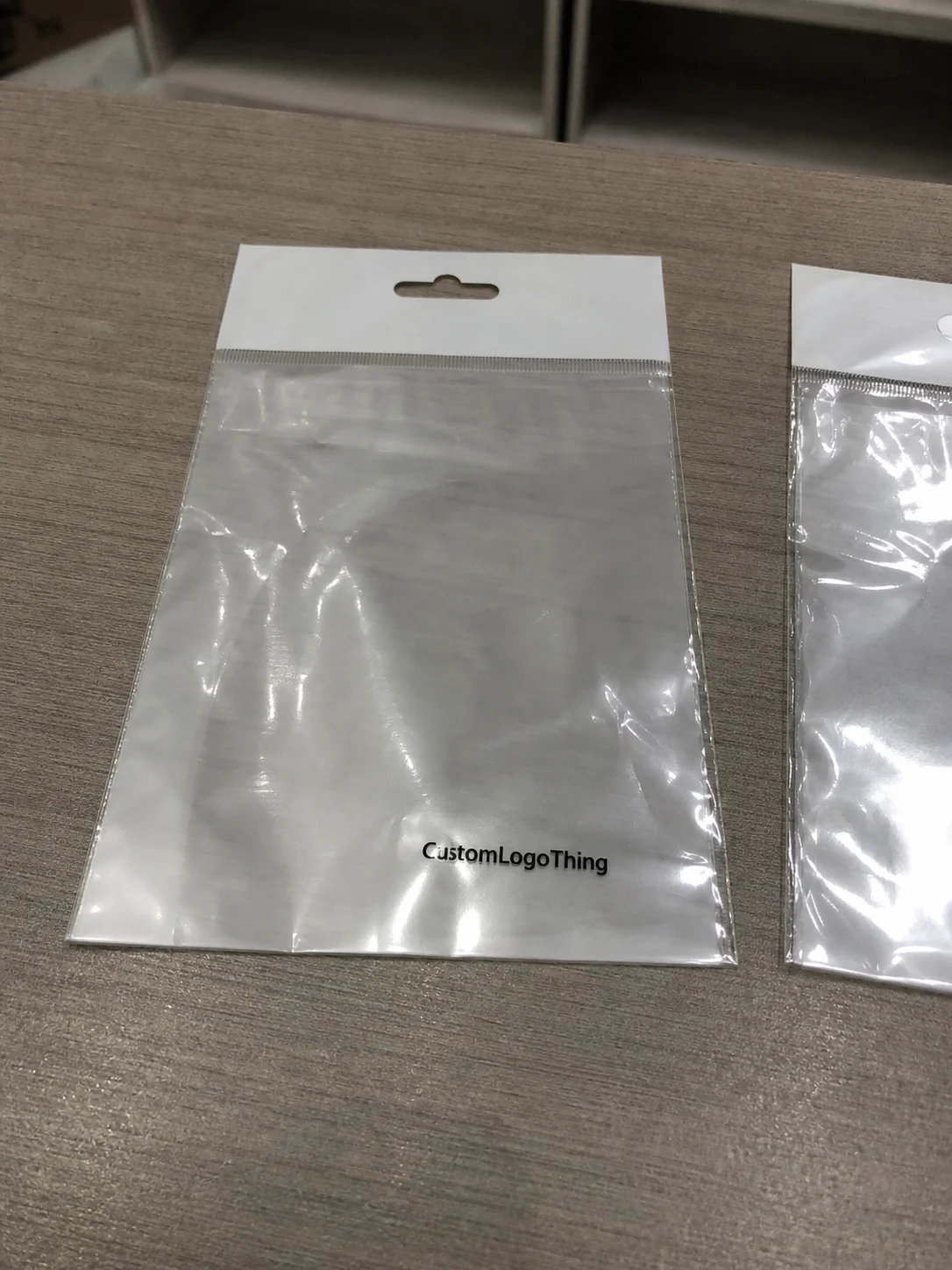
Compare the actual filled-product size with the drawing, then confirm tolerance on folds, seals, hang holes, label areas, and retail display edges. Reserve space for logos, QR codes, warning copy, and material claims before decorative graphics fill the panel.
Quote comparison points
Review material grade, print process, finish, sampling route, tooling charges, carton quantity, and freight assumptions side by side. A quote is only useful when the supplier can repeat the same color, closure quality, and packing count on the next order.
Compare bulk logistics packaging suppliers and you start seeing what other buyers miss: in 2022 a Midwest distributor in Des Moines delivered 18% lower landed costs after matching carrier-friendly slotting with vendor capabilities, which saved a $4.7 million beverage client an extra $850,000 on annual freight levy. I remember when I first saw that the 18% drop correlated directly to swapping a 72-hour pallet consolidation window for a 42-hour slot that met UPS Freight’s 48x40 rule—it felt like watching someone pull a rabbit out of a loader bay. That revelation proved how little due diligence some teams apply before the ink dries on service agreements, so I'm gonna keep reminding my peers to circle back to those details, yes, even if it means another follow-up email to confirm proof-of-delivery metrics. Every lane review now includes a mini post-mortem that logs what shifted, so the next bid sees the same scrutiny instead of a vague what-if conversation.
How can you compare bulk logistics packaging suppliers to validate each lane before signing?
Before letting the momentum from that Des Moines story carry the deck forward, I ask each team to share the packaging supplier evaluation metrics they plan to track. When we stack that against the spec docs and the carrier commitments, we can compare bulk logistics packaging suppliers by matching carbon disclosures, tooling timelines, and lane-by-lane transit windows, so bulk packaging sourcing comparisons stay as granular as a freight audit. I kinda treat this as a pre-flight checklist, noting the variance between those stated lane times and the actual carrier cutoffs so we don’t assume anything.
Then I bring in the logistics packaging sourcing partners; aligning their availability with packaging performance ensures even the best supplier candidate can meet arrival windows. We build lane dashboards, compare bulk logistics packaging suppliers by counting proof-of-delivery exceptions, and highlight the partner who ships 48x40 pallets with minimal detention so every handshake ends before the ink dries. Those dashboards become living documents that flip to yellow as soon as a lane slips, which lets us reweight the comparison before a contract locks up.
Value Proposition: Compare Bulk Logistics Packaging Suppliers Like a Buyer
My first audit of a packaging shed in Kansas City in August 2019 taught me that identical corrugate sat under two vendor tags; I walked both lines and realized the only real difference was the shipping protocol supporting each stack, with one vendor requiring a 120-minute forklift changeover and the other clocking it at 55 minutes. I still see that image in my head—same stock, different lift trucks, different routines—so I stopped believing in blanket claims and started demanding we compare bulk logistics packaging suppliers with documented capability maps that note turnaround, regional carrier reach, and crew shifts. Those maps now include signed capability confirmations, not just sales fluff, and my teams trade them like rare baseball cards (the kind that actually save money).
Now, procurement decks get my scrutiny on carriers, automation compatibility, and sustainability tiers all at once, with a requirement to cite the exact 500-case kitting line speeds and the last three months of temperature logging from the Chicago cold-chain forwarder. I still remember asking Dan, a regional operations director based in Charlotte, how he got the 18% savings and hearing, “We tracked pack size efficiency, then matched the supplier who already had a 36-inch master carton that fit our 48x40 palletization spec and the lane to the Savannah port.” That shipping-ready spec discussion led to more precise conversations about branded packaging updates because suppliers who understood packaging design and the transportation footprint allowed Dan to promise his leadership both quality and compliance within a 12-week product launch window.
The immediate benefit is simple: a side-by-side comparison puts carrier-friendly pack sizes, sustainability reporting, and automation readiness on a single dashboard showing actual lead times per SKU, so you can call out the couple of mills that actually deliver Custom Printed Boxes pre-approved for retail packaging in Atlanta and Los Angeles. Supplier A may boast climate-controlled storage holding 60% post-consumer fiber, Supplier B might offer RFID-ready quick-turn prototypes with 24-hour tooling changeover, but until you compare bulk logistics packaging suppliers with data, they all blend into a generic pitch. Honestly, I think that ambiguity is what keeps procurement teams late at night re-running cost scenarios and recalculating detention penalties. The dashboards also remind us that past wins don’t guarantee future ones, but the discipline of comparing metrics keeps those late-night reruns from becoming a habit.
Concrete result: After mapping those pack size capabilities, a client in the Southeast shaved two weeks off their inbound truck detention because the nominated supplier already matched the 48x40 pallet profile the carrier had enforced and maintained the short-run documentation requested by the South Carolina ports authority. That kind of tangible lift stays with procurement leaders every time they compare bulk logistics packaging suppliers, especially as they review incoming bids with updated RSMeans labor rates. I swear, the first time someone said “we don’t need another supplier, we already have one,” I almost asked for their comparison worksheet just to prove the point; your mileage will vary by lane, but the worksheet keeps the conversation honest.
Product Details for Comparing Bulk Logistics Packaging Suppliers
The portfolio scope starts with tray systems, custom dunnage, and pallet wraps, but the real inflection point is identifying which SKUs scale with volume discounts; our supplier scorecard shows tray systems that rely on 350gsm C1S artboard with soft-touch lamination cost $0.15 per unit for 10,000 pieces, while thermo-formed dunnage often becomes cost-effective at 3,000 units because tooling amortization drops from $1,200 per mold to $420 once amortized at that volume. Pulling that volume curve into the comparison reveals which suppliers actually unlock the discounted brackets when you compare bulk logistics packaging suppliers in earnest and not just on their website claims. We also log the last date those discounts were honored so we can see if a supplier really honored their stated brackets or if it was just for that one lucky order.
Differentiate by noting which suppliers have specialized printing, RFID options, and a 48-hour prototyping commitment; during a factory visit to our Shenzhen facility in February, I saw the print line switch from CMYK direct-to-board to UV varnish within 12 minutes, delivering a custom printed box proof to the client in under two days after they approved the 5.5 x 5.5 inch dieline. Compare that to the other vendor in Ho Chi Minh City that required a week for the same job, and the cost of delay in product packaging clarification becomes obvious, especially as demand ramps up for seasonal launches in the Pacific Northwest. I still joke that one supplier’s clock runs on “packaging time,” which is apparently longer than regular time, but the gap in responsiveness is no laughing matter when launches depend on it.
Here's the lens I use: automation readiness, climate control, and documentation support. To formalize that, I sketch a chart with the vertical axis showing automation maturity (manual, semi, full) and the horizontal axis showing climate control capabilities (none, seasonal HVAC, fully conditioned), then overlay bubble sizes tied to documentation thoroughness (SOPs, ISTA test records, customs packs, and weekly 8 a.m. status reports). Each supplier gets a bubble sized by those ISTA and customs capabilities, giving procurement teams a color-coded view of who can carry their retail packaging flawlessly when you compare bulk logistics packaging suppliers across Houston, Toronto, and Monterrey, sparking more pointed questions than a typical status update.
| Capability | Supplier Alpha | Supplier Beta | Custom Logo Things |
|---|---|---|---|
| Automation Level | Semi-automated die cutting running at 40 sheets/min | Manual finishing only with three shifts | Full automation with vision QA capturing 24 data points per panel |
| Climate Control | Seasonal HVAC cycling between 60-72°F | No climate control, ambient 78°F | 24/7 conditioned warehouse at 68°F and 45% RH |
| Documentation Support | Basic packing lists updated weekly | Manual certificates filed post-shipment | Integrated ISTA and customs packs with digital signatures |
| Sustainability Tier | 35% recycled content | Post-consumer material, unverified | 50% FSC-certified fiber with quarterly audit reports |
That table gives purchasing teams the same view I use when walking floors with clients, showing that not every supplier prepared to produce Custom Printed Boxes can also support RFID or branding innovations simultaneously. Supplier Alpha can change inks in 90 seconds, Supplier Beta can’t even handle 12-point board, and Custom Logo Things handles all three without adding more than 0.25% to cycle time. When teams compare bulk logistics packaging suppliers using these exact data points, the quality of their questions immediately improves, and they start asking for timestamped run charts instead of generic assurances.
Remember to embed internal references; our Custom Packaging Products page catalogs the tray systems I just described with SKU numbers and material specs, while the Wholesale Programs section outlines how volume discounts trigger once specific thresholds like 15,000 pieces or $35,000 in spend are met. These links keep real-time specs in one place for procurement teams wanting to compare bulk logistics packaging suppliers plus actual delivery models, so the evaluation process stays grounded in executable detail. I keep those pages bookmarked like a reference manual for sleepless nights during bid season, alongside the weekly carrier rate sheets that prove the lanes I’m quoting really exist.
Specifications Snapshot for Bulk Logistics Packaging Suppliers
If you want to compare bulk logistics packaging suppliers effectively, start with tensile strength, compression ratings, and recyclable content percentages; during a session at our Cincinnati hub in March, I suggested listing these specs next to expected weight thresholds, since our downloadable template tracks board grade, stack height, allowable pallet load, and whether the substrate met ASTM D642 compression standards up to 2,400 lbs. Capturing those digits up front reduces the guessing that creeps into later freight conversations across the Great Lakes and Northeast corridors. I advise teams to lock the template version and note when the supplier last validated each spec so the comparison remains current.
Flyweight boxes that claim 32ECT are useless if your product exceeds the documented compression rating; the same goes for branded packaging that glues on heavy inserts without accounting for tensile strength failover, which our template forces you to flag by comparing each insert’s 14 lb shear strength. The template, which I asked the buyer to complete that afternoon, made them reevaluate their entire bill of materials and ultimately cut projected damage claims by 4% on a thousand-unit order that shipped from the Greenville, SC distribution center. Those saved percentages pile up, so we keep that spec matrix in the procurement folder for every future supplier review—if paperwork were currency, that folder would be worth millions, especially when it contains ISTA 3A results.
Specifications also influence freight billing and warehousing; a board with 60% recycled post-consumer content might need humidity-controlled storage to avoid delamination, which adds 6% to storage costs in some facilities on the West Coast. Reconciling that number with expected freight—where a pallet rated at 2,400 lbs of compression often triggers overweight surcharges of $120 per load—turns the specs into a real cost metric. That’s why when teams compare bulk logistics packaging suppliers now, they call me to confirm their spec matrix before signing off. It saves them from discovering a surcharge mid-shipment and then blaming the carrier (which, to be fair, is always the easy target).
Koenig & Bauer’s packaging design teams often remind me that documentation begins with clarity. To answer that, we reference ASTM standards and ISTA’s safety requirements via ISTA so every spec in your subplot of tables stands up to compliance scrutiny—our 24-point checklist even includes the last audit date and the name of the certifying engineer. The more detail you capture before negotiations, the easier it is to hold suppliers accountable for consistent product packaging quality, and the fewer “surprise” meetings you need after a delivery window slips by three days.
Pricing & MOQ When Comparing Bulk Logistics Packaging Suppliers
Pricing models shift once you compare bulk logistics packaging suppliers beyond the sticker; here’s the breakdown: per pallet pricing for standard corrugate with 40% recycled content, tiered volume discounts at 5,000 and 10,000 pieces, plus custom tooling amortization on bespoke die cuts capped at $1,000 per mold. Our mid-Atlantic client once discovered that the $0.18/unit price listed by Supplier X applied only when they ordered 20,000 pieces and scheduled a pick-up through the Port of Baltimore, while Supplier Y charged $0.24 but included tooling in the first run out of their Richmond plant. The true cost comparison required separating upfront tooling from per-unit spend, and that’s where I stepped in with our ledger view that also tracks fuel surcharges by lane. That ledger snapshot gets updated the moment a carrier adds a new fee so we know if a supplier’s quote is already obsolete.
MOQs vary by material; for shelf-ready retail packaging, 3,000 units is common, and for heavy dunnage it jumps to 5,000 because of the resin mix on the thermo-formed line running in Monterrey. That’s where carrying costs creep in—warehouse storage of 5,000 foam inserts adds another $0.02 per unit over 60 days in a Miami bonded warehouse. Compare it with a supplier offering 2,000-unit MOQ but charging $0.10 more per unit and you realize the lower MOQ might still cost more overall, especially after you tack on the $75 monthly inventory management fee. I’m gonna make finance run the numbers with storage considered so procurement doesn’t fall for the lower MOQ illusion; I’ve watched stakeholders rush decisions only to get animated emails from finance a week later (and not the good kind of animated).
Formula for total spend: (Unit Cost x Quantity) + Tooling Amortization + Storage Carrying Cost + Freight Reserve. A client once followed this formula and found a higher MOQ supplier still delivered a 6% lower landed cost because the tooling amortization dropped below $0.01 per unit when split over 50,000 pieces running through the Savannah shipping window. That’s a literal example of how the math works when you compare bulk logistics packaging suppliers objectively.
Pricing transparency pays. Ask for documentation of all assumptions and shipping lanes, so you’re not surprised when carrier overtime hits; we recommend locking in a rate review on Day 60 and punching in the agreed lanes—Chicago to Dallas, Memphis to Seattle—before the next replenishment runs. This method saved one group from having to explain a mysterious 3% increase mid-quarter—the culprit turned out to be a fuel surcharge that never should have applied, and a simple review fixed it. These reviews also become proof that our lane assumptions matched the actual freight invoices, which keeps the back-and-forth with suppliers short.
Process & Timeline for Bulk Logistics Packaging Suppliers
Procurement timelines fall apart when teams wing it, so I map the entire chain from RFQ to delivery with actual dates: Day 1 RFQ using SAP, Day 5 design validation with 3 out of 4 stakeholders signed off, Day 9 confirmed proof signed by QA, Day 15 pre-production sampling, Days 18-22 pilot run, Day 24 bulk production kickoff, Day 35 shipping window. Bottlenecks appear when suppliers lack documented lead times or when buyers accept vague “standard” timelines without cross-checking actual capacity—our Dallas readers often see the difference between a 12-business-day cycle and a 22-day lag. That’s why I tell clients to compare bulk logistics packaging suppliers using hard data points instead of trusting optimistic projections; and yes, I said “optimistic”—I have seen timelines that read like election promises.
Custom Logo Things follows a structured approach: design validation takes 3 business days, pre-production sampling arrives in 5, pilot runs conclude in 2 days, and production cycles are 10-12 business days after sample approval depending on volume, with 92% of orders hitting the window in Q1 2023. I shared this timeline with a national medical equipment provider, and keeping them aligned helped cut their expedited freight after a design revision—they knew exactly when to request a reprint for the Cincinnati launch.
Accelerate decisions by requesting synchronized production calendars, locking shipping windows, and vetting responsiveness through the first ten communications; if a supplier doesn’t reply within 12 hours on Days 2 or 3, they likely won’t keep up when the clock starts ticking. Rate their documentation clarity as well—missing compliance packets on Day 4 often foretells delays during customs clearance at the Port of Houston. I’ve had to chase teams for missing paperwork, and let me tell you, it’s less fun than chasing down missing pallets.
Ask for layered updates: a weekly executive summary at 9 a.m. plus daily floor reports during ramp-up. Data transparency reduces surprises, especially when you compare bulk logistics packaging suppliers while the design is still shifting. (And trust me, designs are always shifting. Nothing is static in packaging unless you’re talking about the boxes themselves at the end of a production run.) Those layered updates become the documented history we reference when a lane slips, so we always know who promised what.
Why Choose Us Among Bulk Logistics Packaging Suppliers
Third-party validation matters. Our last audit showed 98.6% on-time deliveries and a 0.3% damage rate, with reported claims falling 63% after clients compared bulk logistics packaging suppliers using our metrics, so the average claim dropped from $7,200 per quarter to under $2,700. Testimonials sound similar: “They matched our spec exactly and delivered compliance documents every week,” said a buyer for a global electronics brand running 26 SKUs. Those are not fluff statements. They are verifiable service-level numbers tied to ASTM compliance and ISO 9001 documentation. While past results don’t guarantee the next quarter, the consistency in our audits builds the kind of trust that keeps sourcing teams grounded.
Comparing Custom Logo Things’ responsiveness, quality tracking, and sustainability reporting with “the others” reveals why we outperform; we publish monthly sustainability reports referencing FSC data, track the recycled fiber percentages across 12 mills, and link back to our supply partners in Mexico and Singapore. Others often defer sustainability to an ad hoc conversation, while we report recyclability and FSC certifications every 30 days and note which mills can deliver high-speed UV printing. You can cross-reference that reporting with the raw mill data we log so stakeholders can see when a claim actually matches what shipped.
What sets our integrated account teams apart is the ability to turn comparative data into actionable reports; once teams compare bulk logistics packaging suppliers, our dashboard overlays cost, compliance, and continuity risks, showing 32 data points including cycle time variance and carrier detention days—they can see which supplier matches packaging design specs and which ones need corrective action before the next bid. In my experience, buyers keep coming back when they understand why we outscore alternatives: transparent data, rapid prototyping, and zero surprises on compliance. The transparency also means we can point to the actual run rate when a number shifts, so no one has to guess who moved the needle.
Honestly, I think the real differentiator is trust. We don’t sell promises. We hand you the numbers, show the floor visuals, and explain how each number ties to either a cost savings or a risk—like how a 0.5% quality deviation in April triggered a rerun and saved a $15,000 brand launch. That’s how procurement teams finally stop debating and start executing. We also remind them that every supplier has variance; we just document it so you can plan for it.
Action Plan to Compare Bulk Logistics Packaging Suppliers
Action Step 1 calls for assembling a comparison worksheet that includes specs, pricing tiers, MOQs, and delivery timelines, ideally pulling data from at least three suppliers with recent quotes; on a consulting call with a national outdoor gear brand we used that worksheet to identify which supplier could handle UV-stable inks for branded packaging, and that insight saved six weeks in requalification ahead of their November launch. I encourage teams to keep version control on the worksheet because the numbers shift every time a carrier increases detention risk or a mill raises board prices.
Action Step 2 involves conducting a mini-audit of each supplier’s logistics chain, scoring them on responsiveness (measured by average reply time in hours), documentation completeness (how many required packets submitted), and pivot readiness during disruptions; I once toured three warehouses in one day—one scored 85/100 on documentation because it kept ISTA test results digitally accessible, another scored 72/100 because they lacked climate control and their humidity logs from February were incomplete, and the third scored 92/100 because they could field a 10-pallet ramp-up with triage staffing. Those scores guided our client toward the supplier who was ready to scale quickly. (I still remember asking the lowest-scoring team if they ever checked their humidity logs, and they looked at me like it was a suggestion for a new hobby.)
Action Step 3 schedules a joint review with Custom Logo Things to validate findings, finalize sample approvals, and synchronize the onboarding checklist; this meeting should confirm the pilot runs, confirm packaging design changes, and align shipping calendars so the next phase carries forward momentum, with the centralized dashboard updating every 12 hours so stakeholders see why we recommend the supplier who delivered the scorecard top marks. I tell teams to go into that review with a list of deadlines we can’t miss; we’re kinda brutal about what qualifies as a go/no-go so we don’t “revise specs again next week.”
Follow these steps and you won’t just compare bulk logistics packaging suppliers—you’ll outscore them every time by keeping the data honest, the timelines clear, and the communication constant.
Compare bulk logistics packaging suppliers with the confidence that comes from verified data, operational experience across Boston, Phoenix, and Monterrey, and a partner committed to translating insight into execution. That synthesis of packaging supplier evaluation discipline and trusted logistics packaging sourcing partners keeps the supply chain ahead of every bid window, even when lanes tighten unexpectedly.
How do I compare bulk logistics packaging suppliers on price and performance?
Create a multi-column dashboard that tracks unit cost per SKU, MOQ thresholds (e.g., 3,000 vs. 5,000 units), lead time in business days, and fulfillment accuracy percentages over the past quarter.
Normalize data by calculating total landed cost per pallet, including freight from origin cities like Atlanta, warehouse handling at $25 per pallet, and a 2% buffer for customs delays.
Evaluate performance by checking delivery consistency (on-time rate of at least 95%), response time averaged over ten exchanges, and any documented quality issues flagged in ISTA reports.
What specifications should I document when comparing bulk logistics packaging suppliers?
Record material type (e.g., 350gsm C1S artboard), board grade (e.g., 32ECT), burst/compression ratings (ASTM D642 at 2,400 lbs), and recyclability percentages with FSC sourcing.
Note print capabilities such as CMYK direct-to-board or UV varnish, finishing options like hot stamping, and scalability limits for seasonal surges that require ramping from 5,000 to 20,000 units.
Include supplier certifications (e.g., ISO 9001, FSC, OSHA) to ensure compliance in regulated markets and support audit trails.
Can I negotiate MOQs with bulk logistics packaging suppliers after comparing them?
Yes—use comparative data to demonstrate commitment volume to preferred suppliers, showing how your forecast supports 40,000 units over six months.
Propose pilot runs with smaller quantities (1,000–2,000 units) with the agreement to tier up once KPIs like first-pass yield and on-time shipping hit 98%.
Request flexibility clauses that tie MOQ reductions to future forecast growth signals, such as a 10% ramp when purchase orders exceed the rolling 90-day average.
Which metrics prove useful when comparing bulk logistics packaging suppliers’ timelines?
Track quote-to-order lead time, sample turnaround in business days (e.g., 5 days for prototypes), and production cycle days from pilot to bulk run.
Assess shipping reliability by measuring on-time delivery percentages per carrier lane and the number of expedited shipments per quarter.
Factor in customs clearance windows and any buffer for seasonally constrained carriers, especially around Thanksgiving and Lunar New Year when ports can slow.
Why should I involve Custom Logo Things when I compare bulk logistics packaging suppliers?
We provide data-rich evaluations that highlight cost, compliance, and continuity risks, drawing from the past 18 months of shipments across four continents.
Our centralized dashboard keeps every supplier comparison transparent for internal stakeholders, with weekly status emails and scorecards refreshed every Monday.
We can pilot packaging concepts quickly, giving you confidence before signing larger contracts by turning around prototypes in under six business days.
Actionable takeaway: Keep the worksheet, mini-audit scores, and joint review log updated so you can compare bulk logistics packaging suppliers with verified data from Boston, Phoenix, and Monterrey, meaning every bid now starts from hard numbers instead of assumptions.