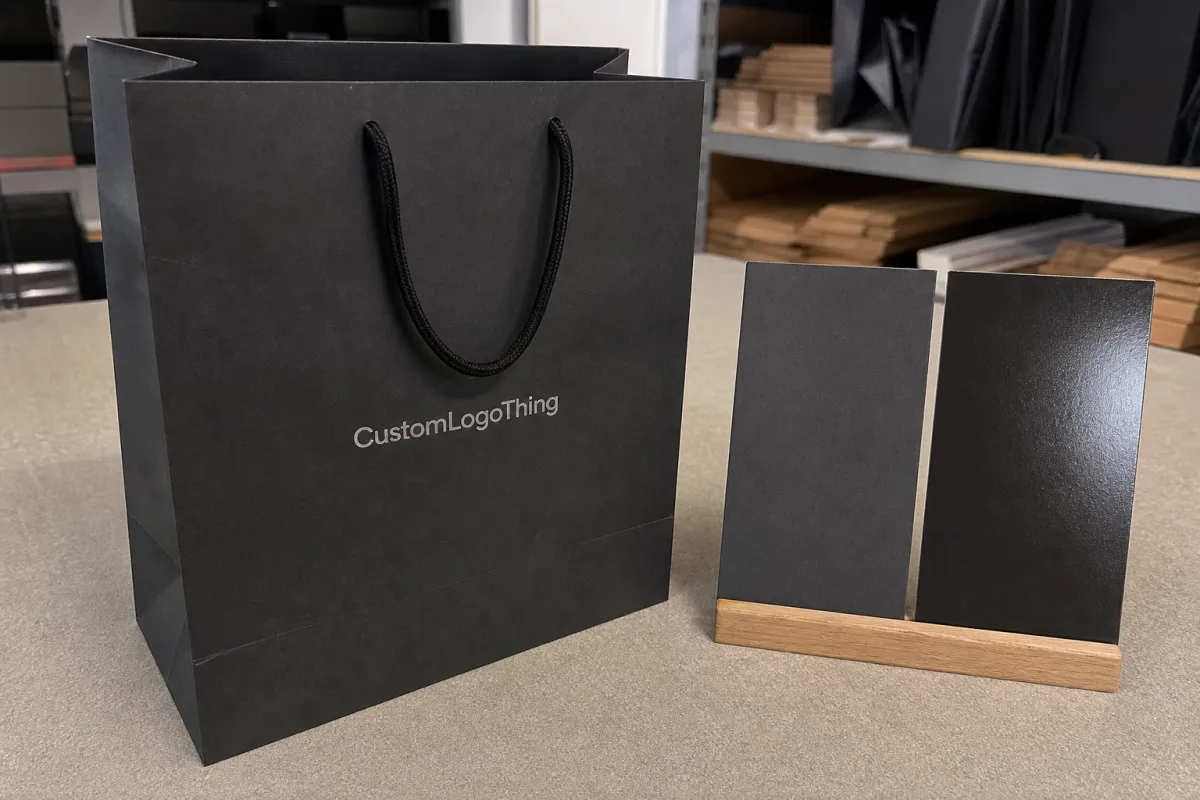
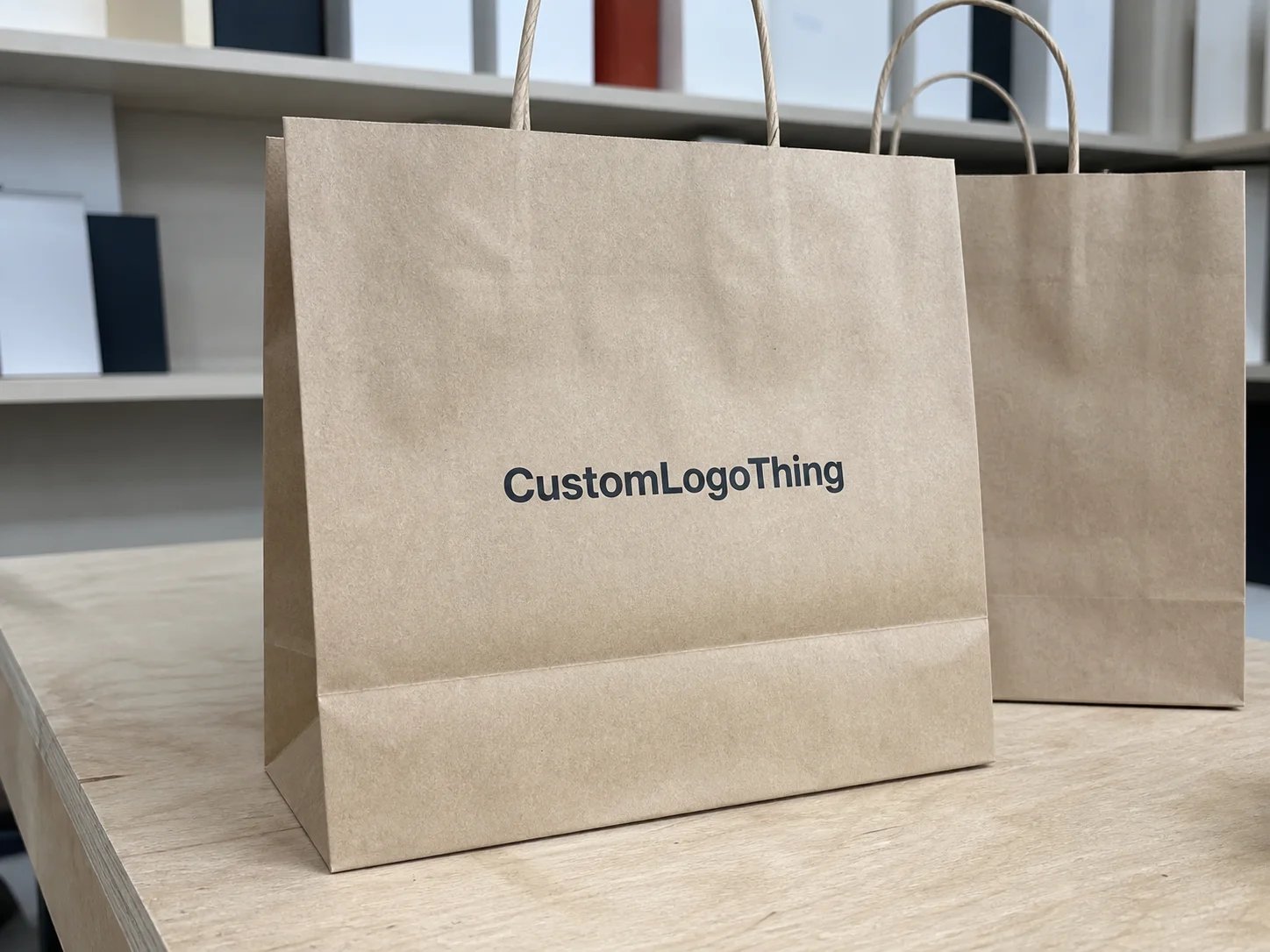
Buyer Fit Snapshot
| Best fit | Compare Compostable Mailers vs Biodegradable Poly projects where brand print, material claims, artwork control, MOQ, and repeat-order consistency need to be specified before quoting. |
|---|---|
| Quote inputs | Share finished size, material target, print colors, finish, packing count, annual reorder estimate, ship-to region, and any compliance wording. |
| Proofing check | Approve dieline scale, logo placement, barcode or warning zones, color tolerance, closure strength, and carton packing before bulk production. |
| Main risk | Vague material claims, crowded artwork, missing packing details, or unclear freight terms can make a low unit price expensive after revisions. |
Fast answer: Compare Compostable Mailers vs Biodegradable Poly should be specified like a repeatable production item. The safest quote records material, print method, finish, artwork proof, packing count, and reorder notes in one written spec.
Production checks before approval
Compare the actual filled-product size with the drawing, then confirm tolerance on folds, seals, hang holes, label areas, and retail display edges. Reserve space for logos, QR codes, warning copy, and material claims before decorative graphics fill the panel.
Quote comparison points
Review material grade, print process, finish, sampling route, tooling charges, carton quantity, and freight assumptions side by side. A quote is only useful when the supplier can repeat the same color, closure quality, and packing count on the next order.
Quick Answer: Compare Compostable Mailers vs Biodegradable Poly
The first time I put compare compostable mailers vs biodegradable poly side by side on a packing table in Orange County, California, I thought the answer would be obvious. It wasn’t. The mailer that looked greener on paper was not the one that held up best after a wet dock handoff, a rough conveyor, and one customer who reused the package as a return envelope, which meant I had to think through a second shipping journey for the same bag and a second round of seal integrity testing at the same time.
Compostable mailers are designed to break down under specific composting conditions, usually with certification and a defined disposal pathway. Biodegradable poly may degrade over time, yet the claim is usually broader, looser, and harder to verify. Those words are not interchangeable, even when sales decks make them sound that way, and the difference matters just as much as a 350gsm C1S artboard matters when you are comparing premium box packaging with a standard folding carton.
Why do buyers get confused? Marketing language, test standards, and vague environmental claims blur the line. I’ve sat in supplier meetings in Shenzhen and Ho Chi Minh City where one rep called a film “compostable” because it had plant-based content, then quietly admitted the end-of-life route still depended on industrial composting access. That is not the same thing as a package that disappears in a backyard pile, and it is certainly not the same thing as a structure with verified ASTM D6400 or EN 13432 certification.
My short verdict: use compare compostable mailers vs biodegradable poly as a sustainability-first exercise, then decide with your shipping reality in hand. Choose compostable mailers when certified end-of-life and brand messaging matter most. Choose biodegradable poly when you need a more plastic-like user experience, better puncture resistance, and lower tearing risk, especially for packing lines moving 900 to 1,200 orders per day in Dallas, Texas or Newark, New Jersey.
If you’re sourcing for apparel, accessories, or lightweight ecommerce goods, think about your customer’s disposal habits, your carbon footprint, and how much handholding your team can manage after checkout. That is the part many procurement teams miss. They compare the label, not the route from warehouse to end user, and the route is usually where the trouble shows up. A package that looks ideal at proof stage can behave very differently after 14 days in transit and three handoffs between fulfillment, linehaul, and last-mile delivery.
Top Options Compared: Compostable Mailers vs Biodegradable Poly
In a real packaging review, I start with feel. Compostable mailers often feel matte, paper-like, or a little stiffer, especially if they’re made with PBAT and PLA blends or paper-laminated structures. Biodegradable poly usually keeps the slick, flexible look of a traditional poly mailer, which makes it feel familiar to pickers, packers, and customers who have been using 2.5 mil poly bags or 60-micron film for years.
That tactile difference matters more than people think. In one client meeting in Chicago, a fashion brand loved the idea of a compostable mailer until their warehouse manager squeezed a sample and immediately asked, “What happens when this goes through our dock in July?” He was right to ask. Heat, humidity, and rough handling reveal the real difference faster than any sustainability claim. I’ve seen beautiful samples turn into very expensive disappointment for far less dramatic reasons, including a batch that curled after three days in a 104°F receiving area.
Strength and seal quality usually favor the poly-based option. Biodegradable Poly Mailers often tolerate a bit more flex, corner pressure, and surface abrasion. Compostable mailers can be strong too, but they do not always match the puncture tolerance of a well-made poly mailer, especially for boxed accessories or products with sharp edges like a jewelry box wrapped in 120gsm kraft tissue or a cosmetic kit with rigid inserts.
On sustainability claims, the split is sharper than most buyers expect. Compostable products may require certification like ASTM D6400 or EN 13432 depending on market and claim language, while biodegradable claims can be broad enough to invite confusion. I’ve seen “biodegradable” used on packaging that had no clear breakdown timeline, no verified disposal condition, and no meaningful consumer instructions, which is exactly how green packaging claims become customer complaints and refund requests.
Disposal reality is the awkward truth in compare compostable mailers vs biodegradable poly. Compostable mailers only deliver on their promise when users have access to industrial composting or the exact disposal pathway the product requires. If your customer lives in a market without that infrastructure, the end-of-life claim may look good in a pitch deck and fail in practice. Biodegradable poly can be easier to position operationally, but the tradeoff is weaker certainty around what happens after use, especially if the material is only designed to fragment under lab conditions at 58°C and 50% humidity.
Branding is the last piece, and it is not small. Compostable mailers signal premium eco-friendly packaging more clearly, especially for DTC brands that want a visible sustainability story. Biodegradable poly feels more like a compromise between performance and environmental messaging. That is not necessarily bad. Sometimes compromise is exactly what a shipping operation needs. Honestly, some of the best packaging decisions I’ve seen were the boring ones that just worked every single day, whether they were shipping from a fulfillment center in Atlanta or a 3PL outside Toronto.
| Feature | Compostable Mailers | Biodegradable Poly |
|---|---|---|
| Hand feel | Matte, paper-like, sometimes stiffer | Slick, flexible, familiar poly feel |
| Puncture resistance | Good, but varies by construction | Often stronger in rough transit |
| Disposal pathway | Defined composting conditions required | Often unclear or broad biodegradation claim |
| Brand messaging | Strong sustainability story | Practical, but less specific |
| Customer clarity | Usually easier to explain | Needs more explanation |
Detailed Reviews of Compostable Mailers vs Biodegradable Poly
My review of compare compostable mailers vs biodegradable poly starts with compostable mailers. The best ones have a clean, branded look and a clear end-of-life story. I tested a batch for a skincare subscription client in Portland, Oregon that wanted a zero waste message without switching to boxes. The mailers printed beautifully, passed a 3-pound drop test from 36 inches in routine handling, and looked sharp on unboxing videos. That last part mattered because their customers posted packaging on social media almost as often as product photos. I remember thinking, “Well, this one at least knows how to behave in front of a camera.”
Still, compostable mailers are not magic. If the film is too thin, a zipper pouch or carton corner can puncture it during sorting. If the print coverage is too heavy, some structures feel less forgiving at the fold points. And if the shipping lane includes moisture or long dwell time in a hot trailer, I’ve seen compostable formats lose some of the crispness buyers expect. In my notes, I’d call them strong brand packaging with conditions, not universal workhorses. That distinction matters, even if it sounds a little blunt, especially once a 7,500-unit print run is already locked in.
Biodegradable poly is the more familiar option. It handles more like standard poly mailers, which makes it easier for warehouse teams to adopt without retraining. I watched a 12-person packing line in New Jersey switch from conventional poly to biodegradable poly with almost no change in pack speed, and their average pack rate stayed at 18 to 20 units per minute. That kind of adoption matters when labor runs tight and every extra second per order costs money.
Performance is where biodegradable poly often wins. It usually offers better water resistance, more stretch, and fewer split seams. For apparel, socks, or lightweight accessories, it can be a better fit if the brand wants to reduce damage complaints without moving to a cardboard-based format. Compare compostable mailers vs biodegradable poly there, and the choice often comes down to transit risk versus sustainability messaging. A 2.5-ounce tee and a 1.1-pound hoodie create very different stress points in the same 10 x 13 inch mailer.
Customer experience is different too. Compostable mailers often open with a more “special” feel, which can elevate the unboxing moment. Biodegradable poly opens like a familiar mailer, which is not glamorous but is efficient. If your customer wants reuse, either can work for return shipping, but the thinner and more slippery biodegradable poly tends to fold and stash more easily in a kitchen drawer, office desk, or carry-on bag.
Here’s the honest caveat. If your network does not support composting, compostable mailers can become a communication burden. Your team may need disposal inserts, FAQ updates, and post-purchase education. That adds cost and time. I’ve seen sustainability teams underestimate this by a mile. They focus on the product spec and forget the customer support script. Then everyone wonders why the inbox is full of “So, uh, where do I throw this?” messages from shoppers in Denver, Charlotte, and Phoenix.
“The better-looking eco claim is not always the better shipping choice. I’ve seen compostable samples fail in a wet lane while a plain biodegradable poly sample sailed through.” — packaging consultant note from a retail client review
For teams comparing compare compostable mailers vs biodegradable poly, I also recommend reviewing packaging standards. The ISTA testing framework can help simulate transit abuse, while the EPA recycling and waste guidance is useful for understanding disposal communication, even though composting is not the same as recycling. Standards do not solve everything, but they stop a lot of wishful thinking, especially when a buyer is reviewing samples that have already traveled 6,000 miles from a factory in Guangdong.
Price Comparison: What Compostable Mailers vs Biodegradable Poly Really Cost
Price is where the conversation gets real. In most quotes I’ve reviewed, compostable mailers cost more upfront because of the material mix, narrower supplier base, and certification overhead. Biodegradable poly is usually cheaper per unit, especially when ordered at scale. For a rough benchmark, I’ve seen stock Biodegradable Poly Mailers land around $0.15 per unit for 5,000 pieces, while comparable compostable mailers can come in closer to $0.24 to $0.34 per unit for 5,000 pieces depending on size, print, and certification requirements. Exact pricing moves with resin markets and freight, so treat that as a working range, not a promise.
Unit price alone is a lazy comparison. Compare compostable mailers vs biodegradable poly by cost per shipped order, not cost per bag. A cheaper mailer that tears one percent more often can erase the savings fast. I once worked with a mid-size apparel brand in Austin that thought it was saving $4,500 a quarter by choosing the lower-cost film. After damage credits, reshipments, and customer service time, the real savings dropped to almost nothing. The finance team was not amused, and their fulfillment manager had the spreadsheet to prove it.
There are hidden costs too. Compostable mailers may require tighter storage conditions, especially if the material is sensitive to humidity or heat. Artwork changes can cost extra if the supplier needs different plates or print methods. Minimum order quantities may be higher for certified materials, which affects cash flow. Freight can also distort the math; a heavier 100-micron structure may travel differently than a lighter bio-based film, especially on long import lanes from Qingdao, Ho Chi Minh City, or Rotterdam.
Volume changes the outcome. Small brands often feel the price gap more sharply because they do not have the order volume to negotiate. Larger brands can sometimes close the gap with annual commitments, shared tooling, or standard size selection. When I visited a fulfillment site outside Los Angeles, the procurement lead told me bluntly that their “best sustainability move” was actually choosing one size that all three brands could share. That reduced waste, simplified inventory, and cut rush freight by 17% over six months.
If you are comparing compare compostable mailers vs biodegradable poly for a new launch, ask suppliers for landed cost, not just ex-factory price. Landed cost includes freight, duty, and delivery into your warehouse. If you want a broader packaging baseline, you can also review Custom Packaging Products and compare formats before committing to mailers alone. A quote from a factory in Yiwu may look excellent until a customs delay adds another 8 to 10 business days and wipes out the initial savings.
| Cost Factor | Compostable Mailers | Biodegradable Poly |
|---|---|---|
| Unit price | Usually higher | Usually lower |
| Minimum order quantity | Often higher | Often lower or more flexible |
| Freight sensitivity | Can be higher with specialty films | Typically easier to source widely |
| Hidden admin costs | Certification review, disposal instructions | Claim verification, customer education |
| Total cost risk | Lower damage risk if correctly matched | Lower upfront, but claim scrutiny varies |
How to Choose Between Compostable Mailers vs Biodegradable Poly
To compare compostable mailers vs biodegradable poly properly, start with disposal reality. If your customer cannot access composting, then the compostable claim may be emotionally appealing but practically weak. I have seen brands spend heavily on “green” packaging only to discover that their main customer base lives in suburbs with no industrial composting pickup. That is not a packaging win. It is a communication problem with a green sticker on top, and it usually shows up in customer emails within the first 72 hours after launch.
Match the mailer to the product, not just the brand values. Heavy knits, jewelry boxes with sharp corners, and moisture-sensitive items may push you toward biodegradable poly because the package needs to survive handling first. Lightweight tees or soft accessories can often work in compostable formats if the supplier’s thickness, seal, and puncture resistance are right. The product load matters. A 2-ounce tee is a different problem from a 14-ounce hoodie in a polybag, and a 50-micron film is not the same as a 75-micron structure.
Brand positioning also changes the decision. Premium sustainability-led brands, especially those speaking about the circular economy or zero waste, may benefit more from compostable packaging visuals and clearer disposal claims. If your customers actively ask about end-of-life, compostable can strengthen trust. If your brand voice is more performance-led, biodegradable poly may fit better because it feels familiar and operationally sane.
I also look hard at process and timeline. Ask the supplier about production lead time, proof approval, sample turnaround, and certification documentation before you commit. In one supplier negotiation in Dongguan, a buyer wanted to switch materials in under two weeks. The sample took four business days to approve, the compliance docs took another three, and the print plates added five more. That left no room for margin. The launch slipped, and the team blamed the material when the real issue was planning. That sort of thing makes me want to put a giant sticky note on every project plan that says: “Please allow time for reality.”
Use a decision matrix if you can. Score each option across shipping conditions, return rates, customer education burden, budget, and sustainability claims. Here is the version I use in audits:
- Shipping environment: dry warehouse, humid region, hot-weather transit, or mixed lanes.
- Product risk: sharp edges, weight, breakage, or moisture exposure.
- Customer disposal access: industrial composting, municipal programs, or none.
- Brand priority: premium eco messaging, low complaint rate, or lowest cost.
- Supplier support: documents, lead time, print quality, and consistency.
For teams already using Custom Poly Mailers, the choice is even clearer. If your current performance metrics are good and you mainly want a greener claim, biodegradable poly may be the smoother transition. If you want a stronger environmental story and can support disposal education, compostable makes more sense. That is the practical split I keep seeing, especially for brands shipping 10,000 to 50,000 units per month out of distribution centers in Las Vegas or Columbus.
Our Recommendation After Testing Both Mailer Types
After testing both, my recommendation is simple: do not treat compare compostable mailers vs biodegradable poly as a beauty contest. Treat it like a shipping decision. If your brand can support disposal education, wants a clean compostable claim, and ships products that are not overly sharp or moisture-sensitive, compostable mailers are the stronger brand play. They tell a better sustainability story and usually align better with eco-friendly packaging goals, especially when the artwork is printed cleanly and the finished bag arrives with a 10 to 12 business day production window after proof approval.
If you prioritize durability, lower breakage risk, and a familiar feel for warehouse teams and customers, biodegradable poly is often the smarter operational choice. That is especially true for higher-volume brands where every torn seam creates a support ticket. Honestly, I think many brands secretly want the performance of standard poly with a greener label. Biodegradable poly gets closer to that than compostable does, and it usually tolerates rougher handling on routes with more transfers and tighter delivery windows.
There is one more wrinkle. Not all biodegradable claims are equal, and not all compostable products are compostable in the same way. Ask for data. Ask for certification. Ask what happens in actual disposal conditions, not brochure conditions. A claim without a pathway is just a marketing sentence, and I’ve had enough of those to last a lifetime. If the supplier cannot explain the resin blend, the test standard, and the disposal conditions in plain language, I would keep digging before signing a purchase order.
If I had to reduce it to one line: choose compostable when the end-of-life story is part of the brand promise, and choose biodegradable poly when package survival is the bigger business risk. That is the honest answer after multiple sample tests, warehouse walk-throughs, and customer feedback reviews. And yes, I’ve seen both options work. I’ve also seen both fail when buyers guessed instead of testing, which is why I always ask for actual samples shipped to a live warehouse in Maryland, Texas, or California before the full run begins.
So if you need a final recommendation, I’d say this: compare compostable mailers vs biodegradable poly using your real product, your real route, and your real customer base. That is the only comparison that matters.
Action Steps: What to Do Before You Order
Before you place an order, request two or three samples of each material and test them with your actual product weight and package shape. A 6-ounce item behaves differently from a 1-pound item, even if the mailer size is the same. I’ve watched teams approve samples that looked fine empty and then fail the moment product corners pressed into the side seam. Packaging has a funny way of being humble only after it gets ignored, especially when a 9 x 12 inch mailer is overfilled by half an inch.
Run a simple ship test. Send packages through your normal route, then score them for damage, appearance, and customer feedback. If you ship regionally, test regional. If you ship cross-country, test cross-country. Do not simulate a perfect warehouse day and call it proof. That is how packaging gets approved in conference rooms and rejected on loading docks. A real test should include at least one delayed scan, one rain exposure, and one overnight hold at a regional hub if your lane commonly sees those conditions.
Ask for proof in writing: material composition, thickness, certifications, and disposal instructions. If the supplier says the mailer is compostable, ask which standard applies and where it is recognized. If they say biodegradable, ask what conditions trigger degradation and how long that takes under those conditions. Vague answers usually mean weak documentation. I also ask for the factory location, because a line in Ningbo may have different film conversion equipment than one in Tamil Nadu, and that can change consistency from lot to lot.
Build a small pilot before a full rollout. Compare complaint rates, repeat order feedback, and packing speed over at least 100 shipments if possible. That sample size is not perfect, but it is better than a guess. I’ve seen a 2-minute slowdown per carton seem harmless until it multiplied across 8,000 monthly orders. If the pilot is strong, you can use that data to negotiate a better MOQ, a clearer lead time, or a more favorable freight schedule.
Use a final checklist before buying:
- Price: landed cost and unit cost at your volume.
- Performance: puncture, seal, moisture, and returnability.
- End-of-life claim: compostable, biodegradable, or neither needs legal review.
- Lead time: sample, proof, production, and freight timing.
- Brand fit: how it looks in a customer’s hand and on social media.
If you want broader category support while you compare the options, Custom Packaging Products can help you weigh mailers against other formats before you commit. I’d rather see a brand make one smart packaging change than three rushed ones, especially if the first production run is scheduled for a 12- to 15-business-day window after proof approval and the launch date is already set.
Frequently Asked Questions
When should I compare compostable mailers vs biodegradable poly for ecommerce shipping?
Compare them when your product mix includes apparel, accessories, or lightweight goods that ship well in mailers. I also recommend the comparison before a packaging refresh, a sustainability initiative, or any supplier switch where lead time and claims matter. If your volumes are above 1,000 orders a month, the difference can show up quickly in complaints, damage, and customer service time, especially if you process orders out of a 3PL in New Jersey, California, or Texas.
Are compostable mailers better than biodegradable poly for customer perception?
Often yes, because compostable claims are usually easier for shoppers to understand. People know what compostable means in a way they do not always know what biodegradable means. Biodegradable poly can still work if your brand values performance and explains the material clearly, but the customer education burden is usually higher. A simple line card, FAQ update, or post-checkout note can help, though it may add 1 to 2 minutes of support review per order batch.
Do biodegradable poly mailers break down in normal home conditions?
Not always, and that is where buyers should stay skeptical. Broad biodegradable claims can hide a lot of ambiguity. Ask the supplier for the exact disposal conditions, test method, and any certification or lab data. If they cannot explain the end-of-life path in simple terms, the claim is probably weaker than the marketing suggests. I would rather see a verified standard than a vague promise with no timeline attached, even if the bag looks good at a glance.
Which option costs less: compostable mailers or biodegradable poly?
Biodegradable poly is often less expensive upfront. In many quotes, the difference can be several cents per unit, which matters at volume. But total cost changes once you factor in damage rates, freight, customer support, and the possibility of reorders due to failed deliveries. I always tell buyers to look at cost per shipped order, not just cost per mailer. A quote for 5,000 units can hide a lot of downstream cost if the material is underbuilt for the route.
How long does it take to source and approve compostable mailers vs biodegradable poly?
Lead time depends on stock, print complexity, and certification review. Stock biodegradable poly is usually faster to approve and ship, while compostable mailers can take longer if documentation or custom print is involved. Plan for sample testing, proof approval, and production before launch so your packaging change does not delay a product release by a week or more. In practical terms, many custom jobs land in a 12- to 15-business-day production window after proof approval, plus freight time from the factory to your warehouse.