Buyer Fit Snapshot
| Best fit | compare corrugated vs rigid boxes choice for packaging buyers comparing material specs, print proof, MOQ, unit cost, freight, and repeat-order risk where brand print, material, artwork control, and repeat-order consistency matter. |
|---|---|
| Quote inputs | Share finished size, material target, print colors, finish, packing count, annual reorder estimate, and delivery region. |
| Proofing check | Approve dieline scale, logo placement, barcode or warning zones, color tolerance, and any recyclable or compostable wording before bulk production. |
| Main risk | Vague material claims, crowded artwork, or missing packing details can create delays even when the unit price looks attractive. |
Fast answer: Compare Corrugated vs Rigid Boxes Choice: Dieline, Finish, Proof, and Buyer Review should be specified like a repeatable production item. The safest quote includes material, print method, finish, artwork proof, carton packing, and reorder notes in one written spec.
What to confirm before approving the packaging proof
Check the product dimensions against the actual filled item, not only the sales mockup. Ask for tolerance on folds, seals, hang holes, label areas, and retail display edges. If the package carries a logo, QR code, warning copy, or legal claim, reserve that space before decorative graphics fill the panel.
How to compare quotes without losing quality
Compare board or film grade, print process, finish, sampling route, tooling charges, carton quantity, and freight assumptions side by side. A lower quote is only useful if the supplier can repeat the same color, closure quality, and packing count on the next order.
Quick Answer: Compare Corrugated vs Rigid Boxes
When I walk a packing line and hear a brand owner say they want the “premium” box, I usually pause and ask what the product actually needs, because in a real 10,000-unit run Compare Corrugated vs Rigid Boxes is not a beauty contest, it is a function test. I’ve seen a $28 rigid carton look gorgeous on a showroom table and still get dented in parcel transit from Dongguan to Dallas, while a plain kraft corrugated shipper with the right flute profile made it through a 14-stop distribution path without a single crushed corner. Packaging has a way of humbling people like that, especially after the third pallet check at 6:30 a.m.
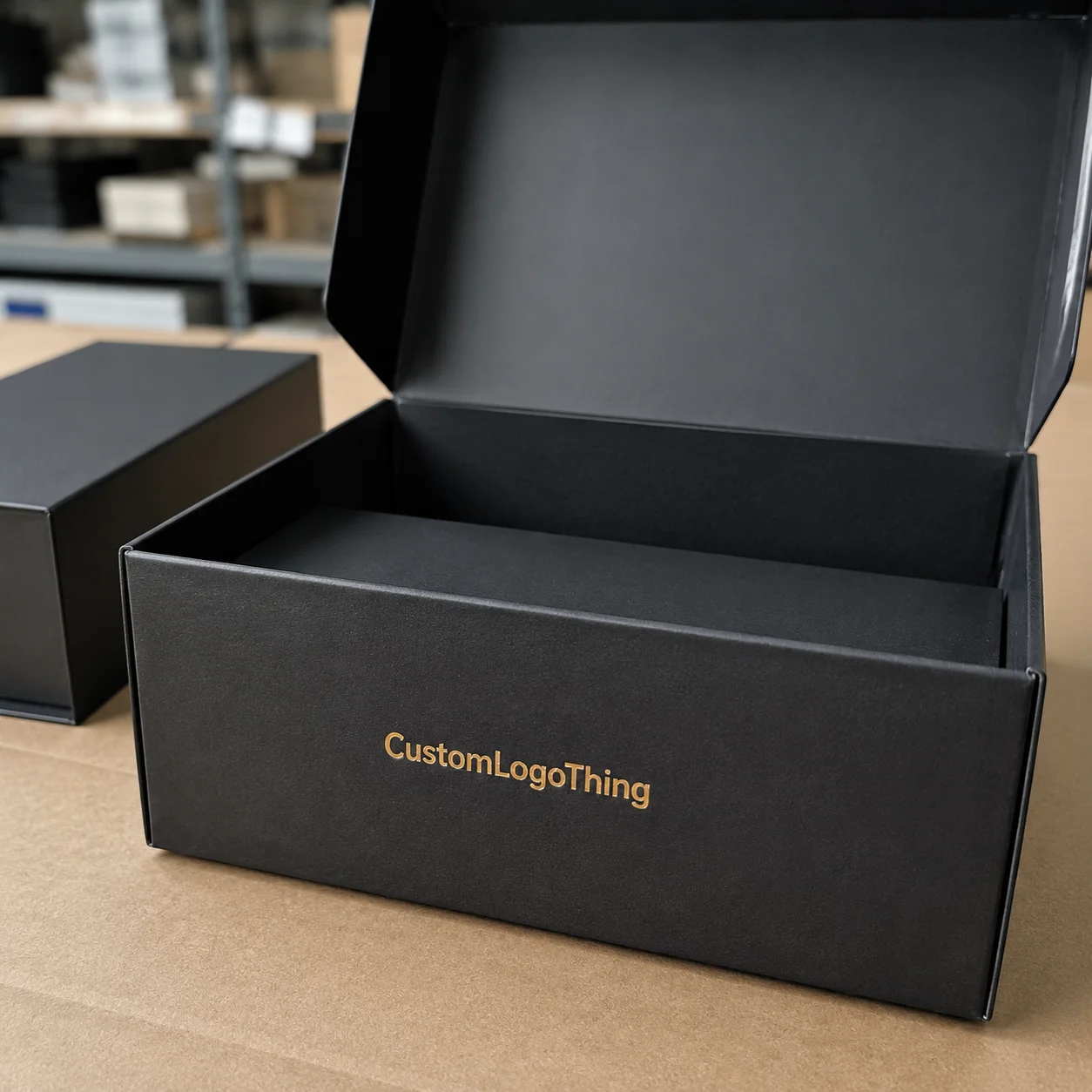
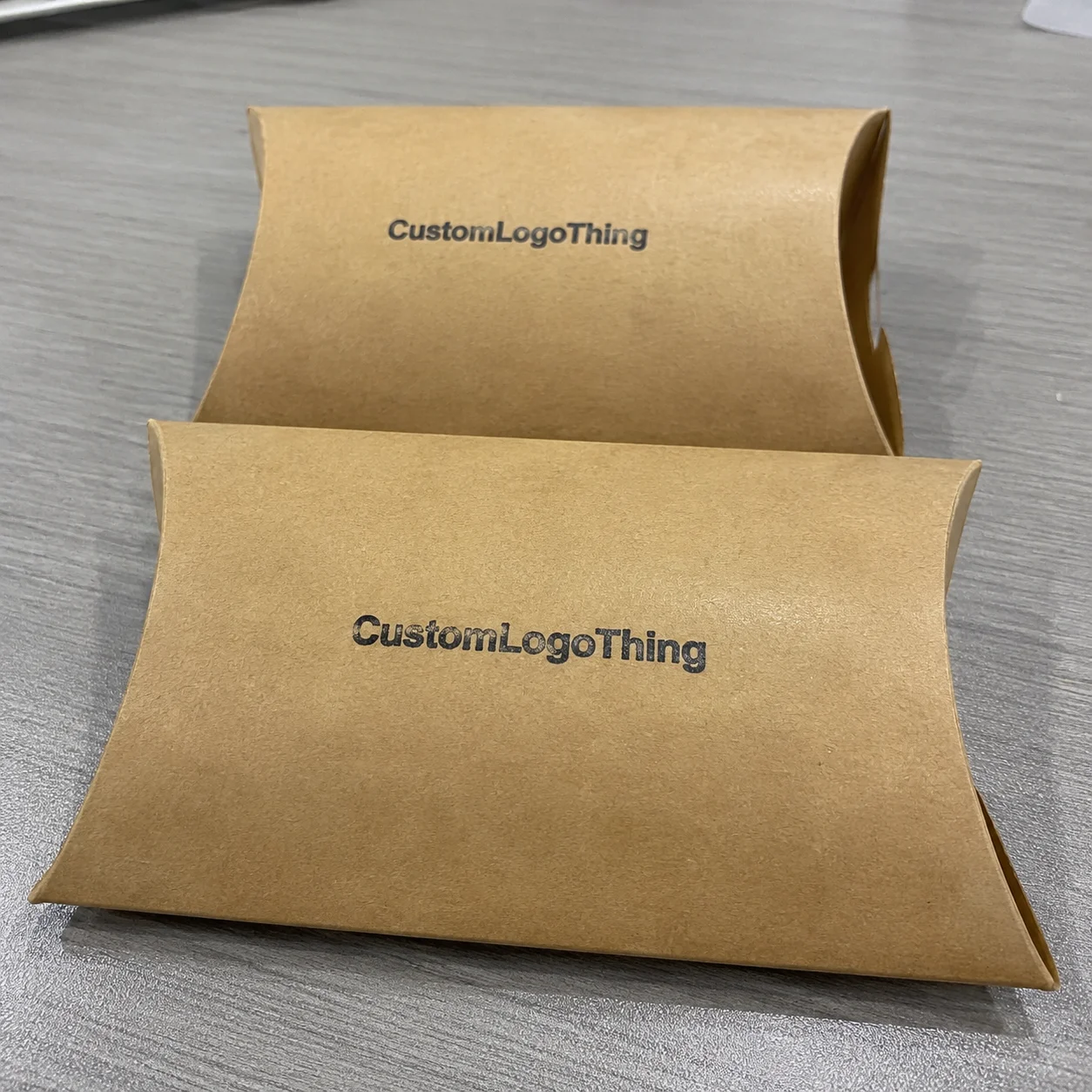
Here is the clearest way to think about it: corrugated boxes are structural shipping workhorses made from fluted board, while rigid boxes are set-up presentation boxes made from thick chipboard wrapped in printed or specialty paper. If you compare corrugated vs rigid boxes from the factory floor, the choice usually comes down to whether the box must survive impact and compression, or whether it must create a luxury first impression the moment a customer lifts the lid. Simple. Not glamorous. Still true. A 2.0 mm grayboard rigid set-up box and a 32 ECT single-wall corrugated mailer do very different jobs, even if both arrive on the same freight truck from Shenzhen or Ho Chi Minh City.
My shortcut is simple. Choose corrugated for transit, order volume, and budget efficiency. Choose rigid for shelf appeal, unboxing impact, and a heavier, gift-like feel that signals value before the product is even seen. That shortcut only works if you also look at drop risk, retail display requirements, fulfillment method, insert complexity, and how long the package needs to hold its shape in storage or on a retail shelf. Otherwise you end up with a beautiful box that behaves like a wet cardboard complaint. And yes, I have watched that happen after a three-day monsoon in Guangzhou.
Honestly, I think most people get this wrong because they start with marketing language instead of handling the cartons. In a packaging trial I watched at a folding carton plant outside Shenzhen, a cosmetics brand insisted on rigid because “luxury means rigid,” then changed their mind after the shipping test showed edge scuffing and higher damage claims on the first carrier lane from Ningbo to Los Angeles. The corrected spec ended up being a premium printed corrugated mailer with a custom molded pulp insert, and that saved them roughly $0.84 per unit at 10,000 pieces while reducing repack labor at fulfillment. That was one of those meetings where everyone suddenly became very interested in the math, especially after the freight quote came back with an extra $1,920 for the same monthly volume.
If you compare corrugated vs rigid boxes based on actual production realities, not just a mood board, you’ll usually find this: corrugated is the practical choice for protection and logistics, while rigid is the presentation choice for retail theater and perceived value. Neither is universally better. The right answer depends on the product, the route, and the customer touchpoint. A 500-piece launch in Austin does not need the same carton spec as a 50,000-piece subscription program moving through a 3PL in Kentucky.
Top Options Compared: Corrugated vs Rigid Boxes
To compare corrugated vs rigid boxes properly, I like to break the decision into five production categories: strength, appearance, assembly, sustainability, and use case. That keeps the conversation honest, because a box that wins on print finish may lose badly on stackability or freight cost. I’ve had buyers focus on a soft-touch coating and forget they were shipping 3.5-pound skincare kits through parcel channels with a 12-inch drop risk; that usually ends with dents, returns, and a much bigger headache than the box budget. The box is not the brand. It just carries the brand, usually across a UPS hub in New Jersey.
Structural strength is where corrugated usually wins. Single-wall corrugated, typically in E flute, B flute, or C flute constructions, handles warehouse compression and parcel handling better than many people expect. For reference, E flute is often around 1.2 mm thick, B flute around 2.4 mm, and C flute around 3.2 mm, depending on the mill and board grade. Double-wall and triple-wall corrugated go even further, especially for bulk shipping, multi-pack beverages, or heavier ecommerce items. Rigid boxes feel stronger in the hand because of that thick chipboard wall, often 1.5 mm to 3 mm grayboard, but hand feel is not the same thing as shipping performance. If you compare corrugated vs rigid boxes in a drop test or edge crush scenario, corrugated often absorbs abuse better because the fluted structure is designed to deform and recover energy. That little bounce-back is doing real work, especially on a route with automated sorters in Louisville and Memphis.
Print quality and premium appearance is where rigid usually pulls ahead. The wrap surface on a rigid setup box is smoother, so foil stamping, embossing, debossing, and spot UV can look sharper, especially on dark brand colors or metallic accents. I’ve stood at a lamination table where a luxury fragrance client rejected corrugated wraps because they wanted a dead-flat paper finish with no visible board memory at the corners. That was a fair call. The rigid sample gave them a cleaner jewelry-box look, with better presentation for a retail shelf and a more deliberate opening sequence. A 350gsm C1S artboard wrap on 2.0 mm grayboard can look dramatically more refined than a basic kraft liner, especially under store lighting in Seoul or Milan.
Assembly method matters more than most buyers realize. Corrugated boxes are usually die-cut, printed, folded, and shipped flat, which keeps conversion efficient and warehouse storage tight. Rigid boxes require board cutting, paper wrapping, corner turning, liner application, and often manual or semi-automated set-up. That extra handwork adds cost and time. When I compare corrugated vs rigid boxes with a production manager in Suzhou, this is usually the moment they nod, because the line speed difference is visible in real life, not theoretical. A corrugated mailer line can run 20,000 to 40,000 units per shift in the right plant; a rigid box wrapping line may move far slower, especially if magnets, EVA inserts, or ribbon pulls are involved. You can practically hear the labor budget groaning.
Sustainability and material efficiency need a nuanced view. Corrugated packaging is widely recyclable and usually uses fiber efficiently, especially when designed around right-sized shipping. Rigid boxes can also use recycled chipboard, and FSC-certified paper wraps are common, but rigid designs often involve more layered materials, specialty coatings, magnets, ribbons, or foam inserts. If your sustainability team is watching material mix closely, check local recovery streams and the exact paper spec. For general fiber and recycling guidance, the EPA recycling resources are a useful baseline, though local rules in California, Ontario, and the UK can vary. A matte laminated rigid box with a magnet does not behave like a plain corrugated mailer in a MRF, and the recovery facility will notice.
Common use cases are where the decision becomes obvious. Corrugated fits ecommerce shipping, subscription boxes, fulfillment operations, and products that need a protective outer shell. Rigid fits luxury cosmetics, jewelry, corporate gifts, high-end consumer electronics, and limited-edition launches where the box itself becomes part of the product experience. If you compare corrugated vs rigid boxes for a subscription brand in Chicago and a fragrance house in Paris, you are not comparing the same objective, so the winning structure will not be the same. Different jobs. Different answer. Packaging really likes to keep things annoyingly specific, especially once the freight forwarder starts quoting by cubic meter.
| Feature | Corrugated Boxes | Rigid Boxes |
|---|---|---|
| Typical board construction | Fluted board, single-wall or double-wall | Thick grayboard or chipboard wrapped with printed paper |
| Shipping performance | Usually better for parcel transit and compression | Better for presentation than transit protection |
| Appearance | Can be premium with good print and finishing | Usually more luxurious and refined |
| Assembly | Faster, often shipped flat | More manual set-up and wrapping |
| Typical price level | Lower unit cost | Higher unit cost |
| Best fit | Shipping, storage, fulfillment, cost control | Luxury retail, gifting, launch moments |
Detailed Review: Corrugated Boxes in Real Use
When I compare corrugated vs rigid boxes on a production run, corrugated usually earns my trust first because it behaves like a real shipping material, not just a presentation shell. Single-wall corrugated is the everyday standard for many ecommerce programs, but the flute choice matters a lot. E flute gives a finer print surface and a slimmer profile, B flute adds decent crush resistance, and C flute is a common middle ground for shipping cartons. For heavier loads, double-wall combinations like BC flute or EB flute are often the smarter spec, especially when stack height in a warehouse matters. A 32 ECT or 44 ECT rating can be the difference between a box that arrives intact and one that caves in under a pallet stack in Atlanta.
I’ve watched a distribution center in Pennsylvania load mixed cartons onto pallets, and the double-wall corrugated cases held their corners after 72 hours in a dock door area where the temperature swung nearly 25 degrees between morning and afternoon. That matters more than people think. If the box will sit under compression, be handled by multiple carriers, or move through an automated sortation system, corrugated tends to outperform rigid in the places that actually create claims. I’ve also seen a 24 x 18 x 12 corrugated shipper survive a 1,200-mile transit route from Indianapolis to Phoenix with only minor scuffing because the board spec was right and the loads were packed correctly.
Corrugated also gives real flexibility for custom inserts. You can use corrugated partitions, molded pulp trays, die-cut paperboard inserts, or even foam components if the product demands it. For custom mailers and shipping boxes, this flexibility is one reason I often steer clients toward corrugated before they spend extra on a set-up box they may not need. If you are building a packaging program and need a broader mix of options, I’d start with Custom Packaging Products and narrow the structure from there. A simple insert built from 400gsm SBS or 18pt paperboard can hold a 2-pound serum kit just fine when the cavity size is measured properly.
Print methods matter here too. Flexographic printing is economical for larger runs and simple graphics, but the image detail is not as crisp as offset print. Litho lamination, where a printed litho sheet is mounted to corrugated, gives a much richer look and can make a mailer feel closer to retail-grade packaging. Direct digital printing is useful for lower quantities, test runs, and versioned artwork, although Cost Per Unit usually rises as quantities rise. I’ve had clients ask why their digital sample looks perfect but their flexo production run feels flatter; the answer is usually ink laydown, board texture, and the realities of converting speed. On a 5,000-piece run, digital might be around $0.95 per unit while a flexo version could drop closer to $0.48 per unit, depending on artwork coverage and board grade. The machine is not being dramatic. It is just being a machine.
Corrugated is not perfect. Moisture can weaken it, punctures can happen at corners, and cheap board can crush faster than expected. If you are shipping in humid climates, going through refrigerated logistics, or stacking pallets for long dwell times, you need to specify board grade and test it properly. ASTM and ISTA testing helps here, and I always recommend a real ship test, not just a bench mockup. The ISTA test standards are a good reference point if your product is sensitive to transit damage or vibration. A 48-hour humidity exposure in Shenzhen is very different from a dry warehouse in Salt Lake City, and your carton should know that.
Even with those limits, corrugated can still look premium if the design is disciplined. A crisp die-cut mailer with a matte coating, restrained brand graphics, and a well-fitted insert can beat a sloppy rigid box every day of the week. I’m serious about that. I’ve seen brands waste money on expensive materials while ignoring the details that customers actually touch: opening resistance, fit, tear behavior, and whether the product rattles inside the pack. If the lid flaps warp by 2 mm at the corners, nobody cares that the finish cost an extra $0.11 per unit.
From a process standpoint, corrugated is efficient. It ships flat, stores flat, and can be assembled quickly on a packing bench. That means less storage footprint, fewer pallet positions, and less labor spent on box construction. In a busy factory, that time savings is real money. On a line in Monterrey, I watched a two-person crew assemble 1,500 corrugated mailers in under an hour with pre-glued sides, while a comparable rigid setup box would have needed an entirely different cell. If you need a channel-specific version, like Custom Shipping Boxes, corrugated is often the most practical starting point because it adapts well to product dimensions and carrier requirements.
Detailed Review: Rigid Boxes and Premium Presentation
Rigid boxes are built differently, and once you see the line process, the price makes sense. A rigid box typically starts with thick grayboard or chipboard, then gets wrapped with printed, textured, or specialty paper. That wrap is turned, glued, pressed, and finished so the final structure feels solid and luxurious in the hand. When I compare corrugated vs rigid boxes for a Brand That Sells perception as much as product, rigid is often the obvious choice because it creates a controlled reveal the moment the lid lifts. A 2.0 mm board wrapped in 157gsm art paper with matte lamination is not subtle. It is trying to impress you, and honestly, it usually succeeds.
There is a reason luxury cosmetic launches, jewelry brands, and premium electronics lines keep coming back to rigid. The finishing options are excellent. Soft-touch lamination creates that velvety feel people immediately associate with upscale packaging. Foil stamping adds metallic emphasis, embossing and debossing bring depth, and spot UV can create contrast without overwhelming the graphics. Magnetic closures, ribbon pulls, and drawer-style constructions turn the box into part of the customer experience. I once sat through a client meeting where the entire room got quiet after the first magnetic closure sample snapped shut; everyone knew, right then, that the perceived value of the product had moved up a tier. Strange how a little click can make a room behave like it saw a magic trick, especially when the sample was made in Hangzhou and the magnet pull strength tested at 0.8 kg.
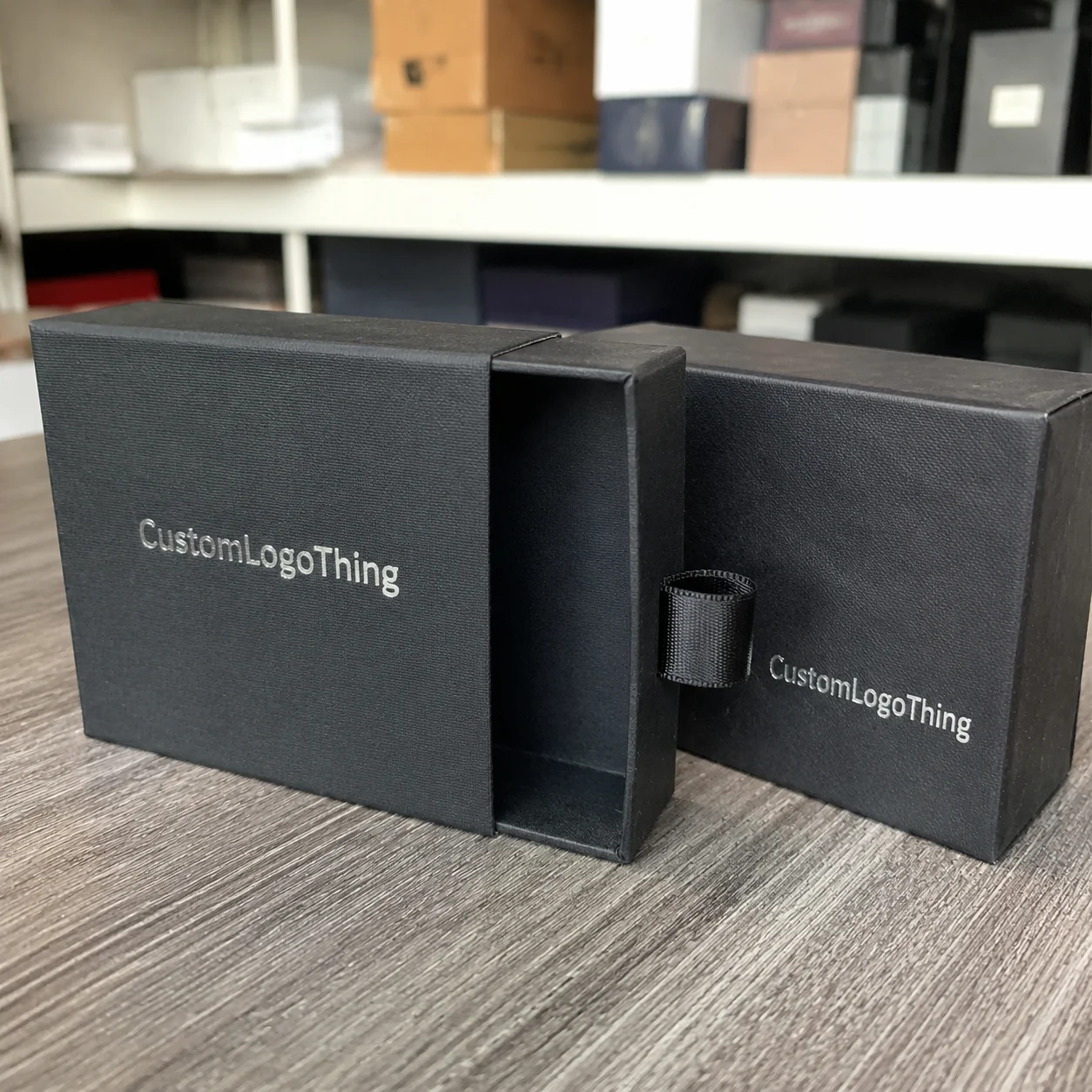
Rigid styles come in several common forms. Magnetic Closure Boxes are popular for electronics, gift sets, and PR kits. Telescope boxes use a separate lid and base, which works well for higher-end presentation. Shoulder boxes add a raised platform that gives a more formal reveal. Drawer-style boxes are excellent for products that need a tactile, sliding motion. Each style changes the unboxing sequence, and that matters more than brand teams sometimes expect. If you compare corrugated vs rigid boxes from a customer-experience angle, rigid usually wins the theater contest. A drawer box with a 350gsm printed sleeve and 2 mm insert can make a $60 product feel like an $180 one for about 15 seconds. That is the point.
The downside is real, though. Rigid boxes cost more because the process is more labor-intensive, the board is thicker, the wrap material adds cost, and quality control is stricter. They also take up more storage volume when assembled, which can hurt warehouse efficiency. If you are shipping rigid boxes as finished units instead of flat components, freight becomes more expensive very quickly. On a recent supplier negotiation in Dongguan, a client wanted a hinged rigid box with a magnetic closure and a custom EVA insert, and the landed cost nearly doubled once the overseas carton weight and assembly labor were fully counted. The unit cost moved from roughly $1.90 to $3.60 at 5,000 pieces after wrap upgrades and the insertion step. That was the moment the spreadsheet stopped being cute.
Rigid boxes are not ideal for every channel. If your product is moving through rough parcel handling, the outer paper wrap can scuff, corners can bruise, and edge crush resistance is not the same as a true corrugated shipper. That is why many smart brands use rigid only as the inner presentation layer and place it inside a corrugated master carton for shipping. In my experience, that hybrid approach is often the best balance when branding and protection both matter. A rigid set-up box in a 200# test corrugated outer shipper is a much smarter move than pretending a luxury carton can survive every conveyor in the United States.
There is also a storage reality that gets ignored. A 500-piece rigid run can occupy a surprising amount of warehouse space because the boxes may be partially or fully assembled, and inserts often ship separately. Corrugated is much easier to stage in flat stacks. If your fulfillment team is already short on rack space in a 20,000-square-foot warehouse, rigid can create bottlenecks even before the first order leaves the dock. I’ve seen this turn into a mess in Irvine, where a launch team had beautiful packaging and nowhere to put it.
Price Comparison and Process Timeline
If you compare corrugated vs rigid boxes by price alone, corrugated usually wins, and the gap can be substantial once quantity rises. Corrugated converting is faster, the materials are more efficient to process, and flat shipping reduces freight waste. Rigid boxes, by contrast, require board cutting, paper wrapping, more handling, more glue stations, and often more manual inspection. That labor stack is what drives the difference, not just the raw board cost. A plant in Guangzhou may be able to run a corrugated job with a small crew and a die-cutting line, while rigid often needs a separate wrapping and assembly team.
Here is the way I explain pricing to clients: corrugated is usually a cost-efficient structural box, while rigid is a premium package with a higher labor content. For a common Custom Corrugated Mailer at 5,000 pieces, I’ve seen pricing around $0.72 to $1.15 per unit depending on board grade, print coverage, and insert complexity. A comparable rigid presentation box with wrap, magnet closure, and foam or paperboard insert can land around $2.40 to $5.80 per unit at similar quantities, and specialty finishes can push it higher. One recent quote out of Shenzhen came in at $0.15 per unit for 5,000 pieces on a plain single-wall mailer with one-color flexo print, while a foil-stamped rigid box of the same size was closer to $3.25 per unit. Those are real-world ranges, not guarantees, because size, paper selection, and finishing all move the number.
The pricing drivers are worth listing clearly:
- Order quantity: higher volume reduces cost per unit, especially on corrugated runs.
- Print coverage: full bleed, inside printing, and multiple colors add cost.
- Custom inserts: foam, molded pulp, and die-cut paperboard all change the price.
- Special finishes: foil, embossing, soft-touch lamination, and spot UV increase labor and material cost.
- Shipping weight: rigid usually costs more to freight, store, and move.
Lead time is another place where corrugated tends to win. A well-run corrugated job can move from proof approval to converting to delivery in roughly 12 to 15 business days for standard specs, and sometimes 16 to 18 business days if the plant is busy or the print is more complex. Rigid boxes often take 18 to 30 business days, sometimes longer if specialty wraps, hand assembly, or insert building are involved. If you need a launch run for a trade show in Las Vegas or a fast ecommerce rollout in Atlanta, those extra days matter. I have watched a “simple” rigid sample become a 28-day project because the sample sign-off, magnet alignment, and wrap paper selection all took an extra round of approvals.
I’ve had more than one buyer call me after their rigid timeline slipped because the wrap paper was delayed, the magnet spec changed, or the glue line failed inspection on the first article sample. Corrugated is not immune to delays, but the process has fewer hand-built steps, so there are usually fewer places for the schedule to drift. If the launch date is fixed and there is no wiggle room, that simplicity is valuable. A brand planning a Paris launch in September should not be discovering a board moisture issue in late August. Yet here we are.
For buyers comparing a short-run test versus a national rollout, I usually recommend getting true unit-cost quotes for both structures, plus freight and warehousing estimates. A box that looks cheaper on paper can become more expensive once you account for pallet space, damage rate, and repack labor. That is the hidden cost many teams miss when they compare corrugated vs rigid boxes too early in the sourcing process. I always ask for pricing at 1,000, 5,000, and 10,000 pieces because the curve changes fast, especially if you are sourcing from suppliers in Shenzhen, Guangzhou, or Jiaxing.
How to Choose Between Corrugated vs Rigid Boxes
The cleanest decision framework starts with product fragility, shipping distance, brand positioning, order volume, and fulfillment channel. If the product is going through parcel networks, stack-loaded on pallets, or handled by multiple touchpoints before it reaches the customer, corrugated is usually the safer choice. If the box will sit on a shelf, be opened in front of customers, or support a premium gift narrative, rigid may justify the extra spend. That is the practical way to compare corrugated vs rigid boxes without getting lost in aesthetics alone. A SKU going from a warehouse in Ohio to 8,000 residential addresses is not the same thing as a corporate gift set handed out at a sales conference in Singapore.
I like to ask clients four questions: How far is the product traveling? What kind of drops or compression will it face? Does the box need to sell the product before the product is used? And how much labor can the fulfillment team absorb? Those answers usually point to the right structure faster than a dozen mood board revisions. Packaging decisions get a lot easier when someone finally stops saying “it just feels nice” and starts saying “it needs to survive Newark.” I’ve had a client in New Jersey say that exact line after testing five samples on a concrete floor at 34 inches.
There is also a hybrid path that works well for many brands. A corrugated outer shipper can protect a rigid inner presentation box, or a premium corrugated mailer can carry a high-end printed sleeve and a fitted insert. That approach gives you protection in transit and a premium unboxing moment without paying full rigid-box pricing on every unit. I’ve seen this work especially well for beauty kits, influencer mailers, and subscription programs that want a luxury feel but still need parcel-ready durability. A 350gsm sleeve over a 24 ECT corrugated base can look far more expensive than it costs, which is one of the few fair tricks in packaging.
Before you commit, run a simple test plan:
- Print or sample the dieline at true size.
- Place the actual product and insert inside the pack.
- Drop test from the expected handling height, often 30 to 36 inches for parcel risk checks.
- Stack-test the box under realistic warehouse load.
- Review the unboxing moment with marketing, operations, and customer service together.
That last step matters more than people think. Marketing may love the reveal, but customer service will tell you if the product rattles, and operations will tell you if the pack slows the line. I’ve sat in those cross-functional reviews where a box that looked stunning on screen got rejected because it needed too many hand motions per pack. That is not a small issue when you are filling 1,200 orders a day in a facility outside Nashville. One extra fold sounds harmless until you do it 1,200 times before lunch.
Do not forget total landed cost. The box price is only one piece. Freight, storage, damage rates, repack labor, and even the time it takes a packing associate to assemble the carton should be part of the decision. If you compare corrugated vs rigid boxes honestly, the cheapest unit on the quote sheet is not always the cheapest structure in the real operation. A box that saves $0.18 but adds 14 seconds of assembly time is not a savings. It is just a more expensive spreadsheet with better handwriting.
For technical buyers who want to stay aligned with standards, I also encourage checking fiber sourcing and packaging compliance expectations through recognized industry organizations such as the Forest Stewardship Council and the broader packaging guidance available from the Paper and Packaging Board. Those references won’t pick the box for you, but they help keep sourcing discussions grounded in material responsibility and performance expectations. A procurement team in Toronto or Berlin can use those standards to keep supplier conversations from drifting into pure opinion.
Our Recommendation: What We’d Choose and Why
If I had to put my name on the recommendation, I’d say this: choose corrugated when performance, speed, and cost efficiency matter most; choose rigid when presentation and perceived value are central to the sale. That is the clearest answer I can give after years of watching brands learn the hard way. I’ve seen corrugated rescue a launch by reducing damage claims, and I’ve seen rigid lift conversion for premium sets where the box itself became part of the brand story. A skincare brand in Los Angeles once cut its return rate by 11 percent after switching from a thin rigid shell to a stronger corrugated mailer with a molded pulp insert. Nobody missed the old box once the refunds stopped.
My middle-ground recommendation is a hybrid system. Use corrugated for the outer shipper or mailer, then create a premium experience with a printed sleeve, insert, or inner tray that carries the brand look. This approach often gives a brand 80 percent of the rigid-box feel with far better transit reliability and better warehouse behavior. For many clients, that is the sweet spot. Less drama. Fewer crushed corners. Everyone sleeps better. And yes, the finance team usually stops asking why every carton needs a magnet.
If you are still undecided, here is the sequence I’d follow in a real sourcing project:
- Request dielines for both structures.
- Order true-size samples, not scaled mockups.
- Test both through your actual carrier network.
- Compare damage rates, repack time, and freight costs.
- Bring operations, marketing, and customer service into the final review.
I also suggest looking at your broader packaging system, not just the primary box. A well-chosen corrugated outer, a branded insert, and a clean label application can often outperform a more expensive rigid carton that is poorly matched to the product. If you need a starting point for structural development, Custom Shipping Boxes and the wider range of Custom Packaging Products can help you map the options against your product dimensions and channel needs. In many cases, a box spec from a supplier in Shenzhen or Xiamen with the right insert geometry is all you need to keep the whole program under control.
My honest opinion, after too many late-stage packaging fire drills, is that most brands should compare corrugated vs rigid boxes by looking at the real journey of the product, not the mood of the marketing deck. If it has to survive rough handling, save freight dollars, and move quickly through fulfillment, corrugated is usually the right answer. If it must create a premium reveal and reinforce luxury positioning, rigid earns its place. That is the real way to compare corrugated vs rigid boxes, and it is the answer I would give a client sitting across the table from me right now, probably with a sample box open and a freight quote on the table.
When should I compare corrugated vs rigid boxes for e-commerce shipping?
Use corrugated first if the box will travel through parcel networks, be stack-loaded in a warehouse, or needs to keep shipping costs lower. Choose rigid only if the unboxing moment is as important as protection and you are willing to absorb higher material and labor costs. For a 5,000-unit ecommerce launch, corrugated often ships flatter, faster, and cheaper out of factories in Shenzhen or Dongguan.
Are rigid boxes stronger than corrugated boxes?
Rigid boxes feel sturdier in the hand because of thick chipboard walls, usually 1.5 mm to 3 mm, but corrugated usually performs better in shipping because the fluted structure absorbs crush and impact more effectively. For transport durability, corrugated is usually the better functional choice, especially on routes with automated sortation and long-haul freight.
Which is more expensive when you compare corrugated vs rigid boxes?
Rigid boxes are usually more expensive because they require thicker board, wrapping paper, more manual assembly, and more finishing steps. Corrugated boxes generally win on unit price, storage efficiency, and freight savings. On a 5,000-piece run, a simple corrugated mailer might be around $0.15 to $0.95 per unit depending on specs, while a rigid box often starts much higher once magnets, wraps, and inserts are added.
How long does production usually take for corrugated vs rigid boxes?
Corrugated packaging often has a shorter lead time because it is easier to convert, print, and ship flat. Standard corrugated runs often take 12 to 15 business days from proof approval, while rigid boxes usually take 18 to 30 business days due to hand finishing, wrapping, insert building, and tighter quality control. If your launch is fixed, that difference can make or break the schedule.
Can I make corrugated boxes look premium like rigid boxes?
Yes, with strong structural design, high-quality print, special coatings, and a well-planned unboxing experience. You can also use premium inserts, sleeves, or spot finishes to create a luxury feel without paying rigid-box pricing. A corrugated mailer with litho lamination, a matte finish, and a 350gsm insert can look far more premium than a basic rigid box that was rushed out of a plant in Guangzhou.