Buyer Fit Snapshot
| Best fit | Rigid Boxes Manufacturer projects where brand print, material claims, artwork control, MOQ, and repeat-order consistency need to be specified before quoting. |
|---|---|
| Quote inputs | Share finished size, material target, print colors, finish, packing count, annual reorder estimate, ship-to region, and any compliance wording. |
| Proofing check | Approve dieline scale, logo placement, barcode or warning zones, color tolerance, closure strength, and carton packing before bulk production. |
| Main risk | Vague material claims, crowded artwork, missing packing details, or unclear freight terms can make a low unit price expensive after revisions. |
Fast answer: Rigid Boxes Manufacturer: Structure, Print Proof, Packing, and Reorder Risk should be specified like a repeatable production item. The safest quote records material, print method, finish, artwork proof, packing count, and reorder notes in one written spec.
Production checks before approval
Compare the actual filled-product size with the drawing, then confirm tolerance on folds, seals, hang holes, label areas, and retail display edges. Reserve space for logos, QR codes, warning copy, and material claims before decorative graphics fill the panel.
Quote comparison points
Review material grade, print process, finish, sampling route, tooling charges, carton quantity, and freight assumptions side by side. A quote is only useful when the supplier can repeat the same color, closure quality, and packing count on the next order.
I’ve stood on enough packaging floors in Dongguan, Shenzhen, and Long Island City to know this: a rigid boxes manufacturer can change how a product is judged before anyone even lifts the lid. A 180gsm wrap, a 2mm chipboard wall, and a clean magnetic closure can do something a sales deck never will—they can make a product feel worth more, instantly. On a run of 5,000 pieces, I’ve seen that difference show up in the quote too, with premium rigid builds landing around $0.92 to $1.45 per unit depending on finish, insert style, and freight packing.
That reaction is not fluff. In beauty, electronics, gifting, and accessories, the box often carries the first price signal. I’ve watched buyers in a Shanghai showroom run a thumb over the edge of a rigid box and immediately ask, “What else is in the line?” That is the power a rigid boxes manufacturer brings to the table: structure, drama, and credibility in one object. For a $120 serum set, a $0.85 box is easier to justify than for a $12 lip balm, and the math is exactly that blunt.
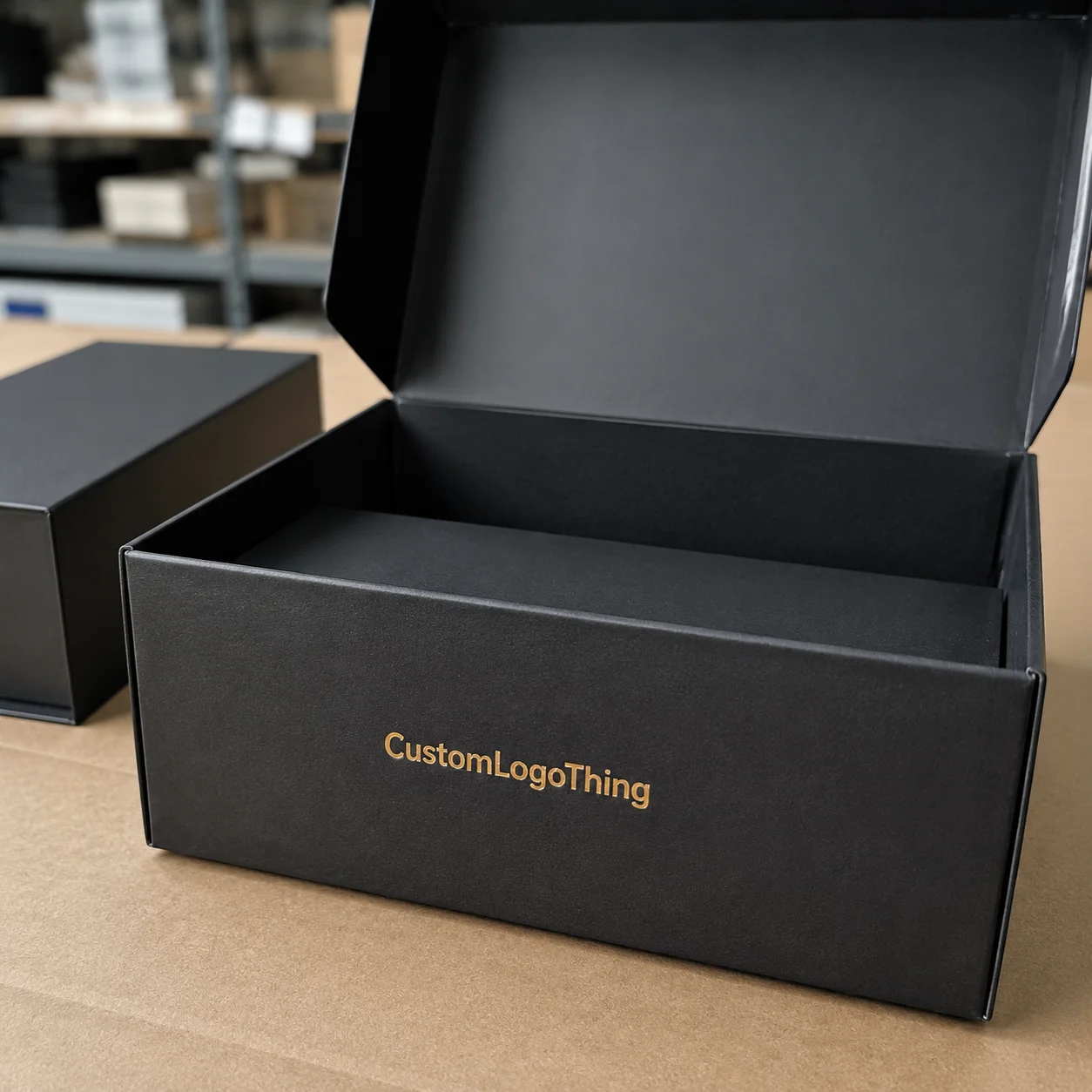
I remember one factory visit in Guangzhou where a buyer spent more time handling the sample box than the actual product. The packaging had already done its job. Slightly annoying if you’re the product team, honestly, but also exactly the point. The sample had a 2mm board shell, a matte black paper wrap, and a 14mm hidden magnet that snapped shut with a very satisfying click. That click was doing more selling than the product demo.
Why a rigid boxes manufacturer can change how your product is perceived
A rigid box is simple to describe and oddly hard to execute well. It is usually a thick paperboard shell, often 1.5mm to 3mm chipboard, wrapped in printed paper, specialty paper, or textured stock. Unlike a folding carton, it does not collapse flat for storage. It holds its shape, which is exactly why a rigid boxes manufacturer matters for premium presentation. A standard 350gsm C1S artboard carton feels like a different species next to a 2mm rigid board wrapped in 157gsm art paper.
Here’s the commercial reality: customers often treat packaging as a shortcut for quality. If the outer package feels substantial, the product inside gets a head start. I saw this at a cosmetics client meeting in Austin where two identical serums were shown in different packs. The one in a magnetic rigid box was discussed as if it were the premium formula, even though both SKUs had the same ingredients and fill cost. That’s not illusion. That’s consumer psychology, and a seasoned rigid boxes manufacturer knows how to work with it. The box was quoted at $1.08 per unit on a 3,000-piece run, and the product team still called it “the cheaper option” because it looked smarter.
In plain language, rigid boxes are built for structure, presentation, and durability. They are not the cheapest option, and they are not meant to be. A folding carton may be ideal for a 50,000-unit retail run, but a rigid format can justify a higher ticket in beauty, electronics, spirits, gifting, and limited editions. Honestly, I think a lot of brands underuse rigid packaging because they compare unit cost and ignore perceived value. That misses half the equation, especially when the product price sits above $50 and the box only adds $0.70 to $2.50 in landed cost.
A rigid boxes manufacturer differs from a standard carton supplier in several ways. First, there is more hand-finishing. Second, tolerance control is tighter because the lid, sleeve, insert, and closure all have to meet. Third, there is more room for premium techniques like foil stamping, embossing, ribbon pulls, and custom inserts. On a 2,000-piece run in Shenzhen, I’ve watched a supplier reject a whole batch because the lid-to-base gap drifted by 1.2mm. That’s the level of annoying precision you pay for.
When does rigid packaging make sense? I’d look at four situations: high-margin products, fragile items, limited releases, and retail goods where unboxing matters. If the product is valued at $80, $150, or $300, the packaging can support the margin far more easily than it can on a $12 SKU. If the item is fragile, the extra board and fit protection help. If it is a gift, presentation becomes part of the purchase decision. A fragrance set with a velvet tray in a rigid box can tolerate a $1.35 unit cost if the retail price sits at $95 or higher.
When does it not make sense? If the product ships in high volume, gets crushed into master cartons, or lives in a low-margin channel, a rigid box can be overkill. In those cases, a folding carton or corrugated mailer may perform better on total landed cost. A good rigid boxes manufacturer should tell you that, not just sell you the fanciest option. I’ve told brands to skip rigid packaging for a $9 accessory line more than once, and yes, they were annoyed until the freight quote arrived.
For context, packaging professionals often reference standards such as ISTA for transit testing and the EPA for environmental guidance on materials and waste reduction. Those standards do not tell you what box to choose, but they do help you think beyond appearance. A premium box that fails in transit is just expensive damage, usually discovered after a $4,800 air shipment from Shenzhen to Chicago.
How a rigid boxes manufacturer turns raw board into finished packaging
The production journey is more layered than most brand teams expect. A rigid boxes manufacturer usually begins with chipboard cutting, then creates the rigid frame, wraps it with printed or specialty paper, and adds details like inserts, ribbons, windows, or magnetic closures. The finished look can feel elegant, but the making of it is part engineering, part handwork. On a 2mm board build, even a 0.5mm wrap shift at the corner can be visible under shop lighting in a Brooklyn showroom.
On one factory floor in southern China, I watched operators build shoulder-neck boxes at a table line in Dongguan. The board was already die-cut, but the alignment of the shoulder and neck required near surgical accuracy. A millimeter off, and the lid sat crooked. That’s the difference between a box that looks luxury and one that looks rushed. A reliable rigid boxes manufacturer builds for repeatability, not just for one perfect sample. The plant was running about 8,000 pieces a day, and the QC table had a stack of rejected corners that would have embarrassed a much larger supplier.
Common box styles each demand different production decisions:
- Lid-and-base boxes are straightforward, but lid height and friction fit matter, especially on 1,000-piece runs where the lid may loosen slightly after transport.
- Magnetic closure boxes need precise magnet placement and wrap tension so the flap closes cleanly, usually with 10mm x 1mm magnets or similar small disc magnets.
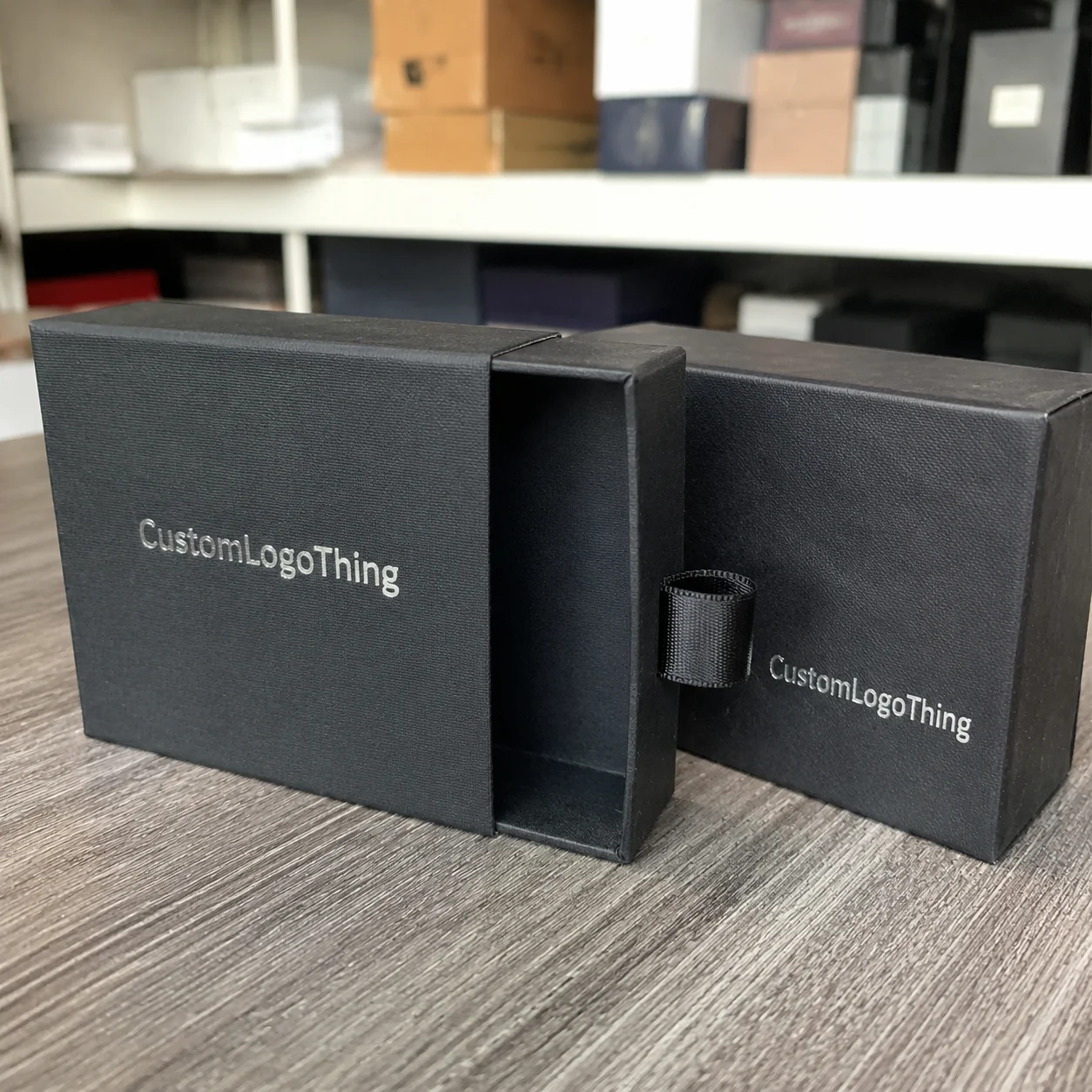
- Drawer boxes depend on pull-tab construction and glide tolerance, and the drawer sleeve often needs 1.5mm extra clearance.
- Book-style boxes use a hinge structure, often with a clean spine and side wrap, which makes the wrap direction critical.
- Shoulder neck boxes require a visible step and carefully built inner walls, usually with a 2mm board shoulder and neck insert.
- Collapsible rigid boxes add folding mechanics that reduce shipping volume, but they raise engineering demands and can add $0.20 to $0.60 per unit.
The process from idea to shipping usually follows a pattern. A brief comes in, then the rigid boxes manufacturer confirms dielines or develops a structure. After that comes sample making, prepress review, material sourcing, assembly, inspection, and final pack-out. Each stage can expose a problem that looked invisible in a PDF. I’ve seen an insert that fit perfectly on screen but trapped the bottle neck by 4mm in real life. That kind of issue is common, and it is why sample testing matters. A sample made from 1.5mm grayboard and 157gsm coated art paper can reveal more than ten rounds of email.
- Dieline approval with exact product dimensions, usually down to the nearest 0.5mm.
- Structural sample or mockup, often built in 2 to 3 business days for simple shapes.
- Artwork and color review, often against Pantone targets like 186C or 432C.
- Material sourcing for board, wrap paper, and inserts, sometimes from Guangdong or Zhejiang mills.
- Production assembly with adhesive, wrapping, and finishing.
- Quality inspection for alignment, corner wrap, and closure.
- Shipping preparation based on carton counts and palletization, often 100 to 200 pieces per export carton.
Design choices affect manufacturability more than many people realize. A full-coverage dark wrap can show scuffs faster than a lighter tone. A foil stamp too close to the edge can crack during wrapping. A deep insert cavity may require extra board and raise the cost. If your brand asks for a velvet tray, a ribbon pull, and a magnet closure all at once, the rigid boxes manufacturer has to solve several tolerances simultaneously. That’s where the real work starts, not in the glossy mockup file. On one perfume project, the velvet tray alone added $0.38 per unit and pushed the approval schedule back four days.
One client meeting sticks with me. A skincare brand in Los Angeles wanted a book-style rigid box with a hidden magnetic seal and an internal paper pouch. Beautiful idea. But the product bottle sat 6mm taller than the original spec, and the hinge strength had to be increased to keep the flap from bowing. The final version looked better than the sketch, but only because the manufacturer pushed back early. That is what you want: not blind agreement, but informed problem-solving from a rigid boxes manufacturer. The final run shipped from Ningbo to California in 18 business days after approval.
Performance matters too. A well-made rigid box resists crush damage better than a lighter folding carton because the chipboard shell carries more structure. That does not make it shipping-proof by itself. You still need the right shipper, void fill, and sometimes ISTA-style drop testing. But it does reduce scuffing, corner collapse, and shelf wear, which can make a big difference for premium retail or gift presentation. I’ve seen a 2mm chipboard box survive a 42-inch drop test where a 350gsm folding carton split at the seam on the first hit.
For brands that want a broader view of what can be produced, it helps to review Custom Packaging Products alongside the rigid options. Packaging is not one decision; it is a system of choices. The strongest rigid boxes manufacturer understands that system and can explain why a paper insert in Shanghai may cost $0.06 while an EVA insert from Dongguan costs $0.22 on the same order.
The key factors that affect cost, quality, and pricing
Pricing is where enthusiasm usually meets reality. A rigid boxes manufacturer does not price by a single formula. Cost depends on board thickness, wrap paper, print complexity, special finishes, insert style, closure type, and labor intensity. Two boxes that look similar from 10 feet away can differ by 30% or more once you factor in materials and assembly time. On a 5,000-piece order, the spread can be the difference between $0.84 and $1.27 per unit.
Here is the basic cost logic. Rigid boxes use heavier board, more manual assembly, and more finishing steps than folding cartons. That means higher labor and freight weight. A flat carton may be stamped, folded, and shipped in a compact stack. A rigid format takes space even before product insertion. A rigid boxes manufacturer has to charge for all of that, and good ones explain it clearly. A 2mm rigid box with a magnetic flap and soft-touch lamination will usually cost more than a 1.5mm lid-and-base box with no finish, and nobody should pretend otherwise.
I’ve sat through enough supplier negotiations in Shenzhen and Xiamen to know the cheapest quote is rarely the cleanest one. One factory quoted a low unit price, then added fees for setup, magnet insertion, and “special wrap handling” after the first revision. The final number was 18% higher than the quote from the manufacturer that had been upfront from day one. That is why comparing apples to apples matters. And yes, I did stare at that revised invoice for a while like it had personally offended me. It was a $6,400 order, and the surprise charges were $1,172 of pure nonsense.
| Feature | Basic rigid box | Premium rigid box | Typical impact on price |
|---|---|---|---|
| Board thickness | 1.5mm chipboard | 2mm to 3mm chipboard | Moderate increase |
| Wrap paper | Standard printed art paper | Textured paper, specialty paper, soft-touch wrap | Moderate to high increase |
| Finishing | CMYK print only | Foil stamping, embossing, debossing, spot UV | High increase |
| Closure | Lid-and-base | Magnetic flap or hidden magnet | Moderate increase |
| Insert | Paper insert | Custom EVA, molded pulp, foam, or velvet tray | Moderate to high increase |
| Labor | Straight assembly | High hand-finishing and multi-step wrapping | High increase |
MOQ affects unit economics in a big way. If you order 1,000 boxes, setup costs are spread over fewer units, so the per-box price rises. At 5,000 units, the same tooling and prepress work gets diluted. For example, I’ve seen a lid-and-base rigid box price land around $1.45/unit at 1,000 pieces, then drop to $0.92/unit at 5,000 pieces, assuming similar specs and no special inserts. A rigid boxes manufacturer should show you those pricing steps in writing, ideally with a line item for board, wrap, finish, labor, and carton pack-out.
Special finishes can be worth the money, but not every box needs all of them. Foil stamping can sharpen a logo. Embossing can add tactile depth. Debossing can feel quieter and more refined. Soft-touch lamination gives a velvety hand feel, though it can show scuffs if handled heavily. Spot UV can create contrast, but only if the artwork supports it. Magnetic closures feel premium, but they also add cost and make automated assembly harder. A good rigid boxes manufacturer will help you choose one or two standout details, not six competing ones. On a luxury candle box in Miami, we cut three finishes down to one foil hit and saved $0.31 per unit without making the box feel cheaper.
Budgeting works better when you ask for a cost ladder. I like to see good, better, and best builds on the same brief. Maybe the good version uses printed art paper and paperboard inserts, the better version adds soft-touch lamination and foil, and the best version includes a magnetic closure with EVA inserts. That comparison tells you where the value actually sits. A rigid boxes manufacturer that refuses to quote alternatives may be protecting margin, not helping your planning.
If sustainability matters to your brand, ask about FSC-certified paper options and recycled content where appropriate. The Forest Stewardship Council’s guidance at fsc.org is a useful reference point if you are trying to balance premium presentation with responsible sourcing. A rigid boxes manufacturer can often build with certified materials, but the exact availability depends on paper grade, ink system, and regional supply. In eastern China, FSC paper often adds 4% to 8% to the material line, which is not nothing.
Choosing the right rigid boxes manufacturer: what to evaluate
Picking a partner is not about finding the nicest sales deck. It is about finding a rigid boxes manufacturer that can actually make what they promise. I start with manufacturing capability: box styles supported, print methods, finishing options, insert expertise, and whether the supplier can handle custom structural engineering without guessing. If they cannot explain the build sequence, that is a warning sign. If they say “premium quality” and cannot define the board grade, walk away.
Quality control should be visible, not implied. Ask for sample accuracy, color matching process, adhesive consistency, corner wrapping quality, and closure tolerance. I once reviewed 12 sample boxes from a new supplier in Foshan, and nine had a visible drift on the side seam. The issue was not dramatic, but on a premium box it would have telegraphed carelessness. A dependable rigid boxes manufacturer watches the small things: 1mm gaps, 0.5mm misalignment, adhesive bleed, lid friction, and insert depth. If they have a dedicated QC station and a repair table, that is usually a good sign.
Communication is a production tool. A strong rigid boxes manufacturer should ask about the product dimensions, shipping method, retail environment, and brand goals. If you sell fragile glass bottles, the questions should be different than if you sell wireless earbuds. If the supplier never asks about transit method or shelf display, they may be quoting from a template instead of engineering for your use case. I once had a supplier in Hangzhou ask which side of the tray would face the customer in the store. That was the kind of question that saved a week later.
Domestic and overseas sourcing each bring trade-offs. Domestic production often means shorter lead times, easier communication, and simpler oversight. Overseas production may offer stronger pricing at volume, but freight, tariffs, and longer transit can change the math. A slower ship route can erase a unit-cost win if the launch date is fixed. A responsible rigid boxes manufacturer should help you compare landed cost, not just ex-factory price. If the box ships from Ningbo to Los Angeles, the ocean leg alone may add 18 to 24 days before customs even starts.
Here is a simple credibility checklist I use:
- Recent samples with real production finishes
- Experience in your category, such as beauty, tech, or gifting
- Clear material specifications, not vague “premium paper” language
- Transparent MOQ and revision policy
- Proof of quality checks before shipment
- Ability to discuss limitations honestly
That last point matters more than people think. The best rigid boxes manufacturer I worked with on a fragrance project told the client the requested velvet wrap would shed fibers on a matte black insert. The client changed the specification, and the result looked better. Honest friction saved the project. That is worth more than a yes to everything, especially when the order was 7,500 units and the turnaround was fixed at 20 business days.
If you want to see how a packaging partner presents its broader capabilities, About Custom Logo Things is a good place to start. A manufacturer or consultant should make their process understandable before they ask for a purchase order. That is how trust starts. I’d rather see a supplier in Qingdao explain a 2mm board build than hand me a pretty brochure with no specifications.
What should you ask a rigid boxes manufacturer before you order?
Before you place an order, ask the awkward questions. The useful ones. A rigid boxes manufacturer should be able to answer them without dancing around the point. Start with the basics: can they build your box style, can they hit your target finish, and can they show recent examples from similar projects? If the answers are vague, that usually means the production will be vague too.
Ask about board thickness, paper wrap options, magnet specs, insert materials, and print methods. A lid-and-base box built on 1.5mm board behaves differently from a 2mm book-style rigid box. A magnetic closure with a hidden magnet needs different tolerances than a drawer format. Good suppliers will also explain how they handle scuff resistance, corner wrapping, and adhesive selection. A serious rigid boxes manufacturer should be able to tell you whether your finish choice will show fingerprints or whether your foil needs a wider safe area.
Then ask about process. Who approves artwork? How many sample rounds are included? What happens if the insert does not fit? What is the revision policy? I’ve seen projects stall because everyone assumed someone else was checking the dieline. That is how a 0.5mm error turns into a week of delay and a very annoying email chain. A reliable rigid boxes manufacturer keeps the process visible, especially on custom packaging projects with multiple stakeholders.
Finally, ask for a quote that is actually usable. Not a mysterious single number with no detail. You want line items for board, wrap paper, finishing, inserts, labor, and freight packing. If the price jumps later, you’ll know where it came from. A transparent rigid boxes manufacturer makes comparison easier and helps you avoid surprise charges that appear after the sample is already approved. That is not a favor. That is basic competence.
Step-by-step timeline: from concept to delivery
A realistic schedule starts with the brief. A rigid boxes manufacturer usually moves through concept, structural development, quoting, sampling, revisions, production, quality control, and delivery. For a simple lid-and-base box, the cycle can be relatively short. For a magnetic closure with insert engineering and special finishes, the timeline expands quickly. A basic run in Shenzhen can move in 12 to 15 business days from proof approval for sample completion, while a full production cycle often takes another 15 to 25 business days after final sign-off.
I’d plan for 12 to 15 business days from proof approval to sample completion in a straightforward case, then another 15 to 25 business days for production after final sign-off, depending on quantity and finish complexity. Add freight time on top of that. If the order is small, you may move faster. If the box includes foil, embossing, or multi-piece inserts, you may need additional rounds. A competent rigid boxes manufacturer will give you realistic ranges instead of optimistic guesses. In my experience, the quote that says “7 days” usually becomes 14 the moment the artwork has a bleed issue.
Delays usually happen in a few predictable places:
- Artwork approval takes longer because the team keeps changing copy or logo placement.
- Insert fit is off by a few millimeters and needs rework.
- Paper supply becomes constrained, especially for specialty textures.
- Finish testing reveals cracking, smudging, or poor foil transfer.
- Last-minute dimension changes invalidate the existing dieline.
The fastest projects are the ones where the client sends exact information early. A rigid boxes manufacturer can move much faster when they have product samples, full dimensions, Pantone targets, high-resolution artwork, and a firm ship date. A single missing measurement can stall the process for days. I’ve seen a 2mm correction on a watch tray add a full week because the insert cavity had to be rebuilt and rechecked. When the product was based in Milan and the packaging was being built in Dongguan, that extra week also meant a missed freight booking.
There is also a sequence problem brands underestimate. They want box artwork before the final product dimensions are locked, but the dimensions often change after prototyping. That creates rework. Better to freeze the product first, then brief the rigid boxes manufacturer with the final spec. If you must move in parallel, keep one person accountable for sign-off, or the approvals will multiply. I’ve watched a three-person approval chain turn a 2-day sample revision into a 9-day email marathon.
Planning advice is simple: add buffer. First orders should include extra time for samples and adjustments. If the box is tied to a product launch, retail reset, or holiday program, the calendar should include a cushion of at least 2 to 3 weeks. A rigid boxes manufacturer can hit the schedule only if the schedule is actually possible. For holiday retail in New York, I’d want final sample approval no later than early October if production is happening in southern China.
“Our launch date did not change just because the box was late.” A beauty brand manager in Chicago said that to me after a delayed pack-out. She was right. Packaging rarely gets a second chance to catch up, so the best rigid boxes manufacturer is the one that plans for reality, not optimism. Her team lost four retail weeks because the cartons sat in a port warehouse for 11 days.
Common mistakes brands make when working with a rigid boxes manufacturer
The most expensive mistake is designing the box before defining the product. It sounds backward, but it happens constantly. A brand falls in love with a structure, then tries to force the product into it. The result is wasted board, poor fit, or an insert that crushes the item. A strong rigid boxes manufacturer will ask for dimensions first for exactly this reason. I’ve seen a $1.12 unit box fail because a 31mm bottle was being forced into a 28mm cavity.
Another mistake is approving samples too quickly. A box can look great in a photo and still fail in the hand. Test the closure strength. Test the lid lift. Test the insert after a simulated drop. I’ve seen a client approve a sample because the gold foil looked perfect, only to discover later that the magnet was too weak to hold the flap shut after shipping vibration. A careful rigid boxes manufacturer should encourage this testing, not rush past it. On one run from Shenzhen to Dallas, a magnet that looked fine in the sample started popping open once the cartons sat in a hot trailer for two days.
Freight and storage get ignored far too often. Rigid packaging is bulky. It occupies cubic space, not just weight allowance. That matters in warehousing, pallet stacking, and import freight. If your team plans 20,000 units without considering storage volume, you may end up paying more to house the packaging than to make it. A practical rigid boxes manufacturer will flag pack-out dimensions and carton counts early. I’ve seen a 5,000-piece order require 18 pallets because no one asked how many boxes fit per master carton.
Overdesign is another trap. A box with four textures, three foils, two spot UV layers, and a complex insert may sound luxurious, but it can dilute the brand story and add cost without improving buyer perception. In one supplier negotiation, the client wanted every premium feature available. We cut the design down to one foil logo, one texture, and a high-density insert. The final sample felt sharper. Less noise. More authority. That is usually what a good rigid boxes manufacturer helps you realize, and the saving can be $0.25 to $0.60 per unit.
Communication errors are the quiet killer. Vague tolerances, missing reference samples, and assumptions about color create preventable defects. Saying “make it close enough” is not a specification. Neither is “same as last time” unless the last time is physically in the room. The best rigid boxes manufacturer works from exact data: 82mm by 128mm by 34mm, 2mm board, matte black wrap, Pantone 186C foil, and an EVA insert cut to fit a 28mm neck bottle. If you want repeatable results from a factory in Jiangsu or Guangdong, that level of detail is the price of entry.
Expert tips for getting better results from a rigid boxes manufacturer
Think in systems, not just boxes. A rigid package has to suit the product, the shipping method, and the retail environment at the same time. If the box is gorgeous but too large for shelf facings, it hurts merchandising. If it fits retail but cannot survive transit, it fails the supply chain. A thoughtful rigid boxes manufacturer will consider all three. On a chain store launch in Toronto, I saw a box rejected because the shelf lip hid the logo by 8mm. Nobody had planned for the actual display fixture.
Ask for a prototype or structural sample before full production, especially for magnets, drawers, or premium finishes. This is not overcautious; it is cheap insurance. A prototype can reveal a 1.5mm alignment issue that would be invisible in artwork files. I’ve seen structural samples save brands from an expensive reprint. A good rigid boxes manufacturer expects that stage and can usually turn a sample in 3 to 5 business days for a simple build, longer if the insert is custom.
Choose one or two standout details, not five. A foil logo paired with soft-touch lamination often says more than a box trying to do everything. Restraint can read as more expensive because it looks intentional. The same is true in fashion and interiors, and packaging is no different. A skilled rigid boxes manufacturer can help you edit down to the strongest choices. I once cut a brief from six finishes to two and the client’s marketing team liked it more, which was a rare and beautiful thing.
Use packaging to support marketing, not just protection. The box can guide the unboxing moment, carry QR codes for product registration, reinforce limited-edition cues, or keep a consistent color system across SKUs. I’ve seen brands use the inside lid for care instructions and the side panel for a serial number. That kind of detail feels premium because it is useful. A rigid boxes manufacturer should be comfortable building around those moments, whether the run is 2,500 units in Vietnam or 10,000 units in Dongguan.
Compare at least two quotes with identical specs. Not “similar” specs—identical. Same board thickness, same paper wrap, same insert material, same finish, same quantity. That is the only fair way to judge price. One supplier may look cheaper until you realize the magnet is smaller, the board is thinner, or the print coverage is reduced. A trustworthy rigid boxes manufacturer should welcome the comparison. If they do not, they probably know the numbers do not help them.
For brands that want to understand the wider packaging decision tree, I often point them toward broader design thinking rather than a single box type. The best rigid boxes manufacturer is not just making a container; they are shaping how the product enters the customer’s hands. That matters whether your customer is opening the box in a boutique in SoHo or at a kitchen table in Dallas.
Next steps after you shortlist a rigid boxes manufacturer
Once you have a shortlist, get organized fast. Gather product dimensions, choose a box style, set a target budget, and collect brand assets before you request quotes. A rigid boxes manufacturer can only quote accurately if the brief is tight. Missing information turns into assumptions, and assumptions turn into cost swings. I’ve seen a quote move by 19% just because the client forgot to say the insert had to hold a glass bottle, not a plastic one.
My advice is to prepare a one-page packaging brief. Include these items: product size, box style, quantity, finish preferences, insert needs, target ship date, retail or ecommerce use, and any compliance requirements. If you have a reference box, send photos and physical samples. A good rigid boxes manufacturer can work from a strong brief in a fraction of the time it takes to decode a vague email thread. If the brand is based in London and the factory is in Dongguan, the fewer interpretation gaps, the better.
Ask each supplier for a sample schedule, production timeline, and itemized cost breakdown. Then compare them side by side. If one quote is lower but excludes insert tooling, revisions, or freight packaging, it is not actually lower. I’ve seen buyers make a decision on headline price and regret it by the second invoice. A clear rigid boxes manufacturer shows the whole path, not just the first step. For one 8,000-piece order, the “cheap” quote turned into a $1,900 surprise after hidden packaging fees.
| Decision factor | What to ask | Why it matters |
|---|---|---|
| Structural expertise | Can you build this style and insert type? | Prevents fit and closure failures |
| Communication | Who owns updates and approvals? | Reduces delays and missed details |
| Timing | What is the sample and production schedule? | Protects launch dates and launch windows |
| Cost transparency | What is included in the quote? | Avoids surprise charges later |
| Quality control | How do you inspect wrap, corners, and closures? | Improves consistency across the run |
Choose the supplier that balances structural expertise, clear communication, realistic timing, and cost transparency. That combination matters more than a slick sales pitch. If you are reviewing custom packaging options for a premium launch, Custom Packaging Products can help you frame the wider set of choices, while a capable rigid boxes manufacturer handles the execution details. A strong partner in Shenzhen, Ningbo, or Chicago should be able to explain the trade-offs in plain English.
One last thing from the factory floor: the best outcomes usually come from brands that stay curious. They ask why a board needs to be 2mm instead of 1.5mm. They ask what the magnet does to the closure tension. They ask how the wrap paper behaves at the corners. Those questions do not slow a project down. They sharpen it. On a sample run of 3,000 pieces, that curiosity saved one client from a reprint that would have cost another $2,100.
If you Choose the Right rigid boxes manufacturer, the product is protected, the brand looks more considered, and the risk drops from sample to shipment. That is the point. Not decoration for its own sake. Not packaging theater. A better commercial result, delivered in a box that earns its keep. If you’re starting from scratch, lock the product dimensions first, compare two or three identical quotes, and request a structural sample before approving finish details. That sequence saves money, time, and a whole lot of back-and-forth. Kinda boring, sure. Also incredibly effective.
FAQs
What does a rigid boxes manufacturer actually do?
They design and produce premium packaging made from thick paperboard wrapped in printed or specialty paper. They handle structural setup, sampling, printing, finishing, assembly, and quality control. Many also help with inserts, closures, and custom sizing so the box fits the product and the brand. A factory in Dongguan or Ningbo may also manage palletization, export cartons, and ship-ready packing lists.
How much do rigid boxes cost from a rigid boxes manufacturer?
Pricing depends on box size, board thickness, print coverage, finishes, inserts, and order quantity. Magnetic closures, foil stamping, embossing, and specialty papers usually raise the price. Higher volumes lower the per-unit cost because setup and labor are spread across more boxes. For example, a simple lid-and-base rigid box might cost around $1.45/unit at 1,000 pieces and drop to about $0.92/unit at 5,000 pieces, while a premium magnetic build can land closer to $1.20 to $2.50 per unit depending on the specification.
How long does it take to produce custom rigid boxes?
The timeline usually includes design, sampling, revisions, production, and shipping. A straightforward sample can take 12 to 15 business days from proof approval, and production often takes 15 to 25 business days after final sign-off, depending on quantity and finish complexity. Complex finishes, custom inserts, or multiple approval rounds can extend the schedule. Providing exact dimensions, artwork, and brand specifications early helps reduce delays.
What should I ask a rigid boxes manufacturer before ordering?
Ask what box styles they specialize in and whether they can support your preferred finish or insert. Request sample photos or physical samples, plus a clear production timeline and MOQ. Confirm how they handle quality checks, packaging for shipment, and revision rounds. You should also ask for board specs, such as 1.5mm, 2mm, or 3mm chipboard, and whether they can build in cities like Shenzhen, Dongguan, or Xiamen depending on your freight plan.
Are rigid boxes better than folding cartons for premium products?
Rigid boxes usually feel more premium because they are heavier, sturdier, and more presentation-focused. Folding cartons are better when low cost, flat shipping, or high-volume distribution matters more than luxury feel. The best choice depends on product value, shipping needs, and the brand experience you want to create. If your SKU sells for $80 or more, a rigid box can make sense; if it sells for $8, a 350gsm folding carton may be the smarter move.