Buyer Fit Snapshot
| Best fit | custom printed mailer boxes reviewed for packaging buyers comparing material specs, print proof, MOQ, unit cost, freight, and repeat-order risk where brand print, material, artwork control, and repeat-order consistency matter. |
|---|---|
| Quote inputs | Share finished size, material target, print colors, finish, packing count, annual reorder estimate, and delivery region. |
| Proofing check | Approve dieline scale, logo placement, barcode or warning zones, color tolerance, and any recyclable or compostable wording before bulk production. |
| Main risk | Vague material claims, crowded artwork, or missing packing details can create delays even when the unit price looks attractive. |
Fast answer: Custom Printed Mailer Boxes Reviewed: Film, Closure, Print, and Fulfillment should be specified like a repeatable production item. The safest quote includes material, print method, finish, artwork proof, carton packing, and reorder notes in one written spec.
What to confirm before approving the packaging proof
Check the product dimensions against the actual filled item, not only the sales mockup. Ask for tolerance on folds, seals, hang holes, label areas, and retail display edges. If the package carries a logo, QR code, warning copy, or legal claim, reserve that space before decorative graphics fill the panel.
How to compare quotes without losing quality
Compare board or film grade, print process, finish, sampling route, tooling charges, carton quantity, and freight assumptions side by side. A lower quote is only useful if the supplier can repeat the same color, closure quality, and packing count on the next order.
If you’re hunting for top Custom Printed Mailer boxes, I’ve got opinions, and I earned them the ugly way. The first time I watched a “premium” mailer fail a drop test in a Shenzhen facility, the tape split before the box even hit the floor. The sample was built on 28 ECT board with a weak glue seam, and it folded like wet toast after a 70 cm drop. Cute branding. Useless box. I remember standing there thinking, “Great. We paid for a trophy and got cardboard confetti.” That kind of moment makes you stop trusting glossy sales PDFs and start checking board specs, fold accuracy, and adhesive strength like your margin depends on it—because it does.
I’m Sarah Chen, and I spent 12 years in custom printing, packaging design, and supplier negotiations before I started writing about this stuff. I’ve stood on factory floors in Shenzhen, Dongguan, and Ningbo with a caliper in one hand and a half-ruined sample in the other. I’ve also sat across from sales reps who swore a $0.18 unit would stay $0.18 until freight, plates, and “small adjustments” mysteriously appeared. One quote in Ningbo jumped from $0.22 to $0.47 per unit once we added die tooling, inner cartons, and export packing. So yes, I’m picky about top Custom Printed Mailer boxes. You should be too. Honestly, if a supplier says, “Don’t worry about the details,” I start worrying immediately.
For Custom Logo Things, the best choice depends on how much abuse your package takes, how your brand looks on camera, and whether you’re shipping 300 boxes or 30,000. A 350gsm C1S artboard mailer might be perfect for light beauty kits, while a 32 ECT corrugated mailer makes more sense for apparel shipping out of a Dallas warehouse every Tuesday. The wrong box can make a $42 product feel like a gas station purchase. The right one can make a $14 product feel like a gift set. Funny how cardboard has that kind of power. Also funny how one bad box can ruin a whole Monday.
Quick Answer: The Top Custom Printed Mailer Boxes I’d Actually Buy
If you want my blunt answer, I’d split the Top Custom Printed Mailer boxes into five buckets: standard corrugated mailers for everyday e-commerce, kraft mailers for budget-conscious brands, white glossy mailers for stronger visual pop, rigid-style mailers for luxury unboxing, and insert-ready mailers for fragile products. That’s the practical split I’ve seen work across apparel, beauty, supplements, candles, and small gift sets from Los Angeles to Atlanta.
The first thing I check is board strength. Plenty of people obsess over print coverage and forget the box still has to survive shipping. A 32 ECT corrugated mailer is fine for many lightweight items under 2 lb. If you’re sending heavier SKUs or anything with sharp corners, I’d want 44 ECT or a reinforced double-wall construction. I’ve seen a pretty box buckle because someone packed glass jars with zero internal support. That’s not a packaging win. That’s a refund waiting to happen. And yes, I still think about that pallet every time someone says, “It should be fine.”
Here’s the quick verdict I’d give a founder in a supplier call, usually while the factory manager in Guangdong is pretending not to hear me ask about compression strength:
- Startup budget: kraft corrugated mailers with 1-color print or simple black logo.
- Mid-size DTC brand: white printed mailers with full exterior branding and matte or gloss finish.
- Luxury brand: rigid-style mailers or premium laminated mailers with custom inserts.
- Lightweight shipping: standard corrugated mailers sized tightly to the product.
- Bulk cost focus: simple kraft construction, limited print coverage, and no unnecessary insert complexity.
Honestly, I think most brands overbuy finishes and underbuy structure. They’ll spend extra on soft-touch lamination, then choose a board that crushes if you look at it wrong. That’s backwards. The best top Custom Printed Mailer boxes should look good in hand, on camera, and after a truck ride from a fulfillment center in Chicago to a customer in Phoenix.
My buying lens is simple: print quality, adhesive reliability, board strength, turnaround, and how the box performs when a customer actually opens it. A box can look fine in a digital mockup and still arrive with dull color drift, sloppy folds, and corners that feel tired. That happens more than sales reps like to admit. I’ve had samples with a Delta E shift of 4.2 between proof and production, which is enough to make a branded navy look like “sad blue.” They just smile harder when they say it.
My fast answer: for most brands, white corrugated mailers with clean full-color print win on branding. Kraft wins on cost and natural appeal. Rigid-style mailers win on unboxing, but only if you can stomach the freight bill, the extra 18 to 25 business days, and the palletized shipping weight.
Top Custom Printed Mailer Boxes Compared: What Stands Out
When I compare top custom printed mailer boxes, I look at five things: print method, minimum order quantity, structural strength, finish options, and how well the box represents branded packaging in the real world. Not in a render. In a mailbox. In a warehouse. Under stress. In the hands of someone who opens the package while half-watching TV and not caring about your brand story nearly as much as you do.
Here’s the part people miss: the best-looking box on a supplier website is not always the best box to order. Some vendors quote low, then add plate fees, die charges, and freight that turn a decent deal into a painful one. I’ve seen a “cheap” run go from $0.41 to $0.68 per unit after everything landed in a Los Angeles warehouse. That’s why the quote sheet matters more than the hero image. Pretty mockups don’t pay invoices.
Below is the comparison framework I actually use when reviewing top custom printed mailer boxes for clients.
| Box Type | Best For | Typical Print Style | Strength | Common MOQ Range | Notes |
|---|---|---|---|---|---|
| Standard Corrugated Mailer | General e-commerce, apparel, accessories | 1-4 color flexo or digital | Good | 500 to 5,000 pieces | Best balance of cost and protection |
| Kraft Mailer | Eco-minded brands, subscription boxes | Spot print, simple logo marks | Good | 250 to 3,000 pieces | Natural look; print colors can mute slightly |
| White Glossy Mailer | Beauty, retail packaging, premium DTC | CMYK digital or offset-style print | Good to very good | 500 to 10,000 pieces | Bright color payoff, stronger shelf appeal |
| Rigid-Style Mailer | Luxury gifting, premium launches | Wrapped print, specialty finishes | Very good | 1,000 to 5,000 pieces | Beautiful, but freight and labor add up fast |
| Insert-Enabled Mailer | Fragile products, kits, sampler sets | Full-color exterior with custom inserts | Very good | 1,000 to 10,000 pieces | Great protection, higher tooling and insert cost |
From a product packaging standpoint, corrugated mailers stay the most practical. They’re easy to stack, they fold predictably, and they don’t make your warehouse team curse your name. A 32 ECT mailer with a 1.5 mm flute height is solid for light-to-midweight shipping, especially if your fulfillment center in Texas is packing 2,000 units a week. Rigid-style boxes are the champagne choice. Gorgeous. Heavy. Expensive. Worth it for a launch kit or VIP drop, not always worth it for everyday replenishment.
I also check structural consistency in the dieline. A box can pass a sample review and still go weird on a full run if the die cut drifts by even 1 to 2 mm. Sounds tiny. It isn’t. That’s enough to turn a snug closure into a sloppy one. And once the flaps stop sitting cleanly, the whole packaging design feels cheaper. I’ve had to explain that to more than one sales rep who kept insisting, with a straight face, that “small variation is normal.” Sure. So is paying for it later.
“Our first printed mailer looked great on screen, but the actual boxes came with one corner crushed on nearly every unit. We fixed it by moving from 28 ECT to 32 ECT and tightening the dimensions by 4 mm.” — a candle brand client I worked with out of Los Angeles
For sustainability-minded buyers, I’d also check whether the board is FSC-certified and whether the inks are water-based or soy-based. If you want to verify a certification path, the FSC site is a reasonable starting point: FSC. For shipping and packaging waste reduction ideas, the EPA has useful material on packaging recovery and source reduction: EPA Sustainable Materials Management. A supplier in Dongguan can say “eco” all day; documentation is what counts.
Detailed Reviews of the Top Custom Printed Mailer Boxes
Here’s where the top custom printed mailer boxes separate themselves. I’m not reviewing fantasy samples. I’m looking at what survives production, packing, shipping, and the honest violence of a delivery route. If you’ve ever watched a parcel get tossed like a football, you know exactly what I mean. I’ve seen that happen at a depot in Shenzhen at 6:40 a.m., and it was not pretty.
Standard corrugated mailers
These are the workhorses. If I had to pick one format for a brand that ships daily and cares about consistent custom printed boxes, this is usually where I’d start. A standard corrugated mailer with a tight dieline and clean fold lines gives you a lot of protection without turning your margin into confetti. A 32 ECT C-flute box at 200 lb burst strength is a good baseline for many e-commerce brands.
Pros: they’re cost-efficient, they handle a broad range of products, and they usually print well with simple branding. I like them for apparel, socks, small accessories, and lightweight wellness products. On one factory visit in Guangdong, I watched a line run 8,000 pieces with a one-color logo and zero visible registration issues. The factory was running at about 85% line speed, and the print stayed consistent from the first carton to the last. That’s what you want: boring consistency. I say that with love. Boring packaging is often excellent packaging.
Cons: they can look basic if you don’t specify the finish. If the board is too thin or the print coverage is uneven, the box can read like generic retail packaging. I’ve also seen weak locking tabs on lower-grade versions, especially from vendors trying to shave $0.03 to $0.05 per unit. Those pennies always show up somewhere. Usually right after your launch.
Kraft mailers
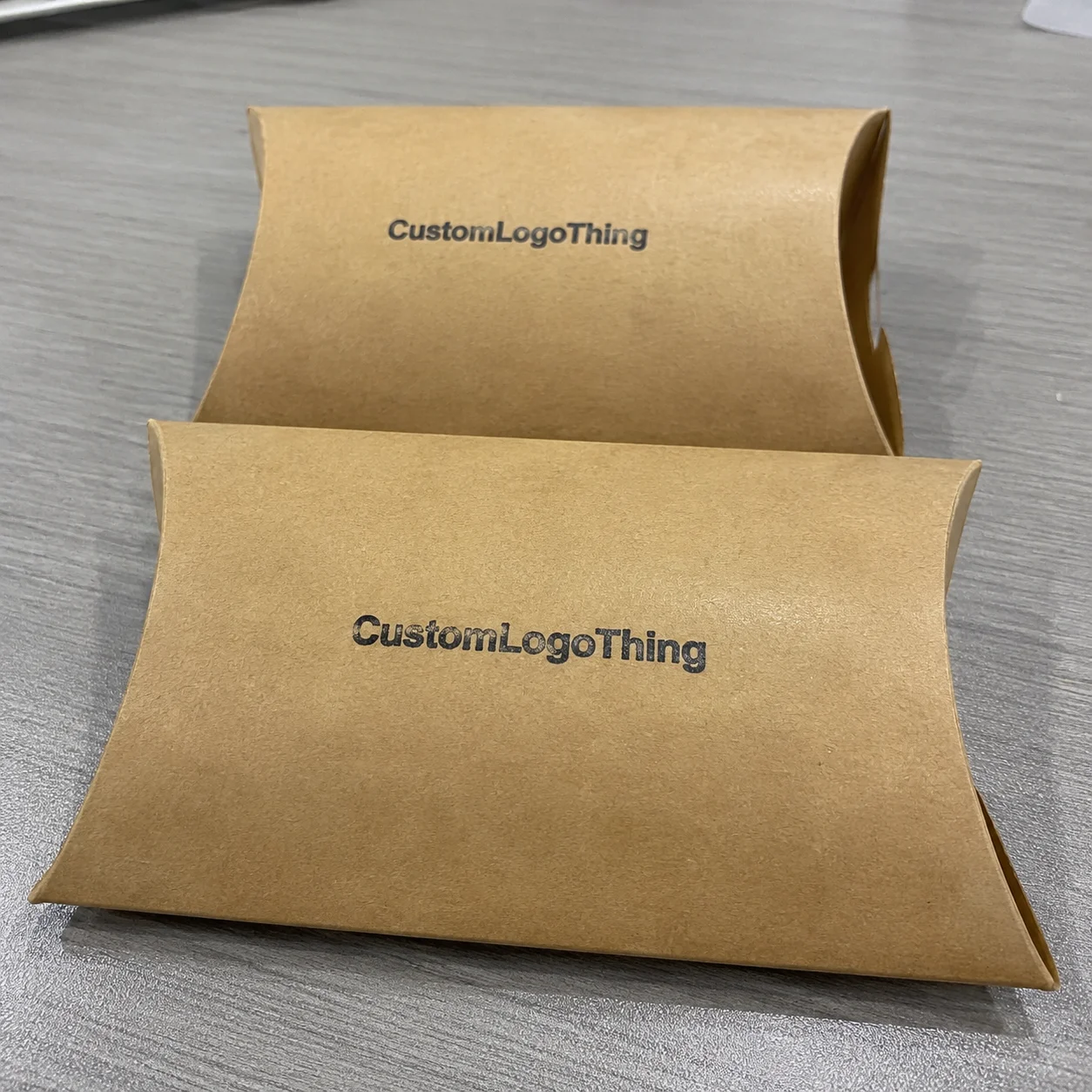
Kraft is the brand answer when you want an earthy, natural look and you care about cost discipline. Among top custom printed mailer boxes, kraft mailers are popular because they look honest. No gloss. No nonsense. Just paperboard doing its job. A 300gsm kraft liner over corrugated board gives a solid base for simple branding and keeps the unit price down in provinces like Zhejiang or Guangdong.
They’re a strong fit for subscription boxes, handmade goods, and eco-positioned brands. A brown kraft surface can make minimalist branding feel more intentional. But here’s the catch: colors print differently. Dark greens, blues, and muted reds can shift a bit, and clients often panic over that shift when they really should have approved a physical proof. That happened with a skincare startup I advised in Brooklyn. They wanted “sage green” and got “slightly dusty olive.” Guess what? Their customer base liked it more than the mockup. I still laugh about that one because the founder called it “an accident with character.”
If you’re aiming for low waste messaging, ask whether the board includes post-consumer recycled content and whether the supplier can document it. A supplier can say 30% recycled fiber; I want the mill certificate and the carton spec. Green claims are cheap. Paper trails are better.
White glossy mailers
White glossy mailers are what I recommend when the box itself needs to do some heavy lifting for package branding. They make color pop. Logos look sharper. Photography looks cleaner. If your brand lives on Instagram and product page visuals, white often beats kraft. A 350gsm C1S artboard face stock can produce cleaner edges and a more polished surface than a raw kraft finish.
I’ve tested these for beauty and gifting accounts, and the customer reaction is usually stronger because the box feels more polished. The downside? Gloss shows scuffs. If your fulfillment center handles boxes roughly, the surface can pick up marks. I’ve seen that happen in a warehouse in Ontario where staff stacked pallets too tightly and rubbed the corners during transit. The print was fine. The coating told on them. No drama, just evidence.
Best use cases include cosmetics, candles, premium apparel, and launch boxes. If you need a stronger unboxing moment without stepping up to rigid construction, this is one of the smartest top custom printed mailer boxes to shortlist. A matte aqueous coating can help reduce glare while keeping color saturation strong.
Rigid-style mailers
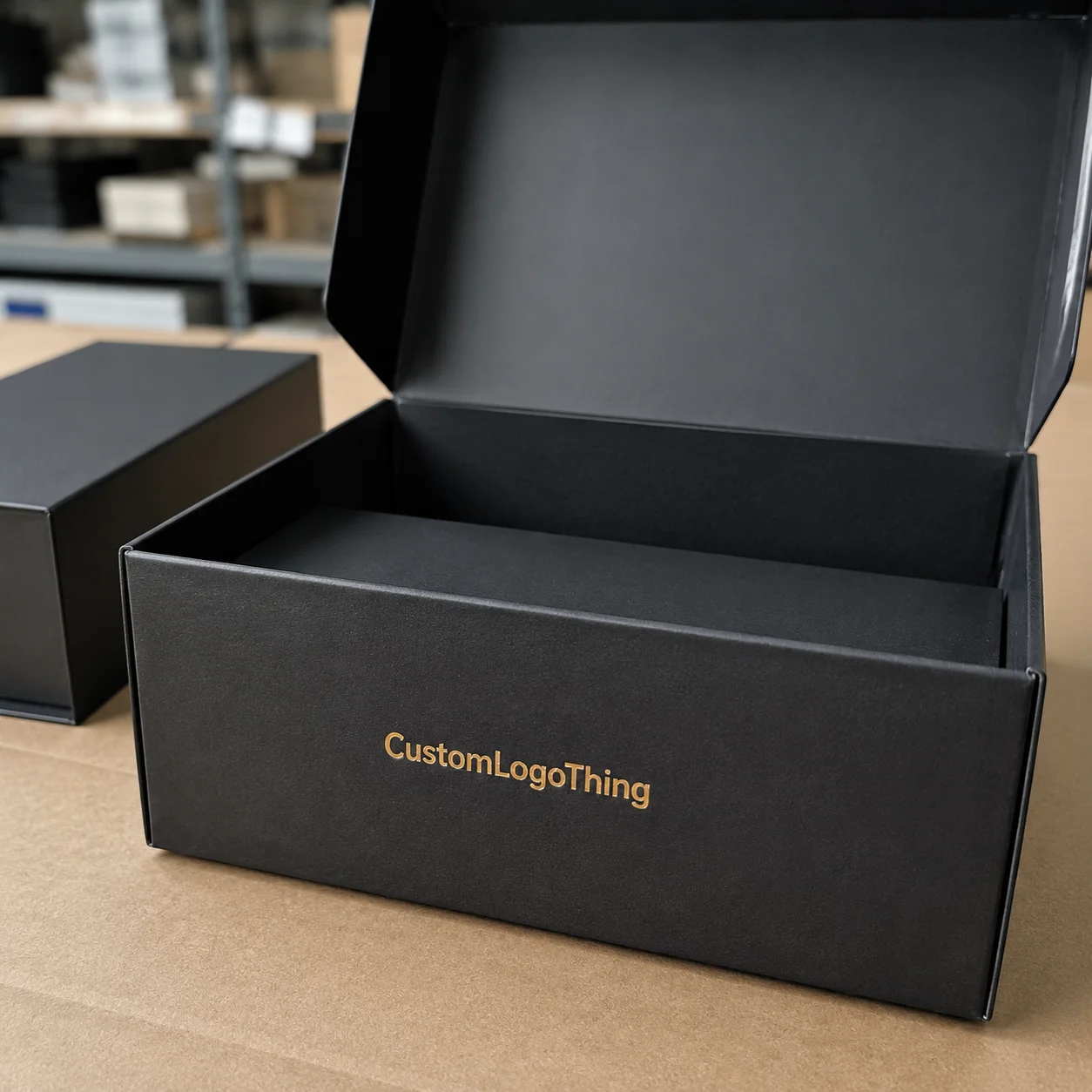
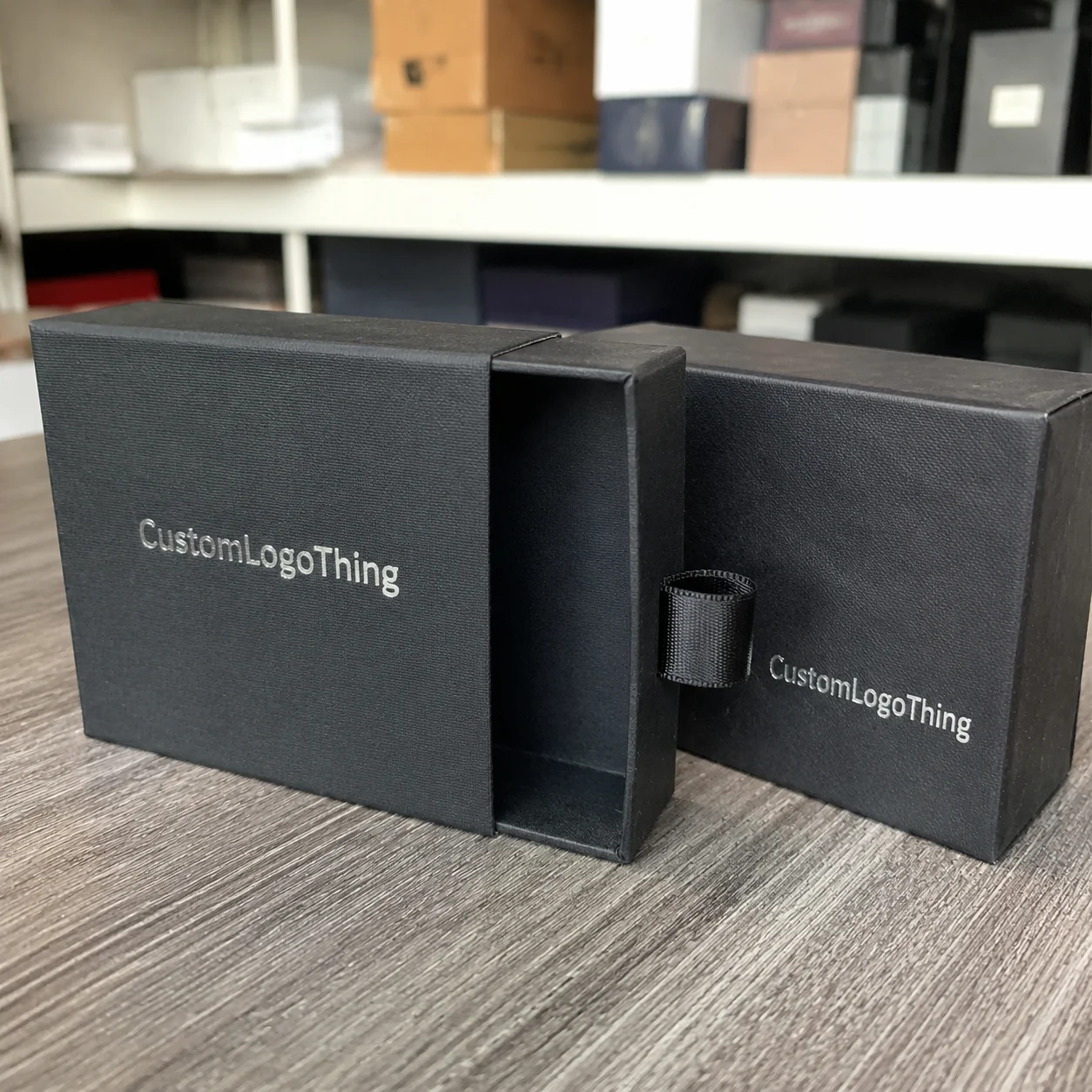
Rigid-style mailers are the luxury lane. They’re gorgeous. They also cost more to make, pack, and ship. I don’t recommend them for everything because freight is not your friend and neither is unnecessary weight. But for VIP kits, influencer drops, and premium retail packaging, they do the job beautifully. Expect more like 600 to 1000gsm greyboard wrapped with printed paper, often produced in Shanghai or Ningbo.
When I toured a supplier doing wrapped rigid mailers, I asked them to show me the corners after 1,500 pieces. Some were perfect. Some had tiny glue lines where the wrap tension was off by a fraction. That’s normal at scale, but it’s why you need a production sample, not just a sales sample. The sales sample is the pretty one. The production sample is the truth. And the truth, annoyingly, is usually less photogenic.
Use rigid-style mailers if your brand sells experience as much as product. If your margin is tight, I’d stay cautious. They can burn cash fast, especially once you factor in pallet freight from East China to the U.S. West Coast.
Insert-enabled mailers
These are the problem-solvers. If you’re shipping fragile items, kits, or multi-piece sets, custom inserts can save your shipping budget and your review score. Foam is not always necessary. Corrugated or molded paper inserts often do the job better and align better with sustainable packaging goals. I’ve seen 1.8 mm corrugated inserts outperform foam in a six-week test for a skincare brand shipping from Atlanta.
I like insert-enabled designs for supplements, small glass bottles, jewelry sets, and candle bundles. The real test is rattle prevention. Shake the sample. Hard. If the product moves, customers will notice, and so will carriers. One supplement client lost enough product damage claims to justify a fully custom insert within two months. The insert cost them about $0.11 more per unit on a 5,000-piece order. The reduced damage saved more than that. Honestly, that was the easiest cost-benefit conversation I’ve had in years.
For brands building out broader custom printed boxes programs, I often recommend browsing related formats too, like Custom Packaging Products and even Custom Poly Mailers if you have a split shipping strategy. Not every item deserves the same box. Shocking, I know.
Two common flaws I see in this category: color drift between sample and full run, and insert tolerances that are too loose. If the insert is off by 2 mm, the product can tilt. That doesn’t just look bad. It increases the odds of corner crush and label abrasion.
My honest ranking of these top custom printed mailer boxes by use case:
- Best overall value: standard corrugated mailers.
- Best for natural branding: kraft mailers.
- Best for visual impact: white glossy mailers.
- Best for luxury: rigid-style mailers.
- Best for fragile kits: insert-enabled mailers.
And yes, print quality matters more than most sales reps admit. A crisp logo on a solid board beats a fancy coating on weak stock every single time. Every. Time.
Top Custom Printed Mailer Boxes Pricing Comparison
Pricing for top custom printed mailer boxes can look all over the place, and that’s because it is. Size, board grade, print coverage, coating, inserts, and freight all affect the final number. The trick is not getting hypnotized by the cheapest quote. The trick is comparing apples to apples, which, frankly, a lot of suppliers hope you won’t do. They bank on you getting tired and picking the prettiest line item.
Here’s a realistic pricing framework I’ve seen on actual quotes for medium-volume runs. These are directional numbers, not promises. Your art, size, and shipping lane will change the math. A 5000-piece run in Ningbo is not the same as a 1000-piece rush order airfreighted to Toronto, and pretending otherwise is how people overpay.
| Category | Example Spec | Qty | Indicative Unit Price | What Drives Cost |
|---|---|---|---|---|
| Economy kraft mailer | 32 ECT, 1-color logo, no coating | 5,000 | $0.18 to $0.28 | Simple print, lower labor, limited coverage |
| Branded white mailer | 32 ECT, full-color outside, matte finish | 3,000 | $0.42 to $0.68 | More print coverage, coating, tighter QC |
| Premium laminated mailer | Heavy board, soft-touch or gloss lamination | 2,000 | $0.85 to $1.45 | Finish, labor, and added protection |
| Rigid-style mailer | Wrapped board, specialty finish | 1,000 | $1.60 to $3.20 | Materials, wrapping labor, shipping weight |
| Insert-enabled mailer | Printed box with custom corrugated insert | 2,500 | $0.72 to $1.30 | Insert tooling, die work, dimensional fit |
One supplier in Ningbo once quoted me a jaw-dropping $0.24 for a fully printed run, then added $160 for plates, $95 for a sample, and freight that doubled the landed cost. Classic move. The quote wasn’t wrong, just incomplete. That’s why I tell clients to ask for a landed estimate before they get emotionally attached to a price. Emotion is great for brand storytelling. Not so great for procurement.
Here are the hidden costs to watch:
- Setup fees: plate or die charges often run $60 to $250 depending on complexity.
- Proof charges: physical samples can cost $25 to $120.
- Freight: ocean is cheaper, air is faster, and neither is free.
- Rush fees: 10% to 35% higher is common if you compress the timeline.
- Insert tooling: custom inserts add engineering and production cost.
The easiest way to save money is usually not by wrecking your design. It’s by tightening dimensions. I’ve seen brands save 8% to 14% simply by reducing box height by 6 to 10 mm and removing air space. Less board. Less freight. Less filler. More margin. That’s the kind of boring math I like. It’s not glamorous, but neither is paying extra to ship empty space.
If you’re comparing multiple top custom printed mailer boxes, ask each supplier to quote the same exact spec: board thickness, print method, finish, dimensions, and packing quantity per carton. Otherwise, you’re not comparing suppliers. You’re comparing sales theater.
How to Choose the Right Mailer Box for Your Brand
Picking among the top custom printed mailer boxes should start with the product, not the packaging fantasy. I know that sounds boring, but boring saves money. Weight, fragility, shipping distance, and the unboxing experience all matter. I’ve watched too many brands choose packaging based on mood boards. Cute. Expensive. Usually wrong. A $0.15 box for 5,000 pieces can be the right answer if the product is light and the route is short.
Here’s the decision path I use when a client asks me what to buy:
- Start with product weight. Under 1 lb? Standard corrugated may be enough. Over that, check board strength.
- Measure fragility. Glass, liquid, powders, and polished surfaces need more protection.
- Define brand style. Natural, luxury, minimal, or bright retail packaging all call for different finishes.
- Check order volume. Low volume usually means higher unit cost and fewer finish options.
- Set your target landed cost. Not just factory price. Landed. That number tells the truth.
Kraft is the easiest choice for brands that want a grounded, eco-minded look. White is the cleanest choice for strong color and sharper logo reproduction. Laminated finishes help with scuff resistance and a more polished feel, but they should earn their keep. Don’t add soft-touch just because it sounds fancy. I’ve had customers love the feel, then hate the fingerprinting after a week in fulfillment. One founder literally called it “the handprint curse,” which, honestly, was pretty accurate.
For sustainability, I try to stay honest. FSC-certified board is a credible claim if the chain of custody checks out. Recycled content can be valuable, but verify the percentage. Soy inks can help, though they’re not a magical environmental pass. If a supplier waves a green brochure and can’t produce documentation, I keep my wallet shut. I’ve learned that lesson enough times to be annoyed by the memory.
Process matters too. A smooth run usually looks like this: dieline check, artwork fit, printed proof, structural sample, production approval, then shipping. If you change artwork after proof approval, you’re asking for delay and usually paying for it. One client moved a barcode 3 mm after sign-off and burned nine extra business days. Tiny change. Large headache. The kind that makes you stare at your inbox and question your life choices for ten minutes.
Timelines for top custom printed mailer boxes vary, but a realistic range is 12 to 15 business days after proof approval for simpler runs, and 18 to 25 business days for complex finishes or inserts. Add freight on top. If your launch date is fixed, build buffer. Otherwise, the box decides your schedule, and that’s a dumb place to hand over control.
One more thing: packaging is part of your package branding whether you planned that or not. If your box dents easily, opens awkwardly, or prints muddy colors, customers notice. They may not say “32 ECT board with a poor fold score,” but they will say it feels cheap. Same message. Different words.
That’s why I tell founders to test the box in three ways: drop it from waist height, pack it with the actual product, and film the unboxing in normal light. If it looks good after that, you’re probably close. If it doesn’t, the problem is not the camera. It’s the box.
Our Recommendation: Which Top Custom Printed Mailer Boxes Win
If you want my honest recommendation, the best overall choice among the top custom printed mailer boxes for most brands is the white corrugated mailer with strong board, clean full-color print, and a matte finish. It’s the best balance of branding, durability, and presentation. It photographs well. It ships well. It doesn’t scream “cheap” when a customer opens it. That alone saves a lot of awkward brand damage.
For the lowest-cost route, kraft corrugated mailers are the winner. They’re ideal for startups, subscription boxes, and brands that want a natural look without paying for extra decoration. For luxury, rigid-style mailers win on feel and first impression, but I’d only use them where the economics make sense. Pretty packaging is fun until the freight invoice lands. Then it’s just an expensive surprise.
My short ranking looks like this:
- Best overall: white corrugated mailers.
- Best budget option: kraft mailers.
- Best premium option: rigid-style mailers.
- Best for fragile product sets: insert-enabled mailers.
- Best for simplest scaling: standard corrugated mailers with limited ink coverage.
If you’re building a brand that needs reliable custom printed boxes without drama, that white corrugated option is usually where I’d start. It’s the least likely to cause regret six weeks after launch, and that’s a very underrated quality in packaging. I’ve seen too many brands in Portland and Austin learn that lesson after they’ve already ordered 10,000 units.
And yes, the top custom printed mailer boxes are still only as good as the supplier behind them. I’ve had excellent samples ruined by sloppy production scheduling and I’ve had modest designs outperform expensive ones because the vendor actually cared about fold accuracy and carton packing. Execution wins. No amount of pretty branding fixes a box that falls apart in transit. Trust me, I’ve been annoyed enough times to know.
Next Steps: How to Order the Best Mailer Box Without Regret
If you’re ready to order top custom printed mailer boxes, do not start with the logo file. Start with the product dimensions. Measure length, width, height, and include any insert or tissue paper. If you’re off by even 5 mm, the whole thing can feel loose or too tight. That’s how you end up paying for a box that looks fine in theory and annoying in reality. I’ve seen that exact mistake more than once, and it always feels preventable (because it is).
Here’s the checklist I’d send any supplier:
- Product dimensions: exact outer product size in mm or inches.
- Target quantity: first run and expected repeat volume.
- Artwork files: vector logo, Pantone references, and bleed-safe layouts.
- Finish preference: kraft, white, matte, gloss, or soft-touch.
- Insert needs: none, custom corrugated, molded paper, or foam.
- Target ship date: realistic, with at least 2 weeks of buffer.
- Packaging goal: cost control, premium unboxing, protection, or all three.
Request three things before you approve a run: a structural sample, a printed proof, and a freight quote. If a vendor refuses to give you those, I’d walk. Fast. That usually means the quote looked good only because the details were intentionally fuzzy. I have no patience for that game. You shouldn’t either.
I also recommend comparing at least three suppliers and asking each one to confirm board specs in plain language. Ask for ECT, flute type, coating, and carton pack-out count. A glossy sales PDF is nice. A spec sheet that names the board, finish, and timeline is better. For a lot of brands, the right answer is a 350gsm C1S artboard outer with a matching corrugated shipper, not some mysterious “premium material” that nobody can define.
If you want to keep the project clean, don’t change your design after proof approval. I’ve watched teams lose days over tiny “last-minute” tweaks. A border moved 2 mm. A barcode shifted. A URL changed. Every one of those edits touches production, and production hates surprises. Rightfully so.
For Custom Logo Things, the best next step is simple: request physical samples, place them next to your product, and compare them under real lighting. Then see which of the top custom printed mailer boxes actually fits your brand and budget. That’s the decision that matters. Not the prettiest render. The box that shows up, protects the product, and makes the customer feel like you meant it.
FAQs
What are the top custom printed mailer boxes for small brands?
For small brands, I usually point to kraft corrugated mailers and white printed mailers. Kraft is cheaper and has a natural look, while white gives you stronger color and cleaner retail packaging appeal. Keep your minimum order low, ask for samples, and don’t pay for fancy extras unless they clearly improve the customer experience. A 500-piece run is a decent place to start if your cash flow is tight.
How much do top custom printed mailer boxes usually cost?
Pricing depends on dimensions, board grade, print coverage, coating, and quantity. I’ve seen economy runs land around $0.18 to $0.28 per unit at 5,000 pieces, while premium laminated versions can climb above $1.00 each at lower volumes. A plain kraft mailer in a 5000-piece run can even hit about $0.15 per unit if the spec is simple and freight is excluded. Always include setup, sample, and freight costs before comparing quotes.
What makes one custom printed mailer box better than another?
The best box has strong board, sharp print, accurate folding, and a finish that fits the brand. A good box protects the product and looks good when opened. If the edges crush easily or the color looks muddy, that usually means trouble in actual shipping. I’d rather have a 32 ECT box with clean print than a fancy coating on weak stock from a factory in Foshan.
How long does it take to produce custom printed mailer boxes?
A simple run can take about 12 to 15 business days after proof approval, while more complex jobs with inserts or specialty coatings can take 18 to 25 business days. Add freight time on top. If you’re on a launch deadline, build in buffer. Printers love a realistic schedule almost as much as they love clean artwork.
Should I choose kraft or white custom printed mailer boxes?
Choose kraft if you want a natural, eco-minded look and a tighter budget. Choose white if you want brighter print, stronger contrast, and a more premium visual impact. Kraft can mute colors a bit, while white usually makes package branding pop more. The right call depends on your brand style, product, and cost target. If your logo depends on Pantone 286C looking sharp, white usually wins.