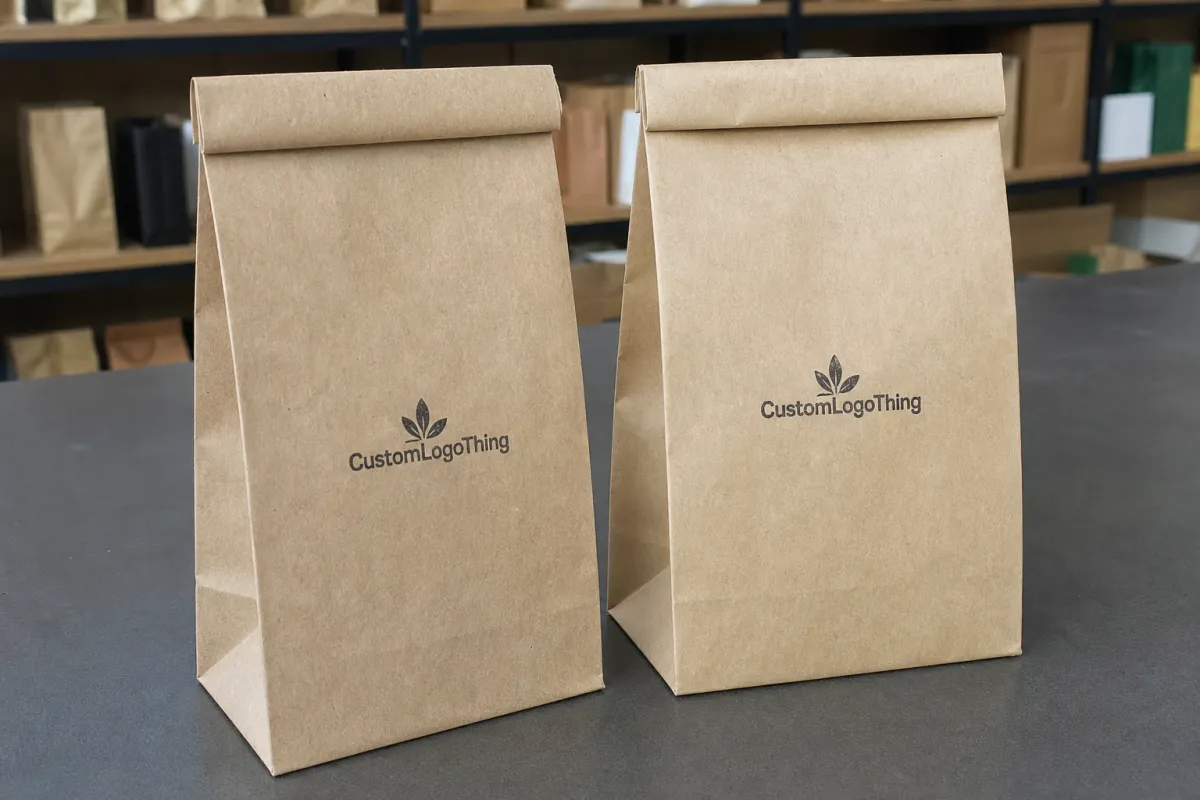
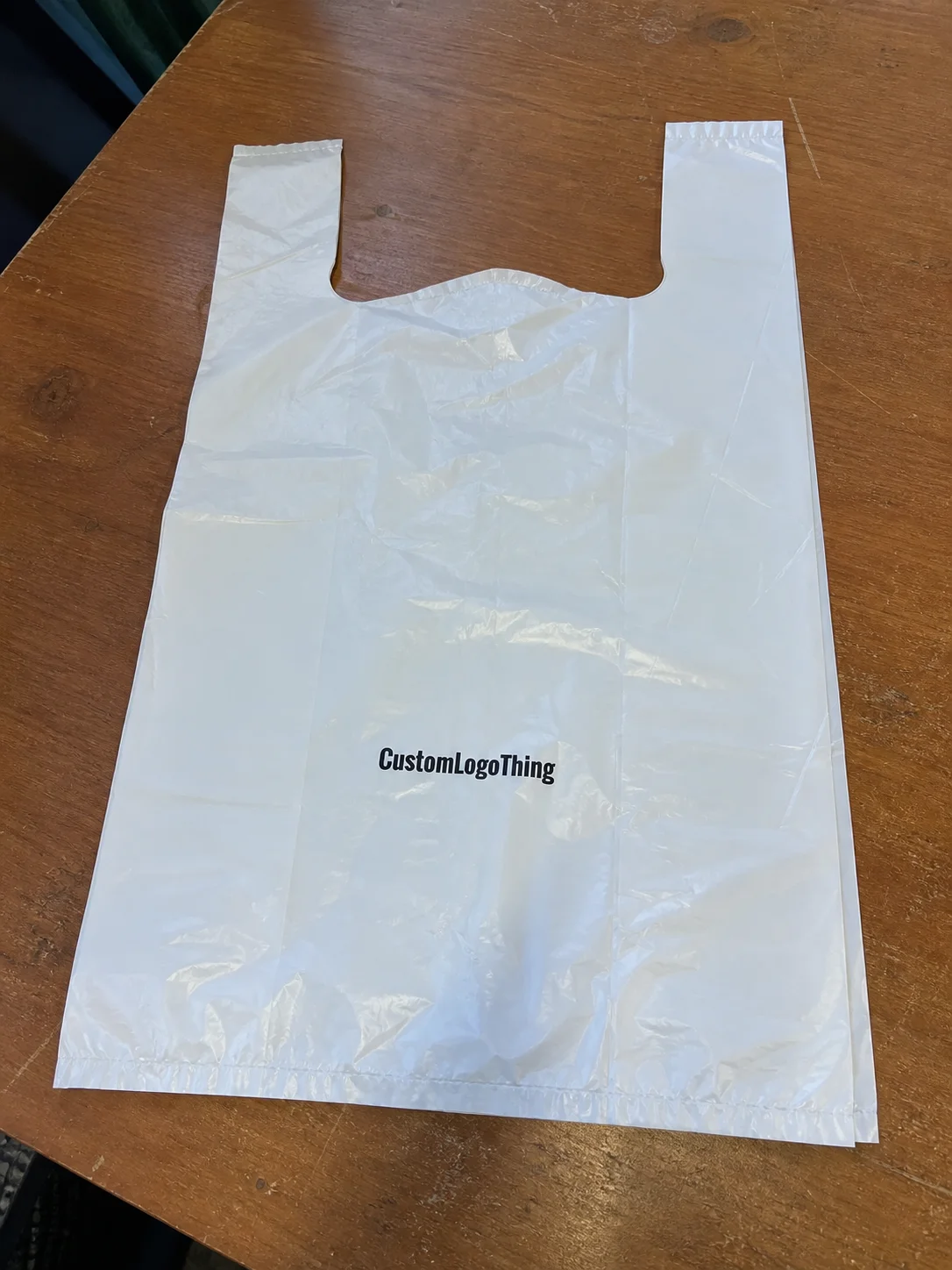
Buyer Fit Snapshot
| Best fit | Compare Paper Mailers vs Poly Mailers projects where brand print, material claims, artwork control, MOQ, and repeat-order consistency need to be specified before quoting. |
|---|---|
| Quote inputs | Share finished size, material target, print colors, finish, packing count, annual reorder estimate, ship-to region, and any compliance wording. |
| Proofing check | Approve dieline scale, logo placement, barcode or warning zones, color tolerance, closure strength, and carton packing before bulk production. |
| Main risk | Vague material claims, crowded artwork, missing packing details, or unclear freight terms can make a low unit price expensive after revisions. |
Fast answer: Compare Paper Mailers vs Poly Mailers: Artwork Proof, Packing Count, and Landed Cost should be specified like a repeatable production item. The safest quote records material, print method, finish, artwork proof, packing count, and reorder notes in one written spec.
Production checks before approval
Compare the actual filled-product size with the drawing, then confirm tolerance on folds, seals, hang holes, label areas, and retail display edges. Reserve space for logos, QR codes, warning copy, and material claims before decorative graphics fill the panel.
Quote comparison points
Review material grade, print process, finish, sampling route, tooling charges, carton quantity, and freight assumptions side by side. A quote is only useful when the supplier can repeat the same color, closure quality, and packing count on the next order.
When brands ask me to compare paper Mailers vs Poly Mailers, I usually give them the irritating answer first: it depends on the product, the route, and the margin target. I know, nobody loves that answer. But I’ve stood on warehouse floors in Shenzhen and Chicago where a paper mailer looked elegant in the sample room, then quietly wrecked postage once the first 8,000 orders went out. I’ve also watched a poly mailer protect margin by $0.11 per shipment and still lose favor with a buyer because it “didn’t feel special.” Both outcomes are real. Both show up in the numbers.
I remember one apparel launch where the team was almost emotionally attached to kraft paper. Honestly, I get it. The texture felt more premium, and the branding looked great against a 350gsm C1S artboard insert card. Then the first rain-soaked week hit in Portland, Oregon, and a stack of complaints came in from customers whose outer packaging had gone from “sustainable” to “sad sandwich bag” (not a technical term, but somehow accurate). That’s the part people forget: packaging has to survive the trip, not just look good on a mood board or a sample table in Los Angeles. I’ve seen more than one nice idea turn into a tiny disaster once the carrier network got involved.
So yes, if you want the short version, Compare Paper Mailers vs Poly mailers on more than sustainability claims. Product protection, shipping weight, moisture resistance, packing speed, branding, and damage returns belong in the same conversation. That’s the real decision set. Not slogans. Not guesswork. Not the one sample someone carried into a meeting like it was a holy relic.
I’ve tested both formats across apparel, books, accessories, subscription inserts, and flat hardgoods for clients shipping anywhere from 300 orders a month to 40,000. In those tests, paper mailers usually won on perceived sustainability and premium unboxing, while poly mailers usually won on cost, lower freight, and protection from rain or warehouse humidity. That tradeoff keeps showing up in client meetings from Shenzhen to Chicago to Manchester. Different markets, same headaches.
Quick Answer: Compare Paper Mailers vs Poly Mailers
If you only need the decision in one paragraph, here it is: compare paper mailers vs poly mailers based on what breaks first in your shipping journey. Paper mailers tend to win when brand perception, tactile presentation, and a cleaner eco message matter most. Poly mailers tend to win when every gram counts, the route is weather-exposed, and the fulfillment team needs a faster, cheaper, less fussy option. For a 10,000-unit run, that difference can be the gap between a $0.19 unit and a $0.09 unit, which is real money by the time the freight bill lands.
One surprise shows up again and again: many brands assume paper is automatically greener, yet damage and replacement shipments can wipe out that advantage faster than expected. I sat in a supplier negotiation with a DTC apparel brand in Auckland that wanted kraft paper for image reasons. After a 1,200-order test, the paper mailers showed more edge wear on boxed belts and a few split seams on overfilled orders. The return label cost changed the math by $1.84 per issue. That’s why I always tell clients to compare paper mailers vs poly mailers with real products, not just sample cards.
Here’s the plain-language version. Paper usually feels stiffer in hand and more premium when a customer opens the parcel. Poly is lighter, hugs soft goods more closely, and handles wet or rough transit better. Paper can be bulkier and more expensive. Poly can feel less upscale unless the print and finish are handled carefully. Neither is “best” in the abstract, which is inconvenient but true.
The decision framework I use is simple:
- Product fragility: Does the item have sharp corners, a boxed shape, or a crush risk?
- Branding goals: Are you trying to look premium, eco-forward, mass-market, or utility-first?
- Shipping environment: Rain, humidity, long carrier chains, and multiple sorts all matter.
- Order volume: A $0.04 difference per unit becomes meaningful at 50,000 shipments.
That’s why I don’t treat compare paper mailers vs poly mailers as a design question. It’s an operations question with branding attached, and the operations piece is usually where the hidden cost sits.
Top Options Compared: Paper Mailers vs Poly Mailers
To compare paper mailers vs poly mailers properly, you need a side-by-side view of the features that actually affect fulfillment and customer satisfaction. I’ve pulled this comparison from packaging specs, vendor samples, and real shipments—not just showroom claims with perfect lighting and suspiciously cheerful sales reps. The numbers vary by construction, but the tradeoffs show up consistently, whether you’re sourcing from Dongguan, Zhejiang, or a converter in New Jersey.
| Criteria | Paper Mailers | Poly Mailers |
|---|---|---|
| Unit cost | Usually higher; custom runs can add 10% to 35% | Usually lower; high-volume runs often beat paper on price |
| Weight | Heavier, which can raise postage on large volumes | Lightweight, often helping reduce shipping spend |
| Moisture resistance | Moderate to low unless coated or treated | High, especially for LDPE or co-ex film structures |
| Protection against scuffs | Good for presentation, fair for abrasion | Good for flexible goods, variable for sharp edges |
| Branding look | Natural, boutique, premium, FSC-friendly in appearance | Sharp print, bright color, more commercial feel |
| Recyclability perception | Often perceived as better, but local recyclability varies | Often seen as weaker, though some films qualify for store drop-off or recycled-content claims |
| Closure strength | Depends on adhesive and flap design | Usually strong with self-seal strips |
| Packing speed | Good for hand packing, slightly slower with bulky items | Very fast on manual lines; rolls take little space |
One point many teams miss: not all paper mailers are recyclable everywhere, and not all poly mailers are dead ends. Paper often depends on local recovery systems, coating type, and whether the mailer is laminated or mixed-material. Poly depends on resin type, print coverage, recycled content, and whether the customer has access to store-drop-off collection. If a supplier claims “eco-friendly” without specifics, I push back hard. The details matter, especially if the film is 25 to 30 microns thick or the paper uses a moisture-resistant coating.
From a shipping experience standpoint, paper mailers can look cleaner when they arrive with a retail-style feel, especially for cosmetics, small accessories, and printed inserts. Poly mailers reduce dimensional weight better because they conform tightly around soft goods. That can matter more than people think. On a run of 15,000 tee shipments I reviewed for a brand in Melbourne, the poly version shaved a measurable amount of cubic space, and the carrier invoice reflected it. The finance team was delighted; the brand team needed coffee.
For product fit, here’s the pattern I see most often:
- Apparel: Poly usually wins for tees, leggings, socks, and light hoodies; paper can win for premium or giftable garments.
- Books: Paper can feel more elevated, but poly protects better from weather on porch deliveries.
- Cosmetics: Paper often suits prestige positioning; poly suits utility and cost control.
- Subscription kits: Paper for storytelling, poly for standardized monthly replenishment.
- Promotional inserts: Poly is often better if the destination includes mixed carrier handling and humid routes.
For brands choosing between paper and polymer packaging, I often point them toward our broader range of Custom Packaging Products so they can match the mailer to the rest of the system instead of treating shipping as an isolated decision. A mailer does not sit alone; it sits beside tissue, labels, void fill, and the very real labor cost of someone sealing 2,000 parcels before lunch.
And if your brand already knows it needs a lower-cost, high-speed option, our Custom Poly Mailers are worth comparing against your current stock size and print setup. I’ve seen that swap alone cut packing time by 18 to 25 seconds per order on a manual bench in Ohio. That sounds small until you multiply it by a month of orders and a stressed-out team that is already one broken tape gun away from mutiny.
Detailed Reviews: Compare Paper Mailers vs Poly Mailers in Real Use
To compare paper mailers vs poly mailers in the real world, I look at five things: protection, branding, customer perception, sustainability, and damage risk. That’s the order I use in client audits because it mirrors how complaints show up. A brand may think it has a packaging issue, but the actual issue could be an overpacked mailer, a poor adhesive strip, or a route that sees heavy rain three days a week in Atlanta.
Protection
Paper mailers are sturdier in the hand. That first impression is real. A 100% paper mailer with a 300gsm to 400gsm board structure will resist casual crumpling better than thin film, especially if the item inside is flat and stable. Paper can still fail when corners bite through the flap or seam. I watched that happen on a packing line in a Toronto fulfillment center where a sharp-edged accessory box was only a few millimeters too large. The mailer looked fine at sealing, then split after a conveyor turn. The operator stared at it like the mailer had personally betrayed her.
Poly mailers behave differently. They flex. They bend around soft goods. They don’t love sharp edges, but for tees, scarves, socks, and knitwear, they’re hard to beat. I’ve tested poly mailers through repeated hand flexing, drop simulation, and courier handling, and the film tends to absorb the abuse better than paper when moisture is part of the journey. If a box is your product, the comparison changes, but for flexible goods, poly is often the safer bet.
Branding
This is where paper can pull ahead quickly. A kraft or white paper mailer usually delivers a more tactile, boutique feel. The surface takes simple black print well, and a logo can look understated in a way many premium brands want. I’ve seen skincare and artisanal apparel brands use paper mailers to make a $42 order feel like a $78 order. That does not happen by accident. The material supports the story, especially when the mailer is paired with a 350gsm C1S artboard thank-you card.
Poly mailers can still look excellent, especially with sharp spot colors, glossy finishes, or matte white film. But they rarely create the same crafted perception unless the print design is highly deliberate. Too many teams pick poly and then blame the material for a weak design system. Bad artwork on a poly mailer looks cheap because there is nowhere to hide. Good artwork looks strong, almost loud, and occasionally a little bit bossy—in a useful way.
Customer perception
When I visited a Midwest subscription brand’s packing room in Columbus, Ohio, the team told me customers were posting more unboxing videos after they switched to paper. They hadn’t changed the product. They had changed the outer mailer and added a clean tear strip. That’s how sensitive perception can be. The mailer becomes part of the product experience, especially in categories where a $24 purchase competes with a dozen others in the same cart.
Poly, meanwhile, often wins with customers who care more about efficiency than ceremony. For repeat replenishment orders, beauty matters less than predictability. A customer buying the same three-pack of athletic socks every six weeks usually cares that the package arrives intact and on time, not that the mailer feels artisanal. That isn’t a criticism. It’s a buying behavior pattern. People are surprisingly loyal to whatever doesn’t create annoyance.
Sustainability
If you want me to be blunt, sustainability claims are where packaging conversations get sloppy. A paper mailer may contain recycled fiber or FSC-certified stock, but that does not automatically mean a local recycling stream will accept it. I always recommend checking chain-of-custody claims with the Forest Stewardship Council at fsc.org and confirming local recycling guidance in markets like California, Ontario, or the UK. The label matters. The path to actual recovery matters more.
Poly mailers get criticized quickly, and sometimes fairly. Yet some are made with recycled content or designed for store-drop-off recycling streams. That doesn’t make them magically sustainable. It means the material story is more nuanced than people assume. If your team is comparing environmental footprint, keep transportation weight in the calculation too. A lighter mailer can lower shipment emissions, which sometimes offsets part of the material downside. For broader packaging recovery information, I often point clients to packaging.org because the trade data is more grounded than a lot of social-media claims.
Damage risk
Damage risk is the sleeper cost in every project. One damaged return can erase the savings from dozens of cheaper mailers. I’ve seen brands save $0.06 per unit by moving to a thinner outer pack, then lose $1.84 per order on customer service credits and replacement freight. That is a brutal trade. If your packing room sees corner crushes, overstuffing, or seasonal humidity spikes, compare paper mailers vs poly mailers using a three-part test: seal integrity, transit abrasion, and moisture exposure.
“We thought the paper mailer would fix our sustainability messaging. Instead, it fixed our margin problem in the wrong direction until we tested real shipments.”
That quote came from a buyer at a premium accessories label after a 600-piece pilot in Dallas. It sums up the issue neatly. Good packaging is not the one that sounds best in a meeting. Good packaging is the one that arrives intact, costs what you expected, and doesn’t create surprise labor on the line.
My honest reviewer take after handling both formats across multiple categories: paper feels better in the hand, but poly survives a more hostile shipping environment. If you need one sentence to compare paper mailers vs poly mailers, that’s the one I’d put on the whiteboard.
Price Comparison: Compare Paper Mailers vs Poly Mailers by Total Cost
When brands compare paper mailers vs poly mailers, they often stop at unit price. That’s incomplete. I’ve seen unit pricing used like a victory banner when the real savings vanished in freight, storage, or damage rate. Total landed cost is the better lens, and it is usually where the more honest answer lives.
Here’s a practical sample framework I’ve used with ecommerce teams. These are illustrative figures, but they’re close to market reality for custom runs from factories in Guangdong or conversion plants in Vietnam:
| Volume | Paper Mailer Unit Cost | Poly Mailer Unit Cost | Likely Cost Difference |
|---|---|---|---|
| 5,000 units | $0.24 to $0.38 | $0.10 to $0.18 | Poly lower by $0.10 to $0.20 |
| 20,000 units | $0.18 to $0.30 | $0.08 to $0.14 | Poly lower by $0.08 to $0.16 |
| 50,000 units | $0.15 to $0.25 | $0.06 to $0.11 | Poly lower by $0.07 to $0.14 |
Those numbers don’t tell the whole story, because paper mailers can add weight. Even 6 to 12 grams per shipment can matter once you scale into tens of thousands of parcels. I’ve reviewed carrier invoices where that extra weight pushed a client into a more expensive band often enough to erase the “premium” benefit. Poly mailers, by contrast, usually lower postage exposure because they are lighter and flatter.
There is also storage cost. Poly mailers compress well, whether in boxes or on rolls, so the warehouse footprint is usually lower. That helps in facilities where every pallet position is audited. Paper mailers often occupy more cubage and can be more awkward to stack if the board is thick or the mailer has a rigid gusset. One operations manager I worked with in Dallas estimated a 14% reduction in shelf space after moving from paper to poly. That number was not dramatic on paper. In the building, it was huge.
Still, price is not only about output. Sometimes paper mailers support a higher average order value because the customer perceives better quality. I’ve seen that in boutique beauty and giftable apparel in London and Los Angeles. A cleaner, more tactile package can make a $4 to $7 price increase feel justified, especially if the photography and brand voice are aligned. So yes, compare paper mailers vs poly mailers on cost, but don’t ignore brand lift.
To estimate monthly spend, use this simple formula:
- Multiply unit cost by order volume.
- Add freight per unit, if applicable.
- Add labor impact from packing time.
- Add damage and replacement cost based on your return data.
If you ship 12,000 orders a month and one mailer saves $0.09 but causes a 1% higher damage rate, the apparent savings can disappear fast. I have seen that exact math close more than one procurement argument. It is not glamorous, but it is real.
Process and Timeline: How Each Mailer Affects Fulfillment
The best way to compare paper mailers vs poly mailers operationally is to watch a packing team use them for 30 minutes. Paper and poly do not just look different; they change pace, error rate, and how much attention the staff must give each order. That’s where hidden labor costs live, and those costs can add $0.03 to $0.07 per shipment before anyone notices.
Poly mailers usually win on speed. They stack compactly, feed easily into packing stations, and seal with a peel-and-stick adhesive that’s simple to train around. On a line running 2,000 orders per day, that simplicity matters. Every extra motion is multiplied. I’ve timed manual packing benches where poly shaved 8 to 15 seconds per order compared with paper because there was less alignment work and less fuss at the seal. When a team has already been asked to move faster, that little bit of friction becomes a bigger deal than people expect.
Paper mailers can be a little slower, especially when the product is bulky or has corners that fight the flap. You also need a bit more care during insertion, because overstretching can weaken seams. That said, for premium order sets with tissue, inserts, and a neat closing label, paper can fit the workflow beautifully. It isn’t always slower in a meaningful way. It depends on the line, the product, and whether the room is staffed by people who like fiddly packaging (spoiler: not everyone does).
Customization timelines also differ. A custom-printed paper mailer may require more attention to ink coverage, board sourcing, and finishing. A custom-printed poly mailer can move faster once film specs are settled, but print cylinders, minimum order quantities, and color matching still matter. I’ve seen sampling take 7 to 10 business days, then production another 12 to 15 business days from proof approval for standard runs from Ningbo or Dongguan, depending on complexity and factory queue. If you need to launch fast, these lead times can decide the format before the first package is packed.
There is one more thing: label adhesion. Paper accepts many labels well, but rough surfaces can create edge lift if the adhesive is weak. Poly surfaces vary more; some are glossy and need stronger pressure-sensitive adhesives or tested label stock. If your team uses automated applicators, test them. A packaging decision that looks simple can become an issue on the line when the label starts curling after 200 to 300 parcels.
I tell clients the same thing every time: the right mailer should reduce mistakes, not just improve the unboxing photo. That’s a much better test than asking which one looks nicer on a table.
How to Choose: Compare Paper Mailers vs Poly Mailers for Your Products
If you need to compare paper mailers vs poly mailers for your own product line, use a checklist instead of a gut feeling. Gut feeling is useful for branding. It is not enough for distribution decisions. I learned that the hard way after one client insisted on “the vibe” of a paper mailer, then called me two weeks later because humidity in Houston had turned the outer cartons into a packaging crime scene.
- Product weight: Under 1 lb and flexible usually points toward poly; heavier or rigid items need more caution.
- Fragility: Sharp corners, boxed goods, or items that rub against each other favor stronger paper constructions or a different pack style entirely.
- Climate: Rainy, humid, or mixed-weather lanes favor poly.
- Brand position: Premium, artisanal, or eco-forward stories often suit paper better.
- Return rate: If damage complaints are already high, start with the option that improves protection first.
- Volume: Large monthly throughput almost always magnifies small cost differences.
For soft goods like tees, leggings, underwear, and lightweight accessories, I often recommend paper only when the brand message genuinely depends on that tactile feel. If you’re shipping 25,000 orders a month and every penny matters, poly is usually the smarter baseline. For brands selling premium candles, stationery sets, or giftable small goods, paper can add value because the customer experiences the package as part of the product. A 100-count stationery order in Seattle will tell a different story than a basic replenishment shipment in Phoenix.
Here’s a rule I use that saves meetings: match the mailer to the product journey, not just the marketing story. A product that spends four days bouncing through carriers, sits on a wet porch, and gets opened by a busy customer in a hallway has very different needs from a local boutique order handed over the counter. That journey should decide the material. Not a mood board. Not the fact that everyone in the room liked the beige one better.
I also suggest testing both whenever margins are tight, customer retention matters, or the damage rate is inconsistent. That happened with a client selling athletic basics in Minneapolis. Their complaints were uneven—some weather-related, some packing-related, some random. Once we split traffic between paper and poly for 3,000 orders each, the picture got clear fast. Poly reduced damage, but paper improved repeat purchase sentiment in higher-value bundles. That’s the kind of mixed result real testing reveals.
Too many brands try to choose one answer for every SKU. That is lazy packaging strategy. A better system is hybrid: paper for giftable, retail-ready, or influencer-facing orders; poly for standard replenishment, sale inventory, and weather-sensitive routes. It’s cleaner on the spreadsheet and usually better for the customer too.
Our Recommendation: What We’d Pick After Testing
After testing, comparing order samples, and reviewing carrier outcomes, my recommendation is not one-size-fits-all. If you want me to compare paper mailers vs poly mailers and name a universal winner, I can’t do that honestly. The better answer is by use case, with the product category and route doing most of the work.
Choose paper mailers if your brand is premium, eco-forward, or visually driven, and if your products are soft, flat, and not likely to punch through the seal. Paper is the better fit for curated apparel, boutique cosmetics, small books, stationery, and gifting programs. It supports a story. It photographs well, which matters more than some people admit. A white paper mailer with a clean 1-color logo can make a $28 item feel more considered without adding much complexity to the packing table.
Choose Poly Mailers if your operation is cost-sensitive, high-volume, or exposed to moisture and rough handling. Poly is often the better fit for tees, socks, light activewear, and repeat replenishment orders. It protects well enough, packs fast, and keeps freight down. For a scaling ecommerce business, those three advantages can mean the difference between healthy margin and constant firefighting.
If I were advising a brand with both a premium line and a core replenishment line, I would build a hybrid system immediately. Use paper for launch kits, influencer sends, and customer delight orders. Use poly for standard subscription fulfillment and everyday shipments. That split usually gives the best balance of cost control and brand lift. It also lets the packaging support the product category instead of fighting it, which sounds obvious until you see a company forcing one mailer across 14 SKUs and wondering why the numbers wobble.
The next step is straightforward:
- Order samples of both formats in the exact sizes you need.
- Pack three real product types, not dummy inserts.
- Ship them through your normal carriers and lanes.
- Track damage, postage, packing time, and customer feedback for at least 100 to 300 shipments per option.
- Choose based on the numbers, then adjust the print and structure if needed.
That process has saved my clients thousands because it replaces assumptions with ship data. And that, in my experience, is how you really compare paper mailers vs poly mailers without guessing.
FAQ
When should I compare paper mailers vs poly mailers for apparel shipments?
Compare both when shipping tees, socks, leggings, or lightweight garments, because cost, branding, and return rates can change the best choice. Paper may fit premium apparel better, while poly usually wins on speed and postage. If you ship 5,000+ apparel orders a month, even a $0.08 difference per unit can change your monthly budget quickly.
Are paper mailers or poly mailers cheaper overall?
Poly mailers are usually cheaper upfront and often reduce shipping weight. Paper can cost more per unit and may add a bit of postage, but it can also support a higher brand price point in certain markets. I’ve seen premium brands in New York and Paris recover that extra packaging spend through better conversion on giftable items.
Which mailer is better for rainy or humid shipping routes?
Poly mailers generally perform better because they resist moisture and splashes. Paper mailers can work if the route is short or the product has strong internal protection, but they are less forgiving in wet transit. If your parcels travel through multiple hubs or sit on porches, I’d test poly first.
Can I print my logo on both paper mailers and poly mailers?
Yes, both can be custom printed, but the visual finish is different. Paper often gives a natural, boutique look and works well with minimalist artwork. Poly can deliver sharper color and lower cost at scale, especially for bold branding with one to three ink colors. A factory in Dongguan can typically quote both formats with the same artwork files, though the proof process may differ by material.
How do I test compare paper mailers vs poly mailers before ordering?
Order samples of each, pack your actual products, and ship them through your regular carrier routes. Track damage, postage, packing time, and customer feedback before committing to a full production run. If possible, test at least 100 shipments per option so the data is not just anecdotal, and aim for a proof-to-production timeline of 12 to 15 business days if you plan to custom print.
My final take is simple: compare paper mailers vs poly mailers by how they behave in your actual shipping system, not by what sounds better in a sales deck. Paper can win on feel and brand perception. Poly can win on price, weight, and resilience. The right choice is the one that protects the product, respects the margin, and matches the customer experience you are trying to build. Start with a real shipment test, then pick the mailer that causes fewer problems in the wild. That’s the one your customers, and your finance team, are gonna notice.