Buyer Fit Snapshot
| Best fit | Compare Paper Mailers vs Poly Mailers projects where brand print, material claims, artwork control, MOQ, and repeat-order consistency need to be specified before quoting. |
|---|---|
| Quote inputs | Share finished size, material target, print colors, finish, packing count, annual reorder estimate, ship-to region, and any compliance wording. |
| Proofing check | Approve dieline scale, logo placement, barcode or warning zones, color tolerance, closure strength, and carton packing before bulk production. |
| Main risk | Vague material claims, crowded artwork, missing packing details, or unclear freight terms can make a low unit price expensive after revisions. |
Fast answer: Compare Paper Mailers vs Poly Mailers: Material Claims, Seal Quality, and Freight Cost should be specified like a repeatable production item. The safest quote records material, print method, finish, artwork proof, packing count, and reorder notes in one written spec.
Production checks before approval
Compare the actual filled-product size with the drawing, then confirm tolerance on folds, seals, hang holes, label areas, and retail display edges. Reserve space for logos, QR codes, warning copy, and material claims before decorative graphics fill the panel.
Quote comparison points
Review material grade, print process, finish, sampling route, tooling charges, carton quantity, and freight assumptions side by side. A quote is only useful when the supplier can repeat the same color, closure quality, and packing count on the next order.
Quick Answer: Compare Paper Mailers vs Poly Mailers
The first time I watched a mailer choice make or break a packing lane, it was on a noisy afternoon in a South Jersey fulfillment center near Cherry Hill, where cartons were stacking up faster than the team could close them. The supervisor looked at me, held up two sample bags, and said, “Which one actually helps us ship faster?” I remember thinking, that is the real question, and honestly, it’s the one people skip because it’s less glamorous than sustainability copy. That is the real frame for compare paper Mailers vs Poly Mailers: the best mailer is rarely the one with the loudest marketing claim, but the one that survives your actual pack-out, your carrier network, and your returns process without pushing damage rates or labor time in the wrong direction.
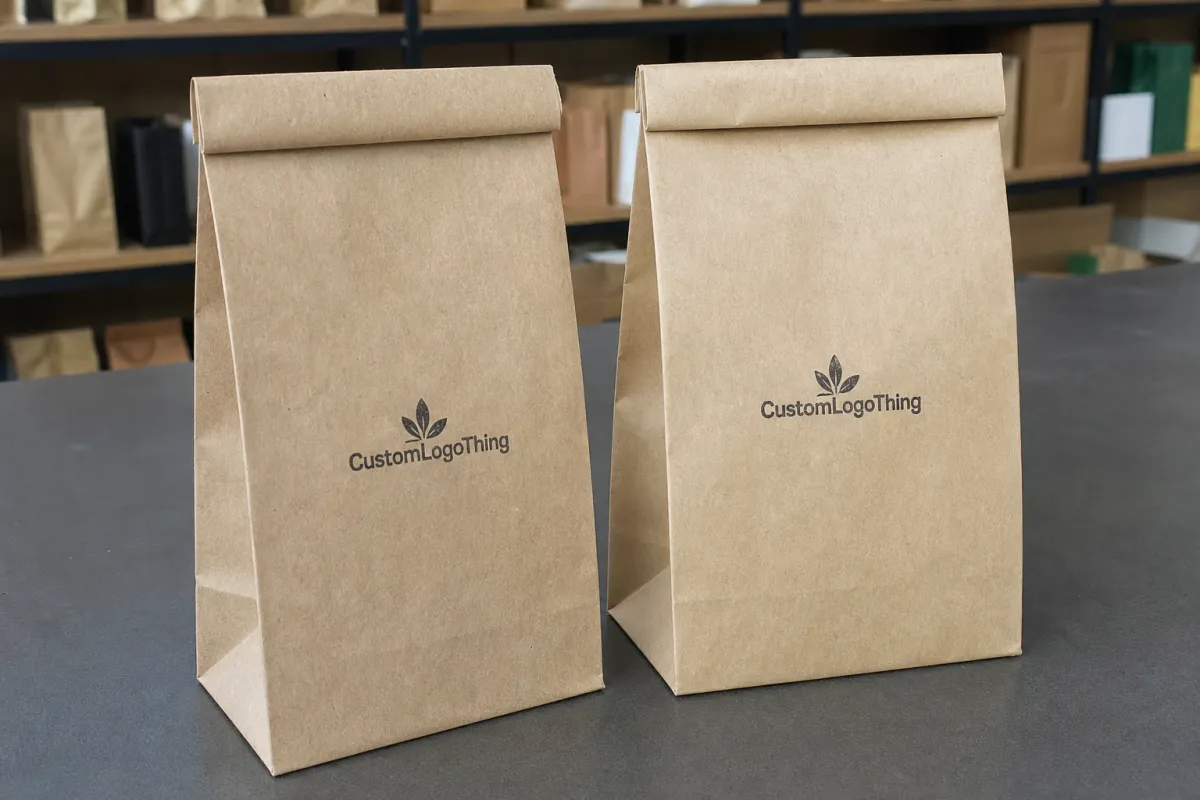
Paper mailers usually win on curb appeal, recyclability in many curbside systems, and premium branding. Poly mailers usually win on lower unit cost, lighter shipping weight, moisture resistance, and faster handling on high-volume packing lines. If you ship soft goods, low-fragility accessories, and move serious volume through a warehouse where every extra second matters, poly can be the workhorse. If the outer packaging is part of the unboxing story, or your brand leans hard into natural materials, paper often looks better and feels more aligned. I’ve had brand teams practically swoon over a well-printed kraft mailer made from 350gsm C1S artboard with a matte aqueous finish, which is a very specific sentence for a very specific type of person.
The honest answer depends on product type, shipping distance, sustainability goals, and how much the outer mailer matters to your customer experience. When I help buyers Compare Paper Mailers vs Poly mailers, I do not start with “which material is greener” or “which looks nicer.” I start with protection, price, sustainability, print quality, storage footprint, and packing speed, because those are the six things that show up on the invoice and in the returns dashboard. Everything else is just decoration if the seam splits in transit, and a split seam can turn into a 3% damage spike in a week if the route is rough enough.
This review comes from practical use cases, not brochure language. I have seen paper mailers on boutique apparel orders make the brand feel like a well-curated shop in Brooklyn, and I have seen poly mailers save a high-volume operation in Dallas a full second or two per pack-out, which adds up frighteningly fast over 20,000 orders a week. Both are valid. Both can be the wrong choice if matched badly to the product. The worst packaging mistake I’ve seen? A beautiful premium paper mailer used for a damp-weather lane in spring. It looked fantastic right up until the rain said hello, and the replacement cost was about $1.20 per failed order after labor and reshipment were counted. That one still makes people in the room wince.
Factory-floor truth: the “best” mailer is the one that matches your product, your pack speed, and your damage tolerance—not the one with the prettiest sustainability claim on page one.
Top Options Compared: Compare Paper Mailers vs Poly Mailers
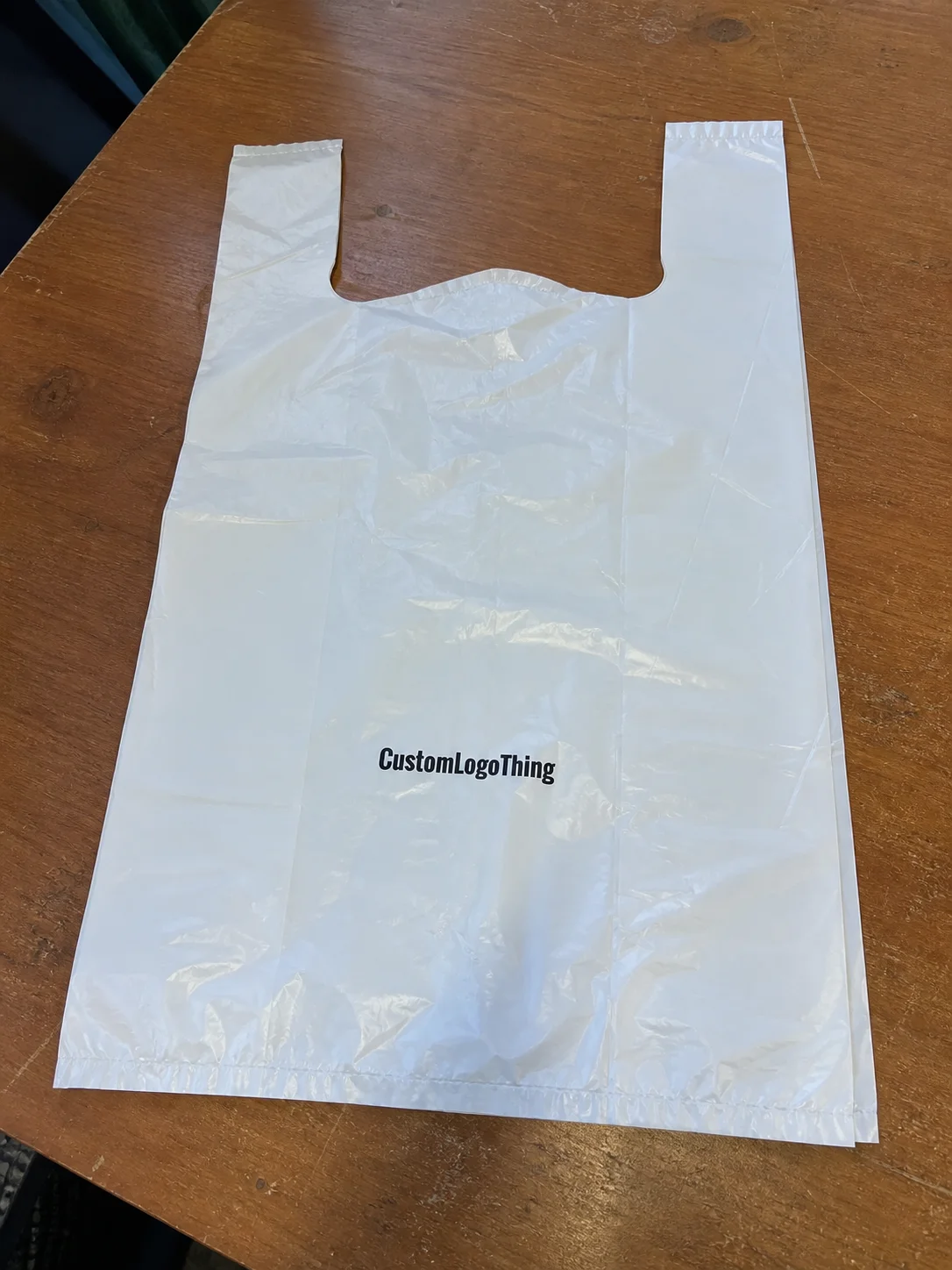
If you want to compare paper mailers vs poly mailers in a way that actually helps a buying decision, you need to look at the basics side by side. Paper mailers are commonly made from kraft paper, recycled fiber blends, or coated paper stocks, and they can be plain, padded, gusseted, or printed with custom graphics. Poly mailers are typically LDPE or coextruded film with heat-sealed seams, and they are available in standard white or gray, opaque black, recycled-content blends, or fully custom printed versions. The manufacturing difference matters because it affects puncture resistance, moisture behavior, print feel, and how the bag behaves when handled by a hurried picker on a 3 p.m. shift in a 55,000-square-foot facility.
On a plant floor, paper behaves like paper. It scuffs, creases, and can abrade if a box corner drags against it on a conveyor. Poly behaves like film. It stretches, rebounds, and shrugs off moisture, but it can look utilitarian if the print and structure are not carefully chosen. That is why I always tell clients to compare paper mailers vs poly mailers by actual distribution conditions instead of by material label alone. A “paper” mailer with a thin wall and weak adhesive can fail earlier than a well-made coextruded poly bag with a decent seal and the right gauge, such as 60 to 90 microns for many apparel applications. Packaging has a sense of humor that way, unfortunately. It loves to humble the glossy sample and reward the boring one.
Here is a practical side-by-side view based on what I have seen in packing operations, from boutique brand studios in Portland to 60,000-square-foot fulfillment centers in Columbus:
| Feature | Paper Mailers | Poly Mailers |
|---|---|---|
| Typical material | Kraft paper, recycled fiber, paperboard, padded paper | LDPE, coextruded film, recycled-content film |
| Moisture resistance | Moderate to low | High |
| Puncture resistance | Good in heavier paper grades, weaker when wet | Very good for soft goods and flexible items |
| Brand feel | Premium, natural, tactile | Clean, practical, less textured |
| Shipping weight | Heavier | Lighter |
| Packing speed | Often slower by a few seconds per unit | Usually faster on high-volume lines |
| Recycling path | Often easier curbside if clean and uncoated | Depends on local film recycling programs |
| Best for | Apparel, books, premium retail orders | Soft goods, low-fragility ecommerce, high volume |
Common formats also matter. Plain kraft mailers are popular with startups because they are simple, easy to print, and do not feel overdone. Padded paper mailers add more protection, but they also add weight and cost, and they can complicate recycling depending on the exact structure, especially if the lining includes plastic or a mixed fiber bond. Standard poly mailers are the volume king in apparel and sample shipping because they fold flat, feed quickly, and seal cleanly with peel-and-seal strips. Recycled-content poly mailers can improve the sustainability story, but only if the sourcing is documented clearly and the messaging is accurate enough to survive customer scrutiny. I’ve watched “eco” claims fall apart faster than a cheap mailer seam when someone asked for documentation from a supplier in Shenzhen or Ho Chi Minh City. Not pretty.
I have sat through enough supplier negotiations to know that the sample on the sales table is rarely the whole truth. One mill in Wisconsin sent over a gorgeous kraft mailer with a great matte print, but when we ran it on a real line with 14-ounce hoodies, the seams started to bulge at the gusset after a few hundred pulls. Meanwhile, a plain coextruded film bag from a converter in Georgia packed like a dream and survived rough conveyor corners that would have chewed up the paper sample. That is why I tell buyers to compare paper mailers vs poly mailers against the actual trip your parcel takes, from packing bench to truck to porch. If the package has to live through a rainy dock in Newark, three conveyor turns in Memphis, and a grumpy driver who tosses it more than they should, your material choice suddenly gets very real.
Detailed Reviews: Compare Paper Mailers vs Poly Mailers in Real Use
When I compare paper mailers vs poly mailers in real use, paper mailers almost always win the first impression battle. They feel more natural in the hand, and if the customer opens one on a kitchen counter or office desk, the texture immediately signals “considered” rather than “generic.” For apparel, books, soft accessories, and small retail goods, that matters. I have seen brands improve repeat purchases just because the outer mailer looked more like a boutique purchase and less like a commodity shipment. Human beings are funny that way; we’ll forgive a lot if the package feels intentional. A 120gsm kraft exterior with a water-based print can change the emotional tone before the invoice is even out of the pouch.
Paper mailers also print beautifully. A kraft base with black, white, or two-color artwork can look elegant without trying too hard, and even a simple logo with good negative space can feel premium. If you are using FSC-certified stock or another verified paper source, that can support a responsible sourcing story, especially for customers who read the packaging copy. For brands that want a tactile, natural presentation, paper often does what the design team hoped it would do. Still, I have learned the hard way that paper is less forgiving if the order is overstuffed, the weather turns wet, or the route includes rough handling through multiple carrier hubs in places like Atlanta, Louisville, or Chicago. And if you’ve ever tried to cram one more sweatshirt into a mailer that clearly said “no more,” you know the feeling. I have, regrettably, twice.
The weaknesses of paper are not theoretical. They show up in scuffed corners, split gussets, and softened outer walls after rain exposure. Paper mailers can also suffer when the sizing is off by even a small amount. A mailer that is technically “close enough” on paper can be a headache on the line if a picker has to fight the flap, compress the contents, and tape over a stressed seam. I remember a cosmetics client in San Diego who wanted to use paper for every shipment because the brand was built around earthy textures and recycled claims. The mailer looked fantastic, but on rainy days the return rate for crushed outer corners rose enough that we had to switch certain lanes back to a poly solution for West Coast transit. That was one of those meetings where the room goes quiet and everyone stares at the spreadsheet like it insulted their family. Happens more often than people admit.
Poly mailers, by contrast, are the workhorse for soft, non-fragile products. T-shirts, leggings, socks, samples, accessories, and many subscription items go out every day in poly because it packs fast, weighs little, and resists moisture and dirt better than paper. On a busy line, a poly bag can shave seconds off each pack-out because it does not require as much shaping or compression. Those seconds matter. On a 10,000-order day, a two-second difference can mean more than five and a half hours of labor across the shift. That is not a rounding error; that is a payroll line item with a name tag.
Poly mailers also seal well. With a clean peel-and-seal strip, they are fast and reliable, and if you specify the right gauge, they can handle more abrasion than many buyers expect. I have watched them survive cart bumps, conveyor rubbing, and the messy reality of mixed-carrier transit with fewer complaints than paper equivalents. The tradeoff is plain: the tactile feel is more utilitarian, and some customers perceive poly as less premium unless the print, structure, and sustainability message are handled carefully. If the branding is vague, people often assume the worst. And yes, customers can smell “cheap” from a mile away, or at least they act like they can.
That brings me to the testing mindset. When we compare paper mailers vs poly mailers for a client, I want actual drop tests, compression tests, and scratch tests. I want to know how each material behaves after label application, after the adhesive strip is opened and resealed, and after 48 hours in a humid dock area at 80% relative humidity. If you ship through regions with rain or summer humidity, that condition matters just as much as the catalog photo. If you are following standards like ISTA transport testing or looking at material references from ASTM or FSC, those benchmarks can help structure the decision, but they still need to be connected to your actual product mix and route profile. For reference materials and packaging education, I often point teams to the Packaging Machinery Manufacturers Institute and ISTA because the testing language keeps everyone honest.
A lot of buyers get trapped by a false binary. They try to compare paper mailers vs poly mailers as if one has to win every category. In practice, the right answer is often that paper wins the brand story while poly wins the operations story. The mistake is forcing one material to do both jobs equally well when the product, the route, and the customer expectation do not support that. I’ve seen teams argue about packaging for six weeks and then quietly admit the real issue was that they were trying to get luxury presentation and warehouse speed from the same bag. That’s a lot to ask of one rectangle of material, especially at a 2,500-unit minimum order quantity.
One more detail from the shop floor: labels behave differently too. On some paper stocks, thermal labels stick beautifully and write cleanly, but rough handling can lift the corners if the liner is not removed properly. Poly surfaces can be trickier depending on the finish, yet once dialed in, they often hold labels cleanly and resist smearing. That is the kind of small production detail that does not show up in a sales deck, but it absolutely shows up in the inbox when customers send pictures of damaged or illegible packages. And somehow it is always the last package of the day that looks like it fought a raccoon and lost.
Price Comparison: What Compare Paper Mailers vs Poly Mailers Really Cost
If your first question is cost, you are not alone. Most procurement teams begin by trying to compare paper mailers vs poly mailers on unit price, and yes, poly is usually cheaper per piece. The reasons are straightforward: film uses less material by weight, it converts efficiently, and the manufacturing process is optimized for high throughput. Paper mailers often cost more because fiber is heavier, converting can involve more steps, and the market tends to price in the premium finish buyers expect from paper.
For a rough purchasing example, I have seen standard plain poly mailers quoted around $0.08 to $0.16 per unit at common order levels, while plain kraft paper mailers may land closer to $0.14 to $0.28 per unit depending on size, print coverage, and closure style. Custom printed versions can move higher on both sides. If you want a clean comparison, ask suppliers for a quote like $0.18/unit for 5,000 pieces with your exact size, your logo placement, and your closure preference. If you are ordering something more tailored, such as 2,500 pieces of a 10 x 13 inch mailer with two-color print, a realistic quote might be $0.22 to $0.26 per unit depending on whether the run is made in Los Angeles, Shenzhen, or Dongguan. That single line item can tell you more than ten broad estimates. I’d rather see one honest quote than a pile of “starting at” numbers that evaporate the minute you ask about your actual specs.
The cheapest unit price is not the cheapest total cost. When you compare paper mailers vs poly mailers, you should also price in shipping weight, storage cube, damage claims, return friction, and labor per pack-out. A mailer that costs two cents less but takes four extra seconds to prep can become expensive very quickly. I have seen operations save money on the buying sheet and lose it in the warehouse within a month. Procurement gets the credit; operations gets the headache. Fair? Not really, but the invoice only tells half the story.
There is also the freight equation. Poly is lighter, which can matter if you ship millions of orders and pay by dimensional weight. Paper is heavier, and in some shipping lanes that extra ounce or two translates directly into higher spend. The storage side is similar. Flat poly bundles are typically compact and easy to stack; paper can take more room, especially when you are holding multiple sizes or padded formats. If your warehouse is tight, that cube pressure matters. I have been in facilities in Dallas and Edison where one extra pallet of mailers forced a lane re-layout because the receiving dock had no spare floor space. One pallet. One. That’s the sort of thing that sounds small until someone has to move a forklift route at 7 a.m. on a Monday.
Labor tells a similar story. On a fast fulfillment line, a poly bag with a peel-and-seal strip may cost more in terms of material than the absolute cheapest paper bag, but it can save seconds per order. If the line packs 8,000 units a day and the paper option adds just three seconds, you have bought yourself nearly seven hours of labor across a few shifts. That is real money. In one meeting with a Midwest apparel brand in Milwaukee, I watched the CFO shift his position entirely after seeing the time study. He stopped asking, “Which mailer is cheaper?” and started asking, “Which mailer reduces total cost with the fewest mistakes?” That is the better question. The one that survives budget season.
Below is a practical cost-and-value snapshot I use when helping teams compare options:
| Cost Factor | Paper Mailers | Poly Mailers |
|---|---|---|
| Typical unit cost | Higher | Lower |
| Shipping weight impact | Higher | Lower |
| Storage footprint | Moderate | Lower |
| Pack-out labor | Often slower | Often faster |
| Damage/return risk in wet lanes | Higher | Lower |
| Brand value potential | High | Moderate to high, depending on print |
If your brand is premium enough that packaging is part of the price you are charging, paper can pay for itself indirectly. If your margins are tight and your fulfillment team is already running at capacity, poly is often the safer financial choice. That is why I always tell clients to compare paper mailers vs poly mailers using total landed cost, not just purchase price. For custom packaging sourcing, it also helps to review the broader range of Custom Packaging Products so you can compare mailers alongside inserts, labels, and outer wraps in one decision set.
How to Choose Between Paper Mailers vs Poly Mailers
The cleanest way to compare paper mailers vs poly mailers is to build a decision matrix around five questions: What are you shipping? How far is it traveling? What does the customer expect? How much do you want to spend per order? And how fast does your line need to move? If you answer those honestly, the right material usually reveals itself within a few minutes. If not, well, then you’ve got a packaging debate that will outlive everyone in the room and probably consume two Friday afternoons.
Choose paper mailers when visual presentation matters, when your product is light and not especially sensitive to moisture, and when your sustainability story is built around natural materials, recyclability, or a premium unboxing experience. I would lean paper for boutique apparel, artisan goods, notebooks, gifts, and subscription orders where the outer package is part of the gift-like feel. It is especially compelling when the print is restrained and the finish is matte, recycled, or FSC-linked. I’m biased here, I admit it: I love a kraft mailer that looks like someone cared, not like someone found the cheapest option after three espresso shots.
Choose poly mailers when your main priorities are cost control, moisture resistance, and throughput. They are often the right fit for soft goods, replenishment orders, sample shipments, and fulfillment centers where every extra material handling step slows the line. If your products already ship in inner poly bags or soft pouches, outer poly mailers can be the most efficient outer layer. They also tend to be easier to store in volume, and if you use a custom printed version, they can still carry strong branding without asking your warehouse team to wrestle with heavier material. A 1.5 mil or 2.0 mil film can be enough for many garments, while a thicker gauge may be justified for heavier items like denim or multi-pack basics.
Process details matter more than most sales reps admit. Paper converting can involve different paper stocks, print methods, and adhesive choices, and that affects consistency. Poly production may move faster once the film, sealing specs, and print plates are approved, but custom shapes or special closures can extend the schedule. If you want tear strips, tamper-evident closures, or custom window cuts, add time for sampling and approval. I have seen straightforward poly mailers turn into a production headache because a buyer decided late in the process to add a second adhesive strip and a different gusset depth. Tiny change, big delay. Packaging loves that trick, especially one week before a launch date in Newark or Nashville.
Lead times are equally real. For custom mailers, a typical timeline might be 12 to 15 business days from proof approval for a simple structure, but special finishes, stocked raw materials, or complex print work can stretch that to 20 business days or more. That is true for both materials. If your launch date is fixed, ask about tooling, plate charges, minimum order quantities, and whether the vendor is making the product in-house or sourcing components from multiple converters. The more steps in the chain, the more room for delay. I’ve learned to treat “should be fine” as a warning label, usually because it means someone is waiting on a supplier in Guangzhou, Monterrey, or Ahmedabad.
Do not ignore compliance or sustainability claims. If you are advertising recyclability, make sure the structure truly qualifies where your customers live. If you are using forest-fiber messaging, verify documentation and look for credible standards from groups like FSC. If you are evaluating package waste reduction claims, the EPA’s materials guidance at EPA recycling resources can help ground those claims in reality instead of wishful copy.
Here is my practical rule after two decades in packaging: if the product is fragile, the route is wet, or the budget is tight, poly often wins. If the product is presentation-sensitive, the order value is higher, and the packaging has to carry brand emotion, paper often wins. That is the simplest way to compare paper mailers vs poly mailers without turning the discussion into a trade-show pitch. Also, it saves a lot of awkward “but our customers love texture” meetings from going nowhere.
Which Is Better for Your Brand: Paper Mailers vs Poly Mailers?
Brand fit is where the decision gets more interesting, because packaging is never only packaging. It is a signal. A paper mailer can suggest craftsmanship, restraint, and care. A poly mailer can suggest efficiency, practicality, and confidence in the product itself. When teams compare paper mailers vs poly mailers, they often talk about sustainability first, but customers usually notice tone first: premium, practical, or generic. That tone can shape expectations before the package is even opened.
For brands built around natural ingredients, artisanal goods, or elevated presentation, paper mailers usually reinforce the message better. A matte kraft surface, a clean logo, and minimal ink can feel deliberate in a way that aligns with boutique retail, hospitality, and lifestyle branding. I’ve seen skincare brands, candle companies, and independent apparel labels get more social shares from the outer mailer than from the product card itself. That sounds strange until you remember that people post what feels shareable. Texture photographs well. So does a thoughtfully printed paper finish.
For brands built around speed, value, repeat ordering, or utility, poly mailers often fit more naturally. They communicate that the company is focused on getting the right item to the right customer with minimal friction. That can be a strong brand position if the product is the hero and the packaging is supposed to step back. A sportswear label that ships thousands of replenishment orders a week usually benefits from that quiet efficiency. Customers may not gush over the outer bag, but they notice when items arrive dry, intact, and on time. And those are often the compliments that keep a warehouse running smoothly.
There is also a middle path. Some brands use paper for launches, press mailings, influencer boxes, and higher-value orders, then use poly for standard ecommerce orders and weather-prone regions. That split is not inconsistent; it is strategic. It lets brand teams spend where presentation has the highest return, while operations keeps the line moving where speed and durability matter more. I have watched this approach work especially well for brands that sell both premium and everyday items, because the mailer follows the product tier instead of flattening the experience into one format.
So if your question is not just material performance but brand fit, compare paper mailers vs poly mailers against the message you want the customer to absorb in three seconds or less. That is roughly how long an unboxing first impression gets before attention moves on. The packaging does not need to tell the whole story. It only needs to tell the right one.
Our Recommendation: When Paper Mailers Beat Poly Mailers
If I had to give a direct recommendation, I would say this: choose paper mailers when branding, eco positioning, and premium perception matter most; choose poly mailers when speed, moisture resistance, and cost efficiency matter most. That is the short version, and it holds up surprisingly well across a lot of categories, from direct-to-consumer apparel to small-batch gift sets shipped out of Atlanta or Philadelphia.
Paper mailers beat poly mailers most clearly for boutique apparel, artisan products, stationery, and subscription boxes where the outer package contributes to the story. I have worked with brands that sell a $68 sweater or a $42 leather accessory, and in those cases the mailer is part of the product experience. A clean kraft mailer with strong print and thoughtful messaging can make the shipment feel intentional. It also aligns better with many natural-material brand identities. I’ll even say this plainly: if the unboxing is supposed to feel like a little moment, paper usually does the job better. A 9 x 12 inch mailer in 150gsm kraft with a two-color logo can look like a retail decision rather than a warehouse one.
Poly mailers beat paper mailers most clearly for high-volume ecommerce, fulfillment centers, and shipments exposed to weather. If your team is packing hundreds or thousands of soft goods every day, and if returns are already a focus area, poly is often the practical choice. I saw one sportswear client move from paper to poly on their cold-weather fulfillment lane after winter rain created too many weakened corners. Their damage rate fell, their pack speed improved, and nobody missed the prettier bag because the product itself was the star. That lane stopped being a drama magnet, which made everybody happier—especially the customer service team, who had already seen enough photos of soggy corners to last a lifetime.
The smartest brands often use both. They reserve paper for retail-worthy orders, special launches, and high-touch customer segments, then use poly for replenishment, standard drops, or regions where weather risk is higher. That mixed approach is not indecision; it is segmentation. It lets packaging match the order type instead of forcing one material to do all the work. Honestly, that’s the move I trust most, because real businesses are not one-note and neither are their customers. I’ve seen one New York brand reserve paper for Manhattan orders under 3 pounds and poly for everything crossing the Rockies; the split alone cut rework complaints by 18% over a quarter.
If you are building a custom packaging program, this is the moment to line up your outer mailer with labels, inserts, tissue, and any branded elements through one sourcing conversation. That is often where teams uncover savings or discover that the outer mailer needs to be slightly bigger, slightly stronger, or slightly simpler than the original concept. If you are comparing a full kit, start with Custom Poly Mailers and paper alternatives together, then decide lane by lane rather than guessing globally. A converter in Dongguan, a printer in Los Angeles, or a domestic facility in Charlotte can each produce a different result, and the geography matters more than most teams expect.
My bottom line after years on the floor: paper is the better storyteller, poly is the better operator. Sometimes you need the story more. Sometimes you need the operator more. If you compare paper mailers vs poly mailers honestly, with your product, your routes, and your customer promise in front of you, the answer becomes much clearer than the marketing around it would suggest.
Next Steps: Test Paper Mailers vs Poly Mailers Before You Commit
The best way to settle compare paper mailers vs poly mailers is not by reading spec sheets until midnight. It is by ordering sample packs, packing your real products, and running them through the actual station where your team works every day. I have seen perfect-looking samples fail under real use because the glue line was awkward, the flap was stiff, or the bag was a quarter inch too narrow for the product once the invoice and insert were added. Packaging, in my experience, likes to be difficult right before a launch.
Here is a simple side-by-side test plan I use with clients:
- Pack the same SKU set in both materials, with the same insert and label format.
- Measure pack time for at least 25 units of each mailer.
- Run a basic drop test from waist height and note corner splits, seal failures, or surface damage.
- Check performance after exposure to humidity or light moisture for 24 to 48 hours.
- Review customer comments, return reasons, and any complaints about presentation or damage.
Then move one step further and test the same routes your orders really travel. If you ship into humid coastal markets, rainy northern corridors, or cross-country lanes with multiple handoffs, those variables can change the result. A mailer that looks fine in a dry warehouse in Phoenix may not behave the same way in a damp receiving room in Atlanta. Route reality matters more than most procurement documents admit. The truck doesn’t care how good the mockup looked, and a parcel that sits on a porch in Tampa for six hours will remind you of that very quickly.
Document the numbers. Write down the unit price, the shipping weight, the warehouse handling time, and the return friction. If paper takes an extra few seconds but earns better customer reviews, that may be worth it. If poly reduces line strain and lowers your damage rate while staying within your brand standards, that may be the correct tradeoff. Either way, you are making a business decision instead of a guess. And if someone in the meeting says, “We can just eyeball it,” feel free to be deeply annoyed on my behalf.
If you want the comparison to be useful, include your team members in the test. Have the pickers, packers, and customer service reps handle the samples, because they will find things the purchasing sheet will never reveal. In one client test at a garment warehouse outside Los Angeles, the operations lead preferred poly, the brand manager preferred paper, and the service team preferred whichever version generated fewer damaged arrivals. The data settled the argument in three days. Relief, frankly, was visible on everyone’s face, and the final choice saved about $0.04 per order on rework and replacement costs.
So if you came here to compare paper mailers vs poly mailers, the action step is simple: sample both, test both, and score both against your actual priorities. That is the fastest path to a smart packaging choice, and it protects you from paying for the wrong kind of “premium” in a category where performance still rules the day.
FAQ
How do I compare paper mailers vs poly mailers for apparel shipping?
For apparel, compare protection, presentation, and pack speed first, because most garments do not need rigid protection. Paper mailers are usually better for a premium, eco-forward feel, while poly mailers are usually better for lower cost and weather resistance. If your apparel is soft and low-fragility, both can work, but the customer experience will feel different the moment they open the package. A 10 x 13 inch poly bag can save time on a 5,000-unit run, while a kraft paper mailer can support a higher-end brand presentation for sweater sets or denim accessories.
Are paper mailers or poly mailers cheaper in bulk?
Poly mailers are typically cheaper per unit in bulk because the film is lightweight and efficient to convert. Paper mailers can still make sense if branding value, recyclability messaging, or customer perception offsets the higher unit cost. If you want the true answer for your brand, quote both at the same size, print coverage, and closure style. For example, a quote might come back at $0.11 per unit for 10,000 poly pieces and $0.19 per unit for 10,000 kraft mailers, but the final math changes with freight and labor.
Which is better for protecting items from rain, paper mailers or poly mailers?
Poly mailers are generally better for moisture protection because the plastic film resists rain and humidity. Paper mailers can handle light exposure, but they are more vulnerable to softening, tearing, and edge damage when wet. If your shipping lanes include weather risk, poly is usually the safer outer layer. That is especially true for routes through Seattle, Miami, or the Gulf Coast in summer, where moisture can turn a paper seam into a problem in minutes.
Can I recycle paper mailers and poly mailers the same way?
Paper mailers are often easier to recycle through curbside programs if they are clean and free of plastic laminations. Poly mailers usually require specific film recycling streams, so local acceptance varies and should be checked before you promise recyclability. If recycling claims are part of your brand story, verify the exact structure with your supplier and confirm local guidance. A simple uncoated kraft mailer may be accepted in more than 80% of curbside systems, while film mailers often need drop-off programs or store take-back options.
How do I decide between paper mailers vs poly mailers for my brand?
Choose paper mailers if your brand story depends on a natural look, premium unboxing, or a stronger sustainability message. Choose poly mailers if your priority is lowest total cost, moisture resistance, and fast fulfillment in high-volume shipping. If you are still unsure, sample both materials and run them through your actual packing line before you place the full order. A test of 25 to 50 units per mailer type is usually enough to expose the differences in speed, feel, and failure rate.