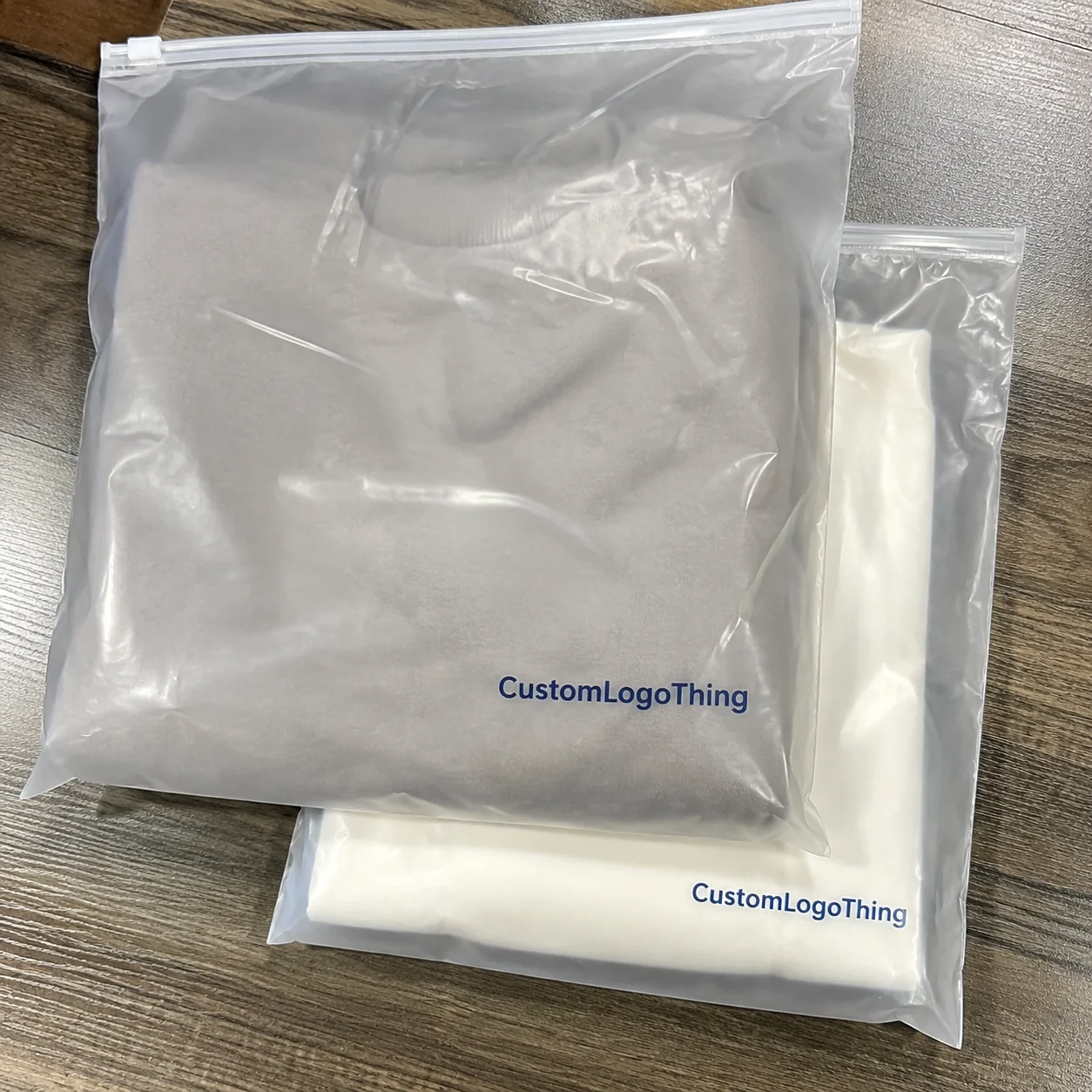
Buyer Fit Snapshot
| Best fit | Compostable Packaging for Ecommerce projects where brand print, material claims, artwork control, MOQ, and repeat-order consistency need to be specified before quoting. |
|---|---|
| Quote inputs | Share finished size, material target, print colors, finish, packing count, annual reorder estimate, ship-to region, and any compliance wording. |
| Proofing check | Approve dieline scale, logo placement, barcode or warning zones, color tolerance, closure strength, and carton packing before bulk production. |
| Main risk | Vague material claims, crowded artwork, missing packing details, or unclear freight terms can make a low unit price expensive after revisions. |
Fast answer: Compostable Packaging for Ecommerce: Artwork Proof, Packing Count, and Landed Cost should be specified like a repeatable production item. The safest quote records material, print method, finish, artwork proof, packing count, and reorder notes in one written spec.
Production checks before approval
Compare the actual filled-product size with the drawing, then confirm tolerance on folds, seals, hang holes, label areas, and retail display edges. Reserve space for logos, QR codes, warning copy, and material claims before decorative graphics fill the panel.
Quote comparison points
Review material grade, print process, finish, sampling route, tooling charges, carton quantity, and freight assumptions side by side. A quote is only useful when the supplier can repeat the same color, closure quality, and packing count on the next order.
I once stood on a factory floor in Dongguan holding two white mailers that looked 95% identical. Same 60-micron feel. Same matte finish. Same flexo print quality. One came with complete certification paperwork for industrial composting. The other carried a fuzzy “eco” claim and nothing to support it beyond a resin invoice. That moment explains why brands need practical guidance on compostable Packaging for Ecommerce, not pretty marketing language. Whether you ship 500 orders a month or 50,000, packaging decisions shape cost, customer trust, and compliance risk. What follows is the field version: numbers, failures, and fixes.
Compostable Packaging for Ecommerce: What It Is and Why Brands Are Switching
Plain-English definition: compostable packaging for ecommerce is packaging engineered to break down into non-toxic components under defined composting conditions within a set timeframe. It does not “vanish in your backyard.” It is not “ocean-safe by default.” It does not “work the same everywhere.” Conditions matter. Standards matter.
Teams blur terms constantly, so separate them clearly:
- Compostable: breaks down into CO2, water, biomass, and mineral salts under composting conditions; must meet test criteria (for example ASTM D6400 or EN 13432 pathways).
- Biodegradable packaging: broader term; material may degrade over time, but timing and residue safety may remain unclear.
- Recyclable packaging: can enter recycling streams if local systems accept that format (big “if”).
- Reusable: designed for repeated use cycles (mail-back systems, durable pouches, etc.).
Ecommerce behaves differently than retail shelves. Parcels get dropped, compressed, parked in 38°C vans, then left on rainy porches for hours. Layer in fulfillment targets like 120 packs per hour and the priority becomes obvious: compostable packaging for ecommerce must survive transit first, then dispose correctly second. Fail step one and return costs erase your sustainability story fast.
Formats I spec most often for clients:
- Compostable mailers (often PLA/PBAT or starch blends)
- Compostable garment bags
- Kraft-based void fill and paper cushioning
- Cellulose windows or film alternatives
- Paper labels and compostable adhesive systems (where available)
- Inserts printed on FSC-certified uncoated stocks
Quick reality check: compostable does not automatically mean lower carbon. A thin recycled poly mailer can beat a heavier multilayer compostable option on transport emissions, depending on weight, distance, and disposal pathway. I tell clients this in kickoff meetings and sometimes they hate it. Accurate math still beats comforting claims.
Some products should not switch on day one. Metal hardware with sharp edges or leak-prone liquids are usually bad opening bets. We’ll map that next.
How Compostable Packaging for Ecommerce Actually Works
Compostable packaging for ecommerce runs on material science, not branding copy. Decomposition typically needs moisture, oxygen, microbes, heat, and time. Industrial compost systems are controlled. Home bins are unpredictable. Label precision is non-negotiable for that reason.
Industrial vs home composting
Industrial compost facilities run hotter and steadier, often 55–60°C for sustained periods. Home compost bins may swing from 10°C to 35°C based on season and management. A mailer certified for industrial conditions can remain intact for months in a backyard pile. That outcome is normal. If claims are written correctly, it is not fraud.
Buyers usually ask for these references:
- ASTM D6400 (US framework commonly tied to compostable plastics)
- EN 13432 (EU compostability framework)
- BPI certification marks in North America
- TÜV OK compost labels (industrial and home variants)
Compliance alignment with supplier documentation is where projects live or die. If a supplier cannot provide test reports and certificate validity dates, stop the process. I rejected a $38,000 annual PO over missing certificate scope once. Procurement was irritated for one week; legal read the risk memo and ended the debate.
Common material families in compostable packaging for ecommerce
Production programs in the 5,000 to 250,000 units/month range usually rely on:
- PLA/PBAT blends for flexible mailers (good printability, puncture resistance depends on gauge)
- Cellulose films for windows and overwrap (clear, often humidity-sensitive)
- Molded fiber for trays and protective inserts (strong rigidity for many SKUs)
- Kraft-paper constructions with compostable coatings (strong brand feel, higher basis weight)
- Starch blends in selective applications (performance swings by supplier)
Tradeoffs stay real no matter the pitch deck. A 70-micron compostable mailer can still lose to 55-micron LDPE on puncture. A kraft-heavy format can push DIM weight up 8–15%, which lands directly on shipping spend. I’ve seen both in live launches.
What not to switch first
Don’t open your compostable packaging for ecommerce transition with high-risk SKUs. First-wave avoidance list:
- Items above 4.5 kg without internal structure
- Sharp-corner products (tools, metal accessories)
- Moisture-sensitive goods with long transit lanes (7+ days)
- High-return categories where reseal function is critical
Technical-fit checklist before sample requests
- Target drop performance: ISTA 3A or internal equivalent
- Required gauge or basis weight range (e.g., 60–80 micron flexible film)
- Seal strength minimum and tear direction specs
- Label adhesion requirement after 48-hour humidity exposure
- Storage tolerance: 20–28°C and RH ceiling (often under 60%)
- Disposal claim language pre-approved by legal/compliance
Reference: test transit assumptions against ISTA protocols before mass rollout. It saves money. Full stop.
Key Factors Before You Buy: Compliance, Performance, and Customer Experience
I’m direct with founders on this point: loose claim language creates liability. In compostable packaging for ecommerce, every printed claim should trace back to supplier documentation. Request full-structure scope, not only base resin data. Inks, adhesives, closures — those details decide whether claims hold up.
Compliance and disposal reality
A customer in Seattle may have organics access. A customer in rural Arizona may have none. Same package, totally different end-of-life outcome. Messaging should reflect that. I’ve helped brands run two insert versions: one for compost-access ZIP clusters, one directing buyers to municipal lookup tools. Slightly more operational complexity, much less confusion.
For education copy, mirror practical public guidance styles like the EPA recycling resources. Keep it usable: “Check local acceptance before disposal.”
Brand experience still matters
Material changes do not cancel design expectations. Customers judge branded packaging within seconds of unboxing. Print density, opacity, tactile feel, and noise all affect perception. A DTC skincare client switched to a compostable mailer that sounded like a chip bag. Complaint rate rose 1.8% in two weeks. We moved to a softer blend, shifted from 76-micron to 82-micron, and stabilized feedback.
Operational fit in the warehouse
Watch the pack line in person. Two hours on the floor will reveal what dashboards miss. Does tape bond correctly? Do labels curl? Can gloved hands open the lip fast? At a New Jersey 3PL, one compostable film batch pushed average pack time from 41 seconds to 53 seconds because peel strips split. That 12-second delta cost more than $3,400/month in labor at 18,000 orders.
Storage, risk, and data discipline
Many compostable materials demand tighter storage control than conventional plastics. If your warehouse runs at 72% RH through summer, expect adhesion and warp issues. Use FIFO. Keep cartons off concrete. Set a maximum on-hand window (often 4–6 months, depending on spec).
Capture baseline metrics before launch:
- Damage/return rate (%)
- Average pack-out time per order
- Top 5 packaging-related support tickets
- Delivery scan-to-door complaint patterns
- Disposal confusion comments from post-purchase surveys
Cost and Pricing: What Compostable Packaging Really Costs
Money decides whether pilots scale. Compostable packaging for ecommerce usually carries a higher unit cost than basic poly at low volume. At scale, the spread often narrows. Saying “it costs more” without context is lazy analysis.
Typical pricing I’ve sourced recently (custom print, Asia + US mix, standard freight assumptions):
| Format | MOQ | Typical Unit Price | Comparison Baseline | Lead Time (after proof) |
|---|---|---|---|---|
| Compostable mailer 10x13 in, 70–80 micron, 1-color | 5,000 | $0.22–$0.34 | LDPE poly mailer: $0.12–$0.18 | 12–18 business days |
| Compostable garment bag 12x16 in, clear film | 10,000 | $0.16–$0.28 | Conventional poly: $0.08–$0.14 | 14–20 business days |
| Kraft padded mailer compostable construction | 8,000 | $0.38–$0.62 | Standard bubble mailer: $0.20–$0.36 | 15–22 business days |
| Molded fiber insert (custom cavity) | 3,000 | $0.45–$0.95 | EVA foam insert: $0.30–$0.70 | Tooling + 20–30 business days |
Quote variability usually comes from:
- Resin/fiber source and volatility
- Gauge (micron) or paper GSM
- Print colors (1-color vs CMYK flexo/gravity)
- Certification and documentation scope
- MOQ and run consolidation
- Freight mode (air vs ocean vs domestic ground)
- Rush lead-time premiums (sometimes +12% to +30%)
Last fall I negotiated a mixed-size run for a fashion brand: 8x12, 10x13, and 14.5x19 compostable mailers. The supplier wanted three separate 10,000-unit MOQs. We pushed a combined 30,000 with size allocation and dropped average unit cost from $0.31 to $0.26. Same factory. Same line. Better structure.
Total cost model beats unit price obsession
For compostable packaging for ecommerce, build landed cost per shipped order:
- Unit packaging cost
- Inbound freight and duty
- Damage/return cost impact
- Pack labor delta (seconds/order)
- Storage loss/obsolescence risk
- Retention lift from better customer perception (if measurable)
One client saved $0.04/unit by downgrading film thickness. Great in a spreadsheet. Puncture returns rose 0.9 points and erased the savings by 3.4x. Classic false economy.
How to compare suppliers fairly
Use a single standardized bid sheet with exact specifications: dimensions, tolerance, micron/GSM, seal width, print coverage %, claim text, certifications, QA AQL level, incoterms, and repeat-order lead time. Without standard inputs, you are not comparing bids. You are comparing stories.
Need product options while evaluating? Review Custom Packaging Products and map each format to technical and disposal requirements before requesting final quotes.
Where brands overspend
- Over-specifying material for low-risk SKUs
- Adding too many custom finishes too early
- Using air freight for panic orders caused by weak forecasting
- Ignoring stock-program options for secondary sizes
Margin protection playbook: phase by top 20% SKUs, set COGS guardrails (for example +1.2% max packaging delta quarter-over-quarter), and re-bid top suppliers quarterly. Boring? Yes. Profitable? Also yes.
Step-by-Step Rollout Process and Timeline for Ecommerce Teams
Rolling out compostable packaging for ecommerce is cross-functional work, not a quick design sprint. One-team ownership almost always creates timeline drift. I’ve watched that failure pattern more than once.
Phase 1: Discovery (about 1–2 weeks)
Define goals with numbers. Example: cut virgin plastic use by 60% across outbound parcels within two quarters; keep damage below 1.5%; cap packaging COGS increase at 8%. Then lock claim boundaries with legal and compliance.
Map disposal pathways by top shipping regions. If 70% of orders ship to areas with limited industrial compost access, adjust strategy early. A paper-forward mix plus selective compostables may produce stronger outcomes.
Phase 2: Specification (about 1–2 weeks)
Convert SKU data into packaging requirements. Weight bands, edge risk, moisture sensitivity, and transit duration should feed the spec. Build a shortlist of 2–4 material systems, not a pile of random samples from sales reps.
Phase 3: Sampling and testing (about 2–4 weeks)
Request blank and printed samples. Run pack-line testing under normal shift load. Add drop testing and humidity exposure. Sensitive categories should get a mini aging test (for example 10 days at elevated humidity). Document results rigorously.
“We approved the sample on looks alone and paid for it later.” — direct quote from an operations manager after a 2.3% damage spike in week one of launch.
Phase 4: Pilot launch (about 2–6 weeks)
Start with limited SKUs or one region. Track daily performance: damage, packing speed, support tickets, disposal confusion. Define pass/fail thresholds before launch. Example: if damage exceeds baseline by +0.4 points for 7 consecutive days, pause and revert to backup SKU.
Phase 5: Scale and stabilize (ongoing)
After pilot success, forecast with safety stock and reorder points. Dual-source critical formats where possible. Review supplier scorecards monthly: on-time delivery, defect rate, documentation accuracy, and claim consistency.
Typical timeline ranges I use with clients:
- Concept to pilot: 5–10 weeks
- Pilot to broader rollout: 6–16 weeks
- Complex custom print across multiple sizes: 4–6 months total
Owner map for accountability:
- Procurement: supplier RFQ, price negotiations, contracts
- Operations/3PL: line compatibility, labor impact, SOP updates
- Brand team: visual standards, package branding, claim placement
- Legal/Compliance: claims review, certificate verification
- CX team: customer instructions, ticket taxonomy updates
If your team is redesigning the full product packaging system, align this rollout with your broader Custom Packaging Products roadmap so custom printed boxes, mailers, and inserts carry consistent specs and messaging.
Common Mistakes Brands Make with Compostable Packaging for Ecommerce
Blunt truth: most failures in compostable packaging for ecommerce are process failures, not material failures.
Mistake 1: Vague sustainability claims
Problem: Printing “100% eco-friendly” with no cert backup.
Fix: Tie every claim to real documentation and approved wording.
Diagnostic question: “Can legal map this exact sentence to certificate scope in under two minutes?”
Mistake 2: Choosing based on story, not transit data
Problem: Beautiful pitch deck, weak puncture performance.
Fix: Run ISTA-aligned transit testing before PO commitments.
Diagnostic question: “What failure rate are we seeing after drop and compression testing at target pack density?”
Mistake 3: Ignoring humidity and storage conditions
Problem: Material sits in 70% RH storage, then gets blamed for warping or adhesion failures.
Fix: Set storage SOPs and FIFO windows; monitor RH weekly.
Diagnostic question: “Do we log storage conditions and enforce maximum shelf duration?”
Mistake 4: Switching every SKU at once
Problem: Big-bang launch, no control group, predictable chaos.
Fix: Stage pilots by SKU risk and shipping lane.
Diagnostic question: “If this fails tomorrow, what rollback plan exists by SKU?”
Mistake 5: No disposal instructions for customers
Problem: Customers guess, complaints rise, trust falls.
Fix: Put concise disposal guidance on-pack and in post-purchase email.
Diagnostic question: “Can a first-time buyer understand disposal in 10 seconds?”
Mistake 6: Chasing lower unit cost while hidden costs rise
Problem: Procurement wins on cents; operations loses on labor and damages.
Fix: Evaluate landed cost per delivered order, not line-item price.
Diagnostic question: “Did we model labor seconds and return-rate movement before final selection?”
Brands that treat this as a checkbox burn budget, then declare all eco-friendly packaging “too expensive.” That diagnosis misses the real cause. Bad execution is expensive.
Expert Tips and Actionable Next Steps for Compostable Packaging for Ecommerce
Need traction in 30 days? Run this plan. It is operational, not theoretical.
30-day action plan
- Days 1–5: Audit current packaging by SKU, order volume, damage rate, and material specs.
- Days 6–10: Shortlist 3 suppliers with credible certification documentation and ecommerce references.
- Days 11–18: Test 2 material paths (for example compostable mailer + kraft alternative) on line and in transit simulation.
- Days 19–30: Launch 1 controlled pilot for selected SKUs with daily KPI tracking and rollback triggers.
Supplier brief template checklist
- Format dimensions + tolerance (e.g., ±2 mm)
- Material callout (e.g., PLA/PBAT blend, target micron)
- Print specs (ink type, pantone references, coverage %)
- Certification docs (ASTM/EN pathway, certifier, validity date)
- Adhesive/seal performance data
- MOQ tiers and price breaks (5k / 10k / 25k / 50k)
- Lead time by scenario (first run vs repeat run)
- QA protocol (AQL, defect definitions, rework policy)
- Incoterms and freight options
Messaging that reduces confusion
On-pack copy should stay short and precise. Example: “Certified compostable in industrial facilities where accepted. Check local options.” Mirror that instruction in post-purchase email with one-click disposal FAQs. If retail packaging differs from ecommerce packaging, state it clearly. Customers spot inconsistencies quickly.
KPI dashboard for compostable packaging for ecommerce
- Damage rate (%) by SKU and carrier lane
- Average pack speed (orders/hour)
- Landed cost per shipped order ($)
- Supplier on-time in-full (OTIF %)
- Packaging-related support tickets per 1,000 orders
- Disposal confusion ticket ratio
- Estimated packaging-related carbon footprint trend (method disclosed)
Decision gates for scale-up
Set pass/fail thresholds before pilots begin. Example targets:
- Damage rate increase must stay under +0.3 percentage points
- Pack speed impact under -5%
- Landed cost increase under +9% for target SKUs
- Supplier OTIF above 95% across two consecutive reorders
If two thresholds fail, pause and revise specifications. Do not wait and “hope it improves.” Hope is not an operations strategy.
Teams building broader packaging design systems should pair compostable rollout with structured sourcing from Custom Packaging Products so branded packaging standards remain consistent across mailers, inserts, and secondary Custom Printed Boxes.
Final takeaway: compostable packaging for ecommerce works when treated as an engineering and operations project with clear claims, measurable performance, and disciplined rollout gates. Start with one owner, one pilot, one deadline this month. Scale what performs, not what sounds good in a pitch deck.
What is the best way to implement compostable packaging for ecommerce without increasing damage rates?
The best approach is a phased pilot: define technical specs first, validate supplier certifications, test packaging under real warehouse and transit conditions, then scale only if KPIs stay inside pre-set limits. In practice, that means running ISTA-aligned testing, monitoring humidity-sensitive storage, tracking damage and labor by SKU, and using rollback triggers before full deployment. Most brands that win with compostable packaging for ecommerce avoid big-bang launches and treat the shift like an operations project, not a design refresh.
Is compostable packaging for ecommerce actually better than recyclable packaging?
It depends on disposal access, material type, and use case. I’ve seen recyclable paper outperform compostable films in regions with weak compost infrastructure. Compare real end-of-life outcomes by shipping region, not label language alone. A region-based mix is often the strongest path.
How much does compostable packaging for ecommerce cost per unit?
Cost varies by format, thickness, print complexity, and MOQ. Low-volume custom runs are usually the most expensive. In many cases, compostable mailers land roughly 20% to 80% above basic poly at smaller volumes, then the gap narrows as volume grows. Evaluate landed cost, not unit price in isolation.
Can compostable ecommerce mailers go in home compost bins?
Only if the specific mailer carries home-compost certification. Many are certified for industrial composting only. Check the certification mark and supplier documentation before making on-pack or web claims. Region-specific disposal instructions prevent avoidable support tickets.
What certifications should I ask for in compostable packaging for ecommerce?
Request documentation aligned to your target markets: ASTM/EN frameworks and recognized certifiers such as BPI or TÜV pathways where relevant. Confirm that certification scope covers the full packaging structure and verify validity dates. Keep printed claims aligned with certificate wording.
How long does it take to switch to compostable packaging for ecommerce?
A focused pilot can launch within a few weeks if specs are tight and approvals move quickly. Full rollouts take longer with custom print, multi-SKU complexity, and inventory transition planning. Phased implementation with go/no-go metrics is faster and safer than an overnight full swap.