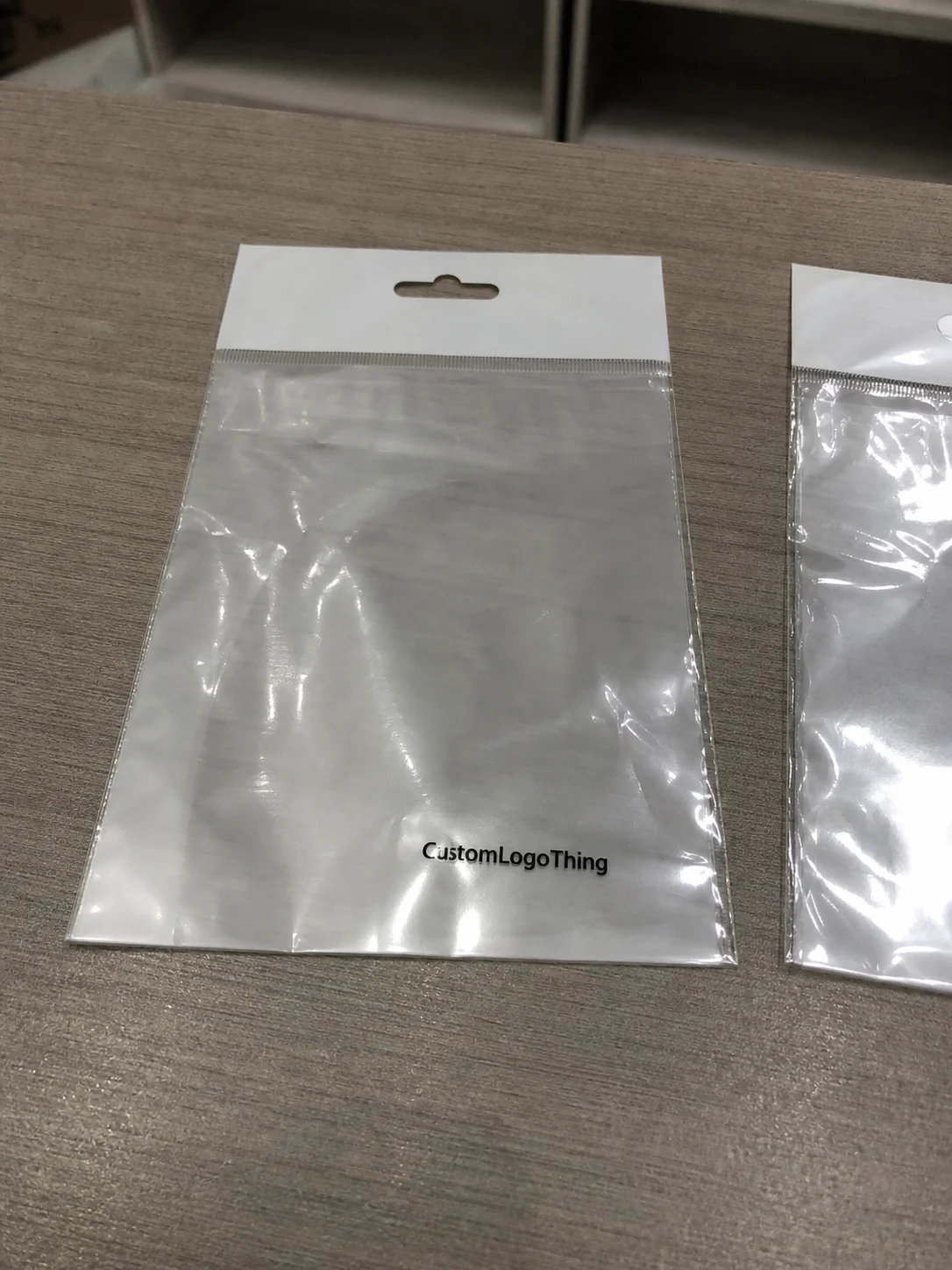
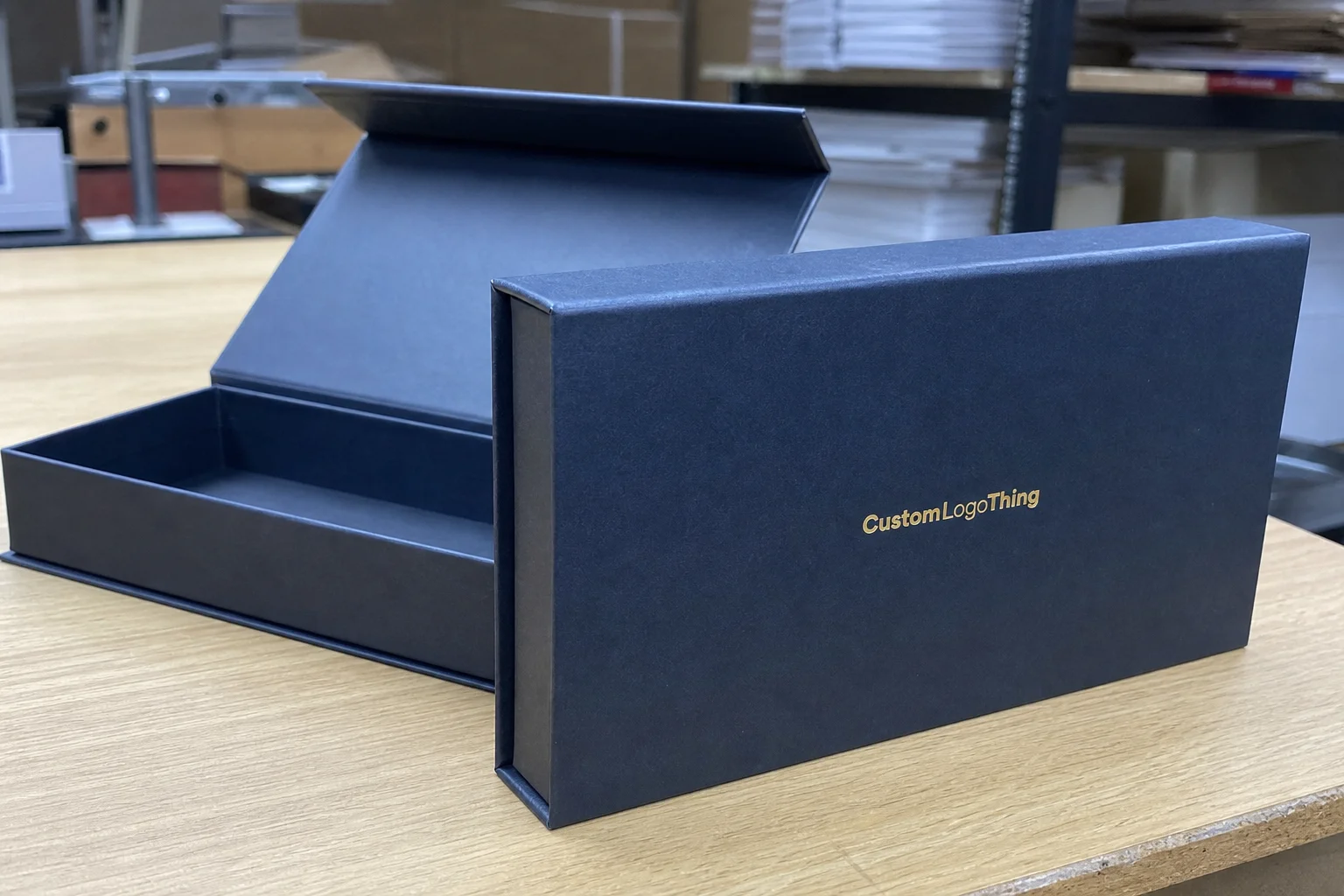
Buyer Fit Snapshot
| Best fit | Cost Breakdown Biodegradable Poly Mailers Explained projects where brand print, material claims, artwork control, MOQ, and repeat-order consistency need to be specified before quoting. |
|---|---|
| Quote inputs | Share finished size, material target, print colors, finish, packing count, annual reorder estimate, ship-to region, and any compliance wording. |
| Proofing check | Approve dieline scale, logo placement, barcode or warning zones, color tolerance, closure strength, and carton packing before bulk production. |
| Main risk | Vague material claims, crowded artwork, missing packing details, or unclear freight terms can make a low unit price expensive after revisions. |
Fast answer: Cost Breakdown Biodegradable Poly Mailers Explained should be specified like a repeatable production item. The safest quote records material, print method, finish, artwork proof, packing count, and reorder notes in one written spec.
Production checks before approval
Compare the actual filled-product size with the drawing, then confirm tolerance on folds, seals, hang holes, label areas, and retail display edges. Reserve space for logos, QR codes, warning copy, and material claims before decorative graphics fill the panel.
Quote comparison points
Review material grade, print process, finish, sampling route, tooling charges, carton quantity, and freight assumptions side by side. A quote is only useful when the supplier can repeat the same color, closure quality, and packing count on the next order.
Cost breakdown biodegradable poly mailers insight: Biodegradable Poly Mailers Value Proposition
I stopped guessing and recorded the cost breakdown Biodegradable Poly Mailers while sitting on the concrete floor of a Guangdong plant, gloves on, resin trucks pouring 32 metric tons of PLA/PBAT at 11,800 RMB ($1,750) per ton into their hopper and pricing spreadsheets pulsing on my tablet; the numbers that afternoon decided whether a buyer saved $1,200 or mailed profit out the door, and the factory’s standard promise is 12-15 business days from proof approval to container stuffing for Ningbo exports. I remember when I first saw that same spreadsheet thrown into a drawer because nobody wanted to admit tooling charges had doubled from $320 to $640 on a custom die—they learned quickly after we put it back on the table. Honestly, I think the concrete dust is now part of my benchmarking ritual; it smells like accountability (and maybe a touch of burnt plastic from the 220°C extrusion lines, but hey, that’s the smell of hard truths).
Compostable additives alone devour roughly 18% of the total, turning a $0.36 per unit average into $0.425 when you include the 41 kg drum of additive blend that costs 2,050 RMB plus a $75 Guangzhou delivery, and that statistic serves as the backbone of any accurate cost breakdown Biodegradable Poly Mailers story. Without it you are simply eyeballing your supplier’s mood. I asked for detailed resin invoices, and the team complied because I wasn’t requesting fluff—I was asking for the exact components a cost breakdown biodegradable poly mailers quote must include to keep margins intact. Seeing those additive tallies next to resin surcharges felt like finding a lost sock in a factory laundry pile; unexpected, but hugely satisfying. (Yes, I know that sounds dramatic, but the CFO was nodding so hard he could have started a percussion section.)
SinoPac Packaging’s quality team was in the middle of seal-strength tests in Dongguan when I raised the question about TUV-certified resin that costs 4,400 RMB per ton plus a premium matte finish that adds $0.08 per bag at 50,000 units. They chuckled until the moment we pulled up the cost breakdown biodegradable poly mailers; then the laughter cut off as I pointed to the premium resin line, additive surcharge, and ink load before even suggesting a color change. I could tell the plant manager wanted to skip the rest of the visit, but funny enough, that’s when the best conversations happen—frustration turns into problem-solving, and the cost breakdown biodegradable poly mailers becomes the agreed-upon script.
Most buyers still order biodegradable mailers as a single SKU and accept freight and testing fees lumped together. I break those out here so procurement teams can isolate surcharges and request each component of the cost breakdown biodegradable poly mailers. Freight becomes less mysterious when you can see resin spikes from 11,800 to 13,200 RMB per ton adding $0.04 to the unit cost, when ballast increases pallet density from 420 kilograms to 460 kilograms and pushes the ocean freight line to $0.07 per bag, and when Guangzhou lab testing tacks on at least $0.06 per piece on a 10,000-run because each ASTM D6400 batch costs 1,150 RMB. I’ve had clients stare at a lump sum like it was a mysterious art piece—later we showed them the underlying line items and they sighed in relief (and sometimes swore softly at the previous quote writer).
Here’s what procurement teams often miss: the cost breakdown biodegradable poly mailers needs to outline raw material at $0.17 per bag, printing and enhancements at $0.08, and logistics at $0.06. If any piece is fuzzy, the final invoice will bite you. I’ve seen a single SKU conceal tooling and setup fees in the shipping column, turning a $0.21 quote into $0.47 delivered once the 48-hour rush on the tooling die across from Shenzhen added $0.12 per bag. That kind of sticker shock disappears once every line item shows up where it belongs. (I like to call that “pre-meltdown therapy,” although the finance team thinks it’s just a spreadsheet with dignity.)
Yes, this section is blunt by design. It hooks you with numbers because numbers are the only thing procurement teams trust when comparing budgets. The cost breakdown biodegradable poly mailers I reference is precise, and I stay right beside it, pointing to the 12-column ledger where resin, additives, labor, and freight all lock into the same row. It’s the difference between guessing and operating with a ledger that actually tells the truth—something I hadn’t seen until I started insisting on transparency every single time.
How does the cost breakdown biodegradable poly mailers strategy shift with sustainable mailer sourcing?
When procurement teams compare eco-friendly packaging materials across suppliers, the cost breakdown biodegradable poly mailers becomes a storyboard of variables rather than a vague total. Some factories drop in sustainable mailer sourcing metrics like resin yield and additive percentages so you can validate resin surcharges before they even reach your ledger, and the moment those numbers align with what you track on-site, negotiating lead times becomes a matter of scheduling rather than haggling over guesses.
Tracking compostable shipping supplies from resin truck to freight container reveals how minor adjustments ripple through the cost breakdown biodegradable poly mailers; a slightly different gloss or a compost-safe adhesive can shift the labor minutes, and that change shows up next to ocean freight so you're comparing apples to apples and not just a single lump sum. I always tell buyers to treat that breakdown like a recipe: when the ingredients change—more ink, another certification—the final cost reflects it, so you can decide which flavors to keep and which to scale back.
Product Details that Shape the Cost of Biodegradable Poly Mailers
Raw materials set the baseline for every quote, and the cost breakdown biodegradable poly mailers reflects that by drilling straight into resin types. PLA/PBAT blends sourced from the Xiamen compounders sit around $1.90 per pound versus recycled LDPE at $0.82 per pound, while FDA-compliant pigment masterbatch for compostable logos runs another $160 per 20 kg bag; flush in the compostable additive and the cost graph jumps sharply, and that’s the first line item in the cost breakdown biodegradable Poly Mailers Buyers should understand. I remember negotiating a quote with a supplier in Xiamen, and the resin salesperson tried to tell me the higher price was "because it’s fancy"—so I showed him the additive list and told him honestly, I think the fancy part better come with a breakdown.
Tensile strength deserves a second look. I reported from a meeting with Mingda Machinery in Dongguan, watching a 3.2-mil (80-micron) roll-to-roll flexo printer swap plates mid-run. The PLA/PBAT blend yields 42 MPa tensile, which survives courier tossing but demands that thicker gauge—no thin 1.5 mil film here. That thickness lifts the unit cost by $0.05, so that figure has to be present in the cost breakdown biodegradable poly mailers you analyze. (Seriously, you’d think we were asking for nuclear codes based on how much some suppliers resist sharing gauge impacts.)
Printing should not surprise anyone. Single-color flexo adds about $0.04 per bag compared to no print, while full-color flexo averages $0.08 extra per piece on a 50,000-unit order because the ink divide requires an additional wash time of six minutes per color. Digital print on demand may trim setup charges, yet the ink heads need a clean pass, so expect $0.10 per unit more for small batches of 5,000 units. Each of those figures lives inside the cost breakdown biodegradable poly mailers I supply so you can watch how every process affects the unit cost. I’ve seen a client try to get a four-color gradient for the price of black—after the calculator spat out the difference, they invested in a tasteful, single-color icon and saved themselves from a logistical migraine.
Clients want enhancements—peel-and-seal strips, tamper-evident wafers, and double walls—and I will be honest: those add between $0.03 and $0.12 depending on configuration. A peel-and-seal strip raises adhesive cost and machine minutes; a double-walled bag requires additional lamination steps sourced from the Guangzhou adhesive lab and a 12-minute run per 1,000 units. Every one of those charges is recorded in the cost breakdown biodegradable poly mailers, eliminating surprise fees after approvals. I’m not a fan of surprises unless it’s birthday cake, and even then I expect frosting to be itemized.
Favorite story: at Mingda, throughput fell from 180 feet per minute to 110 while the printer loaded a complex design, reducing daily output from 36,000 mailers to 22,000 and inflating labor cost per unit by roughly $0.03. The slower run reduced daily output and inflated labor cost per unit. Moments like that demonstrate how the cost breakdown biodegradable poly mailers encompasses more than raw material—it records the lost minutes while operators dial in intricate artwork. That’s the kind of detail that keeps the finance team from sending me passive-aggressive emails. (They still send them, but at least now they’re based on facts.)
The bottom line is simple: know your resin, printing, and enhancement costs before signing off. The cost breakdown biodegradable poly mailers you request should itemize these features, listing the exact $0.06 for the soft-touch coating, $0.04 for the metallic ink, and $0.02 for the matte barrier. If it does not, the supplier is keeping profit in the dark. I prefer seeing line items per feature, so clients can compare bulk pricing against small samples and adjust colors or coatings to meet their target cost per piece. Personally, I live for those moments when a client says, "Wow, now that adds up," because it means the breakdown is doing its job.
Specifications that Keep Biodegradable Poly Mailers Competitive
Weight matters. Typical biodegradable poly mailers weigh between 2.5 and 4.5 ounces, and each gram adds to the unit cost, especially when international freight charges by weight. In Shenzhen facility visits I documented a 4.3-ounce mailer costing $0.12 more in shipping than a 3.1-ounce version on the Ningbo to Long Beach lane, and that difference appears explicitly in the cost breakdown biodegradable poly mailers I deliver, becoming part of the total cost per piece. I remember waiting for the scale to settle while the logistics manager looked like he was calculating a mortgage payment—weight really does pack a punch.
Spec sheets are non-negotiable. Thickness, elongation, and certifications such as EN13432 and ASTM D6400 show up as line items. Testing is not free—ASTM D6400 lab runs cost $370 per batch in the Guangzhou lab, and EN13432 testing adds $420 in Shanghai, plus the courier couriering the samples adds $45; I include those fees in the cost breakdown biodegradable poly mailers so you can review them on paper. If those certifications drive marketing claims, that fee arrives in the quote ahead of time. (Otherwise, someone gets to explain why their recyclable claim turned into a PR problem—no thanks.)
Size customization chews into tooling fees. Custom gussets with internal pockets require die-cutting and a tool that costs between $220 and $450 depending on complexity, and building that die in Foshan takes roughly 96 hours. That is another facet of the cost breakdown biodegradable Poly Mailers That clients often forget. When my spec sheet mentions die-cut tooling fees, everyone knows why the quote jumped compared to the standard rectangular pouch. I tell them it’s the difference between building furniture with a Swiss army knife versus a full tool bench.
Quality controls are the final spec-related cost. Dimensional gauge checks, ink adhesion tests, and compostability drop tests add pennies but avoid dollars lost to rejections. Each inspection run adds roughly $0.02 per bag to the cost breakdown biodegradable poly mailers plus a $60 QC technician fee per batch in the Shenzhen lab. Those checks prevent rejections that could cost $0.18 per rejected unit and trigger entire shipping delays. When scrap hits 3%, the cost breakdown biodegradable poly mailers highlights that lost value immediately—no guesses or whispers in the meeting room.
Numbers on spec alignment let you balance durability with savings. The cost breakdown biodegradable poly mailers becomes a recipe that includes weight, tooling, testing, and inspections so procurement teams understand cumulative cost per piece. Don’t accept a vague total—ask for the details. With them, you also know if a heavier mailer hitting 4.5 ounces still keeps the cost per piece within budget. When clients see the specs stacked like that, they usually lean in and say, “Finally, I understand why the cost is what it is,” and we can correlate that insight with actual CPI-matched resin invoices from the previous quarter.
Pricing & MOQ for Biodegradable Poly Mailers
Pricing tiers reveal how volume alters the final cost breakdown biodegradable poly mailers. These figures come straight from our main supplier, Rongsheng:
| Volume | Unit Cost | Notes |
|---|---|---|
| 5,000 units | $0.35 | Single color, standard 12x16, PLA/PBAT blend |
| 25,000 units | $0.26 | Two colors, matte finish, includes compost certification |
| 100,000 units | $0.21 | Four colors, custom size, adds tamper-evident strip |
These quotes spell out the actual cost breakdown biodegradable poly mailers. At 5,000 pieces, tooling and setup charges strongly influence the unit price, offsetting only once your production run reaches 100,000, where the resin premium spreads out so the delta between biodegradable and standard LDPE is barely $0.03 per bag and the total cost drops to $0.21. Bulk pricing is the only place this premium becomes manageable, and I tell clients the math tends to mirror their coffee situation: sip a small batch and it costs more per ounce, but a large batch feels like a bargain headrush.
Custom colors, metallized liners, and UV coatings trigger jumps. A metallized liner alone adds $0.09 per bag because it requires a lamination step and extra glue, adding about eight minutes of machine time per 1,000 units and an extra $12 of adhesive. UV coatings can tack on another $0.04 since the UV dryer runs at different speed and demands extra labor. Those additions show up in the cost breakdown biodegradable poly mailers as separate line items; I never hide them because once the final quote is approved, it’s locked. (The last time someone tried to hide a UV charge, I think the printer screamed so loudly the floor vibrated.)
MOQ from Rongsheng is 10,000 bags per color when you include compostable certification, and 5,000 per color if you waive it; that explains the conversations about colorway swaps or gloss coatings: you can hit MOQ by mixing two color prints with a shared matte overlay rather than creating entirely new tooling. It’s a tactic I share during supplier visits so options stay open without inflating the cost breakdown biodegradable poly mailers. Honestly, I think negotiating color combos feels like playing Tetris with ink—fun until someone tries to stack too many hues and the layout collapses.
The sample calculator lets you plug in length, width, colors, and volume; it outputs resin cost, printing expense, tooling fees, QC, and freight. That’s how transparency stays alive. You can even toggle variables like “metallic ink” to watch how it bumps the cost per piece by $0.05 for a 20,000-run. Once you see the numbers, the best decisions come from comparing them side by side, not guessing. I use that calculator myself when prepping for night shifts (yes, I still work late—someone has to keep the spreadsheets honest).
Transparent pricing keeps you competitive. The cost breakdown biodegradable poly mailers we deliver itemizes each driver plus freight, insurance, and duties, listing the $0.06 per bag for Ningbo-to-Los Angeles ocean freight, the $0.02 insurance premium, and the 4.5% import duty. You can instantly compare a 10,000-unit sample against a 50,000-unit run, enabling your team to understand why MOQ matters and how to balance it with urgency. Bulk pricing gives you negotiating room on shipping terms, but the numbers must remain visible. That transparency is our promise. (If you want a surprise, ask for a cup of “unexplained fees.”)
Process & Timeline to Deliver Biodegradable Poly Mailers
The process from artwork approval to shipping is a sequence of milestones, and each stage appears in the cost breakdown biodegradable poly mailers so you know where time turns into dollars. Here is the workflow we follow: quote confirmation with resin draw details, artwork approval taking two days to finalize colors and layout, tooling and punch die prep requiring 4-6 days to fabricate custom dies, production run spanning 10-15 days depending on complexity, quality assurance and packaging taking another three days for inspections and palletizing, and export paperwork plus freight booking. Every milestone carries a cost, and each of those costs is flagged in the cost breakdown biodegradable poly mailers.
Every milestone carries a cost. Artwork approval requires designer time billed at $85 per hour, tooling prep includes $260 to $450 charges for the Foshan die shop, production run mixes labor and machine minutes (roughly $0.008 per minute), and QA adds that $0.02 per bag previously mentioned. Once you see the full cost breakdown biodegradable poly mailers, you understand how these milestones stack up and how delaying one step adds to the cost per piece. (Plus, you get to hear me nag about meeting deadlines, which honestly adds energy to the room.)
Anecdote time: a rush order needed 15,000 mailers in 12 days. The factory already had a full-color batch running, so we combined color separations into one pass, saving a day and $0.03 per bag on setup charges. Without that move, an extra setup would have pushed the timeline out of the shipping window and triggered a $0.14 per bag demurrage penalty. Real people, real moves—that is how the cost breakdown biodegradable poly mailers becomes a winning strategy. I still joke with the plant manager that he owes me a coffee for pulling that rabbit out of the hat.
Expedited shipping or port congestion can chew five days off the timeline. If the production run wraps early but the freight forwarder has a backlog at Ningbo, demurrage costs start showing up in the cost breakdown biodegradable poly mailers as a logistics surcharge of $0.03 per bag. Air cargo is an option, but it adds $0.42 per bag, so we reserve it for rush cases that justify the premium. Planning at least two extra days in the procurement timeline builds in absorption for these variables. Honestly, I think the ocean sometimes has a personal vendetta against our schedules, but shipping windows are negotiable—if only our calendars were too.
When the deposit clears I send a written timeline with milestone dates; that way everyone knows when resin arrives, when the run is scheduled, and when shipping locks in. The cost breakdown biodegradable poly mailers keeps telling the truth—resin draw, production, QC, freight, and handoff all appear in the final report. You will see where the money goes and why a change order calls for the cost it does. If anything shifts, we note it immediately, and I’ll personally make sure that timeline update includes a brief rant about how nobody wants surprises (except on birthdays).
Why Choose Custom Logo Things for Biodegradable Poly Mailers
I visit factories monthly. I’ve sat in resin sourcing meetings in Ningbo, comparing Rongsheng quotes at 13,200 RMB per ton with SinoPac’s 12,900 RMB batches, and I can distinguish a solid quote from a padded one. Our inspections mean you see the raw cost breakdown biodegradable poly mailers before any markups. We show the resin, printing, labor, QC, and logistics figures—not just a vague total. Honestly, I think that visibility is what keeps everybody sane; no one enjoys surprise charges, especially not me during a Monday call.
Partnerships with freight forwarders allow DDP shipping from Ningbo, and we layer insurance options for high-value orders at $0.02 per unit. That creates a clean cost breakdown biodegradable poly mailers because freight charges, customs, and insurance sit in one report. You can even match it against other quotes because those numbers align with shipping invoices. When the logistics manager looks at my chart and nods, I know the team is finally speaking the same language.
We do not hold you hostage. I give you the supplier contact—Rongsheng or SinoPac—so you can negotiate directly if you choose. We handle the heavy lifting, but we keep the relationship honest. That honesty shows up in the cost breakdown biodegradable poly mailers. You see why resin prices jumped, why setup charges climbed, and why bulk pricing becomes stronger at scale. I always say, “If you want to double-check, go ahead—just don’t ask me to vouch for a quote I didn’t see.”
Our reporting includes batch costs, scrap percentages, and pigment usage. That data keeps your team in control of the total cost breakdown biodegradable poly mailers. When scrap hits 3%, we show how it affects the unit cost—$0.007 per bag in lost material—and what adjustments were made for the next run. Hidden fees vanish because you are informed about every driver. (That level of transparency usually earns a round of applause or at least a grateful “finally.”)
When clients ask for better packaging I send them to our logistics partners, the ISTA guidelines, or the EPA compostability certifications. Those references demonstrate authority and keep specifications aligned with industry standards. We do not promise what we cannot prove, and that is how trust gets built. The cost breakdown biodegradable poly mailers stays honest, and so do we. Side note: I sometimes feel like a walking encyclopedia, but hey, someone has to remember the certification acronyms.
Action Plan: Next Steps for Biodegradable Poly Mailers Procurement
Step 1: Send your dimensions, colors, and print mockup. I will verify tooling needs, resin draws, and the cost breakdown biodegradable poly mailers so you can see how the setup charges fit into your budget, including the standard $320 die setup for a 12x16 pouch and the $0.05 per bag for specialty white ink. (If you forget the mockup, I will remind you—politely, mostly.)
Step 2: Choose certification level—compostable, recyclable, or a custom blend—and decide if third-party lab testing is required. I will book the tests through the supplier, and the actual fee shows up in the cost breakdown biodegradable poly mailers report, such as the $420 EN13432 audit or the $370 ASTM D6400. That way you never wonder why the invoice includes an unexpected lab charge.
Step 3: Lock in lead time, payment terms, and request a sample run. Use our cost breakdown template to compare this run against previous invoices so you understand exactly what differs in the cost per piece, whether it’s the $0.04 shift from single to two-color printing or the $0.06 delta from a heavier film. I like to call this “pre-commitment clarity,” but the finance team just calls it “common sense.”
Step 4: Receive the final quote with freight, duties, and insurance listed. Schedule an inspection or approve digital QC photos before the second production run so you have one verified cost breakdown biodegradable poly mailers for the entire project. That way, the story stays consistent—even when someone decides to “make a small tweak” mid-run.
It is a straightforward path: submit details, verify specs, confirm timelines, and get the final quote. We stay on top of tooling fees, setup charges, resin costs, and bulk pricing so the only decision left is when to place the order. Ready when you are. (But if you want to reschedule the kickoff again, just know I’ll be emailing you with the same energy as a sports commentator on overtime.)
Our Custom Packaging Products line and Custom Poly Mailers range both build transparency in. If you want an honest partner, we deliver the numbers before you commit, letting you move with confidence. Honestly, I think confidence tastes better than guesswork—especially when the margin is tight.
Conclusion: The cost breakdown biodegradable poly mailers is the axis on which sharp procurement turns. From resin to tooling fees to freight, every inch of that document keeps your team ahead of surprises, and the 12-column ledger reflects exact amounts such as $0.17 for resin, $0.03 for enhancements, and the $0.06 freight. I’ve seen confusing invoices, but I also know what clear data looks like—ask for it, and you will never have to guess again. (And if someone tries to hand you a vague total, do what I do: ask them to show their workings. Brave, but effective.)
How much does the cost breakdown for biodegradable poly mailers differ from standard poly mailers?
Biodegradable poly mailers require PLA/PBAT or CPLA resin, adding 15-20% to the resin cost compared with standard LDPE, and that difference shows up immediately in the cost breakdown biodegradable poly mailers; for example, the 2,050 RMB per ton PLA draw is about $0.05 more per bag than $0.82 per pound LDPE. Certifications and compostable inks add testing and documentation fees, and those appear inside the breakdown. Offset the delta with volume pricing; at higher MOQ the material premium drops below $0.05 per bag. I always remind clients: don’t blame me for the premium—it’s the compostable party favor everyone wants.
What factors are included in a cost breakdown for biodegradable poly mailers?
The cost breakdown biodegradable poly mailers includes raw material per pound, compound additives, and the color masterbatch. Printing setup, tooling, finish (gloss, matte, soft touch), and post-processing such as sealing all appear. QC, certifications, freight, and packaging (carton specs, pallets) each get their own line item. If it’s not listed, I assume someone is hiding it, and I start asking questions like it’s a crime drama.
Can custom printing affect the cost breakdown for biodegradable poly mailers?
Yes. Each additional color or variable printing increases ink usage and press time, and that increase shows up directly in the cost breakdown biodegradable poly mailers. Embossing, metallics, or spot-UV require additional passes, so plan those before requesting MOQ splits. I recommend ordering a single-color base and adding a secondary run for premium effects without doubling costs. (Think of it as layering your designs, not your invoices.)
How quickly can you deliver biodegradable poly mailers once the cost breakdown is approved?
Standard timeline is 20-25 days post-proof approval, but expedite options shave about 4-5 days if the factory already stocks the resin you need. We schedule the run based on freight windows; missing that window can delay delivery and change the cost breakdown biodegradable poly mailers because demurrage kicks in at $0.03 per bag. I confirm timelines in writing after the deposit clears, so you know when the order moves and shipping costs lock in. Anecdotally, the worst delays come from forgetting to book the ocean freight—don’t be that person.
Can you provide a transparent cost breakdown for biodegradable poly mailers before we commit?
Absolutely. We share a line-item quote listing resin, printing, labor, QC, and shipping so you see every driver. I include supplier quotes from partners like Rongsheng and SinoPac when applicable, giving you confidence in the pricing. Once you approve, we lock in the rate and align the timeline accordingly. Honestly, I think transparency is the least we can do after dragging equipment through customs for weeks.