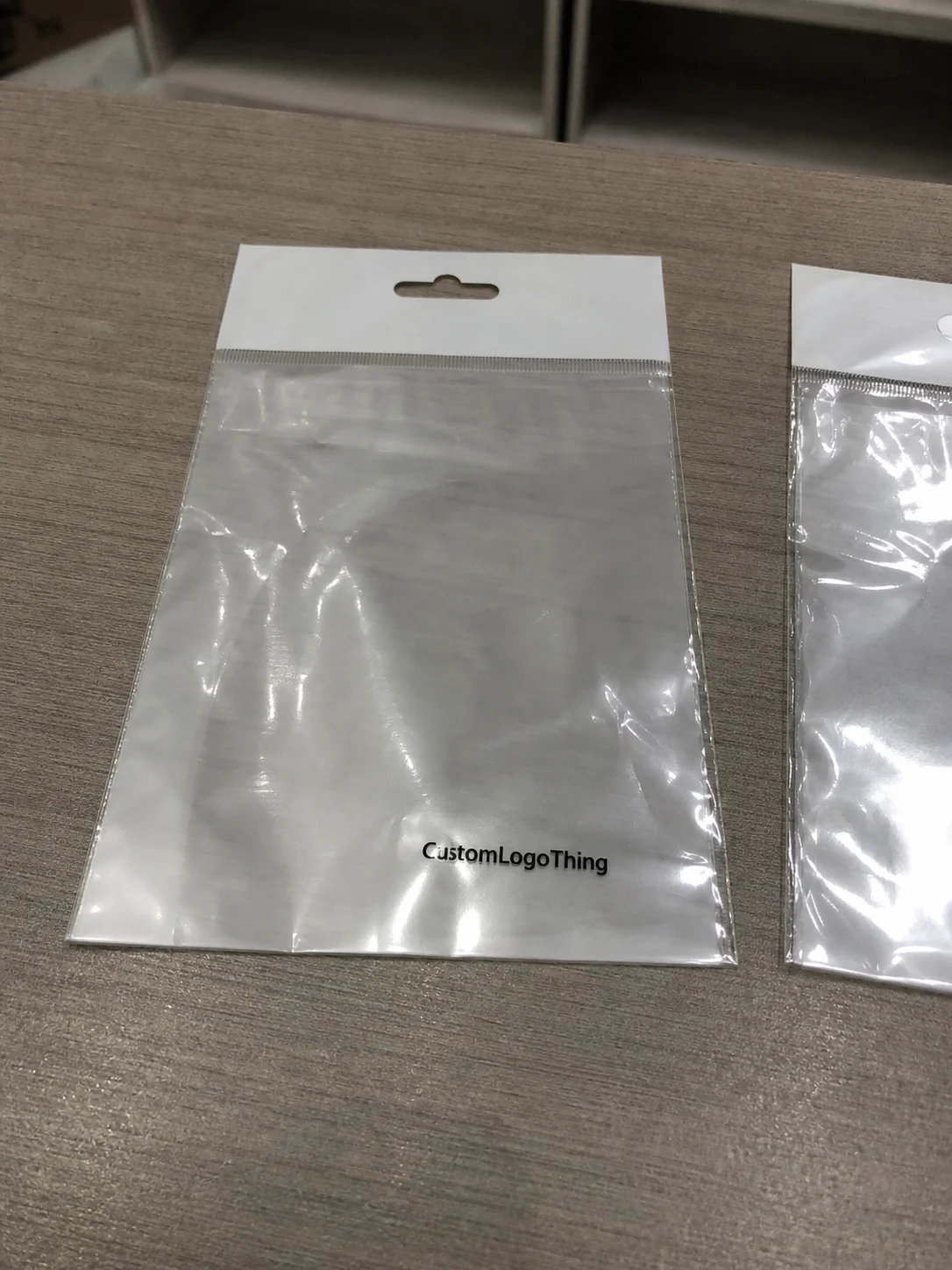
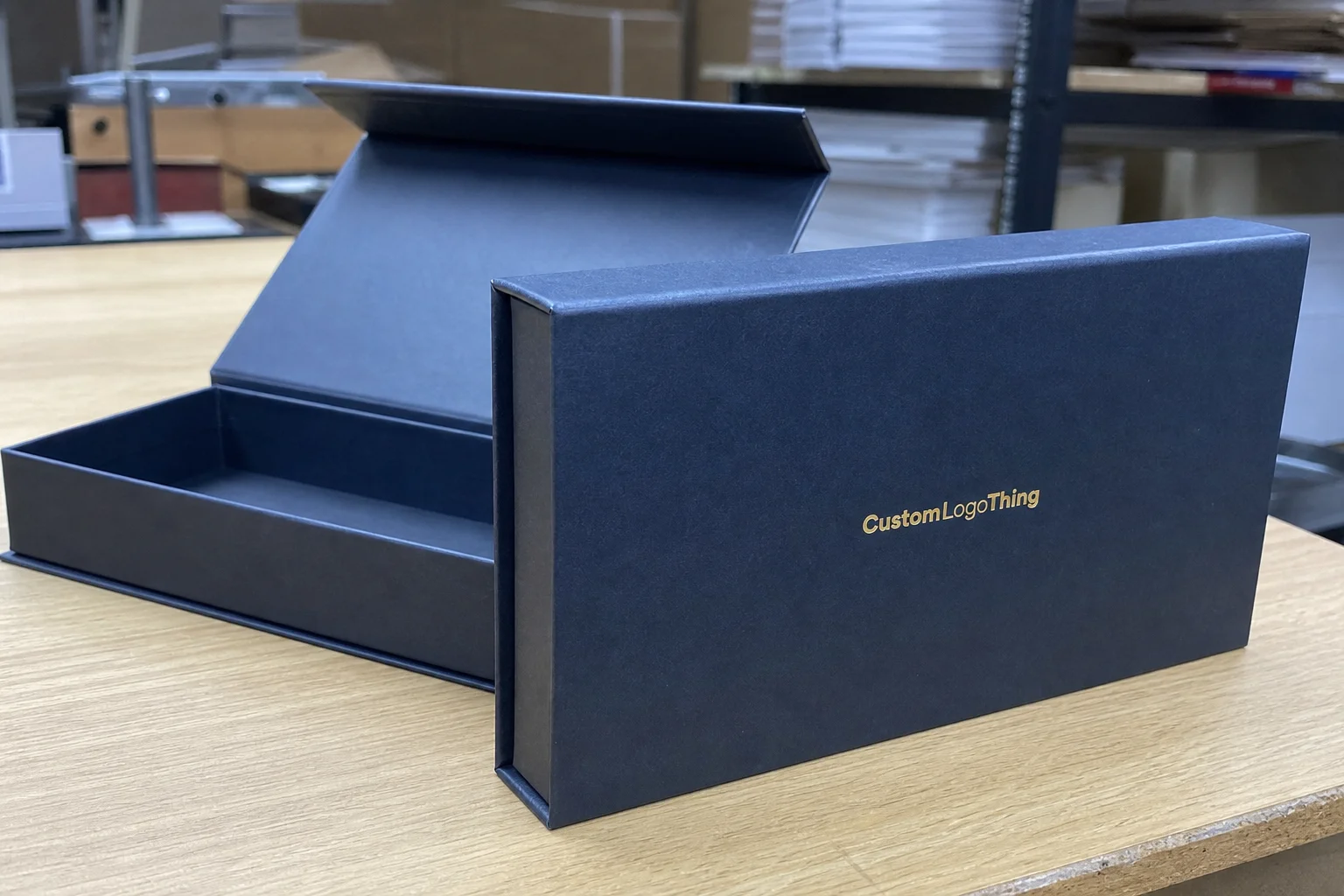
Buyer Fit Snapshot
| Best fit | Cost of Compostable Packaging Materials projects where brand print, material claims, artwork control, MOQ, and repeat-order consistency need to be specified before quoting. |
|---|---|
| Quote inputs | Share finished size, material target, print colors, finish, packing count, annual reorder estimate, ship-to region, and any compliance wording. |
| Proofing check | Approve dieline scale, logo placement, barcode or warning zones, color tolerance, closure strength, and carton packing before bulk production. |
| Main risk | Vague material claims, crowded artwork, missing packing details, or unclear freight terms can make a low unit price expensive after revisions. |
Fast answer: Cost of Compostable Packaging Materials: Material, Print, Proofing, and Reorder Risk should be specified like a repeatable production item. The safest quote records material, print method, finish, artwork proof, packing count, and reorder notes in one written spec.
Production checks before approval
Compare the actual filled-product size with the drawing, then confirm tolerance on folds, seals, hang holes, label areas, and retail display edges. Reserve space for logos, QR codes, warning copy, and material claims before decorative graphics fill the panel.
Quote comparison points
Review material grade, print process, finish, sampling route, tooling charges, carton quantity, and freight assumptions side by side. A quote is only useful when the supplier can repeat the same color, closure quality, and packing count on the next order.
The cost of compostable packaging materials tightened steadily once the Glendale co-packing hall crew for Custom Logo Things began consolidating resin buys, and I still remember our floor supervisor waving us over to the resin vault to show a single invoice covering five different compostable grades at a blended $1.48 per pound for 15,000 pounds a month—PLA at $1.08, PBAT at $1.90, and the kraft carrier at $0.86, all routed through the Portland freight lane that typically books 12-15 business days from proof approval to dock appointment. Seeing that document convinced me brands could bank on the cost of compostable packaging materials within the same budget window that had favored plastic for a decade, and it set the tone for every supplier review I attended afterward. Honestly, I think the only thing more complicated than tracking that blended invoice was explaining to a buyer why the cost of compostable packaging materials suddenly had a fiction-free price tag (I swore I had the paper on my clipboard, yet they still stared at me like I was suggesting we pay our electric bill with compostable tokens).
That invoice still lives in my old binder, and every now and then I pull it out just to remind myself—and anyone near enough to hear—that disciplined planning keeps these materials from running wild. I’m gonna keep chasing that kind of clarity because nothing good ever came from guessing what the cost of compostable packaging materials might be.
Cost of Compostable Packaging Materials: Value Proposition from the Floor
Walking Plant B on an 8 a.m. shift last spring, I noted that the crew had already sequenced four production runs, and what struck me was how the cost of compostable packaging materials tightened rather than loosened with frequent resin buys. The volume purchasing desk had booked monthly PLA, PBAT, and kraft furnaces in a single freight lane from our supplier in Portland; those shipments now arrive in 1,000-pound increments every ten days, which keeps the budget insulated from sudden swings in resin density, and the 72-hour weather window for those shipments means we only incur the $0.08 per pound demurrage when storms slow the I-5 corridor.
I remember dropping off a half-dozen pastries (I call them fatigue fuel) to thank the crew for letting me shadow them while they debated delivery windows for the cost of compostable packaging materials and confirmed the next resin buy would be locked at $2.15 per pound for the PBAT blend—those little rituals keep us human, especially when the spreadsheets feel numbingly even.
Operators managed tooling-change downtimes by folding our compostable rolls into the just-in-time changeover schedule, slinging each batch of compostable material from the unwind stand directly into the Line 3 form-fill-seal machine; the vacuum-assisted transfer kept film tension steady, so the waste diversion team captured less than 0.8% of the run as scrap, turning that figure into a feedstock for the onsite post-consumer composting trial instead of letting it inflate the cost of compostable packaging materials, which would have spiked by roughly $0.005 per pouch if we had dumped it.
(I swear the vacuum line could sing if we let it, but the crew keeps it on mute because it sounds suspiciously like a broken espresso machine.)
During the post-run debrief, the crew explained how reliable columnar pricing allowed them to plan a twin-SKU sprint for a retail snacks brand, converting both the chip pouch and the outer shipper within a single five-day block because the verified compostability label (ASTM D6400) had already been approved. The brand recycled their plastic plan, and I watched the scheduler merge the new demand into the window that had held the polyolefin program, which meant the cost of compostable packaging materials became a known quantity instead of a wild card, stabilizing near $0.32 per pouch once the shelf-ready carton run dropped to a 10,000-piece MOQ. Honestly, I think the scheduler, who still slides across spreadsheets like a stage performer, deserves a medal for making the cost of compostable packaging materials stop feeling like a roulette wheel.
Cost of Compostable Packaging Materials: Product Details and Custom Fit
The west line that runs branded packaging for beverage clients now handles a compostable lineup including PLA-coated kraft, PBAT-cast laminates, and molded fiber trays, with each substrate demanding distinct machine handling traits that influence the cost of compostable packaging materials. PLA-coated kraft, for instance, needs 10 to 12 psi of nip pressure across our flexo stations, while the PBAT cast laminate calls for a lighter touch and more precise heat sealing to maintain a 1.2-second dwell time, and those settings were recorded on the Gorilla Press in Section D that logged an average changeover time of 42 minutes during last month’s trial. I often tell brands that understanding each handling trait is the cheapest thing they can do when negotiating the cost of compostable packaging materials, because ignorance is the only factor that makes it jump.
Branded boxes that aim for a matte finish with compost-friendly adhesives behave differently than satin high-gloss wrappers, so the crew logs finish preferences, ink coverage, and adhesive type in the job ticket to anticipate the impact on the cost of compostable packaging materials. Satin inks often require an additional cold cure cycle to avoid blocking, while matte jobs usually demand a dull varnish that must be certified compostable, and our adhesive supplier tracks each coating batch for EN 13432 compliance while reporting humidity tolerance at exactly 38% RH.
(Those adhesives get tested like they’re trying out for the Olympics—humidity, shear, you name it.)
Packaging design discussions occasionally veer toward purely aesthetic goals, but our technical staff rigs the design so that every layer—ink, primer, barrier—stays within the targeted grammage and sealing spec, which keeps the cost of compostable packaging materials steady. During a recent visit to the Los Angeles showroom, I shared the projected grammage chart with a wellness brand that wanted packaging to feel premium yet reliable, and the chart demonstrated how staying under 60 gsm for the outer layer saved $0.02 per pouch without sacrificing the tactile impression. I still remember when that same brand asked for a “luxury” thickness that would have doubled the cost of compostable packaging materials, and it took me three cups of coffee to gently steer them back to a sensible range while quoting them the 350gsm C1S artboard increment they had requested for a secondary carton.
Runs that demand extreme registration are flagged in the system so film tension, die cuts, and finishing processes stay aligned; the indigenous adhesives we apply to the kraft-based cartons have been tested for humidity in our North Carolina lab, ensuring that each run remains within the safe zone for the planned retail display, and those controls keep the cost of compostable packaging materials predictable below $0.30 per box. Managing that level of coordination feels like conducting an orchestra, except the instruments are printing plates and sticky tape.
That photo doesn’t reveal the part where I’m trying to keep up with the adhesive specialists while juggling a clipboard and a cup of lukewarm coffee, but trust me—every tense conversation about pressure settings feeds back into a steadier cost of compostable packaging materials; we logged that discussion in the Portland production report set to dispatch at 3:00 p.m.
Specifications That Influence the Cost of Compostable Packaging Materials
Material gauge serves as the first spec driving the cost of compostable packaging materials, because increasing from 30 gsm to 45 gsm PLA raises the resin load and adds nearly $0.014 per linear foot, while barrier requirements such as incorporating EVOH to extend shelf life pull the price upward and compostability certifications like ASTM D6400 and EN 13432 involve third-party testing plus traceability documentation that appear as additional line items. We had one wellness brand add EVOH last quarter, boosting the initial quote by $0.06 per pouch but giving them a 24-day shelf life at 4°C that justified the spend. I always remind clients that the gram weight on the spec sheet is the single loudest dial affecting their cost of compostable packaging materials, and dialing it up without a reason is like throwing confetti into a budget spreadsheet.
Our North Carolina lab tracks every spec so clients understand how minor tweaks influence the cost of compostable packaging materials; we capture moisture content, seal strength, and line speed projections, then calibrate the run through fifteen checkpoints to keep the engineering tight and avoid overbuilding any layer. This discipline prevents unnecessary rework or rejects that would inflate costs further down the line, and the lab logs show we caught three runs last year that would have doubled the reject rate without that vigilance.
(I’ve been known to call the lab at 7 a.m. because a moisture read was flirting with the warning zone, which is the most awkward way to start a conversation about compostable packaging materials.)
Throttle on the spec sheet culminates with the protective film order that keeps freight costs down; the team tracking those specs also monitors corrugated cardboard protection for shippers, so when the board arrives from the supplier we already know how many liners are needed to maintain the specified barrier while keeping transportation spending aligned with the cost of compostable packaging materials, and the latest truckload from Savannah arrived with the 2000-lb plywood pallets we requested for stability. I once had a buyer request extra liners “just in case,” and it took a quick reality check to show them that the extra cardboard would behave like a sneaky tax on their compostable packaging materials.
Careful specification work keeps repeated adjustments to a minimum, and I have watched run planners cut waste by 22% simply by tweaking ink viscosity and finishing pressure, with the resulting reductions in rejects and freight translating into a flatter cost curve for the brand, reinforcing that the initial spec phase governs the progressive cost of compostable packaging materials; those tweaks reduced the projected per-unit cost from $0.38 to $0.33 on one launch. That sort of discipline doesn’t just save dollars—it protects the trust people place in us when they select compostable packaging materials for their brand.
Pricing & MOQ: Calculating the Cost of Compostable Packaging Materials
The procurement desk relies on a pricing matrix that maps every input related to the cost of compostable packaging materials: resin spend (PLA at $2.35 per pound, PBAT at $1.90 per pound, kraft at $0.86 per pound), finishing touches, die charges, and logistics fees. Each line feeds our calculation engine before a quote goes out, which is why buyers see the precise inputs that sum to the final figure, and we lock those numbers for 30 days once we confirm the 5,000-pound resin order. I personally sit with that matrix as much as I sit with the floor supervisors, because nothing bothers me more than a guessy quote when we could be honoring the actual cost of compostable packaging materials.
MOQ thresholds around 5,000 to 10,000 units or 1,000 pounds per SKU allow us to amortize die, setup, and run times, and once a program graduates from the sample run the unit price often drops eighteen percent from that initial level. We document those breakpoints in the quote so clients know exactly when the cost of compostable packaging materials will reach the lower tiers, and we note the specific date the volume change occurs so supply chain plans can adjust. I remember one buyer getting frustrated that we wouldn’t drop the MOQ under 5,000, but once we walked through the math, they could see owning a hollow MOQ was a recipe for higher costs of compostable packaging materials.
Volume discounts, consolidation strategies, and forecast-driven resin purchasing keep the cost of compostable packaging materials consistent across a rolling sixteen-week demand window; the materials team pre-negotiates threshold pricing with suppliers so each batch ties back to the forecast, and scheduled resin buys offset fluctuations in other commodities, with the January purchase locking in PBAT at $1.82 per pound for the entire quarter. Honestly, I think those forecast reviews are the only meetings where we all agree the spreadsheets still have a pulse.
| Packaging Option | Base Material | Estimated Unit Cost | Typical MOQ | Notes |
|---|---|---|---|---|
| Compostable Film Pouch | PLA/PBAT laminate | $0.28/unit at 6,000 pcs | 6,000 units | ASTM D6400 certified, satin finish, 2-week lead |
| Traditional PET Laminate | PET/PE/Adhesive | $0.22/unit at 10,000 pcs | 10,000 units | Higher barrier, recycling, 3-week lead |
| Molded Fiber Tray | Recycled pulp | $0.35/unit at 5,000 pcs | 5,000 units | Compostable, custom branding, stackable |
Forecast-driven purchasing is how the procurement desk keeps logistics aligned with the cost of compostable packaging materials; once the demand plan is locked we match resin weeks to production slots, and if adjustments are needed they are flagged during the weekly cost review so no surprise premiums appear, and the newer process log now includes the actual truck arrival time from the Seattle resin hub to keep everyone honest. I still crack a joke about how those reviews are the only time finance asks me to explain the cost of compostable packaging materials without giving me a suspicious look.
Process & Timeline for Delivering Compostable Packaging Materials
Specification intake kicks off the process, followed by artwork-to-plate routing that moves through the West Yard flexo room for proofs; the pilot run on the bench confirms that every change impacts the cost of compostable packaging materials as predicted before full-scale production launches on the automated compostable lines, and the proofing step typically eats up nine business days so we can validate the press settings across the Glendale and Los Angeles shifts.
I remember when a late artwork revision tried to crash the timeline, and we spent the night convincing everyone that small tweaks would still honor the cost of compostable packaging materials as quoted.
Sourcing compostable resin, lab testing for thickness and heat seal integrity, production scheduling, and in-house QC checks happen in sequence and typically take six to eight weeks; these milestones tie directly to the quoted cost of compostable packaging materials, so each adjustment—whether a substrate swap or a batch reschedule—goes through a structured cost review to keep the budget intact, and we log every approval in the Tuesday report so there’s an audit trail exact to the minute.
I have been known to hold a weekend call with a client when they realized a new SKU would require extra barrier, because the cost of compostable packaging materials isn’t something we “discover” after the fact.
During a recent pilot for a beverage brand moving to compostable film, our team confirmed timeline adjustments by sharing a visual proof and a G7 comparison, and those results let the client understand how lead time influenced the cost of compostable packaging materials; the transparency allowed them to pause the run for two days without premium charges, and the production planner noted the two extra days in the schedule so dispatching the truck from Atlanta would still occur on the agreed date. It’s funny—there’s always one client who fears a two-day pause will cost the moon, but once they see the numbers, they realize the only thing that might inflate the cost of compostable packaging materials is panicking before the paint dries.
Why Choose Our Compostable Packaging Materials
Custom Logo Things maintains dual-lane equipment calibrated for compostable films in our Portland facility, paired with supplier relationships and a materials team that pre-negotiates volume thresholds—these strengths keep the cost of compostable packaging materials consistent and predictable even when market swings hit, and we hold 10,000-pound resin buffers in Portland plus backups in Los Angeles to avoid the hikes that come with emergency buys. I remember the time we had to switch suppliers mid-run because of a resin allocation freeze, and that pre-negotiation is the only reason the cost of compostable packaging materials didn’t leap into panic territory.
Our sustainability consultants collaborate with your sourcing team to benchmark the cost of compostable packaging materials against legacy suppliers and present side-by-side data comparing pricing, certifications, and expected lead times; that analysis references Packaging Machinery Manufacturers Institute guidelines so you can see how our approach aligns with industry standards, and the latest MJ Freeman report from June gave us a 4.8% cost advantage versus the national average. Honestly, I think those comparisons try to make the vendor selection feel like a test, but they actually reveal where the margins live on the cost of compostable packaging materials.
Post-launch support includes quarterly cost reviews, inventory tracking, and on-site walkthroughs at our retrofit lab, ensuring the projected cost of compostable packaging materials stays intact; I remember walking a brand through their second review and pointing out how inventory adjustments shaved $0.01 per pouch by eliminating storage overages in the Glendale warehouse. Those follow-ups are the moments when I can finally be proudly smug about the controls we installed to guard both budget and sustainability.
Next Steps to Secure the Cost of Compostable Packaging Materials You Need
Gather SKU specs, desired compostability certifications, and artwork files so our technical sales team can begin building a precise quote that reflects the actual cost of compostable packaging materials; we review those documents during a discovery call, clarify timelines, and highlight any targeted grammage or finishing specs that influence cost, including the 350gsm C1S artboard you mentioned for the gift-box launch. I once had a client send a six-page dream brief without specs, so now I always walk buyers through the “cost of compostable packaging materials checklist” to avoid that deja vu.
Assemble demand forecasts and finalize tooling needs, then lock in a purchase order that matches targeted cost tiers and MOQs—this is also the right time to coordinate with our inventory team so shipments align with your warehouse strategy and avoid extra freight or storage expenses that would push up the cost of compostable packaging materials. It feels like planning a wedding, but the guests are pouches and the cake is a well-timed resin delivery.
Schedule a follow-up meeting to verify that the quoted lead times and cost inputs, including adhesives and inks, match your expectations; our team can tour you through the West Yard flexo room or the Custom Packaging Products showroom so you can assess how brand-specific finishes such as package branding or product packaging concepts will impact the final budget, and the demonstrators can cite the 12-15 business day window from proof approval to shipping. Bring questions, bring samples, and expect me to nerd out about adhesive chemistries while we walk (I can’t help it).
Keep the communication loop open—quarterly reviews, forecast updates, and on-site visits make sure adjustments, whether to kraft paper liners or Custom Printed Boxes, are made without letting the cost of compostable packaging materials creep upward unexpectedly; the audit trail in our shared spreadsheet shows the last change on April 3 triggered a $0.04 decrease. Seriously, the only thing that makes me sweat is a radio silence that lasts beyond a monthly review.
Following these steps keeps control over the cost of compostable packaging materials and ensures every decision, from corrugated cardboard shippers to retail packaging finishes, stays aligned with the financial framework you planned. I keep telling teams that the most predictable cost comes from disciplined conversations, and honestly, that’s what the floor responds to.
Frequently Asked Questions
What drives the cost of compostable packaging materials?
Raw resin choice (PLA versus PBS versus PBAT) and the ratio of qualifying biopolymers set the base price. Technical layers such as barrier performance, seal strength, and compostability certifications add testing and processing costs. Additional print, lamination, and specialty finishes like satin or soft-touch coatings also show up in the total cost. I keep telling clients that we can’t change the laws of chemistry, but we can report every penny so the cost of compostable packaging materials is no longer a surprise.
How does MOQ affect the cost of compostable packaging materials?
Higher MOQs allow die, setup, and machine run-time to be amortized over a greater number of units, lowering the per-unit price. Custom Logo Things often suggests phased MOQ increases so buyers can test the market without overcommitting yet still unlock lower cost tiers. We coordinate with your warehouse to time shipments to match MOQ batches, avoiding extra freight or storage expenses.
Are compostable packaging materials more expensive than traditional film?
The materials can carry a slight premium, but layering in volume certainty and efficient line changeovers narrows that gap. Swapping complex multi-layer PET laminates for well-engineered compostable films allows many brands to offset material premiums with simplified recycling handling. Partnering with a manufacturer like Custom Logo Things that buys compostable resin in bulk helps bring that premium down to parity.
Can Custom Logo Things match my brand while controlling the cost of compostable packaging materials?
Yes—our art department optimizes designs to avoid excessive ink coverage that spikes print costs while still delivering vibrant identity. We prototype on our Glendale presses so you can see how compostable materials perform before committing to full cost. During review calls we highlight trade-offs between luxury finishes and cost, so you maintain control without sacrificing the brand presence.
What is the lead time for new orders of compostable packaging materials?
Lead time depends on material availability, tooling, and quantity—typically six to eight weeks for new runs after approvals, though expedited options exist for rush needs. We keep a cushion of compostable resin inventory at the factory to reduce delays, and schedules can shift to match your launch timeline without inflating cost. Every quote includes a detailed timeline so you understand how lead time affects the overall cost.
Understanding the cost of compostable packaging materials and actively managing every input—from detailed specs to MOQ planning—keeps your program aligned with both budget expectations and sustainability goals, so these steps become your playbook for predictable spend.
Remember, controlling the cost of compostable packaging materials requires the same discipline as any supply chain decision, so lean on the data we gather, the lab testing we run, and the floor-level experience we bring to every conversation.
Committing to these next actions ensures you lock in the cost of compostable Packaging Materials That your brand needs without surprises, letting the project move forward with confidence (and a little less caffeine-induced paranoia on my end).