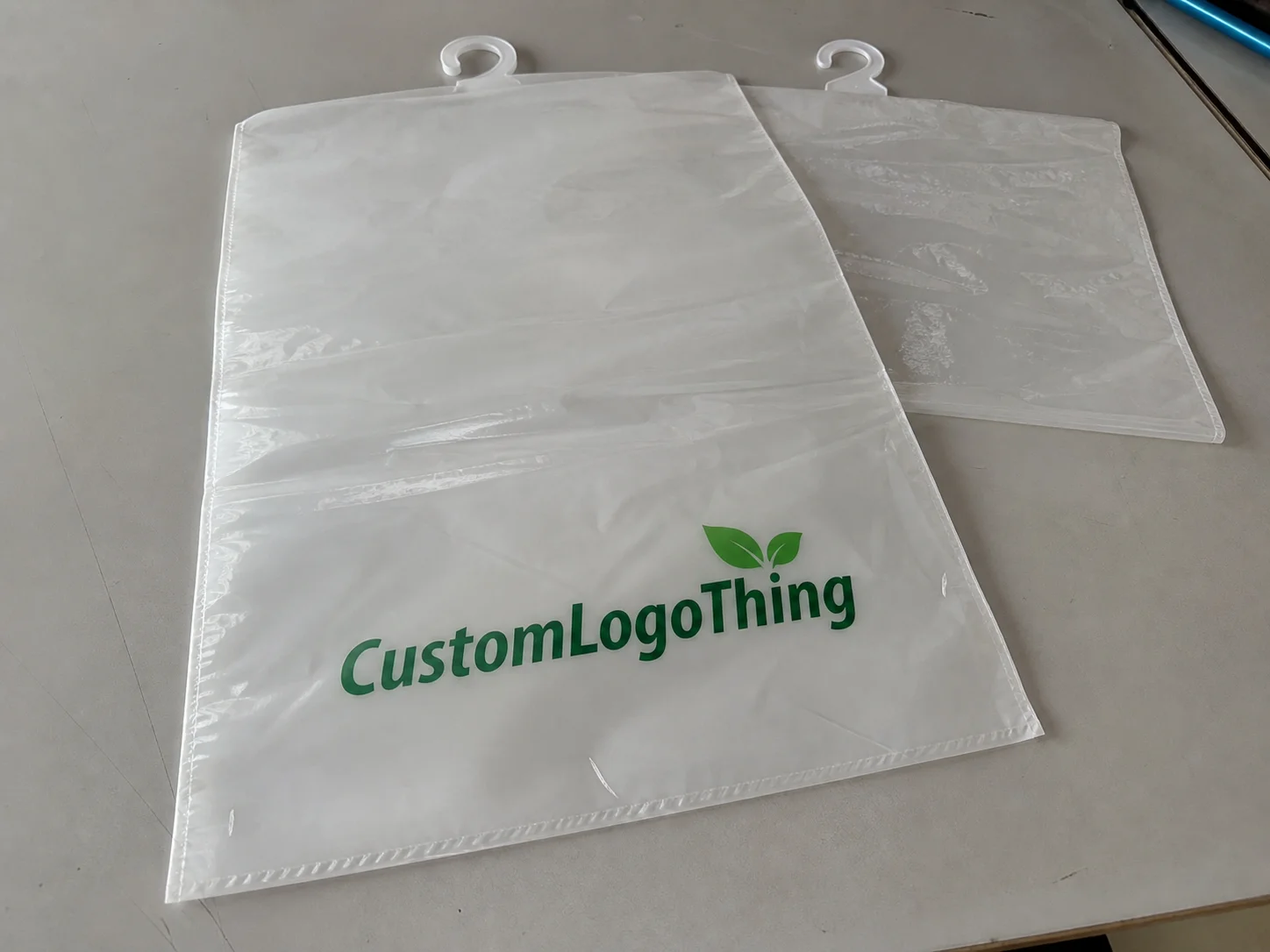
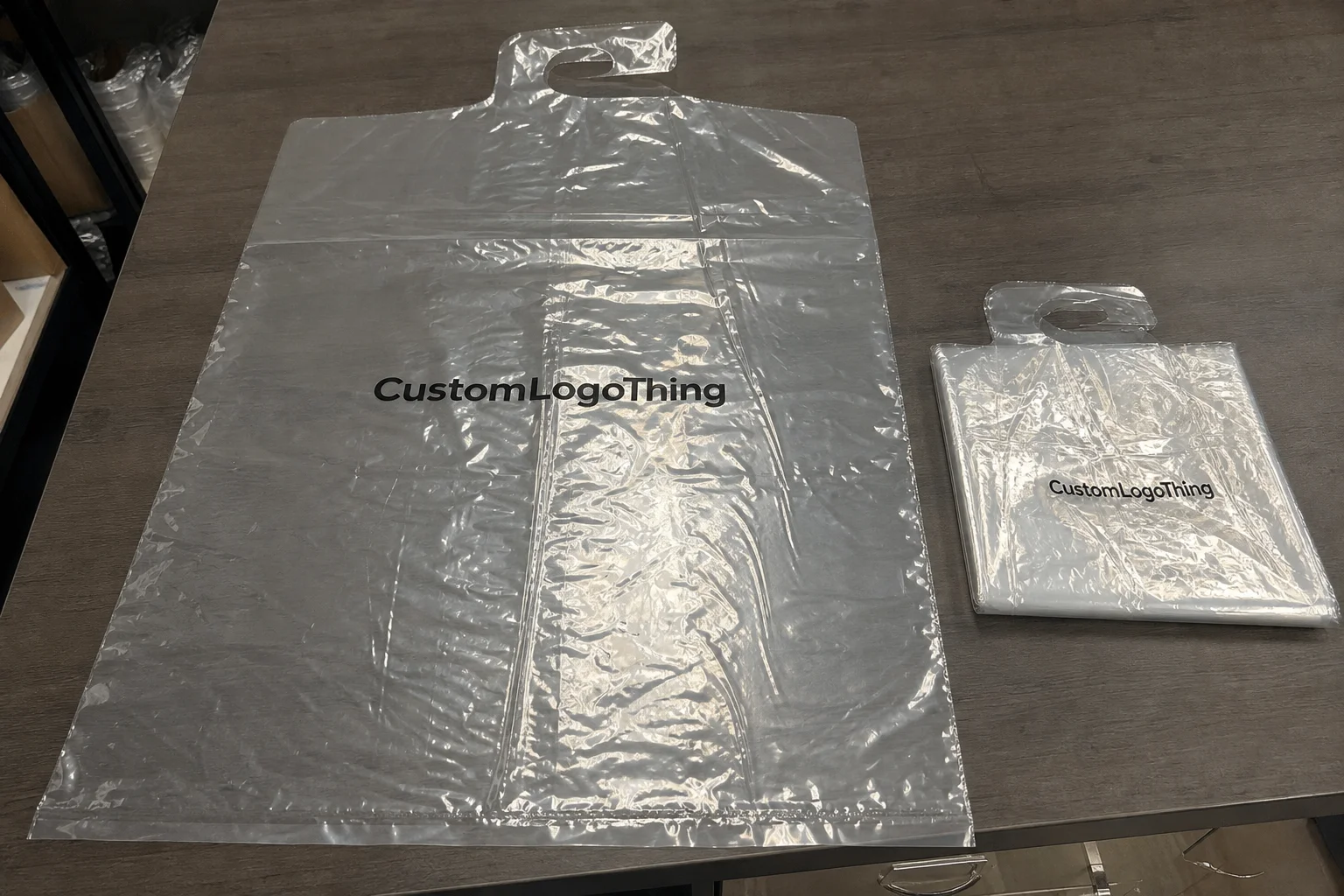
Buyer Fit Snapshot
| Best fit | Cost of Compostable Packaging Materials projects where brand print, material claims, artwork control, MOQ, and repeat-order consistency need to be specified before quoting. |
|---|---|
| Quote inputs | Share finished size, material target, print colors, finish, packing count, annual reorder estimate, ship-to region, and any compliance wording. |
| Proofing check | Approve dieline scale, logo placement, barcode or warning zones, color tolerance, closure strength, and carton packing before bulk production. |
| Main risk | Vague material claims, crowded artwork, missing packing details, or unclear freight terms can make a low unit price expensive after revisions. |
Fast answer: Cost of Compostable Packaging Materials: Quote Scope, Sample Proof, MOQ, and Lead Time should be specified like a repeatable production item. The safest quote records material, print method, finish, artwork proof, packing count, and reorder notes in one written spec.
Production checks before approval
Compare the actual filled-product size with the drawing, then confirm tolerance on folds, seals, hang holes, label areas, and retail display edges. Reserve space for logos, QR codes, warning copy, and material claims before decorative graphics fill the panel.
Quote comparison points
Review material grade, print process, finish, sampling route, tooling charges, carton quantity, and freight assumptions side by side. A quote is only useful when the supplier can repeat the same color, closure quality, and packing count on the next order.
I remember the first time a buyer told me, with complete confidence, that the cost of compostable packaging materials had to be “way too high” to even consider. He said it like the matter had already been settled, which, frankly, is one of those moments where I had to bite my tongue and not laugh in a very unprofessional way. I failed a little. The truth is a lot less dramatic and a lot more useful: a compostable mailer, pouch, or bag may cost more per unit, but that difference starts to shrink once you account for freight damage, disposal fees, customer complaints, and the cost of failing a retailer’s sustainability requirement. On a 10,000-piece order, I have seen the gap narrow to $0.03 to $0.08 per unit after freight and damage reduction were included, which is a much more workable conversation than the panic some buyers bring to the table.
I've sat in client meetings where a procurement team fixed on a 2-cent difference in unit price, only to discover that the current packaging was driving a 4% return rate on fragile items. That is not a small leak. That is a budget sink. The cost of compostable packaging materials needs to be evaluated as a landed cost problem, not a sticker-price problem, because packaging is part of product performance, brand promise, and compliance all at once. A carton board spec like 350gsm C1S artboard or a pouch built from a 60-micron PLA/PBAT structure changes the economics in very real ways, especially when the product is traveling from a warehouse in Dongguan to a customer in Chicago or Manchester.
I see the same misread over and over again: a plain kraft mailer gets compared against a high-barrier compostable laminate pouch, then the conversation gets framed as if both products serve the same job. They do not. A simple paper-based sleeve is not the same as a certified food-contact format with controlled seal strength, and a lightweight wrap is not a moisture-resistant structure designed for long distribution chains. If you want a fair read on the cost of compostable packaging materials, start with the application first, then the material, then the print spec, and only then the unit price. That order saves everybody from arguing about pennies while the product quietly suffers, especially when one SKU ships in a dry climate like Phoenix and another moves through a humid lane out of Ho Chi Minh City.
Why the Cost of Compostable Packaging Materials Often Surprises Buyers
The first surprise is that compostable packaging is not always the most expensive option in the room. For standard shapes and moderate volumes, the cost of compostable packaging materials can land closer to conventional packaging than many buyers expect, especially when you compare a basic mailer, bag, or wrap against a similar paper or film structure with comparable print coverage. I’ve seen quotes where the difference between a standard poly mailer and a compostable mailer was less than 18% once freight and package waste were included, and on a 5,000-piece run the spread narrowed to roughly $0.15 per unit for the compostable version versus $0.13 for a conventional alternative. Not exactly the packaging apocalypse some people imagine.
The bigger cost drivers are usually hidden in the spec sheet. Resin type matters. Print coverage matters. Barrier requirements matter. Size matters. Order volume matters most of all. A compostable packaging order of 3,000 units and the same order at 30,000 units can produce two entirely different unit economics, because setup, film loss, and finishing spread across a much larger run. A small batch in Guangzhou with a one-color flexo print might run on a 12- to 15-business-day schedule after proof approval, while a high-coverage pouch order from a converter in Jiangsu can take 20 business days if lamination and testing are included. The cost of compostable packaging materials is rarely driven by one factor alone; it is a chain reaction, and one bad assumption can wobble the whole thing.
When I visited a converter outside Shenzhen, the production manager pulled me aside and showed me a failed run of compostable pouches that had looked fine on press but failed seal tests after lamination. The second run was more expensive, of course. Not because the material was “green.” Because the barrier layer, sealing window, and temperature tolerance had to be dialed in carefully. The factory was running a 60-micron film on a German-made Nordmeccanica laminator, and even a 5°C shift in sealing temperature changed the reject rate. That is the kind of detail buyers pay for, whether they like it or not. The machine does not care about your budget deck.
Here’s the business case in plain terms: if a lower-cost package dents, tears, leaks, or triggers customer service calls, the apparent savings disappear fast. I’ve watched one retail packaging buyer save $0.03 per unit on paperboard but spend more than that replacing damaged goods and issuing credits. Once you include reverse logistics, the cost of compostable packaging materials becomes only one part of a larger equation. The package has to survive, and then survive some more. On a 20,000-unit quarterly run, a 1.5% damage reduction can pay for a higher-spec compostable structure before the second reorder lands.
A simple comparison helps. Commodity paper-based formats like basic kraft sleeves or uncoated cartons can be relatively economical, especially for dry goods. Higher-performance compostable laminates, meanwhile, may carry a premium because they need more engineering to deliver moisture resistance, oxygen barrier, or grease resistance. The sustainability label does not set the price by itself. The material structure does. A kraft outer paired with a water-based dispersion coating behaves differently from a PLA-coated liner or a PBAT blend, and the quote changes accordingly. I know that sounds boring, but boring is often where the money is hiding.
“We stopped asking, ‘What’s the cheapest unit?’ and started asking, ‘What is the cheapest package that won’t fail?’” That shift changed one client’s sourcing conversation by roughly 11% in total annual spend, and it came after they switched from a 70gsm envelope to a 90gsm compostable mailer with stronger side seals.
Buyers are paying for performance, certification, and consistency. They are not paying for a slogan. That distinction matters. If your vendor cannot explain the cost of compostable packaging materials in terms of test results, yield, and end-use requirements, you are probably not getting the full picture. A supplier should be able to tell you whether the pouch passed a 180-degree seal test, whether the board is 350gsm C1S artboard or 400gsm SBS, and whether the certification files were issued from a lab in Shanghai or Shenzhen. And if their answer sounds suspiciously vague, that’s usually because the numbers are trying to hide something.
Product Types That Shape the Cost of Compostable Packaging Materials
The format you choose has a direct impact on the cost of compostable packaging materials. Compostable mailers, bags, pouches, wraps, labels, and molded fiber inserts all sit at different points on the cost curve, and the differences are usually explained by material complexity and manufacturing steps. A simple compostable label on a carton costs one thing. A high-barrier pouch with a zipper, matte finish, and full-color artwork costs something very different. If you’ve ever watched a die line turn from “simple” to “huh, that escalated quickly,” you know exactly what I mean. On the factory floor in Dongguan, the difference between a flat sleeve and a gusseted pouch can mean one extra converting step and one more quality checkpoint before cartonization.
Compostable mailers are often among the lower-cost custom formats, especially when they use a relatively straightforward PLA/PBAT blend or kraft exterior with a compostable film lining. Compostable bags can also be efficient if the design is narrow and the print coverage is modest. Compostable pouches sit higher on the scale because they demand stronger sealing, better barrier performance, and more precise converting. Molded fiber inserts may look simple, but tooling and mold design can add cost quickly if the geometry is complex. I once saw a “simple tray” quote come back with three tooling line items and a lead time that made everyone at the table stare into the middle distance, especially after the toolmaker in Xiamen estimated a 15-business-day mold cut and sample window before production could even begin.
The right format depends on the product. Food contact packaging brings grease resistance and migration concerns. Moisture-sensitive goods need a stronger barrier. Shelf-life requirements can force a buyer into a more engineered structure. The cost of compostable packaging materials goes up when the package must do more than contain a product; it must protect it under real shipping and storage conditions. A snack pouch for a dry granola blend in Colorado is a different animal from a chilled food wrap moving through a humid warehouse in Kuala Lumpur, and the conversion spec should reflect that difference.
Materials matter too. PLA is common in certain compostable formats, but it behaves differently from PBAT blends. Kraft paper with a compostable coating can work well in retail packaging or dry-goods applications, yet the coating choice may affect sealability and barrier performance. Molded fiber is a strong fit for inserts and trays, especially where product protection is needed, but it is not the answer for every SKU. I’ve seen brands try to force one material across three different product families, and the result was always a compromise somewhere. Usually three compromises, if I’m being honest. A 90gsm kraft wrap with a starch-based coating may work beautifully for dry accessories, while a 70-micron compostable film pouch is better for products that need a tighter moisture seal.
A practical way to think about the cost of compostable packaging materials is to separate “low-engineering” from “high-engineering” products:
- Lower-cost compostable formats: simple mailers, wraps, basic bags, labels.
- Mid-range formats: printed pouches, retail sleeves, kraft paper cartons with compostable elements.
- Higher-cost formats: barrier pouches, food-grade structures, molded fiber systems with custom tooling.
| Format | Typical Cost Pressure | Best Fit | Common Watchout |
|---|---|---|---|
| Compostable mailer | Low to moderate | E-commerce apparel, soft goods | Seal integrity under rough transit |
| Kraft paper bag with compostable coating | Moderate | Retail packaging, dry snacks | Barrier limitations in humidity |
| Barrier pouch | Moderate to high | Food, nutraceuticals, premium product packaging | Higher test and proofing requirements |
| Molded fiber insert | Moderate to high | Protective packaging, cosmetics, electronics | Tooling cost and mold lead time |
That table is the kind of thing I wish more buyers requested early. It turns the cost of compostable packaging materials into a strategic decision instead of a vague procurement debate. And it saves a lot of back-and-forth emails that nobody enjoys reading at 6:47 p.m., especially when the factory in Foshan has already closed for the day and the buyer still wants to change the pouch zipper style.
Specifications That Change Compostable Packaging Pricing
Specifications are where the cost of compostable packaging materials starts to move fast. Thickness, dimensions, print colors, surface finish, barrier performance, and certification requirements all have measurable pricing effects. A 50-micron film is not priced the same as a 90-micron film. A two-color flexo job is not priced the same as a full-bleed CMYK design with specialty inks and a matte finish. Buyers know this in theory, but they often underestimate how quickly details stack up. It’s a little like saying, “How much can one extra requirement really cost?” and then discovering the answer is apparently “annoyingly much.”
Custom sizing can reduce waste and improve pack-out efficiency, but it may increase tooling or setup expenses. I’ve seen one client reduce carton void fill by 14% just by resizing the insert tray by 6 millimeters on each side. That saved money downstream, even though the initial tooling quote was higher. The cost of compostable packaging materials should be viewed through the lens of operational fit, not only raw material consumption. If the box fits the product better, the warehouse usually thanks you later, especially when the carton is traveling through a 3PL in Dallas and the receiving team is trying to process 2,000 units before lunch.
Print complexity is another major lever. Simple one-color branding on kraft paper usually stays relatively controlled. Full-color graphics, flood coats, specialty varnishes, and metallic effects push the quote upward because they add press time, waste, and quality checks. That matters for branded packaging and package branding, especially in retail packaging where shelf impact matters and buyers want the package to do part of the selling. I have a soft spot for well-printed kraft, but I also know a bad print job can make a great product look like it got dressed in the dark. A matte aqueous finish on a 350gsm C1S artboard sleeve, for example, will price differently from a UV-coated carton printed in two colors on a simple offset press in Ningbo.
Certification support also changes pricing. If a buyer needs documentation for ASTM compostability standards, FSC paper sourcing, or retail compliance records, that administrative work can appear as a line item or get baked into the price. The best suppliers make those costs visible. The worst hide them until the sample stage. For standards and guidance, I often point buyers to the EPA’s composting resources and FSC certification information when they are validating claims or comparing materials. In practical terms, a certification packet can add $50 to $200 to a small order, while a formal lab report may be quoted separately from a lab in Guangdong or Hong Kong depending on the test scope.
Performance specs can also lower hidden costs. A package that resists moisture better may reduce spoilage. A stronger seal may reduce returns. A better barrier may extend shelf life by days or weeks, depending on the product. That can easily outweigh the premium in the cost of compostable packaging materials. In one meeting with a tea brand, the buyer was focused on a 7% higher packaging quote, yet the improved oxygen barrier reduced stale-product complaints enough to justify the upgrade inside three months. The finance team stopped making faces after that, which was refreshing. The supplier had switched from a basic paper sleeve to a compostable pouch with a tighter seal window and better oxygen transmission rate, and the result was measurable in actual sales data, not just in theory.
Cost of Compostable Packaging Materials: Pricing, MOQ, and Unit Economics
If you want the real answer to the cost of compostable packaging materials, you need to talk about pricing in layers: sample costs, prototype costs, production pricing, and the way unit cost changes with volume. Too many quotes hide all of that behind one number. That is convenient for the seller and confusing for the buyer, which is a combination I’ve never found especially charming. A good quote from a converter in Zhejiang should clearly separate the material, printing, finishing, and freight so the buyer can see what the factory price is versus the landed cost to Los Angeles or Rotterdam.
Samples may be low-cost or free, depending on format and whether the supplier already has a close match. Prototype runs usually cost more because the factory has to make adjustments, test seals, print proofs, and absorb scrap. Production pricing is where the math starts to stabilize. A run of 5,000 units can carry a noticeably higher unit price than a run of 50,000, sometimes by 20% to 40%, because setup gets spread across fewer pieces. The cost of compostable packaging materials falls as volume rises, but not always as sharply as buyers hope. Big orders help, but they are not magic. For example, one mailer quote I reviewed came in at $0.24 per unit for 5,000 pieces, then dropped to $0.15 per unit for 20,000 pieces once film loss and setup were spread across the larger run.
Minimum order quantity is one of the least discussed cost drivers and one of the most important. Some stock items may allow lower MOQs, but fully custom formats often require a larger minimum because the supplier needs to justify raw-material sourcing, press setup, and converting time. If you are launching a new SKU or testing a new retail packaging line, ask about stock, semi-custom, and fully custom options side by side. It can change the economics dramatically. A stock-size compostable pouch in a warehouse near Suzhou might be available at 2,000 pieces, while a fully custom version with a bespoke zipper could require 10,000 pieces before the factory in Zhejiang will even schedule the run.
When I reviewed a set of supplier quotes for a snack brand, the first offer looked cheapest at $0.19 per pouch. Then we added freight, certification support, and a tooling fee split over the first run. The true landed number came in closer to $0.27 per unit for 10,000 pieces. That is still reasonable if the pouch performs well, but it is not the same story as the headline quote. The cost of compostable packaging materials must be read as a complete line-item set, not a single number with a nice font. In another case, a 12,000-piece order shipped from Ningbo landed in the United Kingdom at nearly 17% above factory price after palletizing, customs, and inland delivery were added.
Here is the quote structure I recommend buyers request every time:
- Material spec: PLA, PBAT blend, kraft paper with compostable coating, molded fiber, or another defined structure.
- Dimensions: width, gusset, length, thickness, and tolerances.
- Print method: flexo, digital, offset, or label application.
- Certification and testing: ASTM, FSC, migration testing, or any retailer-specific documentation.
- Freight terms: EXW, FOB, or delivered pricing.
- Lead time: from proof approval, not from first inquiry.
- Tooling and setup: molds, plates, cylinders, or die charges.
That list prevents apples-to-oranges comparisons. It also reveals the real structure of the cost of compostable packaging materials, which is often a combination of material cost, process cost, and compliance cost. Buyers who normalize these variables make better decisions than those comparing unit price alone. That sounds obvious after the fact, but in the room, with five stakeholders and a spreadsheet open, obvious things somehow become slippery.
To make the point even clearer, think in terms of order size:
- Small pilot run: higher unit cost, lower commitment, useful for market tests.
- Mid-volume order: better balance between unit price and cash flow.
- Large recurring order: lowest unit cost, but higher inventory exposure.
That is why the smartest purchase is not always the cheapest unit. It is the package that hits the right balance of performance, cash flow, and supply continuity. For buyers also comparing broader packaging options, our Custom Packaging Products page can help frame compostable choices alongside other formats like corrugated cardboard and custom printed boxes.
What is the cost of compostable packaging materials for your order?
The answer depends on the structure, quantity, print method, and performance requirements, but a useful starting point is to think in ranges rather than one fixed number. A simple compostable mailer for soft goods may sit close to conventional packaging once volume is strong, while a barrier pouch, molded fiber insert, or food-contact structure will usually cost more because the material and converting steps are more complex. The cost of compostable packaging materials also shifts with freight, certification, and whether the order is a pilot run or a recurring production program.
In practical terms, a 5,000-piece run often carries a higher unit price than a 20,000-piece run because setup and scrap are spread across fewer units. If the package also needs a zipper, a matte finish, full-color artwork, or lab documentation, the price moves again. I usually tell buyers to request at least three quotes: a lowest-cost option, a balanced option, and a premium performance option. That makes the cost of compostable packaging materials easier to evaluate against the product’s actual shipping and shelf-life needs.
Process and Timeline for Ordering Compostable Packaging
The ordering process has a bigger effect on the cost of compostable packaging materials than many buyers expect, because delays and rework create real expense. A typical project moves through discovery, specification review, sampling, proofing, production, quality checks, and shipment. If each step is defined clearly, the project stays controlled. If the buyer changes dimensions after the quote, or if the artwork file arrives with missing bleed, the quote can drift and the timeline can slip. I’ve seen a single missing dieline note add days to a project and raise the blood pressure in the room just enough to be measurable. For a straightforward pouch order, production may typically take 12 to 15 business days from proof approval, while a molded fiber project with a new tool in Guangzhou can stretch to 25 to 35 business days before the first ship date.
Stock items usually move faster than fully custom formats. A stocked compostable mailer can often ship in a shorter window than a new pouch with custom artwork, custom dimensions, and a compliance review. First orders are slower than reorders because the factory needs to confirm the spec, test the seal window, and align on packaging design. Once that work is done, repeat orders can move more efficiently. For example, a reorder of a 100% compostable mailer from a warehouse in Shanghai might leave in 7 to 10 business days, while the initial run could take closer to 15 business days because artwork and carton marks still need approval.
On the shop floor, the fastest projects always have three things in common: final dielines, print-ready files, and one decision-maker on the buyer side. The slowest projects usually have none of those. I remember one cosmetics client who bounced artwork between three departments for nine days while the production slot sat open. The material cost did not change, but the overall purchase got more expensive because the calendar did. The cost of compostable packaging materials is not just what the film or fiber costs. It is also what schedule friction costs. And schedule friction, maddeningly, is always more expensive than people think it is. A late file can push a carton run from a Wednesday slot in Shenzhen to the following Monday, and that can mean another week of inventory waiting in the warehouse.
Common delays show up in predictable places:
- Sample revisions: a seam, zipper, or board dimension needs another test.
- Unclear claims: compostability language must be validated before print.
- Late artwork changes: full-bleed graphics or barcode placement changes after proofing.
- Dimension changes: product size changes force a packaging redesign.
Typical lead times vary by format and complexity, but buyers should expect first-run custom projects to take longer than simple replenishment orders. A straightforward repeat can often move in a narrower window, while a new molded fiber tool or a high-barrier pouch with custom print can take longer due to proofing and QA. The cost of compostable packaging materials and the timeline are tied together: more complexity usually means more checks, and more checks mean more time. If you order a custom carton with 4-color print and a 350gsm C1S artboard base, the proof cycle alone can take 2 to 4 business days before the factory can lock the press schedule.
When buyers ask me how to speed things up, I usually say this: lock the spec first, then the artwork, then the quantity. Not the other way around. That order prevents waste and keeps the supplier focused on manufacturing instead of constant re-quoting. It also saves everyone from the very special frustration of “just one more change” turning into a new project. If you can approve the proof on a Tuesday and keep the quantity fixed at 20,000 pieces, the difference between an on-time ship and a missed vessel can come down to a single missing barcode line.
Why Choose Us for Compostable Packaging Materials
Custom Logo Things approaches compostable sourcing with a practical lens: clear specs, honest pricing, and no fluff. If you are evaluating the cost of compostable packaging materials, you need a partner who can tell you where the premium is justified and where it is not. That is where experience matters. A good vendor should be able to explain why one structure costs more than another, then show you a lower-cost route if your application allows it. I’ve always believed that if a supplier can’t explain the price, they probably don’t understand the product well enough yet. In our usual sourcing flow, we compare options from factories in Shenzhen, Dongguan, Ningbo, and Xiamen so the buyer can see how region, labor, and converting capability affect the quote.
We spend a lot of time matching the right material to the right use case. That sounds basic, but it saves money. A brand that needs moisture resistance for snacks should not be pushed into an elegant but underperforming paper format just because it looks clean in a mockup. Likewise, a company shipping lightweight apparel may not need the highest-barrier compostable structure available. The best quote is the one that fits the job, not the one with the fanciest line item. That is how the cost of compostable packaging materials gets managed responsibly. For example, a 60-micron mailer made in Guangdong may be the right answer for soft goods, while a 90gsm kraft sleeve printed in Zhejiang is a better fit for retail gift items.
In supplier negotiations, transparency is everything. Buyers Should Know whether they are paying for tooling, print setup, testing, freight, or certification support. We keep those variables visible because it helps procurement teams compare suppliers fairly. It also protects the buyer from surprises after approval. I’ve seen too many “good” quotes turn into expensive ones because a die charge or lab report showed up after the sample was approved. That kind of surprise has a very specific flavor, and it is not a pleasant one. A quote that lists $120 for plates, $80 for testing, and $260 for ocean freight is much easier to evaluate than a single number that pretends those costs do not exist.
We also support custom manufacturing in a way that fits real production needs. That means sample support, clear file guidance, and direct communication about material limitations. If a design will fail on press, we say so early. If a size needs to shift by 3 millimeters to improve pack efficiency, we explain why. That kind of technical honesty is valuable when buyers are trying to evaluate the cost of compostable packaging materials across multiple vendors. It is especially useful for complex projects like custom printed boxes, sleeve systems, and molded fiber inserts that need to fit both the product and the shipping carton.
There is another benefit that rarely gets enough attention: consistency. Good packaging is repeatable. A pilot run that looks great but cannot be duplicated at scale is not a win. Our job is to help brands move from concept to recurring purchase with fewer unknowns, whether the end product is product Packaging for Retail shelves, Branded Packaging for Direct-to-consumer shipments, or protective inserts paired with corrugated cardboard cartons. A recurring order of 25,000 pieces that runs the same way every quarter is usually more valuable than a one-off bargain quote that changes material gauge every time the factory changes shifts.
“The cheapest quote is rarely the cheapest order.” I heard that from a plant manager in Guangzhou, and it still holds up when I compare landed costs, rejects, and rework.
That perspective is useful whether you are buying custom printed boxes, compostable mailers, or a full package branding system with labels, wraps, and inserts. The packaging needs to perform first. Then it needs to fit the budget. When those two goals align, the cost of compostable packaging materials becomes much easier to defend inside the company, especially with finance and operations both in the room.
How to Evaluate the Cost of Compostable Packaging Materials Before You Buy
Before you place an order, build a simple decision grid around the cost of compostable packaging materials. Start with use case. Is the package protecting dry goods, fragile goods, food, or retail display product? Then move to shelf-life needs, shipping abuse, print requirements, certification requirements, MOQ, and freight. If you collect those inputs early, you will compare quotes with much less noise. It’s the difference between making a decision and wading through a swamp of half-finished assumptions. A buyer who can specify “food-safe, 80-micron film, matte finish, 15,000 pieces, FOB Shenzhen” will get a far better quote than someone who simply says they want “eco-friendly packaging.”
My advice is to ask suppliers for three scenarios: lowest unit cost, balanced value, and premium performance. That comparison usually makes the right choice obvious. The lowest-cost option is not always bad, but it needs to prove it can handle the application. The premium option may be justified if failure is expensive. The balanced option often wins because it respects both budget and performance. That is the practical reality behind the cost of compostable packaging materials. On one snack program, the balanced option landed at $0.22 per unit for 8,000 pieces, while the premium barrier version came in at $0.31 and the bare-bones version at $0.18; the middle quote won because it cut spoilage and still met shelf-life targets.
Then calculate total cost of ownership. Include not only purchase price but also waste reduction, product damage, storage constraints, and customer perception. A package that improves brand trust can support a higher selling price or fewer returns. A package that fits better on pallet and in warehouse bins can save labor. Those savings do not appear in the first quote, but they matter in the final economics. A 1% improvement in shipping damage on a 30,000-unit annual program can easily outweigh a $0.02 per unit premium, especially when the product leaves a distribution center in Atlanta and arrives in climates that swing from dry to humid in the same week.
Here is a buyer checklist I use regularly:
- Material: PLA, PBAT blend, kraft paper, molded fiber, or another approved structure.
- Performance: seal strength, barrier needs, grease resistance, moisture protection.
- Branding: number of print colors, finish, and artwork coverage.
- Compliance: compostability standards, FSC requirements, or retailer documentation.
- Volume: pilot, mid-run, or recurring production quantity.
- Freight: landed cost versus factory price.
If you still have doubt, ask for samples and test them in the real environment. Ship them, stack them, store them, and open them under the same conditions your customers will see. That is where weak specifications reveal themselves. I watched one food brand switch to a compostable pouch that tested well in the lab but softened too much in humid distribution. The quote looked fine. The application did not. The cost of compostable packaging materials only made sense once the buyer corrected the humidity assumption. That’s the kind of annoying little detail that can make or break a project. A sample that survives a 24-hour bench test in Shenzhen may still fail a two-week transit cycle through Miami in August.
One last point: do not let sustainability language blur the commercial judgment. Compostable packaging can be a strong buying decision, but only if the material, format, and production plan match the product. That is why companies should compare it against other packaging options with a full view of packaging design, branded packaging, and the demands of real-world product packaging. If you are sourcing now, gather your specs, request a line-item quote, confirm MOQ, and compare samples before you commit. That is the cleanest way to control the cost of compostable packaging materials and still make a smart purchase, whether your final format is a compostable mailer from Guangdong or a molded fiber insert from Fujian.
FAQs
What affects the cost of compostable packaging materials the most?
Material type, thickness, print complexity, barrier performance, order volume, and certification requirements usually have the biggest impact on the cost of compostable packaging materials. Custom sizes and specialty finishes can add cost, while higher quantities often reduce unit price because setup is spread across more units. On a 5,000-piece order, a difference of just two print colors or a thicker film gauge can move the quote by $0.02 to $0.06 per unit.
Is compostable packaging always more expensive than conventional packaging?
Not always. Simple formats can be close in price to conventional options when volume is strong and the specification is straightforward. Higher-performance compostable structures usually cost more, but they may reduce damage, waste, or compliance risk, which changes the total economics. In some cases, a compostable mailer at $0.15 per unit for 20,000 pieces is close enough to a conventional alternative that the operational and brand benefits outweigh the gap.
What is the typical MOQ for compostable packaging materials?
MOQ varies by format and customization level, but custom projects generally require higher minimums than stock items. Ask for stock, semi-custom, and fully custom options so you can see how MOQ changes the cost of compostable packaging materials and the unit price. A semi-custom pouch may start at 3,000 pieces, while a fully custom molded fiber insert can require 10,000 pieces or more, depending on the mold and the factory in question.
How long does it take to produce custom compostable packaging?
Lead time depends on sampling, artwork approval, and production complexity. Simple reorders move faster than first-time custom runs, which often require proofing, specification confirmation, and sometimes testing before production begins. For many pouch and mailer projects, production is typically 12 to 15 business days from proof approval, while more complex molded fiber or barrier structures can take 20 to 35 business days depending on tooling and finishing.
How can I compare quotes for compostable packaging fairly?
Normalize quotes by size, material, thickness, print method, and certification so you are comparing equivalent products. Include freight, setup, and any testing or documentation fees before deciding which quote offers the best value. That is the fairest way to judge the cost of compostable packaging materials. A quote for $0.19 per unit from one factory in Shenzhen may not be cheaper than $0.16 from a supplier in Ningbo once export packaging, inland freight, and compliance paperwork are all added.