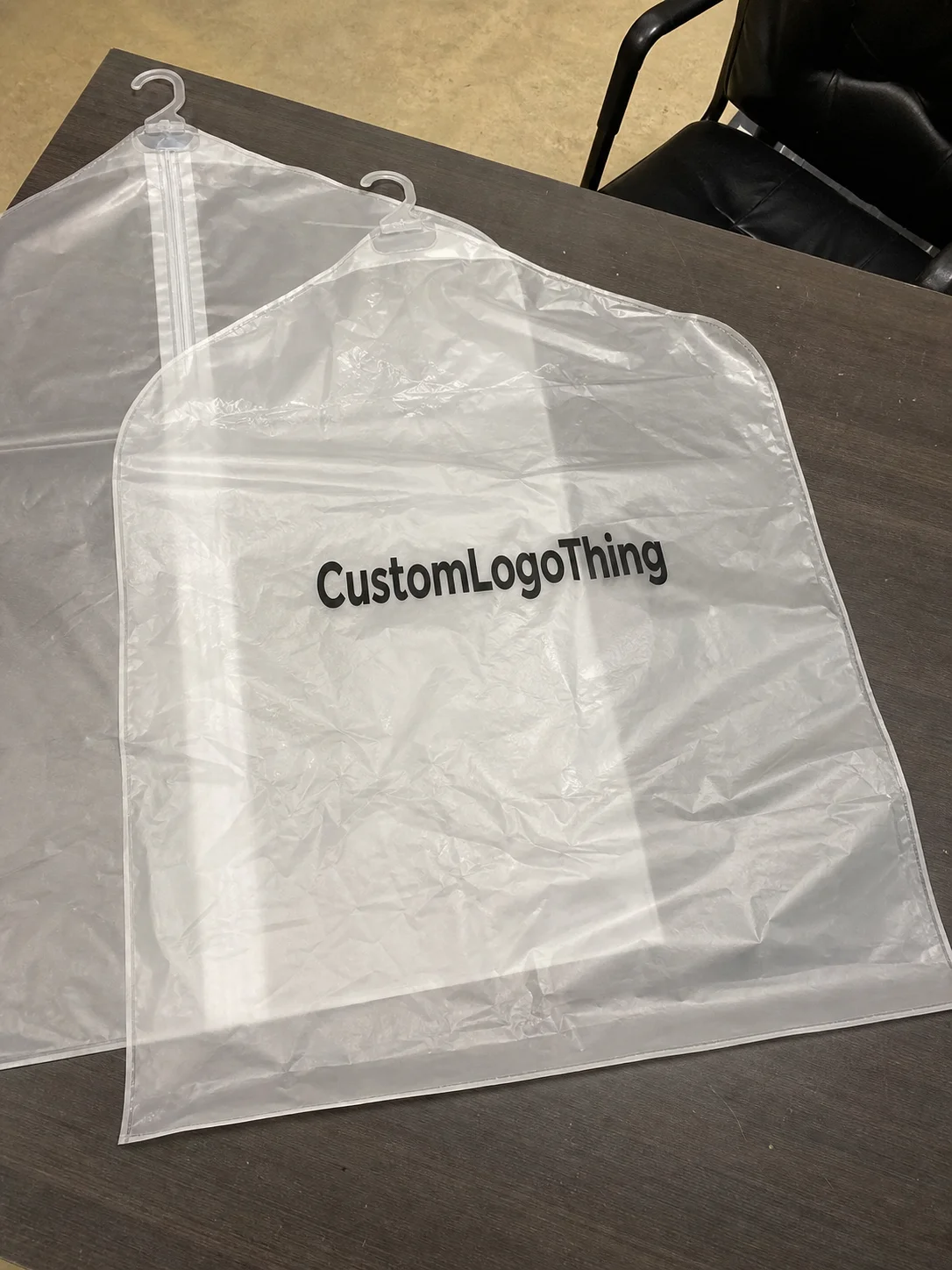
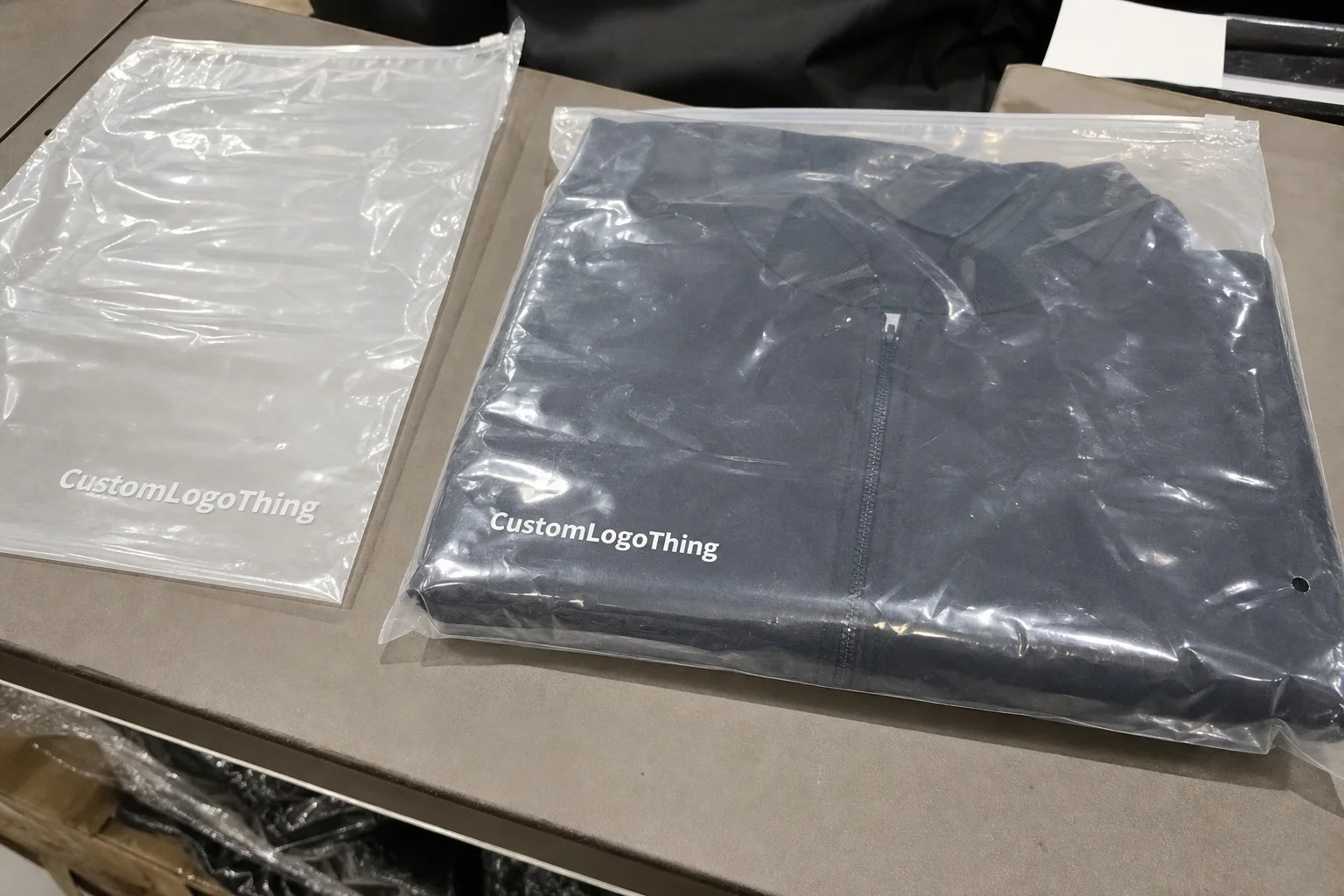
Buyer Fit Snapshot
| Best fit | Shipping Supplies Manufacturer projects where brand print, material claims, artwork control, MOQ, and repeat-order consistency need to be specified before quoting. |
|---|---|
| Quote inputs | Share finished size, material target, print colors, finish, packing count, annual reorder estimate, ship-to region, and any compliance wording. |
| Proofing check | Approve dieline scale, logo placement, barcode or warning zones, color tolerance, closure strength, and carton packing before bulk production. |
| Main risk | Vague material claims, crowded artwork, missing packing details, or unclear freight terms can make a low unit price expensive after revisions. |
Fast answer: Shipping Supplies Manufacturer: Quote Scope, Sample Proof, MOQ, and Lead Time should be specified like a repeatable production item. The safest quote records material, print method, finish, artwork proof, packing count, and reorder notes in one written spec.
Production checks before approval
Compare the actual filled-product size with the drawing, then confirm tolerance on folds, seals, hang holes, label areas, and retail display edges. Reserve space for logos, QR codes, warning copy, and material claims before decorative graphics fill the panel.
Quote comparison points
Review material grade, print process, finish, sampling route, tooling charges, carton quantity, and freight assumptions side by side. A quote is only useful when the supplier can repeat the same color, closure quality, and packing count on the next order.
I’ve spent enough time on loading docks in Chicago, in corrugated plants in Dongguan, and in buyer meetings in Atlanta to say this plainly: the carrier gets blamed for a lot of shipping damage that really started with a weak decision upstream. A good shipping supplies manufacturer can prevent that before a parcel ever reaches the truck, and that difference shows up in breakage rates, labor minutes, and even customer reviews. In one packaging audit I reviewed for a skincare brand shipping 18,000 units a month, the switch from an ill-fitting stock carton to a custom 275# test box reduced corner crush claims by 31% in eight weeks.
Many buyers still treat packaging like an afterthought until a box arrives crushed, a mailer tears at the seam, or fulfillment staff starts overfilling cartons just to make them “feel safe.” That is expensive. It is also avoidable when you know how a shipping supplies manufacturer works, what it controls, and where the hidden costs live. Honestly, I think packaging gets ignored precisely because it is boring right up until it costs you real money. Then suddenly everyone becomes a packaging expert overnight, usually after the first 200 units come back with dented corners and a $1.18 replacement cost per order.
What a Shipping Supplies Manufacturer Actually Does
A shipping supplies manufacturer produces the materials that protect products from the packing table to the customer’s doorstep. That includes corrugated boxes, poly mailers, padded mailers, inserts, tape, void fill, corner protection, labels, stretch wrap, and custom packaging systems built around one specific product line. If you run ecommerce shipping, the manufacturer is often the difference between a box that survives two conveyor transfers and one that collapses at the first drop. A standard 11 x 9 x 4 carton made from 32 ECT board behaves very differently from a 44 ECT carton with a 350gsm C1S artboard insert, especially when a 2.4 lb glass bottle is inside.
The surprising part is how often shipping damage is blamed on bad luck in transit packaging. It usually starts with a carton that is too large, a board grade that is too light, or a protective insert that was never tested with real product weight. I saw this repeatedly during a client visit in Dallas, where a beauty brand was using oversized boxes with 20% to 30% extra void fill because no one had measured the bottle neck height after the sprayer cap changed from 28 mm to 31 mm. The carrier took the blame. The real problem was upstream. I remember standing there with a tape measure in one hand and a coffee in the other thinking, “We are really paying extra to ship air.” That kind of mistake gets expensive fast, especially when dimensional weight adds $3.80 to a single zone-5 parcel.
A true shipping supplies manufacturer is not just a seller of shipping materials. It may have in-house converting, printing, die-cutting, lamination, slitting, and material sourcing under one roof. That matters because the more steps it controls, the less likely it is that a last-minute spec change gets lost between a broker, a distributor, and a subcontracted plant. In one factory-floor walk-through I did near Shenzhen, a plant manager showed me how a 2 mm change in carton depth changed pallet counts by 8% on a full container load. That is not a small thing when dimensional weight is driving freight bills and a 40-foot container is already booked at $4,600 to Long Beach.
Manufacturers, distributors, and brokers are not the same thing, even if they all send you quotes. A distributor stocks or resells products made elsewhere. A broker connects buyer and supplier, but often does not control the press, the die line, or the resin blend. A shipping supplies manufacturer actually makes the product or directly manages production. That control affects lead times, print consistency, and whether you can get a custom sample in 7 days or spend 4 weeks waiting for someone to “check with the plant.” In practical terms, a plant in Foshan or Ho Chi Minh City can usually quote a printed mailer with a 1-color logo faster than a trading company can locate the same stock through three middlemen.
There is also a big operational link between the manufacturer and order fulfillment. Packaging affects labor. A mailer that folds in one motion saves seconds per order. Multiply that by 12,000 parcels a week and you are suddenly talking about real payroll dollars. The right shipping supplies manufacturer can help reduce pack-out time, limit rework, and improve package protection without forcing your team to use three extra SKUs. That’s the kind of boring math I trust, because boring math usually saves money. If one mailer saves just 6 seconds on pack-out, a team processing 1,500 orders a day recovers 2.5 labor hours daily, or about 62 hours a month on a 25-day schedule.
“The cheapest box is rarely the cheapest packaging,” a warehouse director told me during a supplier review in Newark, New Jersey. He was right. His team had saved $0.04 per unit on cartons and lost more than that in damage claims, repacking labor, and carrier adjustments. On 10,000 shipments, that tiny price gap turned into a four-figure monthly loss.
If you already know your packaging pain points, start by reviewing your current Custom Packaging Products and compare them against your actual damage and labor data. If you sell apparel, cosmetics, or subscription products, a Custom Poly Mailers spec may be the cleanest place to begin, especially if your target film thickness is 2.75 mil or 4.0 mil LDPE. If you ship heavier goods, a Custom Shipping Boxes review usually reveals the fastest savings, particularly when moving from a 24 ECT stock box to a 44 ECT custom die-cut design.
How a Shipping Supplies Manufacturer Works From Quote to Delivery
The best shipping supplies manufacturer follows a process, not a guess. In my experience, the workflow usually starts with discovery: what are you shipping, how fragile is it, what are the dimensions, what are the expected volumes, and what does the brand want the unboxing to feel like? After that comes specification review, sampling, quotation, production, quality checks, and shipment coordination. For a 5,000-piece run, a competent plant will often ask for carton outside dimensions, product weight to the nearest 0.1 oz, and whether the item needs a matte aqueous coating or a gloss UV finish.
At the quote stage, buyers need to provide real details. Not “small box” or “mailer for skincare.” I mean product dimensions to the millimeter, finished weight, surface sensitivity, drop risk, storage conditions, monthly volume, and whether the packaging needs print registration or a retail-ready finish. A competent shipping supplies manufacturer will ask whether the item is shipped singly, in multi-packs, or as part of a kitted order because that affects board strength, insert design, and pack sequence. If a supplier doesn’t ask these things, I start to wonder what exactly they’re selling besides optimism. A box spec like 8.5 x 6.25 x 3.5 inches with a 0.125-inch tolerance is a real production input; “roughly that size” is not.
Custom work is slower because setup exists. Stock items can move quickly, especially if the plant already has them slotted, printed, or converted. A plain kraft mailer may ship in 3 to 5 business days. A Custom Printed Corrugated insert with die-cut windows may need 12 to 15 business days after proof approval, and that can stretch if a board grade is backordered. I’ve watched production slip by a week because a buyer changed logo placement after the proof was signed. That is a classic avoidable delay. And yes, someone always says, “It’s just a small tweak,” right before the schedule falls apart. On one run in Monterrey, a two-word copy edit pushed the finishing line back 6 days because plates had already been approved.
A practical timeline usually looks like this:
- Discovery and spec gathering: 1 to 3 days if the buyer has good measurements.
- Sampling or prototype build: 3 to 10 business days for most custom packaging.
- Quotation and approval: often 24 to 72 hours for stock, longer for tooling-heavy jobs.
- Production: 5 to 20 business days depending on print coverage, board type, and volume.
- Freight and delivery: 1 to 7 days domestic, longer for export or consolidated loads.
Where do delays usually happen? Three places: proofing, material sourcing, and freight booking. A shipping supplies manufacturer can be ready to run, but if the chosen flute grade is on allocation or the carrier misses a pickup window, the schedule moves. This is why I tell clients to ask whether the supplier has backup material options and whether they keep enough inventory to handle repeat runs. A plant in northern Vietnam that keeps both B-flute and E-flute stock on hand can often recover a schedule in 48 hours; one that has to source every roll after approval cannot.
Manufacturers also coordinate how the goods are shipped out. Some orders go palletized, especially larger cartons or heavy void-fill rolls. Some ship boxed on skids. Others move in bulk with stretch wrap and edge protection. If you are managing a warehouse with limited dock doors, that detail matters. I once visited a fulfillment center in Columbus, Ohio, that was ordering loose-packed mailers in mixed carton counts from a broker. Their receiving team spent 90 minutes sorting one delivery because no one had standardized pallet labels. A more organized shipping supplies manufacturer could have saved the crew an hour that day alone. The receiving manager actually laughed, then sighed, then stared at the stack of cartons like they had personally offended him.
Key Factors That Separate a Good Shipping Supplies Manufacturer
Not all suppliers that call themselves a shipping supplies manufacturer deserve the same trust. The strongest ones do a few things consistently: they source traceable materials, test performance, offer real customization, and communicate clearly when an issue appears. Weak suppliers hide behind vague language like “premium quality” without telling you the board basis weight, recycled content, or performance standard. A serious quote should mention details like 32 ECT, 44 ECT, 2.5 mil film, 4-color CMYK, or a 350gsm SBS or C1S substrate.
Material quality comes first. For corrugated, I want to know flute type, liner grade, bursting strength or edge crush data, and whether recycled fibers are affecting print holdout. For mailers, I look at film thickness, seam strength, and puncture resistance. For inserts and protective wraps, I ask about density, compression recovery, and moisture behavior. A serious shipping supplies manufacturer should be able to explain those in plain English, not only in a spec sheet. If a supplier says a mailer is “strong” but cannot give a tensile strength number or seal width, that is not enough for a buyer shipping 8,000 units a month out of Memphis or Phoenix.
Testing is another line in the sand. If a supplier cannot talk intelligently about ASTM methods, ISTA procedures, or basic compression and drop testing, I become cautious. The International Safe Transit Association has widely used test standards that help packaging teams simulate real shipment stresses; see ISTA for more context. For fiber sourcing, FSC certification can matter if your brand publishes sustainability claims, and the Forest Stewardship Council is a useful reference point at fsc.org. A plant that can cite ISTA 3A or ISTA 1A and explain what it means in terms of 24-inch drops and compression load is usually one I trust more than one that waves around a glossy brochure.
I also look at customization depth. Can the shipping supplies manufacturer print in one color, two colors, or full process? Can it die-cut inserts in one pass, or does it outsource the toolmaking? Can it move from a 500-unit pilot to a 50,000-unit reorder without changing the structure? Those details determine whether your packaging program can grow with sales, or whether it has to be redesigned every time volume jumps. A plant in Shanghai that can hold artwork registration within 1.5 mm across a repeat run is playing a very different game from one that relies on hand-trimmed samples.
Minimum order quantities matter, too. A supplier quoting a beautiful custom solution may only accept 5,000 units per run, while another can support 1,000-piece pilots and still maintain quality. That gap can be the difference between testing a new box on one product line and committing your entire annual budget before you have proof. A flexible shipping supplies manufacturer is usually more valuable in the first 6 months of a product launch than the one with the flashiest sample room. For a startup shipping from Austin or Portland, a 1,500-piece pilot at $0.38 per box can be a smarter move than a 10,000-piece run at $0.29 if the product is still changing.
Sustainability and compliance belong in the same conversation. Buyers increasingly ask for recycled content, recyclable formats, and lower-plastic options, but not every product can use the same material. Moisture resistance, FDA-related indirect contact concerns, or specific carrier rules may change the answer. A good shipping supplies manufacturer will tell you where a greener option works and where it fails. That honesty is worth more than a glossy brochure. A 100% recycled mailer may be great for tees shipped from Louisville, but a high-humidity cosmetics shipment headed to Miami may need a different film blend.
| Supplier Type | Controls Production? | Lead Time Control | Customization Depth | Typical Risk |
|---|---|---|---|---|
| Manufacturer | Yes | High | High | More setup time for custom runs |
| Distributor | No | Moderate | Low to moderate | Stock dependent, limited spec control |
| Broker | No | Low | Varies by plant | Quality and timeline can be harder to verify |
Service quality is the final separator. I’ve seen two bids come in within 4 cents per unit of each other, yet one supplier answered sample questions in 90 minutes while the other took 5 business days and still missed the artwork note. That’s not a minor difference. In order fulfillment, slow communication becomes a warehouse problem very quickly. If your shipping supplies manufacturer cannot answer a reorder question before lunch, you may be short on cartons by Friday. A reliable account manager in Suzhou or Nashville should be able to confirm repeat-run pricing, press proof timing, and pallet counts in the same day.
For brands working with About Custom Logo Things, the goal should be simple: packaging that protects the product, supports the brand, and fits the real production rhythm of the business. That sounds basic. It rarely is. A 1-color kraft print on a 2000-piece run in July will behave differently from a foil-stamped rigid mailer in November, and a thoughtful supplier should know the difference before you ask.
Shipping Supplies Manufacturer Pricing: What Affects Cost
Pricing from a shipping supplies manufacturer can look confusing until you break it into components. Material type is the biggest one. A heavier corrugated board, a high-barrier poly mailer, or a specialty cushioning insert costs more than a basic stock alternative. Size matters next, because larger formats use more material and may increase freight due to dimensional weight. Print coverage, tooling, and order volume follow close behind. A 10 x 8 x 4 box in 32 ECT kraft will not price like an 18 x 12 x 6 mailer carton with 2-color print and a custom insert cut on the same line.
Here is the blunt truth: custom items often cost more upfront and less per unit at scale. That is because the setup cost gets spread over more pieces. For a simple example, a custom carton might carry a $280 die charge and $180 in plate setup, then drop sharply in unit cost once you move from 2,000 to 10,000 units. A stock box skips those setup expenses but may fit poorly and waste space. A good shipping supplies manufacturer will show you both options instead of forcing one answer. I have seen a 6,000-unit order fall from $0.91 to $0.57 per unit after a die charge was amortized over a higher reorder, which made the earlier setup fee look much smaller in context.
There are also hidden costs that buyers forget to include. Rush fees can add 10% to 20% on urgent production. Storage costs appear when you buy too much at once. Redesigns are expensive when artwork or sizing changes after approval. And under-spec packaging can trigger returns, product replacement, and labor rework that dwarf the original savings. In a supplier negotiation I handled for a home goods brand in Charlotte, the initial quote difference between two carton options was only $0.06 per unit. The less expensive option increased damage by 2.8%, and the “saved” money disappeared after the third freight claim. That was one of those moments where the spreadsheet looked clever and reality looked rude.
Freight distance matters more than many people expect. If your shipping supplies manufacturer is on the West Coast and your fulfillment center is in Ohio, pallet shipping can change the landed cost by several cents to several dollars per unit depending on weight. That is where dimensional weight enters the conversation. Packaging that is only 1 inch too large in each direction can push a shipment into a higher billing tier, especially for ecommerce shipping with parcel carriers. A carton moving from 12 x 10 x 8 to 13 x 11 x 9 inches can look minor on paper and still trigger a higher zone charge on 900 monthly parcels.
Below is a simple comparison that I use when helping buyers evaluate stock versus custom packaging economics.
| Packaging Option | Upfront Cost | Per-Unit Cost at Scale | Setup Needs | Best For |
|---|---|---|---|---|
| Stock corrugated box | Low | Moderate | None | Fast replenishment, standard products |
| Custom printed box | Moderate to high | Lower after volume increases | Dies, plates, proof approval | Brand presentation, precise fit |
| Custom poly mailer | Moderate | Low at larger runs | Artwork, film spec, seal testing | Apparel, soft goods, lightweight orders |
A smart quote request should ask every shipping supplies manufacturer to price the same spec. That means the same dimensions, board grade, print colors, quantity, pallet count, and delivery location. If one supplier prices a 32 ECT box and another prices a 44 ECT box, the comparison is meaningless. I’ve seen buyers pick the cheaper quote only to realize they were not comparing the same wall strength at all. That sort of thing can make a procurement team look brilliant in the meeting and confused in the warehouse, which is not a great trade. Ask for pricing on a 5,000-piece run to Chicago and a 10,000-piece run to Phoenix if you want a real apples-to-apples view.
If you are reviewing cost against your current packaging materials, ask for a landed-cost summary that includes freight, storage, and expected damage rate. That number is often more honest than the unit price. A strong shipping supplies manufacturer will not object to that request; in fact, the good ones appreciate buyers who understand the full picture. A quote that shows $0.42 per unit, $310 freight, and a 1.2% damage allowance is far more useful than a “cheap” box quote with no delivery math attached.
Step-by-Step Guide to Choosing the Right Shipping Supplies Manufacturer
The best way to choose a shipping supplies manufacturer is to work through the process in the same order your packaging will face in the real world. Start with what you ship now. Audit the current cartons, mailers, inserts, tape usage, and damage complaints. On one audit for a subscription brand in San Diego, we found that 17% of their boxes were overfilled because the item dimensions had changed after a product refresh. Nobody had updated the packaging spec, so the warehouse was basically improvising every day. I still remember the team member shrugging and saying, “We just make it fit.” Which is exactly how people end up with crushed corners and unnecessary repacks.
Step 1: Audit your current shipping setup
List the products, weights, dimensions, breakage points, and pack-out time. If your team spends 40 seconds more per order because they need to hunt for a second insert, that is a real cost. A strong shipping supplies manufacturer can help identify those pain points if you give them the facts, not just a purchase order. If your order line in Miami packs 600 units per shift, a 12-second slowdown on each unit adds two hours of labor in a single day.
Step 2: Define requirements by use case
Separate your needs by product category, shipping method, and brand presentation. Apparel usually needs different package protection than glass jars. Cold-weather shipping may require different adhesives than summer fulfillment. If your shipping supplies manufacturer knows whether the package rides parcel, LTL, or a regional courier, it can recommend better shipping materials from the start. A resealable poly mailer for a lightweight T-shirt should not be spec’d the same way as a die-cut carton holding ceramic cookware shipped out of Dallas in August.
Step 3: Compare manufacturers on capability, not promises
Ask what they make in-house, what they source externally, and what testing they can document. A supplier that controls printing, die-cutting, and converting can usually respond faster and keep specs tighter. Compare lead times, minimum order quantities, sustainability options, and reorder consistency. Then compare service. A shipping supplies manufacturer that returns a sample overnight may save you more than a slightly cheaper one that keeps you waiting. If one plant in Guangzhou quotes 14 business days and another quotes 23 business days, the difference can decide whether your Q4 launch ships on time.
Step 4: Request samples and test them honestly
Do not accept sample approval based only on appearance. Put the sample around the actual product, drop it, shake it, stack it, and send a few through your packing line. If you can, test against ISTA-style conditions or at least a simplified version that reflects your distribution path. The point is to see whether the shipping supplies manufacturer has built something that works in the real world, not just on a desk. For a 24-ounce candle in a 0.045-inch wall box, a 3-foot drop on all edges is far more revealing than a photo on a spec sheet.
Step 5: Run a pilot before scaling
A pilot order is cheap insurance. Use 500 units, track damage rates, measure pack time, and ask your warehouse team for honest feedback. In one client meeting in Nashville, a packer told me the new mailer looked great but saved no time because the adhesive strip was placed 1.5 inches too low. That single detail meant an extra fold every time. The shipping supplies manufacturer adjusted the die line, and the rework stopped. That’s the kind of fix that sounds tiny and ends up mattering a lot.
To keep the process organized, I like a simple comparison grid like this:
- Material capability: Can the supplier make the exact board, film, or insert you need?
- Testing support: Can it document compression, drop, or puncture performance?
- Lead time: Does it quote a believable schedule with proof approval built in?
- Price structure: Does it separate setup, freight, and repeat-run pricing clearly?
- Communication: Do you get clear answers within 1 business day?
If you find yourself torn between two suppliers, choose the shipping supplies manufacturer that helps you make fewer mistakes later. That usually beats the one with the lowest initial quote. A box that arrives on day 14 with the correct flute, artwork, and pallet count is more valuable than one that arrives on day 10 and creates a week of rework.
Common Mistakes Buyers Make With Shipping Supplies Manufacturers
The first mistake is obvious once you have seen enough quotes: buying on unit price alone. A shipping supplies manufacturer can offer a lower per-piece number and still cost more after freight, damage, storage, and labor are included. I have watched procurement teams celebrate a savings of $1,200 on cartons while ignoring $4,800 in claim-related replacement costs over the next quarter. That kind of victory is a little too much like winning a race and then realizing you ran the wrong direction.
The second mistake is ordering packaging before finalizing product dimensions. Products shift. Jar caps change. Inserts get redesigned. If your current product weighs 14 ounces but your next run weighs 18 ounces, the packaging spec may need to change too. A careful shipping supplies manufacturer will ask about those shifts, but buyers should bring the information early. A 6-ounce difference sounds small until it pushes a carton from one board grade to another and adds 18% to the failure rate in transit.
The third mistake is ignoring lead times until inventory runs out. Packaging is not something you can always buy at the last minute, especially if the SKU requires custom print or die tooling. Seasonal spikes make this worse. If your ecommerce shipping volume doubles in November, the reorder point should reflect that reality. A good shipping supplies manufacturer will help forecast, but only if you share demand data. If a plant says 12 to 15 business days after proof approval, your team should back up from that date and add freight time before placing the order.
Another common error is skipping testing because the box “looks strong enough.” Looks are not load-bearing. A box that survives on a conference table may fail under pallet stacking, humidity, or courier handling. I’ve seen brands use oversized void fill because no one tested pack-out under actual line speed. Then fulfillment staff started packing in a way that looked safe but wasted time and materials. A reliable shipping supplies manufacturer should welcome testing, not fear it. If the supplier cannot show a 275# DWT test result or a realistic compression spec, I would treat that as a warning sign.
Finally, many buyers forget that packaging must fit the warehouse and the brand at the same time. A beautiful rigid mailer that slows packing by 12 seconds per unit may be a bad choice for high-volume order fulfillment. A plain carton that protects the product but arrives dented because the board is too light may hurt brand perception. Good packaging is a balancing act, and the right shipping supplies manufacturer knows that. I have seen a premium 4-color printed box at $0.78 per unit outperform a $0.61 stock mailer because the customer photos looked better and return rates dropped by 1.9%.
Expert Tips for Working Better With a Shipping Supplies Manufacturer
Use one scorecard for every shipping supplies manufacturer you evaluate. Give points for material capability, sample speed, price clarity, testing support, sustainability options, and communication. When every supplier is judged against the same sheet, the decision gets much clearer. You stop reacting to a nice sales pitch and start comparing real value. A scorecard with six criteria and a 1-to-5 scale can tell you more than a one-hour Zoom call in Guangzhou or Grand Rapids.
Build a forecast that includes safety stock and reorder points. I know that sounds basic, but too many companies wait until they have 10 days of packaging left and then pay rush freight on 2 pallets. A better plan is to keep enough stock to cover lead time plus a cushion for sales spikes. Your shipping supplies manufacturer can help calculate that if you share monthly usage history. If you use 8,500 boxes a month and the lead time is 15 business days, a 3-week safety stock often makes more sense than a heroic last-minute reorder.
Ask for material alternatives when prices rise. Sometimes a board change, a different flute structure, or a revised insert cutout can preserve package protection while lowering cost. I’ve seen a shift from a heavier board to a better-fit structure save 9% in freight and still pass testing. That is the kind of conversation a thoughtful shipping supplies manufacturer should be ready to have. In one case, moving from a double-wall box to a tighter single-wall design with a die-cut insert shaved $0.11 per unit across 20,000 annual units.
Document your packaging standards. Keep the approved dimensions, artwork files, test results, and reorder notes in one place. That documentation protects you when staff changes or when a supplier’s account manager rotates. It also keeps your shipping supplies manufacturer aligned with the version That Actually Worked in production, not the one everyone remembers vaguely from six months ago. A shared spec sheet with revision dates, approved ink codes, and pallet counts can prevent hours of back-and-forth later.
One more practical point: ask for two sample options, not one. Compare a cost-optimized version and a performance-optimized version. In a supplier negotiation last spring in Seattle, a brand realized that moving from a 1-color print box to a simpler kraft version saved only $0.03 per unit but cut brand recognition sharply in customer photos. That trade-off may be fine for some businesses and terrible for others. The right shipping supplies manufacturer will help you see both sides. Sometimes the better box is the one that costs $0.05 more and reduces replacements by 0.7%.
If you are building or refreshing your shipping program, keep the next steps simple: gather current specs, request two sample options, test them in your actual fulfillment flow, and compare damage plus labor time. Do that before you scale. Do it before seasonal demand hits. And do it with a shipping supplies manufacturer that answers questions like a partner, not a catalog. A plant in Dongguan, Cleveland, or Tijuana should be able to talk about your packaging the way a production manager talks about a deadline: specifically, with numbers, and without guessing.
For buyers who want to tighten ecommerce shipping performance while keeping packaging costs sane, the smartest move is usually to pair product data with the right supplier. That is where a trusted shipping supplies manufacturer becomes more than a vendor. It becomes part of your operating system, especially when the choice is between a 2% damage rate and a 0.7% damage rate across 30,000 annual shipments.
FAQ
What does a shipping supplies manufacturer make?
A shipping supplies manufacturer produces packaging used to store, protect, and ship products, including boxes, mailers, tape, cushioning, inserts, labels, and void fill. Some also handle custom printing, structural design, and kitting support, which can reduce the number of vendors a buyer has to manage. Depending on the plant, that may include 32 ECT cartons, 2.5 mil poly mailers, and die-cut inserts made from 350gsm board.
How do I compare shipping supplies manufacturers?
Compare material quality, lead times, minimum order quantities, customization options, testing support, and total landed cost. Ask each shipping supplies manufacturer for the same dimensions, board grade, print requirements, and delivery location so the pricing is truly comparable. A quote for 5,000 pieces delivered to Atlanta is not the same as a quote for 5,000 pieces delivered to Reno if freight and dock handling differ.
What affects the price from a shipping supplies manufacturer?
The biggest pricing factors are material choice, size, print complexity, order volume, tooling, and freight charges. A shipping supplies manufacturer may also charge more for rush production, redesigns, or special shipping requirements that add handling steps. For example, a 4-color printed carton with a custom die can cost $0.38 to $0.65 per unit at 10,000 pieces, while a stock box may come in much lower but fit poorly.
How long does it take to order custom shipping supplies?
Stock items can ship quickly, while custom packaging usually takes longer because of design approval, sampling, and production setup. Delays from a shipping supplies manufacturer often happen during proofing, material sourcing, or freight scheduling, especially when artwork changes late in the process. A typical custom run is often 12 to 15 business days from proof approval, plus 2 to 7 days for domestic freight depending on the lane.
What should I ask a shipping supplies manufacturer before ordering?
Ask about testing methods, lead times, minimums, sustainability options, reorder consistency, and what happens if a shipment arrives damaged. Request samples and a clear breakdown of all pricing components before you commit to a shipping supplies manufacturer. If you can, ask for board specs, film thickness, pallet counts, and a landed-cost quote to your fulfillment center in one email.
If you want packaging that does more than just fill a shelf, talk to a shipping supplies manufacturer the way an operations team would: with measurements, sample tests, freight assumptions, and a clear idea of what success looks like. That is how you get better package protection, cleaner order fulfillment, and fewer surprises in transit packaging. The takeaway is simple: pick the supplier that can prove fit, test performance, and landed cost before you scale, then lock that spec down before the next reorder sneaks up on you. It is also how brands turn shipping supplies manufacturer decisions into a real advantage instead of a recurring headache, whether the production happens in Dongguan, Chicago, or Monterrey.