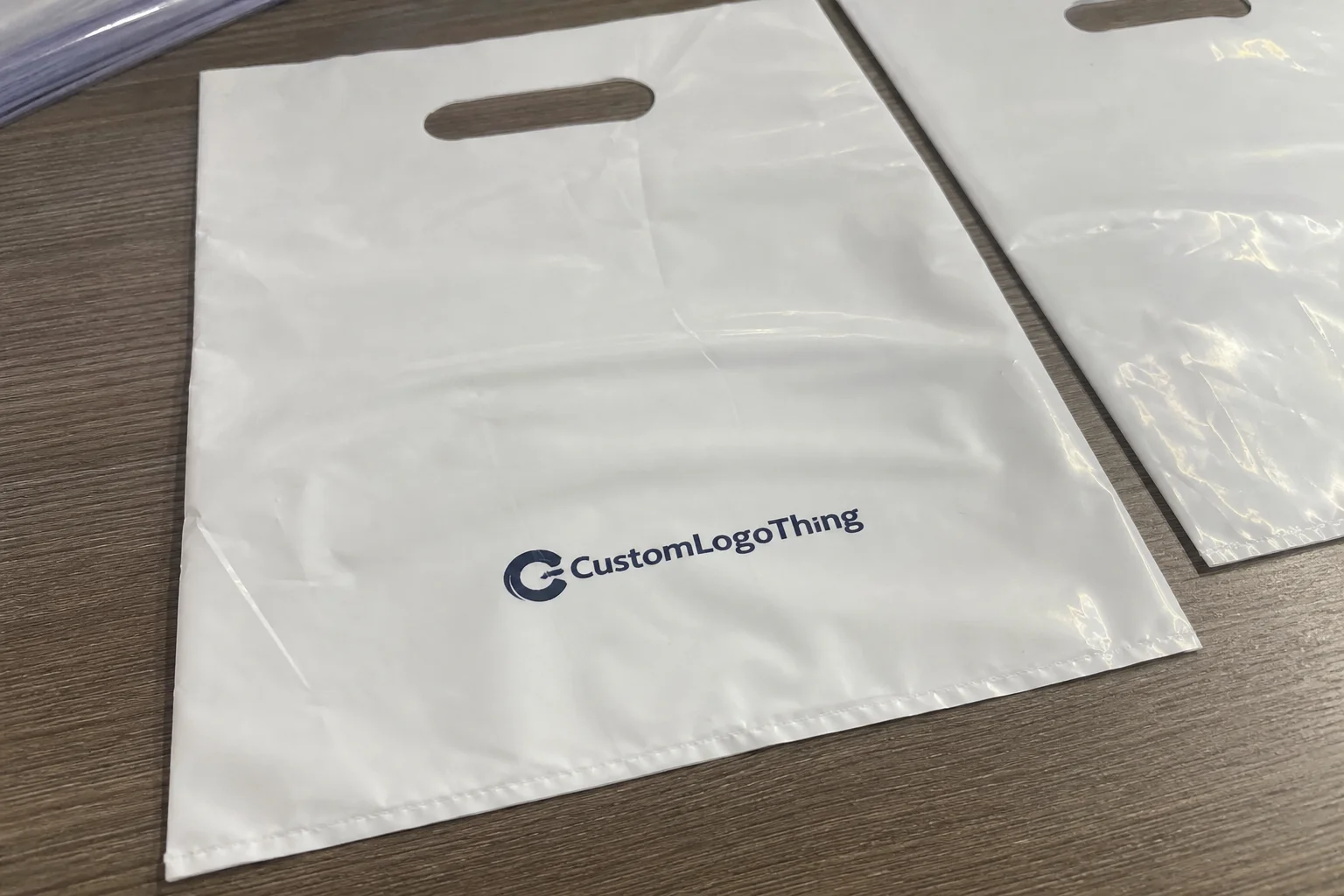
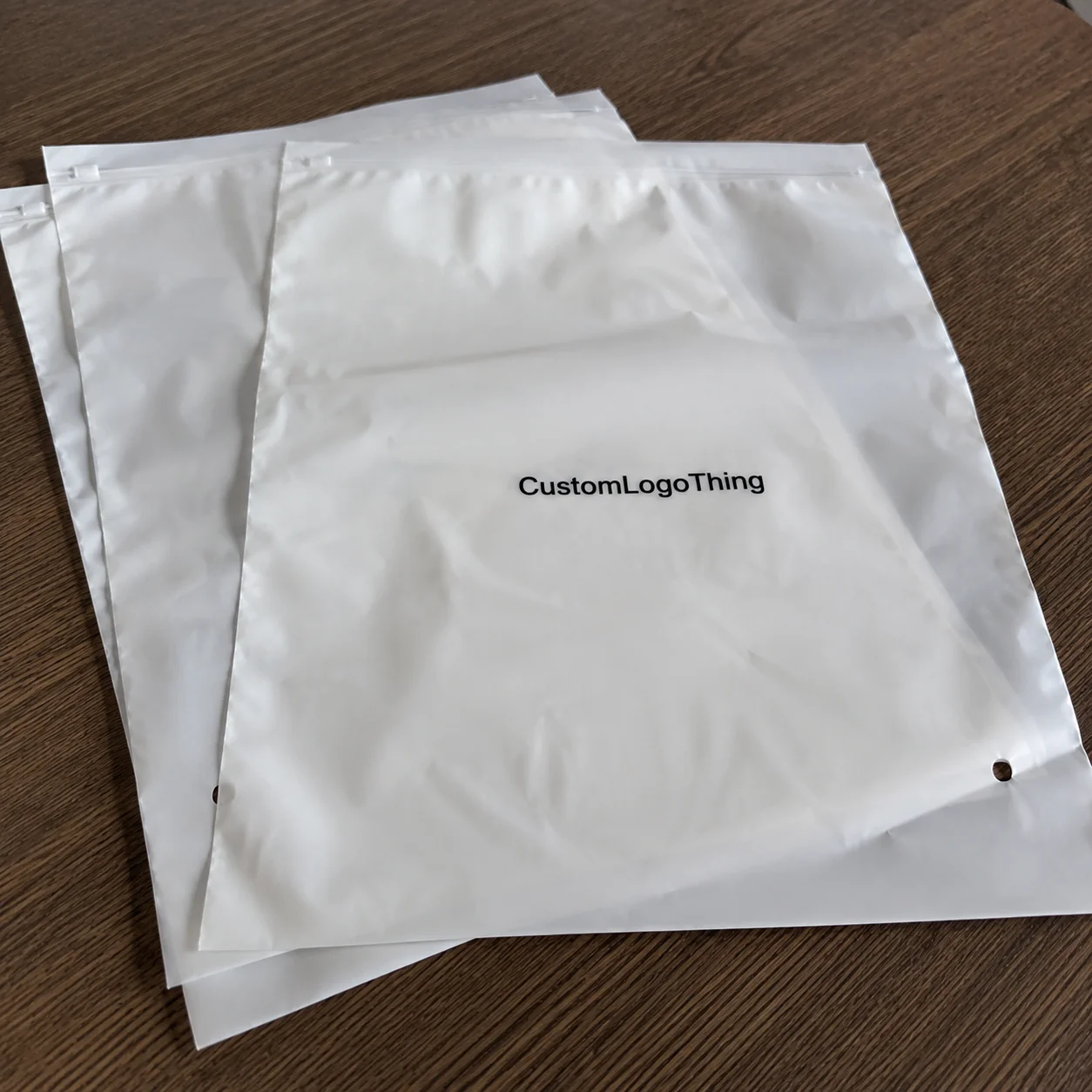
Buyer Fit Snapshot
| Best fit | Personalized Packaging for Retail Brands projects where brand print, material claims, artwork control, MOQ, and repeat-order consistency need to be specified before quoting. |
|---|---|
| Quote inputs | Share finished size, material target, print colors, finish, packing count, annual reorder estimate, ship-to region, and any compliance wording. |
| Proofing check | Approve dieline scale, logo placement, barcode or warning zones, color tolerance, closure strength, and carton packing before bulk production. |
| Main risk | Vague material claims, crowded artwork, missing packing details, or unclear freight terms can make a low unit price expensive after revisions. |
Fast answer: Personalized Packaging for Retail Brands: Quote Scope, Sample Proof, MOQ, and Lead Time should be specified like a repeatable production item. The safest quote records material, print method, finish, artwork proof, packing count, and reorder notes in one written spec.
Production checks before approval
Compare the actual filled-product size with the drawing, then confirm tolerance on folds, seals, hang holes, label areas, and retail display edges. Reserve space for logos, QR codes, warning copy, and material claims before decorative graphics fill the panel.
Quote comparison points
Review material grade, print process, finish, sampling route, tooling charges, carton quantity, and freight assumptions side by side. A quote is only useful when the supplier can repeat the same color, closure quality, and packing count on the next order.
I remember standing on a noisy packing floor in New Jersey, near a stretch of warehouse space outside Newark where the forklifts moved like impatient taxis, with the smell of hot glue in the air and a stack of cartons that looked gorgeous on screen, only to watch one tip in a 24-inch conveyor transfer and come out the other side scuffed, dented, and basically useless for retail. That is the part most people miss about Personalized Packaging for Retail brands: the smartest package starts with structure, not graphics, because retail packaging has to survive pallet wrap, warehouse handling, store resets, and customer handling before anyone notices the logo. A pack that survives a 72-hour distribution loop from a New Jersey co-packer to a Chicago DC and then onto a shelf in a suburban chain store has earned its keep.
In my experience, personalized Packaging for Retail brands works best when it balances brand expression with the practical realities of product packaging, and that means thinking about board grade, print method, inserts, coatings, and shelf behavior long before anyone starts arguing about font size like it is a matter of national security. I have seen a brand spend $18,000 on beautiful artwork and then lose the job because the neck of the bottle did not sit securely in the tray. Honestly, that happens more often than people think, which is both expensive and mildly absurd. For a typical 5,000-piece run, a properly specified insert might cost only $0.15 per unit, while the wrong tray can create returns that cost ten times that in labor and restocking.
What Personalized Packaging for Retail Brands Really Means
Personalized Packaging for Retail brands means packaging tailored to one brand’s product, audience, and selling environment, rather than a generic stock box with a logo slapped on top. It can include a fully custom structure, branded packaging graphics, inserts molded to the product, retail-ready finishing, and the right substrate for the price point. The key idea is fit: fit for the item, fit for the shelf, and fit for the customer who picks it up in aisle 7 or opens it at home and says, “Okay, this actually feels like something I paid for.” In practical terms, that might mean a 350gsm C1S artboard folding carton for a $14 skincare item, or an 18pt SBS sleeve with a 1.5 mm paperboard insert for a small electronics accessory sold through a regional chain in Texas and Arizona.
Here is a distinction I make in client meetings, especially with newer teams, because people love to mash these terms together until they mean nothing. Custom packaging usually means the size, structure, or print is made specifically for a product. Branded packaging emphasizes the logo, colors, and identity. Private-label packaging often refers to packaging for a retailer’s owned brand, where consistency across many SKUs matters more than one-off flair. Personalized Packaging for Retail brands sits between those ideas and focuses on brand expression, product protection, and merchandising performance all at once. If a retailer in Minneapolis wants 12 SKUs to share one visual system, that is where this approach pays off in a very measurable way.
Personalization can be as simple as a one-color logo on kraft folding cartons, or as involved as custom printed boxes with foil stamping, embossing, die-cut windows, and a tailored insert. I have seen cosmetic brands use a 350gsm SBS paperboard mailer with a matte aqueous coating and still look premium because the layout was disciplined and the structure opened cleanly. I have also seen expensive rigid boxes fail because the lid fit was loose by 2 mm. That tiny gap is the kind of thing that drives people in packaging circles a little crazy, because presentation matters, but so does precision. A press proof that is off by even 0.5 mm can show up as a visible misalignment once the box is glued and folded at scale in a plant in Dongguan or a converter in Pennsylvania.
When retail buyers talk about shelf appeal, they are usually talking about two things at the same time: how quickly the pack communicates the product, and whether it feels worth the asking price. Personalized packaging for retail brands helps with both. A clean carton with a well-placed foil mark can raise perceived value, while a stronger insert can reduce breakage and returns. That combination is why I always treat packaging design as both a branding decision and an operations decision. If the box is pretty but flimsy, the shelf will punish it. Retail has a way of doing that, especially in high-turn categories where a single damaged unit can sit under fluorescent lighting in St. Louis for a week and quietly undermine the whole display.
I have had retailers tell me, “If it looks premium but arrives damaged, it is not premium.” That line has stayed with me for years, because it sums up retail packaging better than any slide deck ever could. On one launch, a chain buyer in Atlanta rejected 4,800 units after a corner crush rate came in above 3%, and the conversation ended before anyone got to the branding deck.
How Personalized Packaging for Retail Brands Works
The production flow for personalized packaging for retail brands usually starts with discovery. A brand shares product dimensions, target retail channels, target cost, and the feel they want to project, whether that is mass-market, boutique, or luxury. From there, the packaging team develops the structure, often using a dieline drawn in CAD or Illustrator, then checks how the product fits with headspace, closure style, and transit protection in mind. If the item is a 10 oz glass bottle, for example, the team may specify a 400gsm C1S carton with a 16pt insert and a 0.5-inch top clearance so the cap does not punch through during a 36-inch drop test.
After the dieline comes the structural mockup. In the better shops I have visited, the team will run a plain white sample on a digital cutter before artwork ever touches the board. That mockup shows whether the flap locks, whether the tray holds the product upright, and whether a retail shelf facings plan will work. I remember a snack client in Pennsylvania who saved three weeks because the mockup exposed a flap collision with the barcode panel before production began. That is the kind of boring, invisible win that keeps a project from turning into a small disaster. In that case, the fix took one day in Easton, not two additional weeks of retooling at the converter.
Once the structure is right, artwork setup begins. This is where packaging design becomes more technical than most people expect: bleed, safe zones, barcode quiet zones, varnish layers, white ink underprints, and Pantone matching all matter. For personalized packaging for retail brands, proofing is not cosmetic; it is a production control step. A 0.5 mm shift in type placement can look tiny on a screen and terrible on a press sheet, and suddenly everyone is staring at a box wondering how it went sideways so fast. A barcode that scans at 98.6% on the proof but drops to 91% after lamination can be enough to trigger a retail rejection in a warehouse in Ohio.
Manufacturing methods vary by order size and finish complexity. Offset printing is common for larger runs of folding cartons and custom printed boxes because it gives sharp detail and consistent color across long production sheets. Digital printing works well for shorter runs, seasonal drops, or multiple SKU versions, especially when a brand needs faster turnaround. Flexographic printing shows up often in corrugated packaging and shipping mailers, while litho-lamination is used when a printed top sheet needs to be mounted to corrugated board for a stronger retail look. A 5,000-piece digital run might be ready in 10 to 12 business days from proof approval, while a litho-laminated corrugated program produced in Guangdong or Ohio may need 15 to 20 business days depending on finishing and packing.
Material selection is another big fork in the road. SBS paperboard is a favorite for cosmetics, supplements, and lightweight consumer goods because it prints cleanly and folds crisply. Kraft board signals natural, earthy, or eco-friendly positioning and works nicely for branded packaging that wants an understated look. E-flute corrugated board is common where crush resistance matters, and rigid chipboard is still the standard when a premium unboxing moment is part of the plan. For personalized packaging for retail brands, the substrate usually tells half the story before the copy even gets read. If the board feels cheap, the shopper notices. They may not say it out loud, but they notice, especially under store lights in a Target-style aisle where everything else is competing for attention at arm’s length.
Common finishes and what they actually do
Foil stamping adds a metallic accent, embossing raises an element off the surface, spot UV places a gloss highlight over matte stock, and soft-touch coating gives the pack a velvet-like feel that customers notice immediately. A die-cut window can expose the product itself, which helps when color, texture, or formulation is part of the sell. In one beauty line I reviewed, the team paired a 16pt C1S carton with soft-touch lamination and one narrow silver foil line, and the result felt more expensive than packs that used three or four effects. That is a useful lesson for personalized packaging for retail brands: one strong detail often beats five average ones. Too many finishes can start to feel like someone emptied the sample cabinet onto the box, which is a problem I have seen in both Los Angeles and Shenzhen.
Quality control sits throughout the process, not just at the end. Good factories check ink density, registration, fold scores, adhesive bonds, and carton squareness. Color management usually tracks toward a target like Delta E tolerances, and many plants will compare against a physical master sample under controlled lighting. If the pack needs to meet retail handling requirements, teams may use transit testing methods aligned with standards from organizations like the International Safe Transit Association or material expectations shaped by ASTM guidance. For sustainability claims, I always remind brands to verify sourcing and certification claims directly with the supplier rather than trusting whatever sounds nice on a quote sheet. In practice, that means asking for FSC transaction certificates, mill documents, and coating spec sheets before you approve a 12,000-unit run.
One more thing that gets overlooked: the production line itself changes the package. A rigid box made by hand wrapping in a small workshop behaves differently from a high-volume folded carton run on a Bobst folder-gluer. Tolerances, glue windows, and stacking patterns all shift. If your personalized packaging for retail brands is going into chain stores, the packaging has to hold up to a lot more than a single influencer unboxing video. Retail doesn’t care if the box looked perfect in a rendering. Retail cares if it survives Tuesday, then Wednesday, then the pallet being moved three times in a warehouse in Memphis.
Key Factors That Shape Personalized Packaging for Retail Brands
Brand strategy comes first. A $12 impulse item in a regional pharmacy chain should not be packaged like a $120 prestige skincare set, even if both are technically in the same category. Personalized packaging for retail brands has to match the shopper, the channel, and the margin structure. If the pack is intended for a peg display, the front panel has to work hard from three feet away. If it will ship direct to consumer, the package also has to perform in transit and create a decent opening experience. And yes, “decent” is sometimes the goal because not every box needs to act like a theater production. A family-owned snack brand in Ohio may only need a $0.22 folding carton with a strong front-panel message, while a prestige candle line in California may justify a $2.40 rigid box with foil and magnetic closure.
Product fit is the second major driver. I always ask for exact product dimensions, weight, closure type, and any accessory that must fit inside the pack. A box with 8 mm of loose headspace might be fine for a display-only item, but it can become a breakage problem if the product shifts during shipment. Inserts, molded pulp trays, paperboard tabs, and corrugated partitions are all part of the equation. In practical terms, personalized packaging for retail brands is a design exercise in protecting the product while keeping the retail face clean. A 2.2 lb glass jar inside a 24pt insert behaves very differently from a 90-gram plastic tube inside a 350gsm carton, and the math matters.
Cost is where the real-world conversation begins. A simple folding carton for 10,000 units may land around $0.18 to $0.35 per unit depending on size, board, and print coverage, while a rigid box with foil, embossing, and a custom insert can move into the $1.20 to $3.50 range or higher, especially at lower quantities. Tooling, cutting dies, plates, and setup charges can add $250 to $1,500 per component. Freight matters too; I have had West Coast freight quotes add 11% to 14% to landed cost when pallets were shipping from an overseas plant. That is why personalized packaging for retail brands should always be quoted as landed cost, not just unit price. Unit price can flatter a spreadsheet while quietly wrecking a budget. For a 5,000-piece order, a quote of $0.38 per unit may become $0.49 landed once inner cartons, palletization, and domestic drayage are included.
| Packaging option | Typical unit range | Best for | Main tradeoff |
|---|---|---|---|
| Standard folding carton | $0.18-$0.45 | Light products, high-volume retail | Less structural premium feel |
| Custom printed box with insert | $0.45-$1.25 | Beauty, supplements, giftable items | More setup and insert cost |
| Rigid box | $1.20-$3.50+ | Prestige, gifting, premium launch kits | Higher freight and labor cost |
| Corrugated retail mailer | $0.60-$1.80 | E-commerce plus shelf-ready use | Bulkier footprint on pallet |
MOQ, or minimum order quantity, is another piece of the puzzle. Smaller runs often carry higher costs per unit because press setup, die cutting, and material waste are spread over fewer boxes. A run of 2,500 units may not be twice as expensive as 5,000, but it is rarely half the price. That is just the math of manufacturing. For personalized packaging for retail brands, economies of scale are real, and the first price break often appears between 5,000 and 10,000 units depending on the format. In a factory near Ho Chi Minh City, for example, the jump from 3,000 to 6,000 folding cartons can lower the price by 12% to 18% because setup time is diluted across more pieces.
Sustainability decisions can change both perception and pricing. FSC-certified paperboard, soy-based inks, aqueous coatings, and recyclable paper-based structures often help a brand tell a cleaner story, especially if customers care about package branding and waste reduction. I have seen buyers respond well to simple language like “100% recyclable paper-based carton” when the claim is accurate and supported. The FSC site is a good reference point for certification basics, and the EPA’s packaging and waste resources at epa.gov/recycle are useful when a brand is reviewing end-of-life assumptions. Just be careful: not every “eco” claim on a quote sheet translates into measurable retail value, and I have seen more than one enthusiastic marketing team learn that lesson the hard way. A recyclable claim that saves $0.06 per unit but weakens shelf durability can be a false economy in a chain store environment.
Step-by-Step Process for Building Personalized Packaging
Step one is a clean product brief. I want the item dimensions, weight, materials, target shelf environment, price point, quantity, launch date, and any retailer requirements in writing. For personalized packaging for retail brands, a vague brief creates expensive guessing. One client once sent me a photo and said, “Make it look like the competitor’s box, but better.” That is not a spec, and it never saves time. It usually just starts a long email chain that makes everybody sad. A solid brief should also include pallet counts, case pack targets, and the preferred manufacturing region, whether that is Jiangsu, Vietnam, northern Mexico, or the U.S. Midwest.
Step two is structure selection. Choose between folding cartons, rigid boxes, sleeves, corrugated shippers, or hybrid formats based on the product and the retail channel. If the package must be stacked, shipped, and then displayed, the structure has to support that chain of events. A good packaging engineer will balance tuck style, lock bottom, crash lock, or tray-and-sleeve options against fill speed and assembly labor. This is where personalized packaging for retail brands becomes operational, not just visual. A crash-lock bottom may save 8 to 10 seconds per hand-packed unit in a Chicago fulfillment center, which matters a great deal when the order volume climbs past 15,000 pieces.
Step three is dieline work and artwork setup. If the manufacturer supplies the dieline, verify the panel dimensions against the product and do not assume the template is final until the sample fits. Artwork should be built at full size with correct bleed, usually 0.125 inches on paperboard work, and safe zones should protect text from trim and folding lines. Barcodes need enough quiet space around them to scan reliably, and regulatory copy should be checked before proof approval. A single barcode placed too close to a fold can ruin an otherwise strong packaging design, and I promise nobody enjoys explaining that to a buyer. I have seen a missing 1/8-inch bleed turn a clean lip color into a white sliver on the edge of 8,000 cartons.
Step four is sampling. Depending on the project, you may receive a white sample, a printed digital comp, or a pre-production proof. I always advise brands to test the sample with actual product, not a dummy stand-in, because real bottles, jars, and hardware often behave differently. A jar that “fits” by measurements can still tilt if the shoulder shape is awkward. For personalized packaging for retail brands, the sample is where theory meets a factory floor and starts telling the truth. If possible, test the sample after 24 hours in a 90-degree Fahrenheit room, because adhesive creep and insert swelling can show up only after the carton has sat overnight.
Step five is approval and production. Once the proof is signed, changes get expensive quickly because plates, dies, and finishing setups are locked in. A late change to a logo position might seem minor, but it can trigger a new plate set or require another press pass. Production then moves through printing, coating, cutting, stripping, gluing, and packing. For larger jobs, I like to see in-line QC checks every few thousand units, especially on color-critical work. I know that sounds fussy, but fussy is cheaper than reprinting 20,000 boxes. In a plant in Dongguan or Pittsburgh, a simple QC hold at unit 2,500 can catch a glue misalignment before the next 17 pallets are made.
Step six is freight and fulfillment. A lot of brands forget that packaging is a physical product with cubic volume, not just unit count. Ten pallets of cartons may be inexpensive to make and surprisingly expensive to store. I have negotiated warehouse space where an extra 18 inches of pallet height saved a client 22% on storage because the cartons were nested more efficiently. That kind of detail is part of personalized packaging for retail brands, whether people like that answer or not. If the cartons are shipping from Shenzhen to Long Beach, even one additional pallet tier can change the container utilization enough to affect landed cost by several hundred dollars.
A practical timeline might look like this:
- Discovery and quote: 2 to 5 business days
- Dieline and structural sample: 5 to 10 business days
- Artwork prep and proofing: 3 to 7 business days
- Production: 10 to 20 business days depending on process
- Finishing and packing: 2 to 5 business days
- Freight: 2 to 10 business days domestically, longer by sea
That schedule can shift if inks need special matching, if paperboard is on allocation, or if the retailer asks for revised barcodes two days before print. I have seen all three happen in the same project, which is the sort of thing that makes production managers stare into the middle distance for a second. If you need help sourcing a broader range of formats, the team at Custom Packaging Products can be a useful starting point, and if you want to see how brands handled similar jobs, the Case Studies page is worth studying. On one project routed through a converter in Ontario, a proof approval on Monday and a freight booking on Tuesday still left room for a 14-business-day turn before store delivery.
Common Mistakes Retail Brands Make With Personalized Packaging
The most common mistake is designing for appearance before function. A glossy rigid box can look fantastic on a render and still fail if the hinge opens too stiffly or the insert crushes the product. In one factory near Chicago, I watched a team rework 6,000 units of retail packaging because the side panel buckled under shelf stacking. That was an avoidable cost. Personalized packaging for retail brands should be judged by how it performs in the retailer’s actual handling system, not just by how it photographs. If a pack fails after 400 store opens in a warehouse in Kansas City, the brand’s visual polish will not save it.
Artwork errors come in several flavors. Low-resolution files, incorrect color spaces, overused gradients, and text too close to fold lines all create trouble. I have seen a brand send RGB files for a print run that needed CMYK conversion, then wonder why the orange turned muddy. If your package branding includes a Pantone-critical color, specify it early and confirm whether the plant can hit the target on the chosen stock. The stock matters as much as the ink, which is one of those truths people only appreciate after a disappointing first run. Uncoated kraft in Raleigh will never carry the same blue as coated SBS out of a plant in Suzhou, even if the proof looked acceptable on a monitor.
Budget mistakes are just as painful. Brands often quote the box and forget inserts, tooling, freight, warehousing, and labor to assemble the finished pack. A $0.28 carton can become a $0.62 landed unit once all the hidden costs are added. Premium finishes can also strain margins if they are applied to every SKU. I usually tell clients to reserve their most expensive effects for hero products inside the personalized packaging for retail brands system, not the entire line. Otherwise the budget starts wheezing like it just ran a marathon in dress shoes. A foil stamp on 1 out of 6 SKUs can do more for perceived value than six different embellishments spread across the line.
Operational mistakes usually happen close to launch. Some brands do not check retailer specs carefully enough, so carton dimensions, case pack counts, or barcode placements miss the buyer’s requirements. Others fail to test closures or adhesive performance in warm and humid conditions. If a glue line lifts at 90 degrees Fahrenheit in a backroom stock area, the pack is not fit for retail. Then there is timing: if you order too late, even a fast plant cannot save you from a missed ship date. A 15-business-day production window from proof approval may be realistic in a factory in Vietnam, but only if the substrate is in stock and the carton style has already been tooled.
Brand consistency is another issue I see in multi-SKU programs. One scent uses matte black board, another uses gloss white, and a third uses kraft with no unifying system. That can look like three different companies, not one brand. Good personalized packaging for retail brands uses a structured family system: consistent logo placement, repeatable typography, and a controlled material palette across the line, with variation only where it makes strategic sense. Otherwise the shelf starts looking like three cousins who were told they were going to the same party but got very different instructions. A retailer in Denver once told me the line “felt off” simply because the dielines changed panel proportions from SKU to SKU.
Here is a simple internal checklist I have used before release:
- Is the structure stable on shelf and in transit?
- Do the materials match the price point?
- Are barcodes, legal copy, and claims checked?
- Have product samples been tested inside the final carton?
- Does every SKU feel like part of one family?
Expert Tips for Better Personalized Packaging for Retail Brands
My first recommendation is simple: prototype early with real product. Not a paper weight. Not a foam dummy. Real bottles, real jars, real blister cards. When I worked with a supplement brand in Los Angeles, the first sample looked perfect until the customer’s child-resistant cap rubbed the inside flap and tore the print. That problem disappeared after we added 1.5 mm of headroom and changed the tuck geometry. Personalized packaging for retail brands improves dramatically when you catch those issues before print plates are made. A two-hour fit test in a studio in Burbank can save a 12,000-unit rerun that would otherwise take 14 business days to replace.
Second, choose one or two hero details and let them do the heavy lifting. A textured stock with a clean foil accent often feels more premium than a box covered in foil, embossing, spot UV, and a full flood varnish. Spend where the shopper can feel it. If the product sells on scent, texture, or ingredient story, the pack should support that message with restraint. Strong packaging design is usually disciplined, not crowded, and it usually takes more confidence to stop than to keep adding stuff. A 350gsm C1S box with a single matte varnish and one copper foil logo can outperform a far busier concept at a lower print cost.
Third, think in systems. A single box is easy. A family of six SKUs, three seasonal sets, and a replenishment shipper is where the real work happens. I have seen brands save thousands by standardizing one insert size across multiple formats and changing only the printed sleeve. That is how personalized packaging for retail brands stays efficient while still looking tailored. Consistency also helps merchandising teams keep shelves tidy and easy to reset, which is one of those unglamorous wins nobody posts about on launch day. A standardized insert can reduce assembly time by 20% in a packing room outside Charlotte, which is a real margin gain, not just a nice idea.
Fourth, ask for substrate samples, printed comps, and finishing boards before final approval. A sample chip of 18pt SBS or a short run of matte-laminated board tells you more than a screen mockup ever will. Hold it under store lighting if possible. Check it under warm LEDs and cooler fluorescent conditions. In a grocery store or beauty aisle, that lighting change can alter how a color reads. Good suppliers will not mind if you ask for this, because it prevents surprises later. If your converter is in California and your stores are in Florida, the humidity and light shift alone can change how a carton feels and reads on shelf.
Fifth, communicate clearly with your manufacturer. A clean brief reduces errors in press checks, tooling, and delivery. Include target unit cost, quantity, launch date, packaging format, and any sustainability requirement, and ask the plant what tolerances they can realistically hold. I have had suppliers tell me straight out that a requested metallic green on uncoated kraft was not going to match the swatch. I appreciated the honesty, and the client appreciated not wasting $9,000 on a fantasy color. Everybody wins when the truth arrives before the pallet does. A good quote sheet from a plant in Shenzhen or Monterrey should also name coating type, board spec, and timeline in business days, not just in broad promises.
Honestly, the best packaging projects I have seen all had one thing in common: the brand listened to the production team before the first full run, not after the damage was already done. On one launch in Illinois, a simple suggestion to move the glue seam 3 mm inward saved the client from rework on 9,500 cartons.
How to Review, Launch, and Improve Your Packaging
Once the package is in market, treat it like a live product and measure it. I like to start with a packaging audit that compares the current pack against competitors, reviews shelf presence, and notes where the customer touches or opens the box. Then I score it on five practical categories: shelf appeal, durability, cost, sustainability, and assembly ease. For personalized packaging for retail brands, that kind of scorecard turns opinion into something a team can actually discuss without everyone talking over each other. A scorecard that tracks damage rate, scan reliability, and open time in seconds gives a far better picture than “it feels nice” ever will.
Running a small pilot order is smart when the product or retailer is new. A test run of 500 to 2,000 units can reveal issues with fit, print consistency, or assembly labor before the full launch. I have watched a pilot catch a carton that slowed line speed by 19% because the tuck tab was too tight for the packing team to close by hand at volume. That one insight saved a much larger headache later, and probably a few choice words in the warehouse. A pilot shipped from a plant in Oregon to three test stores in Nevada can tell you more in two weeks than a spreadsheet can tell you in two months.
After launch, watch the numbers that tell the truth. Damage rates, returns, warehouse complaints, store-team comments, and customer reviews all reveal something. If a pack is getting crushed in the bottom of a case, the issue may be board strength or case-pack configuration. If shoppers keep saying the package is hard to open, the closure design needs a rethink. Personalized packaging for retail brands should keep improving because retail itself keeps changing. A design that was great last year can feel clumsy once the channel shifts. A 1.8% damage rate might sound acceptable until you realize the same SKU could get below 0.5% with a 24pt board upgrade and a tighter insert fit.
For brands wanting to keep learning, collect photos from the field. Ask store managers to send shelf shots. Ask the fulfillment team to flag scuffed corners. Ask customer service to tag packaging-related complaints separately from product complaints. I have seen a brand shift from a full rigid box to a high-quality folding carton with a sleeve after their data showed 72% of shoppers cared more about the front-panel message than the box stiffness. That was a smart move, and it only happened because the team reviewed the evidence instead of defending a design they had already fallen in love with. One retailer in Phoenix even sent weekly aisle photos that revealed the pack was being blocked by shelf tags, which led to a front-panel redesign and better facings.
If you do one thing after launch, document the final spec in plain language: board type, thickness, print process, coating, insert dimensions, target color references, and approved vendors. That record becomes gold the next time you reorder. It also keeps personalized packaging for retail brands consistent across replenishment cycles, seasonal updates, and retailer expansion. Packaging memory is a real thing, and plants depend on it more than most marketers realize. A final spec sheet that notes “350gsm C1S artboard, matte aqueous, 1.5 mm paperboard insert, Pantone 186 C” can save a week of back-and-forth on the next run.
For brands that want a practical next move, I always suggest reviewing two things first: what the current pack is costing landed, and what it is doing for the shopper in the first three seconds. If the answer to either question is weak, there is room to improve. If the package already performs well, the next version can be refined instead of reinvented. That usually saves money, which clients always appreciate, and it keeps the process from spiraling into a grand and unnecessary reinvention of the wheel. A 3-second shelf test in a store aisle in Dallas can tell you whether the new carton is doing its job before you commit to 20,000 more units.
Personalized packaging for retail brands works best when it is built from facts: product dimensions, retailer requirements, substrate choices, print tolerances, and real shelf behavior. When those pieces line up, the package does more than carry the product. It protects it, sells it, and gives the brand a repeatable system it can scale without guesswork. The most useful next step is simple: finalize one clear spec, confirm the landed cost, and pressure-test the structure with real product before the full run begins. That is how the packaging earns its place on the shelf and stays there.
FAQs
What is personalized packaging for retail brands, and how is it different from custom packaging?
Personalized packaging for retail brands is packaging designed around a specific retail brand’s product, audience, and merchandising goals, often with tailored structure, print, finishes, and inserts. Custom packaging usually focuses more on made-to-size dimensions or structure, while personalized packaging places stronger emphasis on brand expression, retail presentation, and shopper experience. For example, a retailer in Dallas might use one dieline across 8 SKUs, then vary only the printed sleeve and insert color to keep the line unified.
How much does personalized packaging for retail brands usually cost?
Cost depends on quantity, material, box style, print method, and finishing choices. A simple folding carton may run around $0.18 to $0.45 per unit, while a rigid box can reach $1.20 to $3.50 or more depending on complexity. Setup charges, tooling, and freight can be just as significant as unit price, especially on smaller orders. For a 5,000-piece run, a custom insert might add $0.15 per unit, while a foil-stamped carton in a higher-cost region like California can land higher once labor and freight are included.
How long does the packaging process usually take?
Timelines vary based on sampling, artwork approval, material availability, and production method. A straightforward digital-printed project may move faster than an offset run with specialty finishes. In practice, many projects need 2 to 5 days for quoting, 5 to 10 days for samples, and 10 to 20 business days for production once artwork is approved. If the plant is in Guangdong or northern Mexico and the board is already on hand, the job may finish closer to the 12-15 business day range from proof approval.
What materials work best for personalized retail packaging?
Common options include SBS paperboard, kraft board, corrugated board, and rigid chipboard. The best choice depends on product weight, protection needs, shelf look, and budget. If sustainability matters, recyclable paper-based materials and FSC-certified stocks are often strong options for personalized packaging for retail brands. A 350gsm C1S artboard carton, for instance, can deliver a crisp print surface for beauty and wellness products sold in pharmacies and specialty stores.
How can a retail brand make packaging feel premium without overspending?
Focus on one or two high-impact details, such as a refined substrate, a clean foil accent, or a better structural shape. A well-made board with sharp print usually outperforms a pack overloaded with effects. Testing a few samples early helps identify the best visual impact-to-cost ratio before full production. In many cases, a $0.32 carton with a matte aqueous finish and one embossed logo will outperform a $0.75 box covered in multiple effects, especially on a shelf where shoppers are scanning from three feet away.