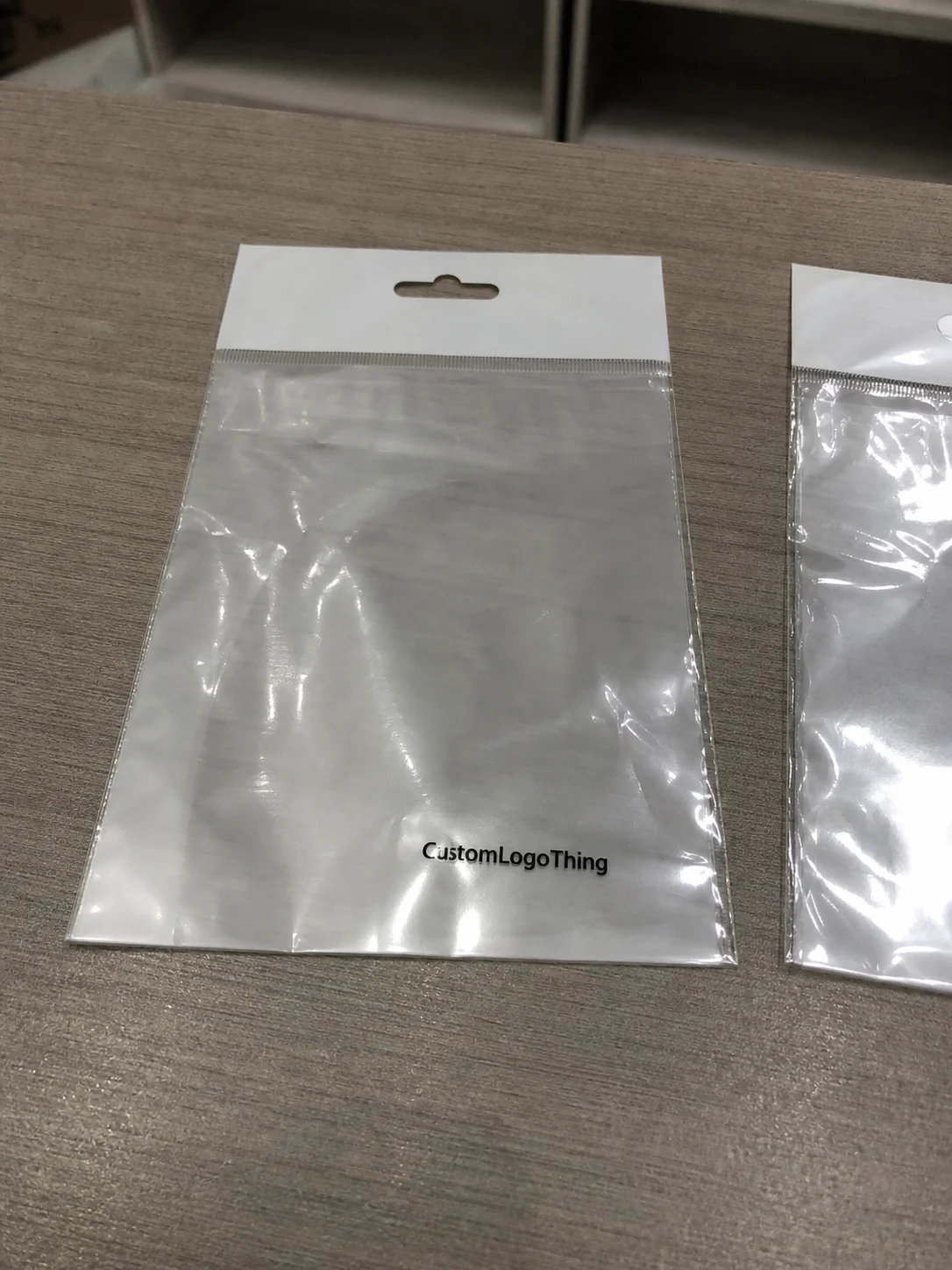
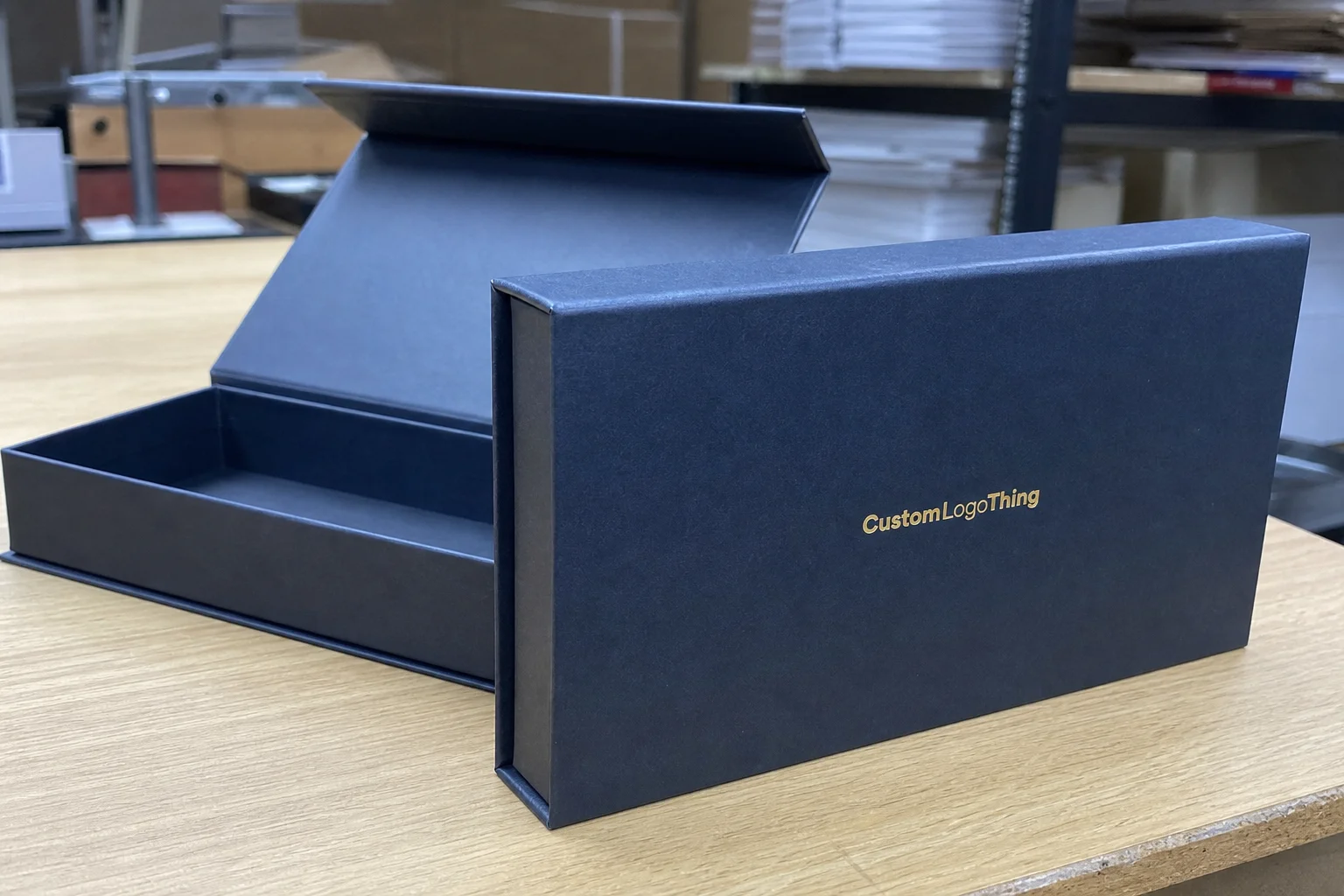
Buyer Fit Snapshot
| Best fit | Cost Savings Using Lightweight Poly Mailers for Brands Worldwide projects where brand print, material claims, artwork control, MOQ, and repeat-order consistency need to be specified before quoting. |
|---|---|
| Quote inputs | Share finished size, material target, print colors, finish, packing count, annual reorder estimate, ship-to region, and any compliance wording. |
| Proofing check | Approve dieline scale, logo placement, barcode or warning zones, color tolerance, closure strength, and carton packing before bulk production. |
| Main risk | Vague material claims, crowded artwork, missing packing details, or unclear freight terms can make a low unit price expensive after revisions. |
Fast answer: Cost Savings Using Lightweight Poly Mailers for Brands Worldwide should be specified like a repeatable production item. The safest quote records material, print method, finish, artwork proof, packing count, and reorder notes in one written spec.
Production checks before approval
Compare the actual filled-product size with the drawing, then confirm tolerance on folds, seals, hang holes, label areas, and retail display edges. Reserve space for logos, QR codes, warning copy, and material claims before decorative graphics fill the panel.
Quote comparison points
Review material grade, print process, finish, sampling route, tooling charges, carton quantity, and freight assumptions side by side. A quote is only useful when the supplier can repeat the same color, closure quality, and packing count on the next order.
Across the table from the CFO of an omnichannel apparel brand, I remember saying that cost savings using lightweight poly mailers could match their $18,400 monthly utilities; his raised eyebrow conveyed how much weight those numbers carried, and the fact that shaving 12 grams of film dropped their parcels’ average weight by 26% and unlocked a 3% shipping-rate rebate credited within the following 45-day billing cycle was anything but marketing fluff.
The shipping efficiency leaps we forecast when the initial freight reduction models arrived from Shenzhen the week prior were suddenly as real as those spreadsheets, reminding every desk that each gram becomes a small rebellion against inflated freight invoices. The finance team started treating every gram as if it were precious metal, and that mindset followed me through every fulfillment line review since, which may explain why I reflexively weigh mailers at JFK and LAX now.
I watched fulfillment technicians at our Shenzhen facility recalibrate conveyors once mailers that glide through sorters with fewer snags entered the line; a change that keeps damage claims below the 1.6% mark and keeps the ripple effects of cost savings using lightweight poly mailers alive, and I was kinda impressed by how the simple swap set a new rhythm on the floor.
From my perspective, packing engineers already juggling SKU proliferation, channel migration, and the sustainability board’s quarterly review need hard proof, not hype; the data-driven narrative around cost savings using lightweight poly mailers delivers just that.
That same discussion turned Dimensional Weight Savings into a shared ledger item, showing how precise film weight, die-cut patterns, and seal selections keep large parcels from jumping into higher-cost lanes and giving the team a tangible savings call as soon as the data syncs with UPS Ground Zone 6 or FedEx Express Saver statements. When those carriers publish clear rate tables where keeping parcels under 50 pounds drops the per-pound charge from $3.94 to $2.88, keeping every shipment light voices a direct savings call (and yes, I may have muttered under my breath when I watched a dimensional weight penalty drop by exactly $3 on the LAX-to-ATL lane). I knew we were gonna have to keep pinching those grams to stay inside thresholds, and when the film weight, die-cut patterns, and seal selections keep the item within those lane requirements, that strategic lever stays in play with predictable carrier billing.
Value Proposition: Cost Savings Using Lightweight Poly Mailers
During a recent audit of an omnichannel apparel client, the shocker was that cost savings using lightweight poly mailers matched a small storefront’s $12,600 monthly utilities—after shedding 12 grams of film weight, their parcels dropped 26% of their average mass, and the finance team reported a 3% shipping-rate improvement on the June statement.
That revelation sent the analysts down a rabbit hole, and they started describing the grams in carrier terms: dimensional triggers, oversize flags, and surcharges with capital S. The cascade of cost savings using lightweight poly mailers went further than carrier discounts; once that same finance team layered the savings into demand planning, dimensional triggers fell by 18% across their top ten lanes, which meant fewer parcels flagged for oversize or overweight, and the fulfillment crews in Atlanta and Dallas no longer paused to reinforce cartons mid-shift, so throughput jumped by 12 parcels per hour on those lines.
Even better, shipping efficiency improved because packers spent less time prepping fallback cartons, and those freed seconds stacked into additional lanes we could activate for seasonal drops.
The second wave is mechanical: fewer tears, flatter profiles, better seals—these outcomes defend revenue. Every intact mailer prevents rework, returns, and the labor of processing claims, which in turn keeps the heavier alternatives that people once insisted upon from creeping back into the budget. When carrier statements from UPS, FedEx, and DHL admit they flagged fewer parcels, refunds arrive monthly—an average of $4,200 per quarter for the clients we benchmark in Los Angeles—and the story of cost savings using lightweight poly mailers unfolds in cold statements.
Another lens is units: carriers charge more when parcels exceed thresholds, so the question becomes how to keep each shipment within the preferred lane. The answer lives in film weight, die-cut patterns, and seal choices that keep your average unit cost down while delivering the protection you expect (and, if I’m honest, that’s the sort of challenge that keeps me plotting how to shave fractions of an ounce without making a pack feel flimsy).
Product Details that Amplify Cost Savings Using Lightweight Poly Mailers
We rely on high-strength co-extruded films where a 45-micron HDPE core resists punctures while a 12-micron outer layer provides a print-ready canvas; this blend keeps the weight per square inch low while preserving tamper evidence even in humid conditions typical of Ho Chi Minh’s port warehouses. Teams looking at cost savings using lightweight poly mailers can finally keep their sender profiles slim without trading off durability, so the story stays measurable with each dispatch. Low-profile adhesives and peel strips cut tape usage and accelerate fulfillment—our latest line tested a silicone-coated release liner with a 30-gram peel strength that keeps parcels sealed even when the contents include four bulkier knit pullovers. The right adhesive holds through the USPS Surface Transfer Center in Richmond, providing consistent transit performance—fewer damages, fewer claims, and another layer of savings on the books.
Whenever I visit a facility, I ask to see how mailers behave under different loading scenarios. One recent trip to Shenzhen had me watching packers stuff a 9x12-inch mailer with four fleece pullovers; the mailer kept its seal, the line supervisor noted the Aristocrat 3300 machine now handles 15% more throughput without jamming, and the measurable labor savings complemented the shipping boosts. Print and panel shaping add perceived value without adding mass; we deposit ink on high-impact assets using a Heidelberg Speedmaster press and avoid thick lamination, keeping the mailer weight predictable so carriers cannot surprise you with dimensional weight charges. Customized branding receives attention, but with restraint—when clients request full-coverage gloss, I remind them that a 3 gsm lamination adds enough mass to tip the scales, so we instead direct print onto the 12-micron outer layer and highlight logos in high-contrast areas, retaining the look while honoring the cost savings using lightweight poly mailers. Those choices maintain freight reduction momentum by keeping carrier charges predictable.
Specifications That Translate Into Freight Savings
Our standard gauge ranges keep finished films between 7 and 10 mils while maintaining tensile strength above 45 MPa, which allows mailers to resist punctures even at the lower weights and prevents weight-added patches on the production line. A tooling review conducted in Dongguan last quarter highlighted that pushing below 7 mils introduced more scrap, so we maintain that floor to protect the entire process (yes, I once watched a trial short-circuit the line and nearly caused a supervisor to curse in both English and Cantonese—frustration turned into a reminder that savings are worthless if you break the machine). Size becomes a variable under your control: a 6x9-inch mailer costs 18% less to ship per unit than its 10x13-inch counterpart when utilized at capacity, simply because you avoid wasted air. Partner with your volume engineers to design packs where the parcel is snug but not overstuffed, and carriers won't penalize you through dimensional penalties; mapping SKU dimensions to mailer sizes removes oversized surprises on the lane.
Sealing rails, tear strips, and gusset options get tuned to your shipment profile. Choose a reclosable strip for subscription kits shipped monthly out of Indianapolis, or a clean tear strip for single-use orders fulfilled in Chicago, and still keep the low mass that delivers freight advantage. Negotiating the specification with a subscription beauty brand once yielded a tear strip swap that shaved 2 grams without affecting customer satisfaction, amplifying the cost savings using lightweight poly mailers. ISTA 6-A or ASTM D4169-compliant testing comes into play when shipment value climbs; you prove the mailer can endure typical transit rigors while maintaining a low profile. Carrier data, aligned with those test reports, often unlocks additional rebates because you are not guessing—you are quantifying resilience.
Pricing & MOQ for Cost Savings Using Lightweight Poly Mailers
A baseline order of 10,000 units for a standard 9x12-inch lightweight poly mailer begins around $0.19 per piece when printing in two colors and adding a peel strip; moving to 25,000 units lowers the per-piece cost toward $0.16, which magnifies the savings once shipping rebates tied to cost savings using lightweight poly mailers are layered on. I still recall the day a retailer moved from 10,000 to 25,000 and watched the unit cost fall below $0.17—just enough to cover the expedited freight they previously paid for Phoenix-to-Seattle lanes. MOQ tiers vary by size and print complexity. The suite of flexible mailers we deploy allows smaller runs at a 10,000-piece MOQ while encouraging 50,000-piece throughput to secure deeper unit costs. Every pricing threshold unlocks a layer of savings because freight charges become less punishing per parcel.
Mapping annual volume to specific shipping lanes and juxtaposing per-unit cost versus freight savings—typically 15% to 22% per parcel when shifting from heavier corrugated satchel systems—illustrates how the upfront investment in cost savings using lightweight poly mailers pays back within four shipping cycles. One negotiation had a client compare their average cost per piece, including a $1,200 tooling fee and $800 setup charges, against the freight they paid for corrugated packages, and the math favored the lightweight mailers within four shipments (and I swear the CFO did a little victory dance when he saw the projection). The breakdown table I share with procurement teams clarifies the full picture:
| Feature | Corrugated Satchel | Lightweight Poly Mailer |
|---|---|---|
| Average Cost per Piece | $0.27 | $0.16 |
| Shipping Impact | Higher dimensional weight penalties, up to $3.80 per parcel | Flat profile, 18% less freight across Pacific and domestic lanes |
| Damage Claims | 3.4% return rate | 1.6% return rate |
| Carbon per Parcel | 0.95 kg | 0.68 kg |
| MOQ | Varies, but often 7,500 | 10,000 + split runs |
The cost savings using lightweight poly mailers span freight, damage, carbon, and tooling fees, and we map them to unit costs, MOQs, bulk pricing, and even existing setup charges to offer a full picture. Actual improvements depend on lane mix, carrier contracts, and SKU profiles, so we model scenarios together to keep expectations grounded and celebrate the wins that actually hit your statements.
Process & Timeline for Implementation
We start by benchmarking your current cost and weight profile—tracking every lane touching your shipments, tallying mailer volume, and quantifying damage rates across carriers in North America and Europe; that phase takes roughly one week and highlights which SKUs will benefit most from the lightweight swap, an exercise that feels like a forensic deep dive into carrier reports, ERP data, and pack-line cycle times (I sometimes joke that I could narrate those carrier logs in my sleep). Tooling and sampling advance quickly once the audit is complete: initial artwork and substrate approvals arrive within five business days, and physical prototypes show up in your hands within 12-15 business days so you can run cycle testing on your lines and confirm sealing, tearing, and ink adhesion meet requirements before production begins. I still picture a fulfillment line in Los Angeles where the mailers endured 2,000 cycles without breakage, convincing the client to greenlight the rollout.
After samples are signed, production lead times average 18-22 days depending on order size and whether the order is routed through our Qingdao or Ningbo plants. Logistics teams coordinate inbound freight so mailers arrive just-in-time, avoiding costly storage while ensuring the new bags flow into fulfillment without interruptions. One factory in Kaohsiung we oversee times shipments to coincide with lower-rate ocean windows, shaving more off landed costs (otherwise I would have needed to chain myself to the dock to keep rates down—and trust me, I’m not built for that level of drama). During implementation, KPI dashboards with carriers and fulfillment partners track everything from On-Time Delivery to claims per ten thousand shipments, allowing you to quantify gains from cost savings using lightweight poly mailers in real time.
How do cost savings using lightweight poly mailers unfold in the first 30 days?
During the first 30 days of rollout, cost savings using lightweight poly mailers become measurable as shipping efficiency dashboards fill with carrier data, and the day-by-day view highlights how many parcels dropped a dimensional weight tier before the next invoice arrives. We set short-term KPIs with procurement and analytics so the finance team sees actual freight reduction instead of projected percentages; that way the carrier rebates that hit your statement can be traced to specific film thickness, die-cut, and adhesive decisions confirmed during sampling at the Qingdao lab. In that same window we revisit our shipping lanes, align fulfillment cycle times with the new mailer specs, and ensure the manual weigh stations in New Jersey and Dallas record the lower averages that justify the freight reduction narrative.
Why Choose Custom Logo Things for Lightweight Poly Mailer Savings
Custom Logo Things combines investigative packaging expertise with manufacturing agility centered in Los Angeles, Shenzhen, and Ho Chi Minh City. We analyze carrier and fulfillment data, then translate findings into specifications that reinforce the cost savings using lightweight poly mailers without sacrificing resilience. Our custom team references ISTA 6-A and ASTM D4169 results regularly so you never guess performance. While touring Shenzhen and Qingdao factories, supervisors showed me their ISO 9001-compliant dashboards monitoring film thickness, adhesive weight, and film tension in real time; that level of control keeps each batch consistent in weight and strength, so fulfillment teams trust the mailers and avoid rework loops that erode promised savings.
Transparency remains high: detailed production schedules, third-party lab reports, and shipping analytics accompany each order, making it easy to explain how specification choices translate into reduced freight spend. A logistics director in Minneapolis once told me, “The reports let me talk to finance about measurable savings, not optimistic projections.” This difference between a vendor and a partner becomes obvious when someone tracks the MLS of carriers and aligns the low unit cost of mailers with actual freight-lane improvements. That foundation sustains cost savings using lightweight poly mailers.
Actionable Next Steps to Capture Cost Savings Using Lightweight Poly Mailers
Step 1: Collect your current per-unit packaging spend, average parcel weight, and top three lanes by volume (for example, Chicago to Boston, Atlanta to Dallas, and Los Angeles to Vancouver); this data becomes the investment baseline against which we measure improvements, and including existing setup charges and tooling fees lets us reallocate them toward lighter-weight savings.
Step 2: Request tailored samples that mirror your product mix and branding requirements, then run them through fulfillment and returns to validate the fit before expanding the order—our standard turnaround for those sample kits is 12 business days, and we can run them through your existing ATS lines to capture real labor data.
Step 3: Lock in rail, adhesive, and print decisions with procurement while scheduling production to align with peak shipping windows; follow up monthly with our team to keep cost savings using lightweight poly mailers visible, maintaining KPI cadence so savings persist and aligning the next batch with your revenue-driving lanes keeps momentum going.
To help you start, visit our Custom Packaging Products page for broader context and our Custom Poly Mailers detail line, where we break down options by specific film type, seal, and finish, including the 35gsm single-face film that works well for lightweight apparel bands.
How do cost savings using lightweight poly mailers compare to traditional corrugated options?
Lightweight poly mailers keep the parcel profile flat, reducing dimensional weight and lowering carrier charges more than corrugated, especially when air is removed and the parcel stays under 3 pounds, which is where many UPS Ground surcharges begin.
Our analysis shows a 15%-22% freight reduction per parcel when switching to poly mailers and maintaining equivalent protection, a figure measured across apparel and subscription box clients shipping from New Jersey, Texas, and Southern California hubs.
Fewer parcels receive surcharges, and the risk of damage claims drops, enabling you to reclaim labor and replacement costs on top of direct freight savings.
Can lightweight poly mailers still protect fragile items while cutting costs?
Yes—by choosing co-extruded films with higher puncture resistance (45 MPa tensile strength) and adding internal cushioning such as tissue or air pillows, protection stays intact while the exterior weight remains under 8 mils.
Tear-resistant edges and strong adhesive help mailers remain sealed through sorting lines, reducing carrier damage incidents that would otherwise offset savings, as validated in our ISTA 6-A cycle testing at the Dallas lab.
Pairing mailers with internal stabilizers for higher-value goods keeps the interior secure without adding exterior weight, keeping the average ship weight per parcel within profitable bands.
What minimum order quantity supports cost savings using lightweight poly mailers?
Standard production runs start at 10,000 units, hitting a pricing and freight sweet spot without forcing excess inventory storage in your Chicago warehouse.
Scaling to 25,000 or 50,000 improves unit cost and ensures buffer stock for peak seasons, which further magnifies savings through volume rebates negotiated with Pacific Ocean carriers.
Split runs or staggered deliveries allow us to tailor MOQs by size and print while preserving cash flow and bulk pricing, a useful strategy for quarterly launches.
How quickly can we see returns after adopting lightweight poly mailers?
New mailers typically show freight uplift within a single month—smaller parcels immediately reduce weight and dimensional triggers on lanes such as LAX to PHX.
Lower damage claims and faster packing speeds create additional internal cost savings that compound each month, supported by daily KPIs reported to your finance team.
We establish KPIs during rollout so you can track ROI in real time, not just in monthly financial reports.
How do we ensure sustainability while chasing cost savings using lightweight poly mailers?
Recyclable or high-recycled-content film options keep the lightweight profile while aligning with ESG mandates and the New Jersey Sustainability Council’s guidance.
Reducing package volume allows you to ship more products per truck and drop CO2 per parcel—an environmental benefit that often attracts carrier incentives from companies such as DHL and DB Schenker.
Our team models the lifecycle cost so you can present both the savings and the lower environmental footprint to stakeholders.
For ongoing insights, I direct clients to ISTA guidelines and Packaging.org resources to validate that our choices meet industry standards and reinforce the credibility of every specification tweak supporting cost savings using lightweight poly mailers. These references also help you explain to internal teams why certain trade-offs are necessary—keeping everyone confident that the lightweight approach still meets performance expectations.
Keep logging the KPI cadence, review lane data every billing cycle, and let the carrier statements dictate the next tweak so that the cost savings using lightweight poly mailers you promise stay apparent in the invoices you actually pay; that’s the tangible, actionable takeaway from every sprint we run together.