Custom Auxbeam Stickers can look like a small detail, but on a switch panel, accessory housing, or retail-ready kit, a few millimeters off can make the whole piece feel unfinished. In practice, the difference between a sticker that looks factory-clean and one that feels improvised usually comes down to fit, material choice, and how the artwork was prepared before print.
For buyers ordering custom auxbeam stickers, the real decision is not just the graphic. It is a label system that has to adhere correctly, read well under glare, survive fingerprints or moisture, and stay sharp after repeated handling. If you are also building out Custom Labels & Tags or broader Custom Packaging Products, the sticker should match the rest of the brand presentation rather than feeling isolated from it.
A good sticker does not just carry a logo; it survives the surface, the environment, and the person applying it.
What Custom Auxbeam Stickers Actually Are—and Why Fit Matters
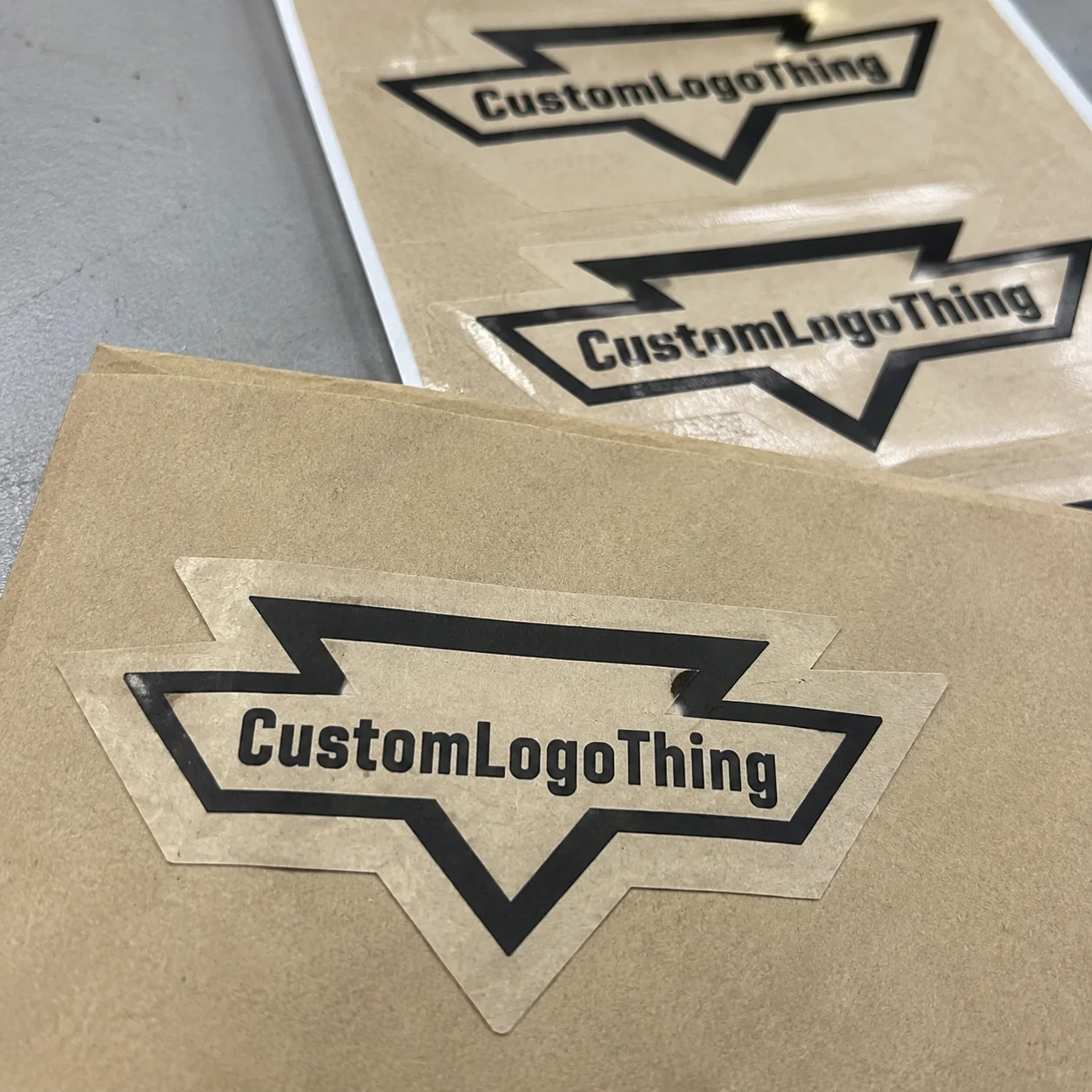
At the simplest level, custom auxbeam stickers are branded adhesive decals made for Auxbeam-style accessories, control panels, labels, or product surfaces. Some are decorative and help reinforce packaging branding and product identity. Others do real work, identifying a switch, calling out a mode, or marking a kit component that needs clear instructions.
That difference matters because decorative stickers can tolerate more visual freedom, while functional labels need crisp legibility, stable color, and a footprint that does not crowd buttons, seams, LEDs, or molded edges. A label that looks fine on a screen may still fail in use if it sits too close to a raised rim or crosses a curve. From a packaging buyer’s point of view, the geometry matters as much as the artwork.
Common use cases include branded accessories, model identification, warning labels, kit inserts, and resale packaging. The same logic shows up in retail packaging and product packaging: if the label needs to be read quickly, the hierarchy has to be obvious, and the surface has to support that message. A matte sticker with high-contrast text often fits a utility label best, while a gloss branded decal can suit display packaging or a premium accessory box.
Surface condition also shapes the choice. Powder-coated metal, painted plastic, textured enclosures, and shrink-wrapped packs all behave differently. A smooth, flat face is forgiving. A curved housing with light abrasion is not. The best custom auxbeam stickers are selected around the end use: how often people touch the item, whether it sees moisture, whether cleaning chemicals are involved, and how long the label has to stay readable.
How the Sticker Production Process Works
The production flow starts with artwork setup, and this is where many good projects either stay clean or become expensive. Vector files are ideal because they scale without softness and keep edges crisp at small sizes. If the logo is only available as a JPEG or PNG, it may still work, but the file should be high resolution and checked carefully for line quality, especially if the sticker includes thin text or tiny symbols.
Then comes proofing. A useful proof should show the final size, cut line, color treatment, bleed, and any safe area concerns. If the design includes precise spacing around a switch label or product badge, that spacing should be visible in the proof rather than assumed. Color matching matters too. Digital printing is consistent, but exact brand colors still depend on the chosen substrate, finish, and ink set.
For short runs, digital printing is usually the practical choice because it handles smaller quantities without heavy setup. For larger orders, the economics can shift depending on size, color count, and finishing requirements. The point is not that one method is always better; it is that the run size should match the print method. A buyer comparing custom auxbeam stickers for a launch batch versus a long-term packaging program should ask which method gives the best balance of cost, color stability, and lead time.
Cut format matters too. Die-cut stickers are cut through the backing into a custom shape, which gives a neat finished edge and can feel more premium. Kiss-cut stickers are cut through the face layer only, leaving a larger backing area that is easier to peel and distribute. For sticker sheets, inserts, and batch labeling, kiss-cut formats can be more efficient. For stand-alone decals, die-cut usually gives the cleaner look.
Finishing closes the loop. Unlaminated decals can be fine for indoor, low-handling use, but lamination adds scuff resistance and helps with wiping, humidity, and light abrasion. The adhesive and release liner matter more than many buyers expect. A clean liner lets the label peel predictably, and the adhesive must be matched to the surface so the piece applies without tunneling, edge lift, or premature grab.
Cost and Pricing Factors That Change Your Quote
Pricing for custom auxbeam stickers usually tracks a few predictable levers: size, shape complexity, material, finish, print coverage, and quantity. A simple rectangular label with one-color print and a standard adhesive can be very different from a rounded die-cut decal with full-color graphics, matte lamination, and a specialty film. Those choices affect setup time, material waste, and production speed.
Quantity is one of the biggest drivers. Lower unit pricing usually appears when the run is large enough to spread setup across more pieces. Short runs often carry a higher per-unit cost because artwork prep, proofing, cutting, and press setup take nearly the same labor whether the order is 200 pieces or 5,000 pieces. In practical terms, a straightforward run might land around $0.18-$0.28 per unit for 5,000 pieces, while a smaller or more complex order can price higher because of setup overhead and finishing.
Specialty options move the quote as well. Matte lamination, weatherproof films, and metallic effects all add material and process cost. A simple one-color label may be cost-efficient, but a multi-color branding decal with fine detail may need tighter registration and more inspection time. The same holds true for custom printed boxes and branded packaging: more finishing layers generally mean more labor and higher cost, even when the footprint is small.
| Option | Typical Use | Cost Impact | Durability |
|---|---|---|---|
| Paper label | Indoor, low-handling identification | Lowest | Low to moderate |
| Vinyl decal | General branding and light moisture exposure | Moderate | Moderate to high |
| Polyester-style label | Higher wear, cleaning, or heat exposure | Higher | High |
| Laminated custom sticker | Outdoor or frequent-handling use | Higher | High |
If the application is high-stakes, ask for a sample or prototype before approving the full run. That is especially smart when the sticker must align with product packaging, sit near a physical control, or hold up under repeated handling. A small test piece can save more than it costs, especially when the alternative is a fit problem discovered after production.
Choosing Materials, Adhesives, and Finish for Real-World Use
Material selection is where a lot of sticker jobs either become durable or become disposable. Paper is fine for short-life labels, inserts, or internal packaging where moisture and abrasion are not major concerns. Vinyl is a more common choice for branded decals because it handles moisture better and flexes a bit on curved surfaces. Polyester-style materials are often the stronger option when the label needs to resist wear, cleaning, or a warmer environment.
Adhesive choice should follow the application, not the other way around. A permanent adhesive is the right call when the label must stay in place through normal handling, transport, or outdoor exposure. A removable adhesive makes more sense for temporary labeling, seasonal promotions, or surfaces that should not be damaged during removal. On textured or curved surfaces, too-aggressive adhesive can still fail if the face stock cannot conform well enough, so the full system has to be considered together.
Finish changes both appearance and usability. Matte finish reduces glare and often improves readability, especially under bright shop lighting or direct sunlight. Gloss finish can look richer and sharper for certain branding jobs, but it also shows fingerprints more easily and can pick up scuff marks faster. For a utility label, readability usually matters more than shine. For a premium branded packaging program, gloss may support a more polished presentation.
UV exposure, abrasion, and cleaning chemicals are the main reasons to upgrade protection. If a label is going near a piece that gets wiped down often or sits in direct light, lamination is usually worth the added cost. For more technical use, it is smart to ask whether the material aligns with standards or test methods such as those referenced by the ISTA for distribution performance or by the EPA for safer materials and environmental considerations. That does not mean every sticker job needs formal certification, but it does mean the buyer should think about the environment, not just the print file.
Surface compatibility is the last piece. Powder coat, painted metal, plastic, packaging film, and textured housings all behave differently under pressure. A sticker that works beautifully on smooth film may not stay flat on a textured enclosure. That is why the best custom auxbeam stickers are not selected by artwork alone; they are matched to the real substrate in use.
Process, Timeline, and Lead Time From File to Delivery
A realistic workflow starts with artwork review, moves into proof approval, then goes to production scheduling, printing, finishing, quality check, and shipping. If the files are ready and the specs are clear, the job moves much faster. If the order needs multiple proof revisions, missing dimensions, or a new die line, lead time stretches quickly.
Clean files speed things up the most. Print-ready vector artwork, correct dimensions, and a clear note about quantity and finish reduce back-and-forth. When the buyer already knows whether the sticker is decorative, instructional, or inventory-related, the supplier can Choose the Right stock and adhesive without guessing. That kind of clarity often saves days, not hours.
Common delay points are predictable: low-resolution logos, color uncertainty, missing measurements, and revision loops. If someone wants a very exact brand color, it is better to discuss that before proof approval, because color adjustment after proofing can add time. Custom tooling or unusual die cutting may also extend the timeline, especially if the shape is intricate or the job combines multiple finishes.
For planning purposes, many sticker orders can move through production in roughly 12-15 business days after proof approval, though that can be shorter for simple digital runs or longer for special materials and complex cutting. If the labels are tied to a launch, packaging refresh, or event deadline, build in buffer time. A schedule with no cushion usually becomes a stressful schedule.
That same planning logic applies to branded packaging and retail packaging projects. Whether the item is a decal, insert, or carton label, the safest approach is to lock the dimensions early, confirm artwork readiness, and approve the proof before the clock starts running hard.
Common Mistakes to Avoid Before You Order
The easiest mistake is sizing by guesswork. Measure the exact flat application area or label zone, then leave a little margin so the sticker does not crowd seams, fasteners, or raised details. Even a small error can make the piece look off-center or cause one edge to lift early. For custom auxbeam stickers, that measurement step is worth doing carefully.
Artwork errors are next. Pixelated logos, unconverted fonts, and weak color contrast can all create problems in print. Thin lines may disappear at small scale, and colors can shift when they move from a bright screen to a printed surface. A proof should catch these issues, but it is better if the source file is strong enough that the proof only needs minor adjustments.
Adhesive mismatch is another classic failure. A sticker can be printed beautifully and still fail because the adhesive was wrong for a textured or curved surface. If the label is going onto a coated panel, a matte plastic shell, or a packaging film, confirm that the adhesive is chosen for that exact substrate. Otherwise edge lift, tunneling, or premature release can show up quickly.
Design complexity can also work against readability. Tiny text, thin rule lines, and low-contrast colors may look sharp on a design screen but become hard to read once they are reduced to label size. That is a bigger issue for functional labels than decorative decals, but both can suffer. Simpler layouts often print cleaner and feel more intentional.
Finally, do not skip a sample check when the label has to survive handling or outdoor exposure. A test piece can reveal whether the finish is too glossy, the adhesive is too aggressive, or the artwork needs thicker strokes. In packaging design, the cheapest correction is usually the one made before full production.
Best Practices and Next Steps for a Clean Order
The cleanest orders start with three things: dimensions, artwork, and use case. Gather the exact size of the application area, a photo of the surface, and a vector logo or high-resolution file before requesting pricing. That gives the supplier enough information to recommend the right stock, adhesive, and finish without guessing.
It also helps to decide early whether the sticker is decorative, instructional, or inventory-related. That one decision often determines whether you need paper, vinyl, or polyester-style material, and whether lamination is worth the extra cost. If the sticker is part of a larger branded packaging or product packaging system, keep the look aligned with your boxes, inserts, and labels so the whole presentation feels intentional.
Before approving production, confirm quantity, finish, adhesive type, and application environment. If the sticker will live outdoors, get moisture and UV resistance into the spec from the start. If it is for temporary use, removable adhesive may be the smarter choice. If fit is still under review, place a small test order first, then scale once the physical result is right.
For buyers comparing custom auxbeam stickers with other branding tools, the main question is simple: what needs to stay visible, and for how long? Once that answer is clear, the rest of the order becomes much easier to specify. Measure the surface, prepare the artwork, define the use case, request pricing, and approve the proof before full production. That is the shortest path to a sticker that applies cleanly, reads well, and supports the brand instead of distracting from it.
FAQs
What size should custom auxbeam stickers be for a clean fit?
Measure the exact flat area or label zone first, then leave a small margin so the edges do not crowd buttons, seams, or raised details. For curved or textured surfaces, a slightly smaller footprint usually helps the sticker lay flatter and last longer.
Which material is best for durable custom auxbeam stickers?
Vinyl or polyester-style materials are usually a better fit than paper when the sticker will face handling, moisture, or light abrasion. Add lamination if the decal needs extra scuff resistance, easier wiping, or better outdoor performance.
How do custom auxbeam stickers pricing and MOQ usually work?
Pricing is driven by size, quantity, finish, material, and whether the shape requires Custom Die Cutting. MOQ depends on the production method, but higher quantities usually lower the unit cost because setup is spread across more pieces.
How long does turnaround take for custom auxbeam stickers?
Turnaround depends on proof approval, print method, finishing, and current production load. Ready-to-print artwork and fast approvals usually shorten lead time, while custom finishes or revisions add days.
What should I send to get an accurate quote for custom auxbeam stickers?
Send the final dimensions, quantity, preferred material or finish, and a vector logo or high-resolution artwork file. Include a photo of the application surface and any durability requirements so the quote matches real use.


