Getting a Custom Bag Manufacturer China bulk order right usually starts with a rude little surprise: the first quote looks fine until the real details show up. Add custom print, thicker film, special handles, inner packing, or a stronger closure, and the “cheap” option stops being cheap. That is the part many buyers discover after they already committed to the wrong supplier.
China is popular for a reason. The market is deep, material choices are broad, and the price structure improves fast once quantities climb. But none of that means the savings appear automatically. They come from clean specifications, realistic timelines, and buyers who compare total landed cost instead of staring at a factory price like it tells the whole story. It does not.
For brands, wholesalers, importers, and ecommerce sellers, the main appeal is scale. A good supplier can keep the bag program consistent across reorder cycles while holding unit cost down better than most domestic sources. The tradeoff is discipline. The more custom the bag, the more the buyer has to control the details.
Why Bulk Buyers Switch to China After the First Cost Shock
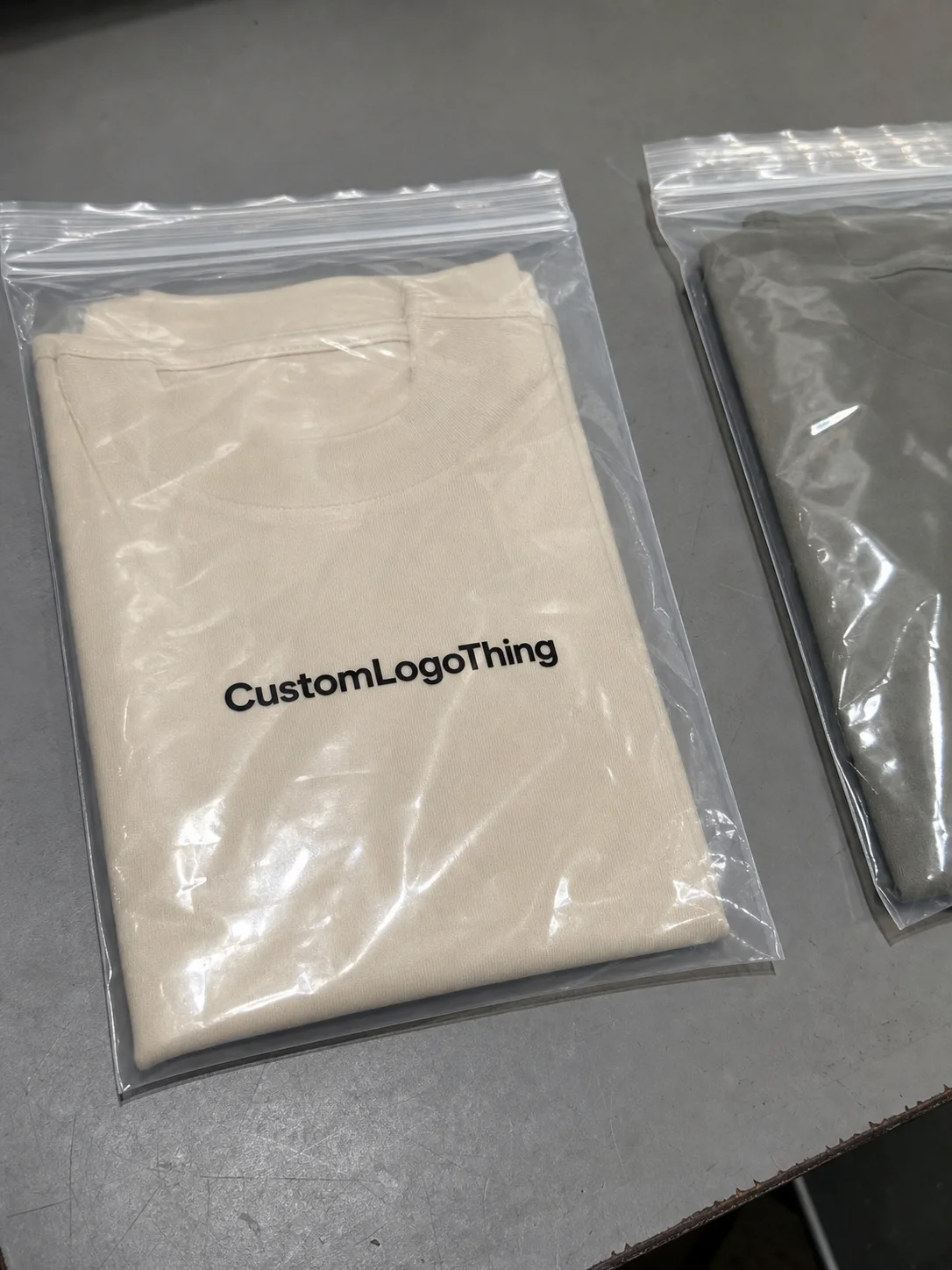
Domestic bag quotes often look reasonable at first glance. Then the job gets real. The logo needs printing. The film needs to be thicker. The handle needs changing. Packaging needs to be grouped differently for retail or fulfillment. That is where many buyers feel the cost jump and start looking overseas.
A Custom Bag Manufacturer China bulk order makes sense when the order is large enough to absorb setup, tooling, and freight. It also makes sense when the program needs repeatability. If the bag is part of a product launch, private label line, or monthly replenishment schedule, consistency matters as much as unit price. No one wants a different shade of white on the second run.
The buyers who benefit most are usually the ones with steady demand:
- Brands ordering for retail packaging
- Wholesalers handling recurring volume
- Importers bundling packaging with finished goods
- Ecommerce sellers needing branded fulfillment packaging
- Retail buyers working across multiple SKUs
If the order is tiny and one-time, the math can get ugly fast. MOQ, proofing, and freight can eat the margin before the first carton lands. Once volumes move into the thousands, the economics usually improve enough to justify sourcing from China.
One mistake shows up constantly: buyers compare only the base bag price. That is lazy buying dressed up as procurement. Real comparison needs to include:
- Unit price
- Tooling or plate cost
- Sample and proof cost
- Packaging method
- Freight and duties
- Storage and handling
- Rework risk
That list is not glamorous. It is also the difference between a smart order and a cheap-looking mistake.
For packaging programs that include multiple formats, it helps to source related items together. A bag order can sit beside custom packaging products, custom printed boxes, or other retail packaging components under one sourcing plan. Fewer suppliers usually means fewer surprises. Not always fewer opinions, but definitely fewer excuses.
Bag Types, Materials, and Printing Options That Actually Matter
Not every bag serves the same job. A garment bag, a retail carrier, a zipper pouch, and a food-adjacent pouch may all be called “custom bags,” but they behave very differently in production and use. If the structure is wrong, the whole order becomes an expensive lesson.
The most common formats are flat bags, gusseted bags, drawstring bags, zipper bags, and shopping-style carrier bags. Flat bags are usually the simplest and cheapest. Gusseted bags give more volume. Zipper bags add closure convenience and more assembly work. Drawstring styles fit promotional kits and gift packaging. Carrier bags live or die on handle strength and print presentation.
Material choice drives both performance and price. The common options are:
- LDPE — soft, flexible, good clarity, easy to work with for many printed bags
- HDPE — thinner feel, good tensile strength in certain formats, less soft in hand
- PP — crisper appearance, often chosen for retail presentation
- Recycled content blends — useful for sustainability targets, though color and consistency can vary by formulation
LDPE is often the safest choice for standard custom printing because it handles well and gives a smooth finish. HDPE can be more economical in some bag types, but the look is not always premium. PP works better when the bag is part of a visible retail display and the presentation needs to feel cleaner.
Printing is where the budget starts moving. A one-color logo on a standard bag is the easiest route. Add multiple colors, full-coverage graphics, or print on both sides, and setup gets more demanding. Tight registration, heavy solids, or fine type all increase the chance of proofing rounds. That is not the supplier being difficult. That is the physics of printing.
Functional details matter just as much as appearance:
- Thickness in microns or mils
- Handle style such as die-cut, loop, or drawstring
- Closure type like zip, seal, or open-top
- Transparency level
- Puncture resistance for sharp edges or heavier contents
If the bag has to carry weight, travel through a distribution chain, or sit on a retail shelf without looking tired, these details matter more than the logo. Fancy packaging should still function. Revolutionary concept, apparently.
| Bag Type | Typical Use | Cost Pressure | Customization Notes |
|---|---|---|---|
| Flat bag | Simple product wrap, apparel, inserts | Low | Best for one-color or limited print |
| Gusseted bag | Bulk items, folded goods, food-adjacent packaging | Medium | Needs accurate width, gusset, and height |
| Zipper bag | Reusable retail packaging, accessories | Higher | Closure adds cost and QA checks |
| Drawstring bag | Promotional kits, gift sets, apparel | Medium | String and locking parts change assembly time |
| Carrier bag | Retail handoff, shopping use | Medium to high | Handle strength and print coverage matter |
For sustainability claims, documentation matters more than marketing language. If the bag needs recycled content, compostability, or food-contact compliance, ask for proof before approval. If the supplier cannot show testing, certificates, or traceable material information, treat the claim as unverified. Packaging claims get messy very quickly when nobody can back them up.
Background standards from packaging.org and recycling guidance from EPA recycling guidance are useful if your team needs a reference point before writing product copy or compliance language.
Specifications Buyers Should Lock Before Requesting Samples
Most quote requests fail for one simple reason: the buyer says “need custom bags” and expects a precise price. That is not a specification. That is a shrug.
Before sending a request to a custom bag manufacturer china bulk order, lock these basics:
- Size
- Material
- Thickness
- Color
- Print colors
- Quantity
- Delivery destination
Size needs to be written clearly. Do not say “medium.” Use width, height, and gusset depth if the bag has one. For a flat bag, width and height are enough. If the supplier has to guess, the quote is already compromised.
Optional details can change both price and performance:
- Seal type for closure strength
- Tensile strength for heavier loads
- Food-safe requirements if the bag will contact consumable goods or packaging
- Recyclable or compostable claims that require evidence
- Surface finish for premium retail presentation
Ask for a spec sheet or dieline before sample approval. That sounds basic because it is basic. Yet buyers still approve a sample based on a casual email thread and then act shocked when the next proof changes.
“The best sample is the one that matches the spec sheet, not the one that looks pretty in a photo.”
For larger or more technical programs, mention test expectations early. If the bag must survive shipping, ask whether the supplier uses internal drop testing, seal checks, or dimensional tolerance checks. For transit-related packaging, a reference to ISTA testing concepts can help both sides speak the same language.
Vague specs lead to vague samples. Vague samples lead to revision loops. Revision loops burn time, cash, and patience. The chain is not complicated.
Cost, Pricing, MOQ, and What Changes the Unit Cost
Bag pricing usually splits into a few components: material, structure, print setup, and packaging method. A plain film bag with one-color printing is one cost profile. A zipper bag with multi-color print and custom pack-out is another. The difference can be large enough to wreck a budget forecast.
For simple custom bags, MOQ may start around 3,000 to 5,000 pieces. For more complex formats, 10,000 units or more is common. That is not a law. It depends on whether the factory can use existing tooling, how many colors are involved, and how much setup the order needs. A standard spec usually gets a friendlier MOQ than a fully unique one.
These are the main cost drivers buyers should expect:
- Size — larger bags use more material
- Thickness — thicker film costs more
- Ink coverage — heavy print coverage raises price
- Color count — more colors mean more setup and registration work
- Order volume — higher quantities usually lower unit cost
- Closure or handle hardware — adds both material and assembly cost
As a rough planning range, a simple printed flat bag at higher volume may land around $0.03-$0.08 per unit. More customized zipper or carrier bags can move into $0.12-$0.35 per unit or higher depending on structure, print coverage, and finishing. That is not a quote. It is a useful bracket so buyers do not walk into negotiations pretending packaging always costs pennies.
Ask for tiered pricing. A proper quote should show 5,000, 10,000, and 50,000 units side by side. That makes the break point visible. Sometimes a larger run cuts unit cost enough to justify the extra cash tied up in inventory. Sometimes it does not. The math should decide, not wishful thinking.
Land cost matters more than factory price. Include:
- Samples and proofing
- Freight from China
- Import duties
- Domestic receiving and storage
- Waste from approval mistakes
A quote that leaves out half those items is not competitive. It is incomplete. There is a difference.
Process and Lead Time: From Quote to Shipping
The process is usually straightforward, but it only works if the buyer is organized. The normal flow is inquiry, spec confirmation, quote, artwork proof, sample approval, production, inspection, and shipping.
Typical timing looks like this:
- Quote stage: 1-3 business days if specs are complete
- Artwork proof: 1-3 business days depending on revisions
- Sampling: 5-10 business days for many bag types
- Production: often 12-20 business days after approval
- Shipping: air can take a few days; ocean usually adds several weeks
Artwork is usually the delay point. Not the machine. Not the factory. The file. Low-resolution logos, unclear color references, and wrong dielines can turn a simple order into a loop of corrections. That is avoidable, which is probably why it happens so often.
Pre-production samples are worth asking for when the job is complex, the print is premium, or the fit has to be exact. For a very simple run, a digital proof may be enough to move forward. For larger orders, a physical sample reduces expensive surprises later.
Shipping mode changes the timeline more than most buyers expect. Air freight is faster but expensive. Ocean freight is slower but better for volume. If the launch date is fixed, work backward from delivery, not from purchase order date. That small habit prevents rushed freight and the emotional damage that comes with it.
What Makes a Reliable China Supplier Worth Reordering From
A polished website tells you very little. Sorry. Reorder value comes from repeatable output: consistent color, stable thickness, clean seals, and shipments that leave when promised.
Suppliers worth keeping usually do a few things well:
- Clear communication without guessing games
- Documented specs tied to the quote and sample
- Inspection photos before shipment
- Realistic commitments on MOQ and lead time
- Fast artwork feedback when revisions are needed
They also know how to handle small changes without forcing the whole program back to zero. That matters if you run seasonal packaging, multi-SKU bundles, or retail programs that need periodic updates. A supplier who can adjust print, size, or pack-out without drama saves time over the life of the account.
Third-party inspection can be worth the money on larger orders. So can sample retention. Keep one approved sample, one pre-production sample, and one reference sample if the order is large enough to justify it. That gives you something objective if a reprint or replenishment looks a little off.
Quality control matters more than sales language. A good supplier should be able to explain how they check print alignment, thickness tolerance, seal integrity, and packing consistency. If they cannot explain their QC process in plain terms, that is useful information too.
The best supplier is not always the cheapest one. It is the one that lets you reorder without reopening every detail from scratch. That is the actual operational advantage.
Next Steps to Place a Bulk Order Without Guesswork
If you want a clean buying process, send a one-page RFQ. Keep it short and complete. Include size, material, thickness, quantity, print colors, destination, and any special requirements such as food safety, recyclability, or extra puncture resistance.
Then ask for three things in the same reply:
- Unit price tiers
- MOQ
- Lead time
Compare at least two proofs or samples before approving mass production. If the price changes because the specification changed, that is normal. If the price changes because the supplier “forgot” a major detail, that is a problem.
Before paying a deposit, confirm:
- Carton count and pack-out method
- Outer carton dimensions
- Gross weight
- Shipping terms
- Inspection responsibility
If you need a way to organize related packaging programs, Wholesale Programs can make comparison shopping easier, and About Custom Logo Things gives more context on how sourcing and production are handled. For buyers managing more than one packaging format, the right move is to think in systems, not one-off orders.
Bottom line: a custom bag manufacturer china bulk order works best when the buyer controls the spec, checks the proof, and compares total landed cost. Do that, and the order stays under control. Skip it, and you save a few dollars only to buy a bigger pile of problems.
What is the typical MOQ for a custom bag manufacturer China bulk order?
MOQ depends on bag type, material, print count, and whether the specs are standard or fully custom. Simple flat or carrier bags often start lower than complex zipper or multi-layer designs. Ask for tiered MOQ so you can see where the unit price improves.
How long does a custom bag order from China usually take?
Most orders need time for proofing, sample approval, production, and freight. Artwork approval and sample revisions are the biggest schedule risks. Larger or more customized orders usually need longer lead time than standard printed bags.
How do I compare quotes from different bag suppliers accurately?
Compare the same size, material, thickness, print colors, quantity, and shipping terms first. Check whether quotes include tooling, samples, packaging, and freight. The cheapest quote is often incomplete. That is not a bargain. That is homework.
Can I get custom printing on plastic bags with low risk on the first order?
Yes, but start with a clear spec sheet and a proof before production. Choose a simpler print layout if you want to reduce error risk. For larger runs, request a pre-production sample or photo approval.
What information should I send before asking for a quote?
Send bag size, material, thickness, quantity, print design, and delivery country. Include any performance needs such as food safety, recyclability, or extra strength. The more complete your RFQ, the faster and more accurate the quote.

