For brands buying at scale, Custom Bag Manufacturer China b2b sourcing is usually about one thing: getting repeatable quality at a cost that still leaves room for margin. Cheap unit price means very little if the bags arrive with weak seals, fuzzy print, or pallet damage after a long ocean trip. The math gets ugly fast.
China remains a major sourcing hub because the supply chain is dense. Resin, film extrusion, printing, converting, cartons, and export logistics are often part of the same ecosystem. That density can lower cost, shorten back-and-forth, and make custom work more practical. It also means the buyer has to manage more moving parts. There is no magic. Just process.
If you are sourcing poly mailers, zipper bags, retail packaging, garment bags, or branded shopping bags, the real job is not finding “a factory.” It is finding a supplier that can repeat a spec without drifting every time the machine warms up, the resin lot changes, or the print run gets longer than expected.
Why China can be the better source for custom bags
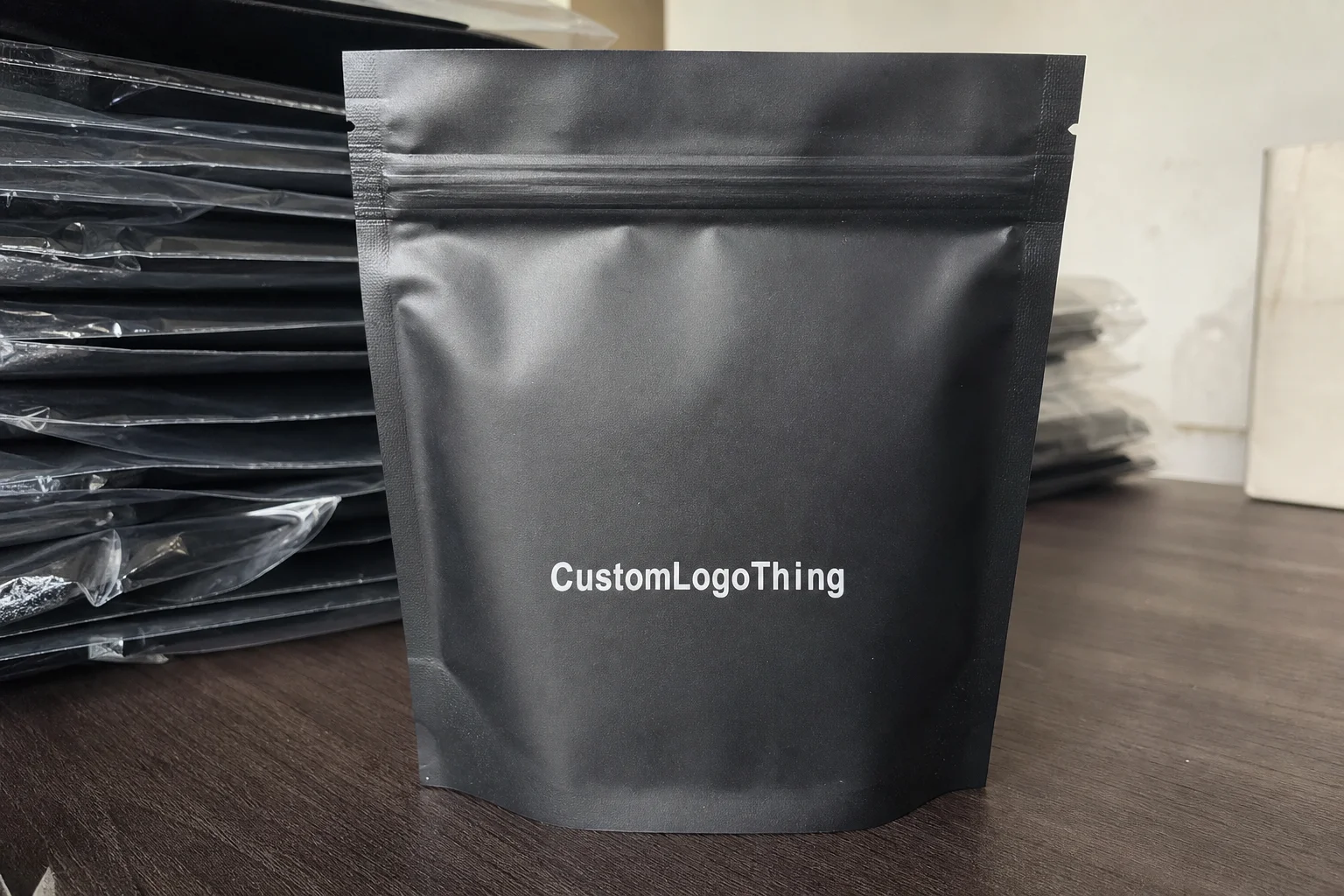
The main advantage is scale. Larger factories can run high-volume bag production on equipment designed for long runs, which usually lowers the per-unit cost once volumes rise. That matters for standard polyethylene, polypropylene, and LDPE/HDPE packaging because extrusion and converting are relatively efficient at scale.
A good custom bag manufacturer can also cover a wider range of specs without needing a new supplier for every product line. One plant may handle mailing bags, retail pouches, garment covers, zipper styles, gusseted bags, and printed promotional packaging. The bag structure changes. The discipline does not.
That flexibility is useful, but it comes with a catch. The lower the quote, the more carefully you need to check whether the supplier is pricing the same spec you think you asked for. Different film thickness, a smaller seal width, fewer print colors, or simpler packaging can make a quote look better on paper while quietly changing the product.
Local buying can still win in some cases. If you need a tiny run in a few days, or if the bag needs hands-on development with frequent prototype changes, a nearby supplier may be easier to manage. But for larger B2B orders, China often becomes more competitive because the production ecosystem is already built around volume, export packing, and repeat orders.
The honest tradeoff is control. Factory-direct sourcing can save money, but only if the buyer controls specs, approvals, and inspection. Otherwise the savings can disappear into reprints, delays, or freight rebooking. That is not strategy. That is expensive improvisation.
How B2B sourcing actually moves from RFQ to shipping
Custom Bag Manufacturer China b2b sourcing usually follows a predictable path: inquiry, quotation, sampling, approval, production, inspection, shipping, and receiving. It sounds tidy because, on paper, it is tidy. In practice, every step exists because a small mistake in a bag order can scale into thousands of defective units.
A useful RFQ should include dimensions, material type, thickness, closure style, print colors, packaging requirements, quantity, and destination. Leave out gusset depth, bag count per carton, or whether the quote should be FOB or ex-works, and the supplier will fill in the blanks in whatever way helps their number. That is not deceit. That is how vague specs work.
Artwork needs the same discipline. Supply vector files when possible, include Pantone references if color matters, and state clearly whether the print is one side, two side, or full bleed. If a brand asset depends on exact color, say so early. “Close enough” is not a spec. It is a complaint waiting to happen.
A practical approval chain looks like this:
- Artwork proof — layout, print placement, and color references are checked.
- Material confirmation — resin type, thickness, and any recycled-content or food-contact claim are confirmed in writing.
- Pre-production sample — the first physical check for size, fit, seal quality, and print clarity.
- Golden sample — the approved reference used for production comparison.
Lead time depends on complexity. A simple unprinted bag can sometimes move from approval to production in roughly 7-12 business days. A printed order with color matching, special closures, or compliance paperwork can stretch to 15-25 business days before shipping. Sea freight adds transit time, but on larger orders it often keeps the landed cost in a workable range. Air freight is faster, not cheaper. The freight bill will gladly remind you.
Queue time matters too. A factory may have the right machine but not the slot. Orders sit behind other runs, especially when tooling or a custom size is involved. Buyers who assume production starts the minute the deposit clears usually end up annoyed for no productive reason.
For brands that also buy Custom Packaging Products, the rhythm will feel familiar. Sample approval matters. Version control matters. The difference is that bags are thin-film products, so tiny process drift shows up quickly as wrinkling, seal failures, or inconsistent gauge.
Pricing, MOQ, and the real drivers of unit cost
Price is mostly a function of material, structure, print, and volume. A plain LDPE bag is cheaper than a multi-color printed retail bag. A 1.5 mil film generally costs less than a 3 mil film because material usage rises quickly with thickness. Add a zipper closure, die-cut handle, gusset, or special surface finish, and the number goes up again.
MOQ is usually tied to setup cost, waste, and machine efficiency. Factories may quote small runs, but the unit price on 5,000 pieces is rarely anywhere near the price at 50,000 pieces. Setup cost gets spread over fewer units, and the material buying power is weaker. That is why the per-thousand price often falls hard as volume rises.
| Order Size | Typical Unit Price Range | What Usually Changes |
|---|---|---|
| 5,000 pieces | $0.18-$0.35 per unit | Higher setup burden, less favorable material pricing |
| 20,000 pieces | $0.11-$0.24 per unit | Better spread of tooling, print, and inspection costs |
| 50,000 pieces | $0.07-$0.18 per unit | More efficient machine time and resin purchasing |
Those ranges are directional, not universal. A food-contact bag, heavy-gauge shipping bag, or highly printed retail piece can sit outside them. But the pattern is real: volume changes the price structure more than many buyers expect.
Do not compare only ex-works quotes. You need ex-works, FOB, and landed cost in the same conversation. Ex-works tells you the factory price. FOB includes export handling to the port. Landed cost adds freight, duty, customs brokerage, and final delivery. A quote that looks 12% cheaper at the factory can still end up more expensive once freight and duty are added. The spreadsheet does not care how friendly the sales email sounded.
Other cost drivers are easy to miss. Plate fees, color matching charges, sample fees, compliance testing, carton labeling, palletization, and special packaging requests can all change the final number. If you are sourcing retail packaging for a launch, ask whether barcode placement, carton count, and pallet specs are included. Those costs show up eventually, and usually not in a cheerful way.
Spec checks that prevent expensive mistakes
If the spec is vague, the production result will be vague too. The core controls are material grade, thickness tolerance, seal strength, print durability, and packaging method. For some retail bags, a thickness tolerance of ±10% may be acceptable. For protective shipping bags or food-contact packaging, tighter control can matter a lot more.
Use case changes the priority list. Retail packaging needs presentation and brand consistency. Shipping bags need puncture resistance and dependable seals. Food-contact bags need the correct resin, documented compliance, and careful handling of recycled-content claims. Garment protection often cares more about clarity, moisture resistance, or anti-static behavior than glossy print quality.
Thickness is not just a number on a spec sheet. It affects feel, puncture resistance, and how a bag behaves on the packing line. Too thin and the bag may tear, stretch, or seal inconsistently. Too thick and you pay for material you do not need, plus you may create stiffness that makes packing slower.
Quality control should not rely on one nice-looking sample in a box. Compare the approved sample to incoming material, watch in-line output, and finish with final random sampling. Many buyers use an AQL framework to define acceptable defect levels, which is sensible. For bag orders, the usual problems are dimensional drift, seal weakness, print misregistration, contamination, and carton shortages.
“If the sample looks perfect but the production spec is one sentence long, the order is not controlled yet.”
Compliance deserves its own line in the brief. Depending on the destination market, you may need food-safety documentation, heavy-metal restrictions, recycled-content substantiation, or labeling that matches local rules. If a supplier claims FSC certification for related paper components, verify the chain-of-custody documentation through FSC. For broader packaging and waste guidance, the EPA packaging resources are a useful reference point: EPA packaging resources.
Do not forget secondary packaging. Carton count, pallet height, wrap type, and humidity protection affect whether bags arrive flat, warped, or curled. That matters more than it sounds. A bag that looks fine in production can still disappoint on arrival if the cartons were packed too tightly or exposed to moisture during transit.
How to vet a supplier before you send a deposit
Before any money moves, verify the basics: business license, export history, audit reports, and recent production photos or videos. A polished catalog means very little if the supplier cannot show comparable work with the same film family, print method, or bag structure. For Custom Bag Manufacturer China b2b sourcing, that point is not optional.
You also need to know who is actually doing the work. A manufacturer owns or directly operates production. A trading company may source from multiple plants. A sourcing agent coordinates buying but usually does not control the factory floor. None of these models are automatically bad. They just come with different levels of accountability, pricing structure, and speed.
Ask for proof of recent comparable jobs, not a generic product brochure. If you need a three-color printed poly bag with a zip closure, ask for photos, spec references, and sample timing from a job close to yours. The better suppliers answer technical questions directly. The weaker ones talk around the question and then return to price, which is usually a clue.
Useful due-diligence questions include:
- What machine types do you run, and what is your daily output?
- How many QC staff inspect in-line and during final pack-out?
- What happens if there is a print defect, seal failure, or shortage?
- How long does a sample take, and who approves it internally?
Communication is part of the audit. Fast replies are nice. Clear replies are better. If dimensions, thickness, packaging, and incoterms are confirmed in writing without contradiction, that is a strong sign. If the answers change every time you ask the same question in a different way, the risk is already creeping up.
For brands that already manage Wholesale Programs or broader About Custom Logo Things vendor relationships, the same rule holds: the best supplier is the one that can repeat the order the same way twice. Fancy website. Nice. Repeatable output matters more.
Common mistakes buyers make and how to avoid them
The first mistake is approving a sample without checking it against the final spec. A bag can look fine and still fail on thickness, seal strength, or print registration. A second mistake is sending vague artwork or missing dielines. That leads to rework, slower approvals, and color disputes no one asked for.
Another common error is comparing quotes without freight, duty, inspection, and carton cost. That creates false savings. I see it a lot with custom printed boxes and product packaging, but bags are just as vulnerable because carton dimensions and freight density can change the landed cost in a hurry.
Changing specs after the order is in queue causes trouble too. If you alter thickness, print coverage, packaging method, or carton count mid-order, the supplier may need to reset tooling, reorder material, or move your job behind others. That affects both lead time and pricing. Sometimes both at once. Lovely.
The low MOQ trap is another one. A tiny minimum order can be useful, but a suspiciously low price often hides unstable material sourcing or weak quality control. If the supplier promises a small run at a number that looks too good, ask how they keep consistency across resin lots and print runs. The answer usually explains the price.
To reduce the usual headaches, keep the order file tight:
- Final dimensions and thickness
- Artwork version with approval date
- Golden sample reference
- Packaging configuration
- Inspection method and acceptance criteria
A few extra checks can save a lot of back-and-forth. Confirm whether the film is virgin, blended, or recycled. Confirm whether the bag will be packed folded, flat, or boxed. Confirm whether the count per carton is exact or approximate. Tiny details, big consequences.
How to build a comparable quote request
The fastest way to improve sourcing results is to stop starting from scratch on every inquiry. Build a one-page brief with product specs, quantity, destination, target launch date, required certifications, and artwork files. Add packaging method and any non-negotiables, such as food-contact compliance or recycled-content documentation.
Then request quotes from at least three suppliers using the same brief. If one supplier prices a different thickness, a different carton count, or a different incoterm, the comparison is already broken. You want comparable numbers, not three unrelated offers that only look competitive because the inputs changed.
Ask each supplier for sample schedule, production timeline, inspection plan, and shipping option. Shortlist on total landed cost, responsiveness, proof of manufacturing capability, and sample consistency. If a supplier cannot explain QC in plain language, that is a warning sign regardless of how attractive the quote looks.
Before deposit, confirm the golden sample, final artwork approval, payment terms, and a written defect-resolution process. That last one matters more than buyers tend to expect. If there is a quality issue, you want a documented route for replacement, credit, or remediation. “We will see” is not a plan.
For brands building a broader packaging program, the best results usually come from treating bags as part of the wider package branding system rather than as an isolated purchase. That approach keeps the bag, box, and other branded packaging pieces aligned across channels, which is harder than it sounds and easier than it should be.
Handled this way, custom bag manufacturer china b2b sourcing becomes less risky and far more predictable. The value is not just lower unit cost. It is a repeatable supply chain that supports margin, schedule, and quality without constant firefighting.
What should I ask a custom bag manufacturer China B2B sourcing supplier first?
Ask for MOQ, unit price at multiple quantities, lead time, sample cost, and shipping terms in one reply. Then request proof of comparable bag production and a spec sheet that matches your intended use.
How do I compare quotes from different Chinese bag manufacturers?
Compare the same spec, same incoterm, same quantity, and same packaging method. Add freight, duties, sample fees, and inspection costs to find the real landed cost.
What is a realistic lead time for custom plastic bag orders from China?
Sampling often takes several days to a couple of weeks depending on complexity. Production and shipping vary based on order size, print setup, and freight mode, so ask for manufacturing time and transit time separately.
How can I reduce MOQ without hurting quality?
Use standard materials, simpler print layouts, and existing factory dimensions where possible. Expect a lower MOQ to raise unit cost because setup and waste are spread over fewer pieces.
What documents do I need before placing an order with a Chinese bag supplier?
Prepare a clear spec sheet, print artwork files, target quantity, delivery address, and required compliance notes. Keep written approval records for samples, pricing, and production details to avoid disputes later.

