If you are searching for a Custom Bag Manufacturer China low moq, the real question is usually not whether you can get a bag made, but whether you can Get the Right bag made in a quantity that matches your launch, your cash flow, and your storage space. For many brands, that means a practical first run, not a container load, and it means getting the print, seal, and finish right the first time.
In packaging, low MOQ is not a shortcut. It is a buying strategy that helps you test product packaging, validate package branding, and keep inventory lean until sell-through data tells you what to do next. That is especially true for seasonal SKUs, limited campaigns, new food products, and retail packaging that must look good on a shelf while still protecting the product inside.
Why low MOQ matters when packaging needs to move fast
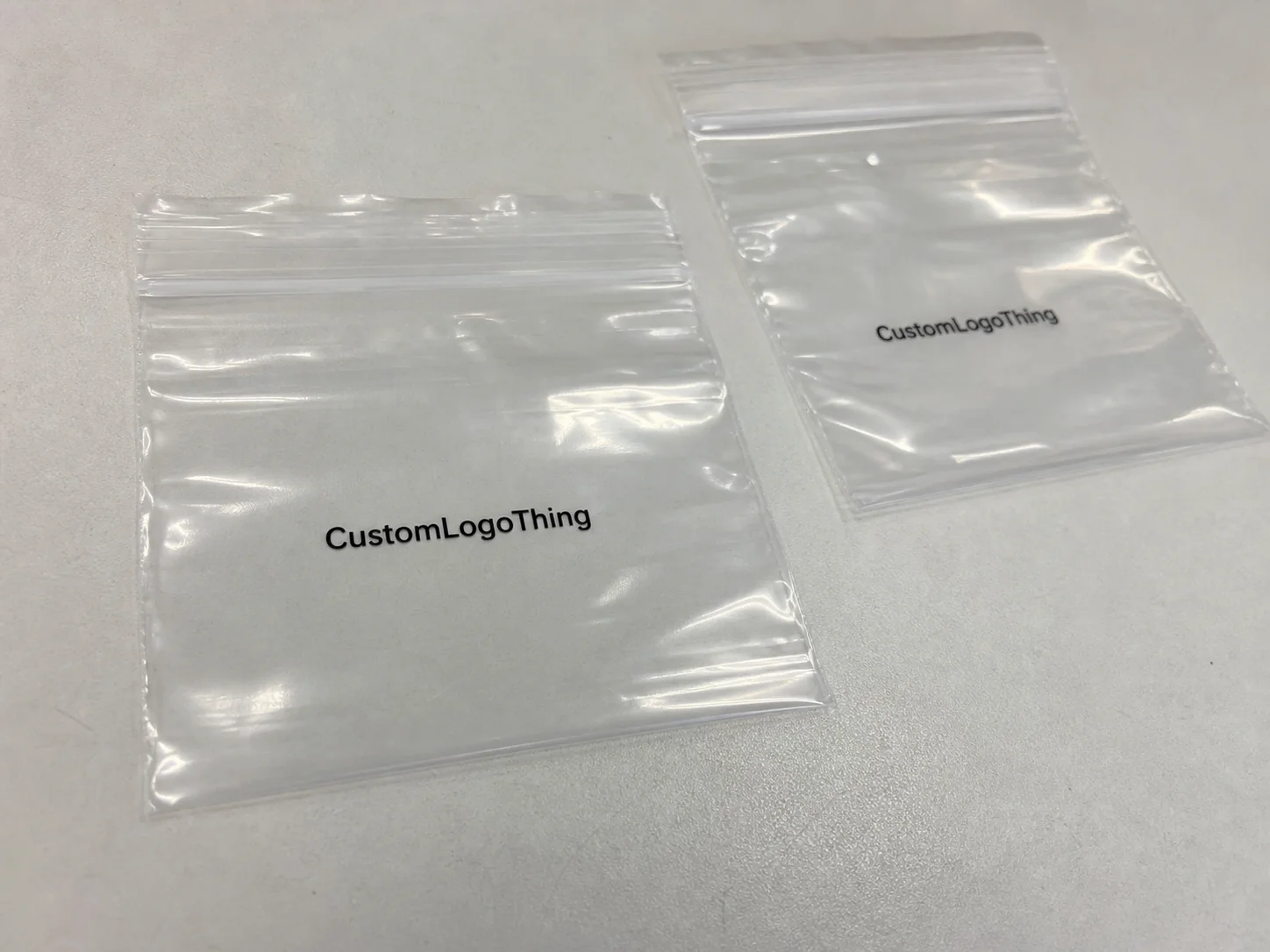
Most brands do not need a huge first order. They need enough units to launch, test, and learn. A smaller run reduces dead inventory, protects cash, and gives you room to adjust size, graphics, or closure style once you see how the bag behaves in real use.
That is where a Custom Bag Manufacturer China low moq setup can make sense. A retailer may want branded bags for a limited promotion. A food brand may need a few thousand units to cover one product line while product-market fit is still being checked. An e-commerce seller may want mailer-style bags or zipper pouches that match the brand without overcommitting to stock.
From a packaging buyer’s point of view, low MOQ should still come with stable quality. The film gauge needs to be consistent. Print registration needs to stay within tolerance. Heat seals must hold. A low minimum order only helps if it gives you a real production bag, not an unstable sample run dressed up as a commercial order.
Honestly, the best low-MOQ orders are the ones that answer specific questions quickly:
- Does the size fit the product with enough headspace and seal margin?
- Does the print reproduce the logo cleanly on the chosen film?
- Does the zipper, tear notch, or seal line behave the way you expect?
- Will the bag survive handling, shipping, and shelf display?
For buyers who also source Custom Packaging Products, this approach keeps packaging design decisions grounded in actual use, not just artwork approval. If your project is still in early stage, a low MOQ lets you move with less risk and more information.
ISTA testing standards can also be useful when your bags will travel through parcel networks, because shipment handling is often where weak seals, thin films, or poor closures show up first.
Bag formats, materials, and print options that actually sell
The bag format should match the product, not the other way around. Flat poly bags work well for lightweight items, inserts, and simple retail packing. Zipper bags are the common choice for resealability and repeated use. Gusseted bags add volume for thicker products. Header bags are often used for hanging retail displays. Mailer-style bags are practical for e-commerce goods that need a branded outer layer.
Material choice matters just as much. LDPE is flexible, soft, and widely used for general-purpose bags. HDPE is thinner feeling, crisper, and often used where stiffness and lower material use matter. CPP brings better clarity and heat-seal behavior in many pouch structures. BOPP is a popular face film for sharp print and good shelf appearance. For higher barrier needs, laminated structures with PET and other barrier layers can improve moisture or oxygen resistance.
Recyclable mono-material structures are getting more attention, especially for brands thinking about sustainability claims and end-of-life considerations. That said, a mono-material bag is not automatically the right answer for every product. Barrier performance, sealability, and product shelf life still have to be checked against the actual contents.
Print method affects both look and MOQ. Flexographic printing is often preferred for larger repeat runs where setup can be spread over volume. Gravure can handle high-detail graphics and longer production runs, but cylinder costs make it less practical for very small orders. Digital printing is often the best route for short runs, sampling, and design validation because it avoids plate or cylinder investment.
Common finishing choices buyers should compare:
- Tear notches for easy opening
- Hang holes for retail display
- Matte or glossy lamination for visual effect and scuff resistance
- Zipper tracks or sliders for reclosure
- Tamper-evident seals for food, supplements, and higher-trust retail items
“A good bag is not just a printed surface. It is a conversion of design into a working package that can be filled, sealed, shipped, and opened without causing trouble.”
For broader context on material choice and recovery pathways, the EPA recycling guidance is a useful reference point, especially when your brand is comparing conventional plastic films with recyclable structures.
| Bag type | Best for | Typical MOQ behavior | Cost notes |
|---|---|---|---|
| Flat poly bag | Lightweight items, inserts, simple retail use | Usually lowest | Lower tooling and simpler conversion |
| Zipper pouch | Snacks, cosmetics, samples, repeat-opening products | Moderate | Closure hardware adds to unit cost |
| Gusseted bag | Bulkier products, better shelf presence | Moderate to higher | More film and more forming complexity |
| Laminated pouch | Barrier-sensitive goods, premium retail packaging | Higher for small runs | Print quality and barrier layers increase cost |
Specifications buyers should confirm before requesting a quote
The fastest way to get a useful quote is to send clean specifications. Start with dimensions. A bag quote should not rely on a vague size description when the actual width, gusset, length, seal width, and usable fill space all affect fit and cost. A few millimeters can matter more than buyers expect, especially on tight-fit products or Pouches with Zippers.
Thickness should be stated in microns or mils, and the right gauge depends on product weight, puncture risk, and whether the bag will be carried, shelved, or shipped. A lightweight cosmetic sachet does not need the same film as a pouch holding dense hardware or frozen food. Over-specifying thickness raises cost, but under-specifying it often causes failures later.
Artwork details should be locked down before production starts. That includes spot colors, full-color process, white ink underprint if the film is dark or transparent, bleed, safe area, and logo placement. If the brand is sensitive about color consistency, Pantone targets are better than vague references like “deep blue” or “metallic green.”
Performance requirements should also be stated clearly. If the bag needs a certain seal strength, load capacity, moisture barrier, or oxygen barrier, say so. If the product is food-contact, cosmetics-related, or subject to retail handling standards, the supplier should know that before quoting. For some food and consumer goods, it is wise to ask about relevant compliance documentation and production controls rather than assuming they are standard.
Useful items to include in a spec sheet:
- Exact dimensions and drawing orientation
- Film material and thickness target
- Print colors and artwork file format
- Closure type, notch, hole, or seal requirements
- Expected product weight and fill volume
- Any barrier or compliance requirement
A proper dieline is worth requesting. It gives the supplier a shared reference for printing and conversion, which reduces back-and-forth and helps the bag match the packaging design intent before tooling or production setup starts.
Pricing, MOQ, and what really drives unit cost
Anyone shopping for a Custom Bag Manufacturer China low moq quote should expect the price to move with the specs, not just the quantity. Material grade, size, thickness, number of print colors, printed sides, closure type, and extra features all affect the final unit cost. A simple clear flat bag may be inexpensive, while a multi-color laminated pouch with a zipper and matte finish will sit in a different pricing bracket.
The manufacturing method changes MOQ as well. Digital printing can usually support lower runs because it avoids plate or cylinder tooling. Flexographic and gravure orders are more economical at higher volumes, but they often carry setup costs that make very small orders less attractive. For custom extrusion or complex laminated constructions, minimums tend to rise because the line setup and material waste need to be spread across enough units.
Setup costs should always be separated from per-unit pricing. That means asking for:
- unit price at each quantity tier
- plate or cylinder charges if applicable
- sample charges
- tooling or mold charges if any special feature requires it
- export packing and freight estimates
Here is a simple way to think about pricing comparisons:
| Order type | MOQ tendency | Up-front cost | Best use case |
|---|---|---|---|
| Digital short run | Low | Lower setup, higher unit price | Sampling, launches, limited campaigns |
| Flexo printed run | Medium | Moderate setup | Repeatable retail SKUs |
| Gravure run | Higher | Higher setup, lower unit price at scale | Large repeat orders with detailed print |
Higher quantities usually lower unit cost, but only if you can store the bags, sell them in time, and avoid tying up working capital. A low MOQ quote may look more expensive per piece, yet still be the better decision if it keeps you from sitting on six months of inventory.
Ask for tiered pricing at several volumes, such as 1,000, 3,000, and 5,000 units. That gives you a cleaner view of where the price curve starts to flatten. Also confirm whether freight, samples, and export cartons are included, because quotes that omit those items are hard to compare fairly.
Production steps, timeline, and lead time from sample to shipment
The normal sequence is straightforward, but delays often hide in the details. It usually begins with inquiry and specification review, followed by artwork check, quotation, sample or proof approval, production, inspection, packing, and shipment. Each step can move quickly if the buyer sends complete information, or slowly if the file set is incomplete.
For a custom bag manufacturer china low moq project, the biggest timeline drivers are artwork revisions, film availability, printing method, bag complexity, and factory workload. A simple flat bag with clean vector artwork can move faster than a laminated zipper pouch with multiple colors and special finishing. If the artwork needs corrections, expect the clock to reset until the proof is approved.
Sample options usually include a flat proof, a printed pre-production sample, and a physical reference sample. A flat proof is useful for checking layout and dimensions. A printed pre-production sample is better when color, registration, and finish need to be judged. A reference sample is helpful when you already have a bag you want to match closely in texture, clarity, or seal behavior.
Here is a practical timeline range many buyers see in real sourcing work, assuming artwork is ready:
- Sampling: often 3-7 business days for digital or proof-based work, longer for complex printed structures
- Production: often 10-20 business days depending on quantity and process
- Freight: air can be days, ocean is usually measured in weeks
Manufacturing time and shipping time should be planned separately. A bag can be finished on time and still miss a launch because transit was underestimated. That is why buyers should decide early whether air freight is worth the cost for the first run, or whether ocean freight fits the schedule.
Vector artwork, Pantone references, and a firm quantity target save time. So does a quick yes-or-no decision on the dieline. If the supplier has to wait for multiple revisions, lead time stretches even when the production line is ready.
What to look for in a dependable custom bag partner
A dependable supplier is not the one promising the lowest price in the shortest time. It is the one that can repeat the same result. That means consistent film sourcing, controlled printing, accurate sealing, and inspection standards that catch problems before shipment.
Good communication matters even more when sourcing overseas. A trustworthy partner answers clearly on MOQ, confirms specifications in writing, and avoids vague claims about delivery. If a supplier says yes to every request without asking about material, structure, or print method, that is usually not a good sign.
Documentation is part of reliability. Ask whether the supplier can provide material certificates, approved artwork records, QC photos before dispatch, and packing details. Those records make reorders easier, and they also help if a packaging or product compliance question comes up later.
It also helps when the supplier can suggest practical changes. Sometimes a small shift in seal width, zipper position, or material gauge can reduce waste and improve performance without changing the brand look. That is the kind of input you want from a real production partner, not just a quote sender.
For more company context, you can review About Custom Logo Things and browse the broader range of Custom Packaging Products if you are comparing bag programs with other retail or shipping formats.
And if you want a quick answer on order basics, our FAQ page covers common questions that come up before the first production run.
Next steps to place a low-MOQ order without delays
Start with the basics and send them in one clean package. The supplier needs the bag style, dimensions, material preference, quantity range, print colors, and timeline. If you already know the fill product, include weight, texture, and any concerns about puncture, moisture, or shelf presentation. That context helps the quote reflect reality instead of guesswork.
Send editable vector artwork whenever possible, along with reference images and Pantone targets. If there are compliance needs for food contact, retail handling, or export, state them up front. Those requirements are much easier to handle before production starts than after the first proof is already in motion.
Request a formal quote with a line-by-line breakdown. You want unit price, setup charges, tooling, sample fees, export packaging, and freight options shown separately. That makes it easier to compare vendors without missing hidden costs that can change the true order value.
Before you approve anything, confirm the sample approval criteria. Be specific about what matters most: color match, finish, dimensions, seal performance, or zipper feel. If the sample meets the agreed spec sheet, production can proceed with much less risk of misunderstanding.
Honestly, the smartest buyers compare responsiveness as carefully as they compare price. A supplier who replies clearly, asks good questions, and documents every change will usually save time and protect margin later. That matters whether you are launching branded packaging, refreshing retail packaging, or placing your first low-volume run with a custom bag manufacturer china low moq.
For brands that want practical package branding without overbuying inventory, the path is simple: lock the spec, verify the sample, compare the real total cost, and place the order only after the details are fixed.
What is a realistic MOQ for a custom bag manufacturer China low MOQ order?
MOQ depends on bag style and printing method; digitally printed runs can be much lower than gravure or custom-plate jobs. Simple flat bags may start lower, while zipper bags, gusseted bags, and multi-color printed bags usually need higher minimums. Ask for quantity tiers so you can compare the lowest viable run against better unit pricing at larger volumes.
How do I reduce cost without lowering bag quality?
Keep the bag size as close as possible to the product dimensions and avoid unnecessary oversized material usage. Limit print colors, simplify finishing, and choose the most suitable material for the product instead of over-specifying thickness. Request multiple quote options so you can see how small design changes affect unit cost.
How long does sampling and production usually take?
Sampling time depends on artwork readiness and process type, while production lead time depends on quantity and complexity. Simple jobs move faster than custom laminated or multi-step constructions. Always separate manufacturing time from shipping time so your launch schedule is accurate.
What files do I need to get an accurate quote?
Provide bag dimensions, estimated quantity, material preference, print colors, and any special features like zippers or hang holes. Send vector artwork if possible, plus Pantone references and reference photos for finish or layout expectations. The more complete the specification sheet, the fewer revisions you will need before production.
Can I reorder the same bag later at the same spec?
Yes, if the supplier keeps your production records and approved artwork on file. Reorders are easier when the original dieline, material grade, and print references are documented clearly. Confirm whether any setup costs or tooling updates may apply before you repeat the order.

