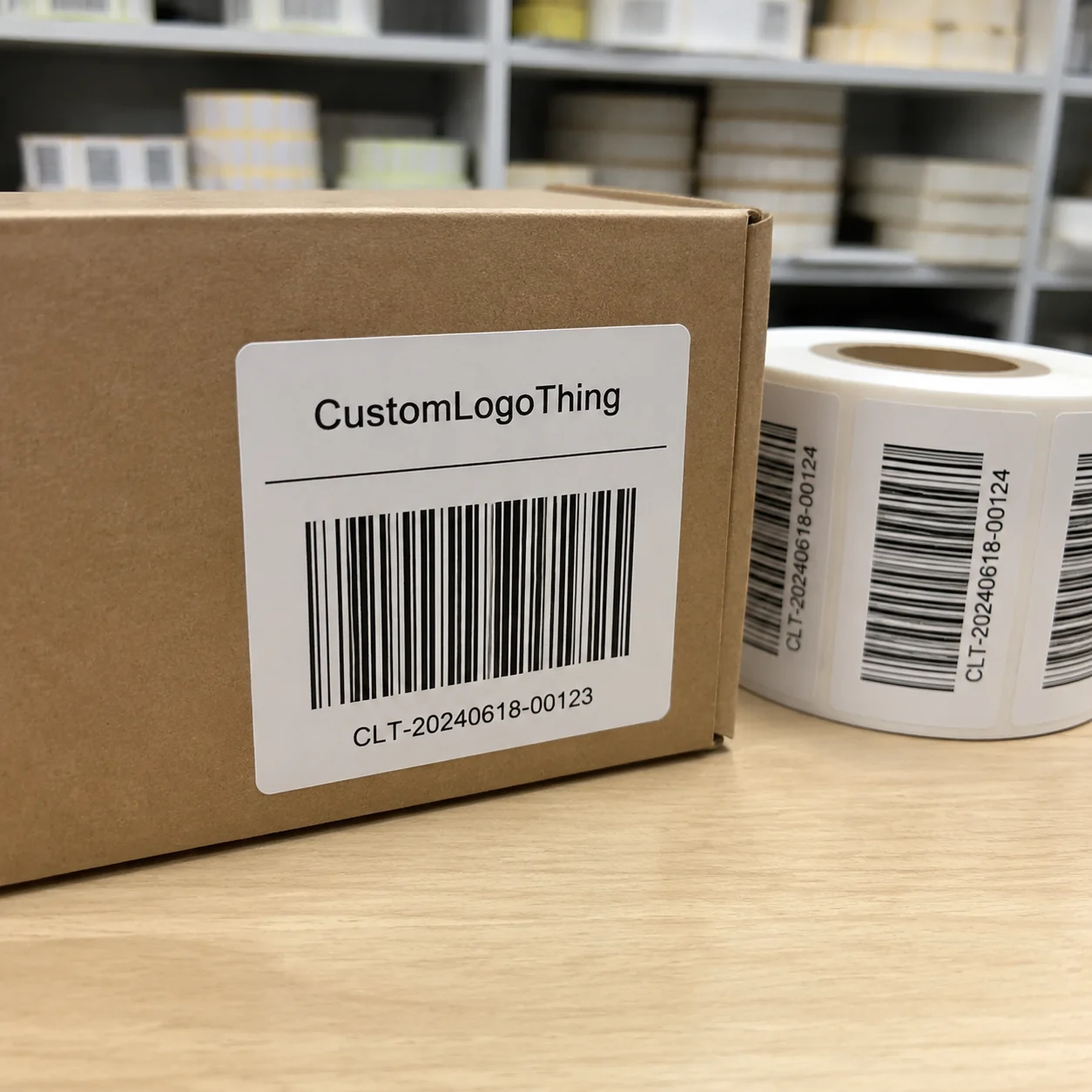
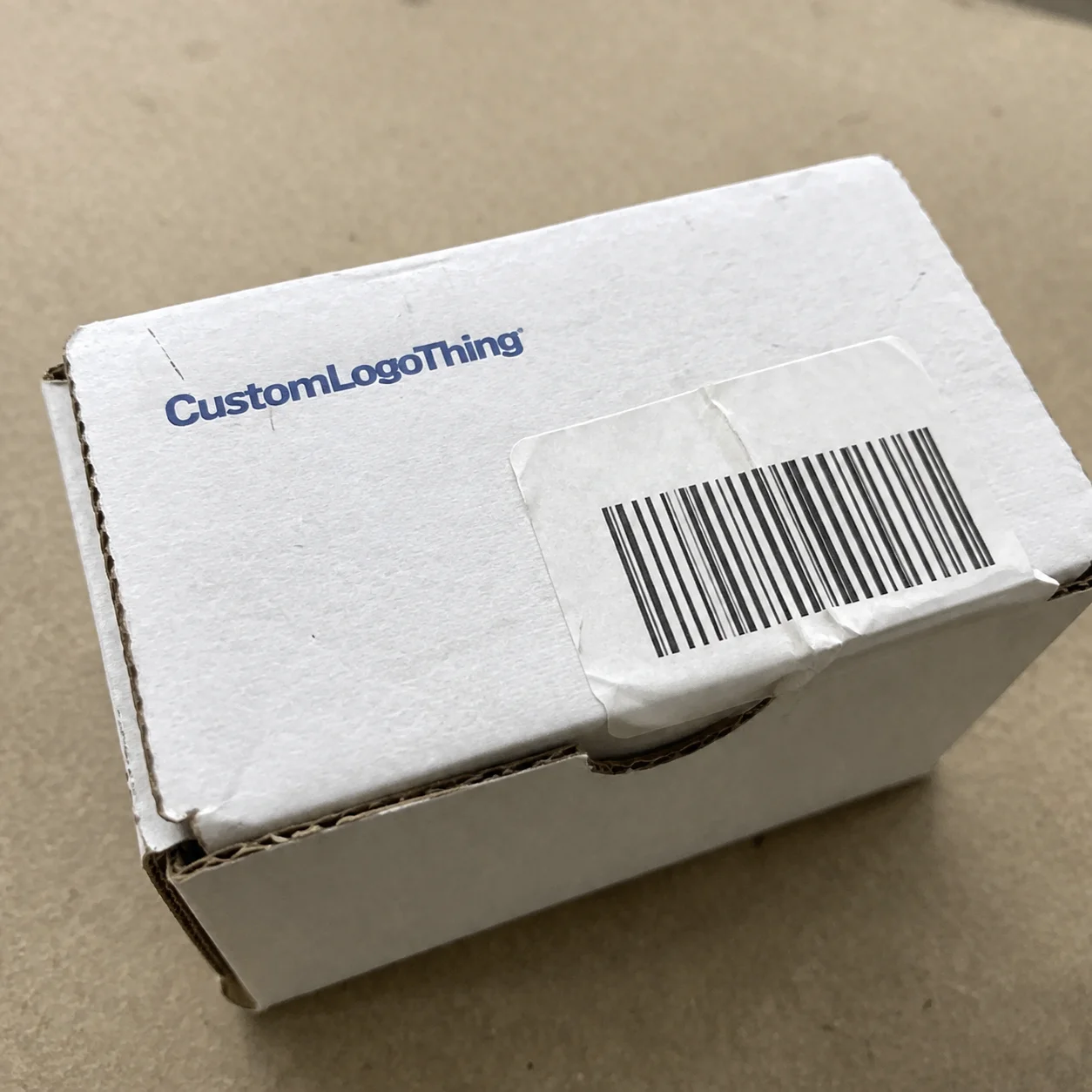
Custom barcode hang tags B2B sourcing looks straightforward until a receiving team cannot scan the tag, a retail floor picks up glare from the coating, or a SKU change lands after proof approval. Then the “simple print item” starts behaving like a supply-chain component, which is exactly what it is.
For apparel, retail packaging, inventory control, or mixed-SKU product programs, the tag has to do several jobs at once. It needs to carry brand identity, fit the product line visually, keep the barcode readable, and arrive packed in a way that supports counting and distribution. The work is less about making a card and more about controlling variables that can break downstream operations.
That is why experienced buyers approach custom barcode hang tags B2B sourcing differently from a one-off print order. The decisions that matter are usually not visible in a mockup: substrate caliper, finish, barcode quiet zones, packing format, and whether the data file is stable enough to survive a reprint months later.
What makes barcode hang tags surprisingly difficult to source well
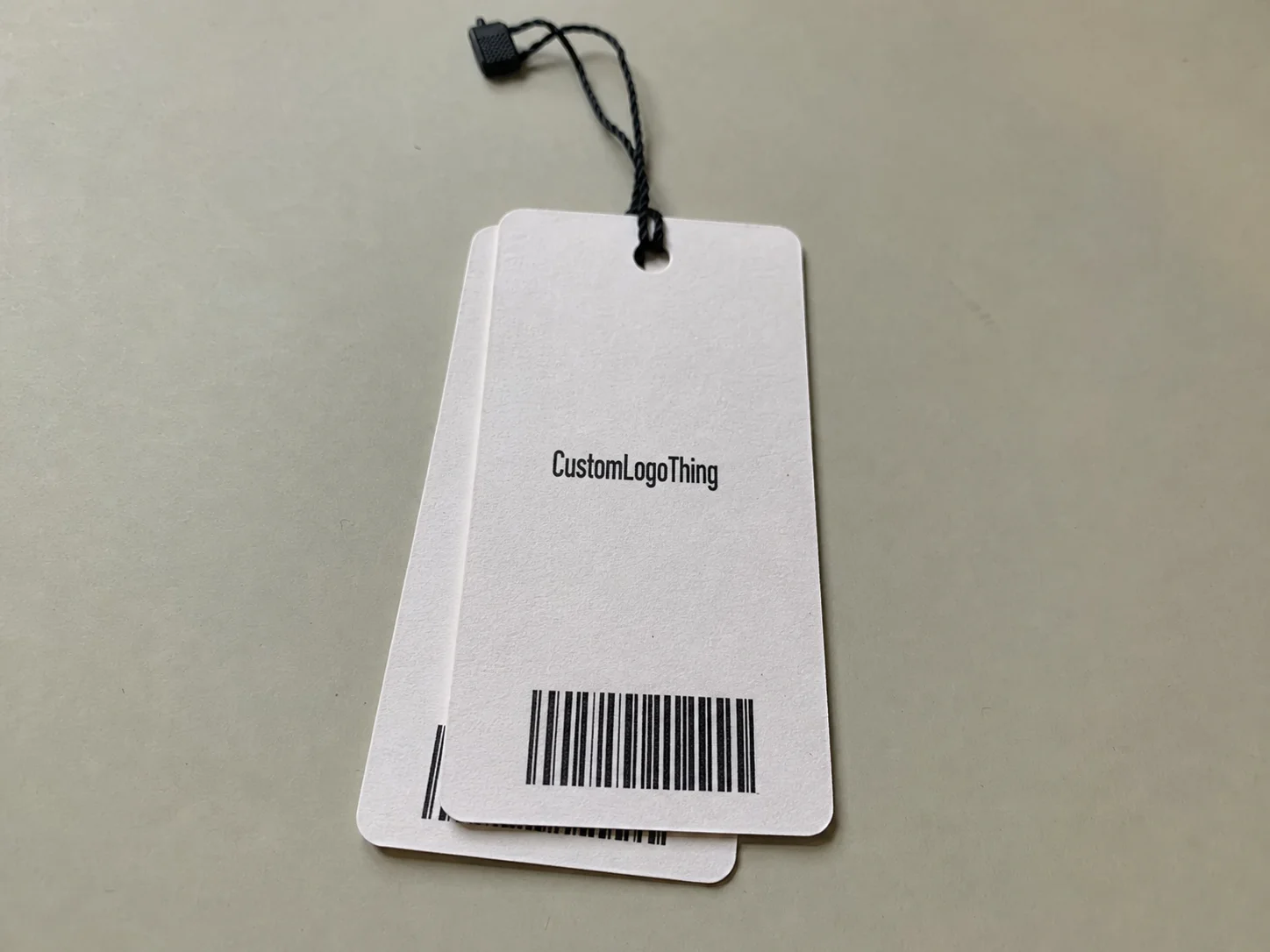
A barcode hang tag can be a simple card with a hole punch and string, but operationally it functions as a small piece of infrastructure. Decorative tags only need to look right. Functional tags must keep their shape, survive handling, and stay readable under store lighting, warehouse fluorescents, and the occasional abrasion from freight or unpacking.
The failure points are usually ordinary, which is part of the problem. Low contrast between bars and background. Gloss that throws reflections into a handheld scanner. A barcode placed too close to a trim edge so the quiet zone is clipped. Sometimes the code is technically correct, yet still too small for the scanner distance or the print resolution used on press.
That is why buyers should think of these tags as a bridge between brand presentation and machine-readable performance. A well-sourced tag supports pricing, promotions, SKU management, lot tracking, or serial-number control without forcing the operations team to work around the print piece. In retail packaging, that can affect store readiness. In logistics, it affects receiving speed and inventory accuracy.
A tag can look perfect on a screen and still fail on the floor if the substrate, finish, or barcode placement fights the scanner.
There is also a practical production constraint that buyers sometimes underestimate: the cleaner the barcode needs to be, the less forgiving the design becomes. A premium look is possible, but decorative choices have to stay out of the barcode zone. Once that balance is off, the cost of fixing it rises fast because the failure is usually discovered after printing, not during design.
How custom barcode hang tags work from artwork to warehouse scan
The production path starts with data, not design. The supplier needs a clean file that defines the barcode type, the human-readable text, SKU or serial range, and any variable fields. The artwork should then be built around that code, not the other way around. That order matters because layout decisions made first often end up fighting the scan zone later.
Most B2B runs move through a familiar sequence: file review, barcode generation, proofing, print setup, production, die cutting or trimming, hole punching, stringing if required, inspection, and carton packing. If the order includes multiple SKUs, a good supplier will group the files logically so the variable data stays controlled during print and packout. Poor file organization is one of the easiest ways to create an expensive error.
Barcode symbology matters too. UPC-A, EAN-13, Code 128, QR, and DataMatrix all serve different needs, and not every scanner environment handles them the same way. For internal inventory and logistics, Code 128 is common because it handles alphanumeric data well. For retail-facing packaging, the buyer may need a standard that aligns with the downstream system rather than the visual design.
For many short-life applications, coated paper or sturdy card stock is enough. Common choices include 14pt to 18pt C1S or C2S board, depending on the feel and durability required. If the tag will be handled repeatedly, exposed to moisture, or packed in ways that cause rubbing, synthetic stock can justify the extra cost because it resists tearing and holds shape better. Kraft can work for a natural brand look, but it needs more care with contrast and ink coverage.
Finishing deserves the same attention. Matte aqueous coating often helps because it reduces glare and usually supports cleaner scanning. Gloss lamination can look sharp, but if the barcode sits on a reflective zone, scan performance can suffer. Spot UV belongs on brand accents, not over a code. A standard varnish may be fine if placed carefully, but it should still be tested against the scanner setup the buyer actually uses.
For teams managing product packaging across several lines, a consistent template is usually easier to maintain than a one-off design. That is especially true if the program also includes Custom Labels & Tags or other branded packaging components that need to match in structure and finish.
Cost, pricing, and MOQ factors buyers should compare
Price is driven by practical inputs: tag size, board thickness, print method, color count, barcode complexity, finishing, hole punching, stringing, and whether the run includes variable data or sequential numbering. A simple one-color tag on standard stock will price very differently from a multi-SKU order with specialty coating, custom shape, and pre-attached strings.
For lower quantities, setup and proofing often carry more weight than the print itself. At around 5,000 pieces, simple tags may come in roughly in the $0.18-$0.28 per unit range, depending on size, coverage, stock, and finishing. At 25,000 pieces or more, unit cost often falls, sometimes noticeably, but tooling, freight, and quality control still affect the landed total. If the job needs special die cutting or serialized data, the quote usually moves upward.
MOQ is not arbitrary. It changes with the print method and the production format. Digital printing can support lower minimums because setup is lighter, while offset or flexographic production often favors larger quantities because the make-ready work is spread across more units. If the tags are delivered on sheets, the minimum can differ from a run packed loose, banded, or pre-strung.
Here is a practical way to compare quotes without getting distracted by a low unit price:
| Quote element | Why it matters | What to confirm |
|---|---|---|
| Stock and caliper | Affects feel, stiffness, and durability | Paper type, thickness, and finish |
| Barcode type | Impacts scanner compatibility | Symbology, data format, and quiet zones |
| Variable data | Raises setup and file-control needs | Sequential or randomized numbering |
| Packaging format | Affects labor and shipping | Loose packed, banded, boxed, strung |
| Freight and revisions | Changes landed cost | Delivery terms, proof rounds, rush fees |
Many buyers still focus too narrowly on the unit price. That makes sense until a supplier adds revision charges, ships late, or packs tags in a way that creates counting issues at receiving. Then the “cheap” quote stops being cheap very quickly.
If the purchase sits inside a wider packaging calendar, aligning tag sourcing with the rest of the print schedule can reduce duplicated setup costs. Programs that include Custom Packaging Products or repeat buy cycles often benefit from a more standardized ordering structure. Some teams use Wholesale Programs to stabilize repeat ordering and reduce re-approval friction, especially when the same tag format comes back every season.
Production steps and lead time: what happens after approval
Once the proof is approved, the job moves into production setup. Digital work may require file preparation and press calibration. Offset or flexographic work may involve plates, dies, and a more formal make-ready stage. Either way, the shop needs to lock down the barcode data, substrate, finish, and finishing sequence before the run starts.
A standard timeline is often 12-15 business days from proof approval for a straightforward order, though quantity, finishing complexity, and factory load can stretch that window. Specialty die cutting, multiple SKUs, or kitting add time. Seasonal spikes matter too, especially in apparel and retail packaging cycles where many buyers are ordering at the same time.
Samples and full production should not be treated as the same thing. A physical sample or press proof may be ready in a few days, but the first production run still needs inspection, packing, and freight. If barcode performance is critical, ask for a sample that can be scanned on the same system your team uses internally. A code that reads on one device but not another is not a minor inconvenience; it is a receiving delay waiting to happen.
Buyers can usually shorten the schedule by sending final data early, approving one clean proof instead of several partial rounds, and confirming the barcode standard before artwork begins. Missing SKU lists, late color changes, and “one more adjustment” requests are what usually consume calendar time.
For programs tied to product launches, leaving room for one correction cycle is usually smarter than pushing the schedule to the edge. The buffer is small compared with the cost of reprinting a bad run or holding inventory because the tags are not ready.
Artwork and data requirements that prevent scan errors
Good barcode art starts with clean data. Send a spreadsheet with one row per SKU or serial record, and label the columns clearly: item code, barcode value, product name, quantity, and any human-readable text. If variable data is involved, define the range and the format exactly so no one has to guess how the numbering should run.
The barcode itself needs proper sizing and quiet zones. Quiet zones are the blank areas on both sides of the code that help the scanner identify where the symbol starts and ends. Shrinking them to save space is a common mistake, and it can create intermittent scan failures that are hard to diagnose later. Contrast should be strong, with dark bars on a light background whenever possible.
Human-readable text should align with the code so operators can verify the number if the scan fails. That text is a backup control, not decoration. Keep fonts converted to outlines before final submission, and make sure images are high enough resolution if the layout includes photography or texture. For print work, 300 dpi at final size is still a useful baseline.
Bleed and safe area rules matter too. If the tag uses a die cut or rounded corners, keep critical text and the barcode safely inside the trim line. A design can look balanced in a mockup and still fail in production if the barcode lands too close to a cut edge or string hole.
It also helps to confirm barcode expectations against the buyer’s internal system before the job begins. If the warehouse uses one symbology and the retail packaging software expects another, the supplier should know that before the files are locked. For standards and labeling references, the ISTA site is useful for transport and packaging test context, and The Association for Packaging and Processing Technologies offers practical industry resources.
One practical QC habit that saves time later: ask for a barcode verification pass on the actual stock, not only on a PDF proof. Scan tests should confirm readability, contrast, and placement after finishing. A tag can pass prepress review and still fail once coating, lamination, or die cutting enters the process.
Common sourcing mistakes with custom barcode hang tags
The biggest mistake is treating the barcode as a design accent. A buyer may approve a beautiful layout with a tiny code pushed into a corner, only to discover later that scanners miss it under store lighting or that the finish makes the bars look soft. A barcode is a functional asset first.
Another common problem is choosing a stock or coating that creates glare, smudging, or weak contrast. Gloss-heavy finishes can look premium, but they are not always ideal for scanning. If the tag will be handled a lot, rubbed during packing, or exposed to moisture, the buyer needs to think about ink holdout and surface stability, not just appearance.
Late-stage file changes are another source of trouble. If the SKU database changes after proof approval, someone has to regenerate files, verify the sequence, and often rerun approval. In multi-SKU programs, that can snowball into missed launch dates and extra labor. It looks minor from the office and expensive on the production floor.
Ordering too close to launch is another costly habit. Rush jobs reduce the time available for inspection, scan checks, and carton verification. That is where hidden defects slip through. A tag program tied to retail packaging or inventory release needs enough calendar space to catch mistakes before the cartons leave.
One more issue buyers overlook is storage and pack format. If tags are loose in cartons, banded by SKU, or strung in sets, that affects counting accuracy and receiving speed. It also changes how easily the destination team can put them into use. A low-cost pack format can create more labor later than it saves up front.
There is also a specification drift problem. Teams sometimes reorder from memory instead of the approved file, and the second run quietly changes one detail: thickness, coating, hole size, or barcode placement. That kind of drift does not always break the job immediately, but it weakens consistency across seasons.
Expert tips for cleaner quotes, faster approval, and better reorders
Ask for a spec sheet, not just a price. The spec should lock in size, stock, print method, finish, barcode symbology, quantity breaks, packaging format, and any variable data rules. When every supplier quotes the same spec, the comparison becomes meaningful instead of messy.
If barcode performance matters to operations, request a physical sample or press proof. A digital PDF proof confirms layout, but it cannot tell you how a scanner will behave on the actual stock. For higher-volume or mission-critical programs, that extra check is cheap insurance.
Standardize your tag templates across product lines whenever possible. The more you can reuse a base structure, the easier it is to reorder and the less likely someone is to rebuild a file from scratch with the wrong barcode, size, or font. This is especially useful for teams that also manage packaging across seasonal launches.
Keep a reorder archive with final artwork, approved data files, notes on what stock worked well, and the exact finish used. If matte aqueous coating scanned better than gloss, record it. If one stringing method packed better, record that too. Good archives save time, and they reduce the chance of reintroducing old mistakes.
For ongoing programs, it helps to ask one practical question before approving the run: if we need this exact tag again in six months, can the supplier reproduce it without rebuilding the job from scratch? If the answer is no, the buyer will pay for that missing discipline later in revisions, delays, or mismatched reorders.
Next steps to source the right barcode hang tags with confidence
The cleanest path through custom barcode hang tags B2B sourcing is simple enough: define the use case, finalize the data, choose a stock and finish that fit the scanner environment, confirm the barcode standard, and request quotes from suppliers using the same spec sheet. That keeps the conversation practical and keeps cost and lead time comparable.
From there, compare at least two manufacturing options on the same basis: same dimensions, same substrate, same barcode type, same packaging format, and same quantity. If the product line is high volume or tied to a launch, a pilot order is often worth the extra step so scan behavior and packing quality can be checked before the order scales across all SKUs.
The main point is easy to miss: the tag is not just a branded accessory. It is a production tool that sits between design, warehouse operations, and retail handling. Get the data right, keep the finish scan-friendly, and build the reorder file the way you want the next run to go.
What should I ask for when sourcing custom barcode hang tags B2B?
Ask for a full spec sheet covering size, stock, print method, finish, barcode symbology, and quantity. Request confirmation of scan requirements and whether variable data or sequential numbering is needed. Ask how the supplier handles proofing, revisions, and reorder files.
Which barcode hang tag material scans best for retail use?
A matte, non-glare stock often scans more reliably than glossy finishes under store lighting. Coated paper works well for most short-life applications, while synthetic stocks help when durability matters. The best material depends on handling, moisture exposure, and the scanner environment.
How do I compare quotes for barcode hang tag production?
Compare the same size, stock, finish, barcode type, and packaging format across suppliers. Include setup fees, proofing, freight, and any costs for variable data or multiple SKUs. Look at landed cost, not just unit price.
What can delay the lead time on custom barcode hang tags?
Late artwork changes, missing barcode data, and unclear specifications are common delays. Specialty finishes, complex die cuts, and large multi-SKU runs can also extend production. Fast approvals and clean source files usually reduce turnaround time.
How can I make sure my custom barcode hang tags scan correctly?
Use the correct barcode symbology and keep proper quiet zones around the code. Maintain strong contrast and avoid placing the barcode over textured or reflective areas. Test the final proof on the scanners or systems your team actually uses.