Barcode Labels Material and Printing Guide for Buyers
A product can be flawless and still get stopped at receiving. One barcode that scans only seven times out of ten under warehouse lighting, or after cold-chain condensation, turns a clean shipment into a labor problem. That is why a barcode Labels Material and Printing guide belongs near the start of packaging decisions, before artwork is approved and before 20,000 labels are sitting on a roll.
Why Barcode Labels Fail Before the Product Does
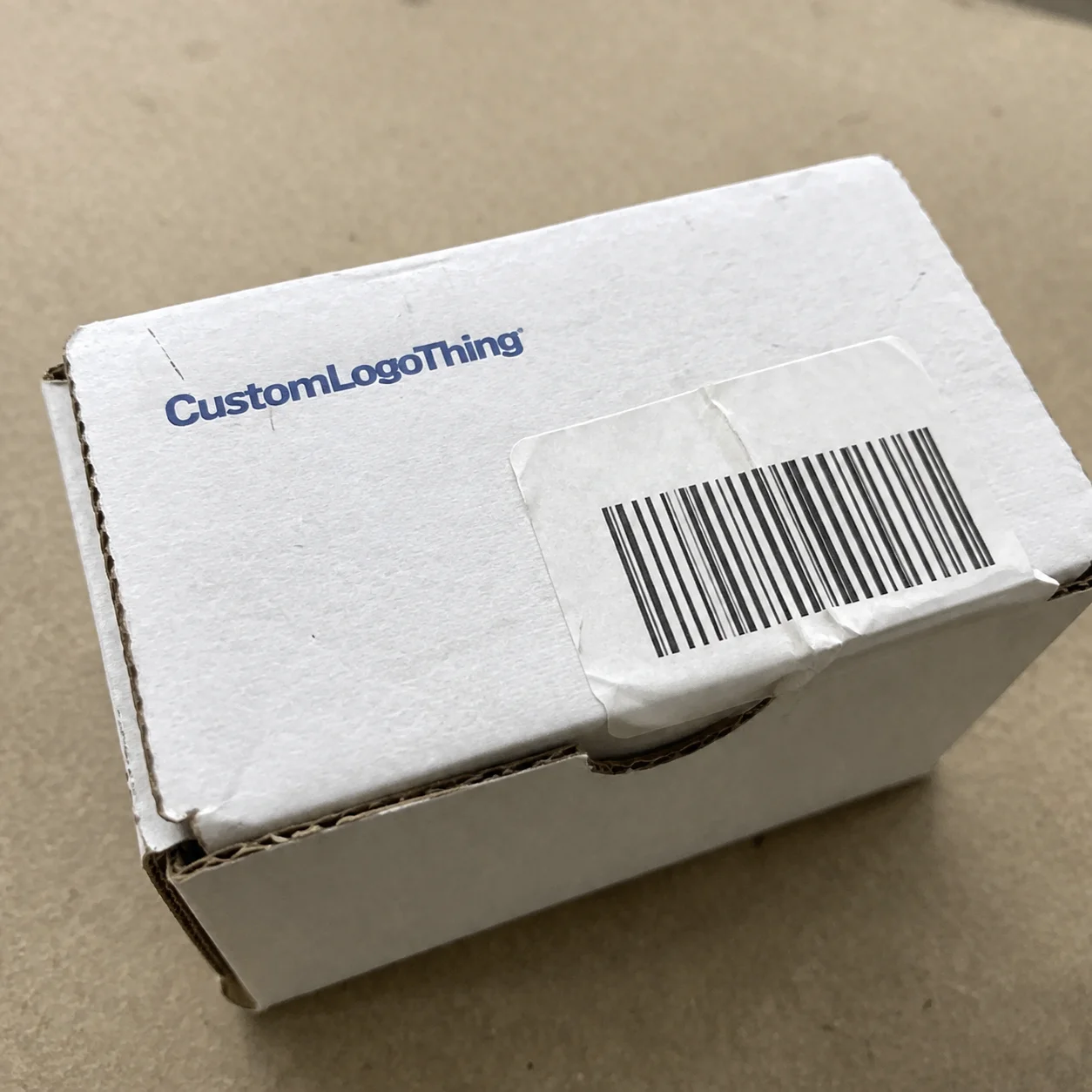
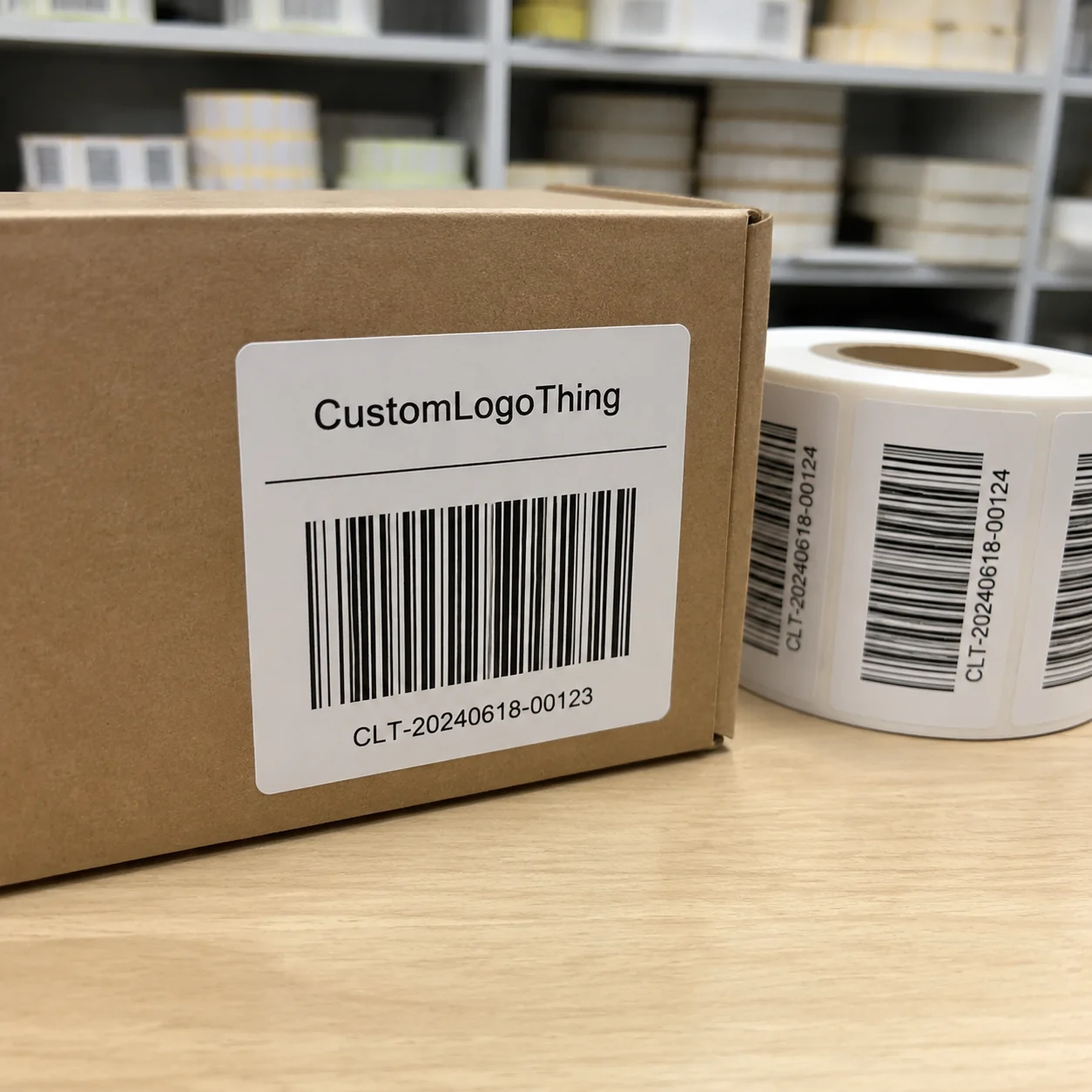
Picture a pallet arriving at a distribution dock. The cartons are intact. The count is correct. The packaging looks professional. Then the handheld scanner misses the code three times, the receiver keys in numbers manually, and the shipment gets flagged for review. The product did not fail. The data carrier did.
A barcode label is not just a sticker. It is a compliance checkpoint, inventory trigger, traceability marker, warehouse instruction, and customer experience tool compressed into a few square inches. That may sound theatrical until one unreadable code creates 40 minutes of relabeling across 18 cartons.
Most barcode failures begin before ink touches the label. The usual suspects are smudged print, weak contrast, curling edges, poor adhesive match, damaged coating, placement across a carton joint, or a code wrapped around a curved bottle shoulder. Useful label planning starts with those physical risks, not with decoration.
The closest comparison is a broken shipping label. The package still exists, but the system cannot recognize it. That gap creates delays, extra labor, chargebacks, rejected shipments, or lost traceability. In food, supplements, cosmetics, electronics, medical packaging, logistics, and industrial products, the cost arrives quickly.
Practical rule: if the barcode is part of receiving, checkout, compliance, warranty, batching, or recall control, treat the label as functional packaging, not decoration.
How Barcode Label Systems Work
Every barcode label has four basic parts: facestock, adhesive, liner, and print method. A coating, varnish, or laminate may be added when abrasion, moisture, oil, chemicals, or repeated handling could damage the printed code. Simple structure. Complicated consequences. Each layer affects scan performance.
Scanners read the contrast between dark bars and light spaces. Weak black density, glossy glare, ink spread, rough kraft paper fibers, and low-resolution artwork all interfere with that contrast. A code can look fine to the human eye and still grade poorly under a verifier using ISO/IEC barcode quality methods. That is the uncomfortable part: visual approval is not the same as verification.
Buyers usually encounter UPC and EAN codes for retail, Code 128 for logistics and inventory, QR codes for consumer engagement, Data Matrix for compact product data, and GS1-style labels for supply chain identification. You do not need to become a software engineer to order labels. You do need to know which code type your retail channel, warehouse, distributor, or compliance system requires.
There is also a difference between static artwork and variable data printing. One SKU may use one fixed UPC across every label. Serialized inventory, expiration dates, batch numbers, lot codes, or carton-level IDs require changing data on every label or every small group of labels. That changes file prep, proofing, inspection, and cost.
Size matters. Quiet zones matter more than many buyers expect. A quiet zone is the blank space around the barcode that lets the scanner find the beginning and end of the code. Trim it too close and the scanner has to guess. On small labels, the choice often becomes blunt: larger code or less marketing copy.
Substrate color matters too. Metallic silver, clear film, dark flood coats, and recycled kraft paper can look premium. They can also reduce contrast. This is one of the most common branding-versus-operations fights in custom barcode labels. The design team wants texture. The scanner wants boring contrast.
Different packages create different problems. Refrigerated bottles sweat. Corrugated cardboard absorbs and scuffs. Flexible pouches wrinkle. Glass jars need clean adhesive wet-out. Powder-coated metal may reject standard adhesives. A strong label specification is really a compatibility exercise between the label, the package, the print, and the scanner.
Choosing the Right Label Material for Your Product Environment
Paper is still the economical choice for dry indoor retail, short shelf life, and cartons that will not face moisture or rough handling. A common 60 lb semi-gloss paper label can work well on folding cartons, corrugated shippers, and dry jars. It is not a freezer label. It is not an oil-resistant label. Ask too much of it and it will tell you quickly.
Polypropylene, often called BOPP in packaging specs, gives better moisture resistance and a cleaner film appearance. White BOPP is common for cosmetics, supplements, food jars, and beverage-adjacent packaging because it resists light contact with water and hand oils. Polyester costs more, but it brings stronger dimensional stability, chemical resistance, and longer outdoor or industrial durability.
Vinyl is useful for flexible applications and some outdoor exposure, though buyers should check durability claims carefully. Direct thermal stock is a separate category. It is made for short-life logistics labels where heat-sensitive chemistry creates the image without a ribbon. It is efficient for shipping, but heat, sunlight, and abrasion can darken or damage the code.
Adhesive selection is where many projects quietly go wrong. Permanent adhesive works for most clean, dry, flat packaging. Removable adhesive suits temporary tracking, retail promotions, or reusable containers. Freezer-grade adhesive is built for cold storage. High-tack adhesive helps with rough corrugated cardboard, textured surfaces, or low-energy plastics. Low-temperature application adhesive is different from freezer storage adhesive; one describes the temperature during application, the other describes performance after application.
| Material | Best Use | Watch For | Typical Cost Position |
|---|---|---|---|
| Paper | Dry cartons, retail boxes, short-term indoor use | Moisture, abrasion, condensation, tearing | Lower |
| Polypropylene | Bottles, jars, cosmetics, food packaging, moisture exposure | Adhesive match on curved or low-energy surfaces | Middle |
| Polyester | Industrial, electronics, durable inventory, chemical exposure | Higher material cost and stiffer feel | Higher |
| Direct thermal | Shipping labels, short-life logistics, warehouse routing | Heat, sunlight, abrasion, long shelf life | Lower to middle |
Sustainability deserves a sober view. FSC certified paper, recycled content, wash-off adhesives, and compostable constructions can reduce impact in the right system. They do not automatically improve recyclability if the label contaminates the package stream or fails before the product is used. The Forest Stewardship Council is a useful reference point for responsible paper sourcing, while broader packaging recovery claims should be checked against local recycling realities.
Request samples. Then apply them to the actual package, not a clean sheet of office paper. Curved containers, chilled products, flexible pouches, coated paper boxes, HDPE bottles, aluminum cans, and glass jars all create different adhesive behavior after 24 to 72 hours. Fast tack on day one is useful; edge lift on day three is the finding that saves a reorder.
What Barcode Label Material and Printing Method Should You Choose?
For dry retail cartons, start with semi-gloss paper and digital or flexographic printing, depending on quantity. For refrigerated bottles, cosmetics, supplements, or packaging touched by moisture, test BOPP with an adhesive matched to the container. For industrial assets, electronics, chemical exposure, or long-life inventory, polyester with thermal transfer labels or durable printed film is usually the safer starting point.
For shipping labels and warehouse routing, direct thermal can be efficient because the label life is short and the print process is fast. For batch numbers, expiration dates, serialization, or changing carton IDs, plan for variable data printing and a controlled data review. The simplest answer is not one universal material. It is the lowest-risk construction that stays readable through storage, application, handling, scanning, and disposal.
One warning belongs here: do not choose materials by catalog description alone. "Permanent" does not mean permanent on every surface. "Water resistant" does not mean suitable for ice buckets, freezers, wet filling lines, or aggressive cleaning chemicals. Label terms are shorthand. The actual package decides.
Printing Methods That Keep Barcodes Sharp and Scan-Ready
Printing choice affects edge definition, black density, repeatability, and cost. Digital printing is useful for short runs, multiple SKUs, prototypes, fast changes, and variable designs where plates would add unnecessary expense. For 1,000 to 10,000 labels across several SKUs, digital often keeps setup efficient.
Flexographic printing makes sense for larger runs, repeat orders, spot colors, durable ink systems, and lower unit cost at scale. Once plates and setup are absorbed, the press can produce high volumes efficiently. For buyers ordering the same barcode label monthly or quarterly, flexo can beat digital on long-run economics.
Thermal transfer and direct thermal are often confused. Direct thermal creates the image on heat-sensitive stock, which is why it is common for shipping labels and short-life logistics. Thermal transfer uses a ribbon to print onto the label material. It can be more durable, especially when the ribbon is matched with the facestock: wax for basic paper applications, wax-resin for better abrasion resistance, and resin for many synthetic or demanding uses.
Inkjet variable-data printing is used where codes, batch numbers, dates, or serialization change frequently. It can be integrated into production lines or handled as a label-printing step. The risk is not only print quality; it is data control. One spreadsheet error can create duplicate serials or a mismatch between code and SKU.
Finishes can protect or harm barcode readability. Matte varnish often reduces glare. Gloss varnish can look sharp but may reflect scanner light at awkward angles. UV coating adds abrasion resistance. Lamination gives stronger protection for moisture and handling. Overprint varnish can be a good middle ground for roll labels that need scuff resistance without the thickness of laminate.
Decorative upgrades need testing. Foil, heavy texture, dark backgrounds, clear labels, metallic stock, and dense coatings can all interrupt scanner performance. A premium label that fails at checkout is not premium; it is a rework order with better lighting.
Cost, Pricing, and MOQ Factors Buyers Should Expect
A barcode label quote is built from more than square inches. The main drivers are label size, facestock, adhesive, number of colors, finish, die shape, roll direction, variable data, proofing, inspection requirements, and quantity. Special packaging, small roll counts, or tight delivery windows move the number again.
Unit cost falls as quantity rises because setup time, press calibration, die cost, material waste, and quality checks are spread across more labels. A 1,000-label order carries setup heavily. A 10,000-label order spreads that setup across ten times the output. Quoting only one quantity can hide the best buying point.
Plain paper labels usually sit at the lower end. Synthetic stocks, freezer adhesives, lamination, serialized variable data, clear film, metallic materials, and specialty inspection move pricing upward. As a broad buying pattern, a simple paper roll label may cost a few cents each at moderate quantities, while durable synthetic or serialized labels can climb several times higher depending on construction and review requirements. Exact pricing depends on the spec.
MOQ is not just a sales rule. It reflects material roll widths, die setup, press time, finishing, and purchasing thresholds. If a supplier has to source a specialty adhesive roll, set up a die, calibrate a press, and inspect variable data, 250 labels may cost almost as much to prepare as 2,500.
Ask for price breaks at 1,000, 5,000, and 10,000 labels. The curve often exposes a smarter reorder strategy. A buyer may find that 5,000 labels cost far less per unit than 2,500, while 10,000 labels only saves a little more. That middle tier can be the practical answer if SKUs change often.
Hidden costs are less polite. Relabeling labor, rejected shipments, unreadable barcodes, expedited freight, inventory write-offs, and compliance chargebacks can dwarf the price difference between paper and film. A barcode Labels Material and Printing guide should be read as a risk-control document, not only a sourcing document.
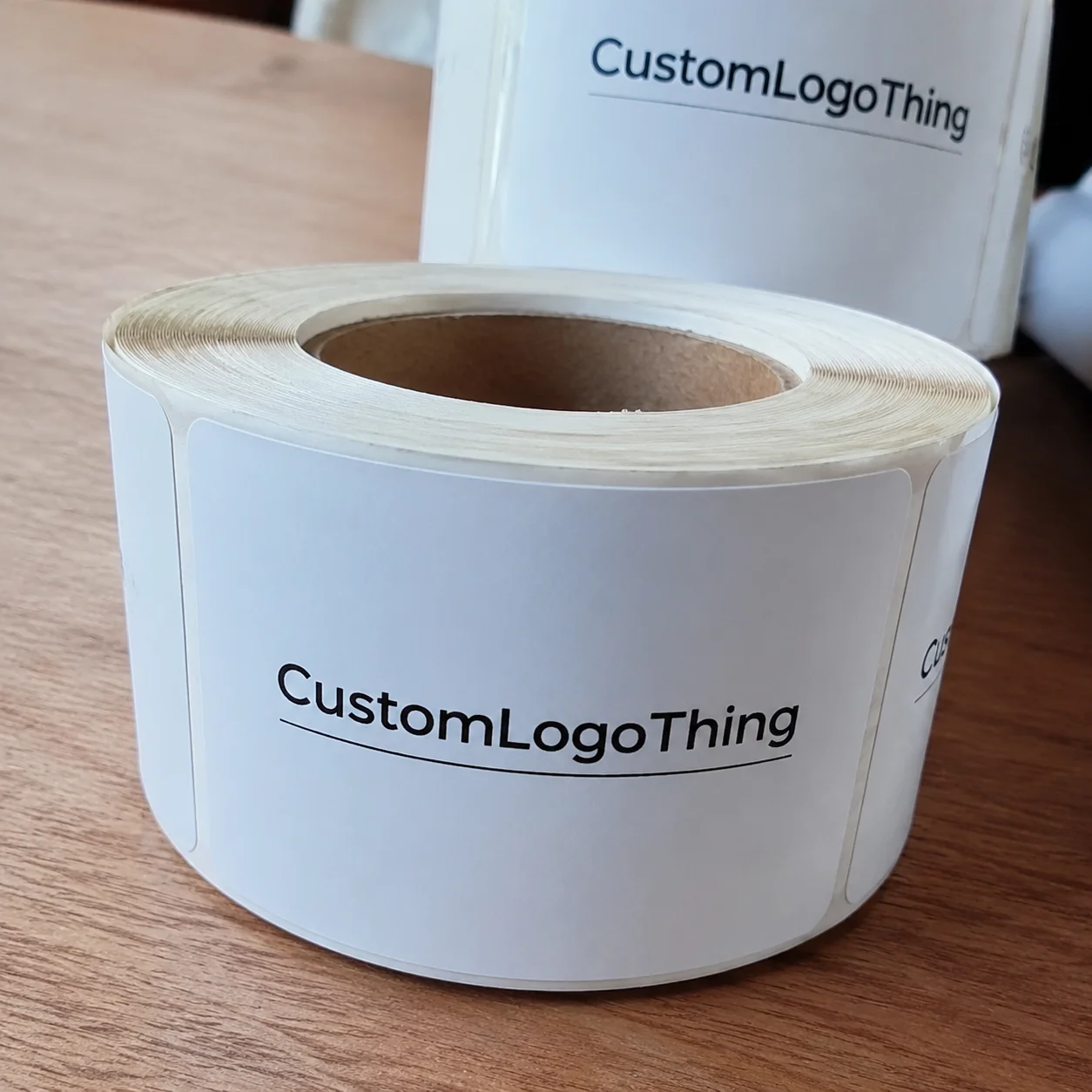
For custom roll labels, Custom Logo Things can align materials, print method, and finishing through its Custom Labels & Tags options and broader Manufacturing Capabilities. The useful question is not "What is the cheapest label?" It is "What is the least expensive label that still scans after the real handling cycle?"
Process and Timeline: From Artwork to Finished Barcode Rolls
A practical production process starts with purpose. Is the label for retail checkout, warehouse routing, compliance, warranty tracking, carton identification, or consumer information? Each answer changes risk. Retail checkout demands high contrast and correct UPC sizing. Cold-chain logistics demands adhesive and coating discipline.
Buyers should provide label dimensions, packaging surface, application environment, barcode type, SKU list, quantity, roll direction, dispenser requirements, and compliance needs at the start. If a label will be machine-applied, include core size, roll outside diameter, unwind direction, gap size, and whether the label feeds left-edge or right-edge first.
Artwork should include vector files where possible, high-resolution barcode files, color references, dielines, and variable-data spreadsheets if needed. For GS1-related supply chain labels, confirm requirements with your retail or logistics partner before production. The International Safe Transit Association also publishes useful testing frameworks for packaged-product distribution, especially where shipping stress could affect label durability.
Proofing has levels. A digital proof checks layout, spelling, code placement, size, and color intent. A material sample checks adhesion and appearance. A press proof or production sample checks the printed result on the selected stock. For low-risk reorder labels, a digital proof may be enough. For a new freezer label with serialized data, it probably is not.
Simple repeat labels move fastest. A clean reorder on an existing die and known stock may be ready in several business days after proof approval, depending on capacity and shipping. First-time custom barcode labels with new materials, lamination, multiple SKUs, custom dies, or serialized data often need more review and can run 10 to 20 business days or more before delivery. Specialty materials can extend that further.
Build in application testing time. Adhesive failures often appear after hours or days, not the moment the label is pressed onto the package. Edges lift after condensation. Labels tunnel on curved containers. Ink scuffs after carton-on-carton friction. Testing one day before production is not enough for a high-risk order.
Common Barcode Label Mistakes That Create Expensive Rework
The technical mistakes are familiar: insufficient quiet zone, barcode printed too small, poor contrast, low-resolution artwork, wrong barcode format, and code placement on a curve, joint, corner, or package edge. A 1D barcode wrapped around a small bottle radius may scan from one angle and fail from another. Warehouses dislike exactly that kind of inconsistency.
Material mistakes are just as common. Paper labels are used on wet or refrigerated packaging. Clear labels are placed over amber glass, dark liquid, or patterned backgrounds where contrast disappears. Standard permanent adhesive is expected to bond to rough corrugated cardboard, oily plastic, or textured powder coating without testing. It might work. It might fail after the first cold room.
Data mistakes can be more damaging because they look clean at first glance. Duplicate codes, mismatched SKU data, outdated UPCs, missing lot fields, incorrect expiration formats, and spreadsheet sorting errors can all produce beautiful labels with bad information. Variable-data jobs need a locked data source and a review process. Dull work. Expensive to skip.
Production mistakes buyers can prevent include approving only a screen proof, skipping scanner testing, ignoring roll direction, and forgetting how labels will be applied. A label that looks correct on a PDF can still dispense backward on a machine applicator. A roll with the wrong unwind direction can stop a production line even though the print is perfect.
Many barcode failures look like printing problems, but the root cause is often a mismatch between packaging surface, adhesive chemistry, and real handling. That is the investigative angle buyers should keep in mind. If labels lift, smudge, or fail under scanning, ask what changed: the coating, the surface, the storage temperature, the scanner, the label placement, or the data file?
Run a small pre-production test when the product faces moisture, cold, heat, abrasion, chemicals, or automated scanning. Test with the scanners used by your warehouse, retailer, or distributor, not only a phone camera. Phone scanning is useful, but it is not a substitute for production-grade verification.
Build a Barcode Label Spec Before You Request a Quote
The fastest quoting conversations start with a real spec. Not a perfect spec. A usable one. Gather the package material, label size, barcode type, order quantity, SKU count, application surface, storage temperature, moisture exposure, finish preference, and roll direction. Add photos of the container, carton, pouch, or jar if the surface is curved, textured, glossy, or unusually small.
Use the actual package before choosing material. Barcode performance depends on the surface as much as the label design. Corrugated board, coated paperboard, HDPE, PET, aluminum, glass, and flexible film all have different surface energy, texture, and friction. A label that bonds beautifully to a paperboard carton can lift from a chilled plastic bottle.
Send supplier-ready files when possible: vector artwork, high-resolution barcode files, UPC or GS1 data, color references, dieline, and a variable-data spreadsheet if serialization, batch coding, or expiration dates are required. Keep the data file clean. One column per field. No merged cells. No hidden rows. No last-minute manual edits after proof approval unless the supplier rechecks the file.
Ask for the right proof. Use a digital proof for layout, a material sample for adhesion, a scanner test for readability, and a production sample for high-risk orders. For packaging that uses recycled materials, kraft paper, biodegradable packaging claims, or specialty finishes, confirm that the label construction supports the claim rather than complicating it.
Compare quotes line by line. Check facestock, adhesive, finish, label count per roll, core size, rewind direction, inspection process, setup charges, shipping, and lead time. Two quotes can look similar until one includes lamination and scan checks while the other assumes plain paper and no variable-data inspection.
A barcode label is a small part of the package, but it carries an outsized job. It has to stick to the surface, survive the route, hold the right data, and scan under real operating conditions. Build the spec before production, and the label becomes boring in the best possible way: readable, repeatable, and unnoticed by the people who would otherwise have to fix it.
FAQ
What is the best material for barcode labels on product packaging?
Paper works for dry indoor packaging, short shelf life, and cartons that do not face moisture or heavy abrasion. Polypropylene or polyester is usually better for moisture, handling, cold storage, and longer shelf life. The best material depends on the package surface, storage conditions, scanner requirements, and how long the label must remain readable.
Which printing method is best for barcode labels?
Digital printing is efficient for short runs, multiple SKUs, prototypes, and fast artwork changes. Flexographic printing is often better for larger repeat orders where plate cost can be spread across a bigger quantity. Thermal transfer is useful for durable variable data, while direct thermal is common for short-life shipping and logistics labels.
How do I make sure my barcode labels scan correctly?
Use strong contrast, adequate quiet zones, correct barcode size, clean artwork, and a material that does not glare, bleed, wrinkle, or smudge. Test the printed label on the actual package with the scanners used in your warehouse, retail channel, or distribution network. A phone scan alone is not enough for high-risk distribution.
How much do custom barcode labels cost?
Pricing depends on size, material, adhesive, print method, colors, finish, die shape, variable data, quantity, and inspection requirements. Request quotes at several quantities because setup costs often make unit pricing fall sharply as order volume increases. Also compare hidden costs such as relabeling labor, rejected shipments, and expedited replacements.
What files do I need to order custom barcode labels?
Provide vector artwork, barcode data, label dimensions, dieline if available, color references, SKU list, and any batch, lot, or serialized data. Also share the packaging surface, storage conditions, application method, roll direction, dispenser requirements, and required lead time so production can quote accurately.