Buyer Fit Snapshot
| Best fit | custom book mailers wholesale packaging for packaging buyers comparing material specs, print proof, MOQ, unit cost, freight, and repeat-order risk where brand print, material, artwork control, and repeat-order consistency matter. |
|---|---|
| Quote inputs | Share finished size, material target, print colors, finish, packing count, annual reorder estimate, and delivery region. |
| Proofing check | Approve dieline scale, logo placement, barcode or warning zones, color tolerance, and any recyclable or compostable wording before bulk production. |
| Main risk | Vague material claims, crowded artwork, or missing packing details can create delays even when the unit price looks attractive. |
Fast answer: Custom Book Mailers Wholesale Packaging: MOQ, Samples, Lead Time, and Quote Checks should be specified like a repeatable production item. The safest quote includes material, print method, finish, artwork proof, carton packing, and reorder notes in one written spec.
What to confirm before approving the packaging proof
Check the product dimensions against the actual filled item, not only the sales mockup. Ask for tolerance on folds, seals, hang holes, label areas, and retail display edges. If the package carries a logo, QR code, warning copy, or legal claim, reserve that space before decorative graphics fill the panel.
How to compare quotes without losing quality
Compare board or film grade, print process, finish, sampling route, tooling charges, carton quantity, and freight assumptions side by side. A lower quote is only useful if the supplier can repeat the same color, closure quality, and packing count on the next order.
A bent corner on a $28 hardcover can erase the margin on several clean orders, and that is exactly why custom book mailers wholesale deserves a real look instead of a quick checkbox on a procurement list. This is not just a carton purchase. It is a damage-control decision, a labor decision, and, for a lot of brands, a packaging decision that reaches all the way into customer perception. A mailer built around the book footprint, tuned to protect the spine and corners, and delivered in a repeatable format can cut claims, reduce re-shipments, and keep the packing line moving without forcing extra handling.
Publishers, indie bookstores, subscription brands, and educational sellers usually see the value of custom book mailers wholesale in a few familiar places: less void fill, fewer oversized parcels, and fewer returns tied to transit wear. The carton itself is rarely the whole cost. The real drain is the second shipment, the repack, the damaged insert, and the buyer who remembers the rough arrival more clearly than the book. That is why custom book mailers wholesale starts to look less like a packaging expense and more like margin protection.
Why Custom Book Mailers Wholesale Beat Generic Mailers
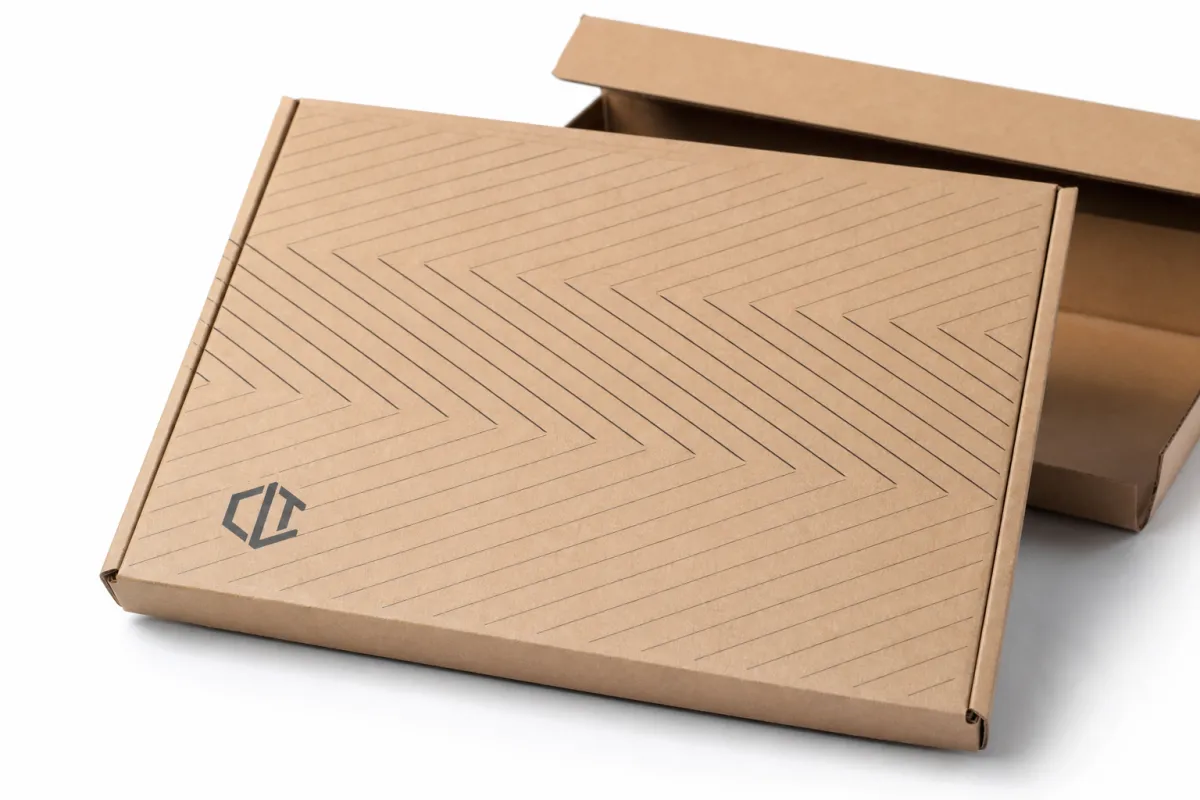
Books look simple on a shelf, but they can be unforgiving in transit. They carry a lot of weight for their size, their corners crush with very little warning, and a dust jacket scuffs faster than most buyers expect. A generic shipper may contain the item, but it often leaves too much movement around the edges, so impact gets absorbed by the package instead of by the structure doing the work. Custom book mailers wholesale solves that by matching the footprint to the product instead of forcing one carton size to cover every title in the catalog.
That difference shows up fast on the packing line. A generic mailer often asks the operator to add kraft paper, tissue, or a manual fold-and-fill step. Custom book mailers wholesale cuts away those little decisions. One size, or one family of sizes, can cover a launch title, a backlist title, and a signed edition with fewer judgment calls. Fewer judgment calls usually mean fewer mistakes, and fewer mistakes usually mean fewer claims.
Freight changes the math too. A shipper that is just a little too large on all sides can push a parcel into a higher dimensional weight bracket, especially for direct-to-consumer orders. The difference does not feel dramatic on one shipment, but it compounds quickly across hundreds or thousands of parcels. If a brand ships 5,000 books a month, shaving even a small amount from each box can free up enough budget to pay for the print upgrade that made the mailer look premium in the first place. That is the practical case for custom book mailers wholesale.
Generic mailers still have a place, especially for irregular one-off jobs. Repeated shipments call for a tighter answer. Publishers want consistency. Subscription box brands want presentation. Indie bookstores want damage reduction without a fussy assembly step. Educational sellers want low cost per shipment and predictable fit. Custom book mailers wholesale serves those needs better because the structure can be tuned to the product, the route, and the brand standard instead of guessed from a catalog.
A book mailer should do more than close. It should control movement, protect corners, and present the title cleanly enough that the customer feels the package was built for the book, not borrowed for it.
The branding payoff is real too. A plain mailer sends a neutral message. A well-planned custom book mailers wholesale program reinforces package branding the moment the parcel lands. Even a one-color logo, a line of interior copy, or a clean exterior panel can make the shipment feel deliberate. For many direct-to-consumer sellers, that is the difference between packaging that disappears and packaging that helps repeat purchases.
There is a simple comparison buyers can keep in mind. A generic mailer protects the shipment. A properly engineered custom book mailers wholesale solution protects the shipment, lowers labor, and supports the brand. Those are not the same thing.
Custom Book Mailers Wholesale Product Details That Matter
Start with structure. The right custom book mailers wholesale format depends on what is inside and how the order should open. Tuck-top styles are common for presentation-heavy shipments. Self-locking structures help reduce tape use. Corrugated mailers work well for heavier books, boxed sets, or long-distance shipping where compression and corner protection matter more than a slim profile. Folding carton versions can look attractive for gift editions, but they need the right board choice if the product carries weight.
Interior fit is where most buyers either win or lose the job. A hardcover with a dust jacket needs corner control and spine support. A softcover with a thin jacket may not need a heavy corrugated profile, but it still needs a snug cavity so the book does not drift during transit. Custom book mailers wholesale performs best when the inside dimensions are engineered around the actual title, not the nominal book size on a spec sheet. A few millimeters can change how the spine rides inside the pack.
Branding options run broader than many buyers expect. One-color logos are often the cleanest starting point and can keep print costs modest. Full-surface print turns the mailer into a strong retail packaging statement for launches, collector runs, and author boxes. Matte finishes usually feel more refined than high-gloss on book programs, while a soft-touch film can lift the unboxing without pushing the mailer into a luxury-only lane. Some sellers add interior messaging, return instructions, or a thank-you line inside the flap. That small detail often gives the best return for the money spent in custom book mailers wholesale.
Practical features matter more than flashy ones. Tear strips can improve opening for customers. Score lines help one structure work across multiple book thicknesses. Dual-depth designs are useful for publishers with a deep backlist because the same base mailer can serve several trim sizes. Tamper-evident features are worth considering for signed copies, preorders, and collector editions where the buyer wants confidence that the parcel stayed intact from fulfillment to doorstep. In these jobs, custom book mailers wholesale is as much about risk control as appearance.
For sellers of author kits, gift sets, or boxed subscriptions, presentation and protection need to share the same space. A mailer that looks good but collapses under pressure fails. A mailer that is strong but plain may protect the book yet miss the brand moment. The best custom book mailers wholesale structures sit in the middle: enough board to survive transit, enough print surface to support the brand, and enough efficiency to keep labor reasonable.
If your packaging program also includes other formats, it helps to review related categories such as Custom Packaging Products and compare with Custom Poly Mailers for lighter inserts or non-book components. The point is not to force every item into the same format. The point is to match the structure to the shipment.
Custom Book Mailers Wholesale Specifications: Sizes, Board, Print
Specification work is where a good quote turns into a usable package. Custom book mailers wholesale should never be sourced from a rough estimate like “standard paperback size” or “fits most hardcovers.” Buyers need finished book length, width, and spine thickness. If the order ships as one book, the cavity can be tight. If it ships as a set, the spec should allow for stacking pressure, sleeve thickness, or any insert cards that travel with the title.
Board choice has a direct effect on shipping cost and performance. Lightweight mailers can work for low-cost titles or local distribution, especially if the route is short and the product is not fragile. Heavier board, thicker corrugated profiles, or stronger caliper stock make more sense for premium hardcovers and long-haul DTC shipments. A common mistake in custom book mailers wholesale is picking a board based on unit price alone, then paying for it later in damage claims. The lowest quote is not always the lowest landed cost.
From years of reviewing samples, I have learned that the spec sheet matters a lot more than most buyers expect. A box that looks fine on a PDF can still fail once a real book gets inside it. The flap may not close flush, the spine may press against the edge, or the operator may need to force the title into place. That is the sort of thing that is easy to overlook until the line is moving and everybody is kinda wondering why the pack feels off. A physical sample check with the actual product is faster than fixing a full run later.
For buyers reviewing samples, a solid spec sheet should include these items:
- Inside dimensions measured to the book, not just the outside box size.
- Outside dimensions for freight planning and shelf storage.
- Board or corrugation grade so compression strength is easy to compare.
- Print area with clear notes on front, back, flap, and interior copy.
- Closure method such as tuck-in, self-locking, or adhesive strip.
- Pack configuration whether the book ships alone, with inserts, or as a set.
Procurement teams should also think about storage and pallet efficiency. A mailer that nests well and stacks cleanly can reduce warehousing friction. A structure that ships flat but opens into an awkward footprint may work perfectly in theory and slow the line in practice. Good custom book mailers wholesale design considers pallet count, shelf footprint, and line speed at the same time. That is how packaging moves from a cost line to an operational tool.
For sellers that care about material sourcing, ask whether the board can be supplied with FSC-certified content. You can review the standard at FSC. If the packaging must pass transit testing for rough handling or parcel distribution, ask whether the mailer has been tested against common protocols such as ISTA methods. Those references do not replace product-specific testing, but they give buyers a practical baseline.
One useful habit: collect sample books before finalizing the quote. A set of real titles reveals how much cushion, board, and flap depth are actually needed. In custom book mailers wholesale, that small step often saves the buyer from ordering a mailer that fits the catalog description but not the physical book.
Cost, Pricing & MOQ for Custom Book Mailers Wholesale
Pricing for custom book mailers wholesale is driven by a handful of predictable variables: board thickness, print complexity, die-cut setup, order quantity, and freight weight. Once buyers understand those drivers, quote comparisons become much cleaner. A supplier that quotes only the unit price can look cheaper than a supplier that includes setup and freight, but the landed cost may be higher once everything is tallied.
Minimum order quantity, or MOQ, usually changes the conversation quickly. Larger runs spread tooling and setup over more units, so the per-piece price drops. Smaller runs are possible, especially for premium or seasonal titles, but the economics usually favor a higher volume once the design is locked. For a buyer ordering custom book mailers wholesale for a recurring title, the breakeven point often lands well before the biggest volume tier. The right question is not “What is the cheapest run?” It is “At what quantity does my unit cost stop moving much lower?”
Here is a practical pricing frame buyers can use. These ranges vary by region, board grade, print coverage, and structure, but they help anchor the discussion:
| Mailer Type | Typical MOQ | Indicative Unit Range | Best Fit |
|---|---|---|---|
| Plain stock-style mailer | 1,000-3,000 | $0.18-$0.32 | Simple fulfillment, low print needs, tight budget control |
| Branded one-color mailer | 3,000-5,000 | $0.24-$0.45 | Most custom book mailers wholesale programs, clean logo branding, repeat orders |
| Fully custom structural mailer | 5,000-10,000+ | $0.42-$0.85 | Collector editions, gift sets, premium retail packaging, special opening experience |
Those numbers are a buying reference, not a promise. A heavy double-wall structure, a multi-color print job, or a special coating can move the cost up. A simple monochrome print on efficient board can keep it down. In custom book mailers wholesale, the cheapest path is often a standardized footprint with smart artwork placement and a restrained print strategy.
Buyers should ask for quotes that separate material, tooling, freight, and samples. That makes the real spend visible. It also helps identify where savings live. Standardized sizes reduce engineering time. Fewer print colors reduce setup. Clean pallet builds reduce freight waste. Repeat orders reduce friction because the spec is already approved. In other words, the best savings in custom book mailers wholesale usually come from planning, not from squeezing the supplier after the quote arrives.
Here is the comparison many brands need to see before signing off:
- Stock-style mailers are quick to buy, but they often require more void fill and more operator judgment.
- Branded one-color mailers usually give the best balance of cost, speed, and presentation.
- Fully custom mailers make sense when the shipping experience itself is part of the product or the launch campaign.
For publishers shipping the same title for months, custom book mailers wholesale often wins because the upfront setup gets diluted across volume. For short promotional runs, a lighter branded version may make better financial sense. The point is to match the structure to the shipment frequency, not to assume every line needs the same premium treatment.
The cleanest savings usually show up after the first quote, not on the first quote. Better fit, lower labor, and fewer damages can matter more than a few cents saved on the carton itself.
Process, Timeline, and Lead Time for Custom Book Mailers Wholesale
A reliable custom book mailers wholesale process usually moves through six stages: discovery, dieline review, sample approval, artwork sign-off, production, and shipment. Buyers who understand those steps usually avoid the most common delays. The biggest delay is not always the press. It is the revision cycle that starts after the sample is already in motion.
Discovery should cover the book dimensions, quantity, shipping environment, brand expectations, and any special handling requirements. If the title is heavy, fragile, signed, or packed with inserts, that information should be on the table immediately. The most efficient custom book mailers wholesale projects begin with a clear brief and a realistic delivery target. If the order needs to arrive before a launch, work backward from that date and allow time for proofing, transit, and a possible revision.
During pre-production, the supplier should check artwork alignment, print limits, and structural fit. This is the point where buyers should compare the actual book or a dummy sample against the mailer. If the flap pushes against the edge, if the spine sits loose, or if the closure tab needs extra force, the spec should be adjusted before mass production. That discipline makes custom book mailers wholesale far more dependable.
Lead time varies by complexity, but a locked design is the biggest speed factor. A simple one-color branded mailer with approved artwork may move faster than a structurally complex package that needs several review rounds. Rush orders can happen, though they are easier to approve when the die line is already confirmed and the artwork is final. In plain terms, custom book mailers wholesale moves at the pace of the slowest unresolved decision.
A realistic timeline might look like this:
- Request quote with finished book specs, quantity, and print needs.
- Review structure options and confirm target budget.
- Approve sample or digital mockup, then test with real books.
- Finalize artwork and release production.
- Receive finished freight, inspect cartons, and stage inventory.
- Reorder before stock runs low, especially for launch windows and holiday peaks.
That sequence sounds simple, but it prevents the most expensive mistake in custom book mailers wholesale: ordering a large volume before the fit has been proven. The sample stage is not busywork. It is where the supplier and the buyer decide whether the packaging will support the product or merely contain it.
Teams that ship author kits, signed editions, or bundled merchandise should expect a little more lead time. Inserts, sleeves, and mixed packaging components introduce more variables. If your program includes books plus swag, reference Wholesale Programs early so inventory planning does not become an afterthought. That matters because the fastest packaging program is the one that ships from a clear plan, not from a stack of cartons and a guess.
Why Choose Us for Custom Book Mailers Wholesale
Custom Logo Things approaches custom book mailers wholesale as a packaging program, not just a print order. That distinction matters. A supplier can sell a carton. A packaging partner helps size it, print it, stage it, and repeat it with fewer surprises. For brands that care about product packaging and package branding at the same time, that support is often worth more than a small unit-price difference.
Factory-direct coordination usually means fewer handoffs and clearer accountability. That is useful when the job involves structural adjustments, color matching, or recurring replenishment. In custom book mailers wholesale, the details that cause the most friction are rarely dramatic. They are small: a flap that folds too tightly, a logo that sits too close to the edge, or a board grade that looks fine on paper but performs poorly under load. Direct coordination reduces those mistakes because the design, print, and production notes stay aligned.
Strong partners also think about total landed cost, not just the carton price. That includes freight, packing labor, damage rates, storage footprint, and reorder efficiency. A mailer that costs a few cents more can still save money if it lowers repacks or reduces dimensional weight. That is one reason buyers return to custom book mailers wholesale after testing generic options. The savings show up in different places than they expected.
For sellers building a broader packaging system, it helps to keep the structure conversation open. Some shipments may use book mailers. Others may pair better with Custom Packaging Products or a lighter format such as Custom Poly Mailers for accessories and inserts. Good packaging design is not about forcing everything into one format. It is about matching each item to the least expensive structure that still protects the brand.
Repeatability matters too. A company shipping a launch title, then a backlist title, then a signed run wants the same quality every time. custom book mailers wholesale delivers value when the same dimensions, the same print file, and the same finishing notes produce the same result across multiple runs. That consistency is what lets operations teams forecast with confidence and lets marketing teams trust the packaging to carry the brand look.
For direct-to-consumer books, the unboxing often shapes the customer’s impression before the cover even opens. A clean outer panel, a protected spine, and a tidy interior can support the kind of retail packaging experience that encourages reviews and repeat purchases. That is why custom book mailers wholesale is not just for logistics teams. It is part of how the brand presents itself in the customer’s hands.
From a buyer’s point of view, the best supplier is the one that asks the right questions early: What is the book weight? Is there a dust jacket? Does the shipment include inserts? How many units move each month? Those questions lead to a better spec, and a better spec leads to fewer problems later. That is the practical standard we apply to custom book mailers wholesale.
Next Steps for Custom Book Mailers Wholesale Orders
If you are ready to source custom book mailers wholesale, start with the facts. Gather the finished book dimensions, approximate monthly volume, target budget, and preferred print style. Decide whether the main goal is protection, branding, or shipping efficiency. Those priorities shape the structure more than the artwork does. A beautiful mailer that fits poorly is still a poor mailer.
Next, request samples and compare at least two structural options. One may be a simple branded mailer with a clean logo. The other may be a stronger corrugated design for premium titles or heavier books. Test both with the actual product. A physical fit check is more useful than a mockup discussion because it reveals movement, compression, and closure behavior. In custom book mailers wholesale, that test often reveals the winning design within minutes.
Build a short spec sheet before asking for a quote. Include size, quantity, finish, print coverage, target delivery window, and any special handling notes. The clearer the brief, the better the quote. It also reduces revision cycles, which is one of the easiest ways to shorten the schedule. For brands that reorder often, custom book mailers wholesale becomes much easier once the first spec is fixed and documented.
Inventory planning matters more than many buyers admit. If a title sells faster than expected, packaging stock becomes the bottleneck. That is especially true for author campaigns, seasonal promotions, and launch weeks. Set reorder points before the shelves get thin. A small safety buffer costs less than a rushed replenishment. For custom book mailers wholesale, the best reorder strategy is usually simple: keep enough stock to cover demand spikes, not just average weeks.
The fastest path is not the cheapest quote. It is the quote built from exact measurements, a realistic lead time, and a clear production brief. That is how custom book mailers wholesale protects margin, reduces damage, and supports the brand at the same time. If the packaging has to do real work, start with the numbers and let the structure follow.
What is the minimum order for custom book mailers wholesale?
MOQ depends on structure, print method, and material, but buyers should expect larger runs to lower unit cost. Request pricing at multiple volume tiers so you can see where the best breakpoint lands for your forecast. For recurring book programs, custom book mailers wholesale often becomes more efficient once setup is spread across a higher quantity.
How do I choose the right size for custom book mailers wholesale?
Measure the finished book, including height, width, and spine thickness. Leave enough room for a secure fit without excess void space that increases movement during transit. If the shipment includes inserts, sleeves, or a second item, build that into the spec before approving custom book mailers wholesale.
How long does production usually take for custom book mailers wholesale?
Lead time varies by sample approval, artwork readiness, and order size. A locked design and approved spec sheet typically shorten turnaround the most. If a project changes after sampling, the schedule usually stretches. That is why custom book mailers wholesale works best when the brief is final before production starts.
Can custom book mailers wholesale be printed with my logo?
Yes, most mailers can be branded with one-color, multi-color, or full-surface artwork depending on the structure. Provide vector artwork early so print setup does not slow production. Buyers who want package branding to feel consistent across shipments should confirm logo placement before custom book mailers wholesale moves into press setup.
What should I include when requesting a quote for custom book mailers wholesale?
Share dimensions, material preference, quantity, print needs, target delivery date, and whether you need samples. A complete brief helps suppliers quote faster and reduces revision cycles. The more exact the information, the better the chance that custom book mailers wholesale arrives on time and fits the book properly.

