Buyer Fit Snapshot
| Best fit | Custom Box Labels Wholesale projects where brand print, material claims, artwork control, MOQ, and repeat-order consistency need to be specified before quoting. |
|---|---|
| Quote inputs | Share finished size, material target, print colors, finish, packing count, annual reorder estimate, ship-to region, and any compliance wording. |
| Proofing check | Approve dieline scale, logo placement, barcode or warning zones, color tolerance, closure strength, and carton packing before bulk production. |
| Main risk | Vague material claims, crowded artwork, missing packing details, or unclear freight terms can make a low unit price expensive after revisions. |
Fast answer: Custom Box Labels Wholesale: Pricing, Specs, Process should be specified like a repeatable production item. The safest quote records material, print method, finish, artwork proof, packing count, and reorder notes in one written spec.
Production checks before approval
Compare the actual filled-product size with the drawing, then confirm tolerance on folds, seals, hang holes, label areas, and retail display edges. Reserve space for logos, QR codes, warning copy, and material claims before decorative graphics fill the panel.
Quote comparison points
Review material grade, print process, finish, sampling route, tooling charges, carton quantity, and freight assumptions side by side. A quote is only useful when the supplier can repeat the same color, closure quality, and packing count on the next order.
Custom Box Labels Wholesale: Pricing, Specs, Process
Ship enough cartons and the label stops being decoration and starts acting like part of the shipping system. The box can be packed well, the tape can be straight, the pallet can be clean, and one bad label can still throw the whole job off by smearing, lifting, or refusing to scan. That is the practical reason custom box labels wholesale matters. It is not about pretty artwork alone. It is about keeping packages readable, durable, and presentable from the packing table to the receiving dock.
custom box labels wholesale usually makes more sense than moving every SKU into fully printed cartons. It keeps packaging flexible without forcing a separate box inventory for each promotion, region, or version change. One carton spec can stay in place while the label carries the barcode, the compliance message, the campaign artwork, or the product name that needs to shift from run to run. For packaging teams that need control without tying up cash in printed box inventory, that is a practical way to work.
The business case is straightforward. Labels reduce setup friction, make seasonal changes easier to manage, and keep reorders from turning into a packaging redesign project. They also help with version control. One label for a holiday campaign. One label for a market-specific warning. One serialized label for fulfillment tracking. Brands that move product through multiple channels need that kind of flexibility because sales, logistics, and procurement rarely move at the same pace.
There is a shipping benefit that shows up fast. Better labels cut down on mis-scans, receiving delays, and the handoff problems that slow a warehouse down. I have seen jobs where the carton itself was fine, but the label stock was wrong for the surface and started to curl as soon as the pallet moved through a cold dock. That kind of failure feels small until it costs labor and time. custom box labels wholesale gives buyers a repeatable spec they can reorder with less guesswork and more confidence. The sections below cover materials, adhesive options, pricing, turnaround timing, and the questions worth asking before a run goes live.
Why Custom Box Labels Wholesale Wins on Real Shipments
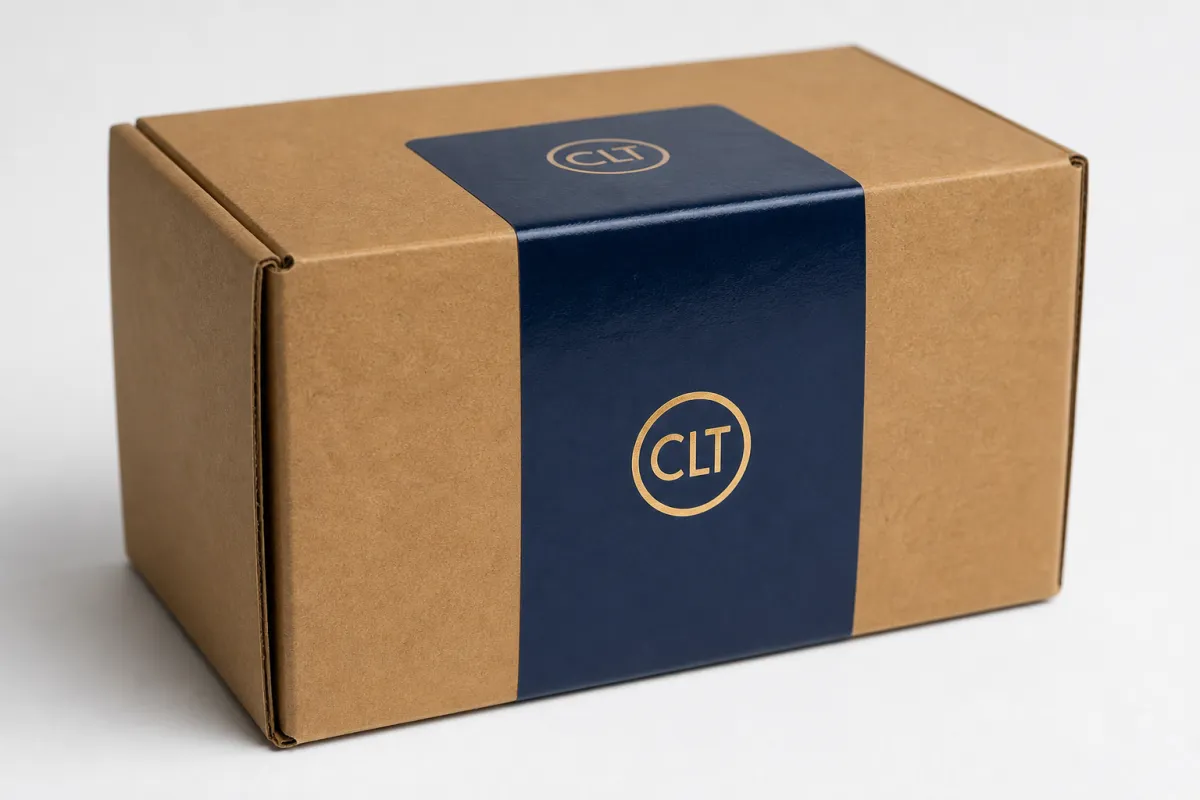
Label failures rarely begin in design. They show up in fulfillment. A barcode can look perfect on a proof, then the carton gets packed in a cold warehouse, wrapped tight on a pallet, rubbed against a corner, and exposed to humidity before it reaches a customer or a receiving team. That is the setting where custom box labels wholesale earns its keep. The stock, adhesive, and finish can be chosen for the shipment conditions that actually exist instead of the conditions that look nice in a mockup.
For brands handling several SKUs, custom box labels wholesale also makes reorder control much easier. The base carton can stay the same while the label changes from product to product or from season to season. That keeps supply chains lighter and helps teams that manage promos, bundled offers, or regional compliance updates without rebuilding the whole box program each time.
Operations teams like labels because the workflow is easier to hold together. Lead times are often shorter than full carton printing, storage needs are lower, and the risk of sitting on outdated packaging drops sharply. With custom box labels wholesale, orders can match actual demand instead of forcing a large speculative carton run. That may sound plain, but it is kinda the point when cash flow and warehouse space are both tight.
Clean labeling also helps the customer-facing side of the shipment. A label that sits straight, scans correctly, and matches the brand tone supports the box without overpowering it. In retail packaging, subscription boxes, and B2B fulfillment alike, that kind of detail signals care. A label is part of the package system, not an accessory that can be added at the last minute.
The cheapest label is not always the lowest-cost choice. If the adhesive fails in transit, the printer jams, or the barcode cannot be read quickly, labor costs rise in the background. That is why buyers using custom box labels wholesale should compare not just price, but also surface compatibility, adhesive strength, and the print method behind the quote. A low unit price can disappear fast once the labels start causing work.
A good wholesale label run should move through the workflow quietly. If the label gets noticed for the wrong reason, the spec probably missed something.
For teams coordinating labels with broader packaging design, consistency matters across the whole system. If you are already ordering from our Custom Labels & Tags page or building out broader Custom Packaging Products, the label spec should sit inside the same visual and operational plan. That kind of alignment saves time later and keeps the shipment from feeling pieced together.
Custom Box Labels Wholesale: Materials, Adhesives, and Finishes
The first decision in custom box labels wholesale is the face stock. Paper works well for standard corrugated cartons, especially in dry shipping environments and indoor storage. It prints cleanly, keeps costs in check, and handles most brand graphics without drama. Film stocks make more sense once moisture, abrasion, or condensation enters the picture.
Paper stock fits a lot of shipping labels, promotional carton marks, and lightweight branded packaging jobs. Film gives more protection when the package needs to survive rough handling. Polypropylene and similar films resist tearing and scuffing better than standard paper, which matters on recycled cartons with a rough surface, in cold chain shipping, or anywhere the label gets handled repeatedly before delivery.
Adhesive choice carries nearly as much weight as the face stock. Permanent adhesive is the default for most custom box labels wholesale orders because shipping labels are supposed to stay on the carton. Removable adhesive works for temporary branding or internal use, but it is not the right fit for every job. On dusty, cold, or textured surfaces, a high-tack or freezer-grade adhesive can be the difference between a label that stays put and one that starts lifting at the corners.
Finish changes both the look and the performance. Matte finish usually gives better barcode readability because warehouse lights do not bounce off it as hard. Gloss can create a stronger visual effect for premium retail packaging, though the shine can make scanning less forgiving if the layout is not set with care. Soft-touch and coated finishes change the feel of the label and also affect how ink, lamination, and adhesives behave during production.
For custom box labels wholesale, size and shape matter from the start. Rectangles and squares are the easiest to apply and the simplest to produce in volume. Circles and custom die-cuts can work well for seals, marks, or brand callouts, but they should be used with a clear purpose. The footprint has to fit the carton face, leave room for handling marks, and keep the logo balanced on the box.
Print coverage deserves a close look too. Large fields of solid color can raise cost and may reveal drying or scuff issues on bigger runs. Variable data, serial numbers, and barcodes need enough quiet space to scan cleanly. With custom box labels wholesale, the smartest move is to review the art at actual print size instead of trusting a screen mockup. Screens are forgiving. Production presses are not.
Brands that care about sustainability claims should let material selection support the message. FSC-certified paper stocks can help with sourcing goals, and the label spec should match the larger packaging story instead of sitting outside it. If your team tracks supply standards or material claims, it helps to understand the difference between decorative branding and verified sourcing. The FSC site at fsc.org is a useful place to start for chain-of-custody basics.
Packaging teams working on broader branded packaging programs often compare labels with other formats, including sleeves and custom printed boxes. That comparison makes sense. Different jobs need different tools. The value of custom box labels wholesale is that it gives you a practical middle path, easier to change than a printed carton and faster to reorder than starting over with a new box design.
Here is a quick comparison that buyers usually find useful:
| Option | Best For | Typical Strength | Tradeoff |
|---|---|---|---|
| Paper label stock | Standard cartons, indoor shipping | Low cost, crisp print, easy application | Less resistance to moisture and abrasion |
| Film label stock | Cold chain, humid storage, rough handling | Better durability and tear resistance | Higher unit cost than paper |
| Permanent adhesive | Shipping and carton identification | Strong hold on most surfaces | Not meant for easy removal |
| Removable adhesive | Temporary branding and internal use | Cleaner removal on suitable surfaces | Not ideal for final shipping labels |
| Matte finish | Barcode-heavy or scan-critical jobs | Lower glare, easier reading | Less visual shine |
| Gloss finish | Premium retail packaging | Stronger shelf impact | More glare under bright lights |
That table reflects the real tradeoffs behind custom box labels wholesale. If the cartons are headed into a humid warehouse, the material choice should change. If the label has to scan fast at receiving, matte finish and barcode clarity should matter more than visual flair. The right choice is usually the one that keeps the package moving without a second look.
Dimensions, Roll Setup, and Compliance Details
Label dimensions should begin with the carton face, not with a random art file. Measure the usable panel area first, then leave enough clearance from seams and edges so the label does not wrap where it should not or catch on a corrugation ridge. With custom box labels wholesale, that one decision can prevent wrinkles, lifted corners, and scanner errors caused by uneven placement.
Box structure comes first. If the carton already carries shipping marks, handling symbols, or printed branding, the label should not compete with those elements. Clarity matters more than decoration. The label should identify the package and support the workflow, not crowd the panel. That principle holds for product packaging, retail packaging, and warehouse cartons alike.
Roll setup matters whenever labels will run through applicators or dispensers. Core size, roll diameter, unwind direction, and label orientation all affect how quickly the labels move through the line. A warehouse crew using hand dispensers wants labels stacked and oriented for easy release. A machine-applied line needs tighter control over spacing and roll build. In custom box labels wholesale, those details are part of the production spec, not minor extras.
Registration and tolerance deserve attention too. If the die-cut is off, the gap between labels changes and feeding can become unreliable. That is irritating in manual application and costly in automation. Buyers should ask how the printer controls die accuracy and whether the label spec was checked against the real carton workflow. A clean proof is useful, but it cannot replace a run that feeds correctly.
Compliance can save a lot of headache when it is handled early. Barcode quiet zones need to remain open. SKU codes should be clear enough for both scanner and dock worker. If the shipment includes hazard information, regulated symbols, or shipping notices, the layout has to leave room for those items without squeezing the rest of the design. custom box labels wholesale often carries branding and logistics data at the same time, so the label has to do both jobs with discipline.
For sensitive or regulated shipping, validation is worth the time. The right label spec should be tested on the actual surface: recycled corrugate, coated board, cold pallet wrap, or textured cartons. A label can look great on a sample box and fail the moment it touches rough recycled board. That is not a design flaw alone. It is usually a material and adhesion issue.
If your operation uses testing standards or wants a higher level of confidence, the broader packaging world offers useful reference points. ISTA methods help frame shipping stress, vibration, and handling conditions in a practical way. There is no need to turn a label order into a lab project. The real goal is simpler: make sure the spec holds up once the shipment starts moving.
This is also where the label strategy should match the package branding plan. If the carton is plain and the label carries the visual load, then size, contrast, and finish matter even more. If the carton already has graphics, the label should support that system instead of competing with it. That is the space where custom box labels wholesale fits naturally into a larger packaging design program.
Custom Box Labels Wholesale: Cost, MOQ, and Quote Basics
Price in custom box labels wholesale comes down to a handful of inputs buyers can actually control: material, adhesive, finish, size, quantity, and whether the order needs a custom die or variable data. Those factors all affect setup time, waste, and print efficiency, which is why pricing can move around more than people expect.
For practical planning, smaller wholesale runs often begin around 500 to 1,000 labels. That range works for test runs, launches, or short-term needs. Once an order moves to 2,500 or 5,000 pieces, the unit price often improves enough to make the run much easier to justify. At 10,000 pieces and above, custom box labels wholesale usually delivers the strongest unit economics as long as the artwork is stable and storage is not a problem.
The tradeoff is simple. Lower minimums are convenient, but they often cost more per label. Larger runs lower the unit cost, but they require more inventory space and make artwork changes slower. That is why custom box labels wholesale should be quoted at several quantities. A 1,000-piece quote tells one story. A 5,000-piece quote tells another. Comparing both gives buyers a cleaner read on where the real savings begin.
A useful quote should be explicit. Pricing per 1,000 units, setup fees, proofing details, shipping cost, expected lead time, and any special finishing should all be visible. If the quote hides half the inputs, the final number tends to move later in the process. Wholesale buying works best when the numbers are clear from the start.
| Run Size | Typical Buyer Use | Price Behavior | Best Fit |
|---|---|---|---|
| 500-1,000 | Test runs, launches, small campaigns | Highest unit cost | Artwork validation and short-term needs |
| 2,500 | Regular reorder for active SKUs | Better balance of cost and volume | Most practical starting point for many brands |
| 5,000 | Stable SKUs, multi-week fulfillment | Strong unit savings | Good value for consistent operations |
| 10,000+ | High-volume programs | Lowest unit cost | Best for repeatable, unchanged artwork |
That table mirrors the buying pattern behind custom box labels wholesale. If only one quantity is requested, the decision is partly guesswork. If three quantities are quoted, the point where savings become real shows up quickly. Procurement teams usually prefer that approach because it gives them better numbers to justify internally.
Cheap and usable are not the same thing. A low quote that uses the wrong adhesive or a finish that breaks down on the line can cost more after the fact if the labels fail. The labor needed to reapply labels, sort damaged cartons, or investigate scan errors can wipe out the savings faster than expected. Experienced buyers compare the quote against the actual use case, not just the number printed at the bottom.
If your organization already buys through Wholesale Programs, the label order should follow the same purchasing logic: repeatable specs, predictable pricing, and a reorder path that does not require a new approval cycle every time. custom box labels wholesale works best as a recurring operational tool, not a one-time art purchase.
Custom Box Labels Wholesale Process, Timeline, and Lead Time
The production path for custom box labels wholesale is usually simple: request a quote, review the specs, submit artwork, approve the proof, print, finish, pack, and ship. The sequence sounds clean because it usually is. The slowdown tends to come from weak input, not from the press itself. Clear files and a complete spec sheet save more time than a rush request ever will.
Simple digital jobs can move quickly, especially when the label size is standard, the artwork is ready, and the order volume is reasonable. Specialty materials, custom dies, and larger runs add time, which is normal. A basic run may move through proofing and production in roughly 1 to 2 weeks in many cases, while more complex custom box labels wholesale orders can run longer depending on finish, quantity, and the production queue.
Most delays come from the same places. The dieline is missing. The logo is too low in resolution. The barcode sits too close to the edge. The buyer changes the size or quantity after proof approval. None of that is mysterious. It simply means the job was not fully ready when it entered production. Faster results usually come from preparing the file once and approving it once.
For launch-driven work, build buffer time into the schedule. If the labels support a retail rollout, a subscription release, or a seasonal shipment, do not rely on the best-case timeline. Plan for the realistic one. custom box labels wholesale is faster than many packaging formats, but freight, proof approval, and internal sign-off still take time. That is especially true when brand, operations, and purchasing all need to review the same order.
Rush service can be possible, but only when the files are finished, the quantity fits the production calendar, and the approval chain stays short. A rush request with missing artwork is not a plan. It is just a problem with a tighter deadline. Buyers who understand that save themselves a lot of stress.
There is real value in testing against outside standards when the shipment is critical. Teams that want a stronger quality framework often look at packaging performance testing from sources such as the Packaging Institute and shipping test protocols from ISTA. The point is not to turn a label order into a lab exercise. The point is to make sure the label survives the way the shipment actually gets handled.
From a buying standpoint, custom box labels wholesale should leave you with one approved reference file, one clear material specification, and one repeatable reorder path. If any of those pieces go missing, the next run slows down for no good reason. The teams that save the most time are the ones that document the run properly the first time.
Why Buyers Choose Our Custom Box Labels Wholesale Program
Buyers stay with a label supplier because the order arrives the way it was approved. That standard matters more than slogans in custom box labels wholesale. Consistent color, repeatable print quality, and labels that behave the same on the next reorder count far more than polished sales language. Warehouse teams do not care about fancy descriptions. They care whether the labels work.
Our approach is built around logistics reality. Barcode clarity, adhesive behavior, and the way the label performs on the actual box surface all get attention before the order moves ahead. That is not flashy, but it prevents labels from turning into a downstream problem. custom box labels wholesale should be tested against the carton type, storage conditions, and application method before the job is locked in.
Version control is another reason buyers like wholesale label programs. If you are managing several SKUs, private-label products, or serialized shipment labels, the process has to stay orderly. A clean system for file naming, proof approval, and reorder specs reduces mistakes and cuts down on back-and-forth. It also helps brand, warehouse, and purchasing teams work from one approved version instead of three almost-correct ones.
That coordination matters across the larger packaging system. If your company also buys branded packaging, promotional sleeves, or shipping cartons, the label spec should fit the same visual and operational logic. Many teams choose to source labels alongside other Custom Packaging Products so the material choices, print style, and reorder schedule stay aligned. That kind of discipline looks plain until it prevents a launch issue.
custom box labels wholesale also supports repeat orders without starting the setup process over each time. That is a practical win for procurement. Once the size, material, and finish are set, the next order becomes a reprint instead of a redesign. Less time spent clarifying specs means more time spent getting product out the door.
Most people get that part backwards. They shop labels like they are choosing a novelty item instead of a production input. Labels are part of the product packaging system. If they fail, the costs show up in labor, customer perception, and sometimes chargebacks. A strong wholesale label program keeps those headaches from building.
If a label order creates more internal work than it removes, the spec is off. That is the clearest test.
How to Order the Right Custom Box Labels Wholesale Run
The easiest way to get custom box labels wholesale right is to bring the right information before asking for a quote. Start with box dimensions, label size, surface type, shipping conditions, quantity, and whether the label must scan or resist moisture. If the finish is already decided, include that too. Clear input tends to bring back a better quote and fewer revisions.
Then gather the files that keep the order moving. A vector logo file helps. Barcode data helps. A sample photo helps if you are matching an existing label. The best file formats are AI, PDF, or SVG because they keep text and logos sharp at print size. That matters for custom box labels wholesale, where weak artwork often turns into avoidable proof changes.
Ask for pricing at three quantities. Do not settle for one. A 1,000-piece quote shows the entry point. A 2,500-piece quote often reveals where value starts to improve. A 5,000-piece quote shows whether the next jump in volume is worth the storage space. That one step gives you a real view of the economics without making the process more complicated.
Before proof approval, check the barcode placement, spelling, finish, and fit against the actual carton or pallet surface. If the label will sit on rough recycled board, a cold carton, or a shrink-wrapped pallet, confirm that the design still works under those conditions. That is the point where custom box labels wholesale either performs as intended or turns into another warehouse issue.
Plan the reorder before the first run is placed. If the label supports a steady SKU, record the approved spec, target ship date, and reorder trigger. That saves time later and keeps the artwork from drifting. It also helps when the label is part of a recurring wholesale buying plan or a broader packaging design system.
One more practical move: if the labels are part of a larger branded packaging rollout, make sure the label, carton, and insert all tell the same story. Product packaging should feel intentional. A label that looks detached from the box usually means the system was assembled too quickly. custom box labels wholesale works best when the spec is built with the full shipment in mind.
If you want the process to move cleanly, send the spec sheet, target ship date, and reorder plan together. That gives the production team a realistic path and cuts down on the back-and-forth that eats time. For most buyers, that is the difference between a smooth run and a messy one, and the messy one usually costs more.
For brands that need a dependable label supply path, custom box labels wholesale is a straightforward way to keep packaging flexible, professional, and easier to manage. It gives you control without forcing unnecessary box changes, and it scales better than one-off label ordering. The most useful takeaway is simple: lock the carton surface, adhesive, finish, roll setup, and reorder spec before the first run, because that is what keeps the next shipment moving without drama.
What is the minimum order for custom box labels wholesale?
Most wholesale programs start around 500 to 1,000 labels, though the real minimum depends on size, material, and print method. Higher quantities usually pull the unit cost down quickly, so it helps to compare 1,000, 2,500, and 5,000 pieces before making a choice. Small runs are possible, but expect fewer material options and a higher price per label.
Are custom box labels wholesale better on rolls or sheets?
Rolls usually work better for high-volume packing lines and applicators because they move faster and reduce handling. Sheets are a better fit for manual application, samples, short runs, and teams that do not use dispensers. The workflow should drive the format first, then the core size, unwind direction, and spacing can be set around that choice.
How long does custom box labels wholesale production take?
Simple jobs can move through proofing and production in about 1 to 2 weeks, depending on quantity and approval speed. Specialty materials, custom dies, and larger runs can add several business days or more. The fastest way to avoid delay is to send clean artwork and approve the proof without long pauses.
What artwork do you need for a custom box labels wholesale quote?
A vector file such as AI, PDF, or SVG is best because it keeps text and logos sharp at print size. Include the label dimensions, quantity, material preference, finish, and any barcode or variable data requirements. If you already have a sample label, send a photo and measurements so the printer can match it more accurately.
Can custom box labels wholesale handle shipping, freezer, or oil exposure?
Yes, as long as the face stock and adhesive are chosen for the job instead of using basic paper on a rough surface. Film stocks, freezer adhesives, and high-tack options perform better when labels face moisture, cold, or abrasion. It is smart to test the label on the actual carton or pallet surface before moving into a full production run.

