Plain cartons get judged fast. A kraft mailer can look deliberate and premium if the custom box stickers are clean, aligned, and matched to the surface; the same box can look cheap if the label curls, scuffs, or lands crooked. That tiny detail influences perceived value more than people expect, especially in branded packaging where the first touchpoint sets the tone before the product is even visible.
From a packaging buyer’s point of view, the sticker is doing more work than most people think. It may be decorating, sealing, instructing, or identifying, and the right choice depends on the box, the bag, the environment, and the packing line. That is the practical reality behind custom box stickers: they are not just decoration. They are a packaging component with a job to do.
What custom box stickers actually do in packaging
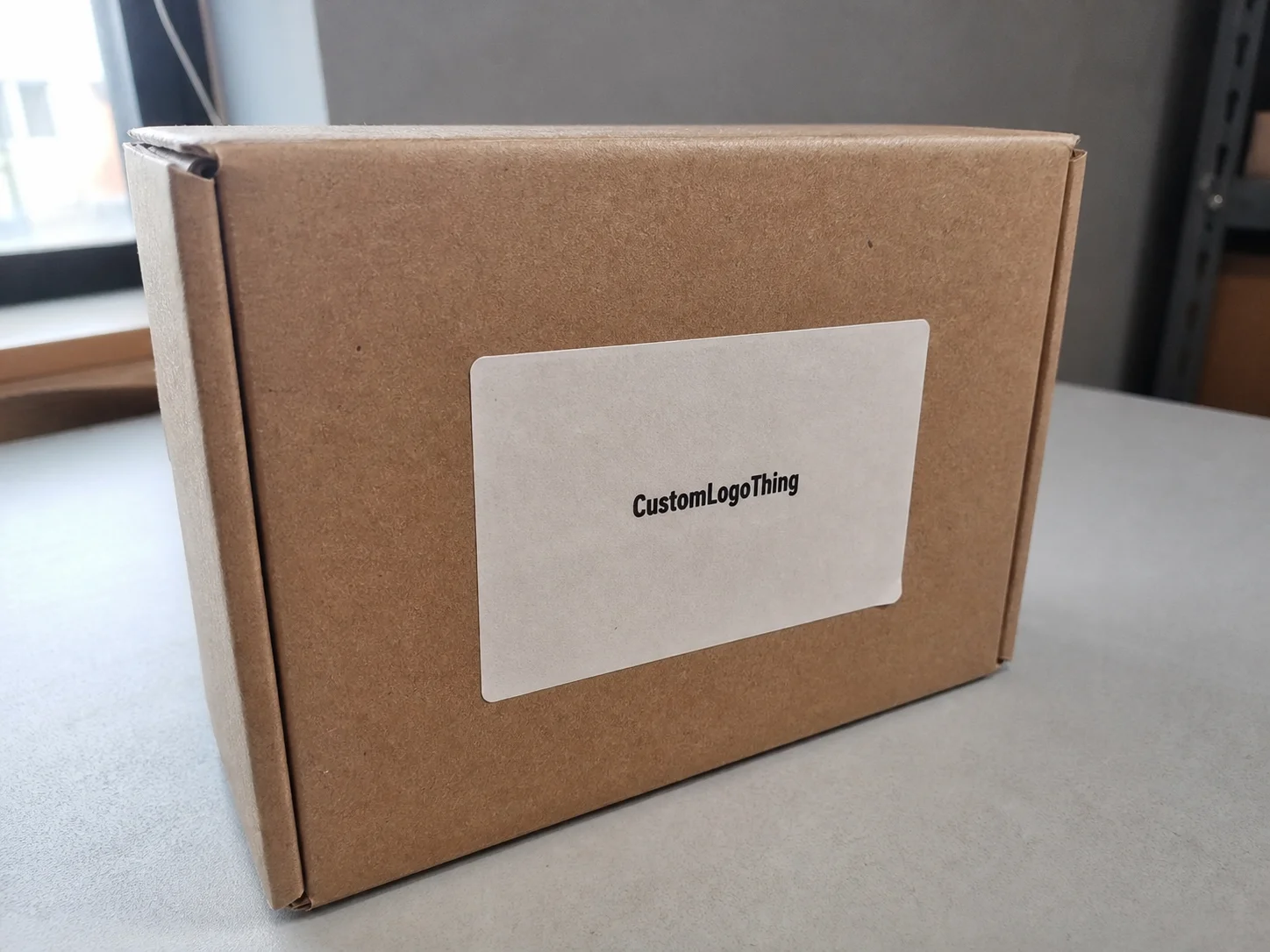
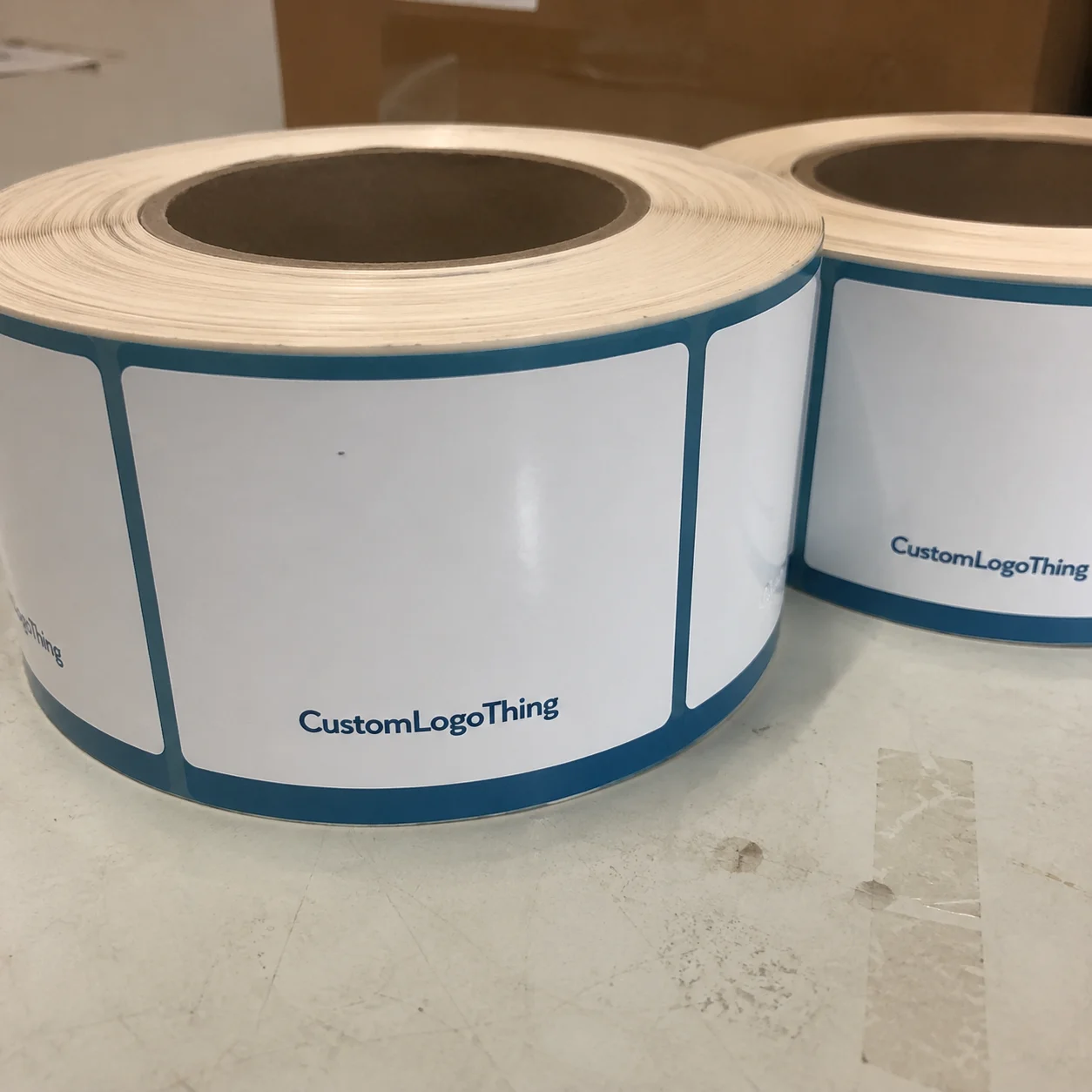
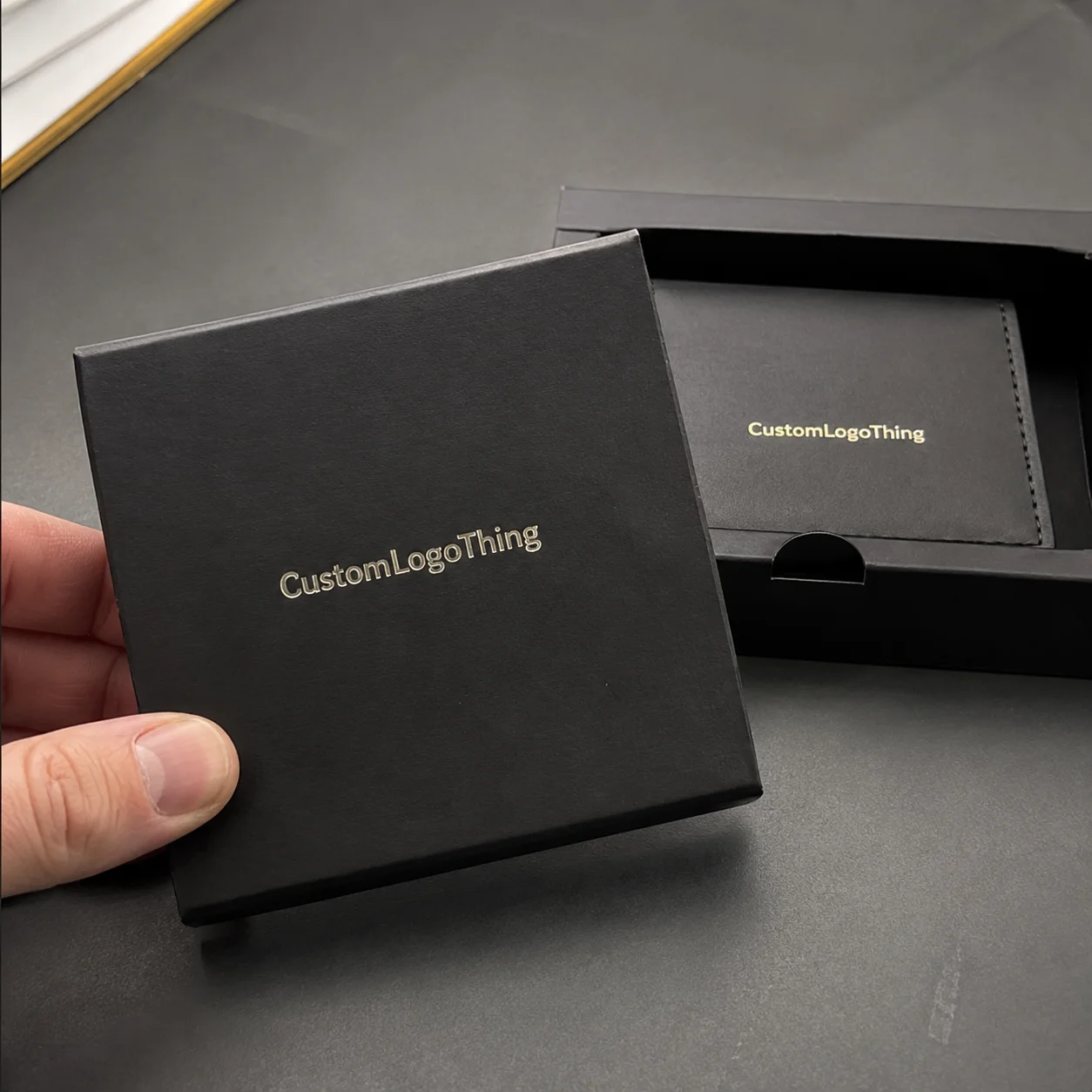
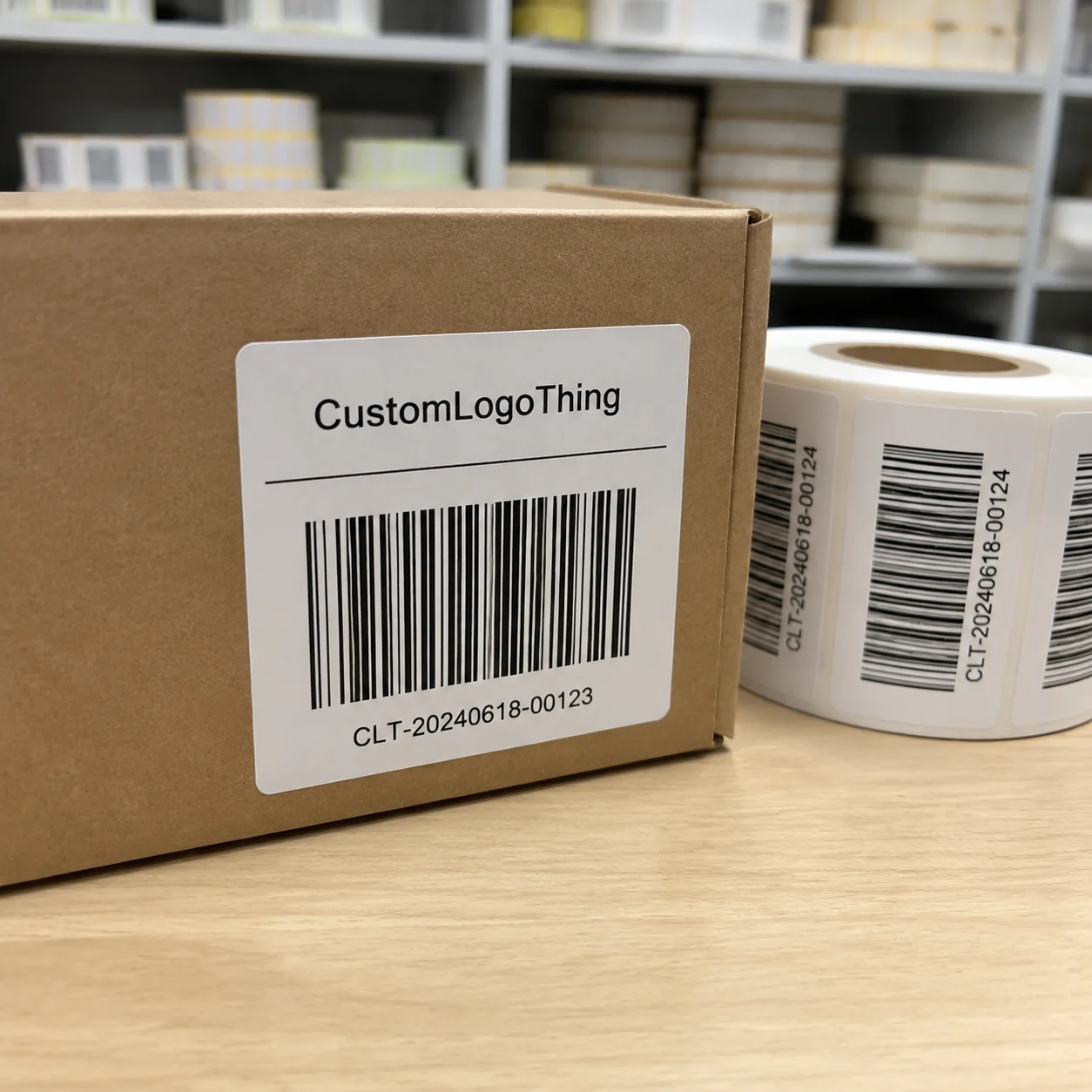
Custom box stickers are branded adhesive labels used on shipping cartons, mailers, retail boxes, and bundled packages. In product packaging, they might carry a logo, a message, a barcode, or a tamper-evident seal. On a plain corrugated box, that small square or die-cut shape can do the visual heavy lifting that printed board would otherwise handle.
There are three common jobs here. First, decorative branding stickers add a logo, a pattern, or a seasonal message. Second, tamper-evident seals show whether the package has been opened. Third, functional information labels include SKUs, barcodes, handling icons, or care instructions. The best choice depends on whether the label is being used for retail packaging, shipping, or internal fulfillment.
One of the most overlooked comparisons in packaging is between a sticker on a cardboard box and a sticker on a plastic mailer. On corrugated board, the textured surface gives adhesives something to grab. On a poly mailer or other smooth film, adhesion is more demanding. The same label stock can perform well on kraft and fail early on glossy film if the adhesive is too weak.
That matters for apparel, accessories, and other bagged goods. A label that stays put on a folded shirt box may lift at the corners on a slick mailer or a bundled poly bag. So yes, design matters. But material choice, adhesive strength, and the intended use matter just as much. Custom Labels & Tags can cover some of these needs, but the sticker spec still has to match the packaging surface.
“The label is often the last cheap-looking thing on a premium package. Buyers notice that immediately.”
That is why package branding is really a three-part decision: the visual system, the adhesion system, and the production system. Miss one, and the whole package feels off.
How the sticker application process works on boxes and bags
The process starts long before a label reaches a box. Artwork is uploaded, dimensions are confirmed, and a proof is generated. Then the print method, stock, adhesive, shape, and finish are set. After approval, the run moves into printing, cutting, finishing, and packing. If you are Ordering Custom Printed boxes or labels to sit alongside them, the timing has to line up so nothing arrives stranded in storage.
Pressure-sensitive adhesives are the real engine here. They bond differently depending on the surface energy of the substrate. Corrugated board usually gives the easiest bond. Coated paperboard is a little trickier because the coating changes tack behavior. Plastic films are the most demanding in everyday packaging operations, especially if they are dusty, chilled, or lightly textured.
There are also format choices that affect how the labels get used. Roll labels are usually best for higher-volume packing lines because they dispense fast and stay organized. Sheet labels work well for low-volume teams, offices, or hand-application setups. Individual stickers make sense for simple promotional use, but they can slow down fulfillment if a packer has to peel hundreds one by one.
Shape and liner type can change speed more than people expect. A small circle sticker on a roll with a good gap between labels can fly through a hand-applied line. A complicated die-cut with tight spacing might look great, but it can bog down a fast pack station. That is one reason experienced buyers think about application before design.
Here is a practical comparison that comes up often in packaging design decisions:
| Packaging surface | Typical sticker format | Best use | Risk if spec is wrong |
|---|---|---|---|
| Kraft corrugated box | Paper or BOPP roll label | Brand seal, logo mark, message label | Usually low risk, but poor ink or finish can rub off |
| Coated carton | Permanent adhesive label | Retail packaging, product identification | Corner lift if adhesive is too light |
| Poly mailer | Film label with stronger tack | Apparel, accessories, shipping seals | Peeling, slipping, or early edge lift |
| Plastic bagged bundle | High-tack label or seal | Multi-item kits, accessory packs | Failure during handling or transport |
When labels are used alongside packaging operations at scale, consistency matters as much as appearance. If the first 200 apply cleanly and the next 200 start lifting, that usually points to a surface, storage, or adhesive mismatch. It is rarely random.
Key factors that affect durability, finish, and branding
The main stock choices are paper, BOPP, vinyl, and specialty materials. Paper labels are usually the most economical and work well for indoor use and dry conditions. BOPP, a polypropylene film, handles moisture and abrasion better. Vinyl is less common for simple carton labeling, but it can help when flexibility or tougher performance is needed. If the package may see condensation, cold chain handling, or rough transit, film-based stocks deserve serious consideration.
Adhesive selection can matter more than the face stock. A removable adhesive is useful for temporary branding or promotional packaging. A permanent adhesive is the standard for most shipping labels and seals. Freezer-safe and high-tack versions are for harder conditions, including cold storage, rough textures, or smooth films. This is where buyers often underestimate the job. The label may look right, but if the adhesive is wrong, the packaging fails in real use.
Finish affects both appearance and legibility. A matte finish can reduce glare and make text easier to scan visually. Gloss can sharpen color and make graphics pop. Soft-touch can make a premium presentation feel more intentional, but it also costs more and can show scuffs differently. Clear labels are useful when the underlying package should remain visible, which works well on retail packaging or transparent bags.
Artwork needs practical planning. Small type must remain readable at actual size, not just on a screen. Barcodes need quiet space around them. Dark cartons and translucent film can reduce contrast, so a white underlay or careful color choice may be necessary. If the package is going to be scanned, handled, or shipped repeatedly, contrast and placement beat decorative complexity every time.
For companies building custom printed boxes or adding labels to existing cartons, the visual system should feel intentional. A well-placed logo sticker can act like a compact brand stamp. A poorly sized sticker, though, can look like an afterthought. And in retail packaging, afterthoughts are expensive.
Standards matter too. If packaging has to survive shipping stress, it helps to think about test methods rather than guesswork. Organizations such as the ISTA and the Institute of Packaging Professionals are useful references when you want to understand packaging performance in the real world.
Cost and pricing factors buyers should compare before ordering
Sticker pricing is usually driven by six variables: size, shape complexity, quantity, material, finish, and adhesive spec. The more custom the die cut, the higher the tooling or setup cost can be. The more specialized the stock or finish, the higher the unit price may climb. Color count can matter too, especially if the print method or artwork coverage is heavy.
For small runs, the unit price can vary widely. A basic paper sticker in a simple shape might land around $0.08-$0.18 per unit at higher quantities, while film-based, custom-cut, or specialty-finish labels can move toward $0.18-$0.45 per unit or more depending on run size and spec. That is not a quote. It is the kind of range buyers should expect to discuss when comparing suppliers.
MOQ thresholds change the economics fast. A startup shipping 300 orders a month does not buy labels like a fulfillment operation pushing 20,000 packs. Smaller brands often pay more per unit because they need lower quantities and more flexibility. Bigger teams can spread setup costs across far more pieces, which improves per-unit pricing. But large-volume buyers also feel waste more sharply. If a 10,000-label order is wrong, the loss is not theoretical.
Low unit cost can look attractive and still cost more in the end. If labels slow down packing by even a few seconds each, or if they fail on plastic bags and create rework, the hidden cost can outweigh the price difference quickly. That is why smart buyers compare cost against waste rate, application speed, and brand impact.
To make the comparison easier, think in this order:
- Does it stick reliably?
- Does it fit the packaging surface?
- Does the finish support the brand?
- Does the price make sense at your actual volume?
That order is not glamorous, but it saves money. If you are standardizing your broader packout, it can also make sense to review Custom Packaging Products alongside labels so the whole system works together instead of as disconnected parts.
Process and timeline: from proof approval to delivery
The usual production path is straightforward. First comes spec gathering: size, shape, stock, adhesive, finish, and quantity. Then artwork prep and proofing. After that, the printer runs the job, applies finishing, packs the labels, and ships them. The biggest delays usually happen before print, not during it. Proof revisions, missing artwork details, and surface questions can push the timeline more than the actual press run.
Simple digital jobs can move faster than jobs with complex die cuts, specialty laminates, or custom finishes. A straightforward label order might be turned around in roughly 7-12 business days after proof approval, while more specialized work often lands closer to 12-18 business days. Rush orders can shorten that, but only if material availability and production scheduling allow it. Shipping method also matters. Ground shipping adds time; air or expedited freight adds cost.
Planning matters even more for box-and-bag operations that run on seasonal peaks. If packaging inventory lands in one week and labels arrive the next, you have created an avoidable bottleneck. That is especially true when a brand is launching new product packaging or rolling out a packaging refresh across multiple SKUs. Good timing reduces the risk of manual workarounds.
Samples can take time, but they usually save time later. A pre-production proof or short-run sample can catch a fit issue, a barcode problem, or a poor adhesive choice before the full order is made. That is a much cheaper mistake to catch early than after 5,000 labels have been printed.
Step-by-step guide to ordering stickers that fit your packaging
Step 1: Identify the packaging surface. Corrugated board, coated paperboard, and plastic mailers behave differently. If you skip this step, the rest of the order can look right and still perform badly.
Step 2: Decide the job. Is the label sealing, decorating, identifying, or instructing? A seal needs different durability than a decorative logo sticker. A barcode label needs different contrast than a seasonal message.
Step 3: Measure the actual landing zone. Do not size the sticker based on the full box face if it only sits on a flap or narrow panel. Leave room for seams, folds, handles, shipping labels, and brand marks. A 2-inch sticker can feel huge on a mailer flap and tiny on a shipping carton.
Step 4: Prepare artwork for print. Use bleed where needed. Keep text away from the edge. Check that logos remain clear at final size. If packaging uses dark colors or translucent film, test the contrast before approving the run.
Step 5: Request a proof or sample. Then test peel strength, legibility, and scanability in the real packout environment. Not on a desk. On the line, with the actual boxes or bags, under the actual handling conditions.
That process sounds simple because it is. The hard part is resisting the temptation to design first and test later. In packaging, that order usually gets expensive.
Common ordering mistakes that cause waste or weak adhesion
The most common mistake is choosing paper when the environment is damp, cold, or abrasive. Paper can work beautifully on dry cardboard, but a film stock like BOPP is often safer when moisture or rubbing is part of the journey. Another mistake is sizing the label for the concept art instead of the actual packaging panel. A design that looks elegant on screen can become awkward once it has to fit around folds or seams.
Glossy coatings and recycled textures also change the story. Some recycled papers have more tooth and accept labels well; others can be inconsistent. Glossy coatings can look premium but reduce adhesive grip if the label spec is too light. Plastic films are even trickier. A sticker that behaves well on cardboard may not bond the same way on a slick mailer.
Fulfillment teams also get burned by dispensing issues. If labels are not formatted for the packing line, workers may spend too much time peeling and aligning them. That slows throughput. It sounds minor until you multiply it across thousands of orders. A few seconds per pack can turn into hours.
Then there is the information problem. Barcodes, care instructions, batch details, and tamper evidence are sometimes added late, after the artwork is already approved. That creates rework, or worse, a label that looks polished but fails the operational need. For retail packaging, that is a costly mismatch.
One more note: if your brand cares about sustainability claims, be careful with the materials story. FSC-certified paper may matter in some packaging programs, and recycled content can be important, but the label still has to function first. You can explore more about material sourcing through the Forest Stewardship Council.
Expert tips and next steps for a smarter packaging rollout
Start with a short test run across your real packaging mix, not a best-case sample. A set of 50 labels tested on three surfaces tells you more than 500 ordered from one polished proof. That small test often reveals whether the adhesive, finish, and size actually fit the job.
Match sticker material to environment first. Then fine-tune the finish for branding. That order matters because a beautiful label that peels off is still a bad label. For many brands, the sweet spot is one or two standardized sizes that work across multiple box styles. That reduces inventory complexity, lowers ordering mistakes, and makes it easier for teams to keep packing moving.
Ask suppliers for adhesive recommendations based on the actual substrate: cardboard, coated paper, or plastic mailers. If the operation uses a mix of branded packaging formats, do not assume one label spec will do everything. It usually will not. The strongest packaging programs are the boring ones behind the scenes: fewer SKUs, clear specs, repeatable application, and labels that simply work.
Next steps: audit your surfaces, define the label’s job, compare unit cost against waste risk, and schedule production so your custom box stickers arrive before the packaging they support. That is the practical way to improve package branding without creating new headaches.
Frequently asked questions
What are custom box stickers used for on shipping boxes and plastic mailers?
They can seal flaps, reinforce branding, identify contents, and add tamper-evident security. On plastic mailers, they often need stronger adhesive performance than on corrugated board because smooth films are harder to bond to.
Which material works best for custom box stickers on damp or glossy packaging?
Film-based materials like BOPP or vinyl usually perform better than paper when moisture, abrasion, or gloss are factors. Adhesive type matters just as much as material, especially on smooth plastic surfaces.
How do I estimate the right size for box stickers?
Measure the actual panel or flap where the label will land, not the full box face. Leave room for seams, folds, and any other shipping labels or brand marks that need space.
What affects the price of custom box stickers the most?
Quantity, size, shape complexity, material, finish, and adhesive spec are the biggest drivers. Lower unit cost can be offset by higher waste or poor performance if the sticker is mismatched to the surface.
How long does it usually take to get custom box stickers made?
Timeline depends on proof approval, material availability, finishing complexity, and shipping method. Simple orders can move faster, while custom die cuts or specialty finishes usually require more lead time.