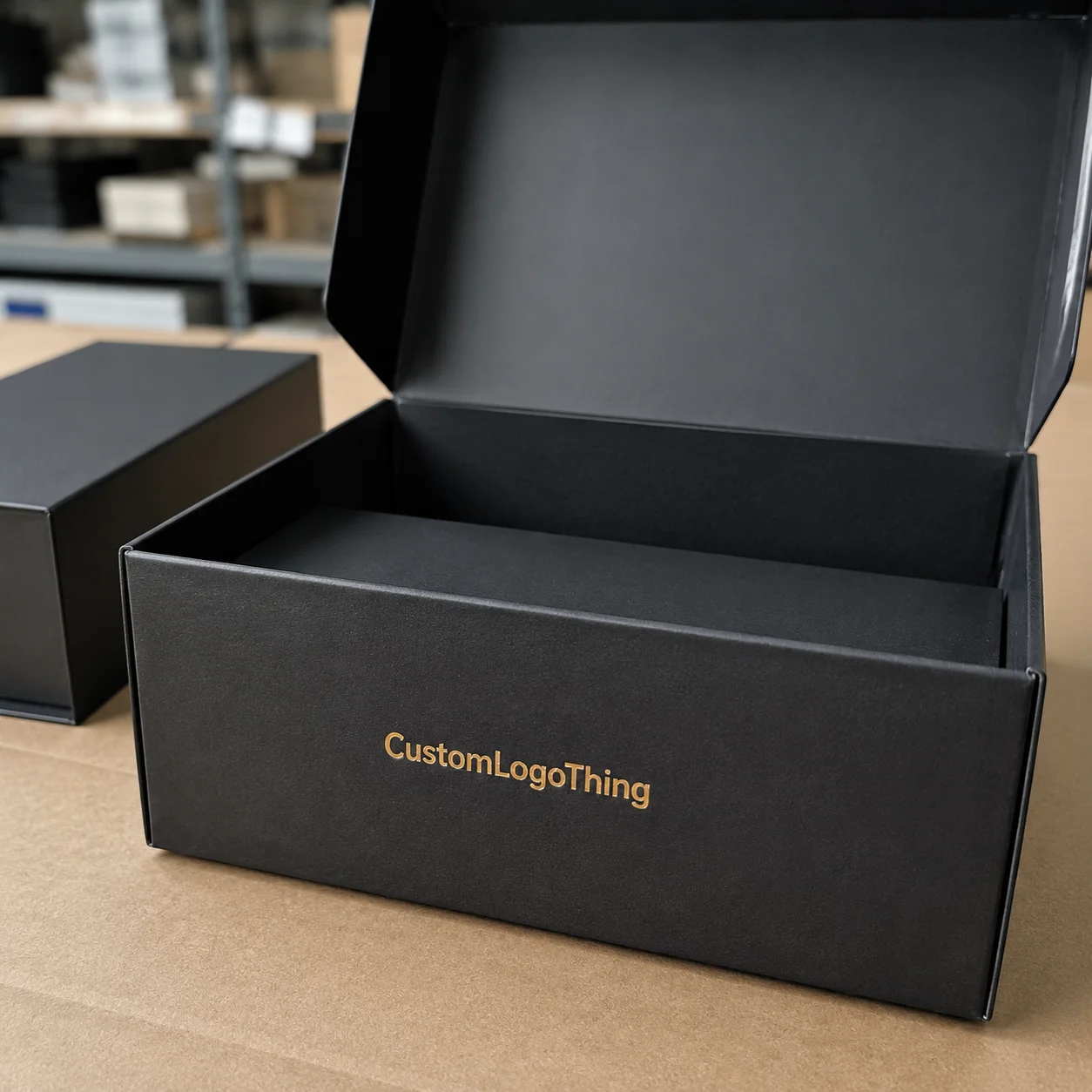
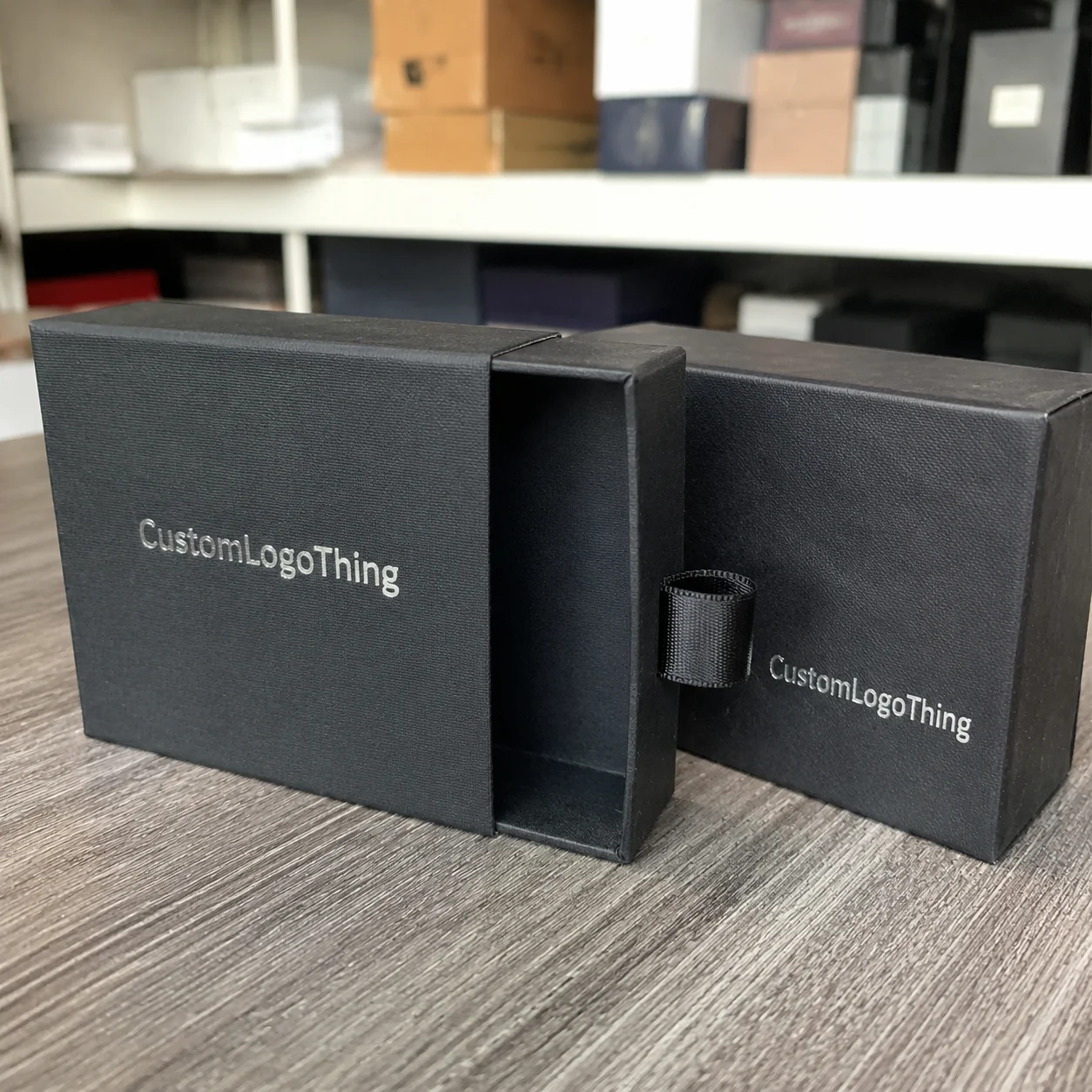
Buyer Fit Snapshot
| Best fit | Custom Boxes Affordable projects where brand print, material claims, artwork control, MOQ, and repeat-order consistency need to be specified before quoting. |
|---|---|
| Quote inputs | Share finished size, material target, print colors, finish, packing count, annual reorder estimate, ship-to region, and any compliance wording. |
| Proofing check | Approve dieline scale, logo placement, barcode or warning zones, color tolerance, closure strength, and carton packing before bulk production. |
| Main risk | Vague material claims, crowded artwork, missing packing details, or unclear freight terms can make a low unit price expensive after revisions. |
Fast answer: Custom Boxes Affordable: Board, Finish, Dieline, and Unit Cost should be specified like a repeatable production item. The safest quote records material, print method, finish, artwork proof, packing count, and reorder notes in one written spec.
Production checks before approval
Compare the actual filled-product size with the drawing, then confirm tolerance on folds, seals, hang holes, label areas, and retail display edges. Reserve space for logos, QR codes, warning copy, and material claims before decorative graphics fill the panel.
Quote comparison points
Review material grade, print process, finish, sampling route, tooling charges, carton quantity, and freight assumptions side by side. A quote is only useful when the supplier can repeat the same color, closure quality, and packing count on the next order.
Most brands think packaging cost starts and ends with the box price. That assumption gets expensive. custom boxes affordable usually save money where the spreadsheet is least obvious: lower freight charges, fewer returns, less void fill, and better shelf or unboxing presentation. I remember reviewing a launch order where a $0.38 stock carton became a $0.26 smarter package once the dimensions were corrected and the board grade matched the product weight. The box looked simpler, too. Honestly, the “fancier” option was basically just more cardboard trying very hard to compensate for bad planning. That kind of correction is common in production hubs like Shenzhen, Dongguan, and Guangzhou, where a 3 mm change in size can alter an entire carton program.
The industry has spent years overpaying for guesswork. When a shipper uses a box that’s 20 mm too large on each side, the carton itself may be cheap, but dimensional weight and filler waste quietly inflate the real bill. If you’re shopping for custom boxes affordable, the smarter question is not “What does one box cost?” It’s “What does each shipped order cost after damage, labor, and freight?” That’s the question that actually keeps finance people from staring into the middle distance. On a 2,000-unit shipment leaving Los Angeles or Chicago, even a half-inch size error can raise carrier charges by enough to erase the savings from a lower box quote.
That shift matters. A packaging buyer I worked with in food and wellness had been ordering generic inventory cartons in three sizes. After we converted the program to right-sized custom printed boxes with one-color branding, the freight bill dropped by 11% because fewer parcels were being rated up by carrier dimensional rules. The brand didn’t buy luxury packaging. It bought better math. And, frankly, better math is a lot more attractive than a beautiful box that quietly eats margin. The project ran through a factory in Dongguan and moved from proof approval to shipment in 14 business days.
Why Custom Boxes Affordable Can Lower Real Packaging Costs
The cheapest box on paper is rarely the cheapest box in practice. I’ve stood on factory floors in Shenzhen where the stack looked tidy, the unit price looked excellent, and the finished orders were still wasting money because the carton footprint was wrong. One ecommerce client was paying for extra kraft paper fill in every order, and a large share of that fill was only compensating for a poorly chosen box size. Once they moved to custom boxes affordable sized to the product plus 3-5 mm tolerance, filler use dropped immediately. I was almost offended on their behalf (the packing paper had basically become a paid substitute for common sense). In their case, a 220 x 160 x 60 mm mailer solved what a 240 x 180 x 80 mm stock box had been making worse.
There’s a second cost most teams miss: damage. A box that is too loose allows movement, and movement creates abrasion, crushed corners, and returns. According to packaging industry testing protocols such as ISTA transport simulation standards, a package should be validated for the actual distribution environment, not just stacked on a pallet in a warehouse. If you want a reference point for shipping integrity, the ISTA testing standards site is worth reviewing because it shows how transport conditions shape package performance. In a 5,000-piece run, a breakage rate of just 2% can mean 100 replacement units, plus reshipping costs that often exceed the price of a stronger board.
custom boxes affordable work because they reduce waste at three separate points:
- Material use: less board area and fewer square inches of print coverage.
- Labor: faster packing with less void fill, tape, and rework.
- Shipping: lower dimensional weight and fewer oversize surcharges.
I’ve seen brands compare a $0.22 stock carton to a $0.29 custom run and call the custom option expensive. When the stock carton needed 2 sheets of void fill, a label sleeve, and generated a 3% breakage rate, the math flipped fast. Cost per shipped order beat cost per box every time. That is the real benchmark for custom boxes affordable. Not the sticker price. The whole bill. The actual bill. The one that arrives later and tries to ruin your afternoon. In practical terms, that $0.07 difference can disappear the moment shipping zones move from Dallas to Miami.
Here’s the comparison I use in client meetings:
| Packaging Option | Unit Box Price | Typical Add-On Costs | Real Cost Impact |
|---|---|---|---|
| Generic stock carton | $0.22 | Void fill, labels, higher freight, more damage claims | Often the highest total cost |
| Right-sized custom corrugated box | $0.29 | Lower fill, less damage, cleaner presentation | Usually lower total landed cost |
| Rigid premium box | $1.35+ | Higher print, finishing, and freight | Best for high-value retail or gifting, not every SKU |
The hidden savings get bigger as volume grows. A 5,000-unit run that trims just $0.05 from fill and tape saves $250 before you even count freight or returns. That’s why custom boxes affordable is not a marketing slogan in my book. It’s a cost-control strategy tied to the actual mechanics of shipping. If the cartons are made in Guangzhou and move by sea freight to Long Beach, those cents matter even more because transit and warehouse handling compound every inefficiency.
“We stopped paying to ship empty space.” That was a line from a client in personal care after we re-engineered their carton sizes. They saved money and the unboxing looked cleaner.
Custom Boxes Affordable: Materials, Styles, and Print Options
Material choice sets the baseline. For custom boxes affordable, corrugated board and kraft paperboard usually offer the best balance of strength, printability, and price. Corrugated is the workhorse for ecommerce and shipping. Cardboard folding cartons suit lighter retail goods. Kraft is excellent when you want a natural look and a lower ink load. Rigid boxes are premium by nature, so they are only “affordable” when the product value supports the extra spend. I say that as someone who has had to talk people off the ledge after they fell in love with an expensive sample and forgot the unit economics existed. A 350gsm C1S artboard, for example, can be a smart middle ground for lightweight retail products that still need a polished finish.
Here’s how I break it down on supplier calls:
- Corrugated boxes: strong, practical, and cost-efficient for shipping and subscriptions.
- Kraft boxes: budget-friendly, recyclable, and visually clean with simple print.
- Cardboard folding cartons: ideal for retail packaging, lightweight products, and shelf display.
- Rigid boxes: used for luxury sets, electronics, gift items, and high-margin branding.
Style matters almost as much as material. A mailer box often costs more than a plain shipping carton, but it can eliminate the need for outer packaging or inserts. A tuck-end box may be cheaper for light retail items. Sleeve packaging can reduce board usage if your product already has a sturdy inner container. custom boxes affordable often comes down to choosing the simplest box form that still protects the product and supports the brand. I’m personally suspicious of any design that looks stunning but needs three extra steps just to close. In a warehouse near Chicago or Atlanta, those extra seconds multiply across 10,000 orders quickly.
Printing is another place where discipline saves money. One-color flexographic or digital print can keep setup lean. Strategic logo placement on one panel often works better than full-coverage artwork on every surface. I’ve sat across from buyers who wanted four-color process, inside print, foil, embossing, and matte lamination on a starter run of 2,000 units. That package looked gorgeous on a sample board. It also blew the budget apart. My favorite part was the pause after we ran the numbers—the silence was louder than a freight invoice hitting the desk. For a standard one-color mailer run out of Dongguan, the price difference between simple print and full finishing can exceed 40% before freight.
The best packaging design is usually the one that does three jobs well: protects, communicates, and ships at a sane cost. That is especially true for product packaging in ecommerce, where the box is doing more logistics work than display work. A well-planned carton with a 3 mm internal clearance often performs better than a larger box with expensive decoration.
Finishing choices can make or break the quote. Lamination, spot UV, foil stamping, embossing, and soft-touch coatings all add steps. They also add time. If you need custom boxes affordable, I’d start with these rules:
- Use one or two ink colors if the brand can tolerate it.
- Reserve premium finishes for hero SKUs, not every order.
- Print inside the box only when the unboxing story pays for itself.
- Choose a board grade that matches load, not ego.
For brands selling through retail channels, package branding needs to be clear from 1.5 meters away on a shelf. For ecommerce, the box may only be seen in a delivery photo and during opening. That’s a very different brief. If you sell samples or subscription items, a clean logo, one brand color, and a strong die-cut shape often outperform expensive decoration. That’s where custom boxes affordable can still look polished. A folding carton printed in one spot color on 350gsm C1S artboard can read more premium than a muddy full-bleed design on thinner stock.
When I visited a small cosmetics line in Shenzhen, the owner was convinced she needed foil on every carton to compete with established names. We tested a kraft folding carton with a single black ink print, tighter typography, and a better insert fit. The box cost dropped by 23%, and retail feedback actually improved because the design looked intentional, not overloaded. She laughed and said, “So the box didn’t need to scream after all.” Exactly. The sample approval took 3 business days, and the production order shipped 13 business days after proof sign-off.
Specifications That Keep Custom Boxes Affordable
If you want custom boxes affordable, get the dimensions right first. I cannot stress that enough. A box that is 5 mm wider than needed can affect board consumption, pack-out efficiency, and freight class. Over hundreds or thousands of units, that drift becomes expensive. The cleanest quotes come from buyers who provide exact product dimensions, inner fit requirements, and any insert needs up front. A 180 x 120 x 45 mm product should not be described as “small” if you want an accurate carton estimate from a factory in Shenzhen or Xiamen.
Before requesting pricing, define these specifications:
- Length, width, height: product size plus cushioning tolerance.
- Board grade: single-wall corrugated, E-flute, B-flute, or paperboard caliper.
- Finish: matte, gloss, uncoated, kraft, or laminated surface.
- Print sides: outside only, inside only, or both.
- Load requirements: what the box must hold and how it is shipped.
I’ve seen quote delays happen because a buyer said “small mailer” instead of “220 x 160 x 60 mm mailer, E-flute, outside print only.” Precision saves time. It also prevents the supplier from padding the quote to cover uncertainty. That matters for custom boxes affordable because ambiguity always costs money. Ambiguity is basically the unofficial premium charge nobody puts on the invoice. On a 3,000-piece order, even a $0.03 uncertainty cushion adds $90 before production starts.
Standardizing box sizes across multiple SKUs can bring the price down further. Instead of ordering seven different cartons, many brands can build a system around three or four sizes. That simplifies inventory, reduces storage space, and improves production planning. I worked with a supplements company in New Jersey that consolidated 11 box sizes into 4. Their packaging spend did not fall because each box became dramatically cheaper. It fell because the warehouse stopped over-ordering, the pack line moved faster, and the procurement team negotiated better volume rates.
Technical artwork matters, too. Dielines should be approved in vector format, usually AI, EPS, or a print-ready PDF with proper bleed. If the file is low-resolution or the bleed is missing, revisions multiply. Each revision cycle can add time and sometimes chargeable prepress work. That is not theoretical. I’ve watched a two-day proof stage stretch to ten because the barcode sat too close to the trim line and the logo was flattened into a pixelated JPEG. For custom boxes affordable, clean files are part of cost control. A print-ready dieline with a 3 mm bleed and embedded fonts can save at least one revision cycle.
Strength testing should not be ignored. ASTM and ISTA-style validation helps confirm the board can handle compression and transit. Edge crush resistance, burst strength, and stacking performance matter when boxes are palletized or shipped long distances. If a package fails in transit, affordability disappears fast. A reprint plus replacement freight can wipe out the savings from a lower per-unit quote. When sustainability is part of the brief, FSC-certified board and minimal-ink printing can support both brand values and cost discipline. The FSC site is a solid reference for responsible sourcing standards. In practice, a 32 ECT single-wall corrugated box may be enough for light ecommerce goods, while heavier SKUs can require 44 ECT or double-wall construction.
One more detail buyers miss: the insert. A custom insert that prevents movement may raise the quote by a few cents, but it can eliminate returns and protect premium items. In my experience, that tradeoff often favors the insert, especially for glass, cosmetics, electronics, and candle sets. custom boxes affordable does not mean stripping out protection. It means paying only for protection that earns its keep. A molded paper insert or E-flute divider can be cheaper than replacing a cracked bottle from a 1,000-unit batch.
Pricing, MOQ, and Where the Best Value Starts
Price is driven by quantity, size, board type, print complexity, finishing, and shipping destination. That’s the short answer. The longer answer is that each of those factors changes the production setup Cost, and Setup cost is what minimum order quantities are built around. MOQ exists because a supplier has to pay for die cutting, plates, calibration, and press setup before the first finished box comes off the line. That doesn’t make custom boxes affordable impossible at smaller volumes. It just means the quote structure changes. A factory in Shenzhen may price a 1,000-piece run very differently from a 10,000-piece run because the same die and press time are spread across fewer units.
For simple corrugated or kraft runs, lower MOQs are usually possible because tooling and print steps are lighter. For highly finished retail cartons, the minimum may climb because the press, coating, and finishing setup is more involved. I’ve seen clients assume MOQ was a penalty. It’s usually an efficiency threshold. Once the press is dialed in, each extra box costs far less to make. A 500-piece pilot might be quoted at $0.68 per unit, while 5,000 pieces can fall to $0.15 per unit for a straightforward mailer, depending on size and board.
What does “affordable” actually mean? It depends on volume. For smaller brands, custom boxes affordable might mean a run where the unit price sits in the $0.30 to $0.80 range for corrugated or paperboard, depending on size and print. For premium rigid packaging, that number can be far higher. The important thing is not to compare a mailer box to a luxury set box and expect the same economics. A 350gsm C1S artboard folding carton in a 5,000-piece run can sit near the lower end of that band, while a rigid setup from a facility in Guangzhou may exceed $1.20 per unit before freight.
Here’s a practical pricing ladder I use when advising buyers:
| Order Size | Typical Quote Behavior | Best Use Case | Value Takeaway |
|---|---|---|---|
| 100-500 units | Higher unit cost, lower setup burden | Samples, pilot launches, test markets | Best for proof of concept |
| 1,000-5,000 units | Unit price usually starts improving | Growing ecommerce and retail programs | Often the sweet spot for custom boxes affordable |
| 10,000+ units | Better unit economics, larger cash outlay | Stable SKUs, recurring demand | Lowest cost per box, but more inventory risk |
Ask for tiered quotes every time. A quote for 2,500, 5,000, and 10,000 units shows how quickly the price drops as setup is spread across volume. Also ask for freight estimates separately. I’ve seen a “cheap” overseas box order become expensive because shipping was treated like an afterthought. If your supplier can bundle product freight, carton freight, and local delivery estimates, you can compare landed cost more accurately. A shipment from Ningbo to Los Angeles will not have the same landed economics as a domestic run from Dallas to Denver.
Hidden costs are where buyers get ambushed. Plates, dies, sample charges, proof fees, rush fees, and shipping surcharges are common. Some are unavoidable. Many are negotiable if the brief is tight. A well-prepared buyer can reduce prepress cycles, limit art revisions, and avoid last-minute changes that trigger rush production. That is how custom boxes affordable stays affordable after the quote is approved. If the supplier quotes a sample at $45 and a dieline adjustment at $20, those small fees matter less than avoiding a full reprint.
One factory negotiation still sticks with me. A beverage startup wanted a quote fast and had no dieline, no exact dimensions, and three possible bottle heights. The first quote came back high. After we settled the bottle dimensions and removed unnecessary lamination, the second quote dropped by 14%. Same product. Better information. Better price. I wish every quote story ended that neatly, but packaging enjoys a little drama more than it should. That project moved from sample approval in 4 days to production in 12 business days.
For brands that need recurring packaging, the best value often starts not with the cheapest quote, but with the quote that has the fewest surprises. That’s what makes custom boxes affordable useful as a buying strategy rather than a search phrase. The best quotes are the ones that tell you exactly what you are paying for, down to the board grade and finish.
Process and Timeline for Ordering Custom Boxes Affordable
The order flow should be simple: discovery, quote, spec confirmation, artwork, proofing, production, quality check, shipment. In reality, delays usually come from one of three places: vague specs, slow approvals, or artwork that needs technical correction. If you want custom boxes affordable and on time, treat the packaging brief like a production document, not a casual request. Casual requests are how a “quick box order” turns into a month-long email chain with twelve versions of the same dieline. A clean brief sent to a printer in Dongguan can shorten the process by several days immediately.
For a straightforward one-color corrugated order, I’ve seen timelines of 10-15 business days from proof approval to shipment, depending on quantity and facility capacity. More complex retail cartons with special coatings, inserts, or high-color print can take 20-30 business days or longer. That variation is normal. A box with foil and embossing is not the same project as a kraft mailer with one black logo. If you need a launch date in 18 days, a simple E-flute mailer will usually beat a rigid box by a wide margin.
The fastest jobs share one trait: the buyer knows what they want. They send final dimensions, board grade, print count, and a print-ready file. They also answer questions within a day, not a week. That clarity saves money because it cuts revision cycles. In packaging, revision cycles are silent budget killers. Every extra round can mean prepress labor, delayed slots, or reproofing. A buyer in Atlanta who replies same day can shave 2 to 3 business days off a standard order.
There’s a practical rule I use: if the box is for launch inventory, approve a sample or pre-production proof before committing to a full run. Sampling costs money, yes, but it is usually cheaper than reprinting 5,000 units because the logo sits 8 mm too high or the flap locks incorrectly. I’ve watched a subscription brand avoid a five-figure mistake because their sample exposed a closure issue before mass production began. Nobody loves paying for a sample, but everybody loves avoiding a warehouse full of mistakes. A single pre-production sample might cost $35 to $120 depending on complexity, which is minor compared with a rejected 10,000-unit run.
Typical timing by project complexity looks like this:
- Simple shipping cartons: about 10-15 business days after proof approval.
- Printed mailers or folding cartons: about 15-25 business days after approval.
- Special finishes or rigid packaging: about 25-35 business days or more.
That range is not a promise. It depends on order size, factory schedule, and shipping method. But it gives buyers a planning framework. If you need custom boxes affordable for a seasonal launch, order early. Rush fees can erase any savings from a well-designed carton. I’ve seen that happen in retail packaging more times than I can count, and yes, the panic emails always arrive at 4:57 p.m. on a Friday. A 12-business-day production timeline can become 18 days quickly if the proof sits unapproved over a weekend.
Good communication is part of the price. A responsive supplier who can answer dieline questions, flag print issues, and suggest a simpler structure often saves more money than a lower quote from a seller who only forwards files. That’s especially true when ordering through Custom Packaging Products, where the right recommendation can prevent expensive mistakes before they happen. The difference between a 24-hour response and a 72-hour response can decide whether a job lands in a current press window or slips to the next one.
Why Choose Us for Custom Boxes Affordable
We keep the conversation grounded in numbers, not sales fluff. If your product needs a 350gsm C1S artboard with soft-touch lamination, we’ll quote it. If it does not, we’ll say so. That is how custom boxes affordable should work. Not every project needs a premium finish. Not every brand needs a rigid box. Some need a structural upgrade, better print placement, and a cleaner dieline. Those changes can lower cost while improving presentation. In many cases, a move from gloss lamination to matte aqueous coating saves 8% to 12% without making the box look cheap.
In my experience, the biggest value comes from packaging guidance that reduces guesswork. A supplier who can review sizing, suggest a lighter board where appropriate, and simplify artwork without hurting brand identity is worth more than a commodity seller who only talks about unit price. I’ve been in client meetings where a 2-cent material change saved more than a branding upgrade would have cost. That kind of advice is practical. It is also how custom boxes affordable stays within budget. A seasoned team can spot when a 32 ECT box is enough instead of upselling 44 ECT unnecessarily.
We also support a range of use cases: ecommerce, subscription, retail display, promotional kits, and shipping cartons. That matters because branded packaging for a shelf-ready product is not the same as packaging for a direct-to-consumer order. The needs differ. The cost structure differs. The design choices differ. A good partner sees those differences immediately. A subscription box shipping from Chicago to the Midwest, for example, has different compression and transit requirements than a shelf display carton in a Brooklyn boutique.
Here’s what buyers should expect from a serious packaging partner:
- Clear quotes with board, size, print, and finish listed separately.
- Sample review before production where needed.
- Responsive correction cycles when artwork needs adjustment.
- Transparent discussion of MOQ, tooling, and shipping.
- Recommendations based on use case, not upsell pressure.
That last point matters more than people admit. A supplier can always make a box fancier. The harder skill is knowing when not to. I’ve seen package branding work best when the box feels intentional, not overdesigned. A simple mark, sharp proportions, and the right material often do more for perceived quality than expensive embellishment. On a 3,000-unit run in Guangzhou, holding the print to two colors and dropping foil can cut the cost enough to fund a better insert.
If you are comparing commodity sellers to a packaging partner, here’s the difference: one sells a box. The other helps you protect margin. That’s the real reason many brands return to custom boxes affordable solutions instead of chasing the lowest sticker price. The right partner will tell you when a 1,000-unit run in Shenzhen is sensible and when waiting for 5,000 units would save more money.
“The quote looked better once we stopped asking the box to do everything.” That was a client comment after we removed foil, reduced the ink count, and tightened the size by 12 mm.
How to Get Custom Boxes Affordable Without Cutting Corners
The smartest buying process is disciplined and boring. That is usually a good sign. Start by defining the product dimensions in millimeters or inches, including any insert, sleeve, or inner tray. Then choose the lightest viable material that still passes transit needs. Keep print simple. Compare tiered quotes. Ask for a sample if the order is important. That sequence is how custom boxes affordable becomes a repeatable system instead of a one-time win. A factory in Dongguan can usually quote faster when the dimensions are exact and the artwork is final.
Here’s the checklist I give clients before they request a quote:
- Measure the product accurately, including closures or accessories.
- Decide whether the box ships, shelves, or both.
- Choose the minimum board grade that protects the product.
- Limit print complexity to the panels customers actually see.
- Prepare a clean dieline-ready artwork file.
- Request pricing at three volume tiers.
- Ask about sample, die, plate, and freight costs separately.
If a quote comes back higher than expected, ask for alternatives. That is not haggling. It is smart sourcing. Maybe a B-flute corrugated board can replace a heavier double-wall carton. Maybe a one-color print can replace full-coverage artwork. Maybe the logo can move to one panel and the inside print can be removed. Those substitutions are often the fastest route to custom boxes affordable. And yes, sometimes the simplest change is the one everyone quietly knew was the right answer all along. On many runs, removing an inside print can cut the price by 6% to 9% immediately.
I also recommend consolidating box sizes wherever possible. Three standard sizes across multiple SKUs usually beat eight nearly identical boxes from a purchasing and warehousing standpoint. Fewer SKUs means less inventory risk, fewer mistakes at pack-out, and more consistent purchasing power. That is a quiet but meaningful savings driver in product packaging. A warehouse in Los Angeles can pack 3 standard mailers faster than 8 custom variations, and labor is one of the easiest costs to underestimate.
For sustainability-minded brands, recyclable kraft or FSC-certified board with minimal ink can align Cost and Values. That does not always mean the cheapest option, but it often means fewer finishing steps and less material complexity. When buyers ask me if eco-friendly packaging always costs more, my answer is: not always. A well-specified kraft mailer can be both lower cost and easier to recycle than a laminated alternative. In many cases, a kraft box made in Xiamen with soy-based ink is more affordable than a heavily coated carton with multiple finishing passes.
One final point from a factory visit that still rings true: the line operators know where waste happens. They know when a flap catches, when a carton folds too tight, and when a print panel is oversized. If you want custom boxes affordable, pay attention to those operational details. They are usually where the savings hide. A 4 mm flap adjustment can save enough material over 10,000 units to matter in the final margin report.
So if you are ready to move from research to purchase, send a clear spec sheet, compare quantities, and ask for a sample review. That approach keeps the process honest and the quote grounded in reality. In packaging, especially with custom boxes affordable, the best deals are built on precision, not wishful thinking. That is true whether the order is produced in Shenzhen, Chicago, or a mixed domestic-import supply chain.
FAQs
What makes custom boxes affordable compared with stock boxes?
Right-sized packaging reduces filler, damage, and dimensional shipping costs. It also helps brands avoid buying separate packaging types for different products, which lowers storage and handling costs across the supply chain. In a 5,000-piece program, trimming even 1 inch from the carton can reduce both board usage and freight class.
What is the minimum order quantity for custom boxes affordable?
MOQ depends on box style, material, and print complexity. Simple corrugated or kraft designs usually allow lower MOQ than highly finished retail boxes because setup is lighter and production is faster. A basic mailer from Dongguan may start at 500 units, while a rigid box with specialty finishing may require 1,000 units or more.
How can I keep printing costs low on custom boxes affordable orders?
Use fewer colors, limit print coverage, and avoid premium finishes unless they serve a clear brand purpose. Providing clean artwork and finalized specs also helps reduce revision and setup costs. One-color print on a 350gsm C1S artboard or E-flute mailer is often far cheaper than full-coverage CMYK plus foil.
How long does it take to produce custom boxes affordable?
Simple packaging typically moves faster than boxes with specialty coatings or complex structures. Accurate specs and fast artwork approval are the biggest factors in keeping timelines tight. For many standard runs, production is typically 12-15 business days from proof approval, while more complex jobs can run 20-35 business days.
Can custom boxes affordable still look premium?
Yes. Clean design, precise sizing, and high-quality printing often create a stronger premium impression than expensive embellishments. A well-chosen material and disciplined layout can make a low-cost box feel intentional and polished, especially when the packaging uses crisp typography, a 3 mm bleed, and a strong die-cut structure.
If your goal is custom boxes affordable without sacrificing product protection or brand presentation, start with the specs, compare the landed cost, and choose the structure that fits the job instead of the trend. That’s how brands spend less, ship smarter, and get better results from every box. A clean quote, a realistic timeline, and the right board grade can do more for margin than a fancy finish ever will.