Buyer Fit Snapshot
| Best fit | Custom Boxes for Subscription Boxes projects where brand print, material claims, artwork control, MOQ, and repeat-order consistency need to be specified before quoting. |
|---|---|
| Quote inputs | Share finished size, material target, print colors, finish, packing count, annual reorder estimate, ship-to region, and any compliance wording. |
| Proofing check | Approve dieline scale, logo placement, barcode or warning zones, color tolerance, closure strength, and carton packing before bulk production. |
| Main risk | Vague material claims, crowded artwork, missing packing details, or unclear freight terms can make a low unit price expensive after revisions. |
Fast answer: Custom Boxes for Subscription Boxes: Structure, Print Proof, Packing, and Reorder Risk should be specified like a repeatable production item. The safest quote records material, print method, finish, artwork proof, packing count, and reorder notes in one written spec.
Production checks before approval
Compare the actual filled-product size with the drawing, then confirm tolerance on folds, seals, hang holes, label areas, and retail display edges. Reserve space for logos, QR codes, warning copy, and material claims before decorative graphics fill the panel.
Quote comparison points
Review material grade, print process, finish, sampling route, tooling charges, carton quantity, and freight assumptions side by side. A quote is only useful when the supplier can repeat the same color, closure quality, and packing count on the next order.
Custom Boxes for Subscription Boxes are one of those things people underestimate right up until the first shipment arrives looking beautiful, or damaged, or both. I remember standing on a factory floor in Shenzhen, watching a finished box get noticed before the product inside it. That is not a cute little marketing slogan. That is reality with fluorescent lights, a stack of 5,000 die-cut blanks, and a lot of tape dust in the air.
Custom Boxes for Subscription Boxes are not just shipping containers. They are part of the product experience, part of the package branding, and part of the operations math that keeps a subscription business alive after the launch party ends. I’ve watched founders spend $8,000 on a stunning first-run box only to learn their inserts were off by 4 mm and the whole thing had to be reworked in Dongguan. Expensive lesson. Very educational. Very annoying. Honestly, packaging teaches humility better than most business books, especially when the freight bill lands 18 days later.
If you’re building a recurring shipment model, the box has to do a lot of heavy lifting. It needs to fit the product, survive transit, stay affordable at scale, and still make the customer feel like they got something special. That’s a tall order for cardboard. But cardboard is stubborn. It can handle it, if you spec it right.
Custom Boxes for Subscription Boxes: What They Are and Why They Matter
In plain English, custom boxes for subscription boxes are branded outer packaging built around recurring shipments. They’re sized to fit a repeatable product mix, protect goods in transit, and make the unboxing feel intentional instead of random. That might mean a printed mailer, a corrugated shipper, a rigid presentation box, or a hybrid structure with inserts. If the box is doing its job, the customer doesn’t have to think about the box. They just feel the brand.
The big difference between custom boxes for subscription boxes and standard retail packaging is consistency. Retail packaging often has one SKU, one shelf display goal, and one chance to impress. Subscription packaging has a recurring job: ship safely, keep freight costs under control, and make every month feel worth the recurring charge. The box has to do more than look pretty for five seconds; it has to survive 12–15 business days of production planning, a warehouse pull, and a parcel route from Chicago to Dallas without turning into cardboard confetti.
I’ve seen brands confuse custom printed boxes with “just making it look branded.” Not the same thing. Good custom boxes for subscription boxes need the right board grade, the right tuck style, the right print coverage, and the right insert strategy. Otherwise, you end up paying for Packaging Design That photographs well but fails during parcel transit. UPS and FedEx are not gentle little librarians handling velvet gloves. They are, if we’re being honest, tiny chaos machines with labels and a surprisingly strong attachment to gravity.
There’s also a real emotional side to this. People subscribe because they want anticipation. The box is the drumroll. If the outside looks generic, the whole thing starts feeling like a beige mailer from a warehouse in Reno. If the box feels thoughtful, the customer reads that as quality before they even touch the product. A $1.20 mailer with a clean inside print can feel more premium than a $4.50 rigid box if the design is actually disciplined. Wild concept, I know.
Factory-floor truth: the box is often the first thing a customer experiences, and in subscription packaging, that first impression can be worth more than a fancy product photo on your website.
If you’re building a subscription brand, you need to think of product packaging as a repeatable system, not a one-time stunt. That’s the mindset shift. And honestly, it saves money because it keeps you from overengineering every shipment just to impress one Instagram reel or one Seattle investor with a strong opinion and no warehouse experience.
How Custom Boxes for Subscription Boxes Work in Real Life
Here’s how custom boxes for subscription boxes usually move from idea to production. First, you choose a box style: mailer, corrugated shipper, rigid box, or a specialty format. Then you define internal dimensions based on the actual products, not the product listing title. Then the artwork gets built on a dieline. After that comes sampling, revisions, final approval, production, and fulfillment. For a typical run in Guangzhou or Shenzhen, the supplier will want the exact outside dimensions, inside usable space, and a packing photo before they even quote cleanly.
I learned the hard way on a beauty subscription client that “close enough” is not a measurement. Their serum bottles varied by 2.5 mm because one supplier changed mold tolerances in a factory outside Ningbo. That tiny shift turned a perfect insert into a rattling mess. We had to recheck the die line, revise the insert, and delay launch by nine business days. All because someone assumed a 60 mL bottle was always 60 mL in the real world. Cute theory. Bad production plan.
For custom boxes for subscription boxes, recurring product mix matters a lot. A snack subscription with six to twelve SKUs has different needs than a candle club or a grooming kit. Snacks may need dividers and crush resistance. Candles need insert support and shock protection. Apparel kits may need less structure but more presentation. A box for a monthly candle set in Austin does not need the same structure as a 10-piece snack assortment shipping from a Los Angeles 3PL. The box format has to match the shipment profile, or shipping cost starts eating your margin.
Here’s the basic workflow I recommend:
- Define the product mix and shipment weight.
- Choose the box structure.
- Confirm internal dimensions with a sample pack.
- Request a dieline from the supplier.
- Build artwork and approve print proof.
- Order a physical sample or pre-production proof.
- Move into production after sign-off.
- Plan fulfillment and storage before the boxes land.
Lead times vary. For many custom boxes for subscription boxes, a domestic corrugated run may take 12-15 business days from proof approval, while overseas production can take 25-45 days before freight. Add ocean transit, customs, and drayage, and you can easily be looking at two months or more. A truckload from Vietnam to Long Beach, then rail to Nevada, is not a “quick turnaround.” That’s math, not optimism.
Minimum order quantities matter too. I’ve seen local converters in Dallas quote 500 units for a simple mailer and 5,000 units for a full-color rigid box with inserts. Small artwork changes can affect plate setup, cutting forms, or print gang efficiency. If you move the logo 12 mm after proof approval, the factory will not clap for your creativity. They’ll charge for the revision, usually after the prepress team in Guangzhou has already imaged the plates.
If you’re comparing packaging formats, the most common ones are below.
| Box Type | Best For | Typical Use | Common Cost Range |
|---|---|---|---|
| Mailer box | Light to medium kits | Brand-heavy unboxing | $0.80-$2.40/unit |
| Corrugated shipper | Heavier recurring shipments | Transit protection first | $0.95-$3.20/unit |
| Rigid box | Premium presentation | Luxury subscription feel | $2.50-$7.50/unit |
| Paperboard carton | Lightweight products | Retail-style display | $0.25-$1.10/unit |
For brands selling through multiple channels, custom boxes for subscription boxes can also overlap with retail packaging. That’s useful if you want the same packaging system to work for direct-to-consumer shipments and retail shelf fulfillment. Just make sure the structure is strong enough for parcel transit, because retail packaging that looks great on a shelf may get flattened by the mail stream in twelve seconds flat, especially on routes through Memphis or Indianapolis where packages seem to develop trust issues with corners.
Key Factors That Affect Custom Boxes for Subscription Boxes
Size is the first thing I ask about with custom boxes for subscription boxes. If the box is too large, you pay for dead air, extra filler, and higher dimensional shipping costs. If it’s too small, product damage goes up and reviews go sideways. I once visited a fulfillment center in Louisville where they were using three different box sizes for the same subscription because the founder kept changing the product mix. The warehouse team was literally labeling them “Box A, Box B, and please stop.” I still laugh about that one, though the warehouse manager was not laughing. At all.
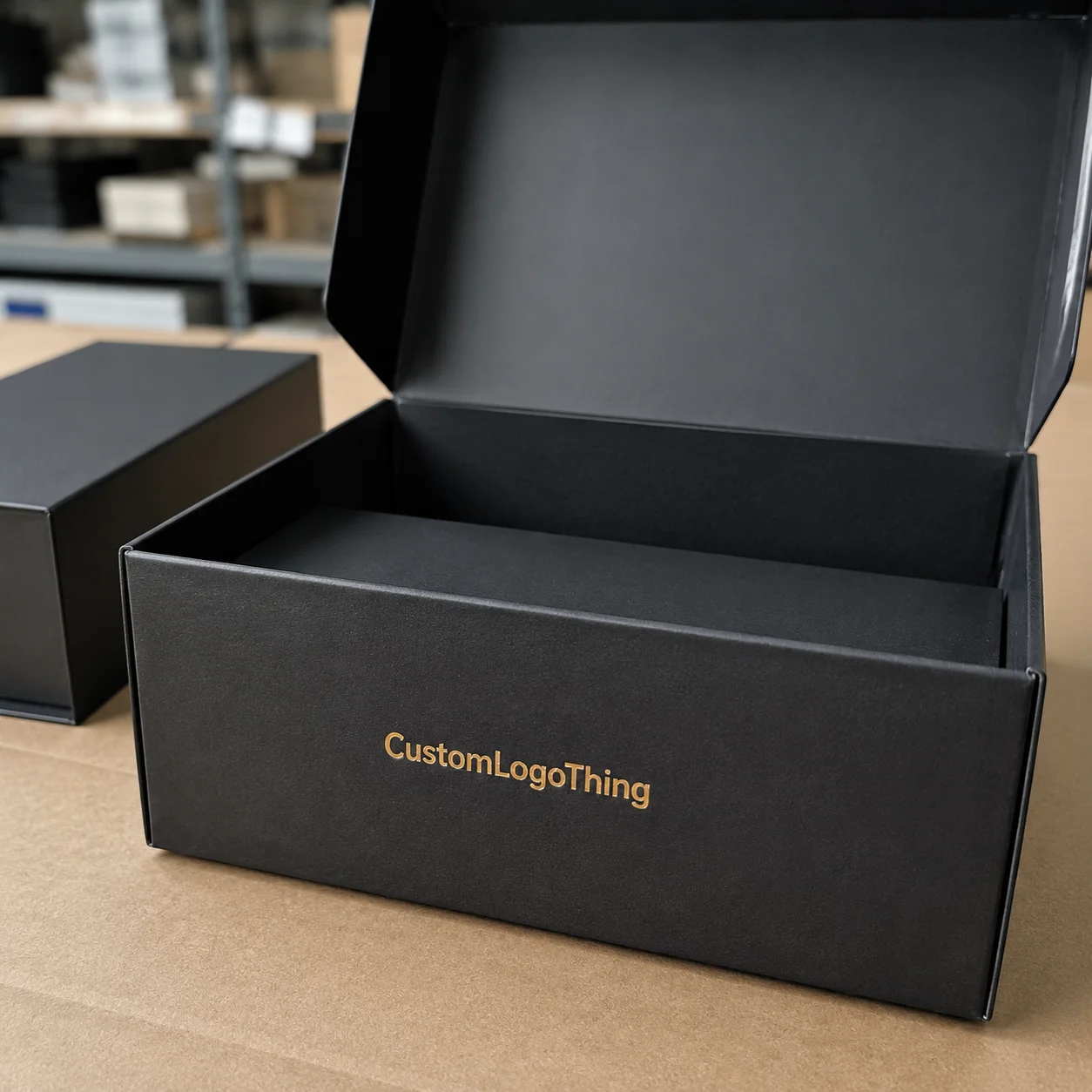
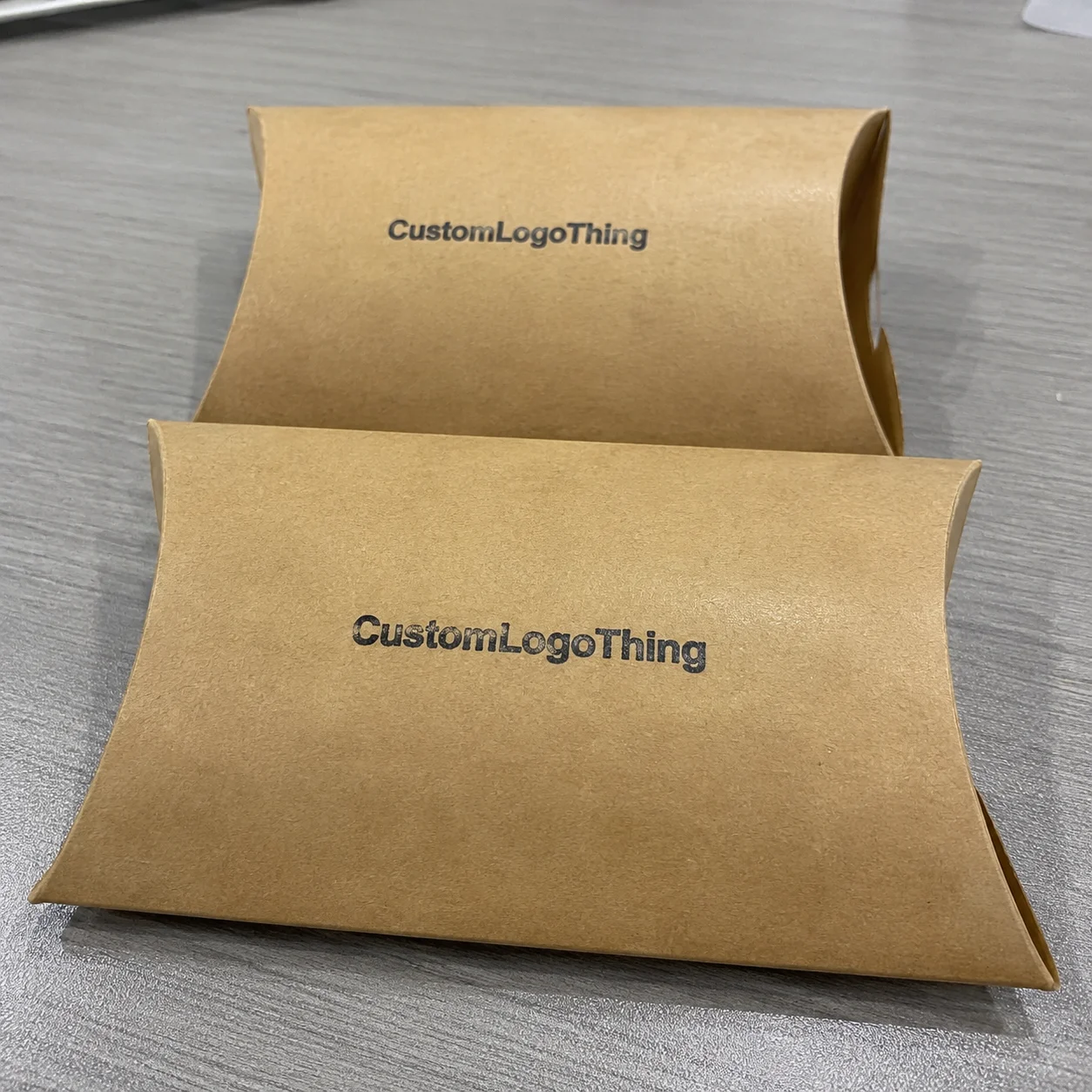
Material choice matters next. Corrugated cardboard is the workhorse. Kraft board gives a natural, earthy feel. Paperboard works for lighter kits and lower shipping weight. Rigid board is great for premium unboxing, but it costs more and usually needs more storage space. For most custom boxes for subscription boxes, corrugated board is the safest place to start because it balances protection and price. A common spec I see is 350gsm C1S artboard for secondary sleeves, or E-flute corrugated with a 1.5-2.0 mm thickness for lightweight mailers.
For print, you’ll usually see one of these:
- CMYK full-color printing for detailed artwork and photography.
- Spot color printing for crisp brand colors and lower complexity.
- Uncoated or kraft finishes for earthy, recycled-looking branding.
- Coated finishes for richer color and better scuff resistance.
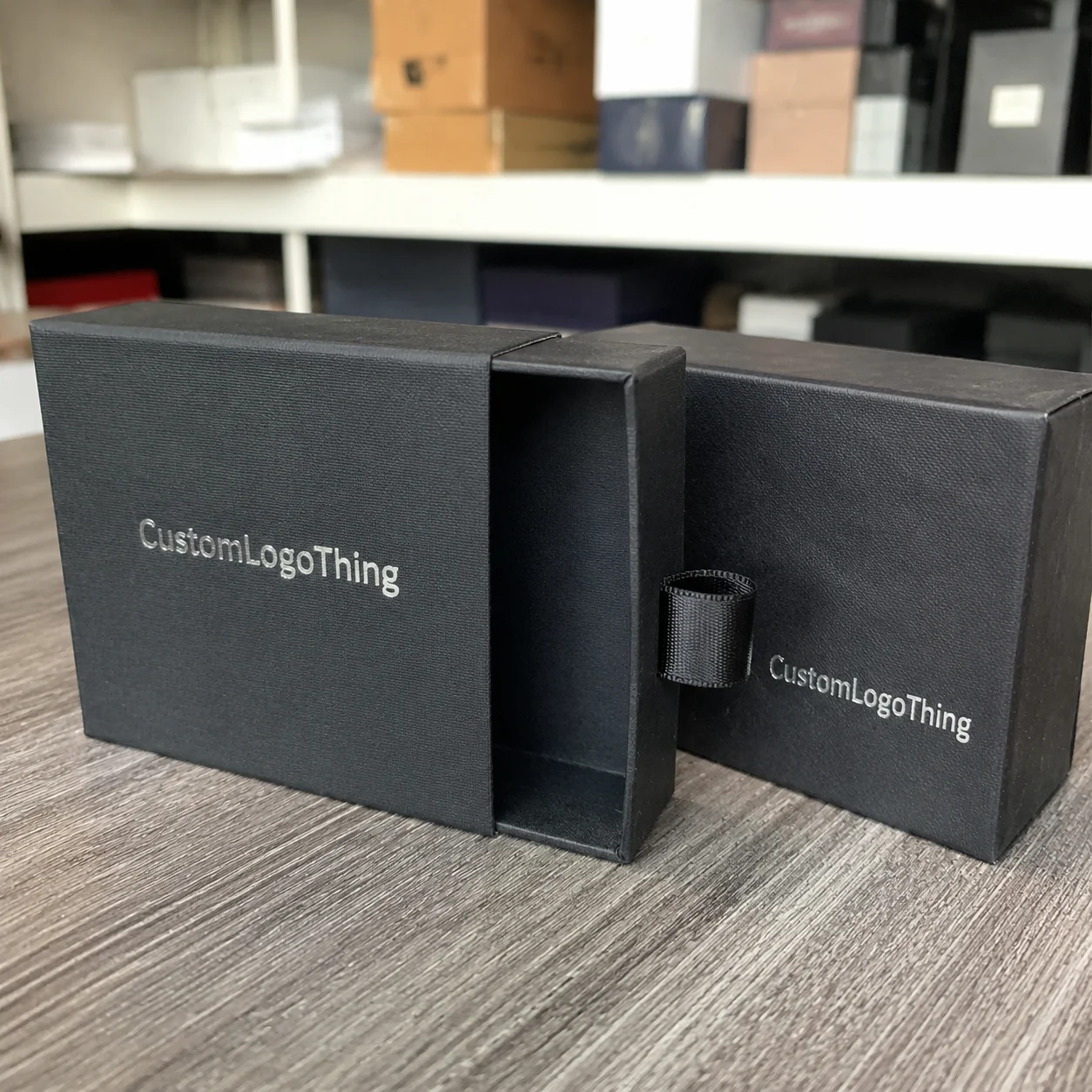
Finishes can make or break the budget. Soft-touch lamination feels premium, but it adds cost. Foil stamping looks sharp, but if you go too heavy, the box starts feeling like a perfume counter exploded. Spot UV can pop logos nicely, though it is not always worth it on high-volume subscription runs. For custom boxes for subscription boxes, I usually tell clients to pick one premium detail and let the structure do the rest. A single silver foil mark in the upper left corner can do more work than three finishes and a gold parade.
Inserts are another decision point. If products shift, you need something: paperboard dividers, corrugated inserts, molded pulp, or foam depending on the category and sustainability target. A skincare subscription with glass jars and droppers probably needs more internal support than a tea club. A snack box may need simple partitions. The simpler the insert that works, the better. Fancy inserts are how budgets go to die, especially when you’re paying a factory to hand-assemble them at $0.07 to $0.12 per unit.
Sustainability is not just marketing language anymore. Buyers notice recyclability, FSC-certified board, and low-impact inks. If you’re sourcing custom boxes for subscription boxes, ask for FSC certification details when applicable, and check whether the box is curbside recyclable in your market. I’ve had buyers ask whether a metallic laminate was recyclable and then stare at me like I personally invented landfill guilt. Fair question, though. The answer depends on the coating, the local recycling program, and whether the box is shipped from Portland or Phoenix where municipal rules are not exactly twins.
For packaging standards and testing, I also lean on resources like the ISTA testing guidelines and the EPA recycling information. Not because everyone needs a lab coat, but because shipping reality is not theoretical. Parcel transit punishes weak packaging fast, especially on 18- to 24-inch drops and repeated vibration over a 600-mile route.
Cost drivers usually include:
- Quantity ordered
- Box style and structural complexity
- Print coverage and number of colors
- Insert complexity
- Tooling or setup fees
- Sampling and freight
For custom boxes for subscription boxes, consistency matters as much as aesthetics. If one month’s box is 1/8 inch larger, fulfillment teams feel it immediately. The customer may not know why the shipment feels different, but they’ll notice if the unboxing changes shape every cycle. Brand trust is built through repetition. Boring, yes. Effective, absolutely. A monthly box with the same 2 mm corner radius and the same 0.3 mm print tolerance tells people you know what you’re doing.
Custom Boxes for Subscription Boxes Pricing: What You’ll Actually Pay
Pricing for custom boxes for subscription boxes is not one clean number. It’s a stack of costs, and each one depends on your spec. A simple printed mailer at 10,000 units might land near $0.62 to $1.10 per unit from a domestic converter, while a rigid subscription presentation box can jump to $3.00 to $6.50 per unit fast, especially if you add inserts, foil, or specialty coatings. A quote for $0.15 per unit at 5,000 pieces sounds great until you learn it’s for plain unprinted board, no insert, no shipping, and no real-world comparison. Cheap quotes are often nonsense until you compare identical specs.
Here’s the cost stack I see most often:
- Structural design: dieline and box engineering
- Sampling: physical prototype or mock-up
- Printing: CMYK, spot color, or specialty print
- Material: board grade, thickness, finish
- Assembly: glued, folded, inserted, or hand-packed
- Freight: domestic truckload or overseas shipping
Unit price drops as quantity rises. That part is real. But higher quantity also means more cash tied up in inventory and more storage pressure. I’ve had a client save $0.18 per box by ordering 20,000 units instead of 8,000, then spend $1,400 a month renting extra storage in Phoenix because the run was too big for their space. Great bargain. Terrible cash flow. The warehouse heat was not helping either.
Common pricing traps show up everywhere with custom boxes for subscription boxes. One is over-customizing inserts before validating the product mix. Another is choosing foil and embossing on the first run because “it’ll look premium.” Sure, and it’ll also cost more per unit than the contents inside. A third trap is ordering the wrong size and then paying for a new run after product dimensions shift by a few millimeters. A 3 mm change can turn a tight fold into a sloppy one, which is apparently how expensive cardboard becomes a life lesson.
If you want to benchmark suppliers, get quotes from a few different sources. I usually recommend comparing a specialist like PakFactory, a print-focused vendor such as UPrinting, and one or two local corrugated converters in your region, whether that’s Dallas, Chicago, or Southern California. For example, if one supplier quotes $1.35/unit and another quotes $1.02/unit, that difference only matters if the specs are identical: board grade, print coverage, insert count, freight terms, and lead time. Otherwise, you’re comparing apples to a cardboard tomato.
Custom boxes for subscription boxes can fall into different price zones depending on spec.
| Spec Level | Example Build | Typical Unit Price | Notes |
|---|---|---|---|
| Entry | Kraft mailer, 1-color print | $0.25-$0.90 | Best for simple kits and low print coverage |
| Mid | Full-color corrugated mailer with insert | $0.90-$2.20 | Common sweet spot for most brands |
| Premium | Rigid box with foam or paperboard insert | $3.00-$7.50 | Luxury feel, higher storage and freight cost |
My honest advice? Spend where customers can see and touch the value. If the inside print creates a great reveal, you may not need three fancy finishes. I’ve negotiated with factories in Shenzhen that wanted to upsell every box to laminated everything. No. Sometimes a clean kraft board with one bold color and a smart insert beats a glitter circus every time, and it usually ships better from the port in Xiamen too.
Step-by-Step Process and Timeline for Ordering
Ordering custom boxes for subscription boxes starts with one simple question: what has to happen inside the box, and where is the box going? That sounds basic, but I’ve had brand teams send me mood boards before product dimensions. Pretty pictures don’t protect glass jars. Measurements do, especially if the shipment is heading from Miami to Nashville or from a warehouse in Ontario to customers in Alberta.
Step one is to define the product and shipping requirements. Measure the items, include protective allowances, and note whether the box needs to survive parcel transit, pallet stacking, or just a hand-packed fulfillment environment. Step two is choosing the structure. Step three is requesting a dieline. Then the design team can build the artwork with accurate bleed, fold lines, and safe zones. If your internal product height is 92 mm, don’t design the cavity at 92 mm and hope for miracles.
Typical timeline
For custom boxes for subscription boxes, a standard domestic timeline often looks like this:
- 1-3 business days: packaging brief and dimension review
- 2-5 business days: dieline creation or confirmation
- 3-7 business days: artwork setup and proofing
- 3-10 business days: sample production, depending on complexity
- 10-20 business days: mass production for many domestic runs
- Freight time: 1-7 business days domestic, longer if overseas
That timeline can stretch if you keep revising the art. And yes, I’ve seen teams approve a sample, then change the logo size, then move the barcode, then ask why the schedule slipped. Because reality exists. That’s why I push for a full internal sign-off before production starts. One approval from marketing in New York and one from operations in Atlanta is better than five “quick edits” from people who have never packed a box at 6:30 a.m.
For global sourcing, overseas custom boxes for subscription boxes may look cheaper on paper, but you need to add ocean freight, import handling, customs, and buffer time. If you’ve ever waited on a shipment in port while your launch date drifts away, you already know the feeling. The savings can disappear if the boxes arrive late and you lose a monthly release window. A 30-day production run in Ho Chi Minh City plus 18-25 days on the water is not a panic-free plan if your launch is in six weeks.
File prep matters too. Use the supplier’s dieline, keep text inside safe margins, set images at 300 dpi where possible, and convert colors properly for print. I’ve watched prepress teams reject files because a designer set white text on a low-resolution image and assumed it would print fine. Sometimes the factory saves you from yourself. Sometimes they just send the proof back with a polite note and a lot of red marks. Either way, the proof stage is cheaper than discovering a typo on 20,000 boxes.
Before production, I want sign-off from packaging, operations, marketing, and fulfillment. Why all four? Because packaging design affects shipping cost, social content, warehouse labor, and brand consistency. One team cannot shoulder the whole decision. That’s how you end up with a gorgeous box that doesn’t fit your fulfillment line in Columbus or your automated pack station in Ontario.
For brands managing custom boxes for subscription boxes through a Custom Packaging Products catalog, I usually suggest building a repeatable spec sheet with these details:
- Exact external and internal dimensions
- Board grade and finish
- Print method and color count
- Insert type and count
- Freight destination
- Approved sample reference number
Common Mistakes Brands Make with Subscription Box Packaging
One of the biggest mistakes with custom boxes for subscription boxes is ordering before the product is final. I’ve seen people lock in a box for skincare jars, then change the jar supplier two weeks later because the original supplier ran out. The new jars were 3 mm taller. The box had to be redone in Hangzhou, and the launch slipped by 11 business days. Very charming. Very costly. I still remember one founder saying, “It’s just a small change.” Sure. Small changes are how packaging teams lose sleep and how factories in Guangdong stop returning emails for an hour.
Another mistake is designing for Instagram only. A box can look amazing in a photo and still fail in a trunk, on a warehouse shelf, or in a rainy delivery route. If the structure can’t stack, or the closure pops open, or the board crushes under weight, the customer experience goes downhill quickly. Branded packaging should work in the real world first and the photo studio second. A glossy lid with a weak hinge is a vanity project, not a shipping plan.
Skipping samples is another classic. I get it. Everyone wants to move fast. But if you’re investing in custom boxes for subscription boxes, one physical prototype can save you from 500 bad units or a full reprint. I’d rather spend $85 on a sample from a converter in California than burn $4,000 on a mistake. That’s just adult math, and yes, it is as glamorous as it sounds.
Too much white space can also cause trouble. It looks elegant until your product slides around like loose screws in a toolbox. Too much ink coverage can increase cost and slow drying, especially on heavier print runs. Too many finishes? Congratulations, you’ve built a tiny art installation that no one asked for and your margin hates it. A box in 4-color CMYK with one matte varnish often beats a box with foil, emboss, spot UV, and a design team trying to justify every line item.
Then there’s inconsistency. If your recurring shipments use different box specs month to month without notifying fulfillment, the warehouse crew will have to rework packing flow every cycle. That slows down labor and increases mistakes. Custom boxes for subscription boxes are supposed to simplify repeat operations, not turn every month into a scavenger hunt through Zone B of a facility in New Jersey.
My rule: if the packaging change makes fulfillment slower, I want proof that the customer value justifies it. Otherwise, keep it simple and keep it moving.
I also see brands underestimating shipping damage testing. Even a basic internal drop test can reveal weak corners, bad inserts, or a closure that opens under vibration. For reference, standards like ASTM methods and ISTA protocols exist for a reason. You do not need to become a test lab, but you do need to respect transit reality. A 24-inch drop onto plywood in a shipping test room in Illinois can tell you more than ten pages of confident guesses.
Expert Tips for Better Custom Boxes for Subscription Boxes
Start with the unboxing path. What does the customer see first, second, and last? That sequence shapes emotional impact. If the first view is just filler paper, you’re wasting the best moment. If the inside lid carries the brand message, or the product reveal is staged with an insert, you get more value from the same box. I’m a sucker for a good reveal, but only if it also survives a delivery truck running through rain outside Philadelphia.
For custom boxes for subscription boxes, I like to test two or three size options before locking production if the product assortment changes often. That’s especially true for seasonal subscription kits, beauty boxes, and food clubs where item counts shift. A 1/4 inch difference can be enough to change insert cost, freight class, or hand-pack speed. I’ve watched a box move from 0.95 to 1.12 dimensional weight just because the internal void got greedy.
Keep the structure as simple as possible while still protecting the product. A clever box that folds in twelve steps is great for a design award and terrible for labor cost. I once watched a contract packer in Kentucky charge an extra $0.11 per unit just because the closure required a tiny tuck sequence that slowed the team down. That’s not dramatic. That’s the invoice. The warehouse clock is brutally honest.
Good sourcing is half the battle. Ask for sample kits. Compare print methods. Ask whether the supplier is quoting FOB or delivered pricing. Negotiate freight before the order is approved, not after boxes are already on the ocean. If you are working with custom boxes for subscription boxes at scale, those freight terms can move the total landed cost by thousands of dollars. A box that looks cheap at $0.92 in Ningbo can become $1.47 landed in Los Angeles once ocean, duty, and drayage show up.
For branding, don’t overdo it. A few smart details can carry the whole experience: an inside print message, a spot color accent, a paper insert with a clean die-cut, or a subtle foil mark. That’s enough for many brands. You do not need a luxury circus unless your customer is paying for one. A crisp cobalt blue on 350gsm C1S artboard with a Soft Matte Finish can feel more polished than a loud print run that tries too hard.
Here’s a quick comparison of branding moves I’ve seen work well.
| Branding Element | Cost Impact | Effect on Unboxing | Best Use |
|---|---|---|---|
| Interior print | Moderate | Strong surprise factor | Monthly reveal boxes |
| Spot color accents | Low | Clean, consistent identity | Scale-friendly branding |
| Foil logo | Moderate to high | Premium cue | High-margin subscriptions |
| Custom insert | Moderate | Protection and organization | Multi-item kits |
One more thing: if your subscription boxes ship in mixed product counts, build for the widest possible use case. A box that works for both a 3-item kit and a 5-item kit can reduce SKU sprawl. That makes life easier for procurement, operations, and the poor warehouse lead who already has enough headaches. If you can standardize on one mailer size in the 9 x 6 x 3 inch range for half your monthlies, do it. Your inventory spreadsheet will thank you.
What to Do Next Before You Order Custom Boxes for Subscription Boxes
Before you place an order for custom boxes for subscription boxes, start with the basics: measure the products, map shipping constraints, set your budget range, and choose your top three box styles. If you can’t describe the shipment in one paragraph, you’re not ready to buy packaging yet. I mean that kindly, but also literally. A box spec is not a vibes document.
Then request a dieline and a physical sample. I’m serious. A 2D template is useful, but a real box tells you what the customer will feel in their hands, how the closure behaves, and whether the products rattle. A sample is cheaper than a reprint. Every single time. If the sample arrives from a supplier in Xiamen in 14 business days and shows a 5 mm gap on the insert, that is a win. Bad news found early is still good news.
When you compare quotes for custom boxes for subscription boxes, make sure the specs match exactly. Same dimensions. Same board grade. Same print coverage. Same insert. Same freight terms. Otherwise, the cheapest quote may just be the one with fewer details. That’s not savings. That’s missing information wearing a fake mustache. I’ve seen too many buyers get seduced by a pretty unit price only to discover the real landed cost is 22% higher once the carton ships from Guangdong to their 3PL in Texas.
Here’s the buyer checklist I’d use:
- Buyer: confirm budget, quantity, and freight destination
- Designer: finalize artwork and barcode placement
- Operations: confirm fulfillment fit and storage space
- Marketing: approve branding, messaging, and unboxing flow
- Quality: review sample fit and transit durability
If you want the best results, don’t treat custom boxes for subscription boxes like a side task. Treat them like part of the product. Because they are. The right box protects margin, improves customer perception, and keeps fulfillment from turning into a monthly fire drill. That’s the real win, whether your boxes are made in Shenzhen, printed in Ontario, or packed in a warehouse outside Atlanta.
At Custom Logo Things, I’d tell any founder to think in terms of fit, cost, and experience together. Lock in the right custom boxes for subscription boxes only after you’ve tested all three. That’s how you get packaging that ships well, looks good, and actually helps customers come back for the next month. If your supplier can quote 5,000 pieces at a real landed price, give you a proof in 3-5 business days, and ship production in 12-15 business days after approval, you’re in decent shape. If they can’t, keep looking.
FAQs
How do I choose the right custom boxes for subscription boxes?
Start with product size, shipping method, and whether the box needs to survive parcel transit or only present the contents neatly. Match the structure to your subscription model: mailer boxes for lightweight kits, corrugated shipper boxes for heavier shipments, and rigid boxes for premium presentation. Then request a sample before production so you can test fit and durability under real conditions, ideally with the actual fill set you’ll use in your warehouse in Dallas, Phoenix, or wherever you’re shipping from.
What affects custom boxes for subscription boxes pricing the most?
Quantity, box style, print coverage, material grade, and insert complexity drive pricing the most. Freight and storage can quietly add a lot, especially on larger runs. Premium finishes like foil, embossing, or specialty coatings can raise unit cost quickly, so use them with a reason instead of because they looked nice in a mood board. A full-color mailer in 10,000 units might be $0.88 per unit, while a rigid box with a custom insert can jump to $4.25 or more depending on the city of origin and shipping terms.
How long does it take to produce custom boxes for subscription boxes?
Timeline depends on artwork readiness, sample approval, material availability, and order size. A smooth project moves from dieline to sample to production with minimal revision. Delays usually come from late design changes or unclear specs, not from the factory deciding to be mysterious on purpose. For many domestic runs, you’ll see 12-15 business days from proof approval to production completion, while overseas orders can run 25-45 days before freight leaves the port.
Do custom boxes for subscription boxes need inserts?
Not always, but inserts help keep products secure, improve presentation, and reduce damage. Use them when items shift during transit, when the kit has multiple components, or when unboxing presentation matters. Choose the simplest insert that does the job so you don’t pay for extra material you don’t need. For example, a 2-piece corrugated divider may be enough for snack kits, while a molded pulp insert makes more sense for glass skincare items shipping from a facility in California.
Can custom boxes for subscription boxes be eco-friendly?
Yes. Many brands use recyclable corrugated board, kraft finishes, and soy-based or low-impact inks. Eco-friendly does not have to mean plain or boring. Smart structure and print choices can still look premium. Ask suppliers for material specs and end-of-life recyclability details before ordering, including whether the board is FSC-certified, whether the coating is curbside recyclable in your market, and whether the supplier can provide a spec sheet down to the gsm and flute profile.