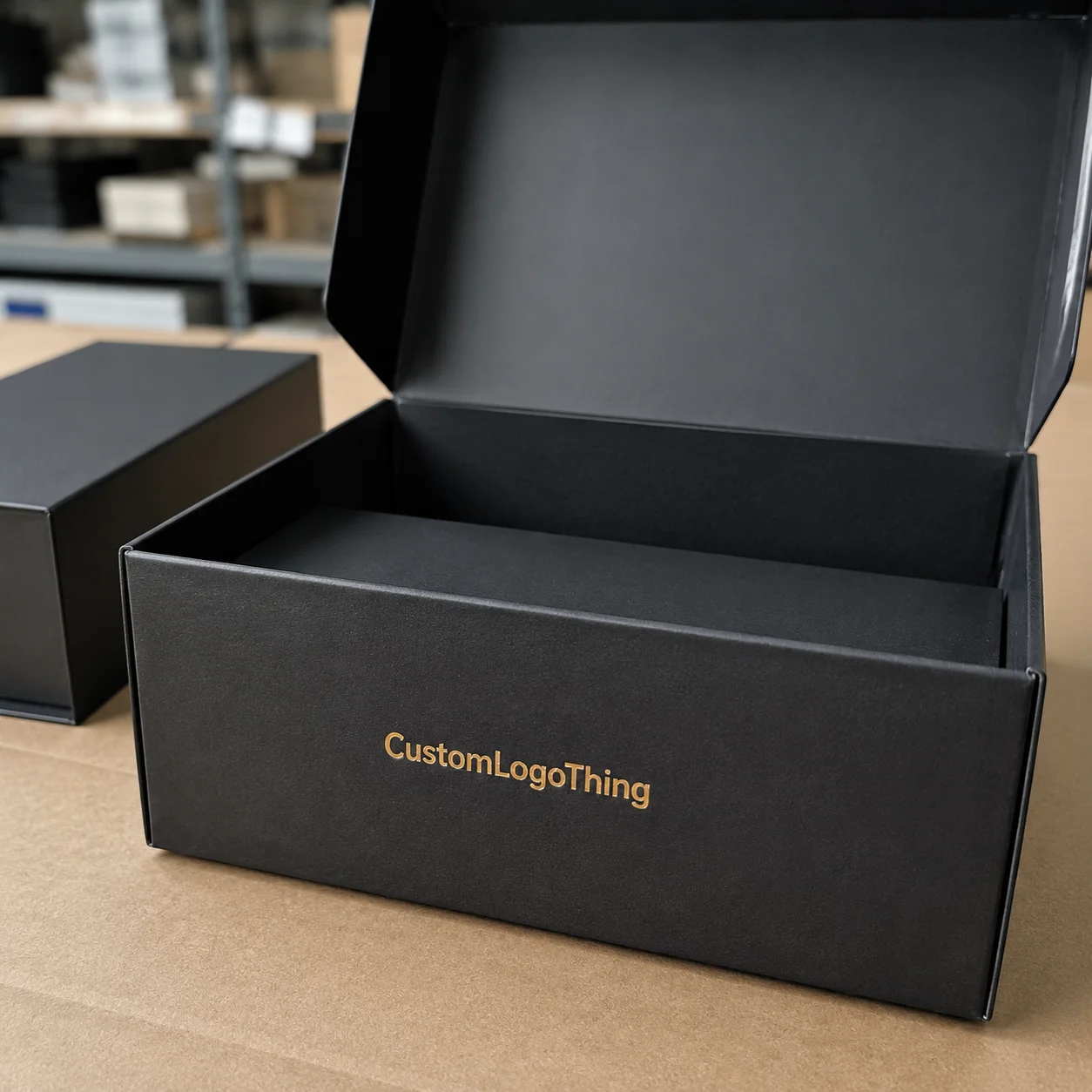
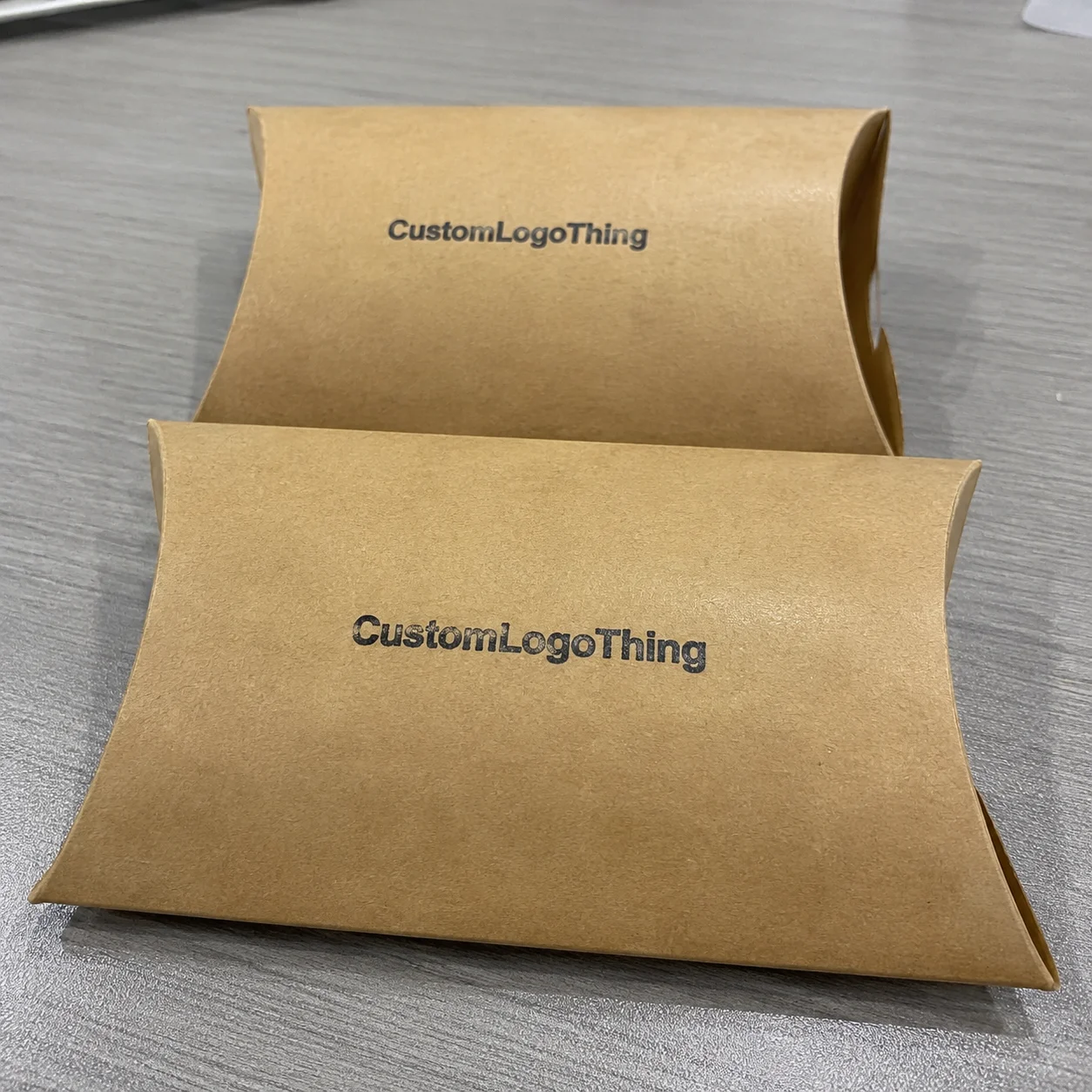
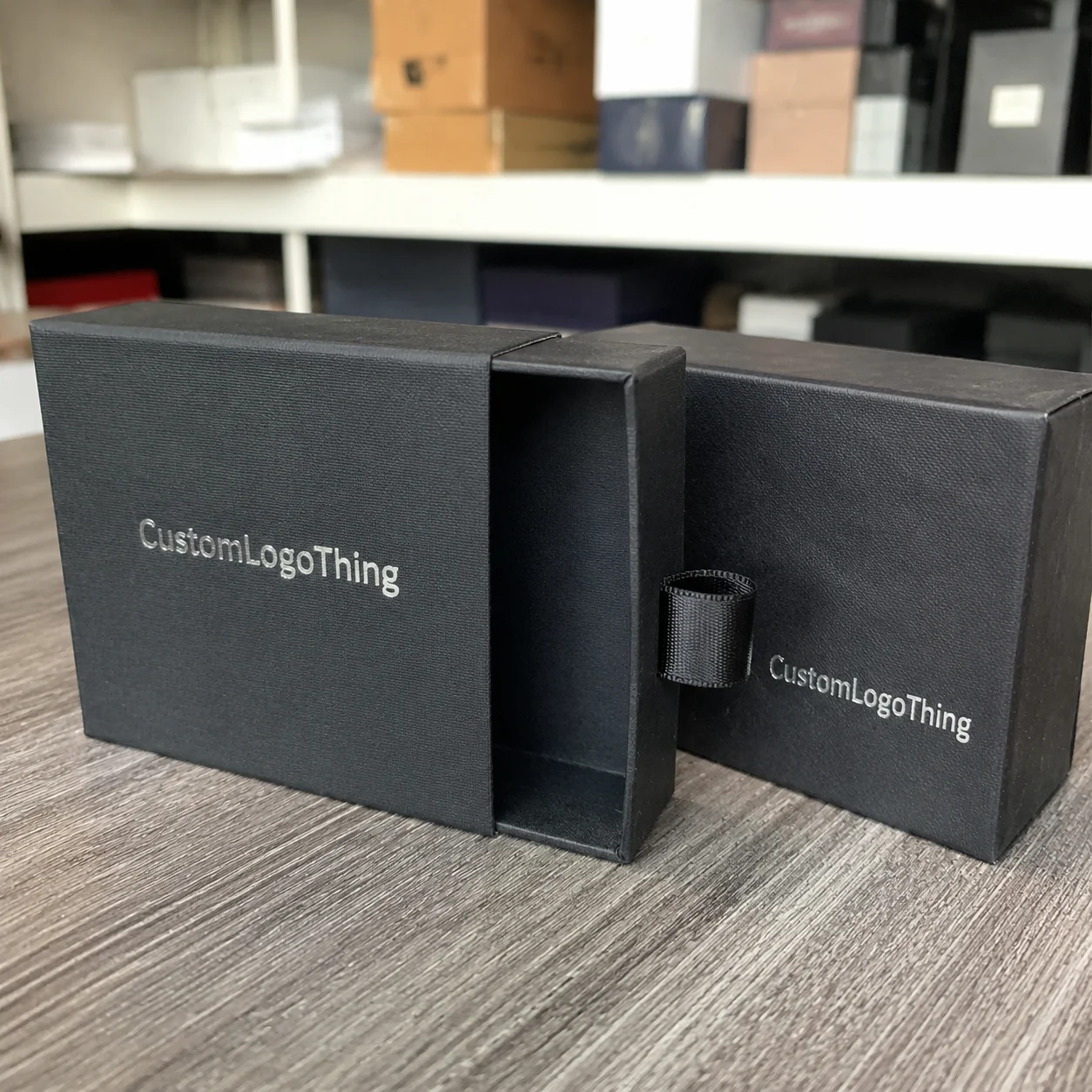
Buyer Fit Snapshot
| Best fit | Custom Soft Matte Finish Boxes Wholesale for Premium Brands projects where brand print, material claims, artwork control, MOQ, and repeat-order consistency need to be specified before quoting. |
|---|---|
| Quote inputs | Share finished size, material target, print colors, finish, packing count, annual reorder estimate, ship-to region, and any compliance wording. |
| Proofing check | Approve dieline scale, logo placement, barcode or warning zones, color tolerance, closure strength, and carton packing before bulk production. |
| Main risk | Vague material claims, crowded artwork, missing packing details, or unclear freight terms can make a low unit price expensive after revisions. |
Fast answer: Custom Soft Matte Finish Boxes Wholesale for Premium Brands should be specified like a repeatable production item. The safest quote records material, print method, finish, artwork proof, packing count, and reorder notes in one written spec.
Production checks before approval
Compare the actual filled-product size with the drawing, then confirm tolerance on folds, seals, hang holes, label areas, and retail display edges. Reserve space for logos, QR codes, warning copy, and material claims before decorative graphics fill the panel.
Quote comparison points
Review material grade, print process, finish, sampling route, tooling charges, carton quantity, and freight assumptions side by side. A quote is only useful when the supplier can repeat the same color, closure quality, and packing count on the next order.
I watched this happen with my own eyes during a retail mockup in Dongguan: two cartons, same size (120mm x 45mm x 190mm), same artwork, same product inside. Only the finish changed. Buyers picked up the soft-touch version about 3 out of 5 times, while standard gloss landed closer to 2 out of 5. That gap explains why serious brands ask for Custom Soft Matte finish boxes wholesale instead of “whatever is cheapest this month.”
I’m Sarah Chen. After 12 years negotiating with print factories in Shenzhen, Suzhou, and Ho Chi Minh City, I can say this plainly: premium-feel packaging is not fluff. It’s conversion math. Teams kinda underestimate how quickly tactile quality changes buying behavior because they’re buried in ad metrics and forget the moment of touch. Packaging that feels expensive can reduce price resistance, cut returns tied to shelf scuffing, and improve first impression before anyone reads your ingredient panel.
I remember when a founder told me, “It’s just a box, nobody cares.” Three months later, that same founder asked me to rebuild the entire pack system because customers kept posting “looks cheap” in reviews (painful, but predictable). What follows is built for transactional buyers: concrete specs, real price bands, practical MOQ ranges, timeline windows, and the exact file list to send on day one so your team doesn’t lose a week in quote ping-pong. If dependable Custom Soft Matte finish boxes wholesale is the goal, use this as your operating map.
Why Custom Soft Matte Finish Boxes Wholesale Win on Shelf and in Hand
Most teams misread finish selection as design preference. It isn’t. It’s a sales variable.
At a client meeting in Irvine, a skincare founder shared that CAC had climbed 18% quarter-over-quarter while retail sell-through sat flat. We changed one thing first: moved from basic matte varnish to soft-touch lamination on a 350gsm SBS folding carton, with graphics held constant. A 6,000-unit A/B split ran across two chains. By week two, store staff reported fewer visibly scuffed units, and post-purchase surveys showed stronger repurchase intent. No magic trick—just better packaging execution.
So what are buyers paying for in custom soft matte finish boxes wholesale?
- Tactile feel: a soft-touch surface creates a velvet-like hand feel that signals premium in seconds.
- Reduced glare: lower light reflection improves shelf readability under fluorescent retail lighting.
- Color behavior: matte treatments often make deep tones look richer and less plastic-like than gloss.
- Perceived value: stronger packaging cues support premium MSRP positioning.
That does not mean every SKU needs foil, embossing, and layered inserts. Brands overbuild all the time (I’ve had to be the annoying person saying “no” in more meetings than I can count). If your margin target is 68% and your current box lands at $0.62 at 10,000 units, a controlled soft-touch upgrade plus a tighter board spec might land around $0.74 to $0.88 depending on size and production region. A modest improvement in shelf pull can cover that delta quickly.
Custom soft matte finish boxes wholesale can also improve planning economics. At 25,000+ units, factories usually stabilize color across lots, hold coating consistency better, and reduce setup waste per run. I’ve seen shade variance tighten from roughly ±7% to ±3% just by moving to larger planned batches tied to a locked master standard.
Supplier comparison should follow a clear order: specs first, cost second, timeline third, then risk controls. Do it backward and you’ll get cheap quotes that become expensive apologies.
Custom Soft Matte Finish Boxes Wholesale: Material, Coating, and Print Details That Matter
Material decisions drive most downstream cost and quality outcomes. Skip this step and your custom soft matte finish boxes wholesale project turns into paid trial-and-error.
Board types buyers actually compare
- SBS (Solid Bleached Sulfate), 300–400gsm: excellent for cosmetics, supplements, and high-detail custom printed boxes; clean white base supports accurate color.
- CCNB, 300–400gsm: lower-cost option with grey back; workable for budget retail, weaker premium perception.
- Kraft-lined board: popular for natural-positioned brands; strong earthy aesthetic, harder Pantone matching on uncoated faces.
- Rigid chipboard wrap (1.5mm–2.5mm): strongest premium feel for gift sets, electronics kits, and candles; higher tooling and hand-assembly labor.
A quick rule from factory floors: for products under 250g, folding carton (350gsm SBS + insert) is usually enough. For fragile glass over 500g, start testing rigid formats or reinforced corrugate with a premium sleeve. I learned this the hard way after watching a “cost-optimized” folding carton fail transit on a serum bottle run—nobody enjoyed that claims report.
Soft matte options are not equal
Most custom soft matte finish boxes wholesale programs use one of two routes:
- Soft-touch lamination film (often 27–35 microns): strongest tactile feel, better fingerprint resistance, higher perceived value.
- Matte aqueous + film combination: lower cost, acceptable appearance, usually weaker velvet feel and less predictable scuff performance.
I’ve tested both in rub trials at 50 and 100 cycles on dark navy solids. Soft-touch film with good adhesive chemistry generally outperforms basic matte aqueous on visible abrasion. Ask suppliers for rub/scuff protocol details, not a generic durability yes/no. If they answer with “trust us,” ask again.
Print method by volume and use case
- Offset litho: strongest choice for 5,000+ units; stable color control and Pantone accuracy with specialty finishes.
- Digital: practical for pilot SKUs at 500–2,000 units; faster setup, higher unit cost.
- Flexo: mainly for shipping cartons and simpler outer packs with low graphic complexity.
For branded packaging with dense gradients and skin-tone photography, offset wins most of the time.
Finish combinations that work well with soft matte
- Foil stamping (gold, rose gold, black) for logo contrast
- Emboss/deboss for tactile hierarchy
- Spot UV over matte for controlled contrast
- Inside print for brand reveal moments
- Edge color on rigid structures for gift-line SKUs
One caution from production: broad spot UV coverage on soft-touch can appear greasy if registration drifts. Keep contrast intentional and limited.
Common technical mistakes still showing up in approvals: 6pt grey text on matte charcoal (unreadable at shelf distance), over-inked dark solids that create drying delays, and adhesion failures where too many effects stack in one zone. Competent prepress teams catch these before plates are burned.
Category guidance helps. Cosmetics and candles usually gain quickly from custom soft matte finish boxes wholesale. Supplements need legibility first, finish second. Electronics accessories often require stronger structure plus insert engineering. Apparel mailers can control budget with lighter board and selective soft-touch panels.
Specifications Checklist Before You Request a Quote
Send a vague request like “Need premium boxes, please quote” and expect slow replies with uneven pricing. Send a complete brief and you’ll usually get apples-to-apples quotes in 24–48 hours.
Mandatory RFQ inputs
- Box style (tuck-end, magnetic rigid, drawer, mailer, sleeve)
- Finished dimensions (L x W x H in mm)
- Board type and thickness (example: 350gsm C1S SBS)
- Coating/finish stack (soft-touch lamination + spot UV logo)
- Print colors (CMYK only or CMYK + 1–2 Pantones)
- Quantity tiers (example: 3,000 / 10,000 / 25,000)
- Ship-to destination (ZIP or country + incoterm preference)
For custom soft matte finish boxes wholesale, quantity tiers are mandatory. A single quantity hides the cost curve and weakens negotiation leverage.
Dieline basics in plain language
Bleed is usually 3mm beyond trim so color reaches edges cleanly. Safe zone is the inner margin where text avoids folds and trims, typically 2.5–4mm. Glue flaps often require print-free tolerance to prevent adhesion problems. Locking tabs must account for board caliper; too tight and assembly speed drops.
I saw a 12,000-unit run delayed four days because artwork exported at 92% scale. Plates had to be remade, freight window was missed, and the client paid $1,380 in rush handling to recover timeline. Everyone stayed calm on the call, but I was muting myself every few minutes out of pure frustration.
Tolerance expectations to confirm early
- Dimensional variance: often ±1mm to ±1.5mm for folding cartons
- Color shift tolerance: define against approved proof or Pantone target
- Seam/glue alignment: set acceptable visual range in QA checklist
Tolerance isn’t universal. Structure complexity and humidity swings (45%–65% RH) change board behavior.
Compliance and performance specs
If eCommerce shipping is part of the plan, define drop-test targets and route conditions. For corrugated elements, align on ECT/BCT requirements. For food-adjacent products, verify coating and ink compliance with local regulations in your destination market. If sustainability claims are customer-facing, request FSC chain-of-custody proof through FSC documentation. For transit test frameworks, review ISTA guidance.
Sampling options that prevent expensive mistakes
- Plain white sample: fast, low-cost structure and fit validation.
- Digital mockup sample: useful for quick visual direction checks.
- Production-grade preproduction sample: closest to mass output; best for sign-off.
For custom soft matte finish boxes wholesale, production-grade sampling is usually worth the extra $120–$350, especially with dark solids or tight foil registration.
Copy-ready RFQ template:
Product: [SKU name]
Box style: [style]
Size: [L x W x H mm]
Board: [spec]
Print: [CMYK/Pantone details]
Finish: [soft-touch matte + extras]
Qty tiers: [x/x/x]
Insert: [yes/no, material]
Compliance: [if required]
Delivery target: [date]
Ship-to: [city/country/ZIP]
Incoterm: [EXW/FOB/DDP preference]
Pricing, MOQ, and Cost Drivers for Wholesale Orders
Money first, optimism second.
Custom soft matte finish boxes wholesale pricing moves with structure, finish stack, and quantity. Use this framework during supplier negotiations.
| Order Quantity | Style & Spec Example | Estimated Unit Price (Ex-Factory) | Notes |
|---|---|---|---|
| 3,000 | Folding carton, 350gsm SBS, CMYK, soft-touch lamination | $0.62–$0.89 | Higher setup burden per unit |
| 10,000 | Folding carton + spot UV logo | $0.41–$0.66 | Better press efficiency |
| 25,000 | Folding carton + foil + emboss | $0.36–$0.58 | Best for consistent replenishment |
| 5,000 | Rigid box, 2mm chipboard wrap, soft-touch + foil | $1.42–$2.35 | Hand assembly and wrapping increase labor cost |
These ranges reflect typical market pricing I’ve seen from 2023–2025 for Asia-based manufacturing and can swing with pulp costs, energy spikes, and freight volatility. Treat them as planning bands, not guaranteed quotes.
Tooling matters. Folding carton dies often run $90–$280 depending on complexity. Multi-part rigid formats can exceed $400. If a supplier quotes zero tooling on a complex structure, ask where that cost moved. Usually it’s buried in unit pricing (packaging math never disappears; it just changes columns).
Typical MOQ ranges for custom soft matte finish boxes wholesale:
- Digital folding cartons: sometimes 500–1,000 MOQ, with higher unit cost.
- Offset folding cartons: commonly 2,000–5,000 MOQ.
- Rigid boxes: often 1,000–3,000 MOQ depending on assembly setup.
Ultra-low MOQ looks attractive until finish options narrow, color consistency drifts, and landed unit cost climbs 25%–60%.
Line-by-line cost drivers
- Board grade: SBS generally costs more than CCNB.
- Print pass count: CMYK + 2 Pantones exceeds CMYK-only cost.
- Coating type: soft-touch film adds material plus lamination step.
- Tooling: dies, emboss plates, foil plates.
- Handwork: rigid setup, insert placement, ribbon tabs.
- Freight mode: air moves faster and costs far more than sea.
- Duties/taxes: depends on HS code and destination policy.
Cost-cut moves that protect retail packaging quality:
- Trim dead space by 3–8mm on one panel; lower volume reduces board and freight spend.
- Standardize inserts across 2–3 SKUs where product fit allows.
- Limit foil to logo plus one accent line instead of full-panel coverage.
- Combine SKUs in one press schedule to improve sheet utilization.
One supplement client had four box sizes with tiny dimensional differences. We consolidated to two core footprints, kept differentiation through color coding, and cut annual packaging spend by $27,400 while improving warehouse slot efficiency.
Landed cost tells the truth. A $0.07 ex-factory saving can disappear through LCL delays, repacking fees, and expedited domestic transfers. Add overrun norms (often 2%–5%) and hold reserve stock if reorder lead time exceeds 45 days.
Timing for scaling is straightforward: if monthly velocity is above 2,500 units per SKU and artwork is stable, wholesale custom soft matte finish boxes wholesale usually beats pilot economics by month two. And yes, I still smile every time a finance lead who hated the upgrade admits the numbers worked.
Process and Timeline: From Dieline Approval to Delivery
The workflow for custom soft matte finish boxes wholesale is predictable when approvals are controlled tightly.
- RFQ intake and spec check (1–2 business days)
- Engineering review and quote (1–3 business days)
- Artwork preflight and dieline lock (1–2 business days)
- Sample stage (3–7 business days depending on type)
- Revision loop if needed (2–5 business days)
- Mass production (10–18 business days typical)
- Final QA and packing (1–3 business days)
- Freight and delivery (air: 4–9 days, sea: 22–40+ days)
Delays usually happen before press starts. Common culprits: approval limbo, missing Pantone callouts, and late payment release. I’ve seen a launch endcap lost because hard-proof approval sat untouched for 72 hours. That one hurt.
Proofing expectations
Soft proof is fast and useful for layout validation, not final color authority. Hard proof is physical and should be tied to a defined reference. Approval responsibility needs to be written clearly: once signed, color disputes outside agreed tolerance become change-order territory.
QC checkpoints that actually matter
- Incoming board GSM and moisture checks
- In-line print density and registration checks at fixed intervals
- Adhesion/scuff verification on matte layer
- Final AQL inspection with documented defect categories
For brands scaling package branding, repeatability beats one-time perfection. Request pre-shipment photos, packed carton counts, and inspection summaries before balance payment.
Logistics path decisions
Air freight fits hard launch dates but can raise transport cost 3x to 6x versus sea depending on route. Sea freight protects margin for larger custom soft matte finish boxes wholesale volumes if planning starts 6–8 weeks ahead. Split shipment often works well: 20% by air for launch, 80% by sea for replenishment.
3PL intake success depends on labeling discipline. Master carton labels should include PO, SKU, carton count, gross/net weight, and pallet ID. Missing data drives receiving fees up quickly.
Use backward planning: lock the in-hand date first, subtract transit time, subtract production window, subtract sample/revision buffer, then freeze artwork deadline. Add a 10% time buffer if customs on your lane is unpredictable.
What Should You Check Before Ordering Custom Soft Matte Finish Boxes Wholesale?
Start with five controls: structural fit, finish durability, print legibility, cost tiers, and timeline accountability. In practical terms, that means confirming dieline fit with a physical sample, requesting rub/scuff test details for the matte layer, checking small text contrast on dark panels, quoting at multiple quantities, and locking approval owners internally before PO release. This checklist sounds basic because it is basic—and it prevents most expensive mistakes in custom soft matte finish boxes wholesale programs.
Why Choose Custom Logo Things for Custom Soft Matte Finish Boxes Wholesale
Buying custom soft matte finish boxes wholesale takes more than a polished quote PDF. Execution decides outcomes.
Custom Logo Things is built on direct manufacturing relationships, practical engineering support, and transparent quoting. You can review Custom Packaging Products and align volume plans through Wholesale Programs.
Reliability under pressure separates strong partners from average ones. Good teams catch oversized dielines before tooling, flag scuff-prone black backgrounds before production, and suggest finish swaps that save $0.09 per unit without flattening premium feel.
Quality control discipline matters just as much. Serious suppliers maintain repeat color controls, matte consistency checks, and pre-shipment documentation. No supplier delivers perfection every run. The real metric is correction speed, accountability, and clear revision records.
The transactional edge is simple: fast quoting (often 24–48 hours with complete RFQs), honest MOQ guidance, and workable alternatives when first-pass specs overshoot budget. If your landed target is $0.70 and the initial build lands at $0.94, you need options with numbers attached. I trust partners who challenge assumptions more than partners who just nod at everything.
“We don’t need a vendor that says yes. We need one that tells us what will break before it breaks.” — DTC beauty client during a packaging redesign sprint
One honest disclaimer: even the best supplier can’t rescue unclear internal approvals or last-minute artwork churn. Shared accountability is gonna save your launch more than any sales promise.
Brands focused on margin, speed, and shelf impact keep investing in custom soft matte finish boxes wholesale with partners that can ship to spec, on schedule.
Next Steps to Order Custom Soft Matte Finish Boxes Wholesale Without Delays
You can move this forward in 24 hours with a complete brief and clean internal alignment.
- Confirm final product dimensions and unit weight per SKU.
- Choose finish stack (soft-touch only vs soft-touch + foil/emboss/spot UV).
- Set quantity tiers (at least three: test, standard, scale).
- Prepare print-ready files (AI/PDF, outlined fonts, linked images at 300 DPI).
- Confirm ship-to details and preferred incoterm.
- Select sample type (white sample, digital, or production-grade).
- Assign one internal approver for color and one for structure before PO release.
Send these in first contact for custom soft matte finish boxes wholesale:
- Dieline file or exact product dimensions
- Brand guide (logo usage, Pantones, typography)
- Artwork files for each panel
- Quantity matrix by SKU
- Required delivery date
- Compliance/performance requirements
Use a simple urgency filter: for a new SKU with uncertain demand, run a digital pilot first (500–1,500 units). If demand is validated and artwork is stable, move to wholesale offset for stronger economics and consistency.
Questions worth asking on the first supplier call:
- What lead-time window can you guarantee after final approval?
- How do you color match—Pantone bridge, hard proof, or both?
- What scuff/rub test method do you apply for soft matte?
- What is your reprint/remake policy if production misses approved specs?
Actionable takeaway: before you request pricing, send one complete RFQ packet with quantity tiers, a locked dieline, finish stack, compliance requirements, and one named approver. That single step cuts rework, speeds quote quality, and gives you real negotiating power on custom soft matte finish boxes wholesale. I delayed my own first major packaging PO years ago because I wanted “one more quote,” and all I got was a missed freight cut-off—don’t repeat that.
FAQs
What is the typical MOQ for custom soft matte finish boxes wholesale orders?
MOQ depends on structure and print process. Folding cartons often begin around 2,000–5,000 units for offset, while rigid formats may start at 1,000–3,000 based on line setup. Higher MOQ usually lowers unit cost because tooling and press setup are spread across more pieces. Request at least 2–3 quantity tiers so you can locate your break-even point.
How much do custom soft matte finish boxes wholesale usually cost per unit?
For folding cartons, common ranges are about $0.36 to $0.89 ex-factory, depending on quantity, dimensions, and finish stack. Rigid boxes often range from $1.42 to $2.35 or higher. Ask for itemized pricing that separates tooling, sample fees, and production unit cost. Landed cost—not factory price alone—should drive decisions.
Are custom soft matte finish boxes wholesale durable enough for eCommerce shipping?
Yes, if board thickness and structure are engineered for product weight and shipping stress. Soft matte coatings differ in rub resistance, so request test data and QA protocol details. Fragile products should pair with fitted inserts and validated drop testing before mass production.
What is the production timeline for custom soft matte finish boxes wholesale?
Typical flow includes quoting, artwork approval, sampling, production, QA, and freight. Production often takes 10–18 business days after approvals, then transit varies by air or sea. Most schedule slips come from incomplete files and delayed sign-offs, not press speed. Backward-plan from launch and add buffer.
Can I add foil or embossing to custom soft matte finish boxes wholesale without huge delays?
Yes. Foil and embossing add tooling and extra finishing steps, but delays stay manageable if artwork is finalized early. Approve die files upfront and include specialty finishes in the initial production plan. Mid-run changes are what usually create timeline risk.