Custom Canning Jar Labels: What Holds Up, What Fails, and How to Order the Right Spec
A jar label can look clean in a proof and still fail once it meets a real production line. A chill cycle, a little condensation, or a slight mismatch between label size and jar curve is enough to make corners lift, text distort, or adhesive haze at the edge. That is the usual failure mode with custom canning jar labels: the artwork gets approved, but the vessel, the fill environment, and the label construction were never matched closely enough.
Most buyers start with color and finish. That makes sense, but it is only part of the job. Labels for jars live on a curved surface, often near a shoulder or base radius, and they are exposed to handling, refrigeration, wiping, and stacking long before anyone reads the fine print. If the package is going to sit in a pantry, the spec can be relatively forgiving. If it will be chilled, damp, or moved through retail and distribution, the label has to do more work than the mockup suggests.
That is true whether you are packaging jam, sauces, pickles, preserves, or a premium specialty food that needs a quieter, more refined shelf presence. The principles do not change much. Fit, legibility, and durability matter first. Decoration comes after that.
Why custom canning jar labels fail on curved glass
Most label failures are not dramatic. They are predictable, and that is what makes them expensive. The art is usually fine. The issue is that the jar shape was never really part of the design brief. Straight-sided jars give you a stable panel and a predictable adhesive bond. Tapered jars, shoulder-heavy jars, and rounded jelly jars do not. They force the label to follow a curve, settle over a transition, and stay flat while the product and package expand and contract in storage.
Custom canning jar labels tend to fail for a few repeatable reasons. The seam lands too close to a curve. The label is too stiff for the container. The adhesive was chosen for a dry shelf, then sent into a cold box. Or the label panel was measured from the wrong point, so the finished piece touches the shoulder or base radius and starts to wrinkle. Even a good material can fail if it is asked to behave outside its range.
The same stock can perform very differently on a 4 oz sample jar, a 12 oz straight-sided jar, and a squat 8 oz jar with a broad shoulder. That is why the vessel has to be treated as part of the label system, not just as the thing the label gets stuck to. A label that looks perfect on a PDF may still be too tall, too wide, or too rigid once it wraps around real glass.
The jar is the real substrate. Artwork is only half of the specification.
Practical packaging buyers check three things before they lock the file: usable panel height, seam location, and the environment the jar will actually live in after fill. Miss one of those and the label will tell on you later, usually in the cooler, on the shelf, or in a returned case pack.
If your packaging mix includes Custom Labels & Tags alongside custom printed boxes or other product packaging pieces, it helps to build all of it from the same operating logic: the package has to survive handling first, then sell the product.
How the label system works from print file to finished roll
The production path is straightforward on paper and less forgiving in practice. It usually runs through artwork prep, dieline setup, proofing, material selection, printing, finishing, slitting, and packing. Each step protects the next one. If the measurements are wrong at the start, the press can still print a beautiful mistake.
The buyer owns the information that defines fit and use. That includes jar dimensions, label panel height, whether the product is chilled or frozen, whether it will be wiped down, and any legal copy that has to stay legible. The printer owns the mechanical side: color management, die cutting, coating, press choice, and roll winding. Reprints usually happen when those responsibilities get blurred and somebody tries to solve a dimensional problem with artwork alone.
Digital and flexographic printing solve different jobs. Digital is usually the better option for shorter runs, faster proof cycles, and projects that change often. It handles variation well and avoids a larger setup burden. Flexo makes more sense when the quantity rises, the design is stable, and color consistency across a larger run matters more than turnaround flexibility. Setup costs are higher on flexo, but the per-label price often drops as quantity increases. A 1,000-piece run and a 25,000-piece run should not be quoted as if they are the same job.
Labels also ship in different formats. Rolls are common for machine application and for production teams that want efficient hand packing. Sheets can work for smaller manual runs. Individual pieces are less common unless the project is unusually low volume or highly custom. If your team applies labels by hand, the roll direction, core size, and roll diameter matter more than most people expect. A bad wind can slow the line and make the label feel awkward even when the print quality is good.
For teams comparing this work with broader Custom Packaging Products, the useful question is not whether the label can be printed. It is whether it will behave properly during filling, packing, storage, shipping, and shelf handling. That is the practical test.
For transit-sensitive retail packaging, it is also useful to think in terms of stress testing. Drop, vibration, and compression are not abstract ideas once a jar leaves the filling area. ISTA methods are a useful reference point for how packaged goods face those conditions in the real world: ISTA.
Process and timeline: from quote to delivery
A clean project starts with a clean quote request. The best requests include the jar measurements, label panel height, quantity, material preference, finish preference, and whether the product will be chilled, frozen, or stored at room temperature. If the label is going onto more than one jar size, say that up front. If the project needs barcode placement, regulatory text, or a versioned design for seasonal flavors, that belongs in the first conversation too.
Lead times depend on how complete the spec is and how many choices are still open. Simple digital jobs can move quickly once the proof is approved. Jobs that need a custom dieline, a special coating, multiple proofs, or changes after file setup will take longer. A realistic window for many orders is often 12 to 15 business days after proof approval, plus shipping. Larger flexo runs or more complex finishing can stretch beyond that. If someone quotes speed before they know the jar size, that is not confidence. It is a guess dressed up as certainty.
Most delays trace back to the same problems: missing measurements, late copy changes, unclear finish instructions, or artwork built without a real dieline. A brand team may think the label is “basically done,” then remember the net weight, barcode, ingredient line, or a compliance note after the proof is already in motion. That small change can cost a day or more if the file has to be rebuilt.
The proof should be treated like a production checkpoint, not a courtesy. A decent proof will show trim, safe area, label orientation, and any notes about application. If it looks wrong, stop and fix it before printing. The cost of a corrected proof is small compared with the cost of printing a clean, wrong run.
A good supplier should help the buyer avoid a mismatch between the art and the container. That matters just as much for a small batch of preserves as it does for a broader branded packaging program with multiple SKUs and seasonal versions.
Cost, pricing, and MOQ: what changes the quote
Custom canning jar labels are priced by more than size alone. The biggest cost drivers are label dimensions, shape complexity, material choice, adhesive type, quantity, print method, and finishing. A small oval on standard paper stock is not in the same cost range as a die-cut waterproof film label with a gloss laminate and precise seam placement.
MOQ matters because setup cost has to be absorbed somewhere. On a small run, proofing, press setup, and die cost are spread across fewer pieces, so the unit price rises. On larger runs, those fixed costs are diluted and the per-label price comes down. That is why a 500-piece order can feel unexpectedly expensive while a 10,000-piece order starts to look much more reasonable.
| Option | Best for | Typical price impact | Notes |
|---|---|---|---|
| Paper label with matte finish | Dry pantry jars | Lowest base cost | Good for short shelf exposure, not ideal for moisture |
| Polypropylene film | Refrigerated or handled jars | Moderate uplift | Better scuff resistance and moisture performance |
| Clear film | Minimalist or premium look | Moderate to higher | Strong shelf appeal, but readability depends on print contrast |
| FSC-certified paper | Eco-positioned brands | Usually a small premium | Useful when sustainability messaging matters and the jar stays dry |
Those numbers are not universal. They are a buying framework. If two vendors give you very different quotes, make sure they are pricing the same size, stock, adhesive, finish, and quantity. Otherwise you are not comparing the same package.
It also helps to look at the label as part of the total packaging budget instead of treating it as a standalone print expense. A spec that fits the jar properly can reduce hand-applied errors, improve case consistency, and avoid product returns caused by moisture failure or scuffed labels. That is the same logic buyers use when they standardize across retail packaging, labels, and custom printed boxes.
For rough planning, many small digital label runs land in a few cents to low tens of cents per piece, while specialty materials, clear film, cold-safe adhesives, and low quantities can push higher. That is only a working range. The actual quote depends on the exact die, stock, and run size.
Materials, adhesive, and finish that match the jar
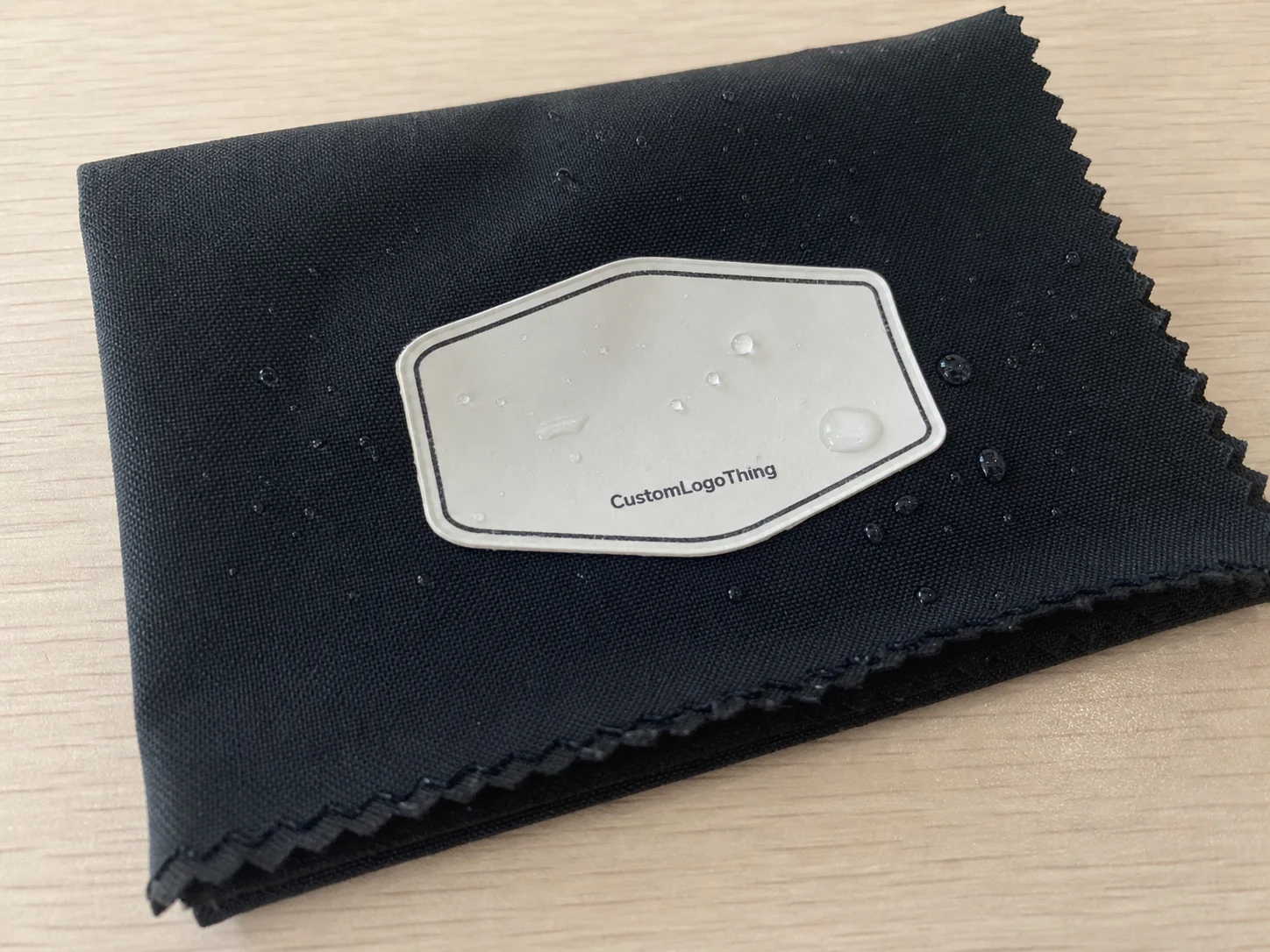
Paper and film are the first choice to make. Paper is common, cost-effective, and perfectly serviceable for dry goods that stay in a stable environment. Film, usually polypropylene, is the safer choice for moisture, handling, and cold storage. If the product sweats, gets wiped down, or spends time in a cooler, film is usually the more practical spec.
Adhesive choice matters just as much. Permanent adhesive is the default for most food jars because the label is supposed to stay put. Removable adhesive can be useful for temporary promotions or short-lived seasonal items, but it is not the right answer for every jar. Moisture-resistant and freezer-safe adhesives are the smarter options when the product will chill, condense, or cycle in and out of cold storage. The exact outcome still depends on the jar surface. Smooth glass behaves differently from lightly textured glass, and condensation changes the bond faster than many teams expect.
Finish changes both the look and the function. Matte reduces glare and can make small type easier to read. Gloss gives brighter color and a stronger shelf flash. Soft-touch feels premium, but it is not automatically the best choice for jars that will be handled repeatedly. Clear labels can look excellent on glass, but they demand stronger contrast and more disciplined layout because the background is the product itself.
For brands that want a sustainability story, FSC-certified paper can support that message without complicating the design too much. If the jar is dry and shelf conditions are stable, that can be a sensible choice. If the jar is refrigerated or exposed to condensation, do not pick paper just because it sounds cleaner in a meeting. A green claim is not useful if the label slides off in the cooler.
The honest version is simple: the right label is the one that survives the product environment. Packaging teams care about that for good reason. A label that looks premium but fails in use is just a more expensive problem.
Labels also have to work with the rest of the package. Caps, cartons, inserts, and case packs all influence how the product reads on shelf. If the jar is part of a larger launch, the label should not fight the box or secondary packaging. It should carry the same visual logic and help the shelf set feel intentional.
Step-by-step guide to ordering without reprints
If you are ordering custom canning jar labels and want to avoid a reprint, work in this order: measure the jar, define the environment, choose the material, build the dieline, then prepare the art. Skipping ahead to color proofing before the jar spec is settled wastes time and usually creates avoidable revisions.
- Measure the flat label panel, not just the total circumference.
- Confirm the usable height and leave room away from the shoulder and base curve.
- Decide whether the jar will be chilled, frozen, wiped, or stored dry.
- Choose paper or film based on that environment.
- Ask for a dieline before final art is locked.
- Proof the layout with barcode, copy, and seam placement visible.
The buyer should send more than a logo file. Send jar photos, exact circumference, label panel height, fill temperature, storage conditions, and whether the label will be applied by hand or machine. If multiple jar sizes need the same design family, say so early. It is usually better to build a label system with small size adjustments than to force one die to pretend it fits every container.
Proofing is the expensive moment if you ignore it and the cheap moment if you use it well. Dieline errors, cut problems, and copy issues cost far less to fix before print. A sample test can catch the problems a PDF will never show. Apply a sample label to a clean jar, chill it, wipe it, and inspect the edges after 24 hours. If the label starts lifting, bubbling, or whitening at the edge, stop there. That is not a future problem. It is a current problem that just has not reached the shelf yet.
This is also the point where the label has to fit with the rest of the packaging line. If the jar is part of a broader launch, the artwork should sit comfortably beside Custom Packaging Products being ordered at the same time. Consistency across SKUs makes the shelf look planned instead of assembled from leftover decisions.
Common mistakes, expert checks, and next steps
The common mistakes are predictable. Teams guess the dimensions. They choose the wrong adhesive. They ignore condensation. They crowd the design. They approve proofs before checking seam placement. None of that is rare. It is just expensive.
There are a few checks that save money quickly. Keep the label away from sharp curve changes. Leave safe margins near the seam. Make sure the text stays readable under store lighting, not just on a bright monitor. If you are using a clear label, test it against the actual jar color. If the product can be refrigerated, test the label after a cold cycle, not only at room temperature. If sustainability is part of the brief, confirm the claim matches the stock and supply chain, not just the marketing copy.
Roll format deserves its own check as well. Application speed can change a lot based on core size, winding direction, and label spacing. A roll that looks fine in procurement can create friction on the packing line if it feeds poorly or peels too aggressively at the liner edge. That is one reason practical samples matter more than an attractive PDF.
If the project is brand-sensitive, use a mock shelf test with the jar, cap, label, and any secondary packaging together. A label that works alone may not work in context. The cap color, carton print, and case pack can all shift how the label reads. Good package branding is usually the result of those pieces agreeing with one another.
Strong custom canning jar labels are not about decoration first. They are about fit, durability, and readability. Get those right and the brand looks more expensive without spending money on avoidable rework. Get them wrong and the jar will announce it for you.
The best projects end up looking effortless because the hard parts were handled early: the right material, the right adhesive, the right seam placement, and enough testing to catch problems before they become inventory. That is the difference between a label that merely prints well and one that actually earns its place on the shelf.
What size should custom canning jar labels be for standard jars?
Measure the flat label panel and the usable height, not just the jar’s total circumference. Leave margin near the seam and shoulder so the label does not wrinkle or lift on a curve. For multiple jar sizes, build one label family with small size adjustments instead of forcing one die to fit everything.
What adhesive works best for refrigerated or cold-fill jars?
Use a moisture-resistant or freezer-safe adhesive when jars will sweat, chill, or move in and out of cold storage. Permanent adhesive is usually the safest choice for food jars that need long shelf life. Test the exact jar surface, because glass texture and condensation can change how the adhesive behaves.
How much do custom canning jar labels usually cost per unit?
Unit cost depends on quantity, label size, material, finish, and print method. Small runs cost more per label because setup and proofing are spread across fewer pieces. If you need a real comparison, ask suppliers to quote the same dimensions, stock, and finish so the numbers are usable.
How long does the label process take?
Simple jobs move faster when artwork is ready and the specs are complete. Expect extra time if the project needs dieline work, special finishes, or multiple proof rounds. Shipping time is separate from production time, so check both before you promise a launch date.
Do custom canning jar labels need to be waterproof?
If the jars will be refrigerated, washed, or exposed to condensation, waterproof or water-resistant materials are worth it. Dry pantry products can sometimes use paper labels, but only if moisture is truly not a factor. The right answer depends on the product environment, not on what looks cheapest on paper.