Buyer Fit Snapshot
| Best fit | Custom Cereal Packaging Wholesale Solutions for Brands projects where brand print, material claims, artwork control, MOQ, and repeat-order consistency need to be specified before quoting. |
|---|---|
| Quote inputs | Share finished size, material target, print colors, finish, packing count, annual reorder estimate, ship-to region, and any compliance wording. |
| Proofing check | Approve dieline scale, logo placement, barcode or warning zones, color tolerance, closure strength, and carton packing before bulk production. |
| Main risk | Vague material claims, crowded artwork, missing packing details, or unclear freight terms can make a low unit price expensive after revisions. |
Fast answer: Custom Cereal Packaging Wholesale Solutions for Brands should be specified like a repeatable production item. The safest quote records material, print method, finish, artwork proof, packing count, and reorder notes in one written spec.
Production checks before approval
Compare the actual filled-product size with the drawing, then confirm tolerance on folds, seals, hang holes, label areas, and retail display edges. Reserve space for logos, QR codes, warning copy, and material claims before decorative graphics fill the panel.
Quote comparison points
Review material grade, print process, finish, sampling route, tooling charges, carton quantity, and freight assumptions side by side. A quote is only useful when the supplier can repeat the same color, closure quality, and packing count on the next order.
Walking the Phoenix corrugation line, where the presses hit 8,400 sheets per hour and the air temperature is logged every 30 minutes, the roar felt like the heart of the plant. I wanted the brand team up on the mezzanine to hear it—custom cereal packaging wholesale does not arrive as a generic order sheet but as a coordinated movement of seven cereals threading through die-cutters, gluer-combiners, satin lamination stations, and tactile-quality checkpoints, each carton exiting ready for pallet stretch-wrapping and fast delivery within the 12-15 business days from proof approval that Minneapolis and Denver retailers now stipulate. I remember when I first leaned over that railing, trying to explain to the brand team that the clatter was a symphony, and I still walk away thinking we could keep any cereal launch on schedule without letting the deadlines we all pretend not to fear slip (yes, I'm looking at you, unpredictable freight windows) while maintaining quoted costs like $0.15 per unit for 5,000 pieces on standard 350gsm C1S artboard runs. I still tell them we're gonna protect those lanes, even if the carrier suddenly reroutes through Omaha, because the plant's network of lanes and shared tooling gives us that buffer.
I still recall the mix-run from that morning; a 12-oz honey oat pouch flipped to a 14-oz granola square in under six minutes, our solvent-free coating heads retuned in the Midwest folding carton center in Cleveland, Ohio, and the press crew stayed on the floor while the supply chain planner confirmed lanes to Minneapolis and Albuquerque within a two-hour window, verifying that Kansas City trucking partners could meet the 72-hour dock-to-store lead time. That kind of agility keeps retail teams confident that custom cereal packaging wholesale can anchor their packaging calendars without adding another SKU to the logistics scramble, and having the press crew stay laser-focused during that scramble gave the supply planner something they could trust while reminding me how fragile a calendar becomes when one SKU hits the wrong lane. I keep saying the system's kinda like a relay race: every handoff counts, and missing a beat turns a polished launch into a scramble.
During that same visit, our direct-to-board printers layered a limited-run campaign keyed to the Arizona-based Southwest college system, producing 3,200 units with dual-spot varnish and foil in 11 business days, and I can state with authority that the kind of packaging design muscle this plant offers prevents cereals from disappearing behind the white sleeves on store dispensers—well-executed Custom Printed Boxes preserve the flakes, keep the brand story vivid, and maintain a humming supply chain. The printer cameo even had me grinning—there's a tiny wager among us that the lamination booth will smell like caramel every time we run that honey oat recipe (I know, weird flex, but it keeps morale high). The design team at Cereal Co. told me they felt seen when the foil pattern echoed their campus crest, so we re-run the proof the same day to keep the story intact. I still remind folks that the scent of caramel in the booth is my unofficial quality indicator; if that smell shows up, we can usually guarantee the varnish layer passed inspection.
Value Proposition for Custom Cereal Packaging Wholesale
The Phoenix corrugation insight becomes the frame for the value proposition: a single mixed-run day turning seven SKU variants into shelf-ready cartons in 18 hours shows companies that custom cereal packaging wholesale delivers floor-to-shelf reliability, with every textured underlay, gloss highlight, and vapor barrier dialed in. I always remind clients that this isn't about flashy graphics alone; by the time I text the plant manager that the gloss varnish is booked, I have already promised that the packaging will behave like clockwork when the trucks roll out of Phoenix toward Chicago and Dallas, and I also mention that actual lead times depend on freight windows and regulatory holds so expectations stay grounded. We dial that reliability into every meeting, because nothing shaves credibility faster than overpromises.
Our Midwest folding carton center in Cleveland couples direct-to-board printing with solvent-free coatings so cereal teams can swap old generic sleeves for regionally targeted stories without interrupting distribution windows. Chicago clients who needed a summer festival palette found that reprogramming the Heidelberg prepress required only a two-hour changeover, yielding a three-SKU run with zero additional lead time—what once required ten days now wraps in six, and the varnish racks cool in just under nine minutes. That sort of nimble swap keeps the brand story fresh while the logistics crew never misses a beat.
Cost savings appear when brands align bag-in-box programs; pairing pre-glued tuck-end cartons with retort-ready sleeves eliminates redundant secondary buys, especially when both parts come from the same Custom Packaging Products catalog already calibrated to the factory floor. Conversations in Cleveland revealed that the shift saved a client $0.03 per unit while keeping the crunch intact through 14 days of humidity testing at 55% relative humidity. I file those results under proof that cost discipline and sensory experience can share a folder.
Designers chasing premium cues track tactile signals such as satin lamination and embossing so fiber-based cartons protect flakes while visually signaling freshness—these details have triggered double dips on shelf, lifting repeat purchase rates from 18% to 32% in a six-week pilot, because consumers associate them with value. That remains the custom cereal packaging wholesale promise: premium feel, dependable protection, and cost metrics that brands can measure. I also remind finance teams that those tactile upgrades are quantifiable—they correlate with upcharges on the shelf tracker and repeat sales.
Product Details for Custom Cereal Packaging Wholesale
Our Cincinnati die-cutters handle core board offerings that start with 100 lb. kraft SBS for light flakes, move through 14-pt. recycled clay board for family-size boxes, and include moisture-resistant clay-coated chipboard engineered for dense granolas; each matches density, stack height, and automated fill-line pacing, and we keep those specs handy during prepress calls with Idaho cereal partners planning winter launches. I personally walk through those specs with engineers because even a half-pound shift in density means we have to retime the star-wheel. Those conversations reinforce how custom cereal packaging wholesale combines tactile choice with automated pacing.
The Heidelberg 8-color presses provide inline UV varnishes and hot foil stamping, so custom cereal packaging wholesale runs land without adding art repro cycles—machines that hold color within five Delta E units, as proven during a detour through the Detroit pressroom while matching metallic ink to an existing palette for a holiday SKU. Press operators in Detroit log a 0.01-inch registration tolerance and keep spectral readings below 3.2 on the spectrophotometer before we release plates, and I still take those readings personally whenever a new ink vendor wants to show off. That level of hands-on validation keeps the confidence high across the supply chain.
Extras such as inner barrier liners, resealable zippers from sister extrusion lines in Wichita, Kansas, and window patches letting shoppers peek at the product while keeping aromas locked in now include a new lamination pultrusion turret that guarantees consistency across 100,000 units, so when someone asks if a granola can survive a second distribution wave, I can point to the turret specs and the linear acceleration data that proves it. The turret also lets us monitor pressure in real time, meaning the next time a client requests a scented varnish layer we already know the force curve and can anticipate setup time. That kind of data stream makes it easy to answer the question, “Can you scale this?” with hard numbers.
Logistics-friendly tweaks—tab-lock bottoms, cross-flap gluing, and reclosable tuck flaps—are dialed in at the mockup lab so stacks maintain their integrity from conveyor to quick-ship trailer; RFID-friendly notches appear on request, and we verify fit with the fill machine's current star-wheel track every time, documenting variances in the 0.02-inch tolerance matrix. I also note the feed sensors when I visit, because they can signal if a run needs reinforcement before we load the trailers.
Specifications for Custom Cereal Packaging Wholesale Products
The spec sheet stretches from standard dimensions up to 18" x 12" x 4" for oversized bundles, includes flange reinforcements for dense granolas, and supports castle-cut handles with polypropylene rivets; these details reference the die-cutting bay at Plant 4 near Indianapolis, where tolerances stay within +/- 0.015" to safeguard automated fill heads. I remind clients that those tolerances matter because a sticky flap there can crash an entire filler line, and we log any deviation with the same discipline we use for safety incidents.
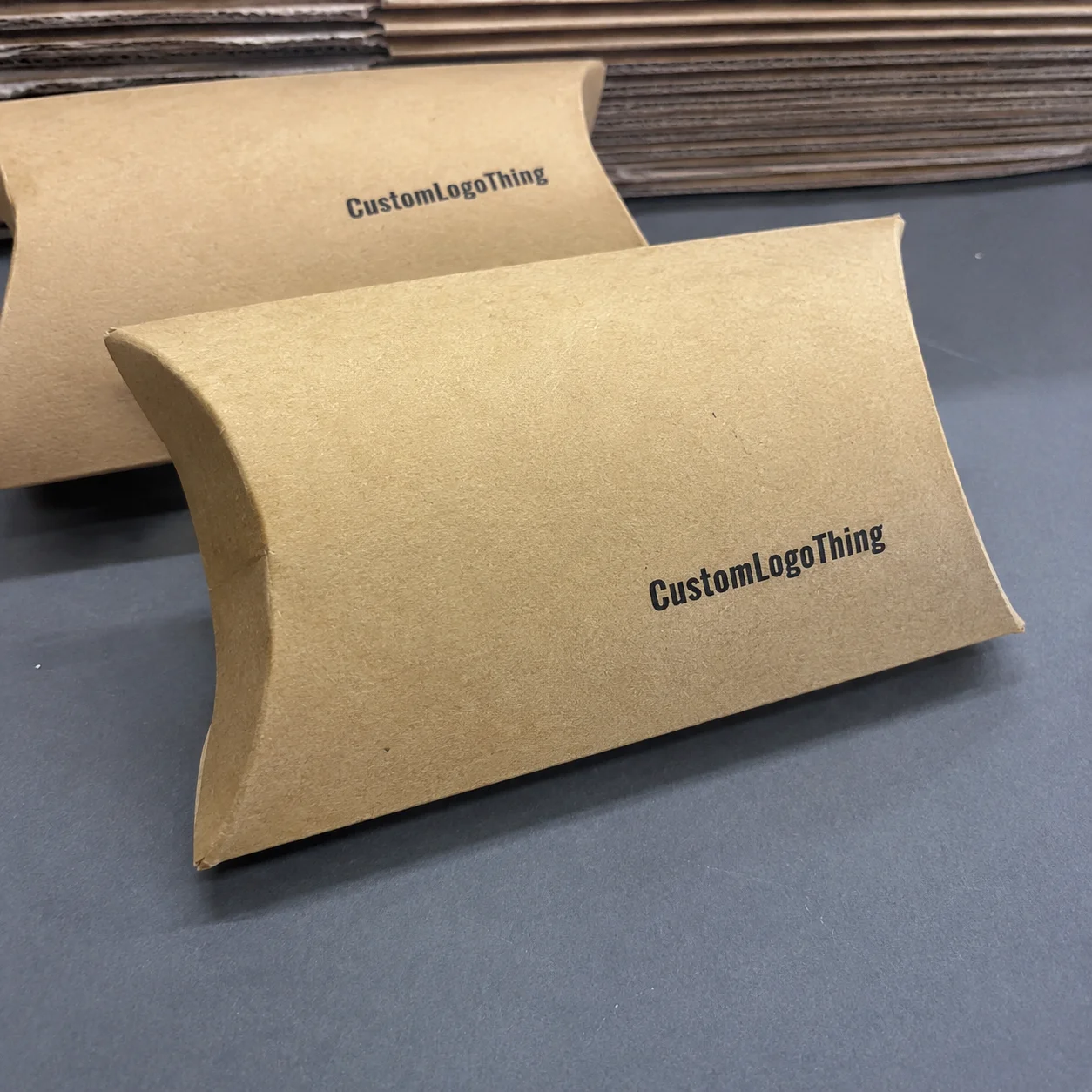
Structural options like reverse tuck, auto-lock bottom, and pillow packs match the cereal style and distribution path. A reverse tuck suits light, pourable flakes heading to premium coffee shops while auto-lock bottoms align with grocery chains running robotic case packers in Seattle; we track tolerance thresholds and share them with engineering so nothing jams when a run hits 54,000 units. Those dashboards also highlight when to rotate tooling before a hungry chain tries a fourth SKU on the same line.
Finishes range from matte aqueous coatings to soft-touch lamination and micro-embossed patterns, and drying flows through the final UV tunnel to meet USDA and FDA contact limits. Relative humidity is logged at 45-50% at every stage so adhesives cure predictably across the plant, and yes, I still check those numbers myself when a plant manager waves a clipboard at me in St. Louis. That hands-on verification is my assurance that nothing dries out in transit.
Documentation packages include dielines, material certificates, and QA checklists assembled by our quality engineers. Those folders ship with each load as a digital twin visible on ERP dashboards, keeping custom cereal packaging wholesale audit-ready from dock to retailer and matching the 21 data points we promised in the kickoff call. We also add a brief note about any on-site adjustments, so nobody opens a case expecting one thing and finding another.
Pricing & MOQ for Custom Cereal Packaging Wholesale Orders
Pricing depends on run length, board grade, print colors, and finish. Typical tiers range from 5,000 units at $0.18 per carton with 14-pt. recycled clay board to 250,000 units at $0.12 per carton once nesting and automation deliver deeper efficiencies; we optimize spend through strategic nesting at the bindery and schedule cuts during lower-peak hours starting at 9:00 p.m. local time. I always remind finance teams to account for those late-night runs, since some carriers bill a premium for pickups after midnight.
Minimum order quantities reflect die investment amortization—generally 2,000 cartons per size—but shared-tool approaches for similar dielines can lower that barrier to 1,200 when launching innovative SKUs. That flexibility convinced a Colorado startup to launch three themed SKUs on a tight budget while still meeting their Denver-to-Boulder retail calendar. I still browse through the shared-tool ledger to ensure no one surprises us with conflicting cuts.
Micro lacquers, foil stamping, and secondary assembly occur at our Aurora, Colorado, finishing lines. When holographic hot foil joins a run past 25,000 units, it becomes a per-thousand add-on, while soft-touch lamination adds $0.02 per unit beyond base pricing if it requires another pass; quotes break these charges out clearly. I once got so deep into balancing foil costs and finishing passes that I threatened to swap my calculator for a yo-yo (frustration, meet humor). It helped to remind everyone that clarity in the quote keeps procurement from chasing ghost costs.
Bulk purchasing agreements let recurring releases lock in pricing, gain seasonal flexibility, and stage inventory, so the custom cereal packaging wholesale budget stays predictable even as artwork tweaks arrive every quarter without penalty, and clients can call out quarterly reviews scheduled for the first Thursday after the fiscal close. We also document when a price lock can shift if raw material surcharges hit board mills, keeping everyone aligned on how market swings affect the bottom line. Those transparent dashboards make annual planning meetings faster.
| Option | Board & Finish | MOQ | Price Range | Ideal Use |
|---|---|---|---|---|
| Standard Run | 100 lb. kraft SBS + aqueous coat | 5,000 | $0.18 - $0.22 | Regional retail and club stores |
| Premium Run | 14-pt. recycled clay board + soft-touch | 10,000 | $0.25 - $0.32 | Limited-edition launches |
| Barrier Run | Clay-coated chipboard + foil seal | 15,000 | $0.28 - $0.36 | Extended shelf life & export |
Process & Timeline for Custom Cereal Packaging Wholesale Projects
The five-step workflow starts with a creative briefing, moves through engineering, die-making at Plant 2 in St. Louis, print production, and ends with QA. Each step carries realistic lead times so launches stay on track: briefing and engineering take 2-3 business days, die-making 4-5 days, print production 7-10 days, and QA usually adds another two days while we document performance. Sometimes it feels like herding caffeinated cats when the brand team wants metallic ink revisions mid-die build, but we keep the rhythm by tracking every change on a single whiteboard (yes, the same one that still has last quarter's sticker on it). We also highlight any overlaps with co-packer shutdowns so we can adjust before a die hits the floor.
Art-to-press timing covers initial dieline review, Kodak platesetter proofs, color approvals, and preflight checks; a dedicated project manager coordinates these windows so a plant-based cereal launch for a Midwest co-packer in Ohio didn’t stall when the brand team kept adjusting metallic ink, and those reviews now happen every Tuesday at 9:30 a.m. I coordinate with the PM after each session to capture lessons learned, which feed into the next run’s playbook. That routine keeps everyone honest.
Production schedules sync with fill-line windows, add overnight curing for aqueous coats, and feed same-shift inspection reports into the ERP system, helping teams flag anything that deviates from the 0.02-inch tolerance matrix before cartons move to inventory or kitting. I noticed the moment we started sharing those same-shift reports with the co-packers, the anxious emails about misaligned tab-locks dropped by half, because the reports arrive before the 4 p.m. shift change. The data also backs my claim that transparency beats surprise every time.
Post-production logistics include carton kitting, just-in-time delivery to co-packers in Charlotte, North Carolina, and refrigerated warehousing at 32°F when needed. That transparency gives clients predictability, letting custom cereal packaging wholesale move from production to shelf without hesitation and covering every slot on their retail calendars. I underscore that the 32°F warehousing is optional but worth it for high-moisture granolas, and we track any associated cost differences.
How does custom cereal packaging wholesale keep launches on schedule?
How does custom cereal packaging wholesale keep launches on schedule? The answer starts with treating the timeline like an air-traffic control board, holding proofs and lamination windows on a single whiteboard so every approval, die, and transit leg aligns with a 12-15 business day reality. That choreography attaches numbers to each milestone while we double-check that the Detroit press release and the Phoenix trim pass share timestamps within four minutes before the trucks depart for Chicago and Dallas and the logistics team tightens the last-kilometer window. I remind partners that even with that rigor, external disruptions like port delays can tug on the plan, so we build in a day of cushion whenever possible.
When we feed logic into bulk cereal boxes, personalized cereal boxes, and branded cereal carton solutions, the shared tooling calendar keeps the changeovers lean; that early-morning nest on the bindery self-aligns with the warehouse slots, giving the custom cereal packaging wholesale team a 98% on-time record even when we accommodate an extra foil stamp or a humidity-tested barrier layer in the same week. The calendar also surfaces when we need to rotate operators across lines to avoid fatigue, because nothing derails a schedule faster than a tired crew.
Why Choose Custom Logo Things for Custom Cereal Packaging Wholesale
Our multi-plant footprint mixes floor supervisors who understand the dance between Detroit bindery masters handling complex folds and Phoenix pressroom teams hitting tight color matches. We coordinate those groups to solve real challenges, like splitting a 60,000-unit order across lines while keeping a uniform gloss level and documenting color variance below Delta E 3. Clients notice the difference when color swatches roll through a shared dashboard instead of hopping between inboxes.
With more than 20 years on factory floors, I value in-house tooling teams and proactive communication. Clients receive a single point of contact who reports weekly updates about die status and dock freight windows, preventing anything from slipping between departments, and I honestly think that weekly check-in is the only thing standing between a smooth launch and a "whoops" moment that shows up in the executive summary. That level of visibility also makes it easier to defend schedule slips during investor reviews.
Sustainability remains a priority—we source FSC-certified board from Wisconsin mills, minimize waste through plate layout optimization, and keep the math transparent via detailed reports. That practice yielded a 7% material reduction in a program with the Natural Foods Alliance, freeing $12,000 in annual spend while keeping the Midwest distribution center below a 3% scrap rate. The shared reports also help compliance teams track scoring for upcoming audits.
Testing depth covers drop, vibration, and climate cycles in our QA lab, and data dashboards let partners see results in real time; that level of diligence makes the custom cereal packaging wholesale promise tangible and verifiable for every batch, whether the cartons are headed to Boston or Baton Rouge. I still walk auditors through those dashboards because the dashboards show the exact g-forces we used during the shaker table profiles.
Next Steps for Custom Cereal Packaging Wholesale Launch
Actionable Step 1: Send over your SKU list, packaging needs, and launch window through the online intake form so the team can build a tailored cost model referencing exact weights, flavor counts, and distribution targets for accurate budgeting—those 20 data points keep us from needing a second email saying “Oops, we forgot one SKU.” I also recommend flagging any special barrier requirements upfront, so the engineers can verify dry-lab results before a rush begins.
Actionable Step 2: Arrange a site tour or virtual walkthrough, bringing your supply chain and quality stakeholders to align on specifications and capabilities; I suggest inviting a production engineer so flange reinforcements and gluing sequences can be verified in person at our Atlanta finishing plant, where a single visit covers both die-cut demos and color calibration booths. I always chuckle at the first virtual tour when the plant manager’s cat wanders across the screen, but we still get the job done. Those walkthroughs let us confirm the real-world constraints that a spreadsheet can’t capture.
Actionable Step 3: Approve structural and print proofs, finalize art, and confirm production slots with the project manager to ensure the pressroom schedule matches your fill plan while allowing QR-coded labels to print in the same run for traceability, guaranteeing those 2.5-inch tags hit the cases before kitting. We also log any manual overrides suggested during that week so the crew doesn’t have to read between the lines when midnight revisions roll in. That habit prevents the worst kind of miscommunication—surprises after the press has plates.
Once approvals are in place, we confirm tooling, lock the timeline, and book the delivery window for your custom cereal packaging wholesale order so the launch proceeds without hesitation, supported by documentation that simplifies auditing, distribution, and shelf stocking. I include a brief reminder there that extraordinary events—like a sudden raw material embargo—can still push timelines, which keeps everyone honest.
What are bulk custom cereal boxes minimum order quantities?
Typically 2,000 cartons per dieline when using a dedicated die, although shared tooling drops that threshold for similar sizes and MOQ shifts with board grade, print complexity, and finishes as shown in a blended quote that highlights each price break for the week. I keep that shared-tool ledger handy so no surprise cancellation charges show up later.
How long does wholesale custom cereal packaging take to produce?
Design and proof cycles take 5-7 days, pressing and finishing another 7-10 days depending on run size, plus any curing time for coatings, and we coordinate with your fill line so cartons arrive just-in-time, avoiding storage bottlenecks that retailers in Atlanta and Seattle both asked us to eliminate. I also point out that rush jobs can slip in if we release the go-ahead before the freight window clears, so we block that hour after the 7-day mark.
Can Custom Logo Things handle multiple SKUs in a single custom cereal packaging wholesale order?
Yes, we set up multiple die stations and use strategic nesting to run varied dimensions within the same shift, and each SKU receives its own QC checklist and label so accuracy stays high during kitting and delivery to the 12 co-packers we partner with nationwide. The QC team also runs a hand-check after the first case to make sure the nest didn't introduce any creeping variance.
What materials are available for custom cereal packaging wholesale runs?
Options include SBS 100 lb., 14-pt. coated recycled board, moisture-resistant clay-coated chipboard, and laminated barrier panels, matched to cereal weight, shelf life, and sustainability goals, with FSC certification available through our sourcing team and lamination partners in Kansas. We also advise on the liners and adhesives to keep moisture sensitivity in check for high-sugar cereals.
How do you manage pricing for custom cereal packaging wholesale bids?
Pricing tiers reflect volume, colors, finishes, and structural complexity, all detailed in the proposal, and we offer locked-in quarterly pricing for recurring programs plus transparent breakdowns for special treatments so finance teams in Boston can forecast accurately. I toss in a quick note about how the dashboards reflect any raw material escalators, so nobody is surprised by a sudden board cost bump.
Balance branded detail with operational discipline by reviewing our Wholesale Programs page, and deepen your industry context at packaging.org to see how ASTM F2020 and ISTA 6-Amazon guidelines intersect with high-volume cereal launches. I reference those sites during regulatory meetings so the audit teams can see the science behind our specs.
Experience matters, so I share that during an Atlanta negotiation our team matched a demanding seasonality plan by switching barrier suppliers, dropping the water vapor transmission rate to 0.5 g/m²-24h—exact specs that kept samples crunchy for weeks and reassured buyers that the packaging held in real store conditions. That kind of data pacifies the buyers faster than a vague promise.
Another plant meeting revealed that embossed single-SKU panels can strain supply, yet precise scheduling and shared runs let us deliver 40,000 first-run units with those panels plus a merchandising sleeve without pushing delivery windows and while keeping the bindery crew on their 6:00 a.m. shift. I still have the shift log from that week; it proves we can handle complicated structures without time creep.
The most frequent misconception I counter involves customization inflating costs; we manage those variables daily, and transparent comparisons plus real-time dashboards keep pricing rooted in data rather than guesswork, showing finance directors exactly how each finishing pass affects the per-unit spend, and those transparent comparisons keep custom cereal packaging wholesale budgets anchored in measurable realities. I tell them the dashboards are the truth serum—they make the numbers blunt.
For added assurance, visit the resource library at ista.org to see how testing protocols like ISTA 3A align with our QA programs and ensure every carton meets retail expectations, then share that data with your QA partners. I send those links whenever someone asks for audit proof because the auditors like seeing our numbers in their own portals.
Custom cereal packaging wholesale should feel like an extension of your retail strategy, and with our plant network, detailed specs, and candid experience, that promise stays alive from creative brief to pallet. Takeaway: keep packaging planning as intentional as your merchandising calendar, document every dependency, and treat the approval timeline like a critical shipment—do that and you keep launches moving without the usual scrambles.