Buyer Fit Snapshot
| Best fit | Custom Chipboard Boxes Bulk Order Pricing Explained projects where brand print, material claims, artwork control, MOQ, and repeat-order consistency need to be specified before quoting. |
|---|---|
| Quote inputs | Share finished size, material target, print colors, finish, packing count, annual reorder estimate, ship-to region, and any compliance wording. |
| Proofing check | Approve dieline scale, logo placement, barcode or warning zones, color tolerance, closure strength, and carton packing before bulk production. |
| Main risk | Vague material claims, crowded artwork, missing packing details, or unclear freight terms can make a low unit price expensive after revisions. |
Fast answer: Custom Chipboard Boxes Bulk Order Pricing Explained should be specified like a repeatable production item. The safest quote records material, print method, finish, artwork proof, packing count, and reorder notes in one written spec.
Production checks before approval
Compare the actual filled-product size with the drawing, then confirm tolerance on folds, seals, hang holes, label areas, and retail display edges. Reserve space for logos, QR codes, warning copy, and material claims before decorative graphics fill the panel.
Quote comparison points
Review material grade, print process, finish, sampling route, tooling charges, carton quantity, and freight assumptions side by side. A quote is only useful when the supplier can repeat the same color, closure quality, and packing count on the next order.
I’ve spent enough time on factory floors in Dongguan, Shenzhen, and Suzhou to know this: custom chipboard Boxes Bulk Order pricing can look tidy on a quote sheet and still surprise first-time buyers once the numbers hit the spreadsheet. I remember one customer walking into a Shenzhen converting line with a budget built around a plain tuck carton, then adding a foil stamp, a custom insert, and a soft-touch coat after the first sample looked “too plain.” The quote moved by 18.6% before we even started die cutting. That kind of thing happens all the time, and honestly, it is exactly why Custom Chipboard Boxes Bulk Order Pricing has to be evaluated as a landed cost, not just a unit price.
I’ve also seen buyers fixate on order quantity like it’s the only lever that matters. It isn’t. custom chipboard boxes bulk order pricing usually swings harder on board caliper, print coverage, finishing passes, and how the carton is converted than it does on the headline order size alone. If the structure needs a special gluing pattern, a deep draw, or a second press pass, you will feel that cost even on a large run. That is why experienced teams compare custom chipboard boxes bulk order pricing against product protection, shelf appearance, and freight efficiency, not just the cheapest quote on the page. Cheap is fun until the boxes arrive crushed in a warehouse outside Los Angeles.
Why Bulk Chipboard Pricing Can Surprise First-Time Buyers
On a folding carton line in Guangdong, I’ve watched a 300gsm SBS sheet move through prepress, litho printing, UV coating, die cutting, and gluing with barely any drama, while a nearly identical job became troublesome because the buyer changed the board thickness from 14pt to 18pt after artwork approval. That one change affected score depth, folding memory, and glue area, which meant more setup time and more scrap. If you are tracking custom chipboard boxes bulk order pricing, that kind of detail matters more than most purchasing teams expect.
First-time buyers also get caught by thresholds. Once a run crosses the point where the press sheet can be nested efficiently and the finishing line can stay set up for a longer stretch, custom chipboard boxes bulk order pricing often drops faster than expected. I’ve seen a 2,000-piece order cost only slightly more per unit than 1,200 pieces because the setup was already absorbed and the die was running near full efficiency. A plain tuck carton in 350gsm C1S artboard might land around $0.18 per unit at 2,000 pieces and $0.15 per unit at 5,000 pieces, while the same job with foil and embossing can sit closer to $0.32 to $0.45 per unit depending on the finish stack. The jump is not magic; it is simply manufacturing math, and it is one reason seasoned buyers ask for price tiers early in the conversation.
There are also hidden cost drivers that do not show up until the quote is built. Insert complexity is one of the biggest. A one-piece chipboard divider is very different from a two-layer insert with thumb cuts and glue tabs. Lamination type matters too, because gloss, matte, and soft-touch each require different handling and drying behavior. Folding style matters as well, especially if the carton uses auto-bottom, tuck-end, crash-lock, or a custom sleeve-and-tray format. Every one of those choices influences custom chipboard boxes bulk order pricing. A simple sleeve in 18pt SBS from a plant in Vietnam may quote at $0.11 per unit for 10,000 pieces, while a rigid magnetic box with a 2mm greyboard shell and 157gsm art paper wrap can easily reach $1.10 to $1.85 per unit.
“The cleanest quote I ever received on the factory floor was also the one tied to the cleanest spec sheet: exact dimensions, exact board grade, exact finish, and no last-minute artwork changes.”
Chase the best landed cost per finished box that still protects the product, supports the branding, and arrives on time. A lower box price that damages product in transit or fails a retailer’s shelf test is not a bargain. That is especially true for retail packaging, cosmetics, supplements, and premium gift sets where the presentation has to work as hard as the structure. A broken lipstick tray in a fulfillment center in Dallas costs more than a penny or two on the front end.
Custom Chipboard Box Types, Materials, and Finishes
Custom chipboard is not one material, and that is where a lot of buyer confusion starts. In quote work, I usually sort board options into a few familiar groups: SBS for crisp printing and premium appearance, CCNB for value-oriented retail packaging, greyboard for Rigid Setup Boxes, and recycled chipboard for brands focused on sustainability goals and lower raw-material cost. Each option behaves differently on press and in converting, and those differences show up directly in custom chipboard boxes bulk order pricing. A 350gsm C1S artboard behaves very differently from a 2mm greyboard wrapped in 157gsm coated paper, and the factory quote will reflect that difference within minutes.
SBS, or solid bleached sulfate, is often the cleanest choice for branded packaging that needs sharp graphics, delicate type, and a bright white surface. I’ve seen beauty clients choose SBS because a pale blush tint looked more accurate on that stock than on a recycled sheet with a warmer cast. CCNB, or clay-coated news back, is frequently selected for good print performance at a lower cost point, especially for high-volume custom printed boxes where the exterior matters most. Greyboard is the workhorse for rigid boxes, magnetic closures, and premium product packaging where thickness and structure matter more than bright white liners. In Shanghai and Guangzhou, many rigid box lines still build from 1.5mm, 2mm, or 3mm board depending on the desired feel in hand.
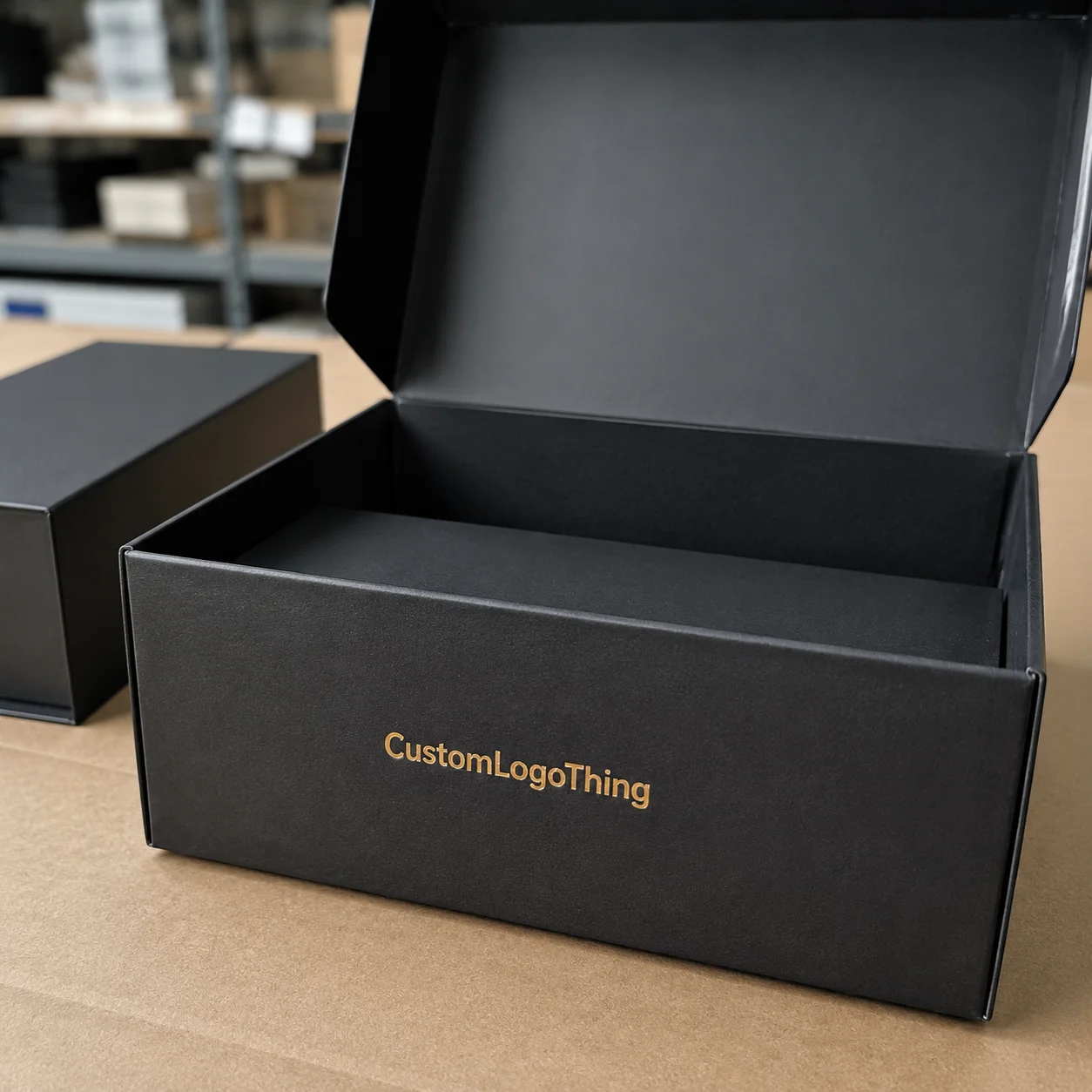
Common box styles also affect price. Mailer-style boxes are efficient for e-commerce and subscription shipments because they ship flat and convert quickly. Rigid Setup Boxes, by contrast, require board wrap, corner assembly, and a very different labor profile. Sleeves and tuck-end cartons are usually more economical than complex multi-part kits, and product packaging trays can be priced well if they are designed around standard sheet sizes. When the design uses repeat tooling and fewer unique folds, custom chipboard boxes bulk order pricing becomes easier to control. A mailer-style box in 400gsm CCNB with a one-color print might run at $0.22 per unit for 3,000 pieces, while a two-piece tray and sleeve with full-wrap CMYK print and matte lamination may land around $0.38 to $0.55 per unit.
Finishes are where the visual side of package branding meets the quote. Matte coating is common for a softer retail look, gloss coating gives more pop under store lighting, and soft-touch lamination adds a velvety hand feel that buyers often associate with higher-end presentation. Foil stamping, embossing, and spot UV can make a package stand out, but each one adds setup, material handling, and inspection time. Even aqueous coating, which is often seen as a practical protective layer, changes the process enough to influence custom chipboard boxes bulk order pricing. A soft-touch finish on 5,000 pieces can add roughly $0.06 to $0.14 per unit over a standard matte aqueous coating, depending on the press line and coverage area.
I’ve stood next to a Heidelberg press in Guangdong where a client approved a metallic foil on the first sheet and then asked why the next step added time. The answer was simple: foil is not just decoration, it is another production event with registration requirements and extra quality checks. If you are comparing board, finish, and construction options, the cheapest-looking concept can become expensive fast. A smart package built from standard sheet sizes and a simple print plan can keep custom chipboard boxes bulk order pricing favorable without making the box feel generic. That’s the whole trick: make it look expensive without making the factory work like it is a rescue mission.
| Box Type | Best Use | Typical Cost Behavior | Notes |
|---|---|---|---|
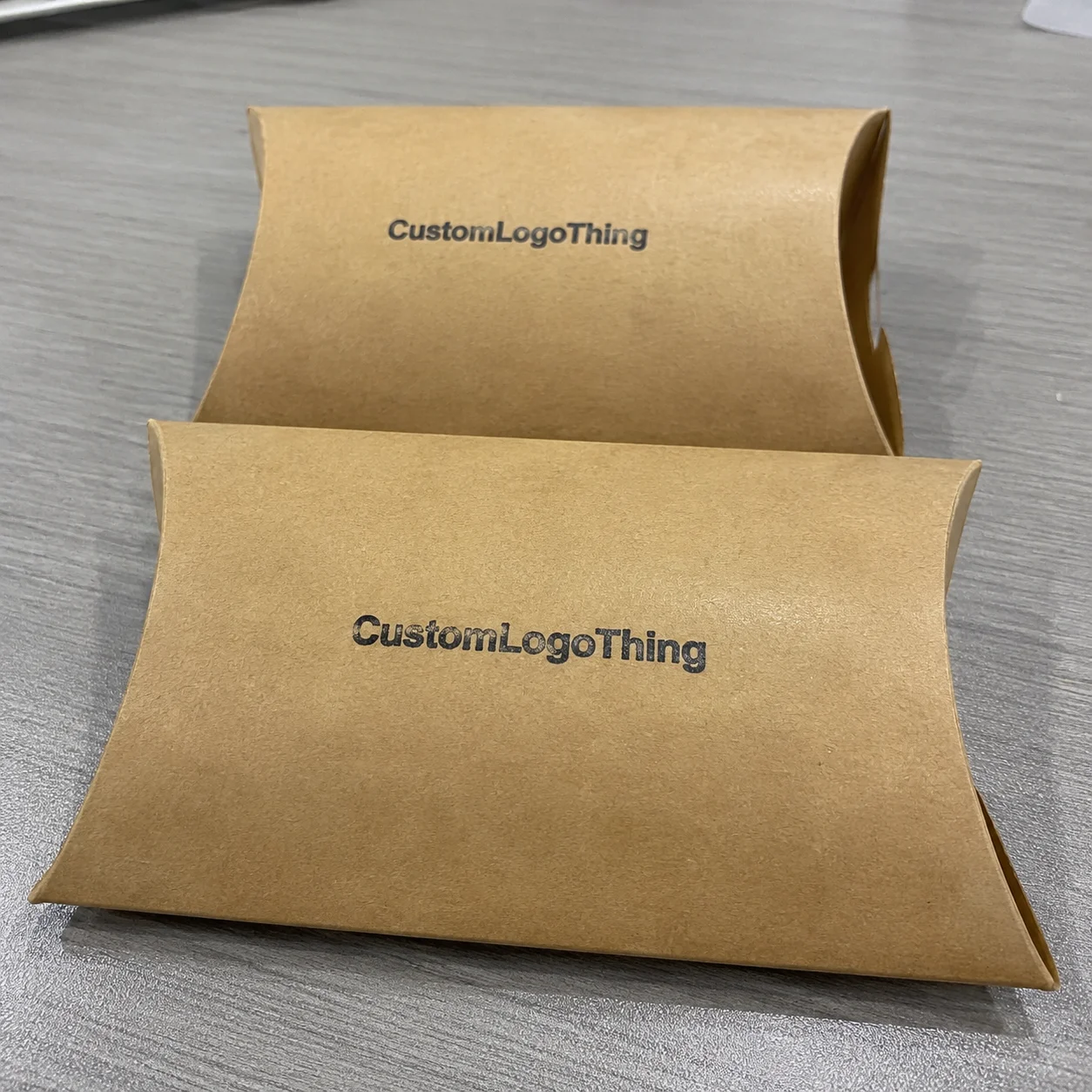
| Tuck-End Carton | Retail packaging, lightweight products | Lower setup, lower labor | Good for high-volume custom printed boxes |
| Mailer-Style Chipboard Box | E-commerce and subscription brands | Moderate depending on print coverage | Ships flat; efficient for branded packaging |
| Rigid Setup Box | Premium gift and luxury product packaging | Higher due to hand assembly and wrap work | Best for strong shelf presence |
| Tray with Sleeve | Cosmetics, electronics, gift sets | Moderate to high based on insert complexity | Flexible package branding option |
If you want a reliable benchmark, review the material specs first and ask what can be built from standard board sheets. That single question often reveals whether the quoted custom chipboard boxes bulk order pricing is based on efficient production or on a highly customized structure that looks simple but consumes extra labor. A 350gsm C1S artboard carton with a straight tuck is one thing; a 2mm board rigid box with wrapped shoulder walls is another.
For broader packaging context, I often point clients to industry references like the Packaging Corporation of America industry resources and the standards shared by ISTA, especially when the box has to survive transit testing as well as retail display. Those references help buyers think beyond appearance and toward actual performance. If a shipper in Atlanta is dropping your cartons in a 32-inch transit test, your pretty foil line had better survive the trip.
Packaging Specifications That Affect Quote Accuracy
Accurate quoting begins with exact specs. I cannot count how many times I’ve seen a quote move because the finished dimension was written as “about 8 inches” instead of 8.125 x 5.250 x 2.000 inches, or because the buyer forgot to mention an inner partition, a window patch, or a foil-stamped logo on both sides. If you want stable custom chipboard boxes bulk order pricing, the first job is to give the supplier a spec sheet that reads like a production document, not a rough idea. A Shanghai factory will absolutely use your vague wording to pad the quote, because nobody likes guessing with a die line and a deadline.
The basic fields are straightforward: finished dimensions, board thickness, print sides, coating, quantity, insert requirements, and shipping destination. Add the intended product weight, too, because a light fragrance carton and a heavy candle carton do not need the same board strength. For product packaging in cosmetics or supplements, the size tolerance can matter more than the artwork. For electronics, the internal fit often matters more than the outer look because movement in transit can wreck the unboxing experience. A 12oz candle in a 16pt carton is a bad idea; a 2.5mm greyboard rigid box or at least a double-wall insert is usually a better call.
Bleed and safe area are another place where revisions create cost. If the artwork extends too close to the cut line, the prepress team may need to adjust the dieline or ask for new files. Complex dielines with unusual lock tabs, display windows, or multiple glue points can slow down setup and add inspection time. That is why a clean, approved dieline helps keep custom chipboard boxes bulk order pricing predictable. A good production file can save you a day of back-and-forth between your team in Chicago and the pressroom in Dongguan.
Compliance also changes the conversation. Food-safe applications need more caution around inks, coatings, and migration risks. Cosmetics often call for premium surface finishes and tight visual consistency. Supplements may need space for mandatory labeling. Gift packaging may prioritize tactile finishes and clean closure. None of that is automatic, and none of it should be guessed. A clear spec sheet helps the factory plan the right line and keeps custom chipboard boxes bulk order pricing anchored to reality. If you’re shipping into the EU, that labeling space matters just as much as the logo on the front.
- Finished dimensions: exact outer and inner measurements, not approximations.
- Board grade and thickness: SBS, CCNB, greyboard, or recycled chipboard with caliper noted.
- Print coverage: one side, two sides, full-wrap, or special inside print.
- Finish: matte, gloss, soft-touch, aqueous, spot UV, foil, embossing.
- Insert details: one-piece, multi-compartment, glued, or die-cut.
- Destination: domestic warehouse, port, or direct-to-factory delivery.
One clean spec sheet upfront can save days of email back-and-forth. I’ve seen a buyer in Chicago lose a week because three different departments kept sending slightly different carton sizes, and by the time everyone agreed, the quote had to be refreshed. If you are serious about controlling custom chipboard boxes bulk order pricing, lock the spec before you ask for final numbers. It is the simplest way to reduce revisions and keep the schedule intact.
Custom Chipboard Boxes Bulk Order Pricing: What Actually Drives Cost
Let me break this down the way I would on a floor walk with a customer standing beside the press. custom chipboard boxes bulk order pricing is built from board cost, print setup, finishing, die cutting, gluing, packing, and freight. If any one of those pieces becomes more complicated, the quote moves. Sometimes the movement is small, sometimes it is not, but it is always traceable once you know where to look. A line in Dongguan running 50,000 tuck-end cartons will price very differently from a workshop in Suzhou hand-wrapping 2,000 rigid gift boxes.
Board cost is the foundation. Heavier board or higher-grade board costs more, and premium surface stocks can add further expense. Print setup is the next major driver because every color, plate, and make-ready pass adds labor and time. Finishing can be modest, like an aqueous coat, or more intensive, like foil plus embossing plus soft-touch lamination. Die cutting and gluing are usually efficient at scale, but only if the structure is simple enough to run cleanly. Packing and freight become more visible when boxes are bulky, especially rigid configurations that occupy more cubic volume. A 2mm rigid box packed flat for assembly in Mexico City will usually ship very differently from a flat-tuck carton leaving a plant in Ningbo.
MOQ behavior matters a great deal. In many plants, the first tier of custom chipboard boxes bulk order pricing is where setup is still heavily spread across the run, so the unit price can be noticeably higher. Once the order climbs into standard production thresholds, the cost per box tends to improve because the machine stays loaded longer and the labor per piece declines. That does not mean doubling the quantity always halves the price; it means the curve gets better as fixed costs are absorbed. For example, a 1,000-piece run of a printed sleeve might quote at $0.28 per unit, 3,000 pieces at $0.17 per unit, and 10,000 pieces at $0.12 per unit if the artwork and structure stay unchanged.
Here is a practical comparison I often use during quoting discussions:
| Pricing Factor | Lower Cost Choice | Higher Cost Choice | Impact on Quote |
|---|---|---|---|
| Board | CCNB or standard SBS | Heavy greyboard or premium SBS | Directly changes raw material cost |
| Finish | Aqueous or standard matte | Soft-touch, foil, embossing, spot UV | Adds setup and finishing passes |
| Structure | Tuck-end carton | Rigid setup box with insert | Affects labor and assembly time |
| Artwork | One design, one SKU | Multiple versions with different graphics | Raises prepress and plate costs |
| Shipping | Flat-packed cartons | Bulky assembled packaging | Changes freight and storage cost |
The biggest cost levers are usually the ones buyers control. Simplify the structure if the product allows it. Standardize the size across more than one SKU. Limit special finishes to the branding elements that truly need emphasis. Consolidate artwork variants where possible so the printer is not rebuilding the job for every flavor, scent, or shade. Those choices often have a bigger effect on custom chipboard boxes bulk order pricing than a small bump in order quantity. If you can keep the same carton footprint for three product variations, the factory in Guangzhou will love you for it, and your budget will too.
When you compare quotes, ask what is included. Does the number include sampling? Is tooling included? Are freight and import charges part of the total, or are they separate? Are the quoted quantities based on one SKU or combined ordering across several versions? I’ve watched buyers think they were comparing two similar offers when one vendor included die tooling and the other did not. That kind of apples-to-oranges comparison distorts custom chipboard boxes bulk order pricing and leads to poor decisions. A $0.21 quote with $280 tooling is not the same as a $0.24 quote with tooling already baked in.
My honest view is that clear quote structure is a sign of a disciplined supplier. If the factory can explain board, print, finishing, assembly, and logistics in plain terms, they probably understand the production flow well enough to deliver consistent results. That is exactly what you want in a packaging design partner, especially for branded packaging that needs to repeat cleanly month after month. It is boring in the best way.
Order Process, Sampling, and Production Timeline
The process usually starts with a brief, then a quote, then dieline approval, then a sample or prototype, then production, finishing, inspection, and shipment. If any one of those steps is rushed or skipped, the schedule tends to slip later anyway. For custom chipboard boxes bulk order pricing, that means timeline discipline is not just a planning issue; it directly affects whether the job stays on budget. A supplier in Dongguan can usually quote faster than a plant in a smaller inland city, but only if your files are ready the first time.
Plain printed cartons can move faster than fully finished rigid chipboard packages. A simple tuck-end box with one or two colors and a standard aqueous coating may move through production in a relatively short window after proof approval. Typical timing is 12 to 15 business days from proof approval for a straightforward carton run, while a rigid setup box with foil stamping, embossing, a magnetic closure, and a custom insert can take 18 to 25 business days because there are more hand assembly steps and more inspection points. The more specialty work involved, the more your quote and calendar become linked in real terms.
I always recommend a physical sample when the order matters. A prototype tells you if the box closes properly, if the print aligns with the dieline, if the board feels right in hand, and if the insert holds the product securely. One buyer I worked with on the West Coast approved a sample for a skincare line and caught a half-inch height issue that would have caused the jar lid to rub the top panel. That one sample saved a full production correction and kept custom chipboard boxes bulk order pricing from drifting upward because of rework. The sample cost them $65 plus courier shipping, which is a bargain compared with 5,000 wrong boxes.
Lead time can extend for a few predictable reasons. Artwork revisions are one. Specialty finishing is another. Insert changes can slow the job because those parts often require separate tooling or new cut paths. Peak factory capacity matters too, especially during seasonal retail rushes when every line is booked and every change competes for machine time. If the supplier tells you 12 to 15 business days from proof approval, ask what happens if you request a second prototype or change the coating after sign-off. That question alone can protect your schedule and your custom chipboard boxes bulk order pricing. A day saved in prepress is often a day you don’t have to pay for later.
- Submit a complete brief with dimensions, quantity, and finish.
- Review the dieline and approve artwork placement.
- Request a sample if the box has fit or closure risk.
- Confirm final production specs in writing.
- Lock shipment method and delivery destination.
I’ve seen production get delayed by something as small as a changed barcode location, and I’ve seen it stay on track because one procurement lead insisted on a final spec sign-off before the press ran. That discipline pays off. When the paperwork is clean, the factory can move with confidence, and custom chipboard boxes bulk order pricing stays tied to the original assumptions instead of absorbing avoidable surprises. If the carton ships from Ningbo to Chicago on a fixed sailing, nobody wants a last-minute artwork “oops” to become a freight bill.
For buyers who want to browse more options before locking a structure, our Custom Packaging Products page gives a broader sense of formats, materials, and finishing paths. If you are planning recurring orders, the Wholesale Programs overview is also worth reviewing because repeat volume can make forecasting and reorder planning far easier. A quarterly reorder is easier to price than a one-off panic job with a Friday deadline.
Why Buyers Choose Us for Bulk Chipboard Packaging
Custom Logo Things works best for buyers who want straight answers from people who understand manufacturing, not just sales language. I have spent enough time around corrugated converting lines, folding carton production, and rigid box assembly to know the difference between a quote built from theory and a quote built from actual production knowledge. That difference shows up in custom chipboard boxes bulk order pricing, especially when the product requires repeatability across multiple runs. A sales deck does not tell you if a 2mm board shell will crack at the corners in humid weather in Miami. The factory floor does.
We focus on direct communication, clear specifications, and material consistency. If a customer is reordering the same box every quarter, the goal is to make that reorder feel boring in the best possible way: same board feel, same print density, same closure strength, same finish tone. That kind of predictability matters for retail packaging because the shelf appearance cannot drift from one shipment to the next. It also matters for product packaging that has to fit inside another shipping system or fulfillment workflow. If your lotion box fits once and then binds on the next run, the problem is not “minor.” It is a return rate.
Quality control is not a slogan here. It is a sequence of checks: board verification, press registration, coating inspection, die cut accuracy, glue integrity, carton count, and pack-out review. I’ve been on the floor when a carton looked perfect from five feet away but revealed a weak fold after the fourth sample pull, and we stopped the run before it became a warehouse problem. That is the kind of discipline that protects custom chipboard boxes bulk order pricing over time, because fewer errors mean fewer reprints and fewer delays. A clean run in Shenzhen is cheaper than a reprint in Houston. Every time.
“A good packaging supplier does not just print boxes. A good supplier protects the product, the schedule, and the reorder history.”
We also understand that buyers need a real manufacturing partner, not a vague promise. That means helping you Choose the Right board grade, advising on whether a finish is worth the extra cost, and being honest when a structure is more expensive than it looks. Sometimes a client wants a premium effect, and we recommend a different path that preserves the visual goal while keeping custom chipboard boxes bulk order pricing in range. If a 157gsm art paper wrap over 2mm board gives you the same shelf impression as a full foil build, I am going to say that out loud.
If sustainability is part of the brief, we can discuss recyclable board options and material choices with attention to end-of-life handling. For many teams, that conversation also includes references to EPA recycling guidance and responsible fiber sourcing through FSC. Those sources help buyers make decisions that support both brand expectations and environmental goals. A recycled board option from a certified mill in China or Vietnam can still look sharp if the print plan is honest.
How do you calculate custom chipboard boxes bulk order pricing?
Start with the structure, then layer in board grade, print setup, finishing, assembly, packing, and freight. The quickest way to get a realistic number is to share a complete spec sheet with exact dimensions, product weight, quantity, finish, and destination. That gives the factory enough detail to build custom chipboard boxes bulk order pricing around actual production steps instead of guesswork. If the quote has to be built from “roughly this size,” expect the number to wobble.
How to Review a Quote and Take the Next Step
When two quotes arrive, compare them side by side with the actual spec sheet in front of you. Look at unit price, total run cost, MOQ, tooling, sampling, lead time, and freight terms. That is the only fair way to judge custom chipboard boxes bulk order pricing, because the lowest unit price can hide a higher tooling fee or a freight charge that erases the savings. A quote at $0.16 per unit can be worse than a quote at $0.19 per unit if the first one excludes packaging, palletizing, and ocean freight.
I recommend preparing your request with a few precise details: finished dimensions, product weight, artwork status, target quantity, finish preferences, and shipping destination. If you already know the board grade or coating you want, include that too. The more complete the brief, the less guesswork the supplier needs to do, and the more stable the initial number will be. That makes custom chipboard boxes bulk order pricing easier to trust from the beginning. A buyer in Toronto or Berlin with a complete spec sheet will usually get a cleaner quote than someone who says, “Can you just make it premium?”
Here is a practical decision path I’ve seen work well in buyer meetings:
- Confirm specs: lock the dimensions, board, finish, and insert before approval.
- Approve a sample: verify fit, print, and closure performance physically.
- Set the schedule: agree on production start, inspection points, and freight method.
- Place the order: move forward only after the quote matches the final spec sheet.
A final check on the quote should answer one simple question: does this supplier understand how the box will be made every time, not just once? If the answer is yes, you are in good shape. If the answer is vague, keep asking until it is clear. The best custom chipboard boxes bulk order pricing comes from clear specs, realistic quantities, and a supplier who can manufacture to the same standard on repeat runs. That is how you keep a 5,000-piece reorder from turning into a headache in month three.
For buyers who need one more step before committing, our FAQ page covers common production and ordering questions in a practical format. Once you have the numbers and the spec sheet lined up, you can move with confidence instead of guessing at the finished cost. Guessing is how budgets die.
What is the minimum quantity for custom chipboard boxes bulk order pricing?
MOQ depends on structure, print method, and finishing, but bulk pricing usually improves once the run is large enough to spread setup costs efficiently. Simple printed cartons often have a lower MOQ than rigid or highly finished chipboard boxes. Ask whether the quote is based on one SKU or combined quantities across multiple versions, because that changes custom chipboard boxes bulk order pricing quite a bit. A 1,000-piece order might still be valid, but 3,000 to 5,000 pieces often unlocks a much better unit price.
Why do two custom chipboard quotes look similar but price out differently?
One quote may include tooling, sampling, and freight while another excludes them. Different board grades, coating types, and finishing passes can change the true landed cost. Always compare the exact specification sheet, not just the unit price, because that is the only way to judge custom chipboard boxes bulk order pricing fairly. A $0.17 quote from a factory in Dongguan and a $0.19 quote from a printer in Xiamen can easily flip once you add die fees and ocean freight.
How can I lower custom chipboard boxes bulk order pricing without hurting quality?
Use standard dimensions when possible and avoid unnecessary special finishes. Keep artwork consistent across SKUs and reduce complex inserts or multi-part structures. Choose the lightest board grade that still protects the product during storage and transit. Those choices usually improve custom chipboard boxes bulk order pricing without making the package feel cheap. A 350gsm C1S artboard carton with a clean matte coat will often outperform a fancier build that nobody needed in the first place.
How long does production usually take after approval?
Timeline depends on box style, quantity, and finish complexity, with simple jobs moving faster than rigid or specialty-finished packaging. For a straightforward printed carton, production is typically 12 to 15 business days from proof approval. More complex rigid box jobs often run 18 to 25 business days. Freight method also affects the final delivery date, so keep that in the plan when reviewing custom chipboard boxes bulk order pricing.
Can I get a sample before placing a bulk order?
Yes, and it is strongly recommended for checking size, print alignment, material feel, and closure performance. A physical sample helps prevent costly production corrections. Prototype approval is one of the best ways to keep the bulk order on schedule and on budget, and it gives you a better read on custom chipboard boxes bulk order pricing before you commit. A sample from a factory in Shenzhen or Dongguan is usually far cheaper than fixing 8,000 wrong cartons later.
Custom chipboard buying is not about finding the prettiest quote. It is about getting the right structure, material, and finish at a cost that still makes sense once the cartons are printed, packed, and shipped. If you want custom chipboard boxes bulk order pricing that stays predictable, send a complete spec sheet, compare landed cost instead of unit price, and insist on a sample before production. That three-step habit saves money, cuts surprises, and keeps the next reorder from turning into a mess.