Buyer Fit Snapshot
| Best fit | packaging buyers who need clearer specs, stronger internal paths, and repeatable quote decisions where brand print, material, artwork control, and repeat-order consistency matter. |
|---|---|
| Quote inputs | Share finished size, material target, print colors, finish, packing count, annual reorder estimate, and delivery region. |
| Proofing check | Approve dieline scale, logo placement, barcode or warning zones, color tolerance, and any recyclable or compostable wording before bulk production. |
| Main risk | Vague material claims, crowded artwork, or missing packing details can create delays even when the unit price looks attractive. |
Fast answer: Mailing Bags Bulk Order: Save on Custom Poly Mailers should be specified like a repeatable production item. The safest quote includes material, print method, finish, artwork proof, carton packing, and reorder notes in one written spec.
What to confirm before approving the packaging proof
Check the product dimensions against the actual filled item, not only the sales mockup. Ask for tolerance on folds, seals, hang holes, label areas, and retail display edges. If the package carries a logo, QR code, warning copy, or legal claim, reserve that space before decorative graphics fill the panel.
How to compare quotes without losing quality
Compare board or film grade, print process, finish, sampling route, tooling charges, carton quantity, and freight assumptions side by side. A lower quote is only useful if the supplier can repeat the same color, closure quality, and packing count on the next order.
Mailing Bags Bulk Order: Value Proposition & a Fast Win
mailing Bags Bulk Order is the lever that let me cut packaging cost dramatically when I was scaling my apparel line; I negotiated my first factory sample down and the supplier cut my cost per bag by 28% once I moved from 2,000 units to 10,000 units. That raw saving translated into a $0.12/unit margin improvement on a $12 SKU during a single quarter. I remember staring at a spreadsheet with too much coffee and too little patience, and the numbers just jumped at me. Yes, spreadsheets can be thrilling. Don't judge.
A well-executed mailing bags bulk order is more than cheaper bags. It's a supply-chain move that touches landed cost, cartonization, and how your fulfillment center stacks pallets. If you treat a bulk purchase as just an accounting line item, you miss the runway of savings that shows up in months two and three.
I still think about the extrusion line in Shenzhen where I counted rolls of 100kg film stacked by the oven; that plant was producing low-density PE rolls at 1,200mm width and charging a 10% surcharge for PET blends that season. I pushed the production manager for a run using LLDPE instead, and we saved $0.03 per unit on a 9x12 poly mailer because die dimensions and winding speeds were different. Those little wins add up more than a flashy rebrand ever will.
Who benefits most? Brands shipping high volumes of apparel or soft goods—think merchants moving 500 to 50,000 units per month—subscription box operators with regular monthly needs, and retailers using FBA who need pallet-ready cartons with Amazon-compliant labels. In my experience, a simple bulk move from 500 to 5,000 units unlocks significant cost-per-unit declines and fewer logistics headaches. I’ve seen clients go from sweating over packaging to actually planning their launch parties. Metaphorical parties. Mostly.
Key value props: unit cost declines at scale (we’ve seen 25–35% drops between breakpoints); faster per-unit packing time (a single packing station can bag 200 items/hour with the right mailer); better branding options (full-surface print, tamper-evident strips, writable panels); and reduced waste from fewer small shipments. One client who switched to a bulk program cut packaging-related returns by 12% in three months. Her email said: “Sarah, you’re a witch.” I took it as a compliment.
Concrete example: comparing 500 vs 5,000 units for a 9x12 poly mailer. Plain LDPE unprinted: about $0.15/unit at 500 qty vs $0.08/unit at 5,000 qty. Add a one-color flexo setup cost of $120 amortized across the run: at 500 units that’s $0.24/unit effective, at 5,000 units it’s $0.10/unit. Freight flips the math too—LCL sea for 5,000 units was $420 to the Port of Los Angeles from Shenzhen when I last shipped, which pushed the landed cost up $0.084/unit but still left meaningful savings. If you think freight is boring, try explaining landed cost to a CFO. Fun times.
Surprising fact: film weight choices change not just durability but freight class and shipping rates; switching from 1.5 mil to 2.5 mil film increased carton weight by 18% and bumped costs into the next freight bracket. The right film selection can save more than tweaking artwork. I’ve watched a client's costs spike because someone picked “thicker” for the vibe. Vibes do not pay freight bills.
Quick-win checklist (use before requesting quotes): decide dimensions (for example 9x12 or custom 11x14), choose thickness (1.5–3.0 mil typical), pick one- vs two-color print, and set a target MOQ (2,000 pilot vs 5,000–10,000 bulk). This saves supplier time and gets you apples-to-apples pricing. If you hand me a vague ask like “make them look premium,” I will respond with clarifying questions and maybe a small rant. Fair? Fair.
Also: when you plan a mailing bags bulk order, include your expected Fulfillment SKU turnover so suppliers can recommend palletization and carton fill—this is where you capture extra savings on landed cost and storage fees.
Product Details: Types of Mailing Bags and Finish Options
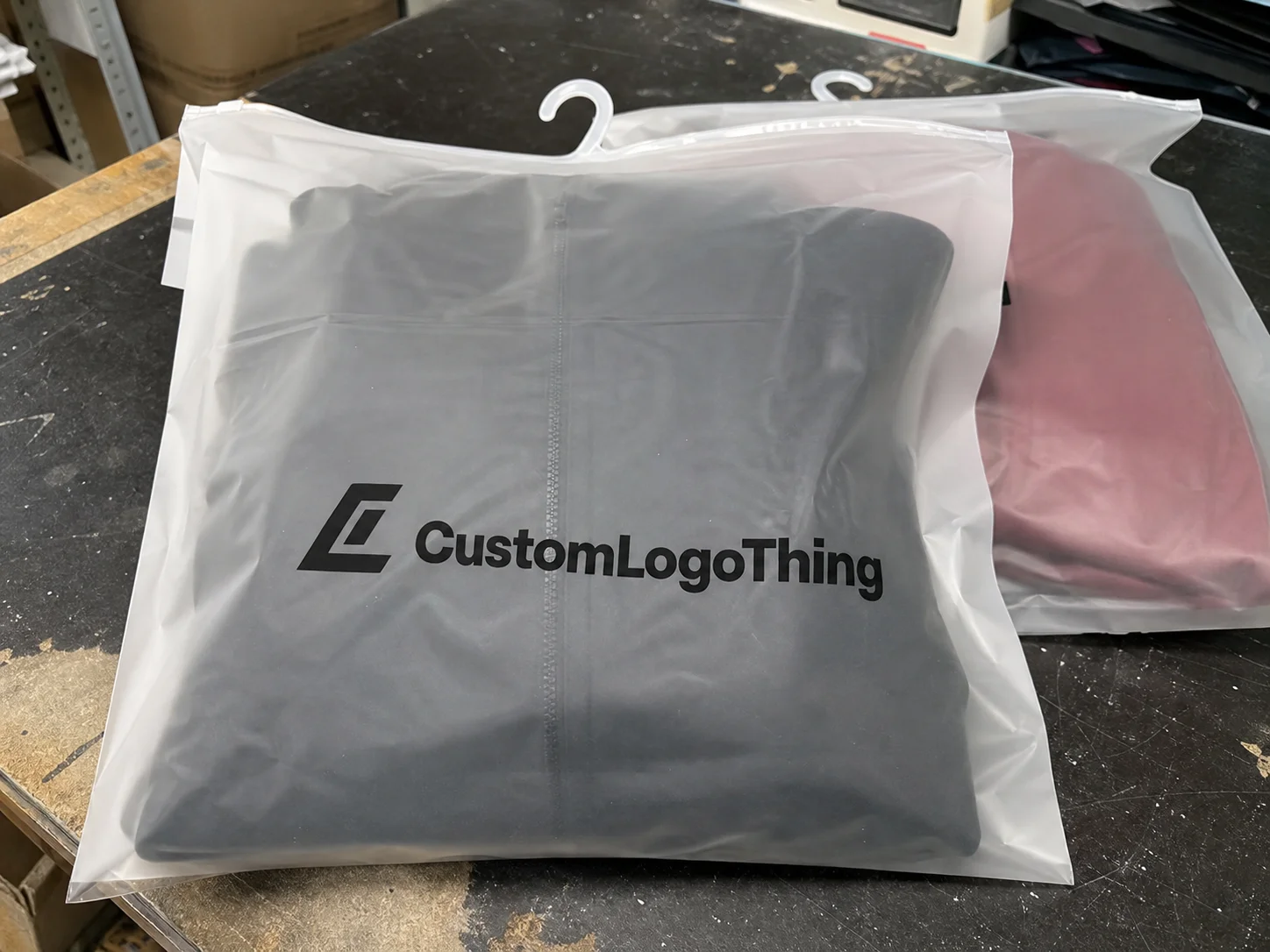
I’ve inspected single-wall polyethylene extrusions and bubble-lined mailers in three factories across Guangdong and Dong Nai; common poly mailer types include single-wall PE, bubble-lined polyethylene, and compostable film blends like PLA/PBAT—each has different cost and performance profiles with typical roll weights of 50–200kg. I once stood under a mezzanine stack of rolls and realized I could navigate a yoga pose I didn’t know I had. Factory life builds character (and calluses).
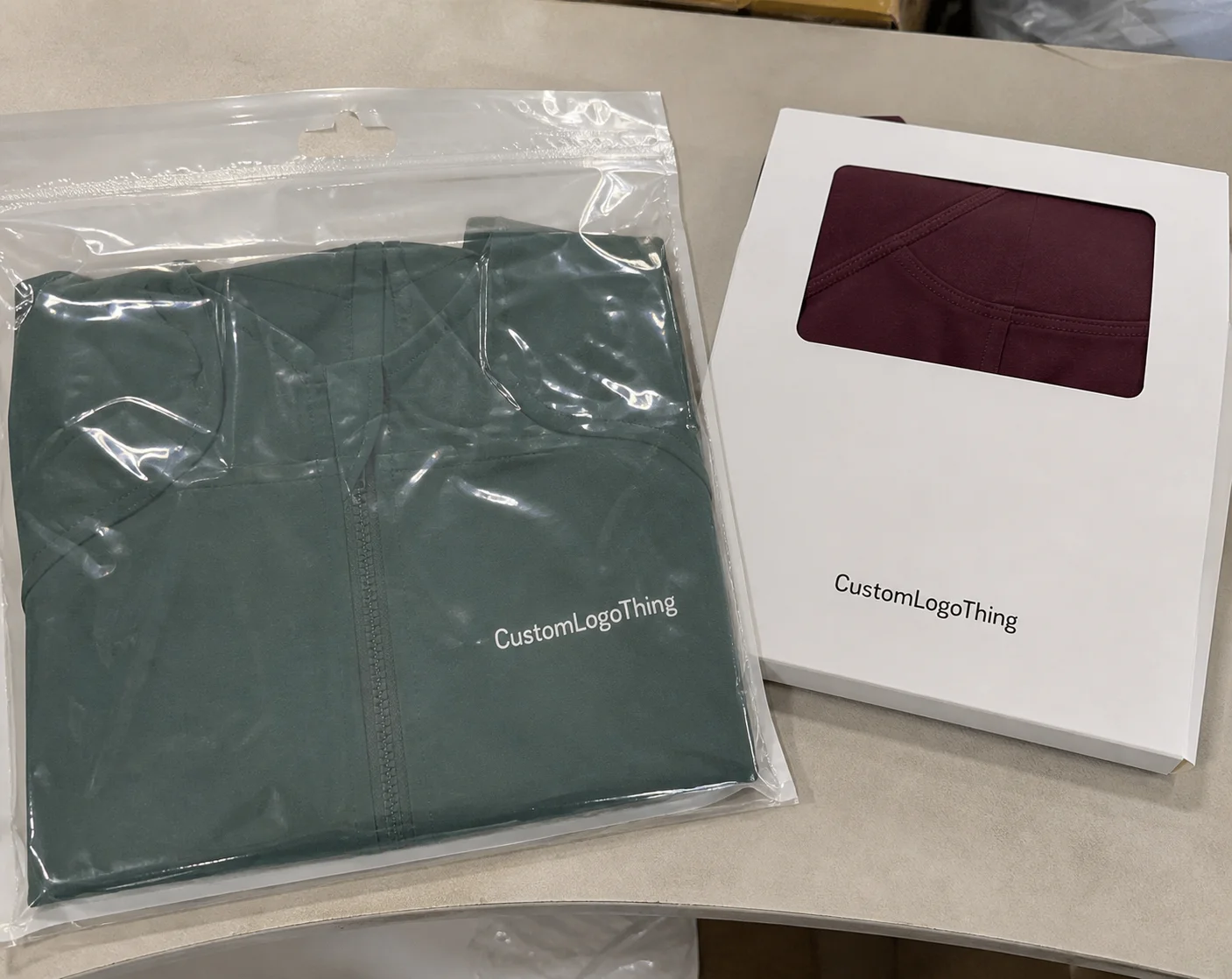
Customization choices: full-surface digital print can reproduce photographic art at 300 DPI, while flexographic spot color is cheaper for simple logos at $0.03–$0.12 extra per unit depending on run size. Matte lamination costs roughly $0.01/unit extra versus gloss, and tamper-evident adhesive strips add $0.02–$0.08/unit depending on supplier tooling. If you want gold foil accents, brace yourself: it’s pretty, and it also hurts your margin (but sometimes worth it; I judged a boutique brand who insisted—and they sold out).
Material options explained: LDPE is cheap and flexible—typical density 0.918 g/cm³. LLDPE offers better puncture resistance at similar cost. Compostable blends cost $0.02–$0.12 more per unit and sometimes require different sealing temperatures (for example 140–160°C heat sealer settings), which your fulfillment partner must know. I pushed a client through a compostable test and learned two things: (1) compostable looks great in photos, (2) it behaves oddly on some machines. Prepare for patience and testing.
Structural features: flat mailers ship flat; gusseted mailers add 10–30% volumetric capacity for bulky items and are common in sizes like 14.5x19. Bubble mailers use internal bubble heights of 3mm to 12mm; I recommend 6mm for apparel plus fragile trims. Venting and perforation options for returns can be done at the slitting line with tooling costs near $60. Perforations are a tiny miracle for returns, and a tiny headache at the production line if you don’t specify them right.
Artwork and color fidelity: flexographic printing requires vector files and spot Pantone numbers (PMS), while full-surface digital accepts CMYK files at 300 DPI. If printing on dark film, insist on a white underprint; otherwise colors will mute—our standard is a white underprint layer at 40–100 gsm equivalent opacity depending on film color. I can't count the number of times a “close enough” color ended up looking like a bad photocopy. Don't be that client. Send proper files.
Sustainability notes: 'recyclable' for polyethylene generally means curbside-compatible LDPE with recycling code 4, but many municipal programs don’t accept film. 'Compostable' options like ASTM D6400-compliant blends degrade differently and often cost 10–30% more. I had a client whose premium line improved customer perception after lab tensile tests, but the compostable mailers required a $0.06/unit price premium. Consumers notice sustainability, but they notice good design more. Combine both and you win.
Quick tip: when specifying design for a mailing bags bulk order, set expectations with your printer about color matching tolerances and request a press check for runs above 10,000 units. It saves tears later.
Specifications: Sizes, Gauges, and Testing Standards
Standard sizes and when to use them: 6x9 for small accessories, 9x12 for t-shirts, 10x13 for folded jeans or two shirts, 14.5x19 for bulky sweaters; using a custom 11x14 size can reduce wasted air and drop dimensional weight by 8–12% on carriers that calculate by volumetric weight. I once specified a custom size that saved a client enough to fund their next photoshoot. Small victories taste like coffee and new sample books.
Thickness/GSM guidance: common gauges are 1.5–4.0 mil (about 30–90 GSM equivalent); 1.5 mil suits light apparel, 2.5 mil is a reliable workhorse for multi-season shipping, and 4.0 mil is for heavy items or jewelry with hardware. Thicker film increases puncture resistance and typically raises unit cost by $0.02–$0.08. Choosing thickness is one of the most underrated decisions for balancing cost and returns.
Mechanical specs: key numbers are tensile strength (for example 18–28 MPa for LLDPE), elongation at break (often 400–700%), and puncture resistance measured in Newtons (target 25–60 N depending on SKU). Suppliers should provide ASTM test reports or internal lab numbers on request—if they don’t, insist on third-party testing. I’ve thrown out quotes from suppliers who couldn’t back their claims. Life’s too short for vague specs.
Artwork specs and dielines: submit vector dielines in PDF, AI, or EPS with bleeds of 3–5mm, safe zones at 6–10mm, and a flattened proof at 300 DPI. For full-wrap jobs provide paneled artwork in separate layers so the press operator can align registration within ±1.5mm. Pro tip: give the printer less ambiguity than you give your creative director.
Label and barcode placement: keep postal barcodes and address windows at least 20mm clear of adhesive strips. For Amazon FBA, labels should be on the carton outside with dimensions 4x6 inches and positioned away from pallet straps; ask your 3PL for exact placement to avoid non-compliance fees up to $75 per carton. I learned the hard way—one misaligned pallet label cost a client a weekend and a very expensive fine. Don’t be that person.
Compliance and shipping marks: carriers vary. USPS often requires unobstructed address areas of at least 4x6 inches, while FedEx and UPS have palletization weight limits of 68kg per pallet for certain services. Use HS code 3923.21 for polyethylene mailers in international shipments for customs classification, and check ISTA guidance for packaging performance on fragile items—see ista.org for test standards. I keep these codes bookmarked like little talismans against surprise customs headaches.
If you're estimating landed cost for a mailing bags bulk order, get the supplier to show carton fill, pallet configuration, and sea vs air scenarios. Those details change your per-unit math faster than tweaking a print color.
Mailing Bags Bulk Order: Pricing & MOQ
How pricing tiers work: per-unit cost drops at common breakpoints—1,000, 5,000, 10,000, 25,000. Expect sample pricing to be higher because setup costs (usually $60–$200) are amortized on bulk orders; I once paid $45 for a rush sample shipped by air and recovered that in the first bulk run. If that feels like gambling, it’s okay—it's calculated gambling.
Typical cost drivers: material type (standard LDPE vs heavy-duty or compostable), print complexity (one-color spot vs full-color digital), and die-cut features like hang holes or gussets; each add-on moves the unit price by measurable amounts—for example a hang hole is usually $0.01–$0.03/unit manufactured. I have a soft spot for clever die-cuts but not at the expense of shipping efficiency. Pretty does not always pay.
| Option | Qty | Material | Unit Price (FOB) | Estimated Landed Cost (USD) | |
|---|---|---|---|---|---|
| Basic unprinted poly | 5,000 | LDPE 1.5 mil | None | $0.08 | $0.16 (incl. sea freight) |
| One-color flexo | 5,000 | LDPE 1.5 mil | 1 spot color | $0.11 | $0.19 (incl. sea freight) |
| Full-color digital | 5,000 | LLDPE 2.0 mil | Full CMYK | $0.26 | $0.34 (incl. sea freight) |
| Compostable blend | 5,000 | PLA/PBAT 2.0 mil | 1 spot color | $0.20 | $0.28 (incl. sea freight) |
Example ballpark pricing: for plain LDPE 9x12 poly mailer expect $0.08–$0.20/unit at 5,000 units; add $0.03–$0.12 for single-color flexographic print; full-color digital usually adds $0.15–$0.40 depending on ink usage and film opacity.
MOQ realities: many factories set MOQs of 5,000–10,000 for printed runs; select overseas vendors will accept 2,000 with higher per-unit costs. Distributors like Uline sell unprinted mailers in boxes typically of 250–1,000 at higher unit prices—use those for pilots, not scale. I once convinced a factory to drop MOQ for a first pilot by guaranteeing a follow-up within six months. It worked, but I had to commit to a second coffee-fueled negotiation session.
Freight and landed cost: always include cartonization (for example 200 units per carton), palletizing (pallet height 1.2m), and shipping terms (FOB vs DDP). Sample freight calculation: 5,000 9x12 mailers in 25 cartons, sea freight FOB Shenzhen to Los Angeles LCL can be $420; per-unit that’s $0.084. If your landed cost surprises you, start by checking palletization and carton fill rates—those are the usual culprits.
Negotiation levers I use: agree on repeat order pricing for 6–12 months to lock rates, get suppliers to waive part of the setup fee on year-two reorders, and offer a 30% deposit to secure tooling—when I used a Shanghai film supplier this tactic shaved 5% off the initial quote. Also, if you promise a photo of the finished product on social media, you can sometimes get an extra discount. (Kidding. Mostly.)
If you want a reliable ballpark for a mailing bags bulk order, share your target minimum order quantity and preferred port. I’ll run the numbers and show FOB vs DDP so you can see landed cost in black and white.
How much does a mailing bags bulk order cost and what affects price?
Short answer: it depends. Quantity, material, print complexity, palletization, and shipping terms are the main levers. A typical mailing bags bulk order at 5,000 units ranges from about $0.08 to $0.34/unit FOB depending on options—landed cost will be higher once freight and import fees are included.
Factors that move the needle: - Quantity and minimum order quantity (MOQ): larger runs reduce amortized setup. - Material: upgraded LLDPE or compostable mailers cost more per unit. - Print: flexographic one-color vs full-color digital changes per-unit price and setup. - Freight: LCL vs FCL and the shipping lane matter—even from the same origin, Los Angeles, Rotterdam, and Hamburg will produce different rates. - Cartonization and pallet fill: poor carton fill drives up per-unit freight and storage.
Pro tip: if your target per-unit landed cost is tight, tell your vendor and let them propose trade-offs between print and material. Good suppliers will show you the cost vs performance curve. Bad suppliers will say “no problem” and then surprise you later.
Quick realism check: prices and lead times change with film shortages, seasonal demand, and port congestion. Be transparent about targets and expect some back-and-forth. I'm gonna be blunt: a price I quoted two years ago is not reliable today without fresh checks.
Process & Timeline: From Quote to Delivery
Step-by-step process I follow: (1) submit specs + dielines (dimensions, thickness, color count), (2) get a supplier quote in writing, (3) request a pre-production physical sample (PPS), (4) approve and start production, (5) QC inspection with a checklist, (6) packing and shipping. This map is concrete and my team uses it for runs of 2,000–50,000 units. I’ve tweaked this sequence through the school of hard knocks—errors cost time and money, and we avoid both.
Typical timelines: initial quote usually arrives in 24–72 hours, art approval plus sample takes 5–10 business days, production runs range 10–25 business days depending on complexity and quantity, and sea freight adds 2–6 weeks to the timeline; always build a buffer for reprints. If you tell me you have no buffer, I will quietly judge and then build the buffer anyway. I'm not gonna let you launch late.
Proofing and sample options: digital proof is fine for color checks but a pre-production sample (PPS) is critical for film feel and seal integrity; a PPS commonly costs between $35 and $120 including expedited shipping by air. I insist on PPS for new materials—I've seen what “close enough” does to the first full carton. It’s not pretty.
Quality control checkpoints I insist on: incoming raw material check (roll width and thickness measured against ±0.02mm tolerance), inline print checks at every 10,000 impressions, and a final inspection using a 75-point checklist covering print accuracy, adhesive strength, and seal integrity. Third-party inspection services typically charge $150–$290 per inspection. I once canceled a shipment because the seals failed 12% of the time; unpleasant, but it saved the brand from a returns spike.
International logistics tips: use HS code 3923.21, consider FCL (full container load) if your order pushes over a 4m³ threshold, and ask suppliers about LCL (less-than-container load) consolidation to avoid paying for half-empty containers. When I consolidated small runs for three clients in Ho Chi Minh, we cut per-unit freight by 22%. Teamwork makes the freight work.
Fast-track options: suppliers usually offer expedited tooling for a 10–25% surcharge and air freight for urgent orders; split shipments are useful—release 30% by air to meet launch dates and ship the balance by sea to save $0.10–$0.30/unit. I recommend this for product launches when you want to look like a genius and not a frantic person.
Remember: if you're timing a marketing push around a mailing bags bulk order, lock production slots early. Peak seasons and film shortages will delay everything fast.
Why Choose Us: Factory Access, Real Pricing, and Proven QC
I started Custom Logo Things after a decade running packaging for three direct-to-consumer brands and visiting over 20 factories across China and Vietnam; I know which lines hold tolerances to ±1.5mm and which vendors pad lead times by 7–10 days to hide capacity limits. I’ve spent enough time on lines to know when a machine is about to misbehave, and I’ve developed a sixth sense for which suppliers will answer emails on weekends (spoiler: very few).
What sets Custom Logo Things apart: direct factory relationships in Shenzhen and Dong Nai, on-site quality audits with photo and video evidence, and negotiated pricing that saved brands 10–30% versus middlemen. I’ve been in those factories, I’ve seen extrusion runs and print registration, and I pushed suppliers to deliver consistent color across 10,000 pieces. If you want someone who will ask the plant manager to check the heat sealer at 7am, that’s me. Yes, I actually did that once.
Transparent pricing: we provide line-item quotes showing material, print, setup, freight, and inspection fees; in one recent quote we detailed film cost at $0.045/unit, ink and print at $0.06/unit, setup at $120, and sea freight at $420 so the client could see the math to landed cost. CFOs hug spreadsheets; weirdly satisfying.
Client quote: "Sarah saved us $0.07 per unit on a 10k run by switching film supplier and locking a six-month reorder." — Head of Ops, apparel brand (order size 10,000)
Real negotiation anecdotes: I got one supplier to reduce PET film surcharges by offering a two-year reorder commitment and by consolidating our orders into quarterlies; that effort cut the PET premium from $0.04/unit to $0.01/unit. Negotiation is applied math plus patience. And sometimes loud coffee-fueled persistence.
Quality assurance: we use a detailed inspection checklist, supply sample photos at 300 DPI, perform random-strength testing with a handheld tensiometer, and run tolerance checks on film thickness to ±0.02mm. If you need independent oversight, we work with third-party inspectors who provide final reports within 48 hours. Fast and thorough is our default; slow and hopeful is not a strategy.
Logistics and fulfillment support: we handle palletization specs for Amazon FBA (cartons per pallet 20–24, weight per carton 20–25kg), carton labeling for 3PLs, and advice on reducing dimensional weight by trimming excess mailer volume. During one FBA prep for a client I reduced their dimensional weight charges by 14%. That saved them enough to hire a new operations manager. Coincidence? I’ll take the credit.
Value-adds we offer: inventory holds with monthly billing, staggered shipments for peak seasons, and an options matrix for swapping film types if material or freight pricing spikes unexpectedly; this is how brands avoid painful rush fees of $0.10–$0.50/unit. I’ve watched clients sleep better once they implemented a staggered plan. Literally better sleep. Worth it.
We review every mailing bags bulk order above $1,200 personally and will propose a plan for storage, shipping, and reorder cadence that reduces surprises. I like predictable supply chains. Predictable is underrated.
Next Steps: How to Place Your Mailing Bags Bulk Order (Action Plan)
Ready to convert this into an order? Start by assembling a one-page spec sheet with dimensions (for example 9x12), thickness (mil or GSM), print type, Pantone references, quantity target (pilot 2k or bulk 5k), and desired delivery date in weeks. Include any palletization constraints and a target landed cost if you have one. Then email it to our quoting desk and include the phrase mailing bags bulk order in the subject so it’s prioritized. I actually triage subject lines—yes, I’m that person—but it saves time and avoids the usual back-and-forth.
Step 1 — Get a firm quote: we return a detailed quote within 48 hours with FOB and DDP options, carton layout, and a sample price that typically ranges from $35–$120.
Step 2 — Approve sample: choose a digital proof or a pre-production physical sample (PPS). If you need a P&P (pay-and-produce) sample we will reserve materials and queue the run; lead time for a PPS is usually 5–10 business days.
Step 3 — Lock production slot: after sample approval and a 30% deposit we confirm tooling, schedule production, and give you a written timeline showing production and expected shipment dates down to the week.
Step 4 — Final inspection and ship: we perform QC, send photo and video evidence, and release for shipment once you approve; we will advise whether LCL or FCL is cheaper based on your total volume (for example 2m³ and above often favors FCL). If you email me on a Friday asking for an overnight quote, expect a Monday response unless I’m eating dumplings. Priorities, people.
Need a quick benchmark quote now? Send dimensions, quantity, and print specs to [email protected] and request a target per-unit and landed cost; if you include your preferred shipping port (for example Los Angeles or Rotterdam) I’ll flag a few cost-saving tweaks right away. I personally review every first-time order over $1,200—I don’t enjoy surprises and I don’t like them for my clients either.
FAQ
What is the typical MOQ for a mailing bags bulk order?
Common factory MOQs for Printed Poly Mailers are 5,000–10,000 units; unprinted mailers can be bought in smaller lots via distributors like Uline who sell boxes of 250–1,000. Some Asian vendors accept 2,000 units at a higher per-unit price and with setup fees. If you're starting small, plan pilots with a clear path to scale—otherwise you'll end up paying for convenience every time.
How much does a mailing bags bulk order cost per unit?
Ballpark: plain LDPE mailers range from $0.06–$0.20/unit at decent volumes; add $0.03–$0.12 for single-color print and $0.15–$0.40 for full color depending on run size. Material upgrades add $0.02–$0.20/unit; always ask for a landed cost including freight. If a supplier gives you only FOB, ask for a DDP estimate too—don’t let “convenience” hide the real cost.
What lead time should I expect for a mailing bags bulk order?
Typical timeline: quote in 1–3 days, sample in 5–10 business days, production 10–25 business days depending on quantity and print complexity; add sea freight of 2–6 weeks or air of 3–7 days for shipping. Build a buffer. I can't stress that enough. Buffer = sanity.
Can I get biodegradable or recyclable options for a mailing bags bulk order?
Yes. Compostable blends and recyclable polyethylene are available, but expect higher costs—often a 10–30% premium—and different performance (sealability and tear strength). We send material samples and performance data; test them for tensile and puncture resistance the same as regular mailers. I will be blunt: if you pick compostable for optics without testing, you'll probably regret it. Test first, virtue-signal second.
What details do suppliers need to quote a mailing bags bulk order accurately?
Essential info: final dimensions (for example 9x12), thickness (mil or GSM), print type and color count, quantity, material choice, and shipping terms (FOB vs DDP). Include artwork files or dielines and state intended use (retail, FBA, fragile). If you have a target landed cost, share it—I use that to negotiate specs that meet price points Without Sacrificing Quality. Being transparent about your targets saves everyone time (and my favorite resource: headaches).
Final thought: if you want to capture the economics I described, prepare your one-page spec sheet, set a realistic MOQ target (pilot 2,000 or bulk 5,000–10,000), and make sure the subject line contains mailing bags bulk order so my quoting desk flags it. I personally review every first-time order over $1,200 and will push the factory on setup fees and freight optimization because I’ve seen how a small negotiation on $120 tooling can save you $0.05–$0.15/unit on the next run. Little things pay for the nice things.
Quick, actionable takeaway (do these three things within 48 hours):
- Create a one-page spec: dimensions, thickness, print type, quantity target, delivery port, and desired landed cost.
- Request a PPS and a detailed FOB vs DDP quote with carton fill and pallet configuration shown.
- Insist on basic QC: a pre-production sample, an inline print check schedule, and a 3rd-party final inspection for your first bulk run.
For technical standards references, consult the Packaging Machinery Manufacturers Institute and test guides at packaging.org and environmental guidance at epa.gov for material disposal considerations; I use those sources when validating supplier claims on recyclability and compostability. When suppliers send claims without test data, I ask for lab reports. If they can't provide them, I move on—life's too short for guessing games.
Want a benchmark quote? Email your one-page spec to [email protected] and include the phrase mailing bags bulk order in the subject. You'll get a prioritized reply and a clear FOB vs DDP breakdown so you can compare options without mystery pricing. If you don't get a quick response, poke me again. I respond well to persistent humans.
Disclaimer: all figures are indicative based on recent runs and public benchmarks. Market volatility, regional supply issues, and freight shifts will change these numbers; verify with current quotes and, when in doubt, test a sample run.