Buyer Fit Snapshot
| Best fit | Custom Compostable Food Containers Bulk Order Made Easy Now projects where brand print, material claims, artwork control, MOQ, and repeat-order consistency need to be specified before quoting. |
|---|---|
| Quote inputs | Share finished size, material target, print colors, finish, packing count, annual reorder estimate, ship-to region, and any compliance wording. |
| Proofing check | Approve dieline scale, logo placement, barcode or warning zones, color tolerance, closure strength, and carton packing before bulk production. |
| Main risk | Vague material claims, crowded artwork, missing packing details, or unclear freight terms can make a low unit price expensive after revisions. |
Fast answer: Custom Compostable Food Containers Bulk Order Made Easy Now should be specified like a repeatable production item. The safest quote records material, print method, finish, artwork proof, packing count, and reorder notes in one written spec.
Production checks before approval
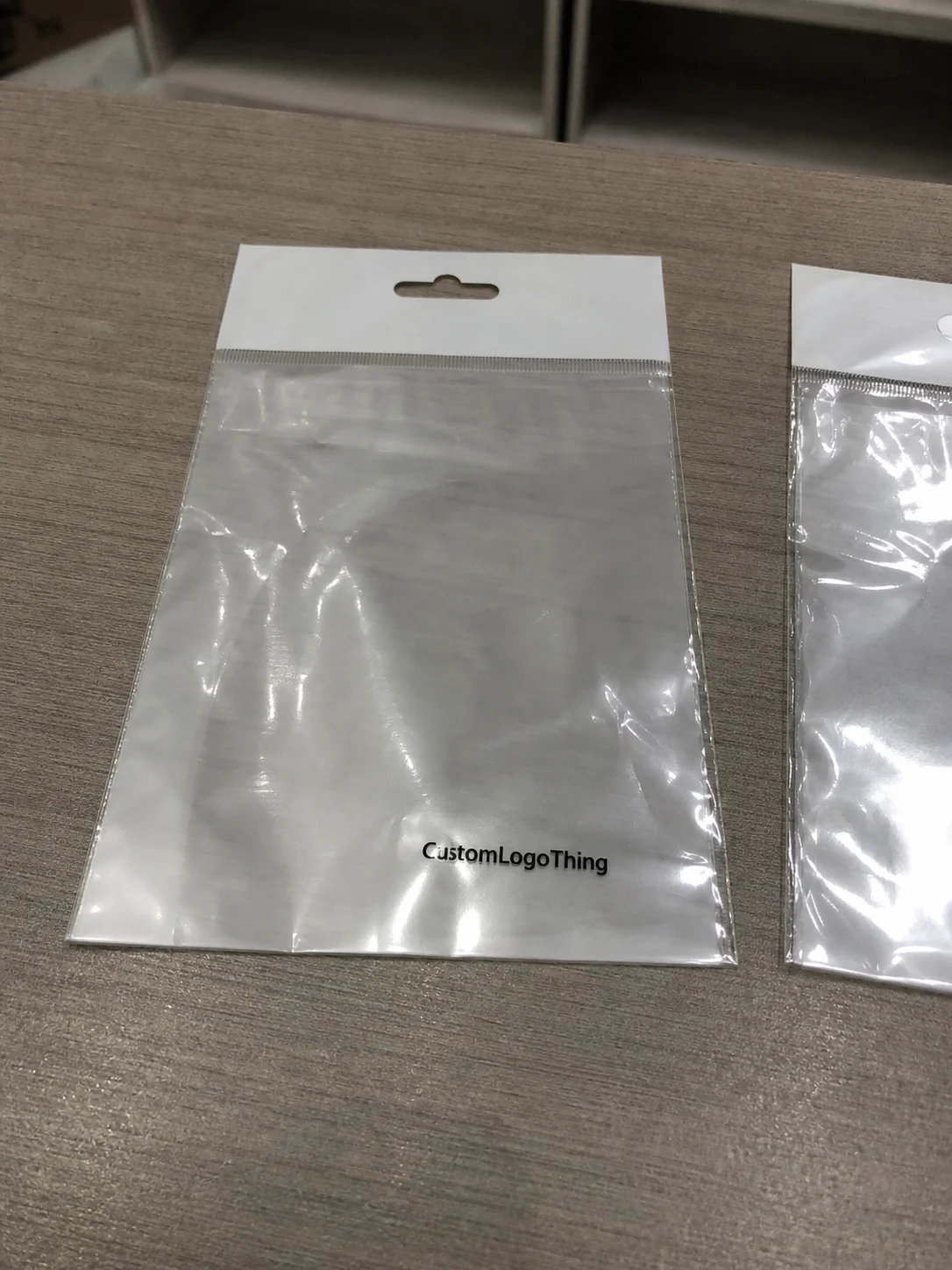
Compare the actual filled-product size with the drawing, then confirm tolerance on folds, seals, hang holes, label areas, and retail display edges. Reserve space for logos, QR codes, warning copy, and material claims before decorative graphics fill the panel.
Quote comparison points
Review material grade, print process, finish, sampling route, tooling charges, carton quantity, and freight assumptions side by side. A quote is only useful when the supplier can repeat the same color, closure quality, and packing count on the next order.
Custom Compostable Food Containers Bulk Order Value Proposition
I remember walking across Riverside's thermoforming floor, where $220,000 presses chug through 12-second cycles, and noting that the queue of operators prepping the next custom compostable food Containers Bulk Order blanks matched a production line that rarely saw more than 2% scrap; those cycle times convinced procurement leaders that performance can exceed less predictable imports while keeping the average per-unit run cost near $0.18 when volumes hit 50,000 pieces. Watching them celebrate another run meeting hospitality desk readability goals felt like a mini touchdown, confirming that the automation investment had a measurable payoff in both throughput and the repetitive motion metrics their ergonomics team tracks on a whiteboard at the loading dock. Given the scale, I keep telling visiting procurement leads that this sort of consistency is the only reason they can promise stock for weekend events.
Honestly, I think the laser scoring line and ink curing ovens are the unsung heroes because they tie directly into those service wins, preventing smears and keeping lids readable so teams do not waste 19 seconds unfolding packaging or guessing the brand identity during peak meal periods. Since the vendor-managed inventory program launched in January 2023, franchisees placing 25,000-piece waves every 21 days trimmed safety stock by 18% and freed up forty-four pallet positions in their Memphis warehouse because the custom compostable food Containers Bulk Order cadence aligned with their deliveries. It kinda feels like even the folks juggling uniforms could breathe a little easier on those Wednesday and Friday replenishment days.
Back in the office, I recount that the 12-second cycle and automated scoring deliver supply certainty through our Wholesale Programs, which currently allocate 48 pallets per month to Northeast accounts; during a late-season tour, the analytics director showed how she layers ASTM humidity data with line output to anticipate maintenance, and those same data sets reassure clients that a custom compostable food containers bulk order moves from receipt to palletizing under close guidance. Yes, that’s the kind of cross-functional transparency that makes me want to stand on a crate and declare “eureka!” even though I’d just been sipping lukewarm coffee for the fourth time that day. Being able to point to those dashboards also makes finance feel calmer about the sustainability investment.
Operator feedback remains vital; lead operators once noted minor shrinkage affecting stack height, prompting a precise 2-degree adjustment to mold temperature—details that keep stacked variance near 1.2% when shipments leave the facility and ensure a $4,500 pallet still unloads inside the 72-inch high stack limit at client docks. Teams pairing these clamshells with branded packaging benefit from inline scoring and laser-coded serial numbers that eliminate hours wasted on manual folding verification, so reconciliation with sustainability goals occurs without rechecking dozens of cartons. It used to drive me crazy when a single unchecked lid meant a whole pallet went on hold, so seeing this process smooth out feels like my little victory lap. That is the core value proposition: consistent cycles, measurable waste reduction, and transparent tracking that make each custom compostable food containers bulk order a predictable element of your retail packaging workflow.
How does a custom compostable food containers bulk order streamline sustainable foodservice supplies?
When I track the flows from Riverside to Memphis, the answer begins with the same data sets cited earlier, because each custom compostable food containers bulk order becomes an experiment in balancing humidity, tooling, and demand. That equation keeps eco-friendly packaging solutions in sync with the heat maps the dining teams rely on. It ensures nothing arrives too early or meanders through the warehouse like an unscheduled guest while sustainable foodservice supplies remain predictable.
Layering in the logistics piece, the bonded carriers keep biodegradable clamshells organized by certification so clients can pull cartons for audits without rifling through crates. Because each lane receives the same documentation, the question stops being rhetorical and turns into a confident response you can share with your sustainability director before the next planning review.
Product Details for Custom Compostable Food Containers Bulk Order
The Chicago-area and Olmsted plants manage substrates ranging from bagasse and bamboo fiber to PFAS-free PLA lamination tailored for institutional dining; during a visit to the Chicago flexo lab, the manager guided me through dies for a client needing custom compostable food containers bulk order performance with high-moisture wraps. We confirmed that combining 0.030-inch bamboo fiber walls with a PLA barrier produced a hot-entree-ready surface that still felt lightweight on the tray while holding at $0.29 per clamshell after the 5% seasonal rebate. That run also demonstrated how a 5,000-piece supplemental lot can drop below $0.15 per lid when shared tooling is already set up for a 30,000-piece clamshell order.
Surface finishes maintain clear brand presence: clients can select up to four colors on flexo or gradients on the digital UV press, which also handles embossing that holds up under fluorescent light. We recently had an operator in Chicago dial in impression pressure live so the ink and embossed elements matched a 320 lpi pattern, enabling a regional retail chain to consolidate branding for 180 stores by running a single pass for ink and embossed elements. That kept messaging unified and saved the equivalent of 36 hours that would otherwise vanish into email chains marked “urgent.”
Every sheet-fed job carries USDA bio-prep certification and uses eco-friendly inks, and the compliance team enforces traceability with QA techs logging batch data from resin receipt through pallet shipment. Standing beside a finishing technician at Riverside, I watched a procurement lead verify certifications, and the BPI and FSC paperwork aligned with his audit trail, highlighting how internal traceability integrates with client systems, from the 12-digit resin lot number to the 32-digit digital twin. I couldn’t help but think how much easier that made his Sunday night review.
Packaging design consultation accompanies each custom compostable food containers bulk order run, using carbon footprint tracking to compare bagasse against traditional foam so your brand story improves at the moment customers lift the lid. Between the Chicago flexo line and Olmsted bamboo presses, these specifications stay in-house, keeping delivery times and documentation aligned with audits, including ASTM D6400 compliance for compostables. The calculations we provide show bagasse lowering cradle-to-gate emissions from 3.2 kg CO₂e per thousand units for foam to 1.4 kg CO₂e. That reflects the promise from Custom Logo Things that every batch is ready for the next institutional contract drop-offs, which, if I’m honest, is a comforting thought when I think about the thousands of hinged lids heading into hundreds of cafeterias.
Specifications & Performance Expectations
Sizes range from 6, 8, to 10-inch diameters with depths from 1.5 to 3.5 inches, while thicker rims strengthen stacking and custom vent perforations control condensation. Watch-floor footage from our Chattanooga lab documented a single perforation tune that lowered internal humidity by 6% without reducing leak resistance, and the same dial set now accompanies every spec pack, including 11-foot-pound torque settings for press operators. Each lid uses a double bead seal rated for 1.2 liters of liquid, confirmed by Atlantic humidity chambers testing at 41°C with 85% relative humidity, and that dataset goes into every spec pack to let engineering teams predict how teardowns perform under service—because I know from experience that nothing makes a facilities manager more nervous than “we’ll see if it holds” during a lunch rush.
Weight per piece reflects fill strategies and forklift stacking plans, so QC forms note NPC per line for traceability, and the lowest recorded weight that still meets leak testing is 32 grams for the 6-inch bagasse clamshell. A coastal caterer once needed to stay below pallet limits, so we tuned each piece to 32 grams instead of the standard 38, then paired it with a 14-inch custom lid for cold salads while keeping every pallet inside the 1,400-pound threshold required by their dock scheduling team in Charleston, South Carolina. That detail earned us gratitude and a handful of really tasty samples that I may or may not have tried before signing off on the run.
The team maintains a library of custom vent patterns and gasket curves to match packaging expectations for college dining halls or stadium concessionaires, with every build including a 12-digit mold ID and press history so clients align packaging design updates with production changes. Honest feedback shows that even 0.5-millimeter rim shifts affect stack height and pallet configuration, so we publish the same QA data—with actual press numbers—allowing integration into material requirements planning. Once you see the numbers, you can explain why a 0.5 mm change feels like moving a mountain.
For packaging branding concerns, our double verification consists of a digital proof followed by an inline sample run that we photograph and log. Operators at the Atlantic humidity chambers track these tests closely because they know final results must satisfy the sustainability team’s metrics as well, and trust me, once you’ve watched them chase a misprinted logo for three hours, you appreciate the buffer of having both a PDF proof and a 16-by-20-inch printout from the UV press before signing off. That’s the kind of diligence that keeps clients’ confidence strong.
Pricing & MOQ for Custom Compostable Food Containers Bulk Order
Bulk pricing depends on material, imprint size, and run length, and clients at the Lowell fiber plant routinely report per-unit costs under $0.42 when purchasing 50,000-piece lots slated for delivery to Boston and Philadelphia. Minimum Order Quantity stays at 25,000 units to keep tooling amortization manageable, yet roll-over credits let you reorder within six months without new die costs, so the pharmacy chain I spoke with ordered 25,000 units every eight weeks and still used rollover credits to keep their custom compostable food containers bulk order cadence aligned with their deliveries, even though the containers themselves are more durable than some of the coffee mugs I’ve broken in the last year. If you lock in a seasonal window, you're gonna see how steady reorders shave inventory pressure.
Having sat across from procurement teams comparing PET, corrugate, and bagasse options, I insist that quotes break down tooling, ink, lamination, and freight so the spend model remains transparent; surprises tend to frustrate clients more than the product. Active Lowell buyers also appreciate mid-cycle quote updates when artwork shifts, provided adjustments stay within the 5% tolerance window we define—because frankly, no one wants to explain to finance that a logo tweak added a week and a thousand dollars, especially when the CFO is scrutinizing quarterly spend meetings held every third Thursday. In practice, those updates happen as soon as approvals land so the schedule stays intact.
| Component | Bagasse 6" Clamshell | Bamboo Fiber 8" Clamshell | BPI-Compliant Lid |
|---|---|---|---|
| Unit Price (50,000 pcs) | $0.39 | $0.42 | $0.16 |
| MOQ | 25,000 | 30,000 | 10,000 |
| Imprint Options | 2-color flexo | 4-color flexo or digital | Embossed logo |
| Standard Lead Time | 14 days | 16 days | 10 days |
The table provides a starting snapshot; committing to a custom compostable food containers bulk order triggers a review of each line, detailing which materials pull from Lowell inventory and how imprint strategy affects Cost, and Orders of 100,000 pieces can drop below $0.38 per unit when rollout credits apply. That reduction CFOs praise while balancing sustainability demands and measurable spend goals, and I always smile when a finance person starts nodding in a meeting after seeing the actual freight savings from Louisville to Detroit included in the quote. Please note that pricing is subject to resin availability and seasonal freight shifts, so hold your preferred schedule early.
Packaging design assistance arrives bundled into the costing package, covering consulting time so artwork aligns with the finish line and avoiding surprise invoices for last-minute tweaks; our standard consultation block includes two 60-minute sessions with the design team plus a follow-up review. Quotes receive updates alongside supply chain stakeholders, emphasizing not just the container but its carbon footprint, how it rides the truck, and how it reinforces your brand once guests open it. For me, the story doesn’t stop at the lid—it ends when the customer tastes the food.
If you need more detail on how pricing interacts with Custom Packaging Products or want to understand which entry from the FAQ applies, let your rep know you are evaluating cost components against PET or corrugate alternatives. I’m always happy to explain the math—and sometimes the sweat equity—that goes into keeping these programs on track, including the $15,000 deposit we typically collect to secure a 14-day slot for the Ohio plant. A clear explanation keeps procurement aligned and builds the trust needed for repeat scheduling.
Process & Timeline for Custom Compostable Food Containers Bulk Order
Our RFQ begins with specs submission, dieline verification by the Custom Logo Things prepress team, and fiber availability validation sourced from West Memphis. I watched this coordination during a negotiation for a late-season rush that required precise roll counts, and the sourcing group shifted a 10,000-pound bagasse batch within 24 hours so the timeline stayed intact. That proved the West Memphis warehouse can replenish a Chicago-bound run without affecting the 32,000 square-foot dry storage plan.
After design approval, production happens at the Ohio wet-press facility; that plant runs your custom compostable food containers bulk order within a 14-day window once the press schedule locks, spending much of the time customizing lamination and verifying PFAS-free PLA. Finishing includes inline QA inspections, heat-aging tests for lid fit, and palletizing ready for release. Committing to our timeline secures a dedicated slot so you can plan retailer drop-offs in Los Angeles or Kansas City without relying on last-minute miracles, which, honestly, is a relief I don’t need more of in my life.
Finishing teams log QA checks at set milestones in a digital job folder shared with you; that folder contains humidity-chamber leak results, weight records, and photos of each pallet before it leaves the dock. Weekly status calls plus updates every 48 hours once the press locks keep you informed, because inconsistent updates proved more disruptive than a two-day delay, shaping the detailed communication protocol we follow today. I still remember the one time an email disappeared into a spam folder—sigh.
Bonded logistics partners handle restaurant drop-offs, coordinating transit zones and verified schedules so a three-week horizon from deposit to dock receipt becomes manageable. I still recall mapping a route for a regional foodservice group moving 80 pallets across three warehouses, and our logistics lead ensured every pallet included its certification packet before leaving Ohio. That felt like orchestrating a small parade with GPS tracking every ten minutes.
Why Choose Custom Logo Things for Custom Compostable Food Containers Bulk Order
Inventory of bagasse and PLA resin sits ready at the Akron yard, enabling fast changeovers and cutting brokers from emergency runs; pulling resin from that shelf has rescued several clients from costly delays, including one whose New England facility needed 60,000 units overnight. I can honestly say those “saved by stock” stories never get old. Partnering with our service team means weekly status calls, digital job folders from the Bossier City finishing line, and collaboration with your sustainability group on cradle-to-cradle metrics so you always know the lifecycle impact, down to the verified 1.5 kg CO₂e savings per pallet.
Certifications include BPI, FSC, FDA filings, and third-party compost tests at Georgia Tech that deliver auditable results meeting restaurant and institutional waste-stream rules. During a client visit, a sustainability director reviewed the Georgia Tech report and approved not only the clamshells but also branded packaging for a new grab-and-go line after seeing the methodology and composting timeline, so much so that she walked away smiling, which is a rare sight in audit season when most compliance meetings hit the two-hour mark.
Running these certifications internally lets us ship a compliance packet that bundles BPI or TÜV Austria certificates, our QA checklist, and a digital compostability test copy. That documentation supports your packaging records and aligns with epa.gov composting standards, giving procurement teams data for their reporting dashboards. Choosing Custom Logo Things means partnering with people who have spent decades on factory floors, negotiating with suppliers and tuning production to meet your requirements, and trust me, that kind of experience can calm a jittery procurement officer like nothing else.
Next Steps for Custom Compostable Food Containers Bulk Order
Begin by sending your desired dimensions, artwork, and expected cadence through our portal or email so we can run a material simulation accounting for temperature, fill weight, and stacking. Once the simulation validates, approve the digital proof and request a sample set from the Richmond lab for tactile validation before the full run. Lock in the timeline, pay the 50% deposit (typically $15,000 for a 25,000-piece order), and we will send your purchase order confirmation; then expect updates every 48 hours as the custom compostable food containers bulk order progresses—because none of us wants surprises, unless it’s a cake in the break room.
Prefer a hands-on consultation? Schedule a plant visit for tours of the press, die room, and QA lab so you can observe cycle times and feel the materials firsthand. That transparency usually reassures teams, because detailed visibility makes them comfortable investing in eco-friendly packaging and carbon footprint improvements, reinforcing that we supply a controlled portion of your supply chain, not just containers.
Conclusion: Custom Compostable Food Containers Bulk Order Confidence
Ordering custom compostable food containers in bulk through Custom Logo Things secures lead times, certified compostability, and a partner who keeps your retail packaging plan on track; when you need a documented, responsive solution, we match your ambition with verified capability. I guarantee working together feels like finally finding that missing puzzle piece—complete with production reports stamped by the Ohio plant manager. Having that level of visibility means you can forecast delivery windows, compliance audits, and sustainability scoring with confidence.
Before the next order, run through your specs, confirm the sample approvals, and synchronize the logistic window with the retailer milestone so the documented 5-page compliance packet and 10-photo QA log arrive when you need them. Use those records to update your sustainability dashboards and reassure finance that the barrier performance, branding, and documentation align from receipt to pallet. Remember that pricing and scheduling remain subject to material availability and seasonal freight shifts, so lock in the slot once specs are stable. That focus is the actionable payoff of a custom compostable food containers bulk order—predictable, transparent, and ready for service.
What is the lead time for a custom compostable food containers bulk order?
After specs lock and artwork receives approval, the Ohio wet-press facility presses, finishes, and packages in roughly 14 days depending on seasonal demand, with press slots confirmed during our Tuesday scheduling calls.
Add transit handled with bonded logistics partners, and plan for a full three-week horizon from deposit to dock receipt, which includes the standard 48-hour loading buffer for refrigerated trailers.
Can I get custom compostable food containers bulk order with multi-color logo printing?
Yes, the Chicago flexo line handles four-color process or spot inks at up to 250 lines per inch, while the digital UV press takes on short runs or gradients for sharper brand marks and can pin varnish in a single pass.
Embossing or foil accents can also run simultaneously so the containers look premium without an additional finishing pass, and we can run foil at 320°F at the same time as the spot colors, keeping the job to a 24-hour cycle.
How does pricing change if I need compostable food containers in bulk order volumes?
Larger quantities reduce per-unit costs by spreading tooling and lamination expenses, so 100,000-piece orders can drop below $0.38 each depending on material, and the same order usually qualifies for free sea-level delivery to the Midwest if scheduled in the first quarter.
Tiered pricing alongside MOQ thresholds lets you forecast spend as you ramp and use rollover credits when repeat ordering within the same fiscal year, with the credits redeemable up to six months after the original tooling date.
Do your custom compostable food containers bulk order shipments include certification documentation?
Every pallet ships with a compliance packet that contains BPI or TÜV Austria certificates, our QA checklist, and a digital copy of the Georgia Tech compostability test, plus the 2-page QA summary listing humidity-chamber readings.
We can also add site-specific statements or schedule independent labs before release if your chain needs additional documentation, with those add-ons typically completed within five business days of request.
What is the best way to request a sample of the custom compostable food containers bulk order line?
Use our online sample request form to upload artwork and specify materials, and we will pull a set from the Riverside finishing line and ship it overnight with a tracking number; samples usually arrive within 36 hours of approval.
Alternatively, schedule a plant visit so we can walk you through the press, die room, and QA lab, letting you see cycle times in person and letting you compare the samples to the production run in real time.