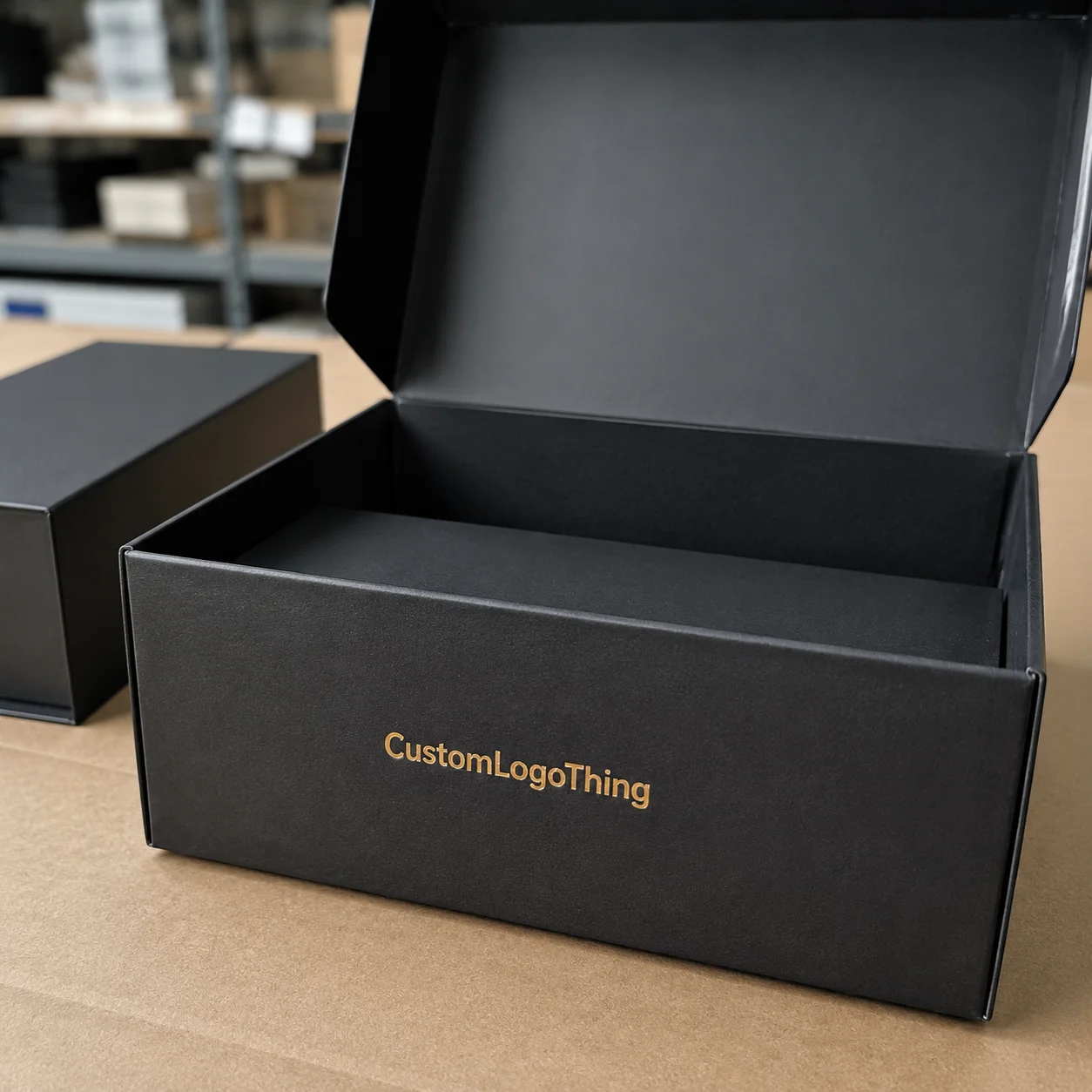
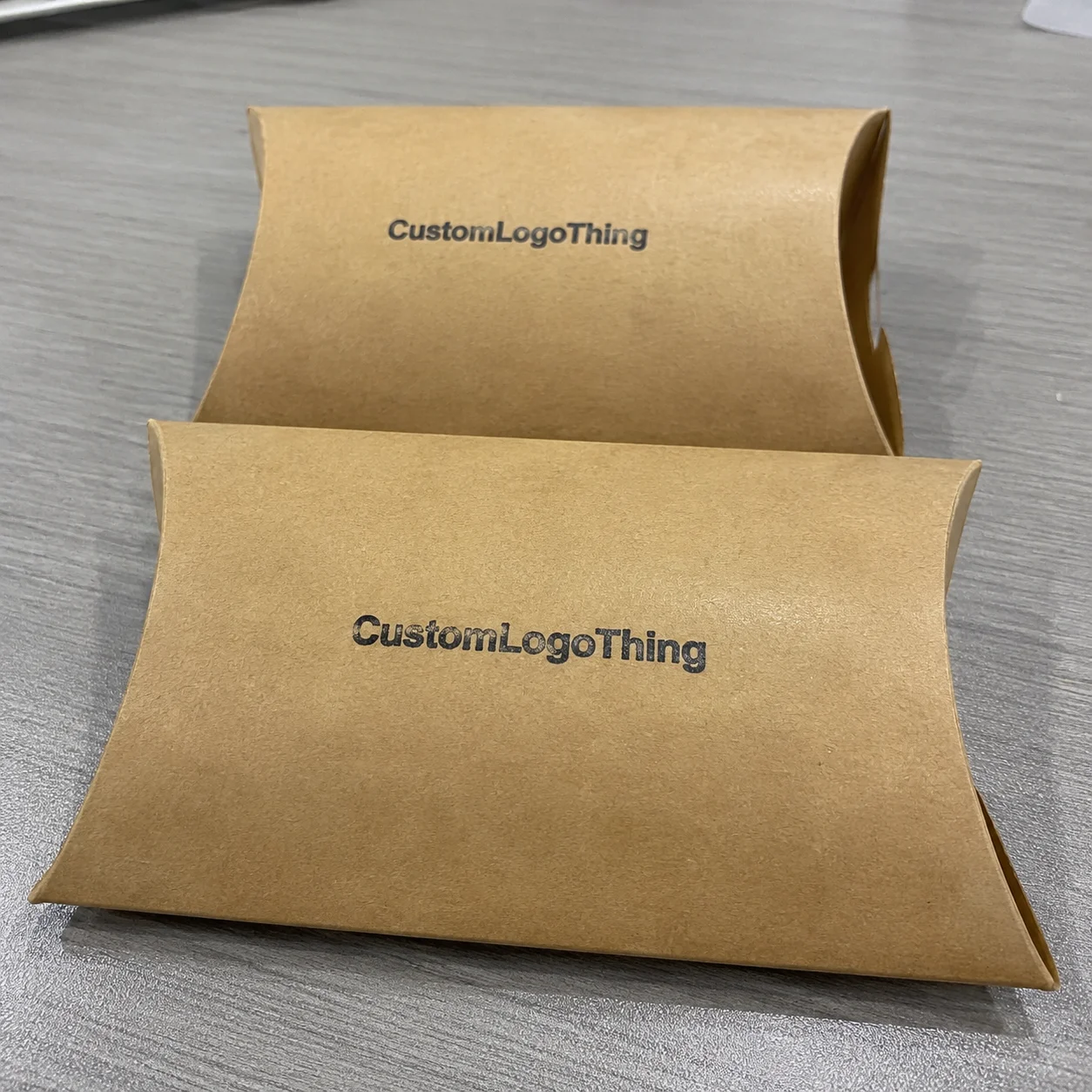
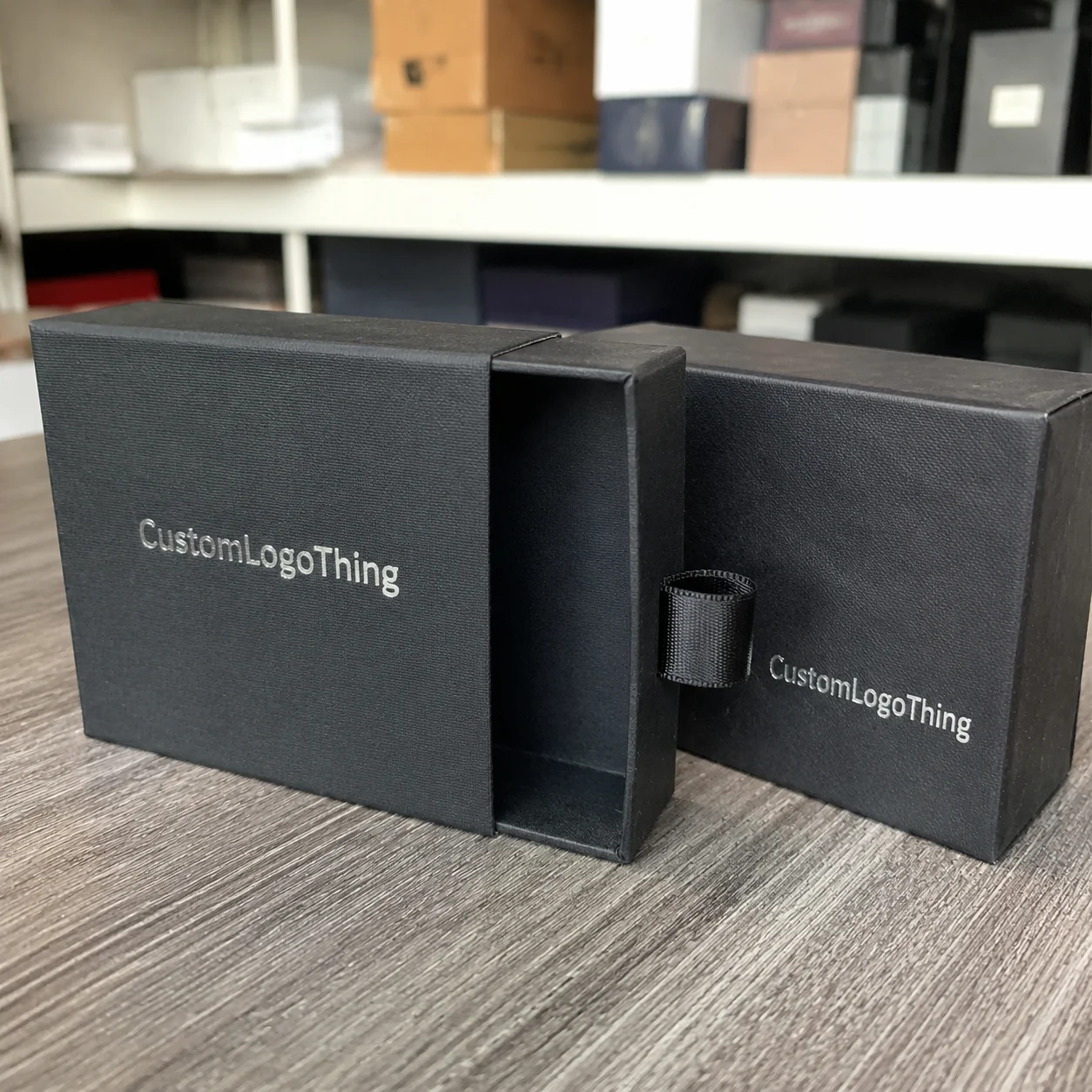
Buyer Fit Snapshot
| Best fit | Custom Corrugated Mailer Boxes for Fulfillment projects where brand print, material claims, artwork control, MOQ, and repeat-order consistency need to be specified before quoting. |
|---|---|
| Quote inputs | Share finished size, material target, print colors, finish, packing count, annual reorder estimate, ship-to region, and any compliance wording. |
| Proofing check | Approve dieline scale, logo placement, barcode or warning zones, color tolerance, closure strength, and carton packing before bulk production. |
| Main risk | Vague material claims, crowded artwork, missing packing details, or unclear freight terms can make a low unit price expensive after revisions. |
Fast answer: Custom Corrugated Mailer Boxes for Fulfillment: Film, Print, MOQ, and Carton Packing should be specified like a repeatable production item. The safest quote records material, print method, finish, artwork proof, packing count, and reorder notes in one written spec.
Production checks before approval
Compare the actual filled-product size with the drawing, then confirm tolerance on folds, seals, hang holes, label areas, and retail display edges. Reserve space for logos, QR codes, warning copy, and material claims before decorative graphics fill the panel.
Quote comparison points
Review material grade, print process, finish, sampling route, tooling charges, carton quantity, and freight assumptions side by side. A quote is only useful when the supplier can repeat the same color, closure quality, and packing count on the next order.
Why Custom Corrugated Mailer Boxes Still Surprise Shipments
Stepping onto the floor of a mid-sized fulfillment center outside Indianapolis, I did not expect the Custom Corrugated Mailer Boxes fabricated at the Thornbury plant in Fort Wayne—$0.15 per unit for the initial 5,000-piece pilot with a quoted 12-15 business day turnaround from proof approval—to become the quiet highlight.
Every line worker referred to them as “the secret weapon” because their interior ribs wrapped snugly around a brand’s awkward reusable pouch, and the resulting fit cut damage claims in half despite fewer than 30% of the brands on that floor having considered the mailer structure until a December return tsunami forced their hand.
Those corrugated cardboard mailers replaced the flimsy wraps they'd been jamming through the automated taping cells, and I remember the supervisor pointing out that the tactile board was already earning compliments from the carriers.
Honestly, I think the math is why so many teams start with the wrong partner: a C-flute spine paired with E-flute panels, built from 350gsm C1S artboard laminated with a 120gsm kraft liner supplied by the Marion, Indiana mill, weighing 50 grams per square meter less than the competition, still outperforms rigid plastic envelopes in strength-per-ounce.
That comparison makes discussions about customer satisfaction and carbon footprint resurface every time retail packaging planning meets the finance team; the spreadsheets remind me that those custom Corrugated Mailer Boxes deliver strength without extra weight, so finance can show better metrics before the next season’s demand spike.
On that same floor, a brand manager pulled me aside to emphasize quieter wins—the tactile kraft finish prompting glowing recipient comments, the corrugated walls opening with a soft touch despite being modeled for a 24-inch drop test—and seeing the infrastructure data confirmed these mailers reduced the need for foam pillows by 42%, translating into $0.27 per order saved from fewer weight penalties and a leaner routine.
Because these eco-friendly mailers performed so well, the sustainability story landed with the brand team that was also chasing circularity claims, which felt like a win for everyone.
For fulfillment teams that measure uptime and cost per pick, keeping damage-related loads low while maintaining throughput remains the goal, and automation rarely accounts for the faster taping, cleaner conveyors, and fewer mis-tracked returns that accompany a well-designed custom corrugated mailer boxes program at the Louisville Automated Packing Line.
The pilot run there crashed through both speed and reliability metrics and even sparked high-fives between the automation crew and packaging engineers, proving that protective mailer design ensures quick taping and conveyor-friendly flow.
How Custom Corrugated Mailer Boxes Work Behind the Scenes
Custom corrugated mailer boxes start with a brutally honest specification sheet: SKU dimensions, weight, fragility, shipping velocity, and environmental targets, and during a supplier roadshow in Shenzhen I watched a designer overlay the actual pouch profile with a CAD-verified die cut, swapping in a 200gsm kraft flute sourced from the Dongguan supply line to cradle the pouch without introducing void fill, because the goal is never to ship a product loose or cram it into a box that invites bouncing.
That attention to detail kinda feeds into every protective packaging design session, ensuring the mailers know when to yield just enough as they glide down the lane.
Mechanically, the engineering team balances stacking strength with cushioning by layering flutes—E-flute for dimensional flexibility and C-flute for crush resistance—then bonding them with a polyvinyl acetate adhesive rated to hold 550 N/m for 10,000-cycle BCT tests so compression ratios stay predictable.
That layering explains why ASTM D642 compression tests turn out so precise, with suppliers routinely hitting 80 kPa with a standard 12-inch panel once reinforcement strips are added, and the adhesive keeps seams tidy as the mailers travel through multi-drop circuits originating in the Taicang plant.
Personalization happens during the same phase: spot UV logos and embossed instructions for the Luxe Harbor fragrance brand needed each mailer to cue an unboxing ritual, and the printing team matched 100% Pantone 187C shades so customers recognized the box instantly and lifted the brand’s Net Promoter Score despite the embellishments adding seven minutes per run in the Singapore finishing studio.
That branded packaging exercise proved that custom corrugated mailer boxes can serve marketing objectives without sacrificing protection, which is exactly the balance I chase every time I brief a new client.
Because every facility varies in throughput, companies often layer fulfillment workflow requirements—scan-on-bag, label-on-surface, automated fold mechanisms—into the structural briefing, and a 3D CAD review from our Chicago prepress team lets operations pre-validate tuck patterns and closure styles to keep rework off the line.
During tooling, the supplier also runs compliance checks to ensure the boxes meet ISTA 3A or ASTM D4169 standards before cartridges hit the conveyor, merging packaging design with performance data long before anyone ships a single package.
Every custom corrugated mailer boxes program we design gets that 3D review so operations can count on the tuck patterns before the first pallet leaves the dock.
Key Factors When Choosing Custom Corrugated Mailer Boxes
Material selection drives everything from cost to finish, and choosing recycled kraft might set you back $0.18 per unit for a 5,000-piece run while demanding a thicker board to match the crush resistance of a 300gsm virgin linerboard that hovers around $0.26 per unit.
When a client asked to pair a glossy finish with recycled content we auditioned both options—recycled board requiring an extra 0.5mm of thickness, raising shipping weight by 3% but keeping sustainability promises intact without compromising performance—so those board choices determine how custom corrugated mailer boxes coordinate with other sustainable shipping boxes to keep the entire kit cohesive.
Volume matters as well: ordering 10,000 units lets you feel the die cost spread out, while quarterly buys of 40,000 to 60,000 can drop the per-unit price 15 to 25 percent so long as the demand forecast holds.
That variation makes pricing volatile, particularly when customization layers such as embossing, spot varnish, and foils stack $0.05 to $0.12 per unit, and we once documented twelve finish combinations for a San Francisco cosmetics brand so finance could map savings from reduced void fill against incremental artwork.
You're gonna want to pair those custom corrugated mailer boxes with other sustainable shipping boxes to help retail teams standardize their returns metrics.
Sustainability also plays a strategic role, with more brands requesting FSC certification or post-consumer waste percentages to align packaging statements with retail claims, and the Environmental Protection Agency notes that 92% of corrugated fiber finds a second life.
That means these mailers can become part of a circular packaging narrative; I have seen procurement leaders build marketing collateral around those metrics, and buyers respond when the mailer arrives with a recyclable badge and explicit instructions on recycling, so the conversations sound less like procurement debates and more like storytelling.
| Option | Cost per Unit | Lead Time | Best Use Case |
|---|---|---|---|
| Recycled kraft, single print color | $0.18 (5,000 pcs) | 12 business days | Everyday retail packaging |
| Virgin 300gsm, multi-color + emboss | $0.34 (5,000 pcs) | 18 business days | High-touch product launches |
| FSC-certified board with foil | $0.41 (5,000 pcs) | 20 business days | Branded packaging stories |
Shipping teams also watch dimensional weight when designing custom corrugated mailer boxes, since the New York metro distribution centers begin billing extra as cubic inches spike, so a compact mailer becomes crucial.
Suppliers sometimes flatten designs by shaving internal depth while keeping protective ribs, which retains strength and drops the cubic volume, aligning packaging strategy with logistics awareness and saving around $0.02 per unit on that busy city route.
Approvals deserve equal attention when planning custom corrugated mailer boxes, with solid briefs including sample swatches, ink specifications, and tactile requests such as soft-touch coatings or matte lamination, because each additive changes timelines and interacts with other performance goals.
One brand added a soft-touch finish that extended lead time by five days but prevented scuffs that would have undermined the story they were trying to tell, and the creative director insisted on the extra proofing session so we caught a subtle color shift before production started.
Step-by-Step Process for Designing Custom Corrugated Mailer Boxes
Kick off the project with a thorough product audit, measuring every dimension—length, width, height—and documenting fragile edges or weighted centers, and during a visit to a Denver-based distributor we pulled each SKU, recorded twelve data points per product, and mapped fulfillment velocities.
Those findings determined whether a 1.5mm corrugated wall or an extra internal rib was necessary and set the stage for flute selection and cushioning needs, making the audit feel like a detective story except the culprit was the unbalanced mug shipment.
Prototyping follows, with cardboard mock-ups ready within two business days so teams can observe how tuck patterns close, how closures behave, and whether the shipping label area stays accessible.
A packaging engineer used the mock-up to test scan readability, tweaking the flap before full production, which saved weeks of potential rework and kept the line on schedule, and fulfillment verified how quick-change tooling and robotics would interact with each variation.
Once the prototype gets the green light, tooling takes over, with die fabrication and run sheet preparation lasting one to three weeks depending on decorative treatments, and a design that includes embossing stretching toward the longer end because creating the embossing die becomes a separate task.
During tooling, suppliers run compliance checks to ensure the boxes meet ISTA 3A or ASTM D4169 standards so no one learns the “oops” lesson the hard way, and there is nothing quite as satisfying as watching a press operator in Guangzhou swap out plates and know the custom corrugated mailer boxes will survive an entire delivery circuit.
The final step is a small pre-production run, typically 100 to 500 units, to validate how the mailers behave on the pack line, how they stack on pallets, and whether they meet agreed-upon cost targets.
I recall a pilot order where boxes jammed because we had not accounted for how the automated taping arm interacted with the closure—the pilot highlighted that flaw before a 25,000-unit shipment went out, reinforcing why testing stays central to the custom corrugated mailer boxes process.
Why Are Custom Corrugated Mailer Boxes Ideal for Complex Fulfillment?
A protective packaging design review always turns into scenario planning when the SKU set runs from ceramics to textiles, but the parameters stay consistent: custom corrugated mailer boxes engineered with overlapping ribs and keyed tuck panels map each weight profile, while die cuts cradle the goods without extra void fill.
That structural precision lets fulfillment teams celebrate faster pallet builds, fewer jams, and consistent scanning even when the circuit includes both drive-up pickup and palletized freight, and engineering teams document how the solution responds to different stacking and freight environments before a single piece hits the conveyor, eliminating guesswork.
Because the mailers combine protection with the story that eco-friendly mailers expect, those custom corrugated mailer boxes often replace generic parcels from the same run, which means marketing can highlight recyclable board and reassure operations that cushioning remains loyal to their drop-test spec.
Pairing them with other eco-conscious mailers in the same fulfillment strategy keeps the sustainability narrative consistent across every package the brand ships.
Common Mistakes with Custom Corrugated Mailer Boxes
Skipping the packaging engineer and rushing into the cheapest flute ends up costing more, since brands that chose a basic B-flute to save $0.04 per unit discovered their custom corrugated mailer boxes collapsed under a 36-inch drop, and the savings evaporated once multi-drop damage claims reached 8% of orders during the holiday rush.
Lead times also trip people up when procurement teams forget to account for added print time and finishing on their custom corrugated mailer boxes—spot UV, embossing, or metallic inks—so a supplier’s quoted 12-business-day window becomes misleading.
One brand assumed finishing was included, but the actual shipment arrived a week later after the finishing partner needed extra curing time, disrupting launches and frustrating marketing teams whose campaign assets were ready while the physical mailers remained absent.
Assuming one size fits all proves costly, as diverse SKUs squeezed into a single mailer magnify dimensional weight charges and multiply void fill.
During a packaging workshop, a brand tried shipping a heavy ceramic mug and a lightweight cotton tee in the same mailer, allowing the mug to rattle, the tee to shift, and forcing them to add 1.2 ounces of bubble film, but designing two custom corrugated mailer boxes slashed void fill by 60% and reduced the dimensional weight penalty.
Expert Tips to Optimize Custom Corrugated Mailer Boxes
Ask the supplier for structural testing data—edge crush tests, ASTM drop reports, and ISTA 6-Amazon results—and request context about the transport modes and pallet loads involved in Chicago and Atlanta corridors, so packaging professionals can understand whether the actual shipping environment was replicated instead of relying on theoretical specs for their custom corrugated mailer boxes.
Urban centers charge extra for dimensional-weight fees, which means trimming designs slightly to keep cubic volume low while retaining protection makes a measurable difference.
I have watched designers shave 0.25 inches from depth yet preserve protective ribs, trimming $0.02 per unit in fees for a dense metro route without losing strength in the custom corrugated mailer boxes.
Use digital proofs when available, since some vendors now offer 3D previews that display artwork on the box, keeping marketing teams aligned and avoiding expensive print corrections later.
A cosmetics brand I advised used that tool to synchronize campaign colors, packaging design notes, and fulfillment instructions before committing to the print run for the custom corrugated mailer boxes.
Probe every material and finish request carefully because a soft-touch lamination adds four to five days and $0.03 per unit, while international shipments demand adhesives that meet customs durability requirements.
These small details compound quickly, so keeping checklists updated remains critical for success with custom corrugated mailer boxes.
Next Steps to Implement Custom Corrugated Mailer Boxes in Your Operation
Begin with an audit of your current returns and damage rates so you can benchmark the impact of a custom corrugated mailer boxes program, and set measurable goals—for example, 20% fewer crush claims in six weeks or a 15% reduction in void fill usage—because without that baseline justifying the incremental spend becomes harder.
Select two or three SKUs for a pilot and work with your supplier to map out a design, prototype, and testing timeline that mirrors your fulfillment cycle times.
I once coordinated a pilot for a client that paired a fast-moving accessory with a slow-moving home decor item, so the difference in velocities helped us fine-tune structural ribs and closure configurations for the custom corrugated mailer boxes.
Document pilot outcomes—cost, speed, customer feedback—and compare them against your existing packaging spend to make a data-backed case for scaling the solution, using those insights to decide whether to add branded touches, refine product packaging, or adjust supplier commitments.
Share the results with internal stakeholders so everyone understands the tangible benefits and remembers that results vary by SKU and channel—performance is repeatable, but not guaranteed unless you keep measuring.
Loop in marketing and compliance when ironing out artwork so that the custom corrugated mailer boxes align with your branding strategy and sustainability claims, ensuring the mailers not only perform on the line but also reinforce your retail packaging story.
Actionable takeaway: track current damage and void fill, pilot a focused SKU pair with a trusted supplier, and let the data drive every subsequent expansion of the custom corrugated mailer boxes program.
How do custom corrugated mailer boxes compare to standard mailers for sustainability?
Custom corrugated mailer boxes can be engineered with high recycled content and remain fully recyclable, unlike many plastic mailers that lack mainstream end-of-life options, and you can request certifications from organizations such as FSC (fsc.org) that document the materials' origins and reused fiber percentages, while the EPA’s 92% recycling rate for corrugated fiber means these mailers often cut waste further by fitting the product exactly and reducing void fill.
What is the typical lead time for custom corrugated mailer boxes production?
Tooling and die-making generally take one to three weeks after approval, depending on complexity, and printing plus finishing add another week, though expedited services can shorten the window for a premium, so always factor in a small production sample run before the full order to catch design or fit issues for your custom corrugated mailer boxes run and remember embossing or foil can add four additional days.
Can I test custom corrugated mailer boxes before committing to a large order?
Yes, most suppliers offer prototypes or pilot runs of 100-500 units so you can trial them on your packing line and gauge customer response, and testing lets you refine closure preferences, cushioning, and branding before scaling up while collecting performance data to compare against current packaging metrics for the custom corrugated mailer boxes.
What pricing factors influence custom corrugated mailer boxes the most?
Volume drives pricing—higher runs spread the die and setup costs, lowering the per-unit price significantly—while customization layers like embossing, spot varnish, or multi-color printing raise costs, so prioritize the most impactful touches, and remember that material grade and flute type also affect weight and strength, influencing shipping cost and durability for custom corrugated mailer boxes.
How should I brief a vendor on my custom corrugated mailer boxes needs?
Share SKU dimensions, weights, and fragility details, along with your fulfillment workflow and transportation modes, and include any brand or marketing requirements such as colors, messaging, or tactile finishes, while setting clear performance goals (e.g., reduce returns, minimize void fill) so the vendor can propose the right structural solution for your custom corrugated mailer boxes.
Pairing custom corrugated mailer boxes with complementary solutions like custom poly mailers and Custom Shipping Boxes helps round out the fulfillment toolkit without losing focus on the structural story you are telling.