Custom Cycling Name stickers help prevent mix-ups when bikes, bottles, helmets, pumps, and tool cases are used together in clubs, camps, events, shops, or family fleets. The product is simple, but performance is not. Cycling gear sees sweat, rain, UV, degreaser, bottle washing, and constant handling, so buyers should focus less on novelty and more on durability, readability, and fit.
For brands already using printed identification, these stickers can also align with Custom Packaging Products and Custom Labels & Tags so names, colors, and item coding stay consistent across packaging and gear.
Why custom cycling name stickers matter on real gear
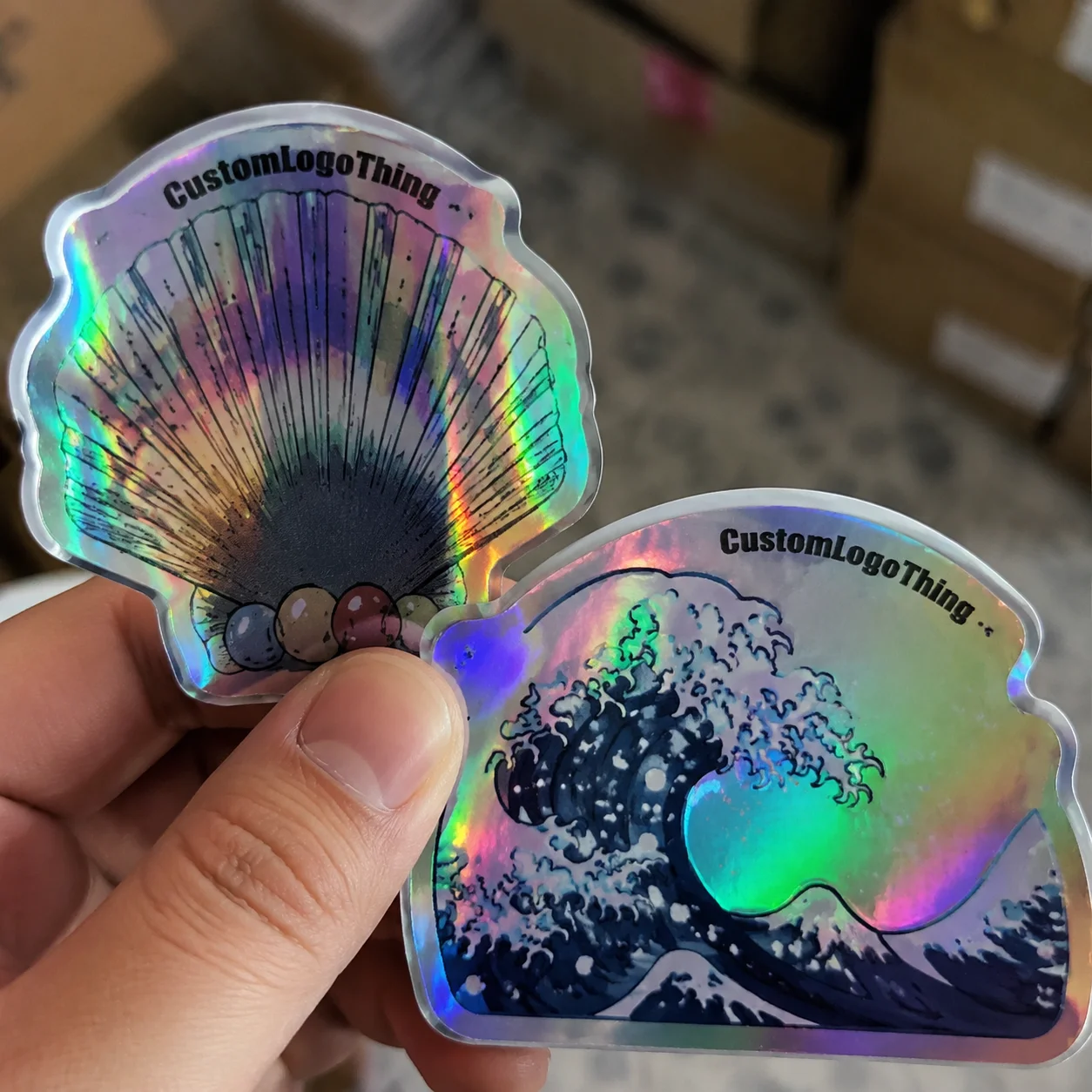
The main value is practical: faster identification and fewer lost or swapped items. That matters once several similar bikes or accessories are in the same place. A readable name on a frame, bottle, or helmet saves time during loading, repairs, handoff, and cleanup.
They are especially useful for:
- Kids’ bikes in schools, camps, and family fleets
- Club and team gear that needs rider identification
- Event kits for helmets, bottles, and support equipment
- Bike shops using demo bikes, service accessories, and storage bins
- Personal gear such as pumps, chargers, lights, and tool cases
Buyers usually do best with restrained designs. A name sticker does not need to dominate the bike. It needs clear contrast, sensible size, and materials suited to outdoor handling.
How custom cycling name stickers work on bikes and accessories
Most custom cycling name stickers use a simple construction: face film, printed text or graphics, pressure-sensitive adhesive, release liner, and often a protective laminate. For cycling use, outdoor vinyl is the standard starting point because paper labels fail too quickly in moisture and abrasion.
Finish affects both appearance and usability. Matte reduces glare and usually reads better on bottles, helmets, and frame tubes. Gloss gives stronger color but can reflect heavily in direct sun. Clear vinyl looks subtle on painted surfaces, while reflective film can add visibility for commuter use at a higher cost.
Surface fit matters more than artwork
Frames, powder-coated tools, molded helmets, insulated bottles, and hard cases all behave differently. Flat panels are forgiving; tight curves and textured shells are not. Long narrow strips often suit top tubes and down tubes, while smaller decals with rounded corners usually hold better on helmets.
Oversizing is a common mistake. If a label spans too much curvature, it bridges instead of conforming, creating tension that leads to edge lift. Once corners lift, dirt collects and the label quickly looks worn.
Application is simple but important. The surface should be clean, dry, and free of wax, silicone, polish, or chain-lube residue. Press from the center outward, then give the adhesive time to build bond. Many products perform much better after 24 to 48 hours than they do immediately after application.
“The stickers that last are usually the ones sized for the surface, printed on the right stock, and applied to clean gear with enough time for the adhesive to settle.”
Material, finish, and adhesion factors that decide performance
Material choice drives most of the result. Outdoor vinyl is standard because it handles water, UV, and routine abrasion better than indoor stock. Calendared vinyl is common for smooth surfaces and moderate use. Cast film is more flexible for demanding curves, but it often costs more than a basic name-label job requires.
Adhesive choice is equally important. Permanent adhesive is usually best for personal bikes, long-term club gear, and labels that need to survive repeated washing. Removable adhesive works better for rentals, demo bikes, seasonal programs, or youth fleets where names change often. Buyers should still ask about expected residue and removal behavior, because surface coating, age, heat, and cleaner exposure all matter.
Lamination adds abrasion resistance and helps protect print from scuffing, sunscreen, frequent wiping, and mild chemical exposure. It adds cost, but on regularly handled gear it is often worth it.
Typical stress points include:
- UV exposure from outdoor riding and storage
- Frequent washing with soap, bike cleaner, or alcohol wipes
- Workshop contact with grease, tools, and repair stands
- Curved helmet shells that place tension on edges
- Friction zones near gloves, straps, bottle cages, or bags
Readability also affects value. Decorative scripts and thin fonts often fail on dark paint, dusty bottles, or small labels. Medium-weight lettering and strong contrast usually work better. If a set includes many different names, check the longest names first because they expose spacing and size problems.
| Option | Best for | Typical tradeoff |
|---|---|---|
| Matte outdoor vinyl | Low glare and easy readability | Less shine |
| Gloss vinyl | Brighter color and visual pop | More reflection in direct sun |
| Reflective vinyl | Added visibility on commuter bikes and helmets | Higher cost and fewer stock choices |
| Removable adhesive | Rental, demo, and short-term rider assignment | Lighter bond in some conditions |
| Permanent adhesive | Private bikes and long-term identification | More cleanup during removal |
For buyers comparing materials across a larger print program, broad references from The Packaging School / Packaging Association and the EPA can help with general material handling and environmental considerations.
Pricing, MOQ, and unit cost for custom cycling name stickers
Price depends on size, quantity, number of unique names, material, laminate, cut style, packing format, and adhesive choice. Without those details, a quote is only a rough estimate.
For standard outdoor vinyl at moderate volume, many orders land around $0.18 to $0.45 per sticker. Small runs cost more because setup, proofing, and cutting are spread across fewer pieces. Reflective stock, Custom Die Cuts, numbering, multiple data versions, or heavier laminates increase the price. Sheeted sets and individually cut singles can also price differently.
MOQ matters beyond cost. Low minimums help with test runs or one-off rider sets, but unit pricing is usually less attractive. Clubs, camps, and race organizers often save by batching all names into one run instead of placing frequent small reorders.
When comparing quotes, ask how pricing is structured:
- By sheet when multiple names can be nested efficiently
- By rider set when each person receives a standard group of labels
- By total piece count for easier supplier comparison
Also ask what is not included. Extra charges often appear for custom cut lines, added proof rounds, data cleanup, split shipping, or sorting names into separate packs. These are normal charges, but they should be visible before approval.
If the project also includes service tags, event decals, retail inserts, or boxes, grouping those items in one planning cycle can reduce duplicated setup work.
Production process, proofing, and turnaround timing
The typical process is artwork submission, proofing, approval, print, cut, finish, and packing. Schedule risk usually comes from file quality, version control, and the condition of the name list rather than from the printing itself.
A straightforward digital run on standard outdoor vinyl can often ship in about 7 to 12 business days after proof approval. Larger volumes, reflective films, specialty laminates, custom shapes, and jobs with many variable names usually take longer. If the job ties to an event date, build in a buffer for proof edits and shipping delays.
Common causes of delay include:
- Misspelled names, duplicates, or inconsistent capitalization
- Low-resolution artwork
- Missing dimensions or unclear placement requirements
- Color expectations without a reference standard
- Edits requested after proof approval
Proof review is where mistakes are cheapest to fix. Check every name, size, cut line, and finish note. If the label is meant for a narrow tube or curved helmet section, confirm that the shape matches the real surface rather than just looking balanced on screen.
For variable-name orders, submit one clean spreadsheet with locked spelling and capitalization. This basic step prevents a large share of avoidable rework.
Common mistakes when ordering custom cycling name stickers
One common mistake is choosing type for style rather than readability. Thin scripts and decorative fonts may look polished in a mockup but become hard to read on a dusty bottle or dark frame.
Another is choosing indoor-grade stock to save money. That saving disappears quickly once the label faces washing, heat, UV, or friction.
Other frequent issues include:
- Ignoring curvature and ordering shapes that cannot sit flat
- Approving proofs too quickly and missing spelling or size errors
- Skipping UV and laminate questions for heavily used gear
- Placing labels where gloves, straps, knees, or bottle cages constantly rub
Sizing is another weak point. Buyers often estimate width by character count alone, but letterforms vary. A short surname in a narrow font can need more room than a longer name in a bolder face. Mixed case often reads better than all caps on small labels.
Chemical exposure should also be considered early. Bike wash, citrus degreasers, alcohol wipes, and adhesive removers can affect ink, laminate, or bond strength over time, especially in workshop conditions.
Expert tips for better fit, durability, and reuse
Testing a sample on the real surface is one of the cheapest ways to avoid trouble. A single sample can reveal glare, poor scale, edge lift, or surface incompatibility before the full run is produced.
Prep matters. Clean the area with isopropyl alcohol, let it dry fully, and avoid oily cleaners that leave residue behind. If the gear has been polished or treated with protectant, clean it again before application.
Placement rules that prevent trouble
Keep labels away from seams, vent edges, high-flex zones, and heavy contact points. On bikes, avoid cable rub areas, bottle cage edges, and spots where frame bags or straps drag. On helmets, smooth shell panels usually work better than vent borders or sharply compound curves.
Rounded corners are usually safer than square corners, and smaller decals generally survive curves better than oversized name bars. For multi-bike programs, standardizing placement and type size makes replacement ordering easier.
If reassignment is likely, plan for removal early. Removable adhesive is the better starting point for temporary use, but actual removal still depends on age, heat, sun exposure, and the finish under the label. Matte paints, soft-touch coatings, and delicate clear coats deserve extra caution.
If the project includes boxes, tags, race packets, or inserts, align the same color and type system across the full printed set. For broader reference, some buyers also look to ISTA for distribution testing concepts and FSC for sourcing awareness when the order extends into larger print programs.
Next steps for ordering custom cycling name stickers that last
Start with the real surface, not the mockup. Measure the frame tube, bottle panel, helmet section, toolbox face, or case lid before requesting pricing. Many label problems begin with guessed dimensions.
Then define the use case clearly: personal bike, youth camp fleet, demo program, or seasonal event kit. That choice determines adhesive, finish, and expected lifespan more than cosmetic preferences do.
Before ordering, gather the basics: quantity, name list, exact dimensions, surface type, finish preference, and deadline. Confirm whether the material is outdoor-rated, whether laminate is included, and whether the adhesive is permanent or removable.
A short checklist keeps the order practical:
- Measure the placement area carefully
- Confirm surface material and curvature
- Choose adhesive strength based on lifespan
- Review every proof for spelling, size, and cut accuracy
- Approve only after the practical details match the use case
Custom cycling name stickers are easy to buy badly. Good material, realistic sizing, the right adhesive, and disciplined proofing prevent most peeling, unreadable names, and avoidable reorders.
What are custom cycling name stickers used for on bikes and gear?
They identify bikes, helmets, bottles, pumps, tool cases, storage bins, and other accessories so gear does not get mixed up. Shops, clubs, camps, and event organizers also use them to keep shared equipment sorted.
How long do custom cycling name stickers usually last outdoors?
Outdoor-rated vinyl with a suitable laminate can last well under normal riding and storage conditions. Actual lifespan depends on UV exposure, washing frequency, chemical contact, abrasion, and whether the label is applied to a flat or highly curved surface.
What size works best for custom cycling name stickers?
The right size depends on the placement area and viewing distance. Bottles and helmets usually need smaller labels, while frame tubes can take longer name strips. Surface curvature matters as much as name length.
Are custom cycling name stickers waterproof and sweat-resistant?
Yes, if they are made from outdoor vinyl with an appropriate adhesive and, in many cases, a protective laminate. Low-grade indoor labels are much more likely to fail early.
Can I remove custom cycling name stickers without damaging the surface?
Often, yes, but the result depends on the adhesive, the age of the label, and the surface finish underneath. Removable adhesive is safer for temporary use. Permanent adhesive may leave residue and often needs heat or cleaner for easier removal, so testing a small area first is wise.
If the goal is to order custom cycling name stickers that hold up in real use, the priorities are simple: outdoor material, a shape that matches the surface, an adhesive suited to the lifespan, and careful proof approval.


