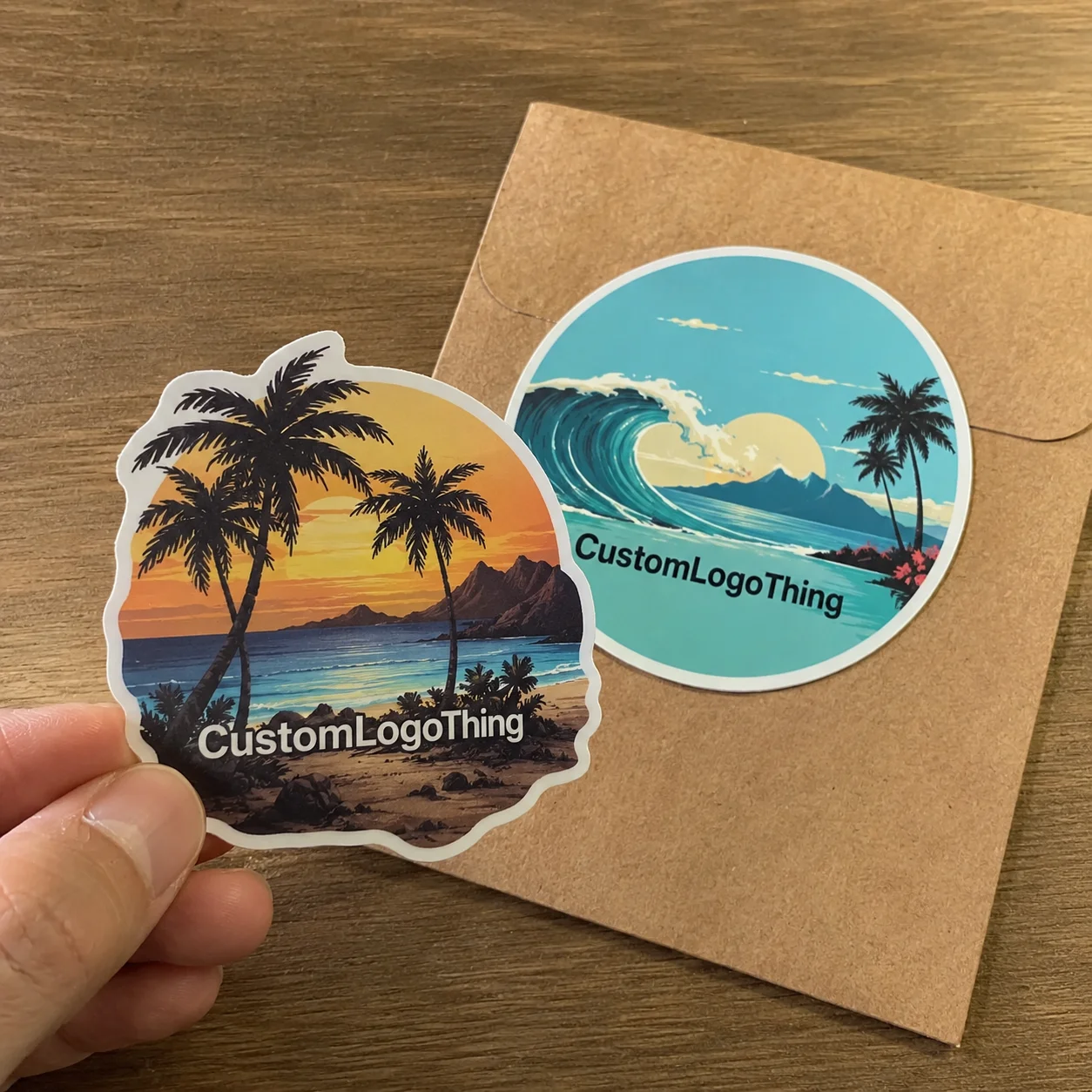
Most business doors get more eyeballs than posters, menus, counter cards, and half the retail packaging brands spend weeks fussing over. Yet plenty of companies still treat doors like blank drywall. Custom door stickers solve a specific problem: they show hours, direct pickup traffic, promote QR codes, label rooms, reinforce branding, and tell people what to do before they touch the handle.
Simple product. Real consequences.
A good door decal looks intentional and survives traffic, cleaning, sunlight, and daily abuse. A bad one curls at the edge, fades into the glass, blocks visibility, or announces that someone ordered the cheapest sticker possible. Charming, if the brand position is “temporary lemonade stand.”
Custom Door Stickers Are Tiny Signs With Real Jobs
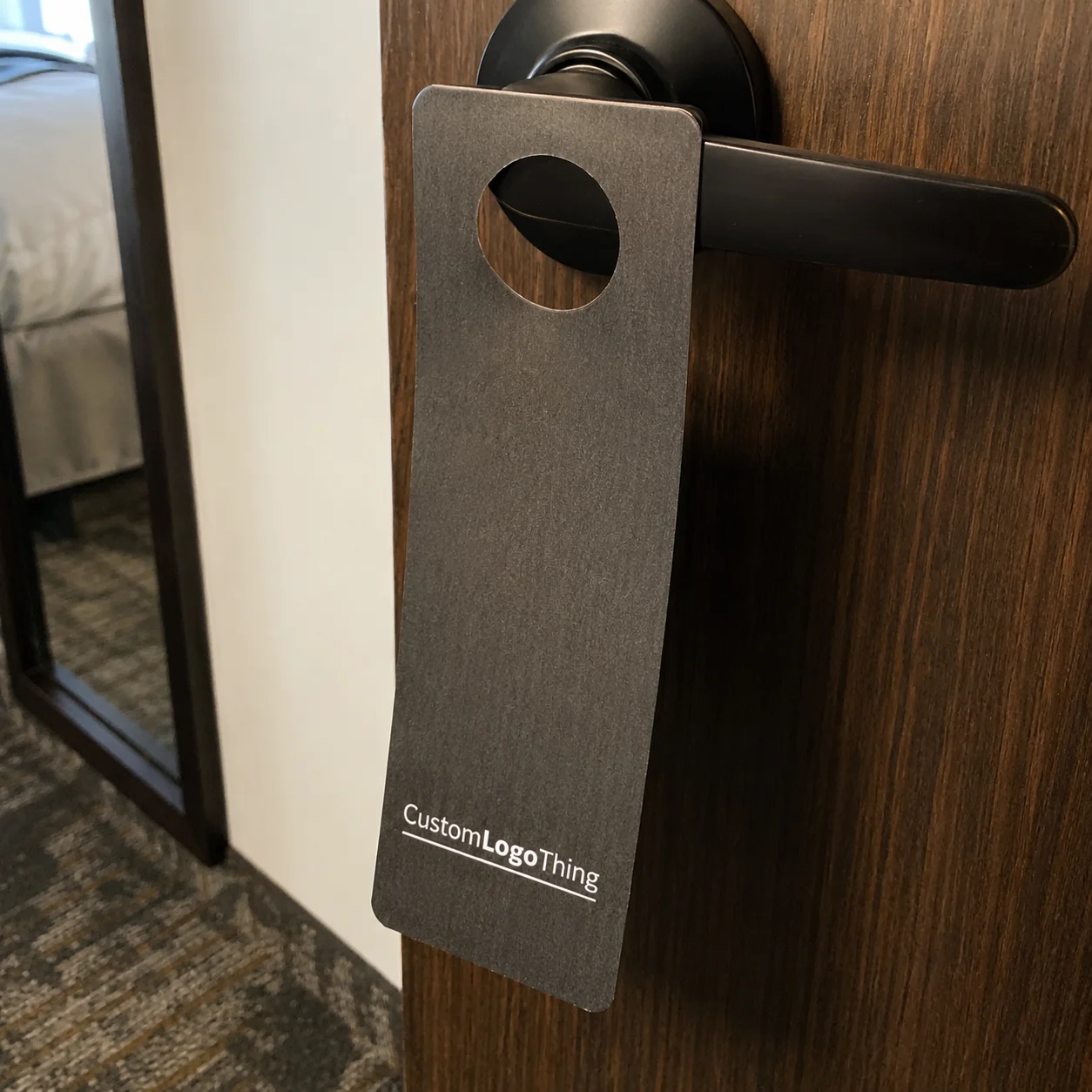
Door stickers are adhesive printed graphics made for surfaces such as glass, painted metal, finished wood, laminate, acrylic, and some smooth plastics. They are not one product with several names. A decorative decal for a salon suite has different demands than an exterior hours sign on a glass storefront facing afternoon sun.
The clean breakdown looks like this. Decorative stickers add branding, patterns, names, or visual style. Business door decals show hours, logos, QR codes, entry instructions, pickup zones, or suite numbers. Compliance labels can include safety notices, occupancy information, emergency instructions, or legally required marks. Promotional door graphics cover short-term campaigns for sales, events, seasonal messages, product launches, and retail announcements.
The use cases are usually practical rather than glamorous. Retail storefront hours. Restaurant pickup instructions. Office suite branding. Salon room labels. Restroom signs. Apartment leasing messages. Event wayfinding. School entry notices. Gym membership promos. Clinic door instructions. These small graphics reduce friction. People should not have to guess which door to use or scan a whole entryway for a paper sign taped crookedly to the glass.
From a packaging buyer’s point of view, door stickers sit in the same family as branded packaging and point-of-sale graphics. They shape the customer’s first impression before the box, bag, counter display, or product packaging gets seen. The specs need to match the job. The wrong adhesive, finish, size, or placement can create a very visible mess.
Practical rule: treat a door decal like a small sign, not a throwaway sticker. Doors move, get touched, get cleaned, get hit by bags, and sit in changing light all day.
How Door Decals Work on Glass, Metal, and Wood
A printed door decal usually has five parts: a face film, an ink layer, an adhesive backing, a release liner, and sometimes a protective laminate. The face film is the printable material, often vinyl. The ink carries the artwork. The adhesive determines how firmly the graphic bonds to the surface. The release liner keeps the adhesive clean before installation. Laminate adds protection against scratches, weather, cleaning, and UV exposure.
Glass is smooth, which makes it friendly for adhesion, but it exposes bubbles, dust, crooked placement, and weak contrast. Clear glass also changes visually throughout the day. A white logo may look sharp against a dark interior at 9 a.m. and nearly disappear against daylight glare at noon. That is why white ink, opaque backing, frosted film, or a stronger contrast plan can matter.
Painted metal doors usually bond well if the paint is cured, clean, and not chalky. Powder-coated metal can be trickier because some coatings have low surface energy, meaning adhesives do not grip as eagerly. Textured wood is less forgiving. Adhesives hate dust, oil, grain, uneven coating, and mystery residue from old cleaners. Shocking, I know.
Indoor doors usually need less aggressive materials unless they are high-touch, cleaned often, or placed in busy public areas. Outdoor doors deal with UV exposure, rain, humidity, heat, freezing temperatures, cleaning chemicals, and people scraping keys, bags, carts, and strollers across the surface. For exterior use, ask for outdoor-rated vinyl and a laminate. Not always. Often enough that skipping the question is careless.
Adhesive choice matters. Removable adhesive is best for short campaigns, seasonal promos, leasing messages, and temporary events. Permanent adhesive suits long-term business hours, suite signage, and brand marks that should stay up for years. Low-tack adhesive can work for short-term glass displays. Static cling is glass-only and easy to remove, but it is not the right answer for wood, metal, acrylic, textured paint, or laminate.
Print options include full-color digital printing, spot-color style production for simple logos, white ink on clear materials, reverse printing for inside-glass application, and matte or gloss laminate. Reverse printing is useful when the graphic mounts inside the glass but reads from outside. That protects the print from weather and hands, but the artwork must be mirrored correctly. Proof that detail. Twice.
Key Specs That Decide Whether Your Door Graphics Last
Material choice is the first real fork in the road. White vinyl gives bold coverage and reliable color because the print sits on an opaque base. Clear vinyl looks cleaner on glass but needs white ink behind many colors or the design can look weak. Perforated window film allows one-way visibility and works for larger glass panels. Frosted film gives privacy and a premium etched-glass look. Removable vinyl is best for temporary promos where clean removal matters more than maximum lifespan.
| Material Option | Best Use | Typical Lifespan | Buyer Watchout |
|---|---|---|---|
| White vinyl | Logos, hours, opaque door signs | 1-5 years depending on exposure | Can look blocky on glass if the shape is not designed well |
| Clear vinyl with white ink | Glass branding, clean storefront decals | 1-4 years with proper ink and laminate | Costs more than white vinyl and needs correct artwork layers |
| Frosted film | Privacy panels, office doors, clinics | 3-7 years indoors, shorter outdoors | Fine details can be harder to weed and install |
| Perforated window film | Large glass door promotions | 6-24 months in many exterior uses | Visibility and local rules must be checked before ordering |
| Removable vinyl | Seasonal promos, temporary notices | Weeks to 12 months in typical use | Removal gets harder after heat, sun, and long dwell time |
Size affects readability more than buyers expect. A sticker that looks massive on a laptop mockup can disappear on a full-size commercial door. Small labels and suite numbers often work around 4-8 inches wide. Logos on storefronts and office doors commonly fall around 12-24 inches wide. Larger panels can work for promotional graphics or wayfinding, but they need to respect handles, push bars, frames, sightlines, and visibility requirements.
Finish is not just taste. Gloss looks bright and can make colors pop, but it reflects overhead lights and sunlight. Matte reduces glare, photographs better, and often feels more premium. Laminate adds cost, often around 15-35% depending on size and supplier setup, but it protects the ink from scratches, cleaning, weather, and everyday rubbing. For exterior doors or high-touch interior doors, skipping laminate is usually false economy.
Color and contrast deserve more attention. Dark doors need light graphics. Clear glass needs enough contrast to stay visible against indoor shadows and outdoor daylight. White ink matters on clear decals because CMYK ink alone is translucent. Designers forget this constantly. Then the logo arrives looking like a ghost. Not a brand moment.
Safety and compliance also matter. Do not block required visibility on glass doors. Do not cover emergency exit labels, fire safety notices, ADA signage, landlord-required storefront marks, or building management rules. If a door is part of an exit path, ask before placing a large graphic over it. The International Sign Association and code consultants can be useful for signage questions, while material handling and transport standards from groups like ISTA are useful if the order includes bulk shipping to multiple locations.
Pricing, MOQ, and Unit Cost: What Changes the Quote
The biggest price drivers are size, material, quantity, number of designs, laminate, cut shape, white ink, outdoor rating, proofing complexity, packing method, and rush production. A rectangle on white vinyl costs less than a contour-cut clear decal with white ink and laminate. Machines are talented. They are not charitable.
For simple small decals, pricing at volume can land in the $0.75-$2.50 per piece range for basic indoor vinyl, depending on size and order quantity. Medium storefront decals often fall around $3-$12 per piece. Larger laminated outdoor graphics can run $15-$60+ each, especially with specialty film, white ink, die-cutting, or low quantities. Very large panels, multi-location kits, or specialty window films can go higher.
Minimum order quantity is not just supplier stubbornness. Setup labor exists whether you order 25 pieces or 250 pieces. Files get reviewed. Proofs get made. Material gets loaded. Color gets checked. Cutting gets set. Packing still happens. That is why a tiny run can feel expensive per unit. Machines do not care about your vibes.
Smart cost-saving moves are boring and effective. Standardize sizes across locations. Combine several designs into one order. Avoid unnecessary contour cuts. Use white vinyl instead of clear vinyl with white ink if the design allows it. Order extras for replacement. If you already buy Custom Labels & Tags or other printed pieces, ask whether the supplier can gang compatible materials together or quote all graphics in one production batch.
Paying more makes sense for exterior doors, heavy cleaning, premium storefronts, multi-location rollouts, and long-term signage. Better film and laminate can prevent edge lift, fading, and scuffing. If a door graphic sits at the front of a retail location, it is part of packaging in the broader brand system: the same customer who sees your printed boxes or shopping bags sees that door first. Cheap-looking entry signage undercuts the whole chain.
Process and Timeline From Artwork to Installed Door Decal
A clean order follows a clean process: choose the use case, measure the door, pick the material, prepare artwork, Request a Quote, approve the proof, print, laminate if needed, cut, pack, ship, and install. Skip steps and you do not save time. You move the problem to later, where it costs more.
Simple repeat orders can often produce in 3-7 business days after proof approval, depending on quantity and supplier capacity. New custom sizes, multiple versions, white ink, specialty films, frosted material, outdoor laminate, and proof revisions can push production toward 7-15 business days. Rush orders are possible, but they usually cost more and leave less room for fixing sloppy files. Shipping and installation time are separate. Delivery is not the finish line.
Artwork should be print-ready. Vector logos are preferred for clean edges. Raster images should usually be 300 dpi at final size for close viewing. Fonts should be outlined. Full-bleed designs need bleed, commonly 0.0625-0.125 inch, depending on the cutter and supplier. Cut paths should be clean vector lines on a separate layer. If color matching matters, provide Pantone references, but understand that digital printing on vinyl is not always a perfect match to coated paper, fabric, or product packaging.
Clear decals with white ink need separate white ink layers. Reverse-printed inside-glass graphics need correct orientation. QR codes need enough size and contrast. For most door uses, QR codes should be at least 1 inch square for close-range scanning and larger if people will scan from several feet away. Test the code from the expected viewing distance before approving the proof. Yes, with a phone. The old-fashioned way.
Proof approval is where buyers catch expensive mistakes. Check size, spelling, phone numbers, business hours, QR codes, direction, cut shape, color notes, and whether the decal is meant to be read from the street or from inside the room. Also check if the design conflicts with handles, push bars, hinges, window mullions, locks, door closers, or landlord-required markings.
Installation starts with cleaning. Use a residue-free cleaner appropriate for the surface, then let it dry fully. Do not install over dust, oil, silicone residue, fresh paint, cold wet glass, or peeling coatings. Larger decals should use a hinge method with masking tape. Squeegee from the center outward with firm overlapping strokes. For wet application, follow the material supplier’s guidance; not every adhesive tolerates the same method.
Quality control should happen before the box leaves the printer and again before installation. Check print sharpness, color consistency, lamination coverage, cut alignment, liner condition, quantity, and whether each version is labeled clearly. Multi-location rollouts need packing lists by site; otherwise, a $4 decal can cause a $400 installation delay.
Be careful with sustainability claims. Vinyl is durable, but it is not magic green fairy dust. If lower-impact sourcing matters across your retail packaging or print program, ask suppliers about material options, waste handling, and paper-based components. For fiber sourcing standards related to paper packaging, the Forest Stewardship Council is a useful reference, though door decals themselves are usually film-based.
Common Ordering Mistakes That Make Door Stickers Look Cheap
The first mistake is ordering the wrong adhesive. Temporary stickers can fall off too soon if placed outdoors or cleaned heavily. Permanent stickers can be a nightmare for a one-week promo. Static cling works on glass, not on painted wood, powder-coated metal, laminate, brick, or “kind of smooth” mystery surfaces. If the surface is not glass, do not casually specify cling and hope physics gets sentimental.
Poor sizing is next. Tiny hours decals nobody can read from the sidewalk are useless. Giant logos can interfere with visibility, make the entry feel blocked, or get sliced awkwardly by door handles and push bars. Place artwork on an actual door photo before approving the size. A 20-inch logo feels different on a narrow glass panel than it does on a mockup floating in white space.
File mistakes are painfully common. Low-resolution logos pulled from websites. Screenshots pasted into layouts. Missing bleed. Unoutlined fonts. Jagged cut paths. QR codes exported too small. Black that prints as a muddy four-color mix instead of a controlled rich black. If packaging design files are already organized, use the same discipline here: vector artwork, named layers, linked assets included, and final dimensions stated clearly.
Environmental mistakes cause many durability complaints. Delicate indoor film on an exterior door will not age kindly. Direct sun can bake adhesive and fade ink. High-touch areas need laminate. Heavily cleaned doors need chemical-resistant materials. Textured, oily, dusty, or recently painted surfaces can reject adhesive no matter how nicely anyone asks.
Removability also has limits. Even removable adhesive can leave residue if it sits in direct sun for months, bakes onto glass, or bonds to old paint. Painted wood and weak coatings are especially risky. If clean removal matters, tell the printer the expected lifespan and surface type before ordering. Do not assume “removable” means “zero consequences forever.” That label is doing a lot of unpaid labor.
Next Steps Before You Request a Door Sticker Quote
Before requesting a quote, measure the usable door area. Not the whole door. The usable area. Work around handles, push bars, windows, frames, locks, warning labels, and sightlines. Photograph the surface straight on and from a few feet back. Note whether the sticker goes indoors or outdoors, how long it needs to stay up, and how many locations need the same design.
Send the supplier the final size, quantity, material preference if known, installation surface, artwork file, deadline, shipping location, and removal requirement. Say whether you need removable, permanent, clear, frosted, perforated, or opaque vinyl. If you are not sure, describe the job instead of pretending. A decent print supplier can recommend a material faster from “exterior glass door, direct afternoon sun, one-year campaign” than from “send me stickers.”
- Measure: width, height, viewing distance, and obstructions.
- Photograph: surface, door hardware, lighting, and surrounding frame.
- Decide lifespan: one week, three months, one year, or long-term.
- Send artwork: vector logo, final text, QR code, fonts outlined, and color references.
- Confirm use: indoor, outdoor, high-touch, heavy cleaning, or direct sun.
- Order spares: at least 5-10% extra for multi-location rollouts or installation mistakes.
Samples or a small test are smart for risky surfaces: textured doors, old painted wood, powder-coated metal, heavily cleaned doors, outdoor glass in direct sun, and premium storefronts where removal damage would be expensive. A test decal can save a full reprint. Very boring. Very effective.
Order extras. One spare is cheaper than restarting a tiny custom job later. Spares cover installation errors, scratched doors, staff turnover, rebrands, seasonal replacement, and the classic “someone cleaned it with something nuclear” situation. If you are ordering other Custom Packaging Products, align door graphics with the same logo files, color standards, and brand rules so the entry experience matches the rest of your customer touchpoints.
Choose custom door stickers by surface, lifespan, size, visibility, and installation conditions first; then compare price. Reverse that order and you usually buy twice.
FAQ
What are custom door stickers usually made from?
Most are printed on vinyl because it is flexible, durable, and works well on smooth door surfaces. Common options include clear vinyl, white vinyl, frosted film, perforated window film, and removable vinyl. Outdoor or high-touch door stickers often need laminate for scratch, UV, and cleaning resistance.
Can door decals be removed without damaging the door?
Removable vinyl is designed to come off more cleanly than permanent adhesive, especially on glass and smooth metal. Painted wood, old paint, sun-baked adhesive, and long installation periods increase the risk of residue or paint lift. If removal matters, tell the printer the expected lifespan before ordering instead of guessing. Guessing is how residue happens.
How much do custom stickers for doors cost?
Pricing depends mostly on size, quantity, material, finish, cut shape, ink requirements, and production speed. Small simple decals can be inexpensive at volume, while large laminated exterior graphics cost more per piece. The best quote requests include dimensions, quantity, surface type, artwork, deadline, and whether the decal is indoor or outdoor.
What size should business door stickers be?
Small labels and hours decals often work around 4-8 inches wide depending on viewing distance. Logo decals commonly fall in the 12-24 inch range for storefronts, office doors, and interior branding. Always measure around handles, push bars, frames, glass panels, and sightline requirements before choosing a size.
How long does production take for custom door decals?
Simple orders move faster when artwork is print-ready and the material is standard. Proof revisions, specialty films, white ink, contour cutting, multiple versions, and rush deadlines can affect turnaround. Build in time for proof approval, production, shipping, and installation instead of treating the delivery date like the finish line.