A custom drawstring bag no minimum order is useful when you need branded packaging without taking on excess inventory. The value is not a miracle price. It is the ability to test a product, event kit, or retail presentation without committing to a large run before the spec is settled.
That matters for small launches, sample kits, staff onboarding, and event handouts. A short run lets you confirm fit, print quality, and user experience before you scale. If the artwork changes, the audience shifts, or the bag turns out to be the wrong size, you have not locked yourself into a warehouse problem.
If you are comparing drawstring bags with other Custom Packaging Products, the decision usually comes down to risk, not just unit price. A low-minimum bag can be the right first move when quantity is still uncertain and you want useful packaging without overbuying.
What a custom drawstring bag no minimum order really means
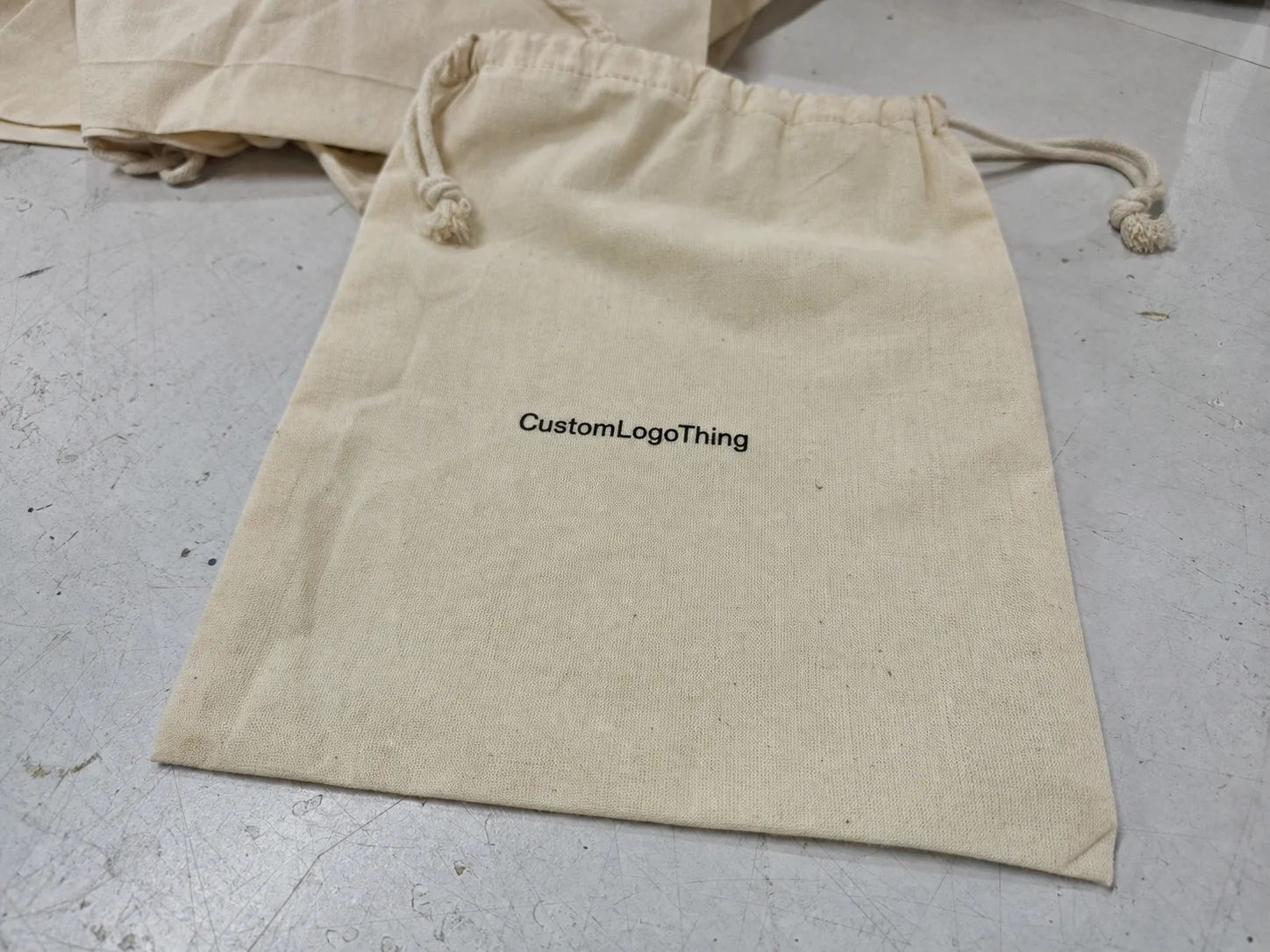
“No minimum” rarely means “cheap at any quantity.” It usually means the supplier will produce a short run without forcing a large inventory commitment. Setup, proofing, and labor still exist, so the per-unit cost is higher than in a big run. That is the tradeoff.
The model is most useful when quantity is still a guess. A 50- or 100-piece order can be smarter than a 1,000-piece order if you are testing logo placement, checking how the bag feels in hand, or making sure the product fits cleanly.
This approach also works when the bag is only one part of the presentation. You can test the bag first, then decide whether labels, inserts, tissue, or Custom Printed Boxes need to follow. That keeps the packaging program from growing faster than the business behind it.
The better question is not “How cheap can I get this bag?” It is “How much inventory risk am I willing to buy while still getting the look and function I need?”
There are limits. Small runs usually offer fewer decoration options, fewer fabric choices, and less room for special finishing. That is not a flaw so much as the cost of staying flexible. If you need speed, control, and less dead stock, the no-minimum model makes sense.
How the low-minimum ordering model actually works
The process is straightforward: Request a Quote, confirm bag specs, send artwork, review a proof, approve it, then move into production and shipping. What changes is the economics. The setup cost gets spread across fewer bags, so the unit price rises.
That is why a small order can look expensive on paper while still making sense in practice. If the alternative is sitting on unwanted inventory, the higher unit price may still be the lower total cost once storage, waste, and reordering are included.
Minimums can still appear in specific parts of the order. A supplier may advertise no minimum on the bag itself but still require a floor for a particular decoration method, fabric type, or color count. One-color screen print may be possible at a low quantity, while full-color print, embroidery, woven labels, or custom hardware may need a higher starting point.
Good vendors still follow a basic quality-control path. Artwork placement should be checked against a template, a proof should be issued, dimensions should be verified, and finished pieces should be inspected before shipping. If those steps disappear because the order is small, the risk gets pushed downstream.
Before approving anything, ask for the exact print placement, maximum logo size, bag color options, whether the quote covers one side or both, and what is excluded. Setup charges, sample charges, freight, and special packing often move the total more than buyers expect.
If you are comparing vendors, keep the brief fixed. Use the same bag size, same fabric weight, same artwork, same print count, and same delivery destination. Otherwise you are not comparing price. You are comparing different products with the same logo on them.
Pricing, MOQ, and unit cost: what really changes the quote
Quantity is the biggest price driver. Lower quantity means each bag carries more of the setup, labor, and machine time. That is why a short run can look expensive per unit even when the total invoice is still manageable.
Decoration changes the quote fast. A one-color logo is usually the cheapest place to start. Two print locations cost more than one. Full-color print can be worth it for retail packaging, but it is rarely the cheapest path for a first test run. Special stitching, metal toggles, reinforced seams, and custom folding add cost too.
Material choice matters just as much. Cotton and canvas usually feel more premium and photograph better for branded packaging. Nonwoven options are often lighter and easier on the budget. Recycled blends can make sense if sustainability claims matter, but ask about actual recycled content rather than taking the material name at face value. If environmental claims are part of the plan, reference standards from organizations such as the FSC when paper-based components are involved in the kit.
Here is a practical pricing snapshot. These are common order patterns, not fixed promises, because artwork, print area, packaging, and freight can move the number around.
| Order size | Typical spec | Approx. unit cost | Best for | Main tradeoff |
|---|---|---|---|---|
| 25-50 pieces | Light cotton or nonwoven, one-color logo | $2.50-$6.00 | Samples, prototypes, internal approval | Highest unit cost and fewer options |
| 100 pieces | Cotton, canvas-lite, one or two colors | $1.60-$3.50 | Launch kits, local events, small retail tests | Limited quantity breaks |
| 500 pieces | Midweight cotton or recycled blend | $0.95-$2.10 | Recurring promotions, staff kits, bundled product packaging | More cash tied up in inventory |
| 1,000 pieces | Midweight fabric, single or dual print location | $0.70-$1.60 | Stable campaigns, retail packaging programs, resupply | Storage and forecast risk |
Hidden costs are where quotes usually drift. Artwork revisions, rush processing, sample shipping, unusual folding, and destination freight can all move the total. A blank bag quote is not the same thing as a printed, packed, and delivered order.
For broader packaging planning, judge the bag against the rest of the kit, not in isolation. A drawstring bag is good at flexible carry and presentation. It is not a box, and it does not replace rigid protection. If the product is fragile, heavy, or shipped long distance, the packaging system may need a different answer.
Process and turnaround: from artwork to delivery
A normal timeline starts with quoting, then proofing, then production, packing, transit, and delivery. If the bag is standard and the artwork is clean, the order can move quickly. If the artwork is messy or the color expectations are vague, the schedule slows down just as fast.
Most delays come from a few predictable places: incomplete vector files, last-minute logo changes, color corrections after proof approval, out-of-stock fabric, and unclear print placement. Those problems hurt more on a small run because there is less schedule padding.
Typical timing for a simple order is often 1-3 business days for proofing, 7-15 business days for production after approval, and another 3-7 business days for domestic transit. Rush jobs are sometimes possible, but the tradeoff is predictable: fewer material choices, less flexibility on decoration, and a higher chance of paying for speed instead of value.
If the bag is part of a larger kit, add buffer time. Missing a handout window turns a packaging decision into a logistics problem.
Buyers often focus on the print and forget the shipping environment. Carton strength, packing orientation, and transit exposure all matter when the bag is traveling inside a larger kit. If the order needs to survive real shipping abuse, the testing families published by the ISTA organization are a useful reference point.
Spec choices that change how the bag looks and holds up
Size comes first. A bag that looks perfect on screen can fail in real use if the product is thicker than expected, oddly shaped, or heavier than the fabric should reasonably carry. Measure the full contents, not just the hero item.
Fabric weight changes feel and performance. Lightweight nonwoven or thin cotton works for giveaways and simple handouts. Midweight cotton or canvas fits better for retail packaging, premium kits, or anything that needs a firmer hand feel. Heavier fabric improves structure and print clarity, but it also raises cost and bulk.
Closure details matter more than most buyers expect. A simple drawcord is fine for many orders. Toggles create a more finished appearance and can improve usability. Reinforced corners or double stitching help if the bag carries heavier items or will be reused often. If the bag needs to stand upright in a kit, ask whether a gusset or extra structure is appropriate.
Print method should follow the artwork, not the other way around. Screen print is usually the sensible choice for a clean one- or two-color logo. Digital or full-color methods help when the artwork is detailed or gradient-heavy. Embroidery can look premium, but it is not always the best fit for every fabric weight or every budget.
Use case should drive the spec. Apparel often needs extra width. Trade show swag benefits from a bag that folds small but still feels substantial. Internal onboarding kits may prioritize a clean presentation over long-term durability. If the bag is supporting a new retail packaging concept, test one style first and evaluate the response before expanding the range.
It also helps to treat the bag as part of a larger packaging system. If you already use custom printed boxes, labels, tissue, or inserts, the drawstring bag should fit that visual language instead of fighting it. The best packaging usually looks intentional without trying to do too much.
Common mistakes that turn a small run into an expensive one
The most common mistake is approving artwork without checking the template. Safe zones, bleed, and logo placement look trivial until the finished bag puts your mark too close to a seam or too low on the panel. Proofs exist for a reason.
Another frequent error is sizing the bag by appearance instead of by the actual contents. A bag can look elegant in a mockup and still fail to fit the product, the booklet, the charger cable, or the extra insert that rides with it. Measure the full kit, not just the main product.
Low quote, bad outcome is a classic. A vendor can look inexpensive until shipping, revisions, and rework are added up. Then the quote turns out to be average or worse. That is why apples-to-apples comparison matters: same specs, same print count, same delivery terms, same assumptions.
Late spec changes hurt small runs more than large ones because the production margin is thinner. Change the print area after approval and you may trigger a new proof, a schedule slip, or a rework charge. Change the bag color too late and you may lose the stock allocation.
The last mistake is ordering a test batch with no plan for what happens next. If the bags go straight into storage, the order is not really a test. It is inventory. A useful first run should answer something specific: fit, print clarity, perceived value, packing speed, or cost per handout.
Next steps for a low-risk first order
Start with the basics: bag size, fabric, print count, approximate quantity, and delivery destination. That is enough to get a quote that means something. If the supplier asks for more detail, that is usually a good sign.
Ask for two quotes using the same spec set. One should not quietly include an upgrade the other one does not. If you want a meaningful comparison, keep the variables fixed.
Request a proof and a written timeline before approval. Confirm the ship method and the expected handoff date. If the project has a fixed event date, build in buffer time.
Do not try to make one bag solve every packaging problem. Start with one use case. A narrower brief usually leads to better decisions and keeps the budget tied to the actual goal instead of drifting across the whole packaging program.
If you are comparing a custom drawstring bag no minimum option against other packaging choices, standardize the specs before judging price. Otherwise the numbers do not mean much. What matters is whether the bag fits the product, fits the timeline, and fits the budget without creating extra inventory you did not need.
Frequently Asked Questions
Can I order a custom drawstring bag with no minimum and still add my logo?
Yes, but the decoration method and color count control how flexible the order is. A simple one-color logo is usually the easiest option for a very small run, especially if you want a quick proof and a predictable price.
What affects the price of a no-minimum drawstring bag order?
Quantity, fabric, print method, number of colors, and shipping are the main drivers. Rush timing, artwork revisions, and special packaging can push the quote up fast, so it helps to lock the spec before you ask for numbers.
How long does a custom drawstring bag no minimum order usually take?
The timeline depends on proof approval speed, stock availability, and production load. A practical planning window is often 1-3 business days for proofing and 7-15 business days for production after approval, plus transit time.
Which material is best for a low-MOQ drawstring bag order?
It depends on the use case. Cotton and canvas feel more premium, while nonwoven and lighter fabrics are usually more budget-friendly. Choose the material that matches the product weight, the hand feel you want, and how the bag will actually be handed out.
Is a custom drawstring bag with no minimum worth it for events?
Yes, if you want to avoid leftovers and keep the budget tied to one event or campaign. It is especially useful when the design is still being tested or the audience is limited, because you can learn from a small run without committing to excess inventory.
A custom drawstring bag no minimum order is worth it when you want control, not just quantity. Get the specs right, keep the quote apples-to-apples, and the bag becomes a useful packaging tool instead of an expensive guess.


