If you are sourcing custom drawstring bags no minimum order, the key question is whether the bag spec, decoration method, and timeline fit the job without creating waste, delays, or avoidable revisions.
For short launches, event handouts, sample kits, and test runs, no-minimum ordering can be the cleanest way to keep packaging moving. It avoids committing to more inventory than the project can realistically use.
The best small order is usually built around a clear spec and a simple print plan. Once artwork gets complicated or the material is specialty-heavy, the price rises and the lead time gets less flexible.
Why Custom Drawstring Bags No Minimum Order Can Still Work for Small Runs
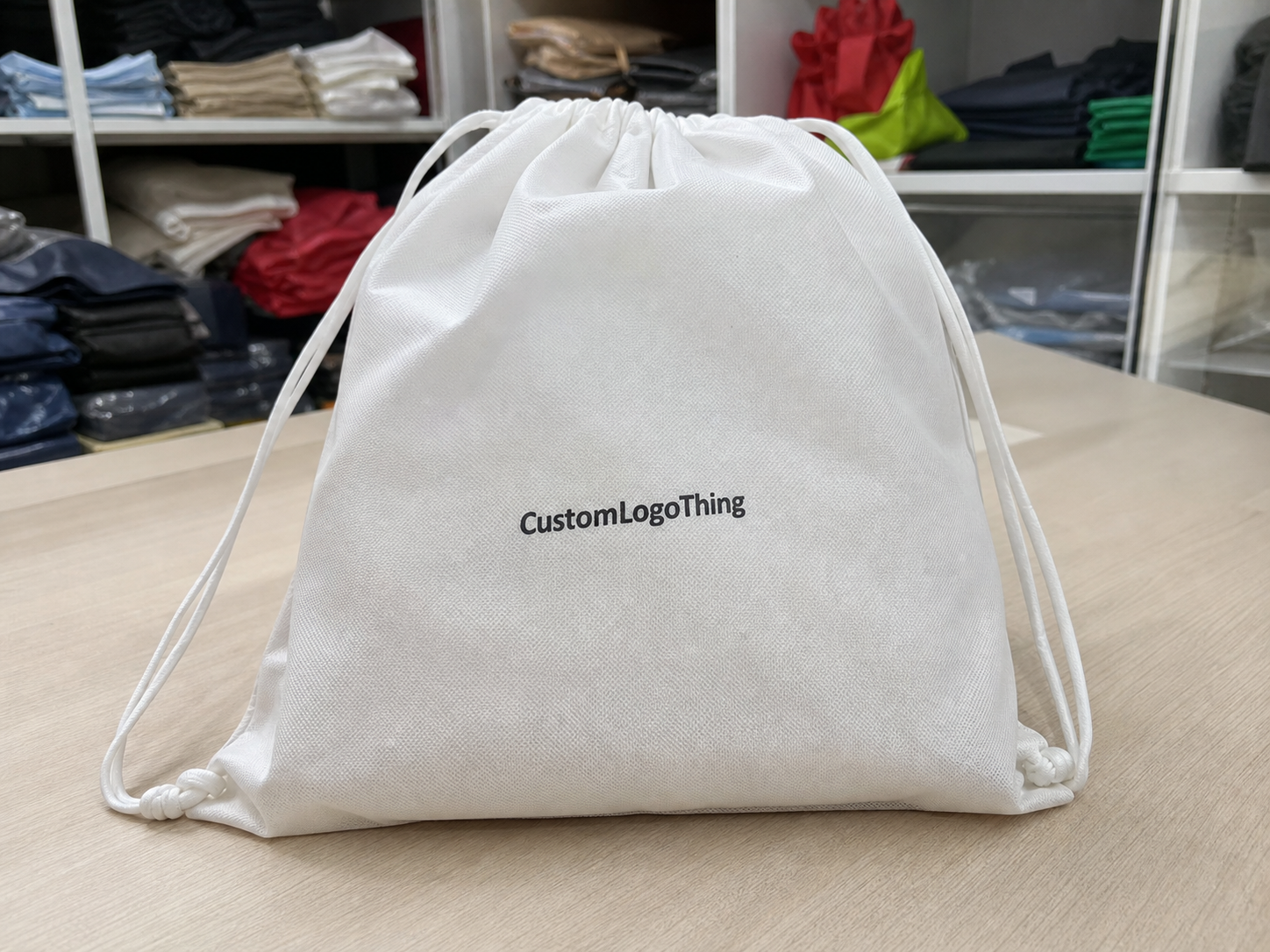
Small-batch packaging has a real place in buying. A limited retail release, trade show kit, onboarding pack, or sampling campaign often needs custom packaging in quantities too low for traditional production economics. That is where custom drawstring bags no minimum order can make sense, especially if you are testing demand or trying to match a short promotional window.
The common mistake is treating quantity as the only cost driver. Setup, print complexity, bag construction, and proof revisions often move the number more than buyers expect. A one-color logo on a standard bag is usually straightforward. A multi-color imprint on a specialty finish is not.
“The cleanest small run starts with the cleanest spec. Size, thickness, artwork, and use case should all be clear before pricing begins.”
That clarity matters because small orders have less room to absorb indecision. If the artwork changes after the proof, or the bag size gets revised halfway through quoting, the supplier may need to rework the estimate. The process slows down, and the final quote stops looking like a quote and starts looking like a negotiation.
For buyers building a launch kit, a drawstring bag can do more than hold items. It can support the brand, make the contents feel intentional, and reduce the need for extra wrapping.
If the package system includes other formats too, it helps to compare options early. Bags, cartons, and inserts solve different problems, and not every project needs all three. For related packaging formats, review the broader Custom Packaging Products lineup before locking in the spec.
Material, Closure, and Print Options That Change the Final Bag
Material choice is where the bag starts becoming either useful or annoying. For film-based bags, buyers usually see LDPE and LLDPE. LDPE is typically softer and more flexible. LLDPE is often chosen when extra toughness and stretch resistance matter more. The right one depends on what is going inside and how rough the bag will be handled.
Closure style matters too. A standard drawcord is fine for many jobs, but reinforced tops and better cord retention can improve durability and the feel of the finished piece. If the bag is meant to be reused, closure quality is not a small detail.
Print setup is another place where budgets move quickly. A simple one-color logo is easier to run than a design with multiple colors, gradients, or thin type. Larger imprint areas can add press time and increase the chance of registration issues.
Finish affects appearance more than most people expect. Clear bags show the contents and work well for sampling or retail display where visibility matters. Translucent and opaque options control how much is revealed. Matte and gloss surfaces change the way the logo reads under light. Matte usually looks quieter and more premium. Gloss tends to make color pop, but it can show scuffs faster.
For practical comparison, here is a simple breakdown:
| Option | Best For | Typical Tradeoff |
|---|---|---|
| Clear film | Sample kits, retail display, product visibility | Contents and internal inconsistencies stay visible |
| Translucent film | Balanced presentation and privacy | Logo contrast may need careful ink selection |
| Opaque film | Higher-end presentation, hidden contents | Less visibility, sometimes a slightly higher cost |
| Matte finish | Soft visual effect, restrained premium look | Bright colors can look a little muted |
| Gloss finish | Vivid branding, sharper shine | Scuffs and handling marks show sooner |
For packaging projects, the right choice is usually the one that matches how the bag will be used, not the one that looks best in a mockup.
Sizes, Thickness, and Load Specs to Confirm Before You Order
Size is one of the easiest details to get wrong. Finished width, height, and any gusset depth should match the actual contents, not a rough guess from a spec sheet. A bag can be technically large enough and still look wrong if the product sits too loose or the top bunches awkwardly after filling.
Thickness, usually expressed in mils for film bags, affects puncture resistance, hand feel, and how the bag behaves under load. Thin film can work for lightweight apparel, printed inserts, and low-risk samples. Heavier, denser, or sharper items usually need a stronger gauge. If the contents are boxed or irregular, ask what weight range the bag is intended to carry and whether that range was tested in normal use conditions.
Drawstring length and closure strength also deserve attention. Short cords may be fine for compact bags, while larger formats benefit from longer cords that are easier to open and close. Reinforced seams or seal areas can improve durability, especially if the bag will be reused or moved around more than once.
For retail packaging, it is worth testing the bag with the actual product before final approval. A size that looks fine on paper can appear oversized as soon as the item goes in. That changes the presentation immediately.
Before approving custom drawstring bags no minimum order, confirm these details:
- Finished dimensions — width, height, and gusset depth if applicable.
- Material gauge — enough strength for the intended contents.
- Closure type — standard drawcord, reinforced top, or sealed opening.
- Load expectation — soft goods, boxed products, or mixed contents.
- Artwork placement — where the logo sits once the bag is filled.
If you are comparing the bag to other formats, keep in mind that custom printed boxes and drawstring bags do different jobs. Boxes provide structure and stack well. Bags usually pack faster, take less material, and create a softer presentation.
Pricing, MOQ, and Unit Cost Breakpoints
Minimum order quantity sounds like the main pricing issue, but it is only one part of the equation. Some suppliers can quote custom drawstring bags no minimum order, yet the final price still reflects setup, print method, bag material, proofing, and shipping. In very small runs, those fixed costs are spread over fewer pieces. That is why the unit price often looks higher than buyers expect.
That does not make the order bad value. If the bags are tied to a limited event, trial launch, or short retail packaging campaign, avoiding excess inventory may be the smarter move. Paying more per unit can still cost less than buying too much and storing it until it becomes obsolete.
To compare quotes properly, ask each supplier for the same finished size, color count, material, and decoration method. Otherwise, one quote may look cheaper simply because the material is thinner or the print process is simpler.
| Quote Component | Why It Matters | Buyer Check |
|---|---|---|
| Bag cost | Base material and construction | Is the thickness and finish the same? |
| Print charge | Setup and decoration complexity | How many colors and what imprint area? |
| Proofing fee | Artwork review and adjustments | Is the proof included or billed separately? |
| Freight | Delivery cost to your location | Is shipping quoted separately from production? |
| Short-run surcharge | Fixed cost on very low quantities | Does it still apply on reorders? |
As a rough market pattern, small custom runs carry more fixed-cost pressure, while larger quantities usually bring the per-unit price down once setup gets absorbed. The actual breakpoint depends on the supplier, print process, and bag structure. Asking for two or three quantity tiers usually shows the value curve more clearly than a single number ever will.
If repeat demand is likely, it may also help to compare the order against a Wholesale Programs structure. Even if the first run is small, a later reorder can justify a different pricing model and fewer one-off fees.
Process and Lead Time From Proof to Shipment
A clean quote request saves time on both sides. The more complete the information, the fewer revisions are needed before production begins. At minimum, a supplier should know the bag size, material preference, color, quantity range, artwork file type, and ship-to location before pricing custom drawstring bags no minimum order.
Proofing is where mistakes get prevented, not after the bags are made. A digital proof should confirm logo placement, spelling, colors where possible, and any notes about bleed or safe areas. If the artwork is not final, say so.
Lead time depends on inventory, decoration method, and current production volume. A stocked bag with basic print may move faster than a fully custom material spec or a detailed imprint. Transit time should always be separated from production time. A five-day production window is not much help if freight adds another week.
For packaging projects tied to launches, it helps to break the process into four stages:
- Spec collection — size, material, closure, quantity, and artwork details.
- Quote and proof — pricing plus layout review.
- Approval and production — final signoff before the run starts.
- Freight and receipt — delivery planning and receiving checks.
That structure keeps the order honest. Buyers need dates they can plan around, especially when the bag is part of a shipment that includes inserts, labels, or other branded packaging materials.
For buyers who want to sanity-check production and material questions, standards references can help frame the conversation. Depending on the application, that may include packaging industry guidance from the Packaging Machinery Manufacturers Institute, transit performance concepts tied to ISTA, or recyclable material considerations aligned with EPA recycling guidance. Not every bag needs a certification deep dive, but the supplier should be able to explain the material and how it behaves in use.
What to Look for in a Supplier Beyond the Lowest Quote
The lowest price is not always the best deal, especially on small runs where one mistake can erase the savings. A strong supplier asks useful questions early and notices missing details before the order is locked in.
Communication matters during proof revisions, stock checks, and delivery changes. If a supplier is slow to answer or vague about the order status, that becomes a real problem once the bags are already in motion. You want clear answers about what can be done, what is uncertain, and what needs approval.
Quality control should cover print placement, seam integrity, drawstring function, and count accuracy before shipment. Those are basic checks, but they are also the ones that separate a usable run from a frustrating one.
Good suppliers also explain tradeoffs instead of hiding them. If a softer material means less puncture resistance, say that. If a glossy finish improves shelf appeal but shows scuffs, say that too.
If repeat orders are likely, ask how reorders are handled. A supplier that can reproduce a spec without redesigning the entire job saves time and reduces variation. That consistency matters whether the bag is for retail packaging, internal distribution, or a recurring promotional program.
It also helps if the supplier understands how the bag fits into a broader packaging system. A drawstring pouch may need to coordinate with labels, inserts, cartons, or custom printed boxes so the final presentation feels planned instead of patched together.
Next Steps to Request a Quote and Keep the Order Moving
If you want the fastest path to a useful quote, gather the basics before you reach out. Bag size, color, material preference, print count, quantity range, artwork file type, and ship-to location should all be ready. If you have a target ship date, include that too.
Decide whether you need a sample, a digital proof, or a direct production run. A sample is useful when the hand feel or closure strength matters. A proof is usually enough when artwork is the main concern. If the timeline is tight and the spec is already locked, a direct run may be the simplest path, but only if the risk is acceptable.
Be specific about the destination and shipping method. Ground freight, expedited freight, and residential delivery all change the landed cost. A quote that ignores transit can look attractive right up until the final invoice shows up.
If you are comparing options, ask for two spec levels. For example, compare a lighter gauge against a thicker one, or a standard finish against a more premium look. That makes it easier to judge whether the added cost improves durability, shelf appearance, or user experience enough to matter.
Here is the short version: the best quote is the one based on a complete spec sheet, not a rough guess. That is how custom drawstring bags no minimum order stay practical for small runs, and it is how you avoid paying for corrections that should never have happened in the first place.
FAQ
Can I order custom drawstring bags with no minimum order?
Availability depends on the bag style, material, and print method, so some configurations can be quoted without a minimum while others cannot. No-minimum orders make the most sense when the artwork is simple and the bag size is already a standard fit for production. Ask whether the quote is based on stocked inventory, custom print setup, or a short-run arrangement.
What do you need to quote custom drawstring bags no minimum order?
The key inputs are bag size, material, color, quantity, print colors, artwork file type, and destination zip code. If you know the intended use, share that too, because it helps match thickness and closure style to the application. Clear specs reduce revisions and help prevent pricing changes after the first quote.
How long does a small custom drawstring bag order usually take?
Lead time depends on proof approval speed, material availability, and the decoration method selected for the order. Production time is separate from transit time, so both should be confirmed before you commit to a deadline. Simple orders move faster when artwork is final and all specifications are approved at the start.
What drives the price of custom drawstring bags on small runs?
The biggest factors are material gauge, bag size, print colors, setup charges, and freight distance. Very small runs often carry more fixed cost per bag because those setup expenses are spread across fewer units. Comparing quotes only works if each supplier is pricing the same finished spec.
Can I get a sample before placing a no-minimum bag order?
Many buyers request either a plain sample, a prior-production sample, or a digital proof before production begins. A proof confirms layout and placement, while a physical sample helps evaluate feel, size, and closure performance. If timing is tight, ask for the fastest sample path that still protects the order from avoidable errors.