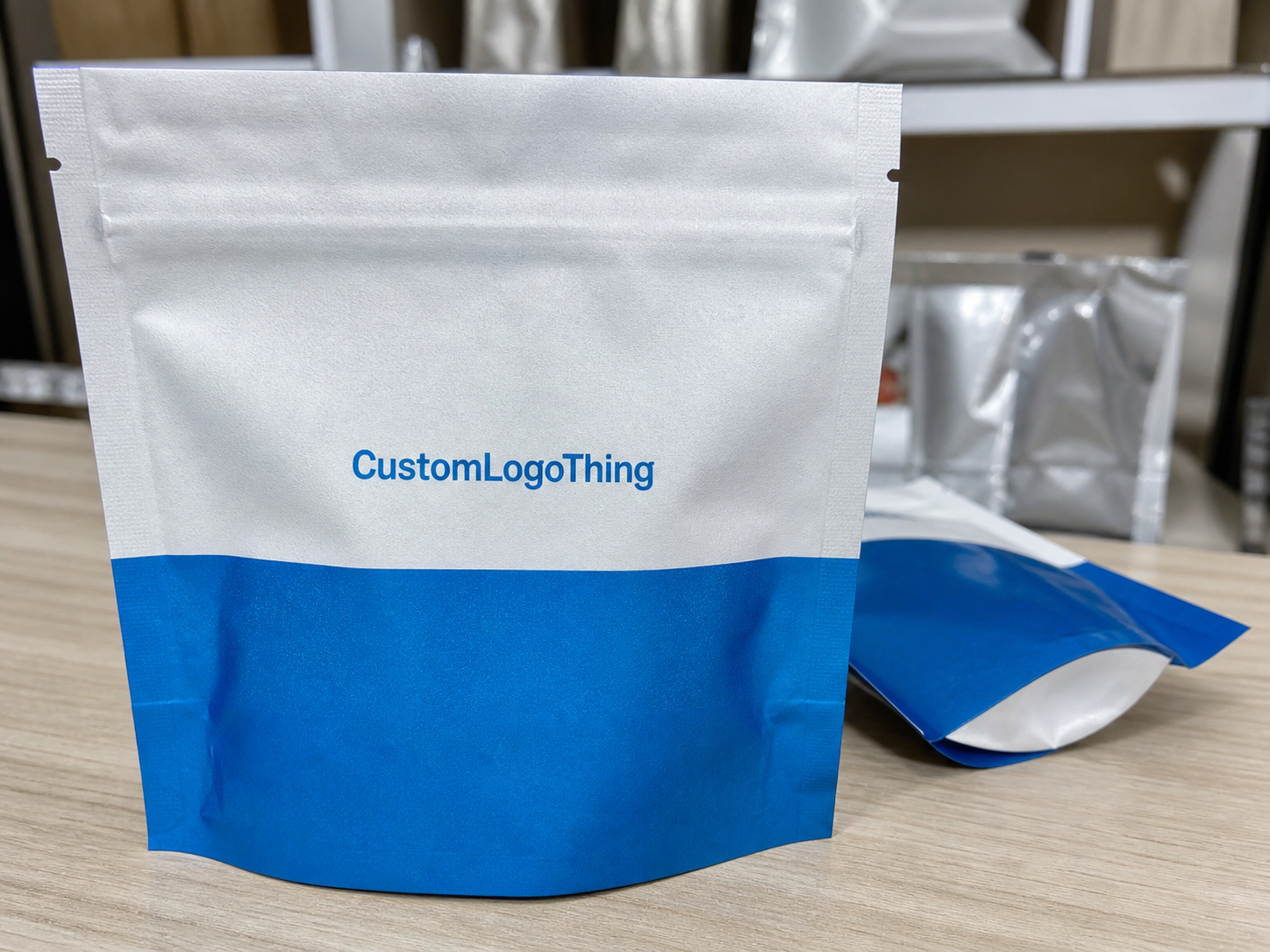
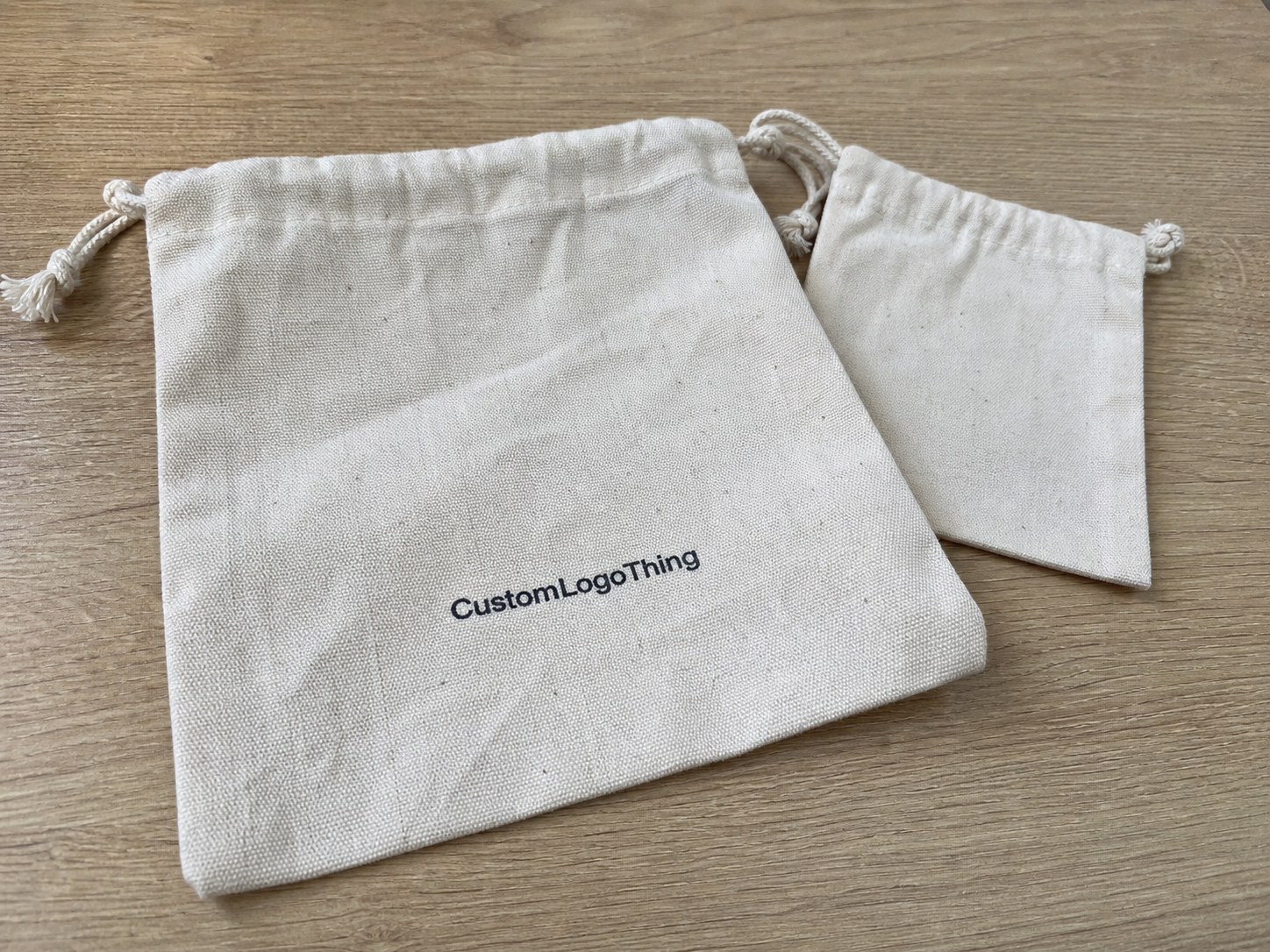
Apparel is awkward like that. A folded tee weighs almost nothing, yet it can still arrive scuffed, damp, wrinkled, or crushed if the packaging is wrong. That is why more brands are moving to custom shipping bags for clothes: they can reduce postage, speed up fulfillment, and make the first physical touchpoint feel intentional instead of generic.
The appeal is not just visual. The right mailer protects knitwear from abrasion, keeps outerwear dry, and helps small orders feel considered. The problem is that there is no single “best” spec. Fabric type, order volume, return rates, and presentation goals all change the answer.
Why apparel brands are switching from boxes to mailers
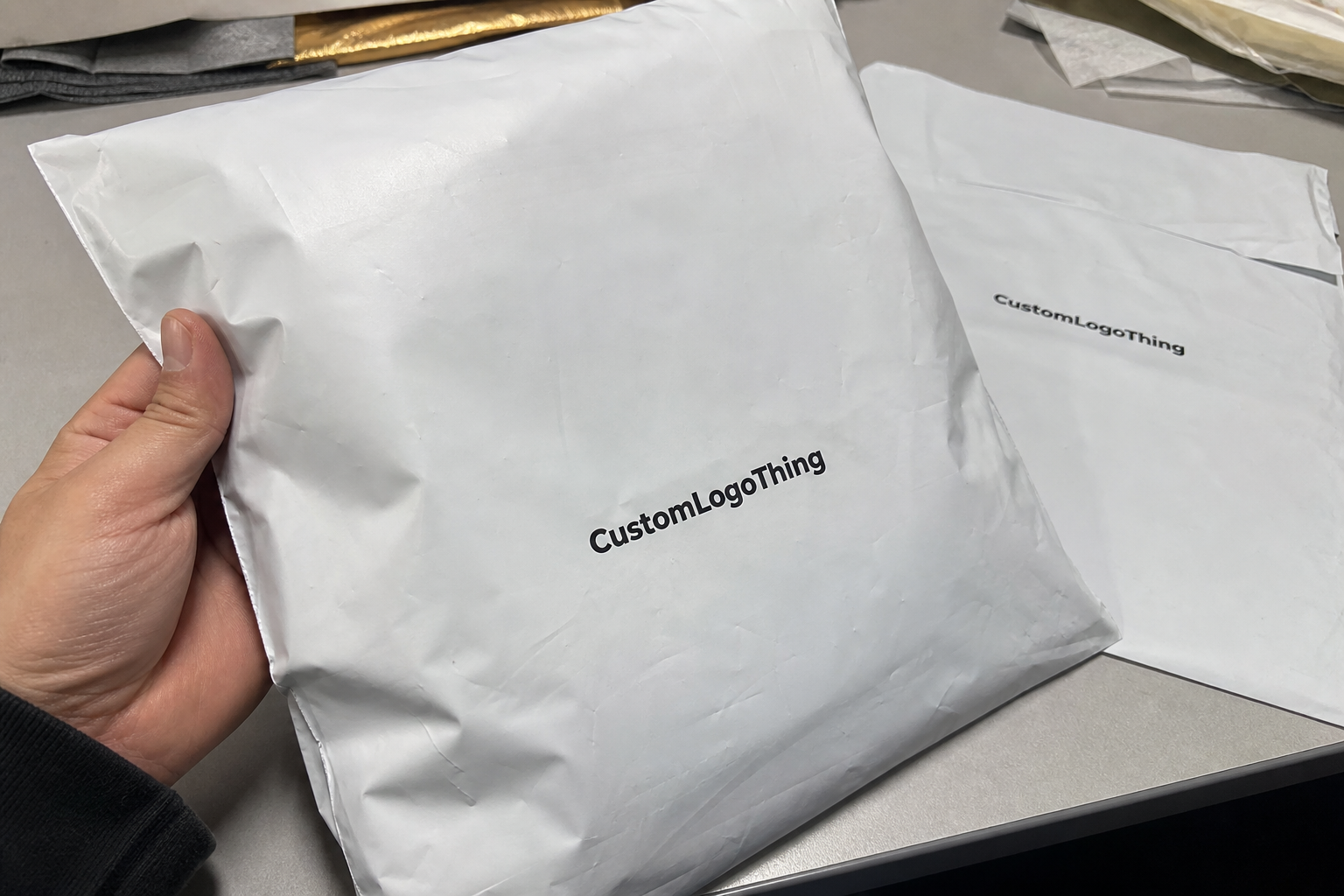
Most clothing orders are light, flat, and predictable. Boxes can work, but they add corrugated material, increase dimensional weight, and slow pack-out. A carton also takes up more storage space than it should. For apparel that does not need rigid protection, that is a lot of overhead for very little benefit.
Custom shipping bags for clothes sit between plain poly mailers and higher-end retail packaging. They are usually printed film-based mailers sized for folded garments, with options like self-seal strips, tear notches, and return adhesives. They are built for ecommerce, where weight, speed, and space matter just as much as appearance.
That is why they fit so many use cases: DTC basics, boutique drops, subscription programs, resale, promo merchandise, and seasonal apparel launches. A monthly hoodie shipment has different needs from a silk blouse going out in a gift order.
There is also a customer-perception angle. A branded mailer signals that the shipment was planned, not improvised. For newer labels, that matters a lot. Packaging becomes part of the product story, and in apparel that story starts at the door.
“A mailer is not just a shipping vessel. It is the first physical proof that the brand cares about details.”
Brands comparing packaging lines often look at Custom Poly Mailers, Custom Packaging Products, and, for heavier or more fragile shipments, Custom Shipping Boxes. The right choice depends on whether the priority is protection, presentation, or faster fulfillment.
How custom shipping bags for clothes protect and present apparel
A typical apparel mailer looks simple, but the details do the work. Most are made with one or more film layers that provide tear resistance, opacity, and stiffness. Better constructions may use co-extruded film, which combines layers for strength and print performance. Add a reliable closure, and the bag becomes more than a sleeve. It becomes a barrier against dirt, moisture, and handling damage.
Opacity helps prevent product peeking. Thickness improves puncture resistance. Seal strength keeps the contents closed through sorting and transit. A tear strip can make opening easier without scissors. On return-friendly programs, a second adhesive strip gives the customer a way to reuse the mailer, which reduces friction later.
Print quality changes the perception fast. A clean one-color logo on white, black, or gray can look sharp and modern. Full-surface artwork can turn the package into a moving brand billboard. Strong packaging usually comes from restraint, high contrast, and a clear hierarchy of information.
Thickness affects both feel and durability. A lighter-gauge mailer lowers weight and cost, while a heavier-gauge version usually feels more substantial and survives rougher handling. Transit is not gentle. Mailers go through sort systems, conveyor belts, truck routes, and doorsteps. Thin film can survive all of that. Or it can split open and ruin a shipment. The difference is usually in the gauge and seal quality.
Garment type matters too. Knitwear can snag if the inner surface is rough. Denim is heavier and can stress seams. Intimates need discretion and clean sealing. Outerwear may need extra room so folds do not create pressure points. The mailer has to fit the product category, not just the logo.
Third-party testing standards such as ISTA can help when a brand is seeing damage claims or wants to compare packaging performance before launch. For sustainability claims, the EPA recycling guidance is a safer reference point than a supplier’s marketing page.
| Mailer type | Typical benefit | Tradeoff | Best fit |
|---|---|---|---|
| Lightweight poly mailer | Lowest postage impact, fast packing | Less puncture resistance | T-shirts, leggings, low-risk orders |
| Heavier-gauge printed mailer | Better durability, stronger premium feel | Higher unit cost and slight weight increase | Denim, hoodies, mid-priced apparel |
| Recycled-content mailer | Better brand story for sustainability-minded buyers | Performance depends on film quality and sourcing | Brands with verified sustainability claims |
| Return-friendly mailer | Second adhesive strip for exchanges or returns | Can cost a bit more | High return-rate categories |
Key cost, sizing, and material factors to compare before ordering
Bag size should follow the folded garment, not the product label size. Oversized orders are common, and they are expensive in quiet ways. Extra air inside a mailer can make parcels look sloppy and may push a shipment over a dimensional-weight threshold. In practice, the right size leaves room for tissue, a hangtag, or an insert card without creating waste.
Material choice is where buyers can save money or get trapped by bad assumptions. LDPE is common because it is flexible and cost-effective. Co-extruded poly can improve strength and print quality. Recycled-content film can support brand positioning, but performance depends on the resin blend and the supplier’s consistency. Biodegradable claims deserve extra caution; definitions vary, and many products need specific conditions that do not exist in standard shipping or landfill environments.
Thickness is usually measured in mils or microns. More thickness generally means better tear resistance and a firmer hand-feel. It also means more material cost. For many apparel brands, a useful range is around 2.5 to 4 mils for standard apparel mailers, with heavier outerwear sometimes needing more. That is not a universal rule. It is a planning range.
Cost depends on a short list of variables: print colors, custom dimensions, closure style, special finishes, order volume, and extras like a return strip or interior print. A simple one-color print on a standard size might fall into a completely different band from a full-coverage, custom-sized mailer with a matte finish and dual adhesive strips. Smaller runs can land notably higher per unit than larger orders, while high-volume reorders usually improve pricing quickly.
For example, a 5,000-piece run will often cost less per unit than a 1,000-piece pilot, especially if the size is standard and the artwork uses one or two ink colors. A seasonal launch or first collection can justify the higher unit cost of a small test run.
Ask for the full landed cost before comparing suppliers. Freight, customs, storage, and the cost of reprints or damaged goods all belong in the math. A low unit price can look smart right up until the first complaint or the first production error.
Process, timeline, and production steps from artwork to delivery
The workflow usually starts with a brief: garment type, pack size, closure preference, branding goals, and target volume. The supplier then confirms dimensions, checks artwork feasibility, and prepares a proof.
Artwork prep matters more than most teams expect. Vector files keep logos sharp. Pantone references reduce color drift. Small text near folds or seals is risky. If the design covers a large surface, remember that film can exaggerate color shifts compared with paper packaging.
After proofing comes sampling or a pre-production approval step. For a basic run, that may be enough. For a premium line or a launch with a lot riding on it, a physical sample is worth pushing for. One sample costs very little compared with redoing thousands of bags because the logo sits too low or the seal line cuts into the artwork.
Lead time depends on print complexity, tooling, material sourcing, and factory capacity. A simple run may move quickly after proof approval. A more complex order with custom sizing, multi-color print, special finishes, or recycled-content film can add days or weeks. Peak season slows things down too, especially when the material needs to move by sea or when a supplier is balancing multiple production lines.
Build buffer time for revisions, transit delays, and internal approvals. Teams often underestimate the internal side more than the production side. Marketing wants a cleaner logo. Operations wants a faster pack-out. Finance wants a lower unit cost. All three affect the final spec, whether anyone likes it or not.
If paper inserts or mixed-material components are part of the package, FSC certification is worth understanding. See FSC for current certification guidance and terminology.
Step-by-step: how to choose the right mailer for your clothing line
- Define the product mix. List garment types, folded dimensions, whether items ship with tissue or inserts, and whether returns are common. A lightweight tee program does not need the same spec as a denim drop.
- Choose the protection level. Think about shipping distance, weather exposure, and how many sort facilities the parcel passes through. Longer routes usually justify stronger film and better seal performance.
- Set the bag dimensions. Measure the folded product at its thickest point. Add only the space needed for tags, a thank-you card, or return materials. Resist the urge to oversize “just in case.”
- Decide on branding coverage. A centered logo can feel clean and premium. A repeat pattern can feel louder and more retail-oriented. Full-surface print works best when the artwork is strong enough to carry the entire package.
- Match the spec to operations. The mailer should fit the pace of your pack line, storage space, and budget. If fulfillment teams struggle to fold or seal it quickly, the design is too clever.
The best mailer is usually the one that disappears into operations while still doing its job visibly.
Common mistakes that increase damage, waste, and unit cost
Oversizing is the easiest mistake to spot and one of the most expensive to fix. Too much void space makes a parcel look sloppy, increases postage, and gives the garment room to shift during transit.
Ultra-thin film is another trap. Saving a fraction of a cent per unit sounds smart until one in fifty bags tears or the mailer feels flimsy enough to cheapen the brand. In apparel, perceived quality matters.
Overprinting can backfire too. Too many colors, too much text, and too many claims can make the bag harder to read and more expensive to produce. Clean, high-contrast branding usually performs better than a crowded layout.
Many brands also forget return-friendly features until the complaints begin. If the clothing line has meaningful return volume, a second adhesive strip or an easy reclose feature can reduce customer service friction.
Sustainability messaging is another place where sloppy wording causes trouble. Vague claims are risky. If a bag contains recycled content, say what percentage and how it is verified. If it is recyclable, be specific about local conditions and disposal instructions.
One more mistake is choosing a mailer based only on first-order appearance. The bag has to survive the trip, fit the warehouse workflow, and hold up across reorder cycles. Packaging that looks strong once but fails on the second pallet is not a win.
Expert tips for better branding, lower waste, and smarter reorders
Use packaging as merchandising. If the clothing line is minimalist, keep the bag quiet, crisp, and high contrast. If the brand is youth-driven or graphic-heavy, more color can make sense. The point is alignment.
Keep the artwork readable from a distance. That matters in a warehouse, on a delivery porch, and in customer photos. A logo that only works when someone is standing six inches away is not strong packaging design.
Test before scaling. One or two pack formats can tell you a lot about seal strength, print visibility, and how the bag behaves in actual order fulfillment. A small test run can uncover whether the mailer folds cleanly, whether the adhesive is too aggressive, or whether the artwork disappears against the film.
Track three numbers: damage rate, pack time, and shipping cost per order. If a new spec reduces damage but adds 12 seconds per pack, that may still be acceptable. If it saves postage but causes more reprints or customer complaints, the savings are fake.
Reorder planning matters too. Many apparel teams place a second order too late and get stuck with rush pricing or forced substitutions. Build a reorder point before inventory gets tight.
The same logic applies to custom printed boxes, inserts, and carry packaging. The spec should fit the business, not the mood board.
Next steps for sourcing custom shipping bags for clothes
Start with a one-page brief. Include garment types, target volume, folded dimensions, branding goals, return needs, and any must-have features such as tear strips or dual adhesive seals. The clearer the brief, the fewer surprises later.
Then measure the actual folded product. Not the tag size. Not the hanger size. The packed size. Add room for tissue, inserts, and sealing, then ask for sample options. If a supplier can show side-by-side material and closure choices, even better.
As quotes come in, compare landed cost rather than unit price alone. Freight, setup, storage, and damage risk all belong in the equation. A slightly higher quote can be cheaper in practice if it reduces breakage or speeds up packing.
Treat the first run as a learning tool. Ask operations how the bags handled, ask customer service whether complaints changed, and ask shoppers whether the presentation felt premium or ordinary. Then adjust. That is how custom shipping bags for clothes stop being a packaging purchase and start becoming a repeatable system.
If you are building a clothing line, the smartest packaging decision is rarely the flashiest one. It is the bag that protects the garment, keeps fulfillment moving, and reinforces the brand without wasting material or money.
What size custom shipping bags for clothes should I order?
Base the size on the folded garment, not the hanger size or product label size. Leave enough room for tissue, tags, or inserts, but avoid excess void space. Request a sample with your actual product before placing a full order.
Are custom shipping bags for clothes better than boxes for apparel?
They are usually better for lightweight, foldable apparel because they save weight and space. Boxes make more sense for fragile accessories, premium gift sets, or items that need rigid protection. For many clothing brands, bags win on speed, shipping cost, and storage efficiency.
How much do custom shipping bags for clothes cost per unit?
Unit cost depends on size, thickness, print colors, material, and order volume. Smaller runs usually cost more per bag, while larger orders lower the unit price. Always compare total landed cost, including freight and any setup charges.
What is the typical lead time for custom apparel mailers?
Lead time varies by proofing, print complexity, and current factory capacity. Artwork approval and sampling can add time before production starts. Build in a buffer so a delayed shipment does not interrupt a product launch.
Can custom shipping bags for clothes include return features?
Yes, many styles can include a second adhesive strip for returns. This is useful for apparel brands with higher return rates or size-exchange programs. A return-friendly design can improve customer convenience and reduce friction.