Order Custom Eye Black Stickers That Stay Game-Ready
Learn how custom eye black stickers work, what affects cost, and how to order durable, sweat-resistant designs for teams, events, and fan merch.
What Custom Eye Black Stickers Are Really Used For
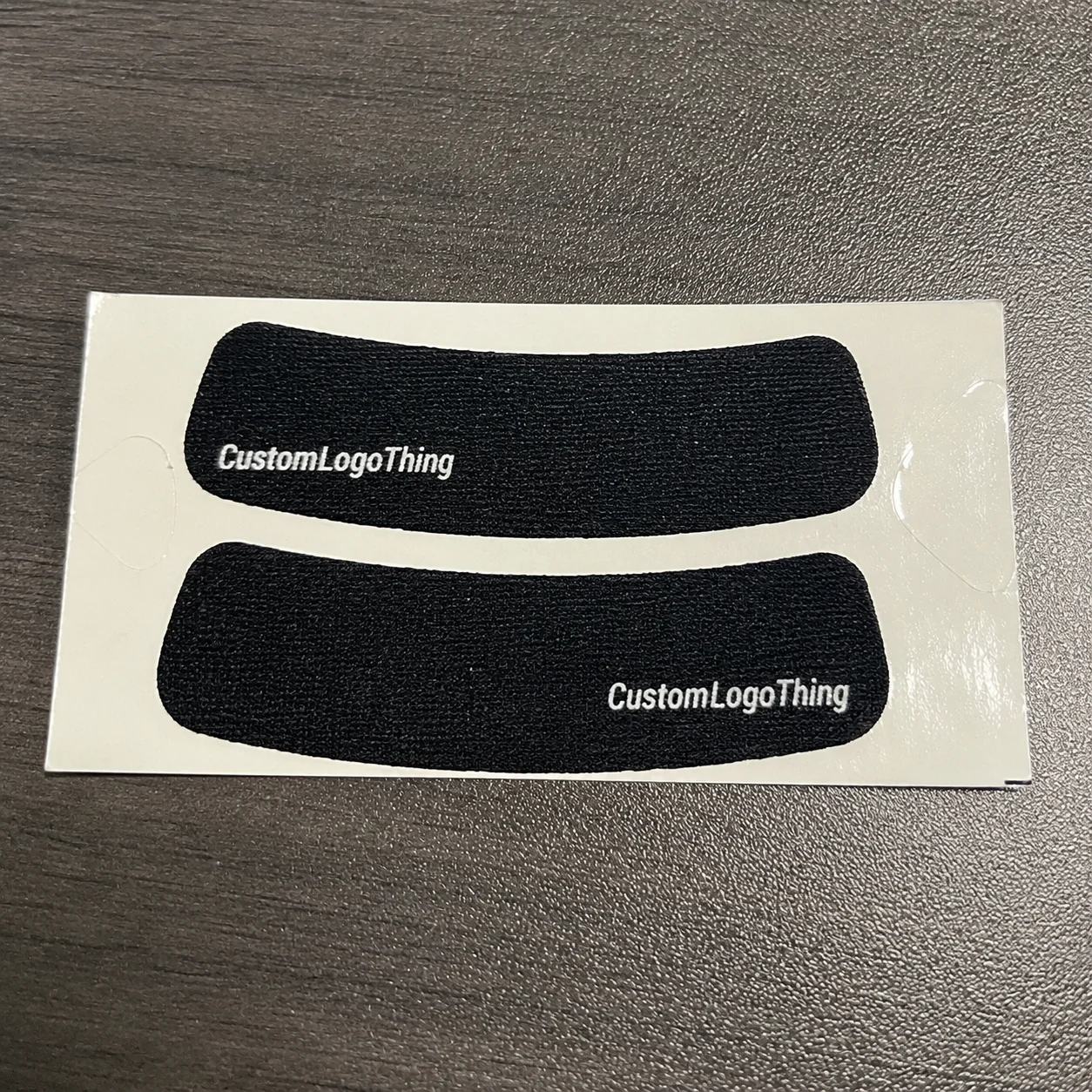
A two-inch strip under the eye can carry more visible branding in a game photo than a banner buried behind the bleachers. That explains why custom eye black stickers have moved beyond novelty gear. They sit somewhere between athlete accessory, fan merchandise, event giveaway, and short-run branded packaging.
They are pre-cut adhesive face stickers made to resemble traditional grease eye black while adding logos, slogans, player numbers, mascots, sponsor marks, or event graphics. Coaches like the predictable handout. Spirit shops like the low price point. Tournament organizers like the math: one small sheet can turn into hundreds or thousands of wearable impressions across a weekend.
The buyer group is wider than many suppliers assume. School athletic departments, youth football teams, baseball and softball leagues, lacrosse programs, cheer events, pep rallies, senior nights, booster clubs, fundraising tables, sports merch brands, and promotional teams all shop for this product, though they do not all need the same format. One buyer may need 100 pairs for a Friday night roster. Another may need 10,000 pairs packed for sponsor activation at multiple gates.
Compared with grease sticks and face paint, stickers are cleaner, easier to count, more consistent in shape, and far better for printed branding. Grease still has its place. Some athletes like the ritual, and it can feel more traditional. But grease does not give you a reliable print surface, a clean packaging format, or a practical way to sell pairs from a school store.
Performance depends on more than the artwork. Adhesive, face stock, print method, skin safety, sweat resistance, die-cut accuracy, and packaging all matter before the sticker ever reaches a player’s cheek. A sharp logo does not help if the corner lifts during warmups.
How Eye Black Sticker Materials and Adhesives Work
Eye black stickers solve two problems at once. They need to look crisp in close-up photos, and they need to stay comfortable on skin through heat, sweat, movement, and repeated facial expressions. That is a harder job than a standard paper label on a bottle or box.
A typical construction has five parts: printable face stock, pressure-sensitive adhesive, release liner, die-cut shape, and an optional finish such as matte or gloss coating. For sports use, the face stock is usually a thin flexible film rather than ordinary paper. Flex matters because skin moves. Paper creases, cracks, and fights the curve of the face.
Skin-contact questions deserve direct answers. Buyers should ask whether the material is intended for temporary skin application, whether latex-free adhesive options are available, and whether the supplier can provide basic material and safety information. Not every adhesive used in Custom Labels & Tags belongs on a face.
The adhesive balance is narrow. Too weak, and the edges lift as soon as sweat appears. Too aggressive, and removal feels harsh, especially for youth athletes. In most team and event orders, the target is a temporary-wear adhesive that holds through normal activity but peels away without scraping, heavy residue, or skin pulling after the event.
Face preparation also affects performance. Clean, dry skin gives the adhesive its best chance. Sunscreen, lotion, face paint, dust, and heavy sweat can shorten wear time. For outdoor tournaments, that detail matters more than it sounds. The same sticker that holds well during a cool evening game may struggle at a dusty all-day summer event if players apply it over sunscreen.
Finish changes appearance. Matte coatings can reduce glare under stadium lights and in photography. Gloss coatings can make colors look brighter for fan merch, retail packaging, and spirit packs. Neither option is automatically better. A matte black strip with a white mascot may photograph beautifully; a glossy red-and-gold version may sell better from a booster table.
Print constraints are real. Tiny fonts, detailed mascots, thin gradients, and low-contrast colors often disappear once the sticker is viewed from the stands or captured by a fast-moving camera. A navy logo on black may look premium on a monitor, then vanish under night lights. True black backgrounds, white ink, metallic effects, and tight team color matching should be discussed early because they can change the print method, proofing cycle, and unit cost.
Packaging buyer note: treat face stickers as a wearable promotional product, not as ordinary product packaging. The surface is skin, not glass, corrugated board, or coated paperboard.
Design Specs That Make Face Stickers Look Professional
Size and shape set the tone. Most custom eye black stickers work best as compact horizontal strips, often around 1.5 to 2 inches wide and roughly 0.5 to 0.75 inches tall, depending on the design and the wearer. Curved strips, tapered ends, shields, football silhouettes, and mascot-inspired outlines can make the piece feel more custom. Every curve, though, adds trimming and proofing considerations.
Simplicity wins because the print area is tiny. One strong logo, one short phrase, a player number, or a two-color graphic usually performs better than a crowded layout. If the artwork needs a magnifying glass on screen, it will not read clearly on a moving athlete.
Vector artwork is the safest starting point. Send AI, EPS, SVG, or print-ready PDF files when possible. Screenshots, social media images, and low-resolution JPEGs often print fuzzy at small sizes, even if they look acceptable on a phone. Missing fonts can also slow production, so outlined text is usually cleaner for proofing.
Contrast deserves more attention than many teams give it. Black backgrounds with white, gold, orange, or light gray graphics tend to read well. Black backgrounds with navy, forest green, maroon, or dark purple may look subtle in a proof but weak in actual photos. For sponsor logos, ask whether simplified one-color artwork is allowed. It often looks better than squeezing a full brand lockup into a half-inch space.
- Safe area: keep critical artwork at least 1/16 inch from the die-cut edge when possible.
- Bleed: extend background color beyond the cut line if the design prints to the edge.
- Pair setup: decide whether left and right stickers should mirror each other or use the same orientation.
- Line weight: avoid hairline strokes that may break up during print or disappear at actual size.
- Packaging format: choose singles, pairs on a sheet, retail cards, team packs, or fundraising bundles before final proofing.
Packaging design is part of the product, not an afterthought. A pair on a branded backing card feels more retail-ready. Loose bulk pairs may be faster for locker room handout. Individual bagging can help for gates, merch tables, and sponsor kits, but it adds labor and material cost. The right format depends on whether the stickers are for players, fans, resale, or giveaways.
Always request a digital proof. For larger orders, a physical sample is worth considering if timing and budget allow. The goal is not perfection for its own sake; it is catching readability, color, cut, and packaging issues before thousands of identical pieces are produced.
Process and Timeline From Artwork to Game-Day Delivery
The ordering path sounds simple: choose the sticker size, confirm the quantity, submit artwork, review the proof, approve materials, produce the order, inspect finished pieces, pack, and ship. Sports orders rarely move in a perfect line.
Timeline risk usually comes from three places: late artwork, slow proof approval, or adding a specialty finish after the quote has already been prepared. Artwork review may take one to two business days. Proof revisions add time. Production should begin only after written approval, because “almost approved” is where expensive mistakes hide.
For custom eye black stickers, a practical planning window is three to four weeks before the event. Finalize artwork about two weeks out if possible. Avoid approving proofs minutes before a shipping cutoff. Carriers do not adjust their networks because homecoming is Friday.
Sports deadlines are unusually unforgiving. Senior night, rivalry games, tournaments, sponsor activations, and playoff events have fixed dates. If the package arrives one day late, the stickers may become keepsakes instead of event gear. Build in transit time, then add internal handling time for schools and leagues. A box may pass through a front office, athletic department, coach, parent volunteer, or concession coordinator before it reaches players.
Rush orders can work under the right conditions. Simple shapes, standard materials, one design, and print-ready vector files give a supplier more room. Complex die cuts, custom retail cards, metallic effects, individual bagging, and large multi-design orders need more planning. If a supplier says yes to every rush request without asking about artwork, adhesive, packing, or delivery date, ask better questions.
| Order Type | Typical Quantity | Planning Notes | Common Risk |
|---|---|---|---|
| Youth team batch | 100-300 pairs | Keep artwork simple and approve one team design quickly. | Late roster changes or parent committee delays. |
| School spirit event | 500-2,000 pairs | Use pairs on sheets or backing cards for fast distribution. | Slow approval from coaches, sponsors, or administration. |
| Tournament giveaway | 2,500-10,000+ pairs | Confirm packing method, cartons, labeling, and delivery address early. | Transit timing and sorting for multiple fields or gates. |
| Retail merch pack | 1,000-5,000 sets | Plan header cards, barcodes, and package branding before proofing. | Packaging artwork approved after sticker artwork, causing rework. |
If your order is packed with other Custom Packaging Products, such as custom printed boxes for sponsor kits or retail bundles, align those schedules too. Stickers can often be produced faster than printed cartons, but the slowest component controls the ship date.
Cost, Pricing, and MOQ Factors Buyers Should Compare
Pricing is rarely just a sticker price. It is shaped by quantity, material, adhesive type, print method, number of colors, die-cut complexity, packaging format, proofing, artwork cleanup, and shipping speed. A bare pair on a liner and a retail-ready carded set may look similar in a photo. On a quote, they behave very differently.
MOQ means minimum order quantity: the lowest production run a manufacturer can handle efficiently without setup costs dominating the order. Custom production has fixed work attached to it. Artwork review, proofing, press setup, die cutting, material handling, quality checks, and packing all take time whether the order is 100 pairs or 10,000 pairs.
As volume rises, unit cost usually falls because setup and machine time are spread across more pieces. A modest youth football order may land in a higher per-pair range than a sponsor giveaway ordering thousands. Exact pricing depends on specs, but buyers often see meaningful breaks at quantities such as 250, 500, 1,000, 2,500, and 5,000 pairs.
For a rough planning range, simple paired designs in moderate quantities may quote around $0.35-$0.85 per pair, while larger event runs can drop lower. Specialty finishes, individual bagging, custom backing cards, metallic ink, or many versions can push pricing up. These are not universal prices; they are a useful lens for comparing quotes with a clear head.
- Hidden cost driver: many player names or numbers create versioning work.
- Hidden cost driver: custom retail cards add print, trimming, and packing labor.
- Hidden cost driver: rush freight can erase savings from choosing a cheaper unit price.
- Hidden cost driver: low-quality artwork may require cleanup before proofing begins.
- Hidden cost driver: multiple delivery addresses add sorting, labeling, and administration.
Request quotes using identical specs: same size, quantity, material, finish, packaging format, delivery date, and artwork requirements. Otherwise, you are comparing apples, oranges, and one mystery fruit wrapped in a bargain label.
The cheapest option can become expensive if the stickers peel early, irritate skin, arrive late, or look washed out in photos. Ask for price breaks at two or three quantity levels. Ordering extra for future games, fan packs, or fundraising tables may lower the unit cost enough to justify the larger run.
Packaging and shipping standards matter more as the order grows. If cartons will move through a school district warehouse or event freight system, ask how they will be labeled and protected. Organizations such as ISTA publish transit testing resources that show why package handling is not a small detail. For paper-based backing cards or cartons, FSC sourcing may also be worth discussing if your program has sustainability requirements.
Common Ordering Mistakes That Lead to Peeling or Reprints
The biggest mistake is treating face stickers like ordinary laptop decals or packaging labels. Skin contact, sweat, oil, sunscreen, facial movement, and outdoor heat create a tougher performance environment than a flat retail surface. A label that performs well on a box may fail quickly on warm skin.
Design overload is another repeat offender. Tiny sponsor stacks, QR codes, long slogans, detailed mascots, and thin script fonts may satisfy a committee, but they usually fail the field test. If the design cannot be read from a few feet away, it will not do much in a game photo.
Artwork file problems create delays and reprints before anyone touches a press. Raster logos, incorrect colors, missing fonts, screenshots, and low-resolution images can all turn a clean schedule into a string of proof revisions. A good supplier will flag obvious issues, but the cleanest outcome starts with clean files.
Adhesive mismatch is less visible during ordering and more painful during use. If the adhesive is selected for paperboard or general product packaging rather than temporary skin wear, edges may lift quickly. Outdoor tournaments add more stress: heat, dust, sweat, sunscreen, and rushed application by players or volunteers.
Deadline planning causes its own damage. Approving proofs late, changing quantities after production starts, or waiting for sponsor feedback can compress the schedule and increase rush costs. Reprints are often caused by preventable decisions made before production, not by the press itself.
Packaging mistakes also show up at the worst time. Loose stickers can curl, collect dust, stick to the wrong surface, or become hard to distribute quickly at gates, locker rooms, pep rallies, and merch tables. Pairs on a sheet are easier to count. Individually packed sets are slower to produce but cleaner for large public events.
Quality-control checks should be practical. Look at cut alignment, edge lift, print clarity, color consistency, liner release, pair count, carton labels, and any backing-card information. For youth teams or sensitive skin groups, do not skip a small wear test if timing allows. Test on clean, dry skin for the expected wear period. Avoid cuts, irritated areas, heavy sunscreen, or face paint unless the supplier confirms compatibility.
Next Steps Before You Request a Sticker Quote
A strong quote starts with a complete brief. Before contacting a supplier, write down the intended use, event date, quantity, preferred size, artwork file type, team colors, packaging format, delivery address, and whether the stickers are for players, fans, sponsors, or retail resale. That list can cut days from the ordering cycle.
Collect decision-makers before proofing begins. Schools and leagues often involve coaches, athletic directors, sponsors, parent volunteers, booster clubs, and sometimes student groups. If everyone sees the artwork after the proof is ready, revisions can multiply fast.
Send vector logo files, PMS or brand colors if available, sample inspiration, desired shape, and any safety or skin-contact questions. If you already have package branding standards for uniforms, merch, or event signage, share those too. Consistency across stickers, apparel, Custom Printed Boxes, and fan kits makes the whole promotion look more deliberate.
- What material and adhesive will be used?
- Is the adhesive suitable for temporary skin application?
- Are latex-free options available if needed?
- What is the production lead time after proof approval?
- Are digital proofs, physical samples, or press samples available?
- What happens if the artwork needs cleanup?
- How will pairs be packed, counted, labeled, and shipped?
Order enough for mistakes, late roster additions, extra fans, sponsors, and keepsakes. Reordering tiny quantities later may raise the unit cost because setup work comes back into the equation. A 10-15% overage is often a practical buffer for team and event use, though the right number depends on distribution plans.
Before ordering custom eye black stickers, lock the event date, simplify the design, confirm the adhesive, choose the packaging format, and get a written quote tied to a real production timeline. Small product. Very visible outcome.
FAQ
Are custom eye black stickers safe to wear on skin?
They can be appropriate for temporary skin use when made with suitable face stock and adhesive, but buyers should ask the supplier for material details before ordering. For youth teams or sensitive skin groups, request latex-free options if needed and consider a small wear test before the main event. Avoid applying stickers over cuts, irritated skin, sunscreen-heavy areas, or heavy face paint unless the supplier confirms compatibility.
How long do custom eye black decals usually stay on?
Wear time depends on adhesive, sweat, weather, skin oil, and activity level, but game-day stickers should be designed to stay in place through normal warmups and play. Clean, dry skin improves adhesion, while lotion, sunscreen, or facial hair can make edges lift faster. If the event involves extreme heat or long tournament use, ask for material recommendations before approving production.
What artwork works best for personalized eye black stickers?
Bold vector logos, short team names, player numbers, simple mascots, and high-contrast colors print best at small sizes. Avoid tiny sponsor lists, detailed photos, thin script fonts, and low-resolution files. Ask for a digital proof that shows the sticker at actual size so readability can be judged realistically.
What is the typical MOQ for custom sports eye black stickers?
MOQ varies by supplier, material, and packaging format, but custom production usually becomes more cost-effective when ordered in team, league, or event quantities. Simple paired stickers may have a lower MOQ than specialty die cuts, retail cards, or individually packed sets. Ask for price breaks at multiple quantities to understand the unit cost difference before choosing the smallest run.
How early should I order custom eye black stickers for an event?
Start at least three to four weeks before the event when possible, especially if artwork needs cleanup or multiple people must approve the proof. Production typically starts after proof approval, so late revisions can push the schedule. For tournaments, homecoming, senior night, or sponsored giveaways, build in extra shipping and internal distribution time.

