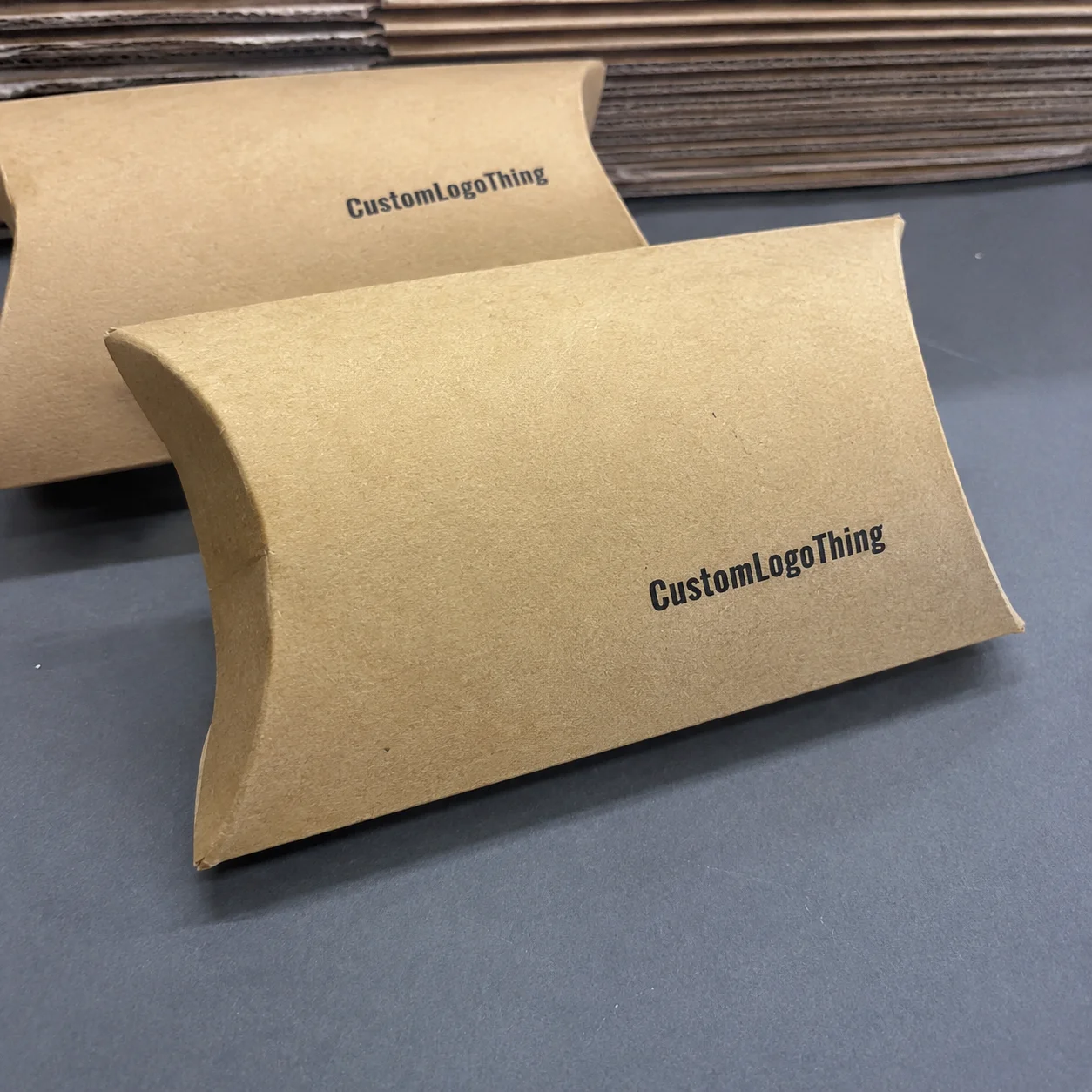
Buyer Fit Snapshot
| Best fit | Custom Folding Carton Packaging Wholesale Strategies projects where brand print, material claims, artwork control, MOQ, and repeat-order consistency need to be specified before quoting. |
|---|---|
| Quote inputs | Share finished size, material target, print colors, finish, packing count, annual reorder estimate, ship-to region, and any compliance wording. |
| Proofing check | Approve dieline scale, logo placement, barcode or warning zones, color tolerance, closure strength, and carton packing before bulk production. |
| Main risk | Vague material claims, crowded artwork, missing packing details, or unclear freight terms can make a low unit price expensive after revisions. |
Fast answer: Custom Folding Carton Packaging Wholesale Strategies should be specified like a repeatable production item. The safest quote records material, print method, finish, artwork proof, packing count, and reorder notes in one written spec.
Production checks before approval
Compare the actual filled-product size with the drawing, then confirm tolerance on folds, seals, hang holes, label areas, and retail display edges. Reserve space for logos, QR codes, warning copy, and material claims before decorative graphics fill the panel.
Quote comparison points
Review material grade, print process, finish, sampling route, tooling charges, carton quantity, and freight assumptions side by side. A quote is only useful when the supplier can repeat the same color, closure quality, and packing count on the next order.
What Makes Custom Folding Carton Packaging Wholesale a Strategic Choice?
When procurement teams challenge me on whether Custom Folding Carton packaging wholesale really holds strategic weight, I tell them about that 2 a.m. Komori GL840 run where the metrics tracker flashed $0.18 per unit while the folder-gluers down the hall synced perfectly with the ink-room’s temperature adjustments. The live telemetry on every die-cut carton reassured the design team that tolerance stayed tight, even as we leaned into the cost advantage that only high-volume batches can deliver.
It isn’t just about hitting a target; it’s about how we stage sustainability. Cleveland board mills lock in FSC-certified 32pt SBS while our Milwaukee partners mix in recycled cores, and those plans make Custom Folding Carton Packaging wholesale runs predictable even when a client adds post-consumer content thresholds or complex supply windows. I remember discussing delivery dates with a brand team whose launch depended on a three-week shelf request, and the certainty of that coordinated run was what let them breathe easy.
Surprising Returns with Custom Folding Carton Packaging Wholesale
A humid Thursday in Kansas City the sheet-fed pressroom buzzed with a rush order that had no room for excuses—2 a.m. ship window, four-color job, and a client staring at the tablet while the Komori GL840 churned out 20,000 impressions per hour. We hit the $0.18/unit goal, finished wash-up at 5:45 a.m., and the client watched the late-night premium shrink once we doubled the run. Their hoodie stayed on through the whole haul; the Komori hum was the closest thing to a soundtrack, and the only other complaints came from the air-conditioning unit that sounded like it was staging its own protest.
Then there’s Fayetteville’s die-cutting line, where cartons spend forty seconds under a 250-ton press with platens closing at 60 strokes per minute. Our ink-room crew calibrates the anilox roll to a precise 2.4 grams of ink per 14x18 sheet, so each carton rolls off ready for the shelf without padding the cost structure. That crew high-fived when a die stack hit tolerance, and I swear that energy made the night feel less like handling boxes and more like engineering unexpected returns.
Too many folks assume wholesale equals “one-size-fits-all.” Reality check: tighter tolerances, in-house cold foil, and sustainability stories—from recycled SBS through Cleveland at $0.32/sq ft of 350gsm C1S to soy inks from Portland—let high-end retail packaging perform without the premium premium. I keep the conversation grounded: “Let’s dial the file, map the finishing specs, and keep freight buffers in mind.” Wholesale isn’t magic; it’s predictable, and that’s a different kind of advantage.
During a quarterly review with the Fayetteville die team, we trimmed 0.5 mm from the knockout area and cut waste by 3%, translating into a $0.12 saving per carton at 80,000 units. Every pallet leaving the line carried structure, brand storytelling, and that same proud precision. Those nights before rollouts, when I pace and tinker with glue bead angles, remind me that a bad fold isn’t just ugly—it undoes reliability.
I laugh remembering a Cleveland negotiation where the mill’s sustainability director questioned whether we really wanted to lock pricing at $0.95 per pound for FSC 32pt SBS. We walked through the sorter yard, agreed on that clause, and the brand kept pricing steady for three high-volume orders. That guaranteed ceiling let them plan launches without inflation shocks, and it felt like saving a launch from volatility with a handshake.
In Cincinnati, I tell clients the truth: “Artwork, finishing, and freight buffers dictate the final run.” Wholesale promises predictability, not miracles. When I walk partners through schedules—Komori at 2 a.m., Greensboro folder-gluers ready at 5 a.m.—they hear how our custom folding carton packaging wholesale output outsells the competition’s baseline. I still mention crates of fork trucks that dance on Monday mornings because those cost us half an eyebrow, but hey, we keep delivering.
Product Details for Custom Folding Carton Packaging Wholesale
Premium SKUs get 32pt SBS from Cleveland priced around $42 per 1,000 sheets, paired with a 90-lb reinforced kraft liner from Milwaukee when rigidity matters, and translucent windows rated for three dozen handling cycles. Those substrates keep edges crisp on shelves. I remember leaning over a sample with a client after a 14-hour day; they ran a finger along the edge, smiled, and said it felt “expensive.” That kind of validation keeps me going.
We run UV and aqueous coatings on six-color Heidelberg XL106 presses, with screens adjusted between 72 and 120 lines for art fidelity. Embossing, selective varnish, and soft-touch finishes calibrate per job so repeat orders stay consistent even when decor shifts. I still brag about a cosmetics run where soft-touch covered 1,200 square inches per sheet and gloss panels aligned within 0.020 inches; those are the details I plant in my notes and talk about like slow-motion highlights.
Cincinnati’s folding department pre-scores, glues, and collates stacks of 1,200 cartons, meaning retailers and fulfillment centers receive product-ready cartons without extra handwork. Pallets ship on 40x48-inch platforms wrapped with 15-mil shrink to survive 52 inches of racking. That coordination keeps me kinda smug when rivals ask how our cartons never collapse mid-ship—we trialed it, cursed it, and perfected it.
Material Pairings That Balance Strength and Beauty
Mixing board stocks is deliberate. A recent health supplement launch paired 28pt SBS exteriors with 18pt C1S liners, so engineering baked a custom glue recipe that dried in 4.5 seconds to protect the hot-foil stripe. The R&D cycle took 12 business days from sample approval to run start, and I swear the team held their breath until the first kiss-cut proved perfect. Those pairing decisions make the carton survive automated packing while still feeling luxe.
Eco-friendly boards from Portland and Milwaukee let us add post-consumer content without hurting press performance. We run stabilization checks every lot because recycled fibers drink moisture differently, and pressmen tweak dampening rollers to keep ink density steady at 1.65 optical density units. Honestly, watching the pressman babysit the rollers feels like taming a temperamental toddler, but the end product flexes compliance and storytelling equally.
Finishing That Supports a Retail Shelf Story
Finishing locks the narrative. Austin’s team lays holographic cold foil with selective gloss, and inline calibration keeps delta E < 2.0 throughout the custom folding carton packaging wholesale run. Embossing presses run at 70 psi for tactile depth, and yes, I confess the suspense watching a cold foil roller sneeze sparkles across a premium panel still gives me shivers. That’s why we obsess over automation and schedule it carefully.
We even build “bulk carton production” rims with lint-free wipes for pharmaceutical clients; each carton survives ASTM D4169 shock tests in Memphis, dropping 30 inches onto concrete before shipping. I jot those wins in a notebook because when a client says, “Nobody else ran that test,” it justifies the obsession with rigor.
Custom Folding Carton Packaging Wholesale Specifications
The spec sheet starts with max flats at 40x60 inches, board calipers from 14pt to 36pt, and die-cut tolerances of +/- .030 inches—clarity that keeps design teams synced before production. I narrate every bullet like a launch sequence because I’ve seen confusion turn into cost overruns.
Embossing pressure (70 psi), foil thickness options (0.4 to 1.0 microns), and spot varnish coverage are documented in CAD mockups from Atlanta’s engineering team before orders go live. I always say, “If you can dream it, let’s spec it—and write it down before the folder-gluer operator starts guessing.”
Structural choices—auto-bottoms for 25-pound loads, tuck-ends that nest, gable tops with 1.5-inch handle notches—run through lab-controlled crush tests applying 250 lbs of pressure at three points. We only commit wholesale volume once results match the stacking strength retailers require, so a gable top collapsing under pressure is rare. I’m not above muttering, “You promised 250,” when we rerun a failure, but that lab work keeps packaging reliable.
My latest compliance review with Memphis QA reminded me why every measurement has to tie back to ISTA and ASTM benchmarks. Rack, drop, and corner crush results upload to our cloud portal so procurement sees whether the wholesale packaging clears heightened load scenarios. That transparency makes our custom folding carton packaging wholesale documentation feel like an extension of their quality systems, and that’s a badge I wear proudly.
The Portland sustainability summit gave us a dual-source strategy—Cleveland for high-end SBS and Milwaukee for recycled cores. Locking 12 consecutive shipments gave a client the confidence to reuse tooling seasonally, reducing die wear mismatches on our “high-volume carton runs.” I still reference that meeting whenever someone questions supply planning; it was a delicate dance between sustainability and scale.
Pricing & MOQ for Custom Folding Carton Packaging Wholesale
Pricing tiers cover runs from 5,000 to 200,000 units, with board weight, ink coverage, and finishing complexity as drivers. A 32pt SBS carton with solid Pantone coverage, embossing, and cold foil costs roughly $1,900 per thousand, versus $1,250 for a gloss-coated board with four-color process. I’m honest: pushing artwork to extremes nudges price, but the payoff on the shelf keeps brands coming back.
MOQ logic reflects Greensboro folder-gluer setup—six hours for alignment plus four for glue checks. Bundle pricing rewards repeat SKUs using the same die set, letting us amortize setup across four runs instead of one. Watching a die alignment go sideways is nerve-wracking, but once CFOs see the savings from repeat orders, the room relaxes.
Cost-saving levers include sharing dies, standardizing fold types, and consolidating shipments from Charleston, where 12,000 pre-printed cartons sit ready for same-day dispatch. I remind teams that planning the die stack is like arranging dominos—miss one spacing, and momentum disappears.
“Bulk carton production” spreads adhesive spend as glue stations run continuously, and consolidating cartons at Memphis cuts LTL by 14% on average. A transparent freight line item keeps surprises away, and I still get a kick out of showing CFOs the actual $450 per pallet LTL rate versus a generic estimate. I love freight pooling but raise an eyebrow when a forklift driver shoves a double-stacked pallet into a single lane; that dance is always entertaining.
Repeat orders benefit from scheduled quarterly slots in our Austin die shop, avoiding expedited charges and shipping within 12–14 business days from proof approval. That predictability proves that custom folding carton packaging wholesale performs best when brands think in seasons, not one-offs—nothing beats watching a cadence take hold.
| Run Size | Per-Thousand Price | Included Features | Lead Time |
|---|---|---|---|
| 5,000–10,000 | $1,650 | Standard gloss, single varnish, no foil | 18 business days |
| 10,001–50,000 | $1,200 | Soft-touch lamination, spot UV, optional embossed logo | 16 business days |
| 50,001–200,000 | $950 | Multi-surface intro, cold foil, recycled board option | 14 business days |
| Repeat SKUs | Starting at $850 | Shared dies, consolidated shipping, priority scheduling | 12–14 business days |
Our freight pooling strategy between Charleston and Memphis pairs cartons with complementary SKUs so trailers hit 90% cube. That logistics focus keeps landed cost within 2% of quoted price across multiple SKUs; it was born from a spur-of-the-moment dinner with the logistics team and a whiteboard scribbled with “no more wasted space.”
Process & Timeline for Custom Folding Carton Packaging Wholesale
Our six-phase workflow runs from dieline validation to prepress proofing, board procurement, press runs, die-cutting/gluing, and palletizing. Every stage gets mapped in the shared dashboard, linking progress to your custom folding carton packaging wholesale commitment. I keep track of who passes the baton so I can describe the relay to partners like it’s a race we’re all running together.
Typical timelines are 14–21 business days post-dieline approval for standard wholesale repeats, with expedited jobs prioritized on dual-lane Heidelberg presses and color-fix operators. Production updates drop daily at 5 p.m. via the dashboard so the shop floor aligns with the 12–15-business-day promise from proof approval. (Yes, I hit “reply all” with an emoji—call it my version of cheering for the crew.)
Inspection includes inline spectrophotometer checks and glue-strength evaluations, with Memphis QA certifying pallets before consolidated shipment on nine pallets to lower freight spend. The QA tech who stamps that bundle wears pride on their face; the nine-pallet build isn’t just logistics, it’s a badge of honor.
Prepress & Proofing Discipline
Prepress validates dielines against actual board caliper to remove guesswork for custom folding carton packaging wholesale partners. We run layered proofs on the press that will print the job, so the first sheet replicates the run. That’s why so many brands trust the G7-certified profile from the Atlanta lab. I insist the proofing notes explain why we nudged foil placement by a hair—transparency keeps everyone aligned.
When clients hand over “current artwork,” designers reflow it into the CAD files used by die engineers, ensuring high-speed gluing systems see zero deviation. Automated packaging houses send angry emails the moment misalignment creeps in, so keeping artwork and dies synced avoids a lot of trouble.
Press & Die-Making Coordination
Board procurement kicks off once proofs are approved; purchase orders go to Cleveland and Milwaukee so we lock in the calipers from the quote. Press runs follow, and our dual-lane Heidelberg lets us run companion SKUs simultaneously, supporting custom folding carton packaging wholesale clients who want multiple products out at once. I always congratulate the pressmen after a dual run because their skill keeps multitasking from turning into chaos.
Richmond’s overnight tool shop handles die-making. They pre-validate steel rule dies with control sheets and instruct operators not to move a single micron. That prevents die wear surprises, ensuring every “retail-ready folding cartons” bundle fits assembly lines perfectly. I admit I whisper “please, please” while they finalize—old habits from high school sports finals.
Inspection, Packaging, and Freight
Final inspection certifies pallets meet ASTM D7386 drop tests when required, and QA stamps each carton with a tracking QR code for traceability. Shipping labels generate alongside the nine pallets leaving Memphis, and freight windows stay within five days of completion to keep replenishment tight. I usually say, “Let’s stick to that window,” even if it means nudging the loading dock crew.
The freighter-friendly pallet build (9x9 pattern, anti-slip sheets, stretch wrap) is why European distributors compliment the stability of “bulk carton production,” and domestic runs mirror the same process for consistency. I picture those pallets traveling continents, and it feels like a small victory each time a client sends a storeroom photo.
Action Steps & Why Choose Us for Custom Folding Carton Packaging Wholesale
Secure the best result by requesting a detailed quote with dielines, visiting our packaging lab, and scheduling a pilot run that confirms artwork alignment before scaling your custom folding carton packaging wholesale order; the pilot usually runs two weeks ahead of launch so we can respond within the 12–15 business days the calendar promises. Seeing the lab and feeling the texture makes the commitment easier.
Clients stick with Custom Logo Things because our shared-service factories in Cincinnati, Austin, and Charlotte keep redundancies low, quality engineers steward every release, and supply chain coordinators guarantee board supply from Cleveland and Milwaukee. I track inventory daily so I can walk into a meeting saying, “I checked levels this morning,” which usually earns a grateful nod or a playful eye roll.
Executing these steps pairs the keyword with measurable outcomes, keeps readiness for shipping, and aligns retail packaging with every expectation a discerning retailer or distributor names. I’m always ready to swap war stories because they remind clients that every decision stems from real experience—not just theory.
Here’s the actionable cadence: stage the first proofing two weeks before launch, reserve the tooling slot in Greensboro, and schedule Nashville QA on day three post-production so tweaks are captured and confirmed. Follow that rhythm, and your custom folding carton packaging wholesale runs stay synced with marketing launches and can absorb unexpected rushes without collapsing. (Believe me, I’ve thrown rush jobs into packed calendars, and the only thing that cooled me was a strong coffee and a quick pep talk to the team.)
If questions remain about “eco-friendly board stocks,” “brand packaging solutions,” or how Cincinnati’s finishing line keeps consistent, I’ll start the conversation. Once partners see the full spec sheet and freight plan, the decision becomes straightforward. I even share the spreadsheet tracking every penny of the wholesale run because transparency is the strongest assurance I know.
Ready to move forward? These steps give you a clear, actionable path: (1) lock in dielines and proofing sessions two weeks before launch, (2) book your Greensboro tooling and coordinate board deliveries, and (3) capture QA sign-off within three days of production so any adjustments are documented. Stick to this cadence and your custom folding carton packaging wholesale projects will stay reliable, adaptable, and aligned with the retail story you’ve imagined.
What is the minimum order for custom folding carton packaging wholesale runs?
MOQs typically start at 5,000 units because of setup and tooling, but smaller quantities are possible through run-order consolidation or shared tooling on similar dielines. We document that each consolidated run maintains 32pt caliper integrity. I remind people the MOQ reflects the time we spend tuning, not a limit on creativity.
Every MOQ is detailed in the quoting phase, comparing the extra cost of shorter runs with savings on standard multiples; that side-by-side math helps procurement teams sleep better.
Can you match existing dielines for custom folding carton packaging wholesale projects?
Yes, prepress reverse-engineers dielines from PDFs, physical samples, or CAD files to guarantee a drop-in fit. We log every glue flap to the nearest 0.01 inch. I also note how we double-check glue-flap alignment by hand—better safe than sorry.
Structural integrity gets verified on press proofs before full wholesale production to avoid expensive rework; I insist on that diligence because I’ve seen what happens when a dieline is rushed.
How do you control color consistency across custom folding carton packaging wholesale jobs?
Inline spectrophotometers and G7 profiles across Heidelberg and Komori presses keep color tolerances tight, with density readings every ten sheets. I admit it—I think our press operators are color whisperers who sense when a hue is off.
Density logs accompany each pallet, and approval samples ship with the first pallet so clients have a visual benchmark. That’s the kind of proof I personally deliver so there isn’t any guesswork.
What sustainability options exist for custom folding carton packaging wholesale orders?
Clients can choose recycled SBS, FSC-certified boards, and soy- or vegetable-based inks sourced from Portland and Milwaukee mills. Post-consumer content percentages show up in each quote. I keep those details in a notebook because flipping back shows how far the industry’s come.
We report post-consumer content and CO₂ offsets per order to align with corporate responsibility goals. I’ll say, “Here’s how we turned your packaging into a carbon story worth sharing.”
How long does a typical custom folding carton packaging wholesale job take to complete?
Standard timelines are 14–21 business days after dieline approval, depending on board availability and finishing complexity, with Memphis confirming LTL pickup within five calendar days after production. I tell clients that faster needs go into the expedited lane, but those slots fill like early bird specials before sunrise.
Expedited production works by prioritizing your press slot and teaming with our overnight die shop. I’m usually on the phone at 7 p.m. confirming night shift readiness, so feel free to text me for the inside scoop.
For more context on standards, reference the ISTA testing protocols and learn how FSC certification supports responsible sourcing. I share those links with every new partner because knowledge builds trust.
Visit our Custom Packaging Products catalog and Wholesale Programs overview to align your brand with proven expertise. I monitor those pages myself so the stories we tell stay true to what we deliver on the floor.
Because of these facts, choosing Custom Logo Things for custom folding carton packaging wholesale keeps your packaging design and branded packaging reliable from press room to shelf. Honestly, nothing beats hearing a partner say, “We knew we could count on you,” and that’s the experience I aim to create every day.