Why custom garbage can stickers work
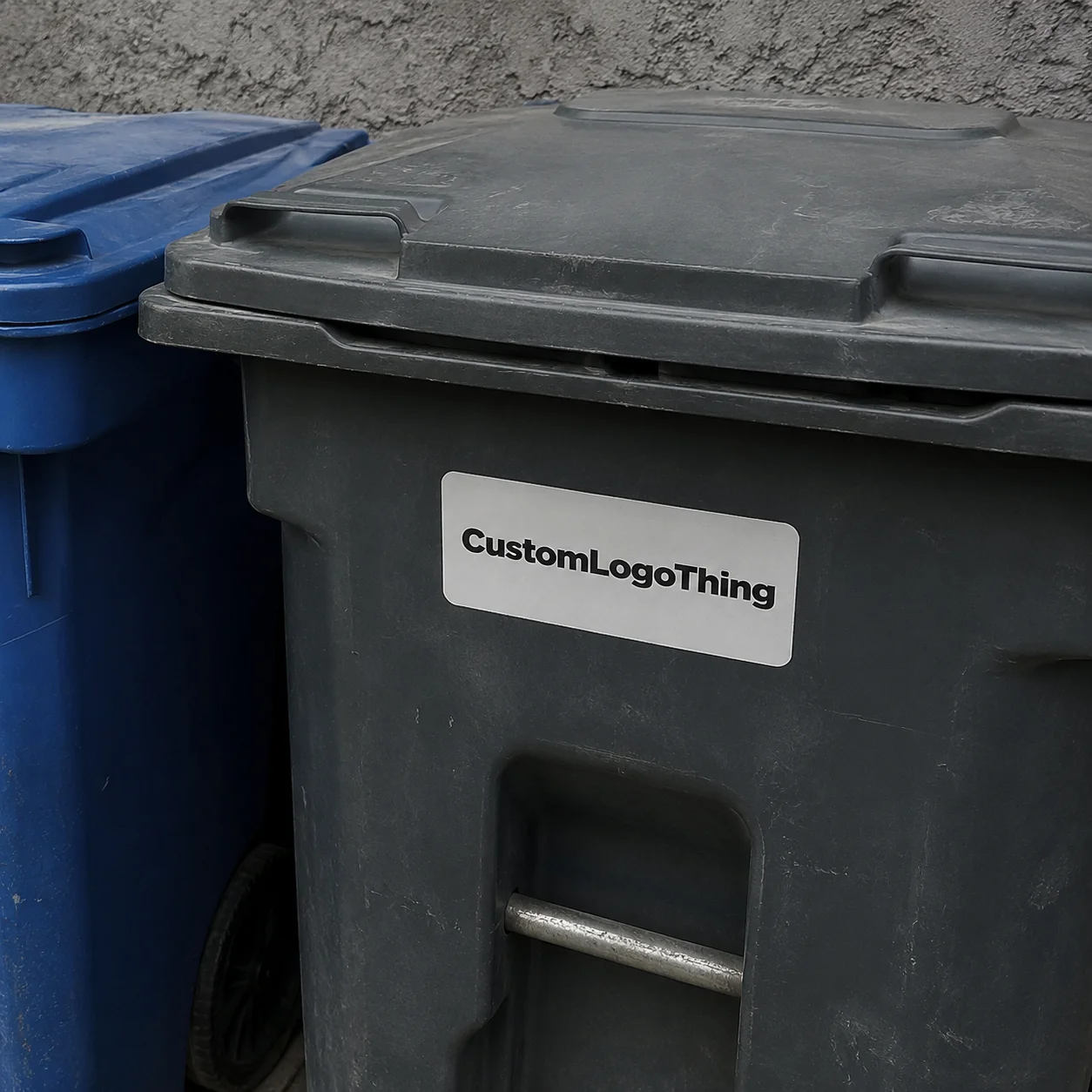
Bins are easy to ignore until they stop doing their job. A recycling container with no clear label gets treated like trash. A compost bin with a faded sticker gets skipped entirely. In facilities, campuses, apartment buildings, event spaces, and warehouses, that small failure creates contamination, extra sorting labor, and cleanup work that gets expensive fast.
Custom Garbage Can stickers solve that problem because they make the container obvious at a glance. They can identify waste streams, carry a logo, support wayfinding, or keep a property’s visual system consistent from the front entrance to the loading dock. They are functional first, with branding as a secondary benefit.
The common buying mistake is assuming any printed label will do. In practice, the cheapest option often becomes the most expensive once you account for reprints, staff time, and replacement work. A good spec stays readable, stays attached, and survives routine cleaning without turning into a maintenance chore.
The right label depends on the surface, the environment, and the expected wear. Indoors and Out, smooth plastic and textured powder coat, dry storage and frequent washdown: those are different jobs. A label that lasts on one may fail quickly on another.
From artwork to final label
The process starts with the basics: final dimensions, quantity, artwork, and where the sticker will be used. The supplier should confirm bin size, surface material, and whether the application is temporary or long-term. Once those details are clear, a proof is prepared for approval before anything is printed.
That proof matters because it checks spelling, color placement, cut shape, and legibility at the intended size. It also catches practical issues like a recycle icon that is too small, text that is hard to read from a distance, or a die line that does not fit the actual container face. One missed detail can spoil an entire run.
Surface condition changes the outcome too. Clean, smooth metal and rigid plastic usually bond well. Powder-coated finishes can work, but texture, dust, and cleaning residue make adhesion less predictable. Curved bins need extra caution because a graphic that looks perfect on screen may wrinkle, stretch, or lift once it wraps around a taper.
Printing method affects both appearance and wear. Digital printing is common for short runs, variable versions, and faster setup. Screen printing is often stronger for simple graphics, solid colors, and outdoor wear. A laminate adds protection against scuffs, abrasion, and cleaning chemicals, which matters more on bins than on many other labels because they are handled constantly.
Adhesive choice should match the use case rather than defaulting to the strongest option available. Removable adhesive is useful for events or short campaigns. Permanent adhesive fits long-term indoor applications. Heavy-duty adhesive is the safer call for harsher environments, rougher surfaces, and repeated cleaning. There is no single adhesive that performs equally well on every container.
| Option | Typical Use | Durability | Relative Cost |
|---|---|---|---|
| Paper label | Short indoor use | Low | $ |
| Standard vinyl | General facility labeling | Medium | $$ |
| Laminated vinyl | Frequent cleaning and higher wear | High | $$$ |
| Outdoor-grade specialty film | Sun, moisture, and rough handling | Very high | $$$$ |
What drives cost and MOQ
Pricing usually comes down to six variables: size, quantity, material, finish, adhesive strength, and whether the shape is standard or fully custom. Larger stickers use more stock. Custom Die Cuts add setup time. Lamination adds both protection and cost. Outdoor-rated materials and adhesives cost more because they are designed to survive more abuse.
Minimum order quantity, or MOQ, matters because setup cost is spread across the run. A 50-piece order often looks expensive per unit because proofing, setup, and finishing are divided among fewer labels. A 1,000-piece order usually brings the unit price down because the fixed work is diluted across a larger batch.
Multiple versions also affect price. A site that needs separate labels for trash, recycling, compost, and landfill may need several artwork files, several proof checks, and more setup time. That does not make the job difficult, but it does add labor on the front end. If the labels are part of a larger branded system, consistent art preparation can save time across projects.
Rush timing can raise the quote, especially when the job needs special materials or a fast proof cycle. Color count matters too. Simple two-color art is often easier to produce than full-process graphics with gradients and tight brand matching. The more precise the color target, the more attention is needed in prepress and quality control.
Realistic pricing for custom garbage can stickers varies widely, but broad ranges are useful. Small short runs often land around $0.60 to $1.40 per piece. Mid-size runs can fall between $0.25 and $0.65. Large runs may drop to $0.12 to $0.32. Outdoor laminated specs typically cost 15% to 40% more, and that premium is often justified when the labels are exposed to UV, washing, or frequent handling.
Unit price is only part of the story. A sticker that lasts twice as long can be cheaper over its life even if it costs more on the purchase order. If maintenance staff has to replace peeling labels, the real expense is labor, not print ink.
| Order Type | Typical Unit Cost Range | Notes |
|---|---|---|
| Small short run | $0.60–$1.40 | Higher setup share, often custom sizing |
| Mid-size run | $0.25–$0.65 | Common for facilities and campus use |
| Large run | $0.12–$0.32 | Better pricing when artwork is finalized |
| Outdoor laminated spec | Usually 15–40% higher | Worth it for UV and wash resistance |
Materials, adhesives, and finishes
Vinyl is the standard starting point for most custom garbage can stickers because it prints well and holds up better than paper in real use. Standard vinyl is usually enough for indoor applications with light wear. Laminated vinyl is the better choice when bins get wiped down often or touched repeatedly. Specialty outdoor films cost more, but they are built for sunlight, moisture, and temperature swings that would shorten the life of a basic label.
Finish changes both appearance and performance. Gloss makes colors look brighter, but it can reflect overhead light and create glare. Matte reduces reflection and tends to improve readability, especially on large containers or in bright spaces. For waste sorting, legibility matters more than shine.
Adhesive performance depends on the substrate. Smooth surfaces usually give the most reliable bond. Textured bins, powder-coated metal, and containers exposed to frequent washing need more careful matching. Light-duty adhesive is fine for short-term use, medium-strength adhesive fits many indoor jobs, and heavy-duty adhesive is the safer option where long-term hold matters. The wrong adhesive may look acceptable on day one and fail by week three.
Bins are rough on graphics. They get bumped by carts, sprayed down, dragged, stacked, and handled by people wearing gloves or wet hands. A label is not just a printed image; it is a small working component of the facility. That is why many buyers choose lamination even when the artwork itself could print without it. The protective layer is often what keeps the edges from fraying and the surface from scuffing.
For buyers who care about sustainability, it helps to separate paper-based packaging from vinyl decal applications. FSC certification is relevant to paper components, not to every sticker material. For waste and recycling context, the EPA’s recycling guidance is a practical reference: EPA recycling guidance. For broader packaging education, the Packaging School and industry resources can help frame the terminology and requirements.
Production and turnaround
Once the proof is approved, the order moves through prepress, printing, curing or lamination, cutting, inspection, and packing. Clean files and standard shapes move quickly. Multiple versions, unusual contours, and exact color matching take longer because more steps have to be checked before the press runs.
Turnaround depends on the order type. Reorders with the same art are usually faster than new jobs. Jobs with several bin categories or custom shapes need more setup and verification. A realistic timeline is often measured in days for simple repeat work and longer for first-run custom projects, especially when the proof cycle takes more than one round.
Most delays happen before production starts. Missing dimensions, unclear artwork, slow approvals, and stock shortages create more problems than the printing process itself. A well-prepared order can move smoothly. A vague order can sit still while everyone asks the same questions in different ways.
Shipping becomes important when the labels have to support a launch, opening, or rollout across multiple locations. Staggered delivery can prevent a last-minute scramble if one site needs labels before another. It also helps to keep a small overage for replacements. One damaged label, one surface that was not cleaned well enough, or one misapplied sticker can otherwise create a needless reprint.
Good file control matters after delivery as much as before. Store the approved artwork, the size, the revision number, and the material spec in one place. That way a reorder six months later does not start from memory.
Mistakes that cause failure
The most common failure point is still the surface. A dirty, damp, textured, or curved bin can defeat a label that would perform well on a smooth clean panel. If the container gets washed often or sits outdoors, the adhesive and laminate need to be chosen with those conditions in mind.
Another costly mistake is sizing from a mockup instead of the actual container. A label that looks bold on a monitor can disappear on a real bin. The reverse problem is just as common: an oversized design can wrap awkwardly, hit a handle, or interfere with a lid. Measure the usable face, not the general area where the label might fit.
Test placement is often skipped, especially on unusual bins. That is where problems show up. Tapered sides can distort a logo. Hinges can interrupt the graphic. Handles can block important text. A single sample placed on the real bin is worth more than a dozen optimistic approvals based on a digital render.
Finish choices can fail quietly too. Gloss may look premium in the proof but become hard to read under strong lighting or direct sun. Matte or low-glare laminate is often the better choice for sorting labels because it keeps the message visible. Readability is more valuable than a glossy surface that photographs well and performs poorly in the field.
It also helps to order a few extras. Bins get damaged, moved, washed too aggressively, or relabeled after layout changes. Exact-count orders leave no room for that. A modest overage costs less than a second rush order, and it keeps the system from breaking over one bad application.
Ordering checklist
Before requesting pricing, gather the bin dimensions, surface type, expected location, quantity, and exposure level. Indoor office use is not the same as an outdoor courtyard. Smooth plastic is not the same as powder-coated steel. Those distinctions shape the recommendation immediately.
Decide whether the order needs one design or several versions for trash, recycling, compost, or landfill. Fewer versions usually reduce setup complexity, but multiple versions can still be efficient if the visual structure stays consistent. If the labels are part of a broader wayfinding or packaging system, consistency across signs, containers, and printed materials matters more than novelty.
Your artwork should include a vector file, readable type, the correct cut shape, and any brand colors that need to be matched carefully. Ask for a proof and confirm what the quote includes: shipping, setup, revision rounds, and any tooling or die-cut fees. Those details are where projects often become more expensive than expected.
If the bins will live in a harsh environment, a small test run is sensible. Sunlight, wash cycles, and heavy handling can change the result enough to justify checking one unit before committing to a larger quantity. It is far cheaper to discover a mismatch on a sample than on a full rollout.
Choosing the right spec
The right spec usually starts with the environment and works backward from there. Indoor or outdoor, smooth or textured, temporary or long-term, light use or heavy use: those are the questions that determine the material, adhesive, and finish. Starting with the lowest price and hoping it will perform well is not a strategy.
If you are comparing quotes for custom garbage can stickers, ask each supplier to quote the same size, same finish, same adhesive assumption, and same quantity. That is the only fair comparison. Then check readability at the actual viewing distance, confirm the label will not interfere with handles or lids, and make sure the replacement plan includes a few extra pieces.
The best labels are usually the ones nobody has to think about after installation. They stay flat, they stay readable, and they make sorting easier without calling attention to themselves. That matters in facilities where durability matters more than decoration and where the real test is whether the label still looks intact after cleaning, traffic, and a few months of use.
If the larger system also includes Custom Labels & Tags or other Custom Packaging Products, keep the visual language aligned across everything. That consistency is not flashy, but it makes a property feel organized and gives maintenance staff one less variable to manage.
What are custom garbage can stickers used for in facilities and events?
They identify trash, recycling, compost, or landfill bins clearly so people sort correctly. They also support branding and wayfinding in public spaces, back-of-house areas, and temporary event setups. In practice, they are most useful where a quick glance has to be enough.
How durable are custom garbage can stickers outdoors?
Durability depends on the vinyl, adhesive, and laminate chosen for the surface and exposure level. Outdoor-grade films hold up far better than paper labels, and a laminate usually adds useful abrasion resistance. Strong sunlight, pressure washing, and rough handling still shorten lifespan, so the spec has to match the site.
What size should custom garbage can stickers be?
The right size depends on viewing distance and the usable face of the bin. Large public containers need bigger graphics so the message can be read quickly. Before finalizing the size, check handles, lid clearance, and any taper that might distort the layout.
How much do custom garbage can stickers cost?
Pricing changes based on quantity, size, material, finish, and cut style. Small runs usually cost more per unit because setup is spread across fewer pieces. More durable materials and laminated builds cost more upfront but often reduce replacement frequency.
What is the typical turnaround for custom garbage can stickers?
Turnaround depends on proof approval, run size, and how complex the artwork is. Reorders with the same file are usually faster than new custom jobs with several versions. The fastest orders are the ones that arrive with clean artwork, clear dimensions, and quick proof approval.

