Order Custom Vynl Stickers That Last Indoors and Out
Most sticker failures are not caused by a bad logo. They happen because the film, adhesive, laminate, or surface was wrong for the job. That is a preventable problem, which is why the spec sheet matters before a single sheet goes to print.
For buyers, a sticker is rarely “just a sticker.” It may be a brand mark on a candle jar, a shipping seal on a kraft box, a QR label on retail packaging, a laptop giveaway, a freezer-safe product label, or a bumper decal exposed to sun, rain, soap, and road grit. Each use asks for something different. Clean artwork does not rescue the wrong construction. Sadly, the printer is not a magician.
What Custom Vynl Stickers Are Really Built to Do
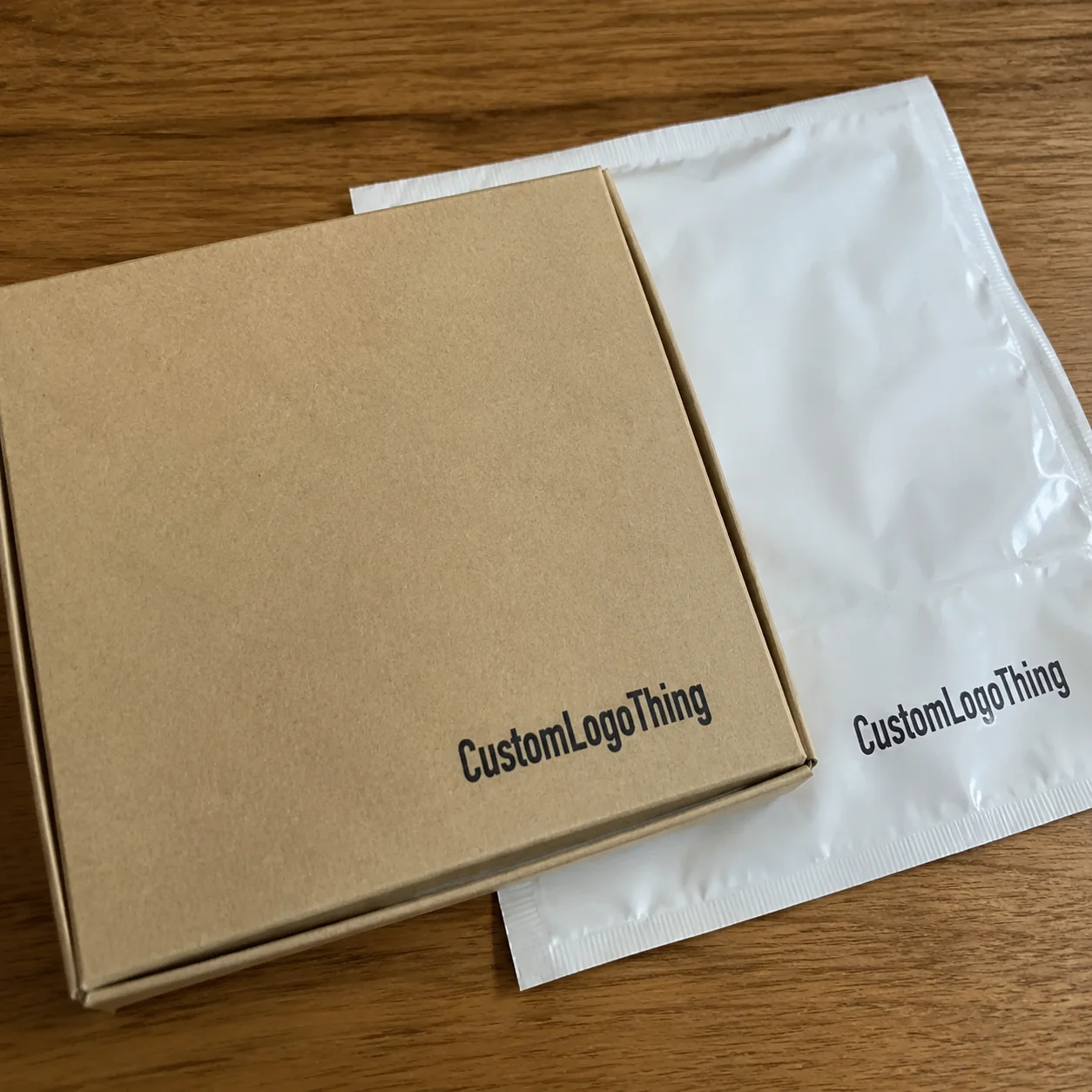
Custom vynl stickers, usually searched that way when buyers mean Custom Vinyl Stickers, are printed adhesive graphics made to a chosen size, shape, material, and finish. They can be die-cut around the outer edge, kiss-cut on a backing liner for easier peeling, or arranged on sheets for retail, events, or packing stations. The spelling matters less than the specification. If the quote says white vinyl, permanent adhesive, gloss laminate, contour cut, and outdoor-rated ink, you are close to understanding performance. If it only says “premium sticker,” you are mostly guessing.
Paper still has its place. For dry indoor packaging, short promotions, bakery bags, tissue wraps, and low-cost product labeling, paper can be the smart buy. Vinyl earns its keep when the piece has to handle moisture, abrasion, oils from hands, repeated handling, curves, or outdoor exposure. That does not make every vinyl sticker waterproof, weatherproof, or vehicle-safe. Adhesive and finish still have to match the environment.
A laptop decal sees a smooth surface and a lot of contact from hands and bags. A candle jar label may deal with fragrance oils, glass cleaning, and a slightly curved container wall. A bumper sticker needs UV resistance, edge durability, and adhesive that survives temperature swings. A freezer-safe label needs to bond at low temperature and resist condensation. A kraft shipping seal has to grab a fibrous surface that may be dusty or uneven. Those jobs are not interchangeable, even if the art looks identical in a PDF.
Production rule of thumb: define the surface, temperature, handling, and expected life before choosing the film. Build the sticker around the job, not the other way around.
If the sticker supports branded packaging, think about application as much as appearance. A clean 3-inch circle can be annoying on a fast packing line if the liner is hard to peel, the adhesive bites too early, or the film curls on a small container radius. Form should not slow down fulfillment. Nobody needs an artisanal bottleneck.
How Vinyl Sticker Printing, Cutting, and Finishing Work
Production usually starts with artwork review. A prepress operator checks file resolution, color mode, fonts, bleed, safe zones, and cut paths. From there, the file is imposed on a sheet or roll layout, printed, dried or cured, laminated if required, cut, weeded when needed, inspected, counted, packed, and shipped.
Digital printing is the usual choice for full-color logos, gradients, small to medium runs, variable shapes, and fine detail. It is practical for orders from a few dozen pieces to several thousand because setup is lighter than traditional screen production. Screen printing still has a place for large runs with bold spot colors, heavy ink laydown, or durability requirements that justify the setup time. It is less attractive for short mixed-design batches.
Cut style affects both usability and cost. Die-cut stickers are trimmed around the outside shape, so the finished piece follows the logo or design edge. Kiss-cut stickers are cut through the sticker layer but remain on a larger backing liner, which makes them easier to peel and hand out. Sticker sheets place multiple designs on one liner, which works well for retail sets, planner stickers, event packs, or labels grouped by product kit.
Finishing changes the look and the wear. Gloss laminate gives color more punch and adds abrasion resistance. Matte laminate softens the look and reduces glare. Clear vinyl works well for glass, windows, bottles, and packaging where the surface should show through. Holographic or metallic films create strong shelf impact, but they cost more and need tighter artwork planning.
White ink deserves special attention. On clear, chrome, holographic, or metallic materials, bright colors often need an opaque white underlay beneath the printed art. Without it, reds can look thin, yellows can disappear, and brand colors drift because the base material is doing part of the visual work. That effect is easy to miss on a screen and obvious on press.
Material, Adhesive, and Surface Factors That Decide Performance
A good sticker quote should tell you more than size and quantity. The important specs are face film thickness, adhesive type, liner style, laminate, ink system, and indoor or outdoor durability. Many general-purpose vinyl films fall around 3 to 4 mil before laminate. Heavier laminated constructions can feel noticeably thicker. Thin films conform better to curves. Thicker builds usually feel more premium and handle abuse better, but they do not wrap small radii as cleanly.
Adhesive choice is where many orders succeed or fail. Permanent adhesive fits long-term branding, packaging, equipment labels, and decals that should not lift under normal handling. Removable adhesive suits temporary promotions, event signage, shelf talkers, or seasonal stickers where clean removal matters. High-tack adhesive helps on textured surfaces, recycled board, low-energy plastics, and other surfaces that resist standard adhesives. Freezer-grade adhesive is built for cold-chain products, refrigerated displays, frozen foods, and labels exposed to condensation.
Surface fit is practical, not theoretical. Glass is usually friendly if it is clean and dry. Painted metal can work well, but powder-coated bottles and textured equipment panels may need extra tack. Kraft boxes and corrugated cartons have fibers, dust, and uneven contact points. Flexible pouches move, bend, and may use low-surface-energy films. Curved containers create edge tension, especially if the sticker is wide or the film is stiff.
| Application | Suggested Construction | Watch Point |
|---|---|---|
| Laptop or notebook decal | White vinyl with matte or gloss laminate | Needs abrasion resistance from hands and bags |
| Candle jar or cosmetic bottle | White or clear vinyl with permanent adhesive | Test against oils, glass cleaning, and container curves |
| Shipping box seal | Paper or vinyl depending on handling demands | Kraft and recycled board may need stronger adhesive |
| Cooler or freezer product label | Vinyl or film label with freezer-grade adhesive | Condensation and application temperature matter |
| Outdoor bumper or equipment sticker | Outdoor vinyl with UV-resistant laminate | Sun, washing, road grit, and edge exposure reduce life |
Environmental exposure adds another layer. UV light fades inks. Water can attack exposed edges. Oils and cleaning chemicals can soften adhesives or mark unprotected print. Friction from hands, cartons, shelves, and transport can scuff unlaminated artwork. Temperature swings can expand and contract both the surface and the sticker, stressing the bond over time.
The smartest move is simple: test on the real surface whenever the application is new. Textured packaging, matte-coated cartons, molded plastic, refrigerated products, outdoor gear, and flexible pouches all deserve a sample check before a full run. For broader packaging performance context, the International Safe Transit Association publishes useful material on distribution testing, while the Forest Stewardship Council is a useful reference if paper-Based Packaging Materials and chain-of-custody sourcing are part of your project.
Custom Sticker Cost, Pricing, MOQ, and Quote Drivers
Sticker pricing depends on finished size, shape complexity, quantity, material, adhesive, finish, number of designs, packing format, and proofing or setup requirements. A 2-inch square on standard white vinyl is usually far cheaper than a 5-inch contour-cut decal with tight inside corners, clear film, white ink, gloss laminate, and individual retail bagging.
Unit cost drops as quantity rises because file prep, press calibration, material waste, cutting setup, proofing, and packing time get spread across more pieces. A short digital run can make sense for a product launch test, but the per-piece cost will be higher than a larger repeat order. For common white vinyl stickers, small-business quote ranges often land around $0.18 to $0.45 per piece at 5,000 pieces for modest sizes. Very small runs can sit at $1.00 or more each depending on size and finishing. Specialty films, white ink, outdoor laminate, or multiple SKUs can push that number quickly.
Minimum order quantity, or MOQ, depends on the production method and material. Some digital sticker projects can run in batches of 50, 100, or 250 pieces. Specialty materials, exact spot-color matching, custom tooling, or unusual adhesives may require higher minimums because the supplier has to buy material, set up equipment, or reserve press time. Not every higher MOQ is a sales tactic. Sometimes it is just how the roll, waste, and schedule work.
| Sticker Type | Typical Cost Position | Why It Prices That Way |
|---|---|---|
| Simple square or circle, white vinyl | Lower | Efficient nesting, standard material, simple cutting |
| Contour-cut logo shape | Medium | More cutting time and potential material waste |
| Clear vinyl with white ink | Medium to high | Extra ink layer and tighter color planning |
| Outdoor laminated decal | Medium to high | Added laminate, durability requirements, inspection |
| Holographic or metallic sticker | Higher | Specialty stock, white ink control, premium finish |
For an accurate quote, send the finished size, quantity, artwork file, material preference, indoor or outdoor use, application surface, gloss or matte finish, packing needs, and delivery deadline. If the sticker is part of a broader launch with Custom Packaging Products, mention the box, pouch, bottle, or insert it will be paired with so the sticker is not specified in isolation.
Process, Timeline, and Lead Time From Artwork to Delivery
A typical order moves through a predictable path: submit artwork and specs, receive a quote, approve a digital proof, enter production, print, laminate if needed, cut, inspect, pack, and ship. Many standard sticker orders run about 5 to 10 business days after proof approval. Larger quantities, specialty materials, multi-SKU orders, or physical sample requests can push the schedule to 12 to 20 business days or more. Freight time is separate.
Proof approval is often the biggest controllable timeline factor. Production usually cannot start until the buyer confirms finished size, cut line, spelling, color expectations, material, adhesive, finish, and quantity. A one-day delay on proof approval can become a three-day issue if the press schedule fills or a specialty stock misses the next production slot.
Several variables affect lead time. Quantity matters because cutting and counting take real time. Specialty stock availability matters because not every clear, metallic, removable, or freezer-grade material sits on the shelf. Lamination adds a step. Multiple designs require separate proofing, nesting, and quality checks. Complex cut paths can slow the cutter, especially if the design has sharp points, thin bridges, or tiny inside cuts.
Print-ready vector art makes the schedule easier. A clean AI, EPS, or PDF file with outlined fonts, embedded images, bleed, safe zones, and a clear dieline can move quickly through prepress. Raster artwork can work for photo-based stickers, but it should be supplied at final size with enough resolution, commonly 300 dpi for close-viewed print. A logo pulled from a website is often 72 or 96 dpi, and it usually shows soft edges when enlarged.
Build in extra days for new product launches, retail packaging resets, trade shows, influencer mailers, and seasonal campaigns. Reprints and expedited freight are expensive ways to solve preventable timing problems. If the sticker has to match custom printed boxes, hang tags, inserts, or Custom Labels & Tags, give the production team the full packaging context early.
Common Artwork and Ordering Mistakes That Cause Reprints
The most common file issue is low-resolution artwork. A logo copied from a website may look fine on a screen, but print exposes every rough edge. Vector logos are preferred because text, shapes, and cut lines stay crisp at different sizes. If only raster art is available, supply the largest original file rather than a compressed image pulled from a web page or email thread.
Missing bleed is another frequent problem. If color or artwork runs to the edge, the file usually needs about 0.0625 to 0.125 inch of bleed beyond the cut line, depending on the supplier’s setup. Safe zones matter too. Text, borders, QR codes, and fine details placed too close to the cut edge can look off-center after normal production tolerances. A thin border around a circle or oval can make tiny shifts obvious, even on well-run equipment.
Small reverse type causes trouble. White text knocked out of a dark background may fill in if the letters are tiny, especially on textured or specialty materials. Thin script fonts, hairline rules, and detailed illustrations can also be hard to cut cleanly at small sizes. A design that looks polished at 8 inches wide may not survive as a 1.25-inch sticker without simplification.
Color expectations deserve a direct conversation. RGB artwork, uncalibrated monitors, simulated metallic effects, and screenshots do not provide reliable print targets. If a brand color must be tight, provide Pantone references or a physical sample. Even then, matching can depend on material color, laminate finish, ink system, and whether white ink is used. Matte laminate can make colors look softer; gloss can make them appear more saturated.
Material mismatch causes expensive reprints. Removable stickers on outdoor gear may lift early. Unlaminated stickers used on high-touch surfaces can scuff. Standard adhesive may struggle on cold, oily, curved, textured, or low-energy plastic surfaces. A test run is cheap compared with relabeling thousands of jars, replacing retail displays, or explaining why packaging looks inconsistent on a shelf.
Next Steps Before You Place a Vinyl Sticker Order
Before requesting a quote, confirm five basics: application surface, exact finished size, indoor or outdoor durability, gloss or matte finish, and packing format. Packing format is easy to overlook. Roll labels, individual stickers, sheeted stickers, and bulk-packed decals all behave differently at the packing table. If your team applies 2,000 stickers a day, peel speed and liner format can matter as much as the printed look.
- Measure the real space: check width, height, curve, and any nearby seams, caps, folds, or box edges.
- Define the surface: glass, metal, coated paperboard, kraft, corrugated, pouch film, molded plastic, or painted finish.
- Set the life requirement: one-day event, 3-month promotion, 1-year retail use, or multi-year outdoor exposure.
- Choose the finish: gloss for brighter color, matte for a softer premium look, or specialty film for visual impact.
- Confirm application conditions: room temperature, cooler, freezer, outdoor install, dusty warehouse, or high-speed packing line.
Gather artwork files, brand color references, quantity targets, delivery date, and photos of the intended surface or packaging. Photos help a production team spot issues early, such as a tight bottle curve, a textured mailer, a waxy carton coating, or a label panel that is smaller than it first appears. If the stickers support retail packaging, include shelf display requirements or barcode placement rules.
Ask direct production questions before approval. What adhesive fits this surface? Is lamination needed for handling or weather? Will white ink be used under color? Is the cut line safe for the design size? What is the expected lead time after proof approval? Are there setup charges for multiple shapes or sizes? Can the stickers be packed in a way that suits your fulfillment team?
Request a sample when the application is new, visible, or expensive to fix. New packaging materials, outdoor use, freezer or cooler exposure, tight curves, premium retail launches, and products with oils or moisture all justify testing. A sample does not guarantee every future condition, but it can reveal obvious adhesion, fit, color, and handling issues before you commit to the full order.
If you are pricing custom vynl stickers, send size, artwork, quantity, surface details, finish preference, durability needs, packing format, and deadline together. That single packet of information helps the manufacturer quote faster, Choose the Right film and adhesive, and flag production risks before they become reprints.
FAQ
Are custom vynl stickers waterproof?
Vinyl stickers with the right ink system and laminate can resist water well, but waterproof performance depends on material, adhesive, edge exposure, surface prep, and how long the sticker stays wet. For bottles, coolers, outdoor gear, or bathroom products, ask for a laminated vinyl construction and test it on the actual surface before a full run.
What is the difference between custom vinyl decals and vinyl stickers?
The terms overlap. Decals often refer to larger graphics, transfer graphics, vehicle markings, or outdoor applications, while stickers often refer to smaller branded pieces supplied on backing liners. For ordering, the more useful details are size, material, adhesive, cut style, finish, and where the piece will be applied.
How long do custom vinyl stickers usually last outdoors?
Outdoor life depends on UV exposure, weather, abrasion, ink type, laminate, and surface prep, so a shaded window sticker may last much longer than a bumper sticker in full sun. A UV-resistant laminate and correct adhesive improve durability for vehicles, equipment, signage, and exterior packaging.
Can I order custom vynl stickers in multiple shapes and sizes?
Yes, most custom orders can include circles, squares, rectangles, ovals, contour-cut logo shapes, sticker sheets, or multiple sizes. Multiple versions may affect pricing because each size or cut path can require separate setup, nesting, proofing, and production handling.
What artwork file is best for printing custom vinyl stickers?
Vector files such as AI, EPS, or print-ready PDF are usually best for logos, text, and clean cut lines. High-resolution PNG, TIFF, or PSD files may work for photo-based designs, but they should be supplied at final print size with enough resolution, bleed, and clear safe margins.