Custom Golf Shaft Labels: What Buyers Should Expect Before They Order
Custom golf shaft labels do more than identify a club. They affect how a set is sorted, photographed, sold, and judged before the first swing. For buyers, that makes the label a small surface with outsized impact. It has to behave like product packaging, not decoration.
In practice, a label can prevent mix-ups in a fitting room, improve presentation in a pro shop, and make a private-label line feel finished instead of assembled from parts. That matters for club builders, retailers, tournament kits, and branded giveaways. If a label peels early or looks uneven, the whole set loses perceived value.
For buyers comparing Custom Labels & Tags with broader Custom Packaging Products, the key question is whether the label will stay legible, hold its shape, and fit the shaft without lifting at the edges.
Why Shaft Labels Matter More Than Most Buyers Expect
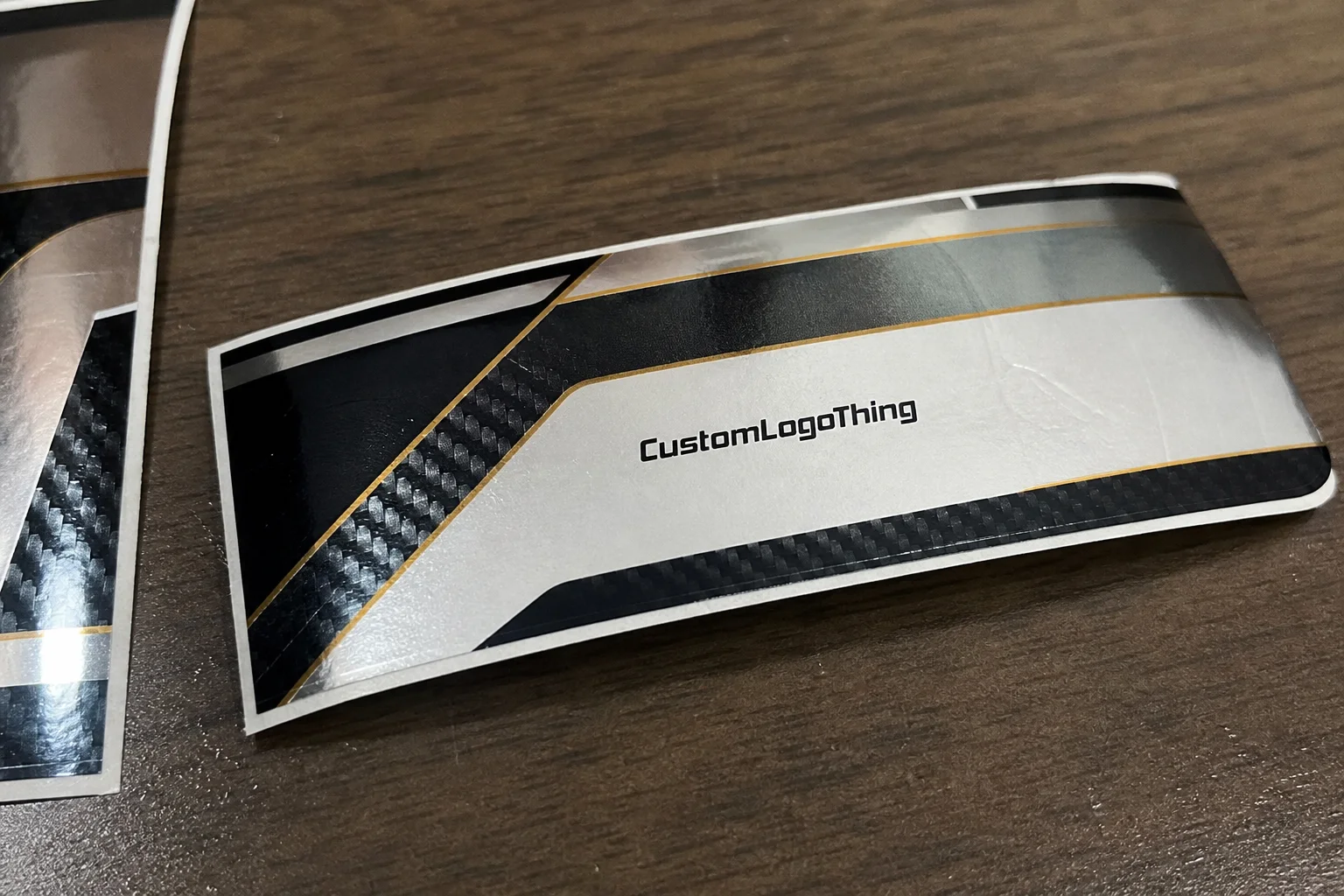
A shaft label is a small brand touchpoint, but it behaves like a visible quality signal. Buyers often notice it before they inspect the ferrule, the grip, or the finish because it is one of the easiest details to compare.
These labels can identify a model, help with inventory control, support retail presentation, and make a club line easier to photograph for web listings and promotional assets. A clean label also reduces the odds that two similar shafts get mixed during assembly or event prep.
For private-label programs, the label can carry more brand weight than the club head itself in the buyer’s mind. The shaft runs through the full length of the club, so any flaw is easy to see. If the label is crisp and aligned, the set feels more controlled. If it is faded or sloppy, the product can look lower grade even when the shaft spec is fine.
There is also a practical difference between decorative branding and functional labeling. Decorative work can tolerate some imperfection. Functional labeling cannot. The best labels are built around shaft diameter, taper, coating, handling conditions, and storage or shipping requirements. A generic shape copied from another product is usually where problems start.
From the packaging side, this is familiar. A label is not just ink on film; it is part of the product experience. The same logic that shapes branded packaging and custom printed boxes applies here: the surface has to look intentional, survive handling, and reinforce the value of what is inside.
Buyers usually regret the label spec they did not test, not the one they overthought. A proof, a material sample, and a quick fit check prevent more damage than a dozen small design debates.
How the Labeling Process and Turnaround Work
The production flow for custom golf shaft labels is straightforward, but each step can create delays if the inputs are weak. Most suppliers start with artwork review, then move to proofing, material selection, production, finishing, and shipment. Clean files keep the schedule moving; vague dimensions or low-resolution art slow everything down.
Most buyers should send a short spec package first:
- Vector artwork or high-resolution source files
- Exact label dimensions
- Quantity by SKU or variation
- Finish preference, such as matte, gloss, or metallic
- Application environment, including indoor retail, tournament use, or long-term club branding
Proofing is where the order is either set up correctly or headed for rework. This is the point to confirm logo placement, spelling, color accuracy, bleed, cut line, and any secondary information such as model name or flex rating. If the job involves multiple shaft models, each version should be shown separately.
Turnaround depends on the production method and the amount of handling needed. Standard runs often ship in about 10 to 15 business days after proof approval. Specialty adhesives, color-critical matching, variable numbering, or metallic effects can add time. Seasonal demand matters too, especially around launch periods, promo events, and trade show cycles.
There are a few timing realities worth planning around:
- Artwork revisions add the most delay because they stop the proof cycle.
- Sampling adds time, but it usually saves money by catching fit issues early.
- Higher volume can add production time, even if unit cost falls.
- Rush requests often limit finishing choices and raise the quote.
If you are planning a launch or a retail reset, build in buffer time. That matters even more when the labels need to coordinate with broader package branding or a larger product packaging program already in motion.
Material and Adhesive Choices That Affect Performance
Material selection is where a lot of buyers underestimate the problem. A label can look excellent on screen and still fail on a shaft if the film is too thin, the adhesive is too aggressive, or the finish is wrong for the surface texture. The best custom golf shaft labels start with the use case, not the artwork.
Vinyl remains common because it is flexible and familiar, especially for shorter promotional runs. Polyester is stronger on abrasion and tends to hold print clarity well for fine text or serial numbers. Specialty films can add a premium feel, including metallic or clear effects, but some show scuffs faster than buyers expect.
Adhesive choice is just as important. A removable adhesive may be enough for short-term promotions, demo builds, or temporary event branding. A permanent adhesive is usually Better for Retail resale, long-term product lines, and any label that needs to survive repeated handling. Sweat, glove friction, temperature swings, wiping with cleaners, and UV exposure can all expose a weak bond.
Surface texture matters too. A painted shaft, a coated shaft, a matte shaft, and a lightly textured shaft all behave differently. A label that holds fine on a smooth gloss finish may lift on a rougher coating, especially near the edges. That is why a fit test on the actual shaft surface is not optional if the order is meant to last.
For durability discussions, buyers sometimes ask about testing. That is a sensible move. Adhesion can be checked with ASTM-style pull or peel methods, while package and transit resilience is often discussed in relation to ISTA testing protocols. The point is not to force a laboratory mindset onto a small label. It is to confirm the label can survive the conditions it will actually face.
Packaging professionals already think this way with retail packaging and branded packaging. A surface treatment that looks premium but fails under handling is a bad trade. The same logic applies here, only the margin for error is smaller.
Custom Golf Shaft Labels Pricing, MOQ, and Quote Factors
Pricing is shaped by the same factors that drive most print work: material grade, print method, size, cut complexity, finishing, and quantity. Small labels are not automatically cheap. They can be more expensive per piece if they require precise die cutting, tight color matching, or special adhesion.
A quote usually reflects setup cost as much as per-unit cost. Small orders can feel expensive because the fixed work of proofing and tooling gets spread across fewer pieces. At higher quantities, that setup is diluted and the unit price drops.
| Order Profile | Typical Unit Range | Best Fit | Notes |
|---|---|---|---|
| 250-500 pieces | $0.90-$2.00 each | Promotions, test runs, small club builds | Setup and proofing weigh heavily; special finishes raise cost quickly. |
| 1,000-2,499 pieces | $0.45-$0.95 each | Retail programs and recurring SKUs | Better balance between price and flexibility; MOQ often sits here. |
| 5,000+ pieces | $0.18-$0.45 each | Private-label programs, seasonal rollouts | Lowest unit cost, but tighter planning needed for storage and version control. |
Most suppliers set an MOQ because production efficiency depends on it. That minimum may be 250 pieces, 500 pieces, or more, depending on the print process and finishing. If your order is below that threshold, one practical workaround is to combine several label versions into a single production run, provided the artwork family and material spec are close enough.
Other quote factors can change the price more than buyers expect:
- Packaging and kitting for multiple club models
- Variable numbering or serialized labels
- Rush production
- Matched color requirements
- Special coatings, foil, or soft-touch finishes
The cheapest bid is not always the lowest-risk bid. If the label fails early, wrinkles on install, or looks inconsistent across a set, the hidden cost is higher than the invoice. That is true in Packaging School and design best-practice guidance from packaging associations as much as it is in golf hardware: the wrong spec usually costs more later.
Design Specs That Make Labels Readable and On-Brand
Good design on a shaft label is less about decoration and more about discipline. You are working on a narrow surface, often curved, often handled quickly, and often viewed from arm’s length. Typography and spacing matter more than people expect. A beautiful logo can become cluttered if it is forced into a layout that is too dense.
Use a clear hierarchy. The main brand or model name should read first, while secondary text such as flex rating, build code, or series identifier should support the design rather than fight it. If the label carries too much information, it will look crowded before it leaves the press.
High contrast is usually the safest path. Dark text on a light ground, or light text on a dark ground, reads better than soft tonal pairings. Small metallic accents can help a premium line feel more finished, but not if they reduce legibility. A buyer should be able to identify the shaft without squinting.
Color consistency matters across product families. If a brand uses specific PMS colors, those should be matched closely across the label line so the same red, blue, or black looks consistent across runs. That consistency matters just as much in retail packaging and custom printed boxes as it does on the shaft itself.
Some buyers include serial numbers, model codes, or flex information. That can help with inventory control or quick identification, but only if the layout stays readable. Extra data helps when it is useful and hurts when the label turns into a data plate. A clean design is usually the better commercial choice.
Before approving artwork, ask a simple question: will this label still look intentional in photos, on a rack, and under bright store lighting? If the answer is yes, the design is probably strong enough for production.
Common Mistakes Buyers Make Before Ordering
The most expensive errors are often basic ones. Buyers submit artwork without vector files, assume a screen color is enough for production, or approve a proof without checking exact dimensions. Each of those mistakes can create a label that looks acceptable on a monitor but fails in the real world.
Measurement errors are especially common. A label sized for one shaft profile may wrinkle on a tapered model or lift on a larger diameter. The difference can be small on paper and obvious on the club. If the label wraps around the shaft, even a few millimeters matter.
Another common problem is choosing a finish for appearance only. A glossy film may photograph well, but it can show scuffs more quickly. A matte finish may hide handling marks better, but it can mute the branding if the contrast is weak. That tradeoff needs testing on the actual surface, not just in a design file.
Buyers also underorder. That becomes a problem when a second run is needed and the original batch has already changed slightly in tone, material lot, or adhesive behavior. Matching a first run is easier if the supplier has the original spec locked down, and if the follow-up order is placed before stock runs out.
Finally, too many teams skip physical samples. A proof is useful, but a sample tells you more about print feel, edge quality, and adhesive response. If the labels will go into retail resale or a premium club line, that extra check is worth the time.
A good sample exposes the problem your mockup will hide. That is true for labels, sleeves, cartons, and almost every other piece of product packaging.
Next Steps for Specifying and Approving Your Order
If you want a clean order, treat the spec stage like a checklist instead of a casual email thread. Measure the available shaft area first. Gather the logo files in vector format. Decide how many versions you need. Then choose the material, finish, and adhesive based on the actual use case rather than the cheapest line item.
A useful brief for custom golf shaft labels usually includes these details:
- Exact dimensions and placement area
- Artwork files and color references
- Quantity by version or SKU
- Permanent or removable adhesive preference
- Surface description for the shaft finish
- Packaging or kitting requirements if multiple models are included
Ask for a proof, a material recommendation, and a production timeline before you approve anything. If the order is split across several models, confirm the labeling sequence so the right version lands in the right bundle. Shipping dates matter too, especially if the labels have to arrive before assembly.
For larger programs, document the spec once and reuse it. That reduces variation between runs and makes it easier to maintain consistent package branding across products, inserts, and related retail packaging assets. It also makes reordering less stressful because the supplier is not guessing what changed.
That is the upside of good planning: fewer surprises in pricing, fewer delays in production, and fewer install problems at the end. If you want the labels to support the product instead of distracting from it, the approval stage is where the job is won or lost.
What should I include when ordering custom golf shaft labels?
Send vector artwork, exact dimensions, quantity, shaft material details, and your adhesive preference. If the labels need model names, flex ratings, or serial numbers, include that before proofing starts so the layout can be built around the real content.
How much do custom golf shaft labels usually cost?
Pricing depends on material, print complexity, size, finishing, and order quantity. Small runs can land around $0.90-$2.00 per label, while larger runs may drop into the $0.18-$0.45 range, depending on coverage and setup requirements.
How long does production usually take for shaft labels?
Standard turnaround is often 10 to 15 business days after proof approval. Rush orders are possible in some cases, but they usually cost more and may limit finish choices or packaging options.
What makes shaft labels stay on better?
Proper sizing for the shaft diameter and a clean surface before application matter most. A material that resists abrasion, plus an adhesive matched to the shaft finish and temperature range, will hold up much better over time.
Can custom golf shaft labels be used for retail branding and not just identification?
Yes. Many buyers use them to reinforce brand identity, product tiering, and shelf appeal. The best results come from labels that balance visual impact with durability and readability.
For buyers comparing options across Custom Labels & Tags and broader Custom Packaging Products, the best outcome usually comes from treating the label as part of the product system, not an afterthought. That is how custom golf shaft labels end up doing real work: they sort, brand, protect perception, and hold up long enough to justify the order.

