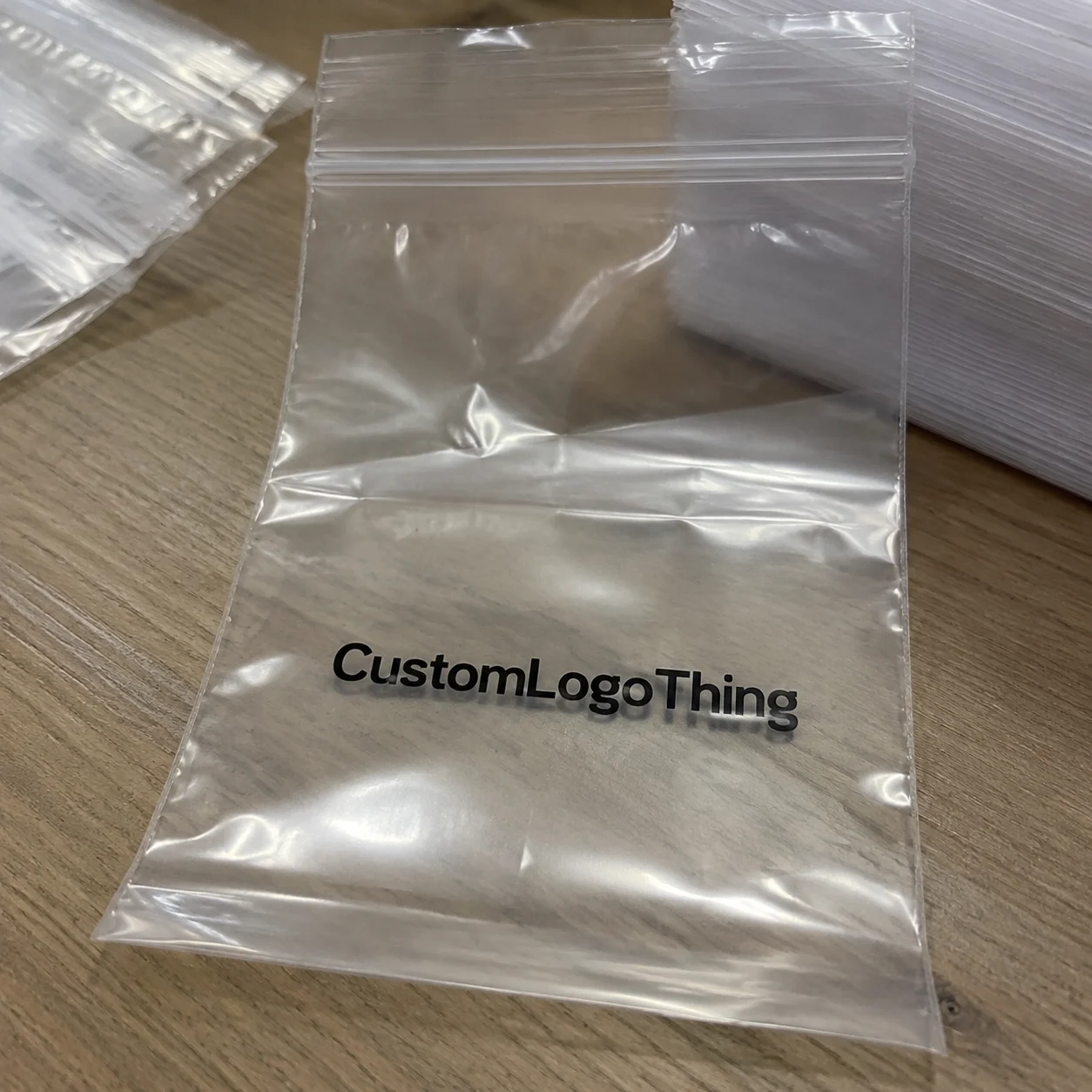
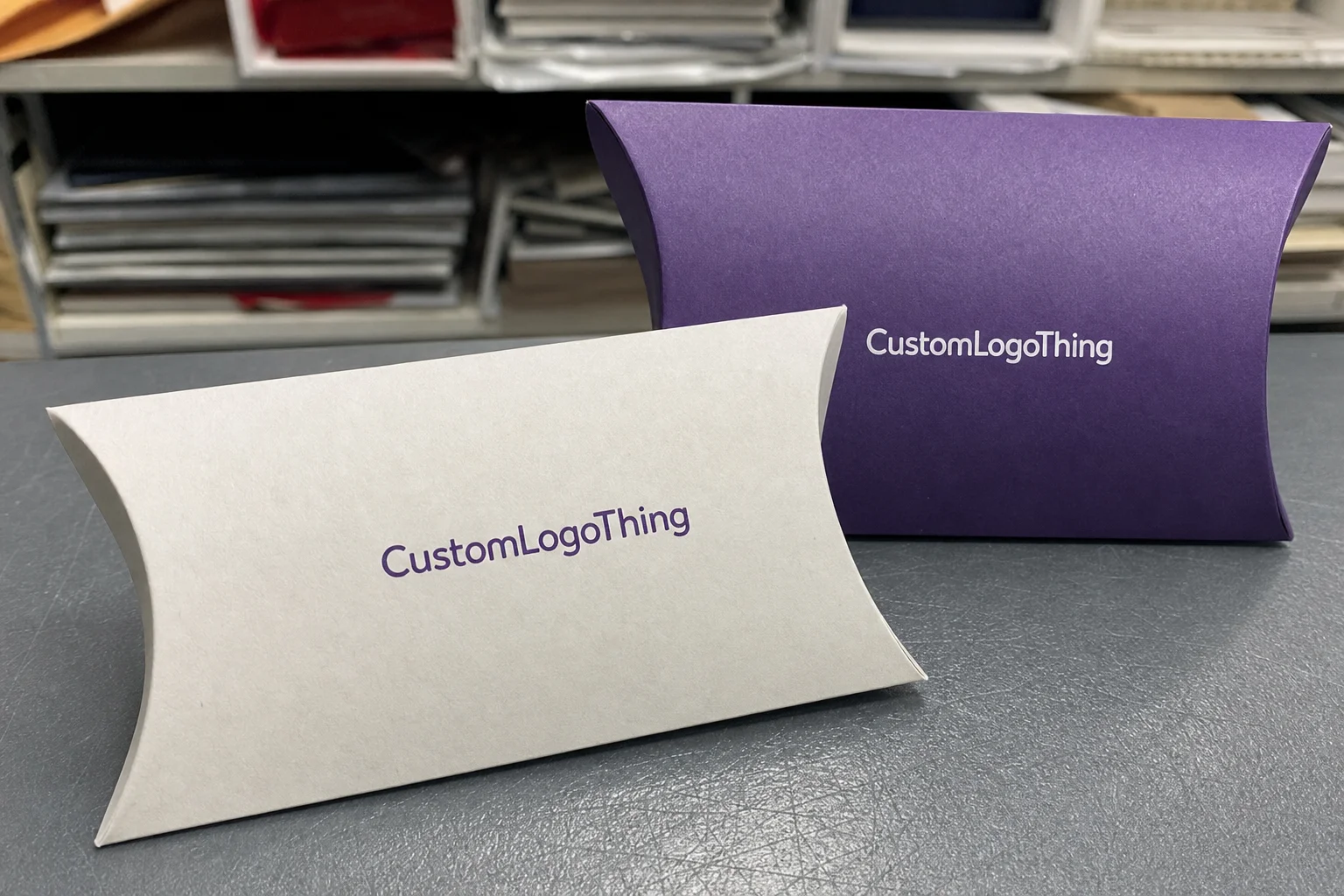
A custom guitar pick box looks minor until you compare it with a pick in a plastic sleeve or a loose carton. The difference shows up immediately in presentation, handling, and perceived value. For a low-cost accessory, packaging often does more to justify price than the product itself.
That matters because small merch items are easy to overlook. A guitar pick is inexpensive, easy to lose, and simple to treat as an add-on. The box has to protect it, present it clearly, and keep the project within a realistic budget. The strongest result is usually the one that fits the product well, survives transit, and still looks intentional after opening.
Why a small box changes the entire product experience
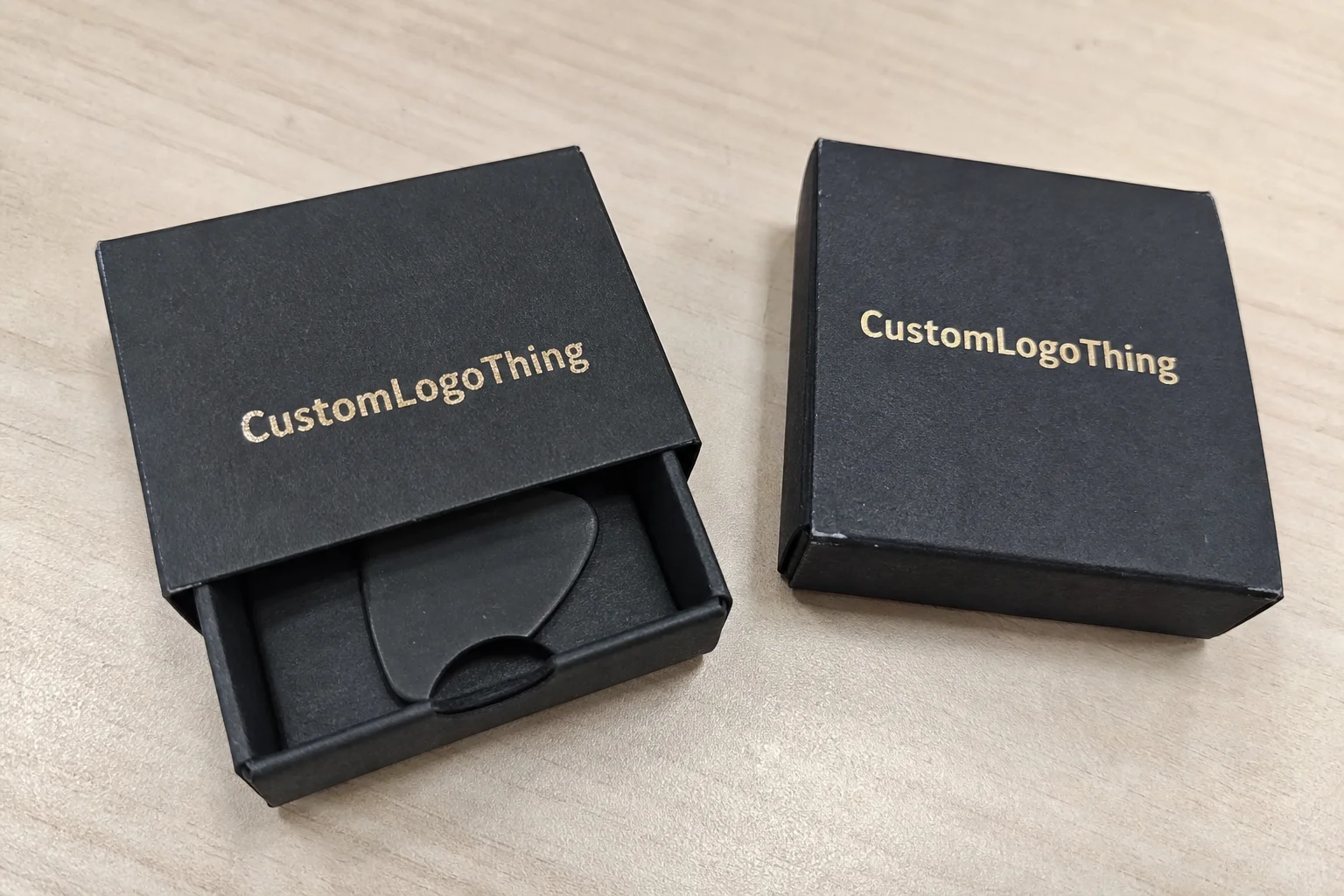
A custom guitar pick box does more than hold an accessory. It turns a small, easily ignored item into something that reads as a finished product. Buyers react to size, color, finish, and structure long before they inspect specs.
Loose or flimsy packaging tends to make a product feel disposable. A compact printed carton does the opposite. It creates visual order, frames the item, and helps the product look worth the asking price.
There is also a functional side. Small products get crushed, bent, scratched, or lost more easily than larger items. If the box is sized correctly and built from the right board, it keeps the contents centered and reduces movement during handling and shipping.
For bands, merch sellers, and indie brands, the box also becomes part of the branded object. It can carry a logo, a tour graphic, or a restrained design that matches the product price point. In small-format retail, packaging often makes the first impression before the buyer ever touches the pick.
- Protection: reduce scuffing, bending, and loose movement.
- Presentation: make the item visible and intentional.
- Conversion: support shelf appeal and online product photography.
“If a low-cost accessory can be made to look like a premium item, packaging has already done part of the selling.”
How the box performs in retail, merch, and shipping
The right structure depends on where the box will be used. Counter displays, merch tables, online orders, and gift bundles all create different stress points. A carton that looks good on a shelf may not be ideal for courier handling, and a premium rigid box may improve presentation while increasing freight cost and packing volume.
For retail, shelf presence usually comes first. The box should stack cleanly, stand upright if needed, and keep branding visible from a short distance. Small formats live or die on legibility. If the logo is tiny or the graphics disappear under lighting glare, the packaging is doing less work than it should.
For merch tables and direct sales, the box should feel easy to hand over and easy to carry. Buyers at concerts or pop-ups do not want a complicated package for a small purchase. They want something that looks good, protects the item, and fits in a bag without crushing.
E-commerce is less forgiving. Courier handling, carton compression, and repeated contact with other parcels can flatten weak corners or dent paperboard. If the box ships Direct to Consumers, it should be tested for actual shipping stress, not just mockup conditions. A box that opens well but arrives crushed is a failed box.
Structure matters here. Straight tuck, reverse tuck, sleeve-and-tray, and small rigid setups each behave differently in assembly and transit. The more often the customer is expected to reopen the package, the more important the closure becomes. A box that looks elegant once but becomes awkward after repeated opening loses value quickly.
| Structure | Best for | Typical strength | Cost level |
|---|---|---|---|
| Folded paperboard tuck box | Retail, giveaways, light shipping | Good for printed presentation | Lowest to moderate |
| Paperboard with insert | Single pick or small set | Better movement control | Moderate |
| Rigid box | Premium merch, gift sets | High crush resistance | Highest |
| Sleeve and tray | Unboxing-focused retail packaging | Good if built correctly | Moderate to high |
Flat-packed cartons are usually the better choice when shipping quantities to a warehouse or fulfillment center because they reduce volume and freight. Rigid boxes occupy more space and can push up landed cost faster than buyers expect.
Material, size, and finish choices that shape the result
The fastest way to improve a custom guitar pick box is to get three specs right: substrate, size, and finish. Get those wrong and the box can feel flimsy, look crowded, or become more expensive than it needs to be.
For most printed packaging in this category, paperboard is the practical starting point. A common range is 300gsm to 400gsm artboard or SBS, depending on structure and the stiffness needed. For a single pick or a small set, 350gsm is often a good baseline. It is sturdy enough for clean print and light enough to keep shipping costs reasonable.
Size is a bigger issue than it looks on paper. Small packaging has little room to absorb error. If the internal dimensions are loose, the pick shifts and rattles. If the fit is too tight, the board can crease at the folds or buckle near the closure. A box that is only a few millimeters off can still look wrong once assembled.
The finish sets the tone. Matte gives a more restrained, modern look and usually keeps text readable. Gloss creates stronger color pop and works well for vivid artwork. Soft-touch can make a box feel more premium, though it adds cost and can show handling marks depending on use. Spot UV and foil are strongest when used selectively, not across every surface.
- Matte: clean, understated, good readability.
- Gloss: brighter appearance, stronger shelf shine.
- Soft-touch: tactile premium feel, higher cost.
- Foil or spot UV: best as a targeted accent.
For small packaging, clarity usually beats visual noise. A simple structure with a strong logo placement often performs better than a crowded box with too many finishing effects. The best finish is the one that supports the brand story and the actual selling price.
Exact specs also affect print accuracy, box fit, and pricing. A quote built on vague dimensions usually leads to revisions, and revisions slow a run down while adding cost. The box is small, but the mistake can still be expensive.
Cost, MOQ, and unit pricing: what actually moves the number
Pricing for a custom guitar pick box is driven by a small group of variables: board thickness, structural complexity, print coverage, finish choice, insert style, and order quantity. There is no hidden formula beyond that, just tradeoffs.
MOQ matters because setup costs have to be spread across the run. Prepress, die cutting, press setup, and finishing all cost money whether you order 500 units or 5,000. Smaller runs usually carry a higher unit price because those fixed costs are divided among fewer boxes.
Working price ranges for this kind of packaging often look like this:
| Order size | Simple folded box | Box with insert | Premium finish or rigid style |
|---|---|---|---|
| 500-1,000 units | $0.45-$1.10 each | $0.70-$1.50 each | $1.50-$3.50+ each |
| 2,500 units | $0.22-$0.55 each | $0.35-$0.95 each | $1.10-$2.80 each |
| 5,000+ units | $0.18-$0.40 each | $0.28-$0.75 each | $0.85-$2.20 each |
Those ranges are useful for planning, not guarantees. Freight, artwork complexity, insert design, coating, and seasonal production conditions can move the number in either direction. A box with a window cutout or heavy foil coverage will sit at a different price point than a simple printed carton.
The cheapest quote is not always the best buy. A weak box can lead to damaged product, poor shelf presentation, or slower sell-through, which erases the savings quickly. Packaging cost should be judged against margin, damage risk, and the impression the product has to make.
Requests that often increase cost faster than buyers expect include custom inserts, multi-location print, embossed logos, specialty varnishes, unusually tight tolerances, and dimension changes after artwork approval. That last one is especially costly because it can force a recheck of the structure, cutting form, and print layout.
For buyers comparing packaging options, it helps to see the quote in layers: structure, print, finish, insert, and freight. That breakdown makes it easier to see where the money is going and which changes actually reduce cost.
For material standards or sustainability claims, the Institute of Packaging Professionals and the FSC are useful references when evaluating paper sources and board claims.
Production process and turnaround after artwork approval
Once artwork is approved, the production process usually follows a predictable path. Dieline confirmation comes first. Then file setup. Then proofing. If the project is more involved, a sample or prototype may be made before the full run. After that, the job moves into printing, finishing, folding or gluing, packing, and shipment.
Most delays happen before the press starts. Missing bleed, low-resolution logos, incorrect color assumptions, or artwork placed too close to folds can all stall production. The smaller the box, the less room there is to hide a layout error. A design that looks fine on screen can fail once it is translated to a physical carton.
For a clean custom packaging run, a typical turnaround is often around 12-15 business days after proof approval, not including freight. More complex structures, specialty finishes, and sampling can extend that window. The schedule also stretches if files are incomplete or if the buyer changes the box size after proofing.
Good timing depends on both sides. The buyer needs to approve accurately and quickly. The supplier needs clean files and stable specifications. The less back-and-forth there is, the faster the job moves. A rushed order is usually not delayed by the press; it is delayed by decisions that should have been made earlier.
Shipping-sensitive packaging may also benefit from basic transit testing. ISTA packaging test methods are a practical benchmark for understanding how a box behaves under drops, compression, and handling. A guitar pick box does not always need formal lab testing, but if the packaging is going direct to consumers, it should be designed with real shipping stress in mind. For reference, see ISTA.
Common mistakes that make small packaging expensive
The most common mistake is deciding on the box before deciding on the product details. A single pick, three picks, and a dozen picks are different packaging problems. If the fit is guessed instead of measured, the final result can rattle, bulge, or waste space.
Another expensive habit is adding finishes before confirming whether they support the price point. Spot UV, foil, embossing, and specialty coatings all have their place. They just do not belong on every run. On a low-cost merch item, too many effects can raise the unit cost without improving sales enough to justify them.
Proofs are also approved too quickly. The mockup may look attractive, but the real box still needs to be checked for fold lines, logo placement, legibility, and closure overlap. A logo sitting too close to a seam can disappear once the carton is folded. Small text can become unreadable once production tolerances are applied.
Weak file preparation creates another layer of hidden cost. Low-resolution artwork can require cleanup. Incorrect colors can trigger revisions. Unformatted dieline files can slow prepress and delay the schedule. Clean files do not just make the job look more professional. They make it move faster.
For retail packaging, even tiny defects show up quickly on the shelf. A crooked closure, a dull print finish, or a box that does not hold its shape can make the product look tired next to better-packaged competitors. Buyers compare in seconds, and packaging often decides the first impression before the product itself gets a chance.
- Confirm the exact pick count and dimensions before design begins.
- Choose structure before adding premium finishes.
- Check the dieline carefully, including fold lines and bleed.
- Review the closure in hand if a sample is available.
- Approve only when the box fits the real product and the actual price point.
Small packaging rewards precision. That is the part buyers sometimes underestimate.
Getting a cleaner quote and a better final box
If you want a cleaner quote for a custom guitar pick box, start with the facts a production team actually needs. Provide the exact pick count, dimensions, artwork files, target quantity, finish preference, and shipping destination. If inserts are required, mention that early. If the box has to hang on a retail peg, say so.
A practical sequence helps keep the project under control: confirm fit first, then structure, then finish, then price. That order prevents cosmetic decisions from overshadowing basic functionality. It also gives the packaging supplier enough information to recommend a material that fits the job instead of guessing.
If the structure is uncertain, a sample or prototype run is often the most cost-effective next step. A small test run can reveal whether the box is too tight, too loose, or awkward to open. Discovering that after a full run arrives is a much more expensive lesson. Packaging problems rarely improve with volume.
For brands building a broader line, it can also help to align the guitar pick box with other Custom Packaging Products so the series feels cohesive. Matching packaging across a product line makes the brand easier to recognize and usually looks more organized on shelf and online.
The strongest custom guitar pick box is usually not the one with the most decoration. It is the one that fits the product properly, survives handling, prints cleanly, and lands at a unit cost that still leaves room for margin. That combination is harder to achieve than it sounds, which is why good packaging stands out when it is done well.
What size should a custom guitar pick box be for one pick versus a set?
Size depends on the number of picks, their thickness, and whether an insert or tray is needed to prevent movement. A single-pick box can stay very compact, while a set needs more internal clearance so the contents do not crease the board or rattle during shipping.
Is a custom guitar pick box better in plastic or paperboard?
Paperboard is usually the better choice for print quality, retail presentation, and lower shipping weight. Plastic can make sense when visibility, moisture resistance, or reclosability matters more than a premium printed look.
What is the MOQ for a custom guitar pick box order?
MOQ varies by structure, print method, and finish, but custom packaging typically needs enough quantity to spread setup costs efficiently. Smaller runs are possible, though the unit price usually rises because prepress and tooling costs do not disappear.
How long does it take to produce a custom guitar pick box?
Turnaround depends on proof approval, material availability, and finishing complexity. Clean files and fast approvals shorten the schedule more reliably than any generic speed promise.
What should I include when asking for a quote for a custom guitar pick box?
Include quantity, exact dimensions, pick count, print coverage, finish choice, and delivery location. If you want accurate pricing, attach artwork files and mention whether samples, inserts, or special closures are required.