Buyer Fit Snapshot
| Best fit | Custom Labels Wholesale projects where brand print, material claims, artwork control, MOQ, and repeat-order consistency need to be specified before quoting. |
|---|---|
| Quote inputs | Share finished size, material target, print colors, finish, packing count, annual reorder estimate, ship-to region, and any compliance wording. |
| Proofing check | Approve dieline scale, logo placement, barcode or warning zones, color tolerance, closure strength, and carton packing before bulk production. |
| Main risk | Vague material claims, crowded artwork, missing packing details, or unclear freight terms can make a low unit price expensive after revisions. |
Fast answer: Custom Labels Wholesale: Pricing, Specs, and Process should be specified like a repeatable production item. The safest quote records material, print method, finish, artwork proof, packing count, and reorder notes in one written spec.
Production checks before approval
Compare the actual filled-product size with the drawing, then confirm tolerance on folds, seals, hang holes, label areas, and retail display edges. Reserve space for logos, QR codes, warning copy, and material claims before decorative graphics fill the panel.
Quote comparison points
Review material grade, print process, finish, sampling route, tooling charges, carton quantity, and freight assumptions side by side. A quote is only useful when the supplier can repeat the same color, closure quality, and packing count on the next order.
I’ve watched brands burn money on custom labels wholesale because they treated labels like an afterthought. One client paid almost 3x more per label for tiny reorders over six months, all because they kept ordering 500 pieces instead of locking in a real wholesale run. That kind of math hurts. A lot. If your product line repeats, the right custom labels wholesale order can cut unit cost, stabilize color, and stop those annoying emergency reprints that always show up two days before launch. For a run of 5,000 pieces, I’ve seen labels land at $0.15 per unit instead of $0.42, which is the difference between “healthy margin” and “why are we doing this again?”
My name is Sarah, and I’ve spent 12 years in custom printing, factory visits, and supplier negotiations that made me question humanity. I’ve stood on production floors in Shenzhen, Dongguan, and Ningbo while a line operator checked winding direction on roll labels with the focus of a surgeon. I’ve sat across from material reps from Avery Dennison, UPM Raflatac, and 3M while they explained adhesive performance on cold glass, then watched a brand owner nod like they understood every word. They usually didn’t. That’s fine. I’m here to make custom labels wholesale make sense without the fluff, and without pretending a 300-piece order is somehow “wholesale.”
If you’re building branded packaging, the label is not decoration. It’s part of the sale. It affects shelf appeal, barcode scans, application time, and reorder consistency. It also affects margin, which is the part people love to ignore until the accountant starts asking questions. That’s why I treat custom labels wholesale as a supply decision first and a design decision second. A label stuck on a 250ml amber bottle in Guangzhou has to behave the same way as the one on a 16oz jar in Los Angeles, or the whole system falls apart.
Custom Labels Wholesale: Why Buying in Bulk Saves Real Money
I once saw a skincare brand pay $0.42 per label for 1,000 pieces, then drop to $0.16 per label at 10,000 pieces after we rewrote the spec and combined orders across three SKUs. Same general artwork. Same bottle shape. Same market. The only thing that changed was how they bought custom labels wholesale. That’s the part people miss. The printer doesn’t magically get cheaper because they feel generous. Setup costs, proofing, plate work if used, and material sourcing all get spread across more labels when you order in volume. On that 10,000-piece run, the total order dropped from about $420 to $1,600 instead of a projected $4,200 on small batches, which is real money with a pulse.
Small runs are convenient. Wholesale runs are efficient. If you’re launching a subscription box, a beverage line, a candle collection, or a retail-ready product with repeat demand, custom labels wholesale usually saves real money because the unit cost drops as quantity rises. You also avoid the nasty surprise of paying rush freight for a last-minute reprint when the first order runs out. I’ve seen next-day courier bills hit $180 for a 2,000-label emergency run from Chicago to Denver. That “cheap” small batch often ends up being the expensive one.
There’s another benefit nobody wants to calculate. Consistency. When you order custom labels wholesale, you keep the same material, the same adhesive, and the same color profile across batches. That matters if your packaging design uses a deep black, a soft cream, or a transparent label on glass. I’ve seen brands reorder from a different source and end up with labels that looked fine in a PDF but printed a shade off in real life. On shelf, that mismatch looks sloppy. On a retail line, it looks worse. A 1.5 Delta-E shift might sound tiny in a lab, but on a row of 8,000 bottles in a Brooklyn warehouse, it looks like a mistake.
For quick comparison, here’s how the economics usually shake out in custom labels wholesale orders:
| Order Type | Typical Quantity | Approx. Unit Cost | Best For | Main Tradeoff |
|---|---|---|---|---|
| Small Run | 500–1,000 pieces | $0.32–$0.55 | Testing, pilots, short promotions | Higher unit cost |
| Wholesale Batch | 5,000–10,000 pieces | $0.12–$0.22 | Recurring SKUs, retail packaging, subscription boxes | More upfront spend |
| High-Volume Wholesale | 25,000+ pieces | $0.07–$0.15 | Established product lines, multi-warehouse fulfillment | Needs storage planning |
Minimum order quantities matter because they change your total landed cost. A 500-piece run might look friendly until you realize the setup fees are being spread over almost nothing. In custom labels wholesale, quantity gives you breathing room. Not every brand needs a 50,000-piece commitment. But if you’re selling the same SKU every month, buying in bulk is usually the smarter play. A 2,000-label MOQ might work for a test in Austin or Toronto, but a stable line in Berlin or Los Angeles usually deserves 5,000 pieces minimum.
Wholesale also reduces emergency reprints. I’ve seen this happen during seasonal launches and trade show prep. A brand orders too little, sells out faster than expected, then needs 2,000 more labels overnight. That last-minute job costs more on freight alone than the original design tweak would have cost if they had planned ahead. custom labels wholesale is not just cheaper. It’s calmer. And calm saves money too. A label plan built around a 12-week sales cycle is a lot less dramatic than one built around panic and overnight shipping.
Product Details: Types of Custom Labels Wholesale Buyers Can Order
There’s no single label that fits every package. That would be too easy, and packaging never gives you easy for free. custom labels wholesale buyers usually choose between roll labels, sheet labels, cut-to-size labels, clear labels, waterproof labels, and specialty product labels for jars, bottles, boxes, and mailers. The format matters because the application method matters. Hand-applied labels are not the same as machine-applied labels, and a label that works on kraft paper mailers may fail on curved glass or chilled condensation-prone bottles in Miami, Vancouver, or Singapore.
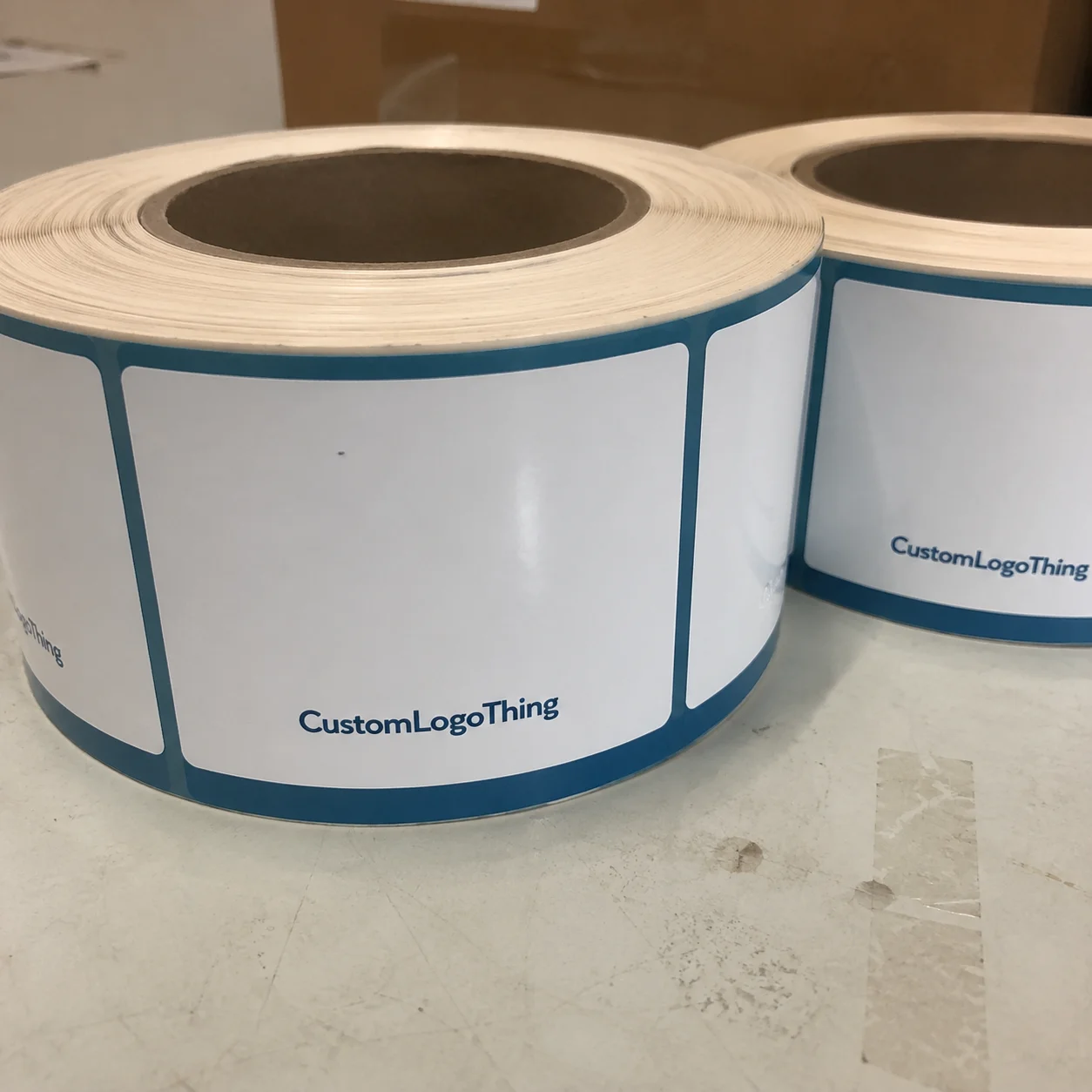
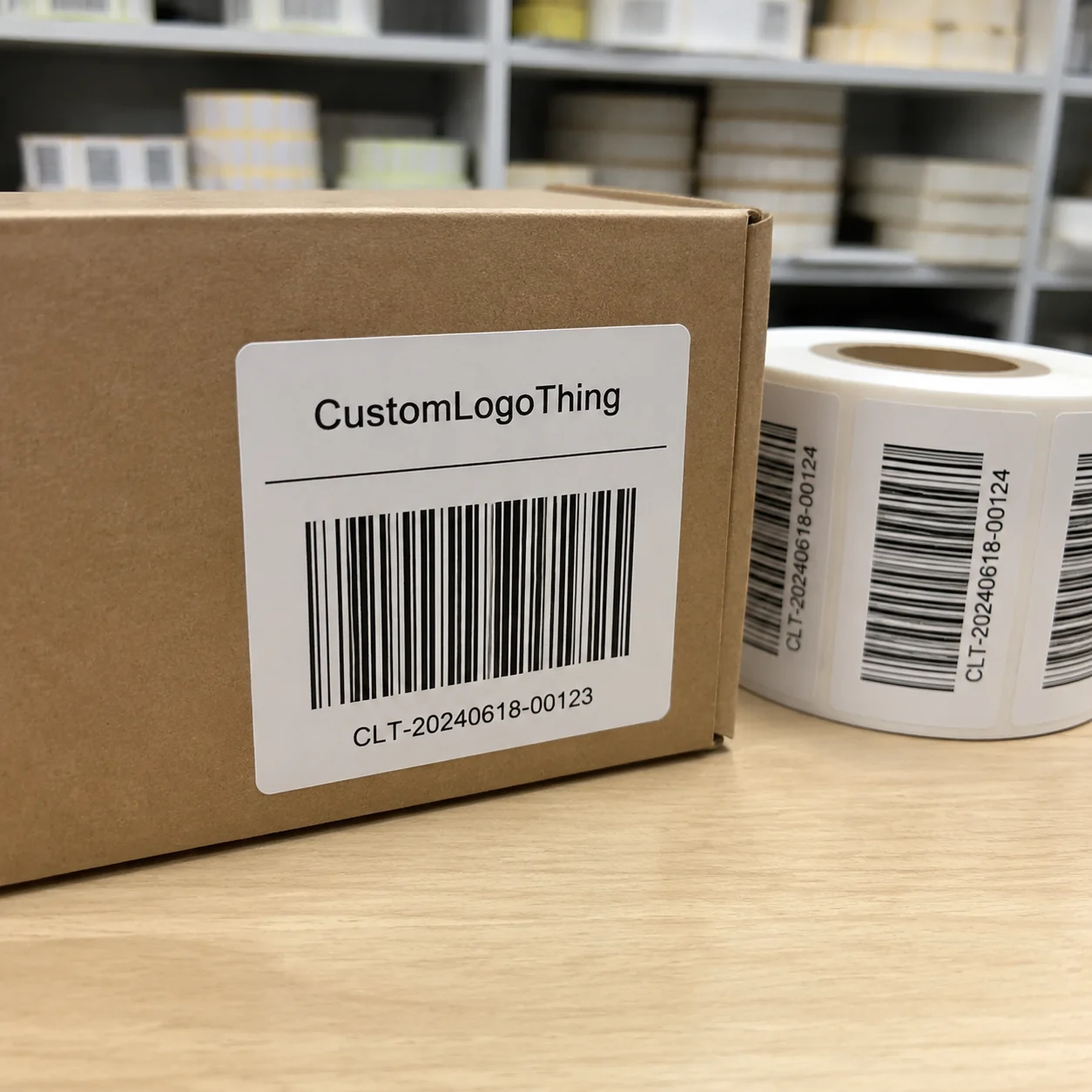
Roll labels are the workhorse. They’re common in retail packaging, food and beverage, candle brands, and any fulfillment setup where speed matters. Sheet labels are useful for smaller hand-applied batches, especially if the client is labeling in-house. Cut-to-size labels are cleaner for premium presentation or odd dimensions. Clear labels are popular for minimalist package branding, but they can become a headache if the surface underneath is not clean or the ink needs stronger contrast. Yes, that happens. Often. I’ve seen a “minimal” clear label on frosted glass look gorgeous at 10 feet and unreadable at arm’s length.
I remember one cold brew project in Seattle where everyone in the room swore the transparent label would be perfect. “Modern,” they said. “Clean,” they said. Then we put it on actual bottles, in actual refrigeration, with actual condensation at 38°F. The label started lifting like it was offended by the environment. That job was a lovely reminder that packaging mockups can lie with a straight face. A label that looks great in packaging design software can behave badly on a real package. That’s why custom labels wholesale should always be matched to the actual surface and storage conditions.
Here are the most common formats I recommend in custom labels wholesale orders:
- Roll labels: Best for high-volume application and machine dispensing. Common roll cores are 1" or 3".
- Sheet labels: Better for hand application, office use, and smaller batches, usually on 8.5" x 11" or A4 sheets.
- Cut-to-size labels: Good for premium box branding and unique dimensions, such as 2" x 3" or 4" x 6" panels.
- Clear labels: Useful for transparent bottles, jars, and minimalist layouts, especially on PET and glass containers.
- Waterproof labels: Needed for chilled drinks, bath products, and moisture-heavy environments.
- Product labels: Built for bottles, jars, boxes, pouches, and mailers, often with permanent adhesive.
Finish options matter too. Matte gives a softer, more modern feel. Gloss adds shine and can make colors pop. Soft-touch feels premium, though it is not the right choice for every surface. Foil stamping and embossing add a more upscale look, but they also add cost and require tighter registration control. Spot UV can work beautifully for accenting logos or product names on custom labels wholesale orders, especially on beauty and supplement packaging. On a 350gsm C1S artboard carton, for example, spot UV can make a logo stand out without turning the whole box into a disco ball.
custom labels wholesale buyers should also think about edge durability and corner radius. Sharp corners can lift more easily on flexible packaging, while rounded corners usually hold better. On curved glass, the adhesive needs to match the arc of the bottle. On flat cartons, you can get away with more. I learned that the hard way during a warehouse test in Foshan where a label looked perfect on the bench and started creeping at the edges once production hit 5,000 units. Pretty is great. Sticking is better.
If you’re not sure what to order, request the dieline, a sample print, and a note describing the intended application surface. A label for a matte paper box behaves differently from one for a chilled metal can. That sounds obvious now. It wasn’t obvious to the brand owner who insisted the same label could work on three package types. It couldn’t. We fixed it, but not before losing two days of production time on the first run of custom labels wholesale. Two days in a factory in Dongguan is not a small mistake. It is a line item.
For brands selling across multiple categories, Custom Labels & Tags can be paired with Custom Packaging Products to keep the whole line visually aligned. That’s the difference between a random assortment and a deliberate system.
Specifications That Actually Matter for Custom Labels Wholesale
Specs are where good intentions go to live or die. I’ve seen brands spend $800 on artwork and then ruin the result by choosing the wrong adhesive or ignoring roll direction. In custom labels wholesale, the core specs are simple to list but easy to mess up: material, adhesive type, print method, finish, size, shape, roll core size, and winding direction. If any one of those is wrong, your label can print beautifully and still fail in production. That’s not a design problem. That’s a specification problem.
Let’s start with material. Paper labels work for dry goods and short-life packaging. BOPP is the common film choice for moisture resistance. Vinyl is tougher and can make sense for certain industrial or outdoor applications. Removable adhesives are useful for short-term promotions or reusable containers. Permanent adhesives are the norm for most product packaging. For custom labels wholesale, the right material depends on the package surface, storage environment, and the product’s shelf life. A juice bottle sitting in a 4°C refrigerator in Melbourne needs a different build than a dry candle box in Phoenix.
Printing method matters too. CMYK is the standard for full-color labels. Spot colors are useful when your brand needs exact Pantone control or has a logo color that cannot drift. Resolution matters, especially for small text and fine barcodes. If the label will face wet conditions, heat, refrigeration, or oils, the ink and topcoat need to hold up. That’s not optional. It’s the whole job. A barcode that scans on one unit out of ten is not “close enough.” It is a warehouse headache with a barcode on top.
Machine application versus hand application
One of the most useful decisions in custom labels wholesale is whether the labels are applied by hand or by machine. Hand application gives you flexibility, but it slows down fulfillment. Machine application demands tighter roll specs, clearer unwind direction, and better consistency. A roll that feeds the wrong way can stop production for an hour, and nobody in the warehouse will thank you for that. Trust me. I’ve been there when a line stopped because the roll was wound face-out instead of face-in at a plant in Zhongshan. The operator did not use polite language. I didn’t either.
On roll labels, winding direction and core size are not minor details. They determine whether the label works with your applicator. If you are buying custom labels wholesale for a semi-automatic or automatic system, give the printer the machine model if you have it. That one detail can save you a rework charge and a lot of irritation. A 3" core on a Label-Aire system behaves differently from a 1" core on a desktop applicator, and the machine will not “figure it out” because you believe in it.
File prep and tolerance expectations
File prep is where many quote delays begin. For custom labels wholesale, you want proper bleed, a safe zone around critical text, outlined fonts if necessary, and barcodes tested for readability at final size. Small text below 5 pt can become a mess depending on the material and finish. A soft-touch finish can slightly mute detail. A clear label can reduce legibility if the backing color varies. These are not mysteries. They are production realities.
I also ask clients for tolerance expectations early. If the design needs perfect color matching, say so. If the label will be applied by hand and may drift 1–2 mm, adjust the design accordingly. Packaging people love to say “we’ll fix it in production.” No, you won’t. Production is where the bill arrives. And it arrives with feelings. A 2 mm shift on a 45 mm x 60 mm label can make a centered logo look tired, and nobody wants “tired” on a premium supplement jar.
For standards, I often point clients to the basics from the ISTA testing framework for shipping and handling expectations, and the FSC system if they want paper sourcing to align with sustainability claims. If a client needs packaging compliance context or sustainability messaging, those references help anchor the conversation. They also stop vague marketing claims from running the entire meeting.
custom labels wholesale should feel premium and practical at the same time. If the label looks great but peels in the warehouse, it failed. If the label is durable but ugly, it still failed. Both matter. That’s why I always push buyers to define the package surface, storage conditions, and application method before they approve a final spec sheet. A label sitting on HDPE in a 28°C warehouse in Kuala Lumpur is not the same as one on coated paper in a climate-controlled room in Amsterdam.
Custom Labels Wholesale Pricing, MOQ, and What Affects the Quote
Pricing for custom labels wholesale is driven by a handful of variables, and none of them are mysterious. Size, quantity, material, finish, color count, shape complexity, special adhesive, and premium coating all change the quote. If the label has a custom die-cut shape, foil stamping, or multiple layers, expect the price to move up. If you standardize the dimensions and trim the extras, the price usually drops. That’s not a trick. It’s manufacturing. A 3.25" x 4" rectangle on white BOPP is cheaper than a starburst with foil and a peel-back panel. Shocking, I know.
Here’s the framework I use when I quote custom labels wholesale jobs: setup costs, unit price, shipping, proofing, and any tooling or plate charges if relevant. Some printers hide those numbers until the last minute, which is a cute way to ruin trust. I prefer to see them up front. Buyers should ask for the full landed cost, not just the sticker Price Per Unit. A low unit price with expensive freight is still expensive. Math has never been impressed by sales language. If your quote says $0.09 per unit but adds $120 in freight from Shenzhen to Dallas, that is not a bargain. That is a spreadsheet prank.
MOQ is a big deal because low quantities carry more overhead per label. A 500-piece order can be perfectly valid for a launch test, but it won’t price like a 10,000-piece run. That is exactly why custom labels wholesale is different from small-batch ordering. The production waste, setup time, and material handling get absorbed more efficiently at volume. If a brand is ordering the same SKU month after month, wholesale is the obvious path. A brand that sells 800 units per month in the U.S. and Canada should be planning a 5,000-piece run, not a monthly scramble.
Here’s a simple pricing comparison for custom labels wholesale buyers:
| Label Type | Starting Use Case | Typical Price Range | Cost Driver |
|---|---|---|---|
| White BOPP roll label | Basic product packaging | $0.07–$0.15/unit at higher volume | Material efficiency, standard finish |
| Clear waterproof label | Beauty, beverage, chilled products | $0.12–$0.24/unit | Film material, adhesive performance |
| Foil or embossed label | Premium retail packaging | $0.20–$0.45/unit | Extra finishing steps, tighter registration |
| Custom die-cut shape | Distinct package branding | $0.15–$0.30/unit | Tooling complexity, trimming waste |
There are ways to reduce Costs Without Cheapening the product. Standard sizes help. So do fewer print effects. Repeating SKUs in one run can bring pricing down. Ordering labels on rolls instead of sheets usually helps when your team is packing fast or using an applicator. If you want a more efficient wholesale setup, keep the artwork consistent across sizes and vary only the text panel when possible. That’s one of the easiest savings in custom labels wholesale. A 2" x 3" label and a 3" x 4" label can share the same color system, which cuts proofing confusion and keeps the line moving.
And yes, transparent pricing matters. Brands hate surprise fees after approval. I’ve had clients come to me after another supplier quoted a low number, then added a $65 plate fee, a $40 proof fee, and a “special handling” charge that was basically a euphemism for paperwork. For custom labels wholesale, that nonsense destroys trust. Give me the real number the first time. I can work with reality. I cannot work with bait and switch. If the job is a 7,500-piece run out of Guangzhou, say that. If the lead time is 14 business days, say that too.
If you are building a larger retail packaging system, it may make sense to bundle labels with boxes and inserts through Wholesale Programs. That can simplify the order flow and reduce back-and-forth between vendors, which is usually where timelines start bleeding.
Process and Timeline for Custom Labels Wholesale Orders
The order process for custom labels wholesale should be simple. If it feels confusing, someone is making it harder than it needs to be. My standard flow is inquiry, artwork review, quote, proof approval, production, quality check, packing, and shipping. Each step has a purpose. Skip one, and you usually pay for it later with rework or delays. A clean workflow in Guangzhou or Ningbo is worth more than ten “we’ll figure it out” emails.
Timing depends on complexity and quantity. A straightforward roll label with clean artwork can move faster than a specialty label with foil, embossing, or multiple color layers. In practice, simple custom labels wholesale jobs often take around 12–15 business days from proof approval to production completion, while more complex jobs can take longer. Shipping time depends on where the order is going, and international freight can add a few extra days or more. Anyone promising every label in a vague “fast” window without asking for specs is selling optimism, not production. If the labels are shipping to Los Angeles by air, that’s one schedule. If they’re going by sea to Rotterdam, that’s another. Biology, weather, customs, and port congestion all have opinions.
I’ve had jobs fly through the line when the artwork was clean, the dieline was accurate, and the client approved the proof in one email. I’ve also watched a launch stall because someone sent a logo screenshot from a phone and wanted it “as big as possible.” That is not a file. That is a hostage note from a camera roll. Clean inputs make custom labels wholesale production easier. Messy inputs slow everything down. A vector logo, final copy, and barcode file sent on day one can save 2 to 4 business days immediately.
Sampling matters too. A digital proof shows layout, text, and proportions. A physical sample shows material behavior, color feel, adhesive performance, and how the finish looks in real light. If your label is going on a high-value package or a launch with no room for mistakes, I recommend a physical sample. For some custom labels wholesale projects, that extra step saves more money than it costs because it prevents a bad full run. A $35 sample can save a $2,500 reprint. That is not hypothetical. That is Tuesday.
Here’s a practical timeline breakdown:
- Inquiry and spec collection: 1 business day if the buyer sends full details.
- Artwork review and quote: 1–2 business days.
- Proof approval: same day to 3 business days, depending on the client.
- Production: about 12–15 business days for standard custom labels wholesale runs after approval.
- Quality check and packing: 1–2 business days.
- Shipping: depends on domestic or international transit.
Shipping deserves its own warning. If your product launch date is fixed, build in slack. Freight delays happen. Customs delays happen. Weather happens. Warehouse receiving sometimes happens slower than anybody wants. A good custom labels wholesale plan includes a buffer of at least several business days, especially if the labels are tied to retail delivery or a subscription shipment schedule. I usually recommend at least 7 business days of cushion if the freight is moving from Shenzhen to Dallas or from Dongguan to Sydney.
If you want a broader packaging system with matching cartons, inserts, or mailers, the whole order can be coordinated through Custom Packaging Products. That helps keep packaging design consistent and reduces the “three vendors, one launch” headache that keeps teams up late.
Why Choose Us for Custom Labels Wholesale
I’m not going to tell you we’re special because we say we are. That’s lazy. Choose us for custom labels wholesale because we work like a production partner, not a middleman with a nice website and a vague promise. I’ve stood on factory floors, reviewed press checks, and argued over material swaps that could have wrecked a whole batch. That experience matters when a client needs labels that actually match spec and arrive on time. A pretty PDF does not save a shipping window in Shanghai.
We communicate directly with production teams, which means we can control material selection, print checks, and reorder consistency more tightly. That matters on repeat runs. If your first batch used a 60# paper stock with permanent adhesive, the next batch should not “sort of” match it. It should match it. Exactly. That’s one of the biggest benefits of working through a team that understands custom labels wholesale from the sourcing side, not just the sales side. If the first run was printed in Dongguan on a 70# semi-gloss paper at 5,000 units, the second run should not suddenly become a mystery paper from an unknown mill.
Supplier relationships help too. I’ve negotiated with raw material sources like Avery Dennison, 3M, and UPM Raflatac, and I can tell you there is a real difference between buying blindly and buying with a spec sheet in hand. The right supplier conversation can save a few cents per label without cutting performance. That may not sound dramatic, but on 20,000 labels, a savings of $0.04 per unit is $800. Real money. Not brochure money. Enough to cover freight from Shenzhen to Chicago or a better coating choice on a premium SKU.
“The labels matched our bottles on the first run. No edge lift. No color drift. That saved us a full week of rework.”
That kind of feedback is what I care about. Not buzzwords. Not fluffy claims. Just results. If a brand needs custom labels wholesale for a fast-moving SKU, they need a partner who can confirm specs, help with artwork, and keep the reorder process clean. We do that because we’ve seen what happens when a label supplier guesses instead of checking. Guessing is cute in trivia night. It is expensive in production.
I also care about practical support. If your file needs a barcode fix, I’ll say it. If your finish choice will make the text too soft on a small label, I’ll say that too. I’d rather be a little annoying now than expensive later. That’s how good custom labels wholesale work gets done. It’s also how you keep a 10,000-piece run from turning into a 10,000-piece apology.
What should you send before requesting custom labels wholesale quotes?
If you want to move fast on custom labels wholesale, start with a clean spec list. Confirm the label size, material, finish, quantity, application surface, and whether the labels will be hand-applied or machine-applied. If you already know the bottle, jar, box, or mailer dimensions, include them. The more precise the input, the cleaner the quote. That saves everyone time, and time is not cheap. A request that says “need labels for jars” is not enough. “Need 3" round waterproof labels for 250ml glass jars, 5,000 pieces, matte finish, hand-applied in Chicago” is useful.
Prepare your artwork files in a usable format. Send the logo, any barcode, ingredient text, legal copy, and print-ready files if you have them. If the label needs regulatory language, don’t leave it for the last minute. For food, beverage, supplement, and beauty packaging, text content often affects label size more than the logo does. I’ve watched buyers shrink a label design to fit a carton and then discover the ingredients panel no longer had room to breathe. Bad spacing looks amateur. Amateurs get complaints. And returns. And emails that start with “we need to discuss this.”
For high-value launches, request a sample or proof. I’m serious. If the label is going on a premium serum bottle or a retail display with a fixed ship date, spending a little extra time on proofing is cheap insurance. A test run catches the stuff that mockups hide: edge lift, color shifts, gloss reflection, and barcode issues. That’s especially true for custom labels wholesale projects that involve clear film, metallic accents, or tightly packed copy. If your product is heading to a show in Las Vegas or a distributor in Amsterdam, a sample is a lot cheaper than a panic reprint.
Need to move quickly? Send everything in one message. I mean everything. Target quantity, size, finish, surface type, deadline, and whether the order is tied to a product launch or retail delivery. If you can, include one standard option and one premium option so you can compare the true cost difference. That comparison usually reveals whether the upgrade is worth it or just pretty. A $0.11 label and a $0.19 label can both be valid; the question is whether your margin can tolerate the difference.
Here’s the short checklist I give buyers before they request custom labels wholesale quotes:
- Label size and shape
- Material preference: paper, BOPP, vinyl, or clear film
- Finish: matte, gloss, soft-touch, foil, or spot UV
- Quantity target and reorder plan
- Application surface: glass, plastic, paper, metal, or coated board
- Hand application or machine application
- Artwork files, barcodes, and legal copy
- Deadline tied to launch, trade show, or retail ship date
The smartest brands treat custom labels wholesale as part of the larger packaging system, not a one-off buy. That means your labels should match your product packaging, your cartons, your insert cards, and your package branding. If you need help aligning the whole set, start with one standard label and one premium label, then compare the pricing and performance side by side. That conversation usually tells you exactly where to spend and where to save. For example, a standard white BOPP label at $0.12 can cover volume SKUs, while a foil-accented premium label at $0.28 can be reserved for flagship products in retail stores.
To wrap it up plainly: custom labels wholesale is the best move when you need consistency, margin control, and a repeatable supply chain. It saves money when you buy enough volume to spread setup costs, and it protects you from the kind of production mess I’ve seen too many brands create by chasing tiny reorder batches. Send the specs, ask for the real numbers, and make the label do its job. If your run is 5,000 pieces in Qingdao or 12,000 pieces in Shenzhen, the right wholesale plan keeps the whole thing boring. Boring is good. Boring means the labels arrived, the line kept moving, and nobody called me at 9 p.m.
FAQ
What is the minimum order for custom labels wholesale?
Minimums depend on size, material, and print method. Small-run wholesale orders usually cost more per label, but they can still make sense for testing a product line or validating packaging design. Standard wholesale pricing becomes more efficient as quantity rises, especially for repeat SKUs that sell consistently. For many factories in Shenzhen or Dongguan, 500 to 1,000 pieces is the smallest practical run, while 5,000 pieces is where the unit math starts to behave.
Are custom labels wholesale orders cheaper on rolls or sheets?
Roll labels are often more efficient for machine application and high-volume packing. Sheet labels can be better for hand application or small-batch fulfillment. The cheaper option depends on labor time, application method, and total quantity, so I always look at the full workflow before I pick a format. On a 10,000-piece order in a warehouse outside Los Angeles, roll labels can save hours of application time compared with sheet-fed hand labeling.
How long do custom labels wholesale orders take to produce?
Timing depends on proof approval, quantity, finishing, and shipping destination. Simple labels move faster than complex die-cut or specialty finish orders. Clean artwork and fast approvals reduce delays more than anything else, which is why I push clients to send complete files the first time. Standard production is typically 12–15 business days from proof approval, and shipping from China to the U.S. often adds 3–7 business days by air freight.
What material should I choose for waterproof custom labels wholesale?
BOPP, vinyl, and similar film materials are common for moisture resistance. The adhesive should match the package surface and storage conditions. A sample test is smart if the label will face cold, wet, or oily environments, because real-world use can expose problems that a mockup won’t catch. For chilled bottles in refrigerated storage at 38–45°F, I usually recommend film stock with a permanent cold-temp adhesive.
Can I reorder the same custom labels wholesale design later?
Yes, if the artwork and specs are saved correctly. Reorders are easiest when the original material, finish, and size are documented. Keeping a master spec sheet prevents color drift and production mistakes, and it makes repeat production much faster and cleaner. If the first run was a 3" x 5" label on 350gsm C1S artboard in Guangzhou, the reorder should reference that exact build so nobody improvises.