Buyer Fit Snapshot
| Best fit | Reduce Packaging Costs Without Cheapening Quality projects where brand print, material claims, artwork control, MOQ, and repeat-order consistency need to be specified before quoting. |
|---|---|
| Quote inputs | Share finished size, material target, print colors, finish, packing count, annual reorder estimate, ship-to region, and any compliance wording. |
| Proofing check | Approve dieline scale, logo placement, barcode or warning zones, color tolerance, closure strength, and carton packing before bulk production. |
| Main risk | Vague material claims, crowded artwork, missing packing details, or unclear freight terms can make a low unit price expensive after revisions. |
Fast answer: Reduce Packaging Costs Without Cheapening Quality: Material, Print, Proofing, and Reorder Risk should be specified like a repeatable production item. The safest quote records material, print method, finish, artwork proof, packing count, and reorder notes in one written spec.
Production checks before approval
Compare the actual filled-product size with the drawing, then confirm tolerance on folds, seals, hang holes, label areas, and retail display edges. Reserve space for logos, QR codes, warning copy, and material claims before decorative graphics fill the panel.
Quote comparison points
Review material grade, print process, finish, sampling route, tooling charges, carton quantity, and freight assumptions side by side. A quote is only useful when the supplier can repeat the same color, closure quality, and packing count on the next order.
Most buyers assume how to Reduce Packaging Costs starts with pushing a factory for a lower quote. Usually, that’s the wrong first move. The biggest savings I’ve seen came from tiny spec changes: a 2 mm size trim, one fewer ink color, or swapping a custom insert for a standard lock tab. I remember one cosmetics client in Los Angeles who saved $0.11 per unit on a 25,000-piece run just by changing the carton height from 82 mm to 79 mm and removing full-coverage soft-touch on the outer sleeve. That sounds boring. It is boring. And that’s exactly why it works.
If margin matters, unit price can’t be the only number on the table. How to Reduce Packaging Costs is really about total landed cost: material, labor, tooling, freight, damage rate, storage, and the little surprises that show up after the PO is signed. I’ve stood in factories in Shenzhen and Dongguan while a buyer argued over a $0.03 print upgrade, then lost $1,800 in freight because the box size pushed the shipment into a worse dimensional-weight bracket. Cheap packaging can get expensive fast. Packaging math is rude like that.
The mistake I see most often is simple. Brands overdesign the package first, then ask suppliers to “make it cheaper.” That’s backwards. If you want to know how to reduce packaging costs without wrecking quality, start with structure, materials, and print method before you touch branding polish. Custom packaging does not have to mean custom everything. Sometimes the smartest move is using a standard board grade, a standard die, and a cleaner visual layout. Less noise. Fewer costs.
At Custom Logo Things, I’ve spent years in supplier meetings where the answer was not “use worse packaging,” but “stop paying for features nobody needs.” A rigid box with a magnetic closure looks nice on a shelf, sure. It also adds magnets, extra handwork, slower packing, and more QA issues. If your product is going in e-commerce shipping anyway, that extra spend may be pure vanity. I’m not against nice packaging. I’m against stupid spend.
How to Reduce Packaging Costs: What Actually Moves the Needle
The real answer to how to reduce packaging costs is small changes stacked together. I’ve seen a 5% reduction from paperboard choice, another 4% from reducing ink coverage, and another 6% from better carton nesting. None of those sounded exciting in the meeting. Together, they saved a brand more than $12,000 on a 50,000-unit run in Guangzhou. That’s not theory. That’s a factory-floor result.
One of my favorite examples came from a supplement brand in Texas that wanted gold foil, embossed logos, a custom insert, and a fully wrapped rigid box. The product was selling online for $29.99. The packaging alone was creeping toward 11% of COGS. We cut the insert, moved to a folding carton with a matte AQ coating, and simplified the print to two PMS colors plus black. The package still looked premium. It just stopped bleeding money.
That’s the mindset shift. How to reduce packaging costs is not about stripping every box down to a brown rectangle. It’s about choosing the right level of structure for the channel. A luxury gift set may justify a rigid box. A shipping-first SKU usually doesn’t. A retail packaging line may need shelf presence, but not three special finishes and a custom foam cavity. The packaging should match the job, not your ego.
“The cheapest packaging I’ve ever seen wasn’t the lowest quote. It was the package that caused the fewest problems after approval.”
Unit price can fool people. I’ve had clients brag about getting a quote for $0.38/unit, then discover the supplier charged separately for plates, tooling, samples, freight to the port, and 2% overrun they never budgeted for. The total landed cost landed closer to $0.52/unit. That happens more than people admit. If you’re learning how to reduce packaging costs, ask for the full picture every time.
One unnecessary feature can cost real money per thousand units. I once walked a factory line in our Shenzhen facility and watched workers manually apply a decorative paper belly band on every box. It looked nice. It also added 8 to 12 seconds per unit. Across 20,000 pieces, that’s hours of labor you pay for whether you like it or not. The client thought they were buying “brand enhancement.” They were actually buying extra handling.
So yes, savings come from material, structure, print method, carton count, and freight efficiency. But the deeper lesson on how to reduce packaging costs is this: every extra step is a tax. If a feature does not improve protection, conversion, compliance, or shelf impact, I want a real reason to keep it. Otherwise, it’s just expensive decoration.
Packaging Product Details That Lower Cost Fast
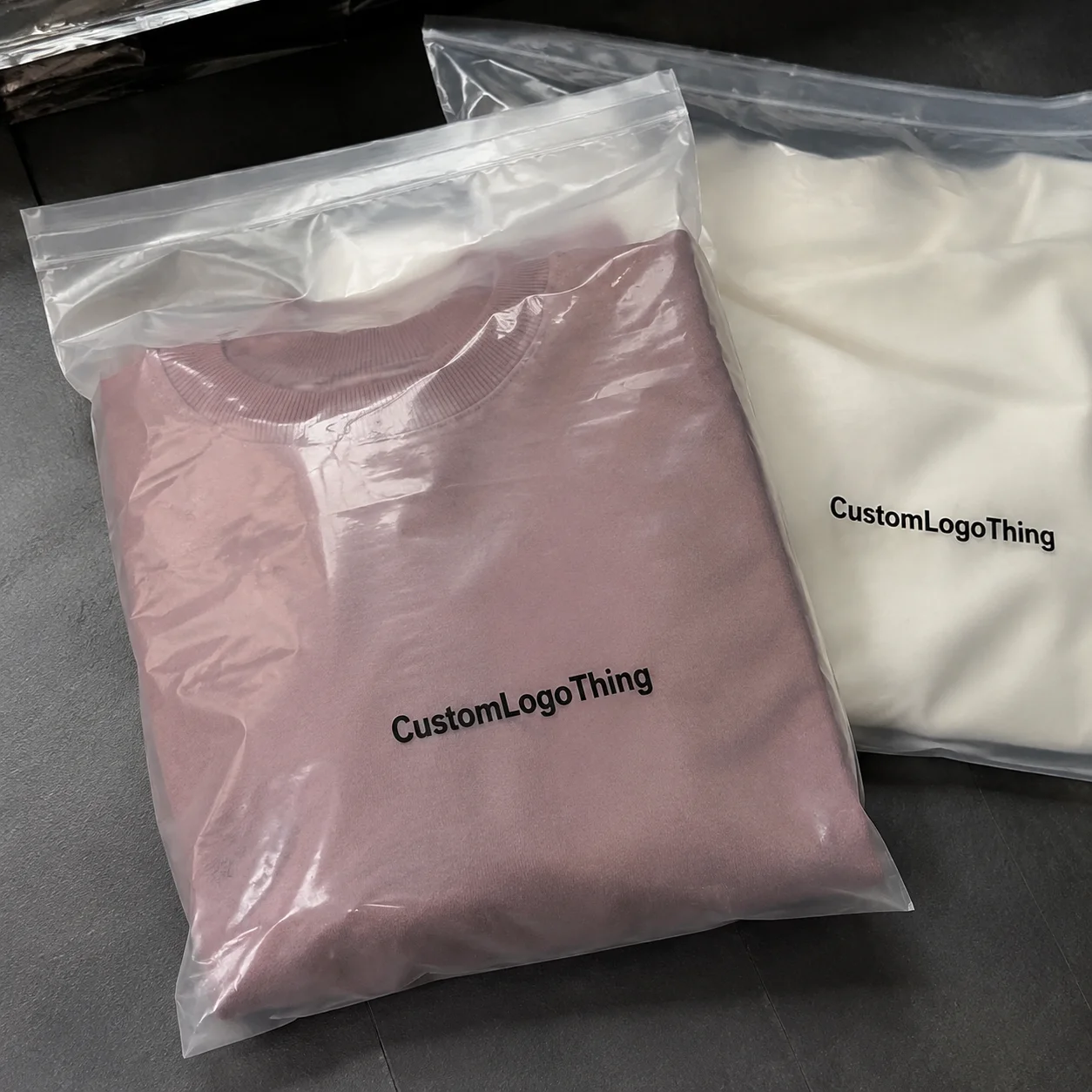
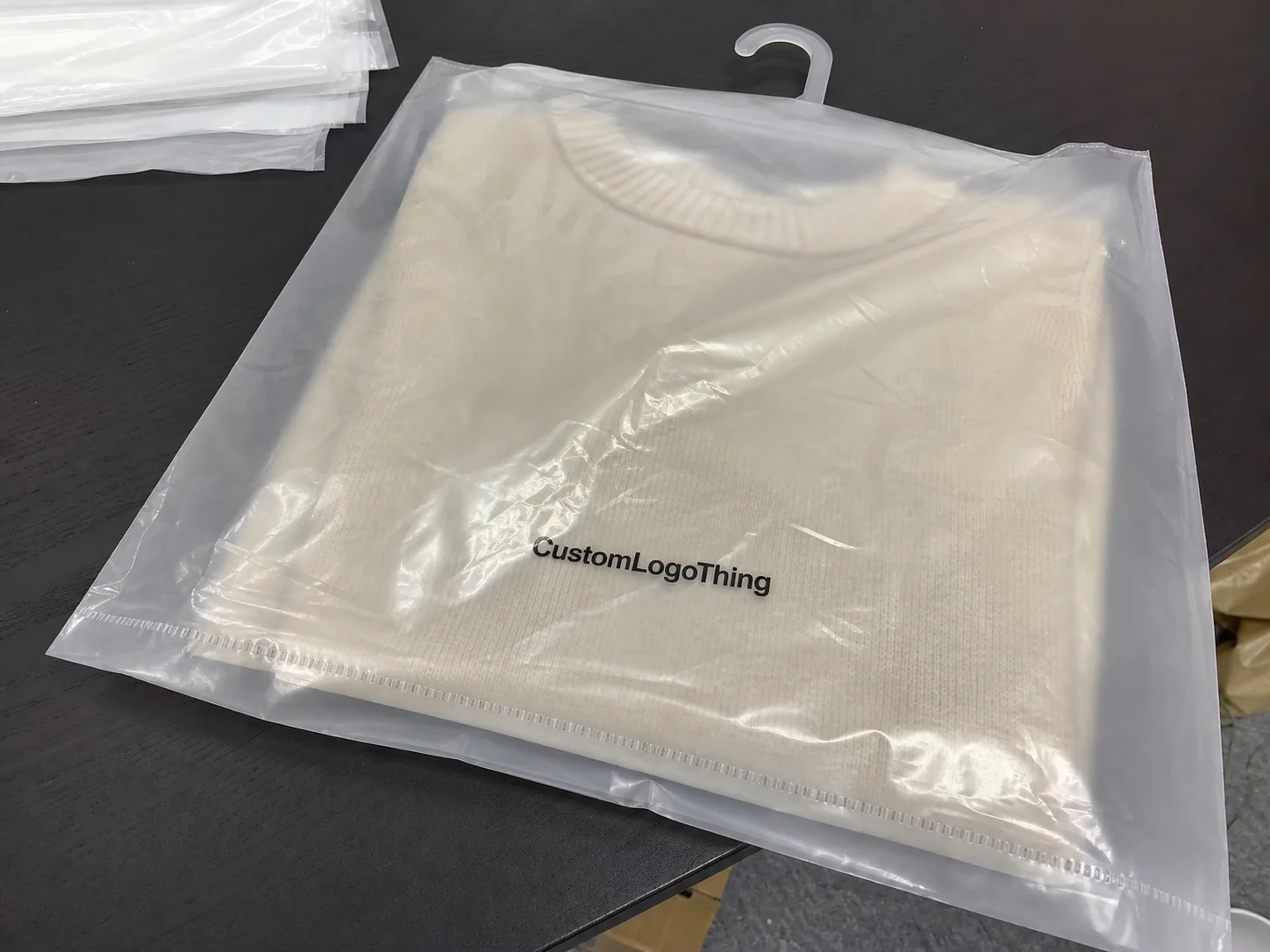
If you want how to reduce packaging costs to stop being a vague goal, start with the product type. A standard mailer box, folding carton, and rigid box all have different cost structures. Mailers are often the cheapest for direct-to-consumer shipping because they’re fast to produce, flat to store, and efficient to pack. Folding cartons are usually the sweet spot for retail packaging and light product packaging. Rigid boxes cost more because they need more material, more handwork, and more time.
I’ve seen buyers force rigid packaging onto products that should have lived inside a solid folding carton. That’s how budgets get silly. If the item weighs 120 grams and ships in a corrugated outer shipper anyway, you probably don’t need a magnetic-closure box with three layers of wrap. A strong folding carton with the right board caliper does the job for far less. This is one of the simplest answers to how to reduce packaging costs.
Paperboard thickness matters, but thicker is not automatically better. A lot of brands jump to 400gsm because it “feels premium.” Fine. But if 350gsm C1S artboard gives you enough crush resistance and print quality, that lighter board may save meaningful money across a run. On a 10,000-piece order, even $0.02 to $0.04 per unit matters. That is $200 to $400 gone for a feature your customer may never notice.
Inserts are another place where people overspend. A custom foam insert, EVA tray, or molded pulp tray can be useful, but only when the product needs real protection or a fixed presentation. For a lot of brands, a paperboard insert or folded divider does the same job at a lower price. I once helped a skincare client in Chicago replace a two-piece foam cavity with a die-cut paper insert, and the pack-out rate improved because workers could load it faster. Better for labor. Better for shipping. Better for how to reduce packaging costs.
Print coverage is not free. Full-bleed coverage uses more ink, demands tighter color control, and can increase reject rates if the substrate is inconsistent. If your design can breathe with a cleaner layout, you save money and reduce production risk. I’m not saying minimalist branding is always the answer. I am saying that giant solid color blocks on every panel are a cost choice, not a law of nature.
Coatings and finishes are where budgets quietly get murdered. Gloss lamination, matte lamination, soft-touch, spot UV, embossing, foil stamping, and edge painting all add complexity. If you need one finish for brand feel, pick one. Don’t stack three and call it strategy. Real how to reduce packaging costs work often starts by deleting two finishes and keeping one clean, durable surface.
Standard dies and common board grades usually beat custom everything. A supplier can quote faster, waste less material, and run the job with less setup if your size is close to an existing tool. That does not mean copying another brand. It means being smart with dimensions and specifications. In supplier negotiations, I always push to see if an existing die or common format fits the product before we commission a new one.
For a quick side-by-side view, here’s how three common packaging options usually compare in cost behavior:
| Packaging type | Typical cost level | Best use | Common savings opportunity |
|---|---|---|---|
| Standard mailer box | Lower | E-commerce and subscription product packaging | Reduce print coverage and use a standard die |
| Folding carton | Mid-range | Retail packaging and lighter products | Simplify inserts and choose one coating |
| Rigid box | Higher | Premium gifting and presentation sets | Reduce handwork and avoid unnecessary accessories |
If you’re comparing Custom Packaging Products, don’t just ask what looks best. Ask what can be produced with the least wasted labor, least freight penalty, and least chance of rework. That’s the real answer to how to reduce packaging costs.
Specifications That Help You Reduce Packaging Costs
Specifications are where smart buyers save money without turning packaging into junk. If you want how to reduce packaging costs in a measurable way, get serious about dimensions first. A box that is 3 mm too tall or 5 mm too wide can affect nesting, pallet count, carton count, and freight class. I’ve seen a 1.5 cm reduction in height save a client nearly 9% on shipping efficiency because they fit more units per master carton in a shipment leaving Ningbo for Long Beach.
Size optimization sounds boring until you see the freight invoice. Empty space costs money. Extra headroom means more filler, larger shippers, and worse dimensional weight. This matters especially for retail packaging that also ships in secondary cartons. If you can fit 24 units per shipper instead of 18, you may reduce carton count and handling costs at the same time. That’s a practical path to how to reduce packaging costs.
Board thickness also needs discipline. Not every product needs heavy stock. A 350gsm board can be perfectly enough for many light consumer goods, while a 400gsm board may be overkill. For mailers, corrugated flute selection matters too. E-flute often gives a cleaner print face and smaller profile than B-flute for certain products. Again, the right spec depends on what the package has to do, not what sounds premium in a sales call.
Print specs are another lever. A single-color design with one PMS accent can be dramatically cheaper than four-color process with white underprint and a flood coat. I’ve had brands trim print cost by switching from full coverage artwork to a clean front panel plus selective side panel branding. The box still looked intentional. It just didn’t behave like a billboard.
Finishing choices should be treated like add-ons, not defaults. Matte lamination looks elegant. Gloss is cheaper in some cases and more scuff-resistant in others. Spot UV can highlight a logo, but it also adds setup and can create misregistration if artwork is sloppy. Embossing and foil stamping look nice, but they are not free candy. Every one of those steps makes how to reduce packaging costs harder if you use them without a business reason.
Standardizing dimensions across SKUs is one of my favorite cost controls. If three products can share one carton format with different internal fillers, you reduce die inventory, simplify purchasing, and cut reorders. I visited a personal care client in Toronto who had seven carton sizes for essentially the same bottle family. Seven. We brought it down to three. Procurement got happier. Warehouse got happier. Production got happier. That is what sensible packaging design does.
Tighter tolerances help too, but only if your factory can hold them reliably. I’ve seen buyers request absurdly tight folds and edge alignments, then pay for higher rejection rates. If the print-to-cut tolerance is too strict for the board and line speed, you’ll get waste. The smartest approach to how to reduce packaging costs is balancing precision with manufacturability, not chasing perfection for its own sake.
Here’s a practical checklist I give clients before we quote:
- Confirm exact internal product dimensions in millimeters.
- Decide whether the package ships alone or inside another carton.
- Choose the minimum board grade that passes drop and compression needs.
- Limit finish options to one primary effect.
- Use existing dielines when possible.
If you want more formal structure guidance, the ISTA standards are worth reviewing for transit testing, and the EPA recycling resources can help you keep sustainability choices grounded in actual material handling instead of marketing fluff. I’m not here to sell virtue points. I’m here to keep packages from arriving damaged or overpriced.
Pricing, MOQ, and the Real Cost of Packaging
MOQ matters more than many buyers want to admit. If you are learning how to reduce packaging costs, you need to understand that setup cost is spread across units. Higher quantity usually lowers the unit price because plate charges, die setup, and press calibration get diluted. A 2,000-piece run in Ho Chi Minh City will almost always cost more per box than a 20,000-piece run in Shenzhen, even if the box is identical.
That said, higher volume is not magic. If you order too much, cash gets trapped in inventory and storage. I’ve seen brands save $0.05 per box only to sit on six months of stock they couldn’t move. That is not savings. That’s a storage problem wearing a discount badge. Smart how to reduce packaging costs planning considers batch size, turnover rate, and warehouse space.
Quote structure is where buyers need to stay sharp. A good quote usually breaks down material, print colors, finishing, labor, packaging, sampling, and freight. If a supplier gives you one suspiciously clean number with no detail, that is not simplicity. That is a future invoice waiting to happen. I’ve negotiated with suppliers who happily lowered the base unit price by a few cents, then recovered the difference through “miscellaneous handling” charges. Cute trick. Not new.
Here’s a simple framework I use to compare quotes like a buyer, not a tourist:
- Match the spec exactly. Same size, same board, same finish, same insert.
- Check all fees. Ask about plates, dies, sampling, carton packing, and freight.
- Review overrun and underrun policy. A 10% overrun can blow up your budget.
- Ask about defect tolerance. Rework and replacements cost real money.
- Compare landed cost. Compare the final delivered price, not just ex-factory.
The lowest quote is not always the cheapest after defects, overruns, or shipping surprises. I’ve seen a factory quote a lower number, then ship cartons with inconsistent glue lines and weak folds. The client saved $600 on paper and lost $2,400 on customer complaints and replacements. So yes, how to reduce packaging costs includes buying from suppliers who can actually hold quality, not just write a pretty number in a spreadsheet.
Pricing also changes with print complexity. If you use four PMS colors, expect more setup and color matching work than a single-color or two-color job. If you add foil or embossing, the cost lifts again. A transparent supplier will tell you where each add-on lands. That’s the kind of conversation I respect. I’d rather hear “this feature adds $0.08/unit” than hear “don’t worry, it’s fine” from someone who clearly hasn’t run a press.
One client in beauty wanted three rounds of sample revisions because the blush pink wasn’t matching a Pantone chip under their office LEDs. The factory in Dongguan was not amused. Neither was I. Every revised proof added time, sample cost, and risk of schedule slip. If your goal is how to reduce packaging costs, lock color standards early and don’t treat approval like a guessing game.
Here’s a rough pricing comparison that comes up often in quote reviews:
| Cost driver | Lower-cost choice | Higher-cost choice | Typical impact |
|---|---|---|---|
| Board grade | Standard board | Premium heavy stock | Can shift unit price by $0.02 to $0.15 |
| Print colors | 1-2 colors | 4-color plus special inks | Can add setup and matching costs |
| Finish | No finish or one coating | Soft-touch, foil, embossing | Can add $0.05 to $0.40+ per unit |
| Structure | Standard mailer/folding carton | Custom rigid box with insert | Material and labor can rise fast |
If you want to go deeper on material standards, FSC-certified paper options are available through FSC, and that can matter for brand positioning. Just don’t confuse certification with cost savings. Certification can support brand values, but it may also add price depending on supply and documentation.
Process and Timeline for Cost-Saving Packaging Orders
Speed affects cost more than many teams realize. If you want how to reduce packaging costs, get your specs locked before you request production. The order flow is usually inquiry, spec review, quote, sample, approval, production, and delivery. Every time someone changes artwork after sampling, the factory burns time, and time is money. Sometimes very literal money.
Late revisions are expensive because they interrupt the line. I’ve seen artwork changes arrive after plates were already in motion. That means reproofing, rechecking, and sometimes remaking tools. One beverage brand in California pushed a logo shift by 6 mm after approval and ate extra sample costs plus a production delay of eight business days. The new logo looked fine. The invoice did not.
For standard-format packaging, the timeline can be manageable. A clean folding carton with simple print may move from proof approval to shipment in about 12 to 15 business days, depending on quantity and finish. A custom rigid box with inserts, special wrapping, and mixed materials can take longer. This depends on the supplier, board availability, and whether they are running other large jobs. Anyone promising magic dates without details is selling optimism, not production.
To reduce waste and save money, prepare these details before you ask for a quote:
- Exact product size, weight, and any fragile components.
- Target quantity and acceptable MOQ range.
- Artwork files in vector format where possible.
- Preferred structure, finish, and insert requirement.
- Shipping destination and whether you need FOB or delivered pricing.
I also tell buyers to request a budget version, a balanced version, and a premium version. Three options make the trade-offs obvious. The budget version may strip out foil and soft-touch. The balanced version may keep one brand finish and one insert. The premium version can hold the full concept. That comparison makes how to reduce packaging costs a decision, not a guess.
Sampling is another place where people accidentally create extra cost. You do need samples. You do not need six rounds of vanity edits. A flat proof, a structural sample, and one pre-production sample are often enough if the spec is clear. I’ve worked with clients who kept tweaking a box because they were chasing a “slightly warmer white.” That is how timelines die. And yes, it also ruins cost control.
Production planning should include carton counts, pallet patterns, and storage needs. If your outer cartons are packed inefficiently, you pay more in freight and handling. I’ve visited warehouses in New Jersey and Rotterdam where the product fit beautifully on paper but loaded poorly on pallets because nobody checked carton orientation. That is an avoidable mistake. Good packaging design reduces cost before the box even gets printed.
Why Choose Us for Lower Packaging Costs
Custom Logo Things is built for buyers who want answers, not theater. We focus on how to reduce packaging costs without telling you to downgrade your brand into something sad and flimsy. I’ve spent enough time in supplier negotiations to know where money gets lost: overspecified board, unnecessary finishes, inflated labor, and quote sheets that hide the actual landing cost. We look at the whole package, not just the pretty render.
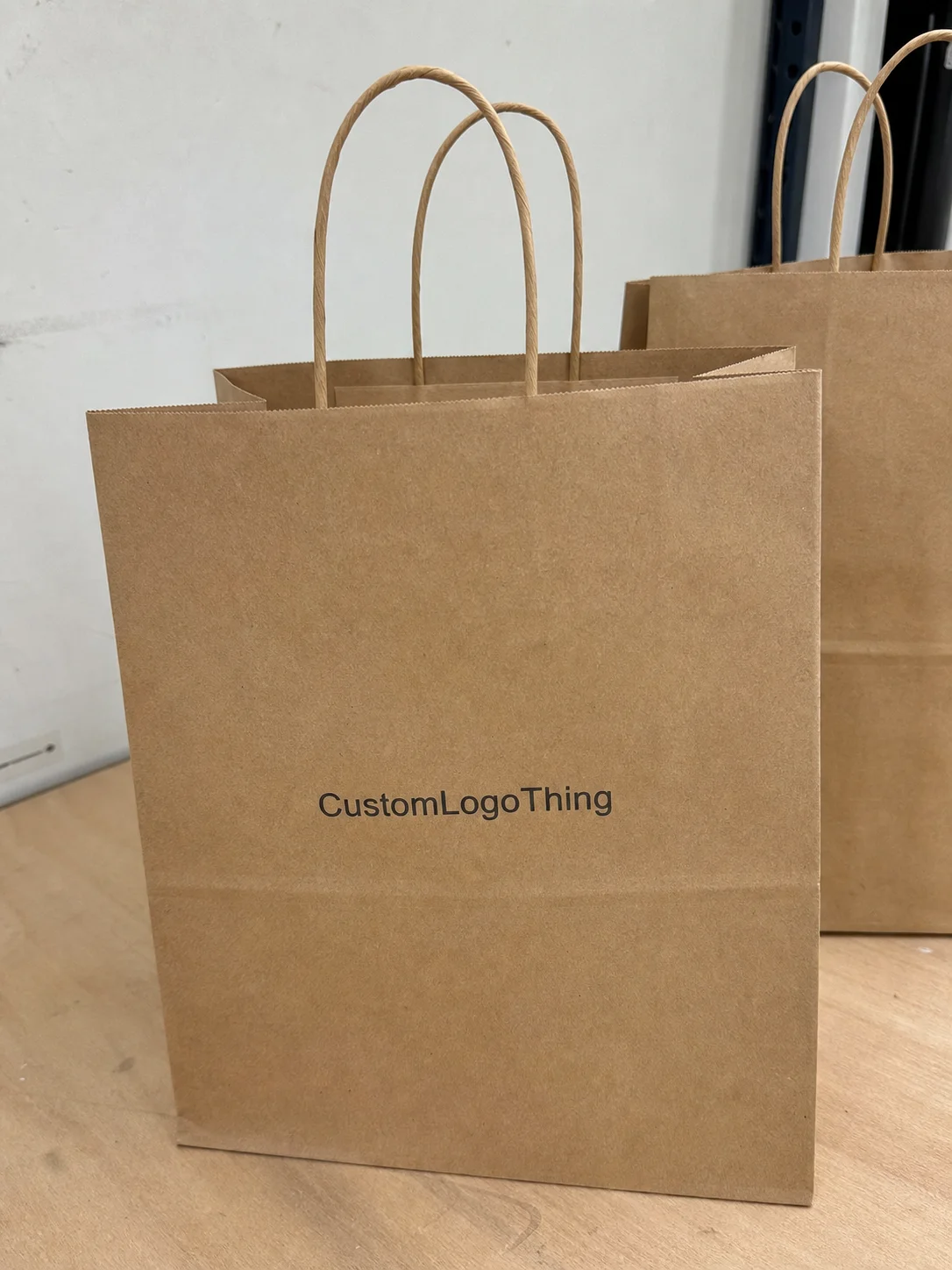
In my experience, the best packaging partners act like problem-solvers. They ask whether the box must retail on a shelf, ship in an outer carton, survive transit testing, or simply present well in a premium unboxing. Those questions matter. A quote that ignores actual use is just expensive paper with a logo on it. We help brands Choose the Right structure, whether that means custom printed boxes, a cleaner folding carton, or a more efficient mailer.
We also know the value of supplier reality. Standard materials are easier to source. Common board grades run with less waste. Existing dielines can cut setup time. That kind of knowledge does not sound flashy in a sales meeting, but it saves money. Honestly, I trust a supplier who says, “We can do it, but here’s the cheaper version that still works,” more than one who says yes to everything and then blames the factory later.
Our approach to branded packaging is practical. We want your package branding to look intentional, not overbuilt. We want the print to support the product, not consume the budget. And we want the quoting process to be clear enough that you can compare options without needing a second job in procurement. That’s the difference between a real partner and a glossy brochure.
If you’re sourcing Custom Packaging Products, we can help you review specs before you place a big order. That means checking dimensions, finish options, insert usage, and freight implications before you commit. I’ve saved clients thousands just by pointing out that a 2 mm reduction in width would allow a better shipper layout. It’s not glamorous. It works.
“Good packaging is not the most expensive package. It’s the one that protects the product, supports the brand, and stops waste from leaking out of the budget.”
We also respect standards. If your product needs transit testing, we can discuss ISTA-aligned packaging performance. If you need more environmentally conscious material options, we can talk paper-based structures and FSC-certified sourcing where appropriate. That’s how to reduce packaging costs responsibly, not with fake savings that come back as damage claims.
Next Steps to Reduce Packaging Costs on Your Next Order
If you want how to reduce packaging costs to turn into actual savings, start with a quick audit. Pull your current spec sheet, dieline, artwork, and last invoice. Then compare box size, board grade, print colors, finish, insert type, and freight cost. Most teams find at least one waste point in that review. Usually more.
Before you contact us, gather these items so we can quote accurately:
- Product dimensions and weight.
- Current packaging photos or a sample box.
- Artwork files, ideally AI or editable PDF.
- Target quantity and reorder frequency.
- Destination ZIP or port details for shipping.
Ask for two or three quote versions. I recommend a budget option, a balanced option, and a premium option. That way you can see exactly where the money goes and decide whether the extra finish or insert is actually pulling its weight. A good cost review should make how to reduce packaging costs obvious. If it doesn’t, the spec is still too vague.
Then simplify. Reduce box size if possible. Drop unnecessary embellishments. Use standard board and common formats where they fit. Ask about carton optimization and shipping load efficiency. If a supplier is pushing a fancy feature without a clear ROI, challenge it. That is not being difficult. That is protecting margin.
If you’re ready to review your current specs, send them to Custom Logo Things and ask for a cost-saving packaging recommendation. I’ll tell you where the waste is, where the real savings sit, and where you should not cut corners. That’s the honest way to handle how to reduce packaging costs on your next order.
FAQ
How do I reduce packaging costs without making the box look cheap?
Use a standard structure with cleaner artwork instead of stacking expensive finishes. Keep print coverage focused and skip premium effects that do not improve sales. Choose a board grade that protects the product without overbuilding the package. I’ve seen plenty of boxes look refined with one coating and strong typography.
What packaging changes save the most money per unit?
Reducing box size and simplifying the structure usually creates the biggest savings. Fewer print colors and less finishing also cut costs fast. Standard materials and existing die sizes often beat fully custom specs. In my experience, those three changes matter more than chasing tiny material discounts.
How does MOQ affect packaging pricing?
Higher MOQ usually lowers unit cost because setup and tooling are spread across more pieces. Small runs have higher per-unit pricing due to labor and press setup. You should compare the total order cost, not just the per-box number. That’s where buyers get fooled by “cheap” quotes.
What should I ask for in a quote to reduce packaging costs?
Request alternate quotes with different materials, sizes, and finish levels. Ask for pricing with and without inserts, coatings, or specialty printing. Make sure freight and sample charges are included so the quote is usable. If the supplier won’t itemize, they’re not making your life easier.
How can I tell if a low packaging quote is actually a good deal?
Check for hidden extras like overruns, setup fees, and shipping surprises. Review sample quality and production consistency before committing. Compare apples to apples: same size, board, print, finish, and delivery terms. A quote is only good if the boxes arrive right and the invoice stays honest.
If your goal is how to reduce packaging costs without cheapening the product, the answer is usually a smarter spec, a cleaner print plan, and a supplier who tells the truth about trade-offs. That’s the work. That’s the savings. And yes, it still leaves room for packaging that looks good. The next move is simple: audit the current spec against the actual shipping and display job, then cut whatever does not protect, present, or move the product.