Buyer Fit Snapshot
| Best fit | Poly Mailer Price per Unit Calculation projects where brand print, material claims, artwork control, MOQ, and repeat-order consistency need to be specified before quoting. |
|---|---|
| Quote inputs | Share finished size, material target, print colors, finish, packing count, annual reorder estimate, ship-to region, and any compliance wording. |
| Proofing check | Approve dieline scale, logo placement, barcode or warning zones, color tolerance, closure strength, and carton packing before bulk production. |
| Main risk | Vague material claims, crowded artwork, missing packing details, or unclear freight terms can make a low unit price expensive after revisions. |
Fast answer: Poly Mailer Price per Unit Calculation: Material Claims, Seal Quality, and Freight Cost should be specified like a repeatable production item. The safest quote records material, print method, finish, artwork proof, packing count, and reorder notes in one written spec.
Production checks before approval
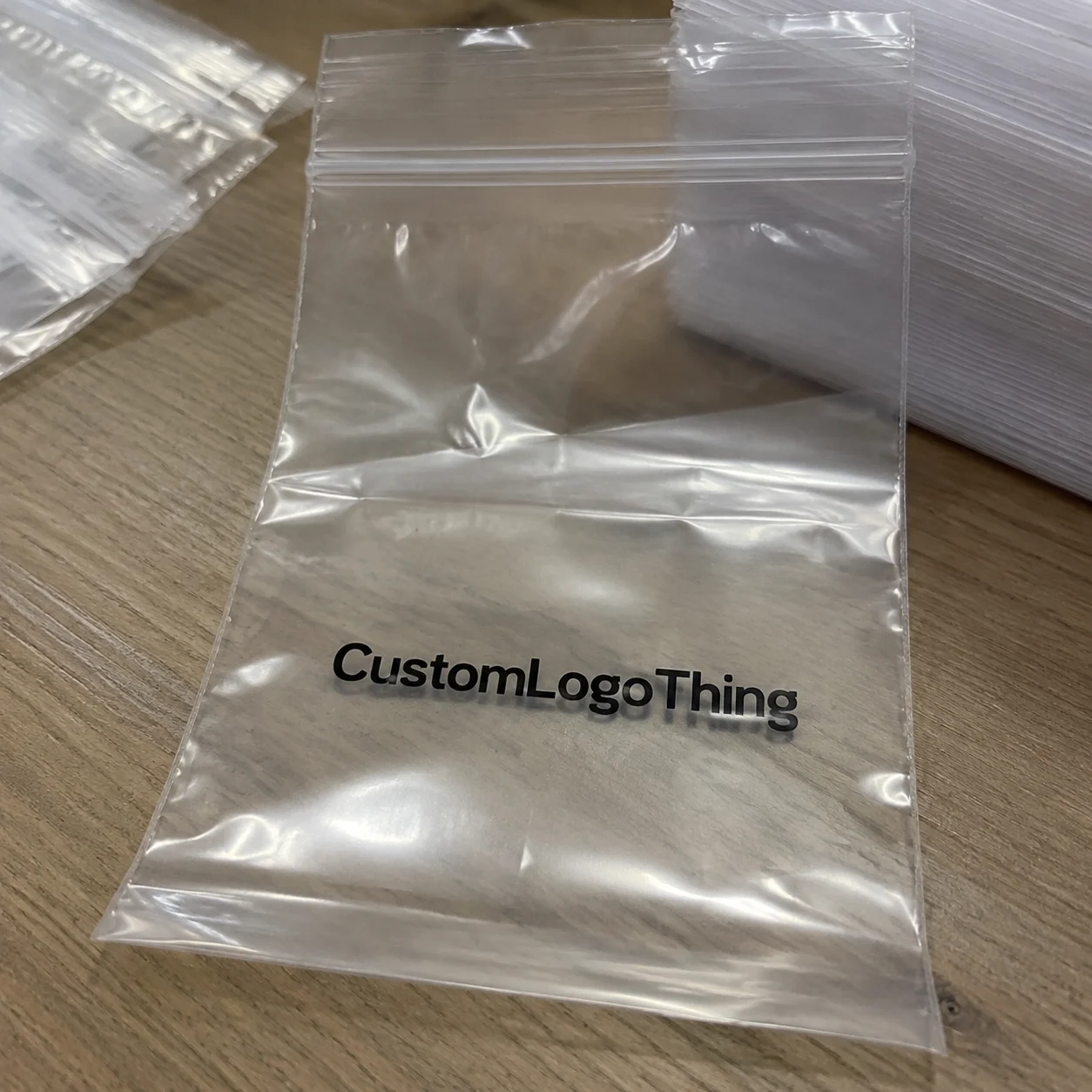
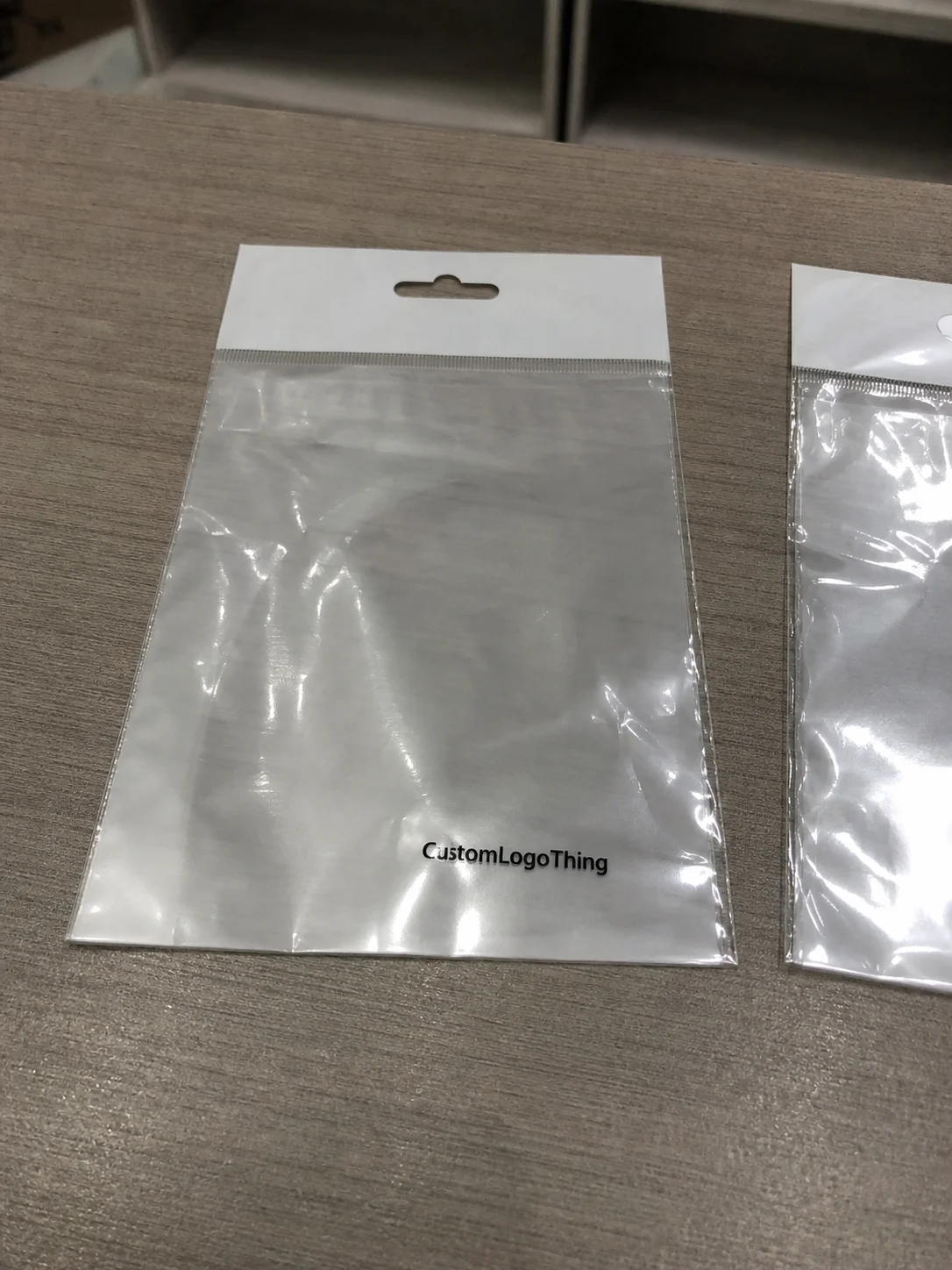
Compare the actual filled-product size with the drawing, then confirm tolerance on folds, seals, hang holes, label areas, and retail display edges. Reserve space for logos, QR codes, warning copy, and material claims before decorative graphics fill the panel.
Quote comparison points
Review material grade, print process, finish, sampling route, tooling charges, carton quantity, and freight assumptions side by side. A quote is only useful when the supplier can repeat the same color, closure quality, and packing count on the next order.
Most buyers think Poly Mailer Price per unit calculation starts and ends with the factory quote. It doesn’t. I watched a procurement manager in Dongguan celebrate saving $0.03 per bag on a 10,000-piece order, then eat the savings on setup, freight, and a thicker film upgrade he never budgeted for. That’s not a win. That’s a very polite way to get burned. And yes, he still tried to call it “optimization” later. I nearly spit out my tea.
I’m Sarah Chen. I’ve spent 12 years in custom printing and packaging, and I’ve walked enough factory floors in Shenzhen, Dongguan, and Ningbo to know that poly mailer price per unit calculation only makes sense when you count the whole landed cost, not the shiny number somebody circles in an email. If you want to compare quotes honestly, you need the real formula, the hidden fees, and the specs that actually move the needle. Otherwise you’re just playing spreadsheet theater, which sounds glamorous until finance asks questions.
Poly Mailer Price Per Unit Calculation: Why the Cheapest Quote Usually Lies
Here’s the basic formula I use when I’m checking a quote: total landed cost divided by total usable units received. Not the factory unit price. Not the “starting at” number a salesperson throws at you with a smile. Actual cost. The kind finance can live with. The kind that doesn’t magically grow legs after approval. If a supplier is quoting from Guangdong or Zhejiang, the formula still doesn’t change. The math does not care about your lunch meeting.
So if a supplier quotes $0.16 per unit for 10,000 poly mailers, that sounds clean. But if there’s a $280 plate fee, a $120 artwork fee, $190 domestic handling, and $640 freight, your real poly mailer price per unit calculation is closer to $0.31 per unit. Same bags. Very different story. I’ve seen buyers compare two quotes with identical per-unit pricing and still end up 15% to 40% apart after all extras were added. If that sounds absurd, good. It is.
That gap usually comes from the hidden cost buckets nobody circles in red:
- Plate or setup fees for flexo printing
- Artwork prep or file correction charges
- Film upgrades like thicker LDPE or co-ex film
- Sealing strip changes for stronger adhesive
- Carton packing and inner polybag packing
- Domestic handling before export
- Freight, whether air, ocean, or truck
When I visited a Shenzhen converter last spring, the production manager showed me two identical-looking mailers. One used standard virgin LDPE. The other used a higher recycled-content blend that required slower machine settings and tighter scrap control. Same size. Same print. Different actual cost because one line ran at 18% more waste during startup. That’s the part buyers never see from a clean PDF quote. The quote looks tidy. The factory floor is not tidy. It’s noisy, hot, and full of people solving problems you don’t see until the invoice lands. On that line, the bags were running at 220 bags per minute on the standard blend and about 185 bags per minute on the recycled blend. That slowdown matters.
Honestly, the cheapest quote is often the most expensive one. Not because factories are shady. Some are. Many aren’t. It’s because the quote is incomplete, and incomplete pricing is how poly mailer price per unit calculation gets distorted. If you’re comparing suppliers like Uline, PCE, or a regional printer, ask for the same spec sheet and the same landed-cost assumptions. Otherwise you’re comparing apples to oranges and pretending it’s a procurement strategy.
“A quote with no freight and no setup isn’t a quote. It’s a teaser.” — what I told a client after he nearly approved a 25,000-piece order based on one line item and a prayer.
For reference on packaging sustainability and material choices, the EPA’s plastics guidance is a solid place to sanity-check recycled-content claims. If a supplier starts waving certification language around, ask for the actual certificate number, not a logo pasted into a slide deck. I’ve seen that trick too many times. It’s like wearing a hard hat and hoping nobody asks what’s inside it.
Poly Mailer Product Details That Change Unit Pricing
Poly mailer price per unit calculation changes fast once you start adjusting the material. LDPE is usually the baseline. It’s flexible, decent for garment mailers, and usually the cheapest option at scale. Co-extruded film costs more because it gives you better strength, opacity, and tear resistance. If you need a black inner layer or a white exterior for full-coverage print, expect the price to move again. Nothing is free. Not even a “small” material tweak. In South China, I’ve seen a 2-layer co-ex structure add about $0.018 to $0.026 per unit on a 10,000-piece run, depending on resin pricing that week.
Recycled content can also change the number. Sometimes by a little. Sometimes enough to make a buyer squint at the spreadsheet. The feedstock market affects resin pricing, and recycled blends can require more QC. I once negotiated with a supplier in Ningbo who wanted to charge an extra $0.021 per unit for a 30% recycled-content mailer because their scrap rate was running higher on the line. We pushed back, adjusted the thickness spec from 3.2 mil to 3.0 mil, and brought the bag back into budget without weakening the final mailer for apparel shipping. That negotiation was half math, half stubbornness, which is basically my brand.
Size matters too. A small 10 x 13 inch apparel mailer uses less film than a 14.5 x 19 inch oversized mailer. That sounds obvious, but people still miss it when they compare a retail sample pack to a bulk apparel program. Bigger bag. More film. More seal length. More cost. Packing efficiency changes too. Smaller mailers fit better in cartons and take less cube space, which can help freight math. A jump from 10 x 13 inches to 12 x 15.5 inches can add several grams of film per unit, and on 50,000 pieces that becomes very real money.
Print method is another big lever in poly mailer price per unit calculation. One-color flexo is usually the most economical for custom branding. Two-color or full-bleed coverage costs more because of ink coverage, plate count, and press setup time. If you want a rich black exterior, matte finish, and logo on both sides, don’t act surprised when the number climbs. Ink coverage is not magic. It’s labor, plates, and material. I know, thrilling stuff. Packaging is basically a long list of things that cost money because people and machines have to do them. On a 10,000-piece run, a one-color print might stay near $0.15 to $0.18 per unit, while a two-color full-coverage job can move to $0.22 to $0.28 per unit, depending on the factory in Guangdong or Jiangsu.
Functional add-ons also stack cost. A tamper-evident adhesive strip is worth the money if you’re shipping premium apparel or cosmetics. Dual seals can help with returns. Tear strips improve customer experience. An opaque inner layer is great for privacy. Gussets add capacity but can complicate folding and sealing. Every one of those details changes the production line speed, and slower speed means a higher unit price. Factory math is annoyingly consistent that way. On a manual-packing line in Yiwu, I saw dual-seal mailers run roughly 12% slower than standard permanent-seal bags because workers had to double-check the release liner and seal alignment.
Here’s a simple comparison I show buyers all the time:
| Spec | Typical Unit Price at 10,000 pcs | What Drives the Cost | Best For |
|---|---|---|---|
| Basic LDPE, one-color print | $0.14–$0.18 | Lower resin cost, simple setup | Apparel, inserts, light retail |
| Co-ex film, two-color print | $0.18–$0.24 | Better strength, more plates, slower press speed | Mid-range eCommerce brands |
| Recycled-content, full-bleed print | $0.22–$0.31 | Material variability, higher QC, heavier ink coverage | Brands with sustainability targets |
| Premium tamper-evident, dual seal | $0.24–$0.35 | More functional components and more machine steps | Cosmetics, subscription boxes, returns-heavy categories |
If you’re buying Custom Poly Mailers, don’t assume the quote reflects only the visible print. Ask what film structure is being used, how many colors are actually being printed, and whether the adhesive strip is standard or upgraded. A 0.5 mil difference might not sound like much, but on a 40,000-piece run it changes resin usage enough to show up in the final invoice. For a 2.5 mil bag versus a 3.0 mil bag, the cost gap can land around $0.01 to $0.04 per unit, depending on bag size and resin market pricing in East China.
Structural changes can impact scrap too. When a factory changes bag width or seal style, the machine often needs a longer startup period to stabilize tension. I saw one line lose 7% extra film on a complex gusseted job because the operator kept chasing alignment. You pay for that. Not always directly. Sometimes it’s hidden inside the unit quote, which is worse because it looks “stable.” At a plant in Dongguan, that startup scrap added nearly 300 meters of wasted film before the run settled down.
Poly Mailer Price Per Unit Calculation: Specs That Move the Number
If you want a useful poly mailer price per unit calculation, you have to give the supplier real specs. Not “standard size.” Not “something like the sample.” Give the exact dimensions, thickness, print sides, number of colors, sealing style, and finish. Otherwise the quote you get is a guess dressed up as a proposal. I mean, sure, the guess might be delivered with a nice logo in the corner, but it’s still a guess. A proper RFQ should spell out the outer size, the usable internal width, and the seal width in millimeters. That level of detail saves everyone time.
Thickness is one of the biggest drivers. A 2.0 mil mailer is cheaper than a 3.0 mil mailer because it uses less resin and usually runs faster. But don’t buy the thinnest option just to save $0.01. I’ve seen brands switch to a lighter bag, then get crushed by returns because the mailers tore on sharp box corners. That savings vanished fast. A good supplier will help you balance durability and cost instead of selling you the thickest bag because it sounds premium. For lightweight clothing shipped in flat packs, 2.0 to 2.5 mil is often enough. For boxed accessories or heavier apparel, 3.0 mil is usually a better starting point.
Here’s how I explain it to clients: if you ship soft apparel, a 2.0–2.5 mil bag may be enough. If you ship boxed accessories or heavier items, 3.0 mil or more can be worth the extra cost. For a 15,000-piece program, that thickness choice might move your poly mailer price per unit calculation by $0.02 to $0.05 per unit. Multiply that out. Suddenly it’s not small money. Suddenly it’s a line item worth arguing over, which is basically the packaging industry’s favorite hobby.
Size efficiency matters just as much. Outer dimensions are not the same as usable space. A mailer listed as 10 x 13 inches might have less internal room after the seal and gusset are counted. If your folded garment is 9.5 inches wide, you’ve got a fit issue waiting to happen. I’ve sat in supplier meetings where the buyer brought only the outer dimensions, then complained the finished shirt didn’t fit comfortably. That’s not a factory mistake. That’s a spec problem. The factory didn’t magically become clairvoyant because someone wrote “standard” in an email. In one Guangzhou sample room, we measured a 10 x 13 inch mailer at only 9.1 inches of true usable width once the side seals were included.
Compliance and quality specs also affect pricing. If you need recycled content, ask for the exact percentage and whether it’s post-consumer or post-industrial. If puncture resistance matters, ask which test standard they use. Industry buyers often reference ISTA procedures for distribution testing, and that’s smart. A bag that looks fine in the warehouse can still fail after vibration, compression, or drop abuse. Packaging has a nasty habit of behaving perfectly until it gets tossed around by a carrier. If you ship from a fulfillment center in California to customers in Texas and Florida, that matters even more.
Packaging efficiency is part of the equation too. Poly mailers ship flat, which usually lowers cube weight compared with rigid packaging. That can reduce fulfillment labor and freight exposure, even if the per-unit bag cost is a few cents higher. I’ve seen warehouse managers accept a higher unit price because the line ran faster and they could pack 1,500 more orders per shift. That’s real savings. Not spreadsheet theater. Not “we saved on paper but lost on labor.” Real savings. On one eCommerce program in Dallas, switching to a flatter mailer cut carton fill time by 9 seconds per order, which added up fast over a 30,000-order month.
Before you quote, collect these specs in one line:
- Exact outer dimensions and usable internal size
- Thickness in mil or microns
- Material type: LDPE, co-ex, recycled blend
- Print sides and color count
- Seal style: permanent, dual seal, tamper-evident
- Finish: gloss, matte, soft-touch if applicable
- Destination zip or postal code for freight
If you leave out one of those details, the poly mailer price per unit calculation will drift. Then you’ll spend a week asking why one quote is $0.03 lower and discover it’s not the same bag, not the same print, and not the same shipping method. Classic. A little bit maddening, actually.
Pricing and MOQ: How Poly Mailer Price Per Unit Calculation Really Works
MOQ is where the math gets real. The lower the order quantity, the more the setup cost weighs on each unit. The higher the order quantity, the more those fixed costs spread out. That’s why a 5,000-piece run can look expensive while a 20,000-piece run suddenly looks civilized. Personally, I think MOQ is where a lot of “cheap” quotes go to die. In a factory outside Shenzhen, I saw a 5,000-piece job carry nearly the same plate and setup cost as a 12,000-piece run because the artwork only changed by one color, but the press still needed the same wash-up and alignment.
Let me show you a simple example from a real quote structure I’ve used in supplier negotiations:
| Order Size | Base Unit Price | Setup / Plates / Prep | Freight | Total Landed Cost | Landed Cost per Unit |
|---|---|---|---|---|---|
| 5,000 pcs | $0.19 | $420 | $260 | $1,630 | $0.326 |
| 10,000 pcs | $0.16 | $420 | $420 | $2,440 | $0.244 |
| 20,000 pcs | $0.13 | $420 | $760 | $3,780 | $0.189 |
That table is why poly mailer price per unit calculation should never be done off the headline unit price alone. On paper, 20,000 pieces may look like overstock. In practice, it can cut the per-unit cost enough to justify the extra inventory if your sell-through is strong. If your warehouse can handle it, that price break is real money. If it can’t, then you’ve just bought yourself a very organized headache. In a carton-packed loadout in Ningbo, the jump from 10,000 to 20,000 pieces often also improves pallet efficiency, which can shave another $80 to $140 off domestic handling.
Here’s the trap: some suppliers quote a low unit price, then add separate charges for artwork, packing, carton marking, and export docs. Others wrap some of those costs into the unit rate. Both are valid if they’re disclosed. Neither is useful if you’re not comparing the same structure. When I negotiate, I always ask, “What exactly is included in the quote, and what is excluded?” That one question has saved clients thousands of dollars. It also saves me from fake smiles and vague emails, which is a bonus.
You’ll also see different pricing behavior from domestic distributors versus direct factories. A reseller may quote faster and handle less paperwork, but there’s often markup baked in. A direct factory quote may be lower, but you need to watch the freight, payment terms, and proofing process. If you’re sourcing from a manufacturer in Shenzhen or Yiwu, ask for the incoterm clearly stated. EXW, FOB, and DDP are not interchangeable, and pretending they are is how budgets get wrecked. I have seen perfectly good purchasing plans collapse because someone thought “shipping included” meant the same thing in every quote. It does not. Of course it does not.
One more thing. Price break thresholds matter. If 8,000 units costs nearly the same landed total as 10,000 units, it may make sense to step up. If 12,000 units pushes you into a full carton optimization and a better freight rate, even better. I’ve had clients move up one MOQ tier and save 9% on landed cost because the setup fee got diluted and shipping efficiency improved. That’s why a proper poly mailer price per unit calculation should always look at total cost bands, not just a single line item. On a shipment from Shanghai to Los Angeles, moving from 8,000 to 10,000 pieces sometimes cuts freight per unit by another $0.01 to $0.02 because the pallet stack is denser.
If you’re comparing with Custom Packaging Products across multiple formats, keep each quote on the same terms. Same dimensions. Same thickness. Same print method. Same destination. Same timeline. Otherwise your procurement comparison is fiction with a spreadsheet header.
And yes, I know buyers sometimes ask, “Can you match Uline?” Sure, sometimes. But Uline is often selling from a different warehouse model, different carton counts, and different margin assumptions. PCE or another regional supplier may beat them on freight to a given zip code. The only honest way to know is to compare landed cost per usable unit. That’s the whole point of poly mailer price per unit calculation.
How Do You Calculate Poly Mailer Price Per Unit Calculation?
The cleanest poly mailer price per unit calculation is simple: add up every cost tied to the order, then divide by the number of usable mailers you actually receive. That means factory unit price, setup fees, plate charges, artwork prep, carton packing, freight, and any handling or export fees. If one supplier gives you EXW and another gives you DDP, normalize both before you compare them. Same spec. Same terms. Same destination. Otherwise the math is just decorative.
Here’s the quick formula I use:
Total landed cost ÷ usable units received = poly mailer price per unit calculation
For example, if your total landed cost is $2,440 and you receive 10,000 usable mailers, your unit cost is $0.244. If the quote looks cheaper on paper but includes lower thickness, different print coverage, or higher freight, the real unit cost can be higher. That’s why a useful poly mailer price per unit calculation always starts with the full breakdown, not the headline price.
I also check whether the quoted quantity includes overrun or waste allowance. A factory may produce 10,200 pieces to cover startup waste and inspection samples, but only 10,000 are usable. If you don’t ask, you may think the price per unit is lower than it really is. That little gap is where procurement budgets quietly bleed out.
Then there’s material yield. A wider bag, thicker film, or more complex seal means more resin per unit. A recycled-content blend may also run with higher startup waste. Those details can shift the final number by a few cents, which doesn’t sound dramatic until you multiply it across 20,000 or 50,000 pieces. Then it becomes a real budget discussion instead of a footnote.
My rule is blunt: if the supplier can’t explain how they got from raw material to delivered carton, the quote is not ready. I want to see the assumptions. I want the freight lane. I want the pack count. I want the print method. That’s how poly mailer price per unit calculation stops being guesswork and starts being a buying tool.
Process and Timeline: From Quote to Delivery
A clean order follows a pretty standard path: inquiry, spec confirmation, artwork review, proof approval, production, QC, packing, and freight booking. Miss one step and the whole schedule slips. I’ve seen it happen more times than I’d like to count. The worst delays usually start with bad artwork files or last-minute spec changes. Someone decides the logo needs one more color, and suddenly the press schedule shifts by three days. Then everyone acts shocked, as if factories run on wishful thinking. In Dongguan, a simple artwork correction can cost half a day; a full plate remake can cost a full day.
For most Custom Poly Mailer jobs, a realistic timeline is 12 to 18 business days from proof approval to shipment if the specs are straightforward and the factory has material in stock. If you need recycled film, special adhesive, or a complex print build, add time. If you need ocean freight to the U.S. East Coast, add more. Rush orders are possible, but they cost more because they disrupt the production line and freight booking. Nothing is free. Especially not speed. Based on orders I’ve tracked from Guangdong to California, the best-case timeline is often 12 to 15 business days from proof approval, then 18 to 28 days for ocean transit depending on the port.
I remember a client who insisted on approving artwork “later in the week” while asking for a hard ship date. That delayed proof approval by four days, which pushed production into a weekend, which pushed freight booking into a higher-rate window. The unit price didn’t change. The landed cost did. That’s the kind of thing that should be part of your poly mailer price per unit calculation even before you place the order. Tiny delay. Big bill. Very glamorous.
If you want a faster timeline, do three things up front:
- Send a clean dieline or reference photo with exact measurements.
- Confirm Pantone colors or provide the closest printed sample.
- Approve the digital proof quickly, ideally within 24 hours.
Factory capacity also matters. Around holiday shutdown periods, lead times stretch because production slots fill up. Shipping method choices matter too. Air freight is faster and far more expensive. Ocean freight is cheaper and slower. Truck freight from a domestic warehouse might be ideal if you’re on a tight receiving schedule. I’ve had buyers choose air freight on a rush order because the stockout cost was higher than the shipping premium. That was a sensible decision. I’ve also seen people pay $1,100 extra to save three days on an item they didn’t need for two weeks. Not sensible. Just stressful. And a little painful to watch, frankly. From a factory in Shenzhen to a Midwest warehouse, a standard air shipment can arrive in 5 to 7 business days, while ocean freight can take 25 to 40 days door to door.
When you request a quote, ask the supplier to specify the timeline by stage. For example:
- Artwork proof: 1-2 business days
- Sample or digital approval: 1-3 business days depending on revisions
- Production: 8-12 business days
- QC and packing: 1-2 business days
- Freight transit: varies by destination and method
That kind of breakdown keeps everyone honest. It also makes your poly mailer price per unit calculation more useful because you can compare time as well as cost. A lower unit price that misses your launch window is not a bargain. It’s a delay with a discount sticker.
Why Choose Us for Poly Mailer Price Per Unit Calculation
I built this business around one simple idea: tell buyers what the packaging actually costs, not what sounds good in an email. No vague “starting at” nonsense. No mystery fees buried in a freight line. If you ask us for a quote, we’ll give you a real breakdown that includes unit price, setup, packaging, and estimated landed cost based on your destination. If you need a quote for 10,000 pieces going to Chicago or 25,000 pieces headed to Atlanta, we’ll price the actual route, not a fantasy route.
That direct approach comes from years of factory relationships and supplier negotiation. I’ve stood in production lines in Shenzhen where a 0.3 second change in seal dwell time altered the entire waste rate. I’ve pushed back on plate charges in Ningbo. I’ve had a factory try to justify a premium by calling a standard 2.5 mil bag “reinforced,” which is marketing language doing backflips. We don’t do that here. We match the spec to the job. That’s how you avoid overpaying for thickness, print coverage, or oversized dimensions you don’t need.
One client wanted a 3.5 mil mailer for lightweight T-shirts. On paper, it sounded sturdy. In practice, it was overkill. We trimmed the thickness to 2.5 mil, kept the same print quality, and saved enough to cover upgraded carton labeling and a better freight option. That’s the kind of advice buyers actually need when running poly mailer price per unit calculation. Not hype. Just useful math. On that order, the savings came to roughly $0.028 per unit across 12,000 pieces, which is real budget money.
We also support realistic MOQs. If you need a smaller test run, we’ll say so clearly. If your best price sits at 10,000 or 20,000 pieces, we’ll explain why. If your finance team needs a landed-cost breakdown, we can give it. If you need a proof before commit, we can handle that too. If the specs don’t make sense, I’ll tell you. I’ve rejected more wasteful packaging ideas than I’ve approved. Some of them looked great in a deck and terrible on a press line. A pretty mockup does not automatically equal a smart buying decision. Shocking, I know.
For brands comparing across multiple packaging categories, our Custom Packaging Products catalog helps keep the conversation organized. If you’re focused on shipping bags specifically, the Custom Poly Mailers page is the fastest place to start gathering the right specs.
Packaging standards matter too. If you’re testing shipping performance, ask whether the supplier understands ISTA testing logic and basic ASTM material checks. If you’re sourcing paper-based packaging elsewhere, FSC certification may matter. Different products, different rules. That’s why good sourcing is never copy-paste. In our shop, we’ll also flag whether a mailer should be packed 100 pieces per inner bag, 500 pieces per carton, or palletized for export from ports like Yantian or Ningbo.
I’ve also found that transparency builds better long-term pricing. A buyer who knows the exact drivers of poly mailer price per unit calculation can make smarter decisions on thickness, print complexity, and order quantity. That usually leads to fewer revisions, fewer surprises, and better repeat pricing. Strange concept, I know. Clarity helps.
Next Steps to Get an Accurate Quote
If you want an accurate quote, send complete specs the first time. Size, thickness, quantity, print colors, finish, destination postal code, and timeline. If you have a target budget, say that too. I can work with a number. I can’t work with “cheap but nice.” Nobody can. That phrase has caused more wasted quoting than any other in custom packaging, and I say that with the deep weariness of someone who has answered it too many times. If your target is $0.18 per unit for 10,000 pieces, say that plainly and we can tell you whether it fits LDPE, co-ex, or recycled film.
Then ask for two things: a unit-price breakdown and an estimated landed cost. Those are not the same. A headline factory rate can hide freight, packaging, setup, and small handling charges that change your real per-unit cost. Your poly mailer price per unit calculation only becomes meaningful when the same assumptions are used across suppliers.
Before you approve anything, request a sample or digital proof. The sample tells you the feel, seal, and print quality. The proof catches artwork mistakes. I’ve seen one missing Pantone reference turn a “brand red” into a weird coral shade that nobody approved. Fixing it after production starts is expensive. Fixing it before production starts costs almost nothing. After production starts, you’re basically paying money to regret things. On one job out of Guangzhou, correcting a color shift before press saved about $180 in remake costs and two full days of delay.
Here’s the checklist I’d use if I were buying for my own brand:
- Confirm exact bag dimensions and usable space
- Choose thickness based on product weight and shipping abuse
- Decide on print sides and color count
- Ask what is included in the quote
- Check MOQ and the next price break
- Request sample or proof
- Confirm shipping terms and destination costs
- Approve only after the full landed cost is clear
Compare at least two quotes using identical specs. That sounds obvious, but I’ve watched procurement teams compare a 2-color co-ex mailer from one supplier against a 1-color LDPE mailer from another and then act surprised when the numbers differed. Of course they did. The bags were not the same. The poly mailer price per unit calculation was never honest to begin with.
If you want the cleanest path forward, send your specs, confirm the MOQ, review the proof, and lock freight before production starts. Then the quote means something. Then the numbers are usable. And then you can make a purchasing decision without crossing your fingers and hoping the invoice behaves itself.
FAQ
How do I calculate poly mailer price per unit for a custom order?
Add the factory unit price, setup fees, printing charges, packaging, and freight. Then divide the total landed cost by the number of usable mailers received. Use the same specs across suppliers so the comparison is honest and the poly mailer price per unit calculation actually tells you something useful. If one supplier quotes FOB Shenzhen and another quotes DDP Chicago, normalize both before deciding.
What affects poly mailer price per unit calculation the most?
Size, thickness, print coverage, and MOQ usually move the price fastest. Extra features like tamper-evident seals or recycled content can raise costs, and shipping distance or rush timing can matter just as much as the factory quote. That’s why a proper poly mailer price per unit calculation needs the full picture. A 12 x 15.5 inch, 3.0 mil dual-seal mailer will not price like a 10 x 13 inch, 2.0 mil plain bag.
Why is the unit price lower on larger MOQ orders?
Setup fees get spread across more bags, factories run longer and more efficient production cycles, and material buying power improves at higher quantities. That’s the core reason poly mailer price per unit calculation improves as order size goes up. On a 20,000-piece run, a $420 setup fee adds only $0.021 per unit, while on 5,000 pieces it adds $0.084 per unit.
What should I ask a supplier before comparing quotes?
Confirm exact dimensions, thickness, print colors, and material type. Ask whether setup, packaging, and freight are included. Request a sample or proof so you know what you are paying for. Without that, the poly mailer price per unit calculation is not apples-to-apples. Also ask where the bags are made, such as Shenzhen, Dongguan, Ningbo, or Yiwu, because freight and lead time vary by region.
Can I reduce poly mailer cost without lowering quality?
Yes. Right-size the bag, avoid unnecessary print coverage, choose the correct thickness instead of the thickest option, and order at a smarter MOQ tier. Those are the levers that usually improve poly mailer price per unit calculation without hurting performance. A shift from 3.0 mil to 2.5 mil, for example, can save cents per unit while still protecting soft goods in transit.
That’s the short version: don’t shop by sticker price. Shop by total landed cost, spec accuracy, and usable units. If you get those three right, poly mailer price per unit calculation stops being a guessing game and starts being a real buying tool. If a supplier can’t explain their numbers cleanly, I’d walk. Fast.