Ordering Custom Large Plastic bags sounds simple until a bag comes in two inches short and the packing line starts improvising. Or the bags fit, but the freight bill and storage cost quietly erase the savings. Large bags are not just bigger bags. They change the cost model, the print surface, and often the production setup.
For a packaging buyer, the job is to match the bag to the product, pack-out flow, and budget. Done well, the bag protects the product, supports branding, and makes operations easier. Done poorly, you pay for resin, labor, and rework.
Why oversized bags get expensive fast
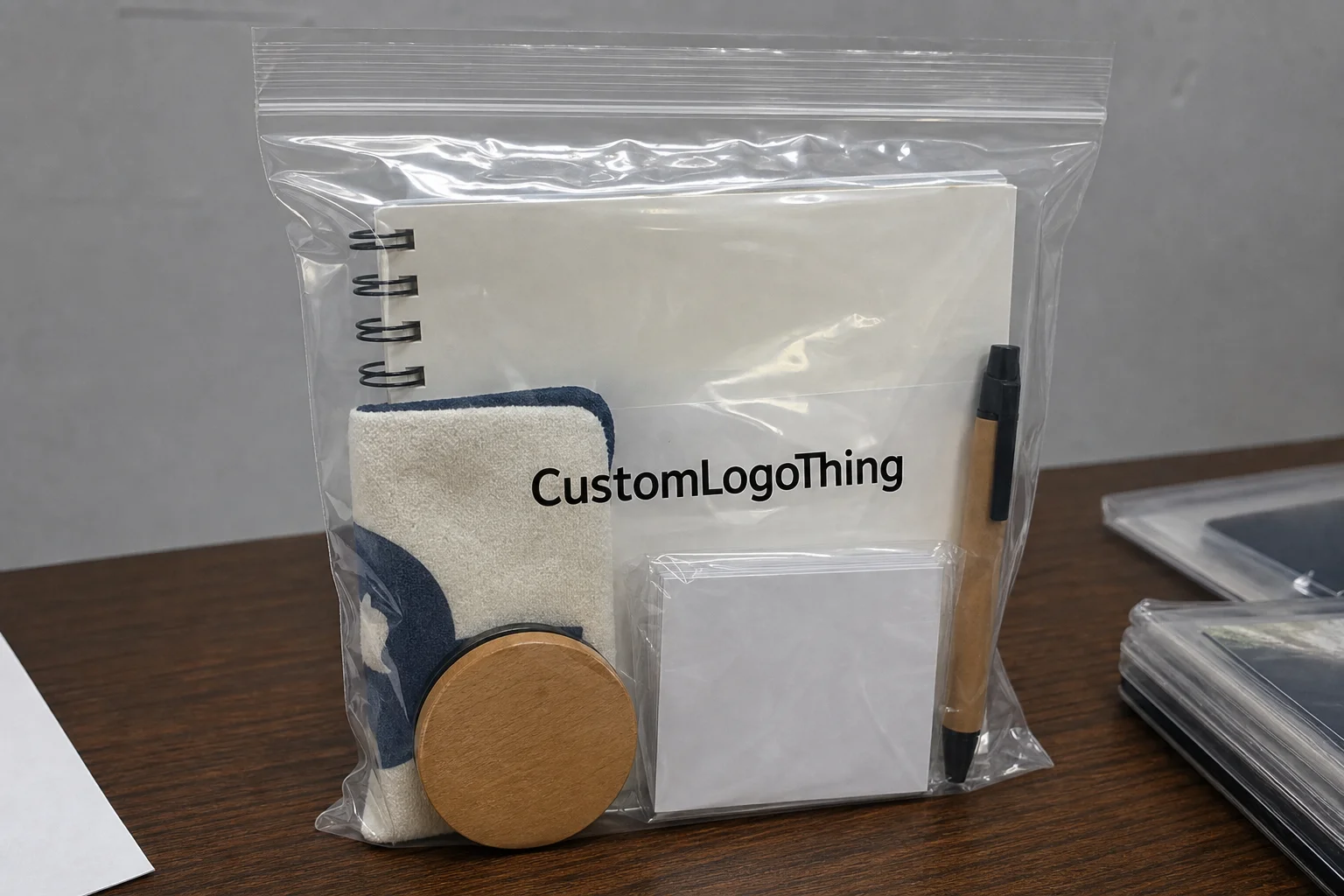
A bag that is too small creates pack-out problems. A bag that is too large wastes film, increases carton size, and can push freight into a higher bracket. That is why custom large plastic bags need exact specs, not vague notes like “big enough.”
Buyers often use oversized Poly Bags for Apparel, bedding, bulk parts, ecommerce returns, food service liners, and promotional packaging. In those categories, the bag usually has to do more than cover the product. It has to load easily, hold weight, and stay presentable for retail or warehouse handling.
Size changes everything. More width means more film. More length means more resin and more print area. Gussets, handles, and reinforced seams add conversion steps. Even carton count changes, which affects pallet build and shipping cost.
One common mistake is asking for “large” without finished dimensions, thickness, product weight, or print goals. That is not enough for a useful quote. A 24 x 36 inch flat bag for textiles is very different from a heavy-duty liner with a gusset for industrial parts.
“If the bag is oversized, every mistake gets bigger too — the price, the freight, and the print flaws.”
How custom large plastic bags are made
The process usually starts with resin selection and film production. Most bags are made from blown film, which offers flexibility and can be tuned for clarity, stretch, or strength. After that, the film is converted into bags, printed if needed, sealed, packed, and shipped.
Material choice matters more than most people think. LDPE is soft, flexible, and common for clear or semi-clear bags. LLDPE adds stretch and puncture resistance, making it useful for heavier or awkward products. HDPE is crisper and can be lower cost, but it feels less soft. Recycled blends may work for some applications, though they are not always suitable for food contact or every retail presentation.
Bag construction matters too. Flat poly bags are straightforward and economical. Gusseted bags add volume for bulky products. Die-cut handle bags are useful for retail pickup or giveaways. Wicketed bags help speed up packing when the operation needs one bag after another. Reinforced seams and stronger seals matter when the load gets heavier or the product has sharp edges.
Printing is where setup becomes real. Flexographic printing is common for larger runs because unit economics improve as volume rises. Digital printing can work better for shorter runs or simpler artwork. Each extra color adds setup and can affect pricing. On large surfaces, poor artwork placement is easier to spot.
Finishing options are not decorative extras. They solve actual problems. Vent holes release trapped air. Hang holes help retail display. Zipper closures support reseal use. Perforation helps with tear-off dispensing. Anti-static additives matter for electronics. UV additives help with sunlight exposure. If the application calls for it, bring these up early.
For buyers comparing suppliers, it helps to understand the main construction options side by side:
| Bag style | Best for | Typical strengths | Tradeoffs |
|---|---|---|---|
| Flat poly bag | Apparel, textiles, general storage | Low cost, simple structure | Less volume, less forgiving fit |
| Gusseted bag | Bedding, bulkier goods, retail packaging | More capacity, better shape around product | More film use, higher price |
| Die-cut handle bag | Promo, retail carryout, events | Easy carrying, better presentation | Handle tooling can add cost |
| Wicketed bag | High-speed packing lines | Fast dispensing, efficient pack-out | More setup, more specific conversion |
If you are building package branding around a bag, the style is part of the message. A clean printed gusset bag says something different from a basic clear liner.
Cost and pricing factors buyers should watch
Pricing for custom large plastic bags usually comes down to six variables: dimensions, thickness, material, print colors, bag style, and quantity. Packaging configuration matters too. A bag packed in smaller cartons may cost more to ship than one packed efficiently on pallets, even if the unit price looks fine.
MOQ is where many buyers get surprised. Large bags use more resin, and conversion setup often costs more. That means low quantities can become expensive quickly. A small run of oversized printed bags may carry a much higher per-unit price than a larger run because setup is spread across fewer pieces.
Here is a practical pricing view, assuming standard poly film and straightforward artwork:
| Order size | Likely pricing pattern | What drives the cost |
|---|---|---|
| 1,000-2,500 units | Highest unit cost | Setup spread across fewer bags, higher labor share |
| 5,000 units | Moderate unit cost | Better absorption of print and tooling setup |
| 10,000-25,000 units | Better value zone | Material volume and conversion efficiency improve |
| 50,000+ units | Lowest unit cost, if storage is manageable | Fewer setup breaks, stronger scale pricing |
For a basic oversized printed bag, pricing might sit around $0.18-$0.28 per unit at 5,000 pieces, depending on size and print coverage. Add heavier film, multiple colors, handles, or special packaging and that number moves fast. A larger, thicker, fully printed bag can go well beyond that. Buyers should ask for landed cost, not just factory price.
Watch for hidden cost traps: oversized cartons, special palletizing, rush charges, custom perforation, handle tooling, and extra testing. If food contact, heavy load, or specific compliance is involved, the quote may also include documentation and testing aligned with relevant standards. For general packaging guidance, the Institute of Packaging Professionals is a solid reference point.
Also, ask for price breaks at 5k, 10k, 25k, and 50k units when the order size justifies it. Sometimes the jump from 10k to 25k is less painful than expected.
Process, timeline, and production steps from quote to delivery
The cleanest order flow starts with specs intake, then art review, material recommendation, quote approval, proofing, production, QC, packing, and shipping. The order gets faster when the buyer gives the right information up front. It gets slower when someone says “we’ll figure the size out later.”
For a repeat order with no changes, the timeline can be fairly short. First-time custom jobs take longer because proofing, print alignment, and conversion details need approval. As a practical range, simple repeat orders may move in roughly 7-12 business days after approval, while new custom jobs often take 12-20 business days or more depending on complexity, sampling, and freight planning.
The usual delays are predictable: missing dielines, blurry artwork, color approval lag, late spec changes, and unclear pack-out requirements. If the size changes after the quote is approved, expect a reset. The same goes for gauge changes or a late request for a second-side print.
Buyers can keep things moving by sending the target use, product weight, bag dimensions, print files, and shipping destination from day one. If the bag will carry apparel, bedding, or industrial parts, say so. The bag spec should follow the product, not the other way around.
Sampling helps, especially for expensive product packaging or brand-sensitive retail packaging. A pre-production sample or mockup catches fit problems and artwork issues before the full run starts. It adds time, but it is still cheaper than discovering the logo sits too low after 20,000 bags are already packed.
How to choose size, thickness, and print specs
Start with actual product dimensions, then add room for insertion, closure, and handling. Do not size the bag to the raw product alone. A folded blanket, a boxed item, or a part with sharp edges needs clearance. If the packed item will be loaded by hand, give it more room. If it will be packed on a line, test the slide-in speed before locking the spec.
Thickness is usually discussed in mils or microns. For light retail use, thinner film may be enough. For medium-duty storage, a moderate gauge is smarter. For bulky or sharp-edged items, thicker film is often worth the extra material cost. A few common ranges: 1.5-2 mil for light-duty bags, 2.5-4 mil for midweight storage, and 4 mil+ for heavier or more demanding uses.
Print decisions should match the bag surface. A simple one-color logo is often cleaner and cheaper. Full coverage designs look stronger for branded packaging, but they raise setup complexity and make film imperfections more visible. On large surfaces, placement is obvious.
Functional features matter as much as looks. Gussets increase volume. Vents reduce trapped air. Stronger seams help with load handling. If the bag will hold heavy product over time, confirm the storage conditions and stacking weight before finalizing the seam and gauge. For repeated shipping or pallet handling, some buyers align internal testing with general methods such as ISTA testing standards.
The cheapest quote is not the best quote if the bag fails in the field. A slightly heavier film, a cleaner seal, and a simpler print often beat a low-price spec that creates damage or rework.
Common ordering mistakes with oversized plastic bags
The first mistake is sizing to the product instead of the packed product. Once the item is folded, inserted, sealed, or bundled, the dimensions change.
Second mistake: ignoring freight and carton size. Large bags can look cheap per unit and still become expensive on the truck. Oversized cartons take space, and space costs money.
Third mistake: poor artwork files. Tiny logos on huge panels often look awkward. Low-resolution files get fuzzy. Dark film changes color appearance and contrast. If the bag is black or tinted, the print strategy needs to reflect that. White ink, underprint, and art placement all matter.
Fourth mistake: over-specifying everything. More gauge, more colors, more features, more cost. Not all of it improves performance. Some buyers ask for the strongest possible film and a fully printed design, then wonder why the quote blew past budget.
Fifth mistake: not testing closure strength, seam durability, or packing speed. A bag can look fine and still slow down the line. Or it can pack well and fail in long-term storage. Testing should match the use case, not a perfect lab scenario.
Expert tips for getting better results on custom large plastic bags
If the product is expensive or the artwork is brand-critical, ask for a print proof and one physical sample. That small step can save a large reprint.
Standardize dimensions across similar SKUs where possible. A family of bags with shared widths or common gussets can reduce setup complexity and improve inventory control. It also makes reordering easier.
When cost is tight, ask about material alternatives. Sometimes a change from one gauge to another, or from LDPE to a blended structure, trims cost without harming performance. The trick is to check the use case before assuming cheaper means worse.
Keep the artwork simple if the goal is clean printing and lower cost. Large surfaces show every flaw. A restrained layout often prints better than a busy one, especially on custom large plastic bags where scale magnifies everything.
Before final approval, confirm storage conditions, temperature exposure, and stacking weight. A bag that sits in a cool warehouse is not the same as one used in a hot backroom or a distribution center with heavy pallet stacking. If sustainability is part of the brief, ask whether the film choice can support recycled content or align with broader waste goals through resources like the EPA recycling guidance.
Next steps for ordering the right bag spec
Before you request quotes, gather the basics: finished dimensions, product weight, bag style, film thickness, print colors, quantity, destination, and whether the bag needs any special features like gussets, vents, or closures. If you can add product photos and pack-out notes, even better.
Create a one-page spec sheet. It keeps vendors comparing apples to apples instead of tossing random prices back and forth. Include the target use, acceptable material options, and the top two priorities. Usually those priorities are load performance and cost.
Ask for a sample, confirm the timeline, and review freight before approving the order. If the project involves package branding, check the print proof with the same attention you would give a retail launch. Small errors look bigger on a large bag.
For buyers building a broader packaging program, it can help to review related Custom Packaging Products so the bag spec works with labels, inserts, cartons, or other branded packaging pieces.
Final check: verify the spec against the actual product and the packing workflow before placing the order. That is the difference between a bag that gets used and a bag that gets blamed.
FAQ
What sizes count as custom large plastic bags?
Usually anything oversized for the product category: broad widths, longer lengths, or gusseted formats made for bulky items. There is no universal threshold. The real definition depends on the use case. Always specify finished dimensions, not just “large.”
How much do custom large plastic bags cost?
Price depends on size, thickness, material, print colors, quantity, and packaging requirements. Bigger bags use more resin, so unit cost rises faster than many buyers expect. Ask for landed cost, not just factory price.
What is the typical lead time for custom large plastic bags?
Simple repeat orders are faster than first-time custom jobs with new artwork or tooling. Proof approval, sampling, and freight planning can add time. The fastest way to delay an order is changing specs after the quote is approved.
What thickness should I choose for large plastic bags?
Use the lightest gauge that safely handles the product and packing process. Heavier loads, sharp edges, and long-term storage usually need thicker film. If you are unsure, compare two sample gauges and test them in real packing conditions.
Can I print a logo on both sides of custom large plastic bags?
Yes, if the bag style and budget allow it. Double-sided printing increases setup and may affect cost, especially on large surfaces. Confirm artwork placement and color consistency before production starts.

